How long does separation anxiety last in babies? It often peaks between 8-18 months and gradually fades. Discover typical timelines, what to expect, and strategies to help your baby cope.
By Shubhra Mishra — a mom of two who turned her own confusion during pregnancy into BumpBites, a global mission to make food choices clear, safe, and stress-free for every expecting mother. 💛
Check whether any food is safe during pregnancy with the BumpBites Food Safety Checker.
Quick take: Separation anxiety is a normal, temporary developmental stage that most babies experience, typically starting around 6-8 months, peaking between 9-18 months, and gradually easing as they develop coping skills. Its duration varies for each child, often lasting a few months for each phase, but it's a sign of a healthy attachment.
It’s 2 a.m. and you’re tiptoeing out of the nursery after a long cuddle, only for a tiny whimper to turn into a full-blown wail the moment your foot hits the hallway. Or perhaps daycare drop-offs have become a daily battle, with your little one clinging to your leg, tears streaming. If this sounds familiar, take a deep breath. You’re likely experiencing one of the most common and completely normal phases of babyhood: separation anxiety.
The worry is real: Is this normal? Why is my baby suddenly so clingy? How long will this last? We understand how unsettling it can be when your previously content baby suddenly becomes distressed every time you leave the room or a new face appears. But rest assured, this isn't a sign you're doing anything wrong; in fact, it's often a positive indicator of your baby's developing brain and secure attachment to you.
In this comprehensive guide, we'll explore what separation anxiety is, why it happens, when to expect its onset and peak, and most importantly, how long it typically lasts. We'll also equip you with practical, reassuring strategies to help both you and your little one navigate this phase with confidence and calm.
What is Separation Anxiety, Exactly?
Separation anxiety is a normal developmental stage where babies and young children experience distress when separated from their primary caregivers or familiar surroundings. It’s a natural response that shows your baby is forming strong, healthy bonds and beginning to understand their world. It’s not a sign of being "spoiled" or overly attached; instead, it's a testament to the deep emotional connection you share.
This anxiety is rooted in two key developmental milestones. First, as babies grow, they develop a better understanding of object permanence – the realization that people and objects still exist even when they can't see them. Before this, "out of sight" literally meant "out of existence." Once they grasp object permanence, they understand you’re still somewhere, but they also realize you're *gone*, which can be upsetting.
Second, separation anxiety is closely linked to the development of a secure attachment. Your baby has learned to rely on you for comfort, safety, and nourishment. When you leave, it can feel like a threat to their sense of security, especially since they don't yet have the language or cognitive skills to understand that you'll be back. It’s a crucial step in their emotional and cognitive growth, signaling that their brain is making important connections about relationships and the world around them.
When Does Separation Anxiety Typically Start and Peak?
While
every baby is unique, there are general age ranges when separation anxiety commonly begins, intensifies, and eventually subsides. Understanding these typical timelines can help you anticipate and better manage this phase.
Onset of Separation Anxiety
For most babies, separation anxiety makes its first appearance around 6 to 8 months of age. This timing often coincides with their growing understanding of object permanence, as well as an increased awareness of strangers. Before this, a baby might happily go to anyone, but now they're starting to differentiate between familiar and unfamiliar faces, often developing what's also known as "stranger anxiety" alongside separation anxiety.
At this age, you might notice your baby becoming clingier, crying when you leave the room, or showing apprehension around people they don't see every day. They're starting to realize that you are a separate individual who can leave, and that can be a startling and unsettling realization for them.
Peak Periods of Separation Anxiety
Separation anxiety often intensifies and reaches its first significant peak between 9 and 18 months of age. During this period, babies are becoming more mobile – crawling or walking – which gives them a new sense of independence, yet paradoxically, also makes them more aware of their need for a secure base. They might follow you from room to room, protest intensely during goodbyes, or wake up crying at night specifically for you.
For many children, there can be a second surge or peak around 18 months to 2 years old. This often happens as toddlers develop more language skills and a stronger sense of self, but still lack the emotional regulation to cope with big feelings of being apart. They might throw tantrums at daycare drop-offs, refuse to stay with a babysitter, or become very distressed when you leave them with a grandparent, even if they know and love that person.
It's important to remember that these are general guidelines. Some babies might experience intense separation anxiety earlier or later, and some might have milder forms. Factors like temperament, major life changes, or even a sudden illness can influence when and how strongly separation anxiety presents itself.
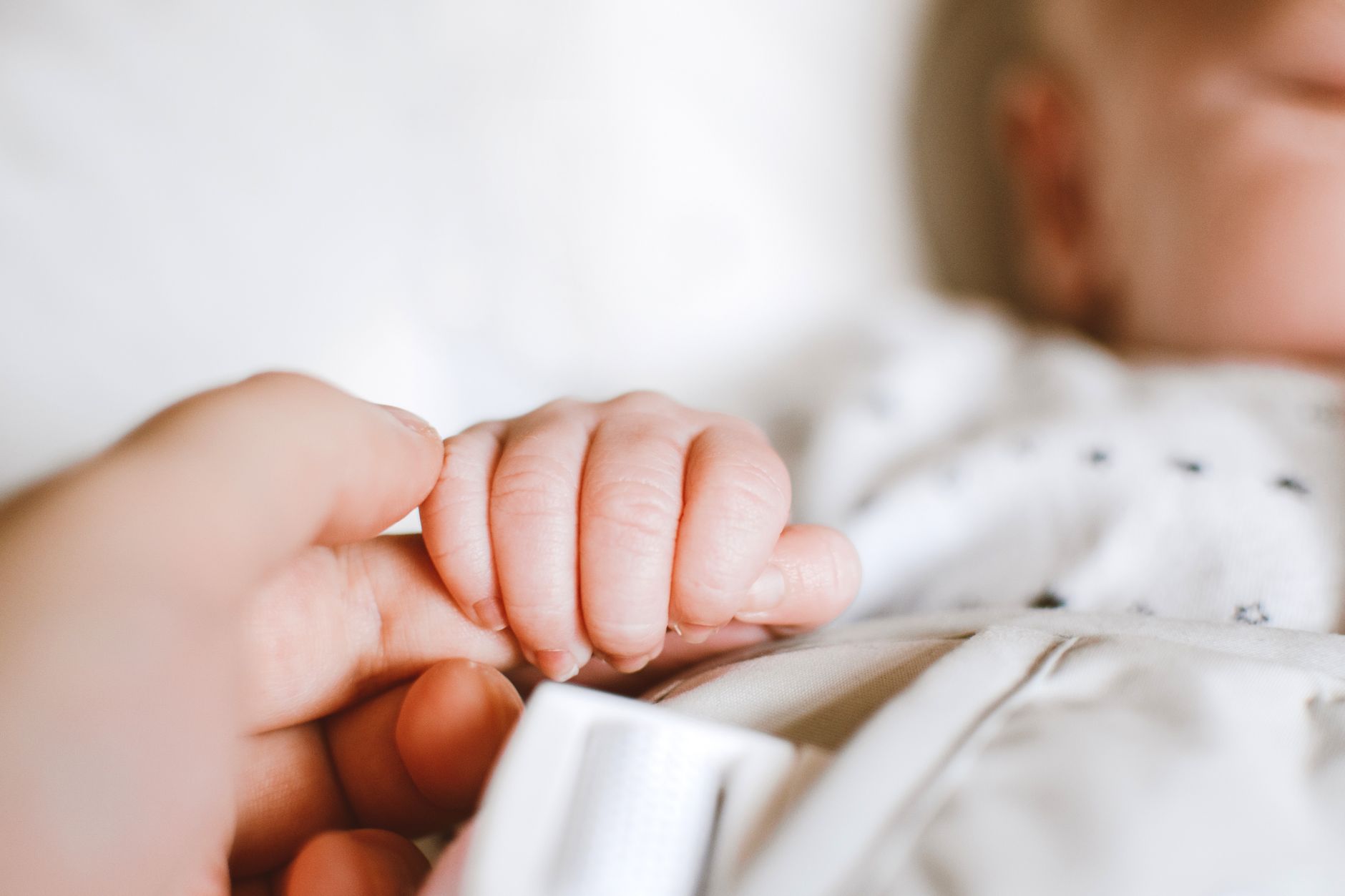
A baby's firm grasp on your finger is a sign of their secure attachment, which is the foundation of separation anxiety.
Typical Timeline for Separation Anxiety
Here’s a general overview of when you might expect to see separation anxiety manifest:
Age Range
Typical Onset/Peak
Common Signs and Behaviors
0-5 Months
Rarely present
Generally content with various caregivers; may show preference for primary caregiver but not distress upon separation.
6-8 Months
Onset begins
Crying when a parent leaves the room, showing apprehension around strangers, clinging more, resisting being put down.
9-12 Months
Peak begins
Intense crying or fussing during goodbyes, distress with unfamiliar people, following parent constantly, difficulty sleeping alone.
12-18 Months
Often peak
Strong protests at drop-offs (daycare, babysitter), refusing to be put down, waking at night specifically for parent, tantrums when left.
18-24 Months
Second peak possible
Similar to 12-18 months, but may show increased verbal protests ("Don't go!"), resistance to new situations, bedtime struggles.
2-3 Years
Gradually less intense
Coping skills improve, longer periods of independent play, occasional regressions during stress or change, can be reasoned with more.
3-4+ Years
Typically resolves
Understands parent will return, can verbalize feelings, fewer tantrums, increased independence, may still have moments of worry.
How Long Does Separation Anxiety Usually Last?
This is the question on every parent’s mind when they're in the thick of it! The good news is that for most children, separation anxiety is a temporary phase. It typically lasts for a few months during each period of intensity, rather than being a constant, unending state. It's more like a series of waves, ebbing and flowing as your child develops.
For example, a baby might experience a strong bout of separation anxiety from 8 to 11 months, then it might lessen for a few months, only to reappear with less intensity around 18 months. The duration of each peak and the overall timeline can be influenced by several factors:
Child's Temperament: Some children are naturally more sensitive or cautious, leading to more intense or longer-lasting anxiety. Others are more adaptable and might move through the phase quickly.
Consistency of Care: A consistent caregiver and predictable routines can help shorten the duration and intensity of separation anxiety, as it builds trust and security.
Parental Response: How parents react to their child's anxiety can also play a role. Calm, consistent goodbyes and reassurance tend to help children cope better than prolonged, anxious farewells.
Life Changes: Major events like moving, a new sibling, starting daycare, or illness can trigger or prolong episodes of separation anxiety.
It's important to understand that separation anxiety isn't something that "goes away" entirely and never returns. Instead, children develop better coping mechanisms. They learn that you will always come back, and they build confidence in their ability to be separate. While the intense crying and clinging may subside, occasional moments of apprehension when saying goodbye might surface during times of stress, illness, or significant transitions, even in older children. This is normal and reflects their continued need for reassurance and connection.
The key takeaway here is patience and consistency. While it feels endless in the moment, this phase is a normal, healthy part of development that will pass as your child gains confidence and understanding.
Signs of Separation Anxiety: What to Look For at Different Ages
Recognizing the signs of separation anxiety can help you respond with empathy and appropriate strategies. These signs can vary depending on your child's age and developmental stage.
In Infants (6-12 Months)
For babies in this age range, separation anxiety often manifests through physical and emotional distress. Their communication is largely non-verbal, so you’ll see their feelings play out in their behavior:
Crying and Fussing: The most obvious sign. Your baby might cry when you leave the room, even if it's just for a moment to grab something. The crying can escalate quickly.
Clinging: They might reach for you, hold onto your clothes, or refuse to be put down, especially if a new person is trying to hold them.
Distress with Strangers: While related to stranger anxiety, it’s also a form of separation anxiety. Your baby might hide their face, turn away, or cry when an unfamiliar person tries to engage with them, even if that person is a loving grandparent they haven't seen in a while.
Resisting Sleep: Bedtime can become a battle as they protest being left alone in their crib or room, leading to increased night waking and calls for you.
Increased Irritability: During times of separation anxiety, babies might seem generally more irritable or fussy throughout the day, as their emotional regulation skills are stretched.
Many parents describe their once-independent crawler suddenly becoming a shadow, following them from room to room, even to the bathroom door. It can feel exhausting, but it’s a powerful sign that your baby is forming a deep and secure attachment to you.
In Toddlers (1-3 Years)
As children enter toddlerhood, their signs of separation anxiety become more varied, incorporating their developing language and motor skills:
Tantrums at Goodbyes: Daycare or preschool drop-offs can turn into dramatic scenes with crying, screaming, hitting, or kicking. They might cling so tightly it feels impossible to detach them.
Verbal Protests: Toddlers with emerging language skills might explicitly say, "Don't go!" or "Stay with me!" when you try to leave.
Following Constantly: They might shadow you around the house, unable to play independently for more than a few minutes without checking where you are.
Nighttime Waking: Similar to infants, toddlers might wake up frequently at night, calling for you, or insisting on sleeping in your bed.
Regression: Under the stress of separation anxiety, a toddler might regress in other areas, such as potty training or self-feeding, temporarily.
Physical Complaints: Some toddlers might complain of a stomachache or headache when separation is imminent, especially before daycare or school. This isn't always manipulation; their anxiety can manifest physically.
Resistance to New Situations: They might be unwilling to try new activities or join in playgroups if you're not right by their side.
One parent shared how her 18-month-old, who previously loved her grandparent's house, suddenly started screaming the moment she tried to leave, even though she knew her daughter was safe and loved there. This intense, seemingly out-of-character behavior is a hallmark of separation anxiety in toddlers.
Understanding the "Why": Developmental Roots of Separation Anxiety
To truly navigate separation anxiety with empathy and effectiveness, it helps to understand the fundamental developmental processes happening in your child's brain and emotional world.
The Emergence of Object Permanence
As we touched upon, object permanence is a critical cognitive milestone, typically developing between 6 and 9 months of age. Before this, your baby lives in an "out of sight, out of mind" world. When you leave the room, it's as if you cease to exist for them. While this might sound alarming, it meant they didn't experience distress over your absence because they didn't understand absence in the way an older child does.
Once object permanence develops, your baby understands that you continue to exist even when you're not visible. This is a huge leap in cognitive ability! However, it comes with a downside: they now realize you're gone, and they don't know *when* you'll return. This uncertainty, coupled with their utter dependence on you, naturally leads to distress. They haven't yet developed a concept of time or the ability to reason that "Mommy is just in the kitchen and will be back."
The Formation of Secure Attachment
Separation anxiety is not a negative sign; it's actually a strong indicator of a secure attachment forming between your baby and their primary caregivers. Secure attachment means your baby feels safe, loved, and trusts that you will meet their needs. They've learned that when they cry, you respond; when they're hungry, you feed them; when they need comfort, you provide it. This consistent, responsive care builds a powerful bond.
When a child with a secure attachment experiences separation anxiety, it means they are aware of their reliance on you for safety and comfort. They miss you because you are their safe haven. This is a positive outcome of nurturing care, not something to try and "fix" in the sense of making it disappear. Rather, it's about helping them learn to cope with your temporary absence while still feeling secure in your bond.
The American Academy of Pediatrics (AAP) emphasizes that this anxiety is a normal and healthy emotional response, reflecting the child’s developing understanding of their world and their relationships.
Stranger Anxiety and Its Connection
Often, separation anxiety goes hand-in-hand with stranger anxiety. This is when babies show fear or distress around unfamiliar people. It typically emerges around the same time as separation anxiety (6-9 months) and peaks similarly. As babies become more attuned to their primary caregivers, they also become better at distinguishing familiar faces from new ones.
For a baby, a stranger represents an unknown. Coupled with their developing object permanence and attachment, an unfamiliar person might seem like a threat to their safety or a potential impediment to their primary caregiver's return. It's an evolutionary protective mechanism, ensuring they stay close to those who can protect them. While distinct, managing one often helps with the other, as both stem from a baby's growing awareness of their dependence and surroundings.
Practical Strategies for Easing Separation Anxiety
While you can't make separation anxiety disappear entirely (nor should you want to, as it's a healthy developmental sign), you can certainly help your child cope with it more effectively. The goal is to build their confidence and trust that you will always return.
1. Master the Goodbye Routine
Be Quick and Confident: Prolonged goodbyes tend to make things harder. Give a loving hug, a quick reassuring sentence ("Mommy will be back after your nap"), and then leave confidently. Lingering or looking anxious can inadvertently signal to your child that there truly is something to worry about.
Always Say Goodbye: Never sneak out. While it might seem easier in the moment, sneaking away can erode trust and make your child more anxious about your disappearances. A proper goodbye, even if it involves tears, teaches them that you always leave and always return.
Create a Ritual: A consistent goodbye ritual (e.g., "Hug, kiss, wave, see you later alligator!") helps your child anticipate the separation and know what to expect. Predictability is comforting.
2. Practice Short Separations
Peek-a-Boo and Hide-and-Seek: These games are more than just fun; they teach object permanence in a playful, low-stakes way. Your baby learns that even when you "disappear," you always come back.
Leave the Room Briefly: Start by leaving your child in a safe space for a minute or two while you go to another room. Reassure them from afar ("I'm just in the kitchen!"), then return. Gradually increase the time.
Allow Independent Play: Encourage your baby to play independently for short periods while you're nearby but not directly engaging. This builds their confidence in being alone.
3. Provide Comfort and Familiarity
Transition Objects: A favorite blanket, stuffed animal, or a small item of your clothing (like a scarf with your scent) can provide immense comfort when you're not there. This is sometimes called a "transitional object."
Maintain Routines: Predictable daily routines, especially around sleep and mealtimes, help children feel secure and know what to expect, reducing overall anxiety.
Familiarize New Environments: If your child is starting daycare or spending time with a new babysitter, introduce them gradually. Visit the new place together, or have the caregiver come to your home a few times while you're present.
A familiar comfort object, like a favorite teddy bear, can provide reassurance during separations.
4. Strategies for Nighttime Separation Anxiety
Nighttime can be particularly challenging as your child is tired, and darkness can heighten fears. For a more personalized understanding of your baby's development, you might find our Separation Anxiety in Babies calculator helpful to track patterns and milestones.
Consistent Bedtime Routine: A calming and predictable routine (bath, story, lullaby) signals that sleep is coming and helps your child feel secure.
Comforting Presence: Spend a few extra minutes cuddling or reading before you leave. Reassure them that you're nearby and they are safe.
Gradual Withdrawal: If your child is struggling to sleep alone, consider a gradual withdrawal method. Start by sitting by their crib, then move your chair closer to the door each night until you're outside the room.
Quick Check-ins: If your child cries after you've put them down, respond quickly with a brief check-in and reassurance ("Mommy's here, you're safe, time to sleep"), but avoid picking them up or prolonging the interaction. This teaches them you're responsive but also that it's sleep time.
5. Managing Daycare and Babysitter Transitions
Phased Introduction: If possible, introduce daycare or a new babysitter gradually. Start with short visits while you're present, then leave for very brief periods, slowly increasing the duration.
Positive Talk: Talk positively about the caregiver or daycare. "You're going to have so much fun with Ms. Sarah!"
Leave a Photo: Some children find comfort in having a small photo of their parents to look at during the day.
Trust Your Caregiver: Once you've said your confident goodbye, trust that the caregiver will comfort your child. Often, the crying stops shortly after you're out of sight.
One mom shared how introducing her sitter slowly, with playdates at home before a full evening out, made all the difference. Her toddler learned to associate the sitter with fun times while Mom was still present, making the eventual solo absences much smoother.
Is It Normal? Separation Anxiety vs. Separation Anxiety Disorder
It's natural for parents to wonder if their child's separation anxiety is "normal" or if it's something more. For the vast majority of children, separation anxiety is a healthy, temporary developmental phase. However, in a small percentage of cases, it can be more severe and persistent, potentially indicating a condition called Separation Anxiety Disorder (SAD).
Normal Separation Anxiety
Normal separation anxiety is characterized by:
Age-Appropriate: Occurs within the typical developmental windows (6 months to 3 years, with peaks).
Temporary: While intense, episodes usually resolve within a few months, and the child develops coping mechanisms.
Resolves with Reassurance: The child can be comforted by a familiar caregiver and eventually settles into the separation. Distress subsides relatively quickly once the parent is gone and the child is distracted.
Doesn't Severely Impair Daily Life: While challenging, it doesn't prevent the child from attending daycare, playing with peers, or engaging in age-appropriate activities once the initial separation is over.
Expected Behaviors: Crying, clinging, fussing, protests at goodbyes, and some sleep resistance are all normal.
The American Academy of Child and Adolescent Psychiatry (AACAP) emphasizes that normal separation anxiety is a universal part of child development, indicating a healthy attachment.
Separation Anxiety Disorder (SAD)
Separation Anxiety Disorder is a more severe and persistent form of anxiety that goes beyond what is developmentally expected. It’s a diagnosable mental health condition that requires professional attention. Signs that might indicate SAD, especially if they are persistent and severe, include:
Beyond Expected Age: Significant, debilitating separation anxiety that persists beyond age 4-5 years, or is unusually intense for their age.
Excessive Distress: Extreme, prolonged, and inconsolable distress during separations, far beyond typical tantrums or sadness.
Preoccupation with Separation: Constant worrying about parents or caregivers being harmed, or about something happening to the child to prevent reunion.
Refusal to Separate: Persistent refusal to attend school, daycare, or social activities due to fear of separation. They might refuse to sleep alone or even be in a room alone at home.
Physical Symptoms: Frequent physical complaints like stomachaches, headaches, nausea, or vomiting when separation is anticipated or occurs. These are real, stress-induced symptoms.
Nightmares: Recurrent nightmares about separation.
Panic Attacks: Experiencing panic attacks when separated from caregivers, characterized by shortness of breath, dizziness, rapid heart rate, or intense fear.
Significant Impairment: The anxiety significantly interferes with the child's social, academic, or daily functioning, impacting their ability to play, learn, and make friends.
If you suspect your child's anxiety might be more than the normal developmental phase, it's crucial to consult with your pediatrician. They can help distinguish between normal anxiety and SAD and guide you toward appropriate support, which might include therapy (like cognitive behavioral therapy) or other interventions.
Factors That Can Influence Separation Anxiety
The intensity and duration of separation anxiety aren't just about age; several other factors can play a significant role. Understanding these can help you tailor your approach and offer targeted support.
Child's Temperament
Just like adults, babies have unique personalities and temperaments. Some children are naturally more cautious, sensitive, or slow-to-warm-up, meaning they take longer to adjust to new situations or people. These children might experience more intense or longer-lasting separation anxiety compared to those who are more adaptable or easygoing. A child with a highly sensitive temperament might feel overwhelmed more easily by changes in routine or new environments, making separations particularly challenging.
Major Life Changes or Stressors
Significant events in a child's life can trigger or exacerbate separation anxiety, even if they're positive changes. These might include:
Moving to a New Home: A change in environment can be unsettling for a young child who thrives on familiarity.
A New Sibling: While exciting for the family, a new baby can shift parental attention and routines, making an older child feel insecure.
Starting Daycare or School: This is a common trigger, as it introduces new people, routines, and a much longer period of separation.
Illness or Injury: When a child is feeling unwell or recovering, their need for comfort and security from their primary caregiver often increases dramatically.
Parental Stress or Changes: Children are incredibly perceptive. If a parent is experiencing stress, anxiety, or going through a difficult period (like a job loss or family conflict), the child can pick up on this, leading to increased anxiety themselves.
Inconsistent or Unpredictable Care
Children thrive on predictability and routine. If a child experiences frequent changes in caregivers, inconsistent responses to their needs, or an unpredictable schedule, it can undermine their sense of security. This lack of stability can make separations more frightening, as they may not trust that their needs will be met or that their caregiver will return. Consistent, responsive care helps build the trust necessary for a child to feel secure during separations.
Parental Anxiety
Children are like sponges, absorbing the emotions around them. If a parent is anxious about leaving their child, or expresses guilt and distress during goodbyes, the child can pick up on these cues. This can inadvertently reinforce the idea that separation is something to be feared. Remaining calm, confident, and reassuring during goodbyes, even when it's hard, sends a powerful message to your child that they are safe and you will return.
Recognizing these influencing factors allows parents to approach separation anxiety not as a one-size-fits-all problem, but as a unique challenge influenced by their child's specific circumstances and personality.
Your calm, reassuring presence can make a significant difference in helping your child navigate separation anxiety.
Tips for Smooth Transitions: Daycare, Babysitters, and Bedtime
Making transitions smoother is key to helping your child cope with separation anxiety. Whether it’s leaving them for the day or just for the night, a thoughtful approach can make a big difference.
For Daycare and Caregivers (Babysitters, Grandparents)
Gradual Introduction: If possible, start with short visits to the daycare or caregiver's home while you are present. Gradually increase the time you leave your child alone, beginning with very brief separations. This allows your child to become familiar with the environment and the caregiver while still having you as a secure base.
Consistent Caregiver: When possible, try to use the same babysitter or ensure your child has a consistent primary teacher at daycare. Familiar faces build trust and predictability.
Positive Framing: Talk about the caregiver or daycare positively in front of your child. "You're going to have so much fun playing with Ms. Sarah today!" This helps create a positive association.
Bring a Comfort Item: Allow your child to bring a favorite blanket, stuffed animal, or a small photo of your family. This tangible link to home can provide immense comfort.
Share Information: Inform the caregiver about your child's routines, preferences, and any specific strategies that help calm them. A well-informed caregiver can respond more effectively.
Trust the Process: It's common for children to cry when you leave, but often they settle quickly after you're gone. Trust your chosen caregiver to comfort your child, and try to avoid lingering at the door, as this can prolong the distress.
For Bedtime and Naps
Establish a Predictable Routine: Consistency is crucial for sleep. A calming bedtime routine (bath, quiet play, story, lullaby, cuddle) signals to your child that it’s time to wind down and helps them feel secure in the predictable sequence of events.
Create a Sleep-Friendly Environment: Ensure their sleep space is dark, quiet, and comfortable. A nightlight can be reassuring for older infants and toddlers.
Comfort Object: A special blanket or stuffed animal can offer comfort and security when you leave the room.
Avoid Sneaking Out: Always say goodnight, even if your child is already drowsy. Sneaking out can make them more anxious about your disappearances.
Reassurance and Presence: If your child wakes up distressed, offer calm, brief reassurance. A quick pat, a soft "Mommy's here, you're safe," and then allow them to resettle. Avoid prolonged interactions that might inadvertently reward waking.
Consider a Gradual Approach: If your child is struggling severely, you might consider methods like "gradual withdrawal" or "chair method," where you slowly move your presence further away each night until your child is comfortable falling asleep independently.
The National Health Service (NHS) in the UK advises parents to be patient and consistent, emphasizing that these routines build security and help children understand the temporary nature of separation.
From our medical team
From our medical team: It's crucial for parents to understand that separation anxiety is a normal and healthy part of a child's development, not a sign of a problem. In fact, it's often an indicator of a secure and loving attachment between child and caregiver. While challenging, approaching this phase with patience, consistency, and reassurance helps build a child's resilience and trust. Don't hesitate to reach out to your pediatrician if you have concerns, especially if the anxiety seems unusually severe or persistent.
There are many misconceptions about separation anxiety that can add to parental stress. Let's clear up some common myths:
Myth: Separation anxiety means your baby is spoiled or overly attached.
Fact: This is completely untrue. Separation anxiety is a normal developmental milestone, indicating that your baby has formed a healthy, secure attachment to you. It's a sign of a strong bond, not a spoiled child. Responding to their distress with comfort and reassurance actually helps them feel more secure.
Myth: It's better to sneak out when your baby isn't looking to avoid tears.
Fact: While it might seem easier in the moment, sneaking out can actually increase your child's anxiety. It teaches them that you might disappear without warning, leading them to be even more clingy and wary. Always say a quick, confident goodbye, even if it causes a few tears. This builds trust and helps them learn that you always return.
Myth: Separation anxiety never truly goes away; some kids are just always anxious.
Fact: For the vast majority of children, intense separation anxiety is a temporary developmental phase. While some children are naturally more sensitive, they develop coping mechanisms and an understanding that separations are temporary. The anxiety evolves as they grow, and while occasional moments of apprehension might occur during times of stress, the debilitating distress usually subsides by preschool age. Persistent, severe anxiety beyond age 4-5 might warrant a conversation with your pediatrician.
Key Takeaways
Separation anxiety is a normal and healthy developmental stage for most babies, typically starting around 6-8 months.
It often peaks between 9-18 months, with a possible second peak around 2 years, before gradually easing.
The duration varies for each child, usually lasting a few months for each intense phase, but it is temporary.
Signs include crying, clinging, distress around strangers, and sleep resistance, varying by age.
It’s a positive sign of secure attachment and your baby's developing understanding of object permanence.
Use consistent, confident goodbyes, practice short separations, and provide comfort objects and predictable routines.
Distinguish normal anxiety from Separation Anxiety Disorder; consult your pediatrician if concerns arise.
Frequently Asked Questions
What is the normal age for separation anxiety?
Separation anxiety typically begins around 6 to 8 months of age, coinciding with a baby's developing understanding of object permanence. It often intensifies and peaks between 9 to 18 months, and can have a second peak around 2 years old, before gradually diminishing.
How long does separation anxiety last in a 1-year-old?
For a 1-year-old, separation anxiety is often at its peak intensity. This phase can last for several months, typically ebbing and flowing, as they learn to cope with your absence and understand that you will return. Consistency in goodbyes and routines is key during this time.
Is separation anxiety normal at 2 years old?
Yes, separation anxiety is entirely normal at 2 years old. Many toddlers experience a second surge of anxiety around this age as their language and independence grow, yet their emotional regulation is still developing. They may protest more verbally and throw tantrums during separations.
What are effective ways to help a baby with separation anxiety?
Effective strategies include practicing quick, confident goodbyes without sneaking out, maintaining consistent routines, introducing comfort objects, and practicing short, playful separations like peek-a-boo. For nighttime, a consistent bedtime routine and brief, reassuring check-ins can help.
What are the key signs of separation anxiety in infants?
In infants (6-12 months), key signs include crying intensely when a primary caregiver leaves the room, clinging tightly, showing distress around unfamiliar people (stranger anxiety), and resisting sleep when left alone in their crib or room.
Does separation anxiety indicate a strong bond?
Absolutely, separation anxiety is a strong indicator of a healthy, secure attachment between a baby and their primary caregiver. It means your baby feels safe and loved enough to notice your absence and trusts that you are their source of comfort and security.
When to Call Your Doctor
While separation anxiety is a normal developmental phase, there are times when it’s wise to consult your pediatrician or healthcare provider. We recommend reaching out if:
Your child's separation anxiety is unusually severe, prolonged, or debilitating for their age (e.g., intense distress persisting beyond 4-5 years old).
The anxiety significantly interferes with their daily life, preventing them from attending school or daycare, playing with friends, or engaging in normal activities.
Your child frequently complains of physical symptoms (stomachaches, headaches, nausea) associated with separation.
They experience panic attacks when separated from you.
The anxiety seems to be getting worse rather than gradually improving over time, or you notice a sudden, severe onset without a clear cause.
This article is for informational purposes only and is not a substitute for professional medical advice, diagnosis, or treatment. Always seek the advice of your physician or other qualified health provider with any questions you may have regarding a medical condition.
References
American Academy of Pediatrics (AAP). (2023). Separation Anxiety. HealthyChildren.org.
American Academy of Child and Adolescent Psychiatry (AACAP). (2022). Separation Anxiety Disorder. Facts for Families Guide.
Mayo Clinic. (2023). Separation anxiety in children.
National Health Service (NHS) UK. (2023). Separation anxiety in babies and children.
Centers for Disease Control and Prevention (CDC). (2023). Child Development: Infant and Toddler.
Not sure about the label on How Long Does Separation Anxiety Last In Babies products?
Snap the ingredients list and SafeFilter checks every ingredient for your stage — only 3 free scans this month, then you're locked until reset. Unlimited from $7/mo or lock $50/yr through Aug 31 (5 days left).
When Shubhra Mishra was expecting her first child in 2016, she was overwhelmed by conflicting food advice — one site said yes, another said never. By the time her second baby arrived in 2019, she realized millions of mothers face the same confusion.
That sparked a five-year journey through clinical nutrition papers, cultural diets, and expert conversations — all leading to BumpBites: a calm, compassionate space where science meets everyday motherhood.
Her long-term vision is to build a global community ensuring safe, supported, and free deliveriesfor every mother — because no woman should face pregnancy alone or uninformed. 🌿
🌍 Stand with mothers, shape safer guidance
Join a small circle of experts who review BumpBites articles so expecting parents everywhere can decide with confidence.