Discover modified workout guidelines for high-risk pregnancy exercise to ensure a healthy pregnancy, including safe exercises and activities
By Shubhra Mishra — a mom of two who turned her own confusion during pregnancy into BumpBites, a global mission to make food choices clear, safe, and stress-free for every expecting mother. 💛
Check whether any food is safe during pregnancy with the BumpBites Food Safety Checker.
Quick take: Yes, you can stay active during a high‑risk pregnancy, but you’ll need a personalized plan that respects your condition, limits intensity, and includes clear stop‑signals. Use a simple calculator to set safe heart‑rate zones, choose low‑impact moves, and always get your provider’s okay before you begin.
It’s 2 a.m., you’re curled on the couch, a gentle cramp has just reminded you of that morning yoga class you skipped, and you’re wondering, “Can I still work out with my preeclampsia?” You’re not alone. Many expecting parents feel a tug‑of‑war between the desire to stay fit and the fear of harming their baby. The good news is that, for most high‑risk pregnancies, movement is still beneficial—just with a few tweaks.
🔢 Calculate it for your situation: Use our Pregnancy Workout Safety for a personalized result in seconds.
In this guide we’ll unpack what “high‑risk pregnancy” really means, outline the universal benefits of staying active, and walk you through how to tailor everyday exercises to your specific situation. We’ll also show you how to use a quick “exercise calculator” to gauge safe intensity, and give you a checklist of warning signs that mean it’s time to pause and call your provider. By the end, you’ll have a clear, customized roadmap that lets you move confidently, without compromising safety.
Whether you’re managing gestational diabetes, coping with a twin pregnancy, or navigating a diagnosis of placenta previa, the principles below apply. Keep this page handy, bookmark it, and refer back whenever you’re planning a workout or feeling unsure about a new activity.
What defines a high‑risk pregnancy and which conditions are most common?
A high‑risk pregnancy is any gestation where the mother, the fetus, or both face a higher chance of complications than in a typical pregnancy. The medical community (ACOG, NICE) flags a pregnancy as high‑risk when one or more of the following are present:
Pre‑existing conditions such as hypertension, type 1 or type 2 diabetes, heart disease, or autoimmune disorders.
Multiple gestations (twins, triplets, etc.) that increase cardiovascular and metabolic load.
Maternal age ≥ 35 years, obesity (BMI ≥ 30), or a history of preterm birth.
Lifestyle factors like smoking, substance use, or severe anemia.
Each condition brings its own set of considerations. For example, gestational diabetes primarily affects blood‑sugar regulation, while preeclampsia raises blood pressure and can affect kidney function. Placenta previa, where the placenta covers the cervical opening, often calls for strict pelvic‑rest and limited abdominal pressure. Understanding the specific label attached to your pregnancy is the first step toward a safe exercise strategy.
Imagine Maya, a 32‑year‑old expecting twins. She was diagnosed with gestational diabetes at 24 weeks and told she could continue walking, but her doctor warned her to watch for rapid heart‑rate spikes. Maya’s story mirrors many mothers‑to‑be: the condition isn’t a stop‑sign, but it does require a tailored approach.
Beyond the list above, rarer but equally important diagnoses—such as antiphospholipid syndrome or chronic kidney disease—also fall under the high‑risk umbrella. In those cases, the same principles of individualized monitoring apply, but the safety thresholds may be tighter. Your care team will translate the medical jargon into concrete numbers you can use during a workout.
Why staying active still matters—even with high‑risk factors
Exerc
ise isn’t a luxury; it’s a therapeutic tool that can mitigate many risks associated with high‑risk pregnancies. Research from the CDC and WHO consistently shows that moderate, regular activity can:
Improve insulin sensitivity, helping control gestational diabetes and reducing the need for medication.
Lower systolic and diastolic blood pressure, which is crucial for managing preeclampsia.
Enhance circulation, reducing swelling (edema) and the likelihood of blood‑clot formation.
Support mental health by lowering anxiety and depressive symptoms, a common concern for parents facing complicated pregnancies.
Prepare the musculoskeletal system for labor, potentially shortening delivery time and decreasing the need for emergency cesarean sections.
These benefits are most pronounced when exercise intensity stays within a safe zone. The mantra “move, but don’t overdo” captures the balance. A 2022 systematic review in *Obstetrics & Gynecology* found that low‑impact aerobic activity (e.g., walking, swimming) reduced the incidence of preterm birth among women with hypertension by 30 % compared with sedentary controls.
For Maya, incorporating a 30‑minute brisk walk after each prenatal visit helped keep her glucose levels stable, and she reported feeling more in control of her health.
Physical activity also supports immune function, which can be especially valuable when a high‑risk pregnancy coincides with seasonal infections. Moderate exercise has been shown to boost natural killer cell activity without raising cortisol to harmful levels, according to a 2021 review by the NHS.
Getting clearance and using a simple calculator to set safe limits
Before you lace up any shoes, the most important step is a conversation with your obstetrician, midwife, or maternal‑fetal medicine specialist. They’ll assess your condition, review any recent labs, and determine whether you need a formal exercise prescription. In many cases, they’ll recommend a target heart‑rate range that’s lower than the standard “220 – age” formula.
Our Pregnancy Workout Safety calculator is designed for exactly this purpose. By entering your age, gestational week, and condition (e.g., gestational diabetes, preeclampsia), the tool outputs a personalized heart‑rate ceiling, suggested duration, and a quick “RPE” (Rate of Perceived Exertion) target. RPE is a 0‑10 scale where 0 feels like sitting still and 10 feels like a sprint; most high‑risk guidelines recommend staying between 3 and 5.
Here’s how to use the calculator in three easy steps:
Enter your basic details (age, weeks pregnant) and select your specific diagnosis from the dropdown menu.
Review the suggested maximum heart‑rate (e.g., 130 bpm) and the recommended weekly minutes of activity (e.g., 150 minutes total).
Print or screenshot the result, and keep it handy during each workout as a safety reference.
Remember, the calculator is a guide, not a substitute for medical advice. If your provider changes your prescription based on new labs, update the calculator accordingly.
In addition to heart‑rate, many clinicians also track perceived exertion and blood‑pressure trends before and after exercise sessions. Some practices ask patients to log these numbers in a pregnancy journal, which can reveal patterns and help fine‑tune the plan without unnecessary clinic visits.
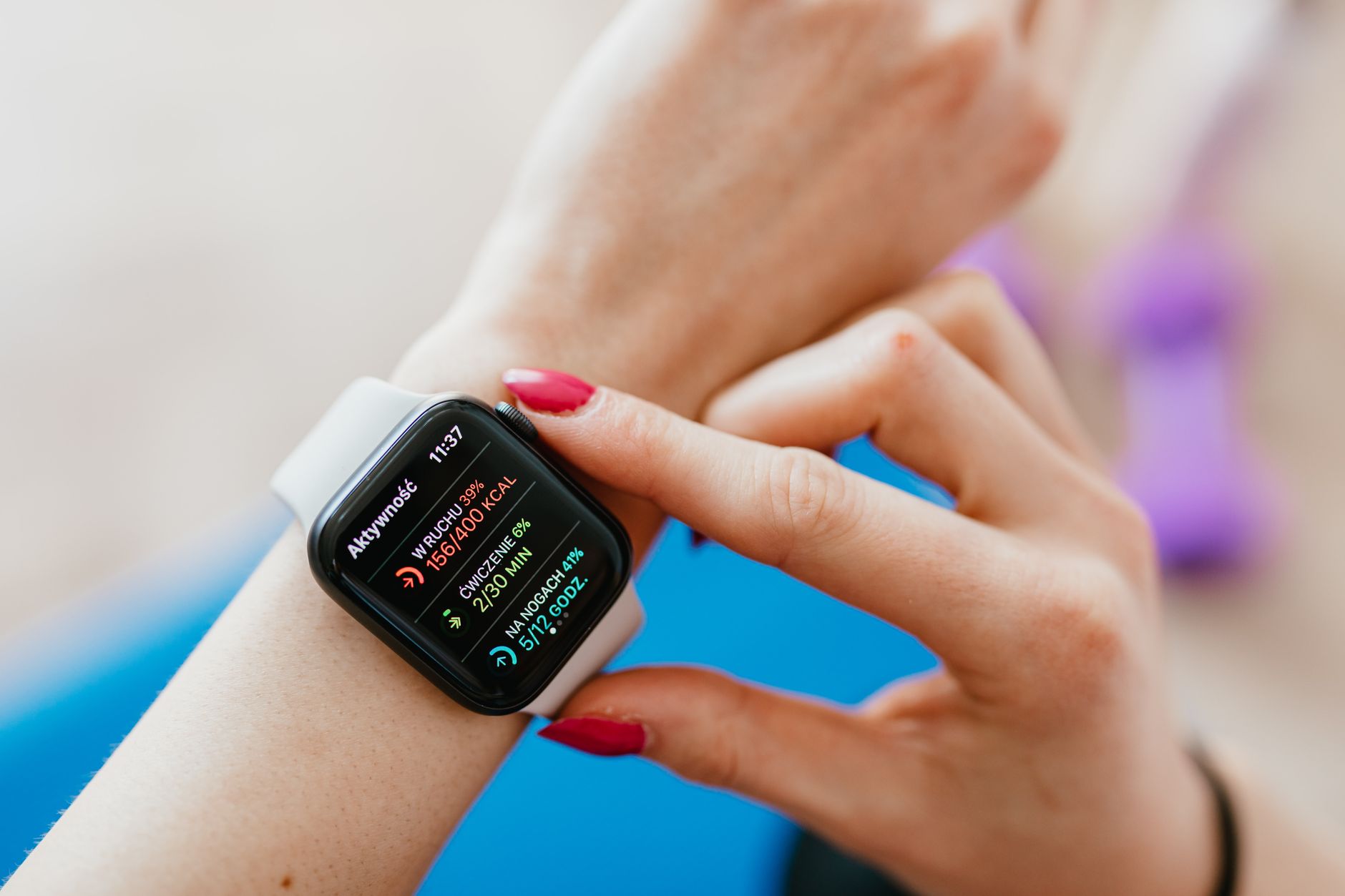
Use a wearable or a simple pulse check to stay within your personalized heart‑rate zone.
Guidelines for intensity, duration, and frequency
The cornerstone of safe exercise in a high‑risk pregnancy is moderation. Below are the three pillars most clinicians stress, each backed by ACOG and CDC recommendations.
Intensity – the talk test and RPE
During activity, you should be able to hold a conversation without gasping for air. This “talk test” aligns with an RPE of 3–5 (moderate effort). If you’re breathing so hard you can’t speak a full sentence, you’ve crossed the safe line.
Duration – total weekly minutes
Most guidelines suggest 150 minutes of moderate activity per week, broken into 30‑minute sessions on most days. For high‑risk pregnancies, some providers advise 100–120 minutes if you’re in the second trimester, stepping up to 150 minutes in the third as long as your condition remains stable.
Frequency – how often to move
Consistency beats intensity. Aim for 5‑6 days a week, with at least one rest day. Rest days allow your cardiovascular system and uterine blood flow to recover, which is especially important when blood pressure is a concern.
Heart‑rate zones – a quick reference table
Condition
Suggested Max HR (bpm)
RPE Target
Typical Weekly Minutes
Gestational diabetes (well‑controlled)
140 – 150
3–5
150
Preeclampsia (mild)
120 – 130
2–4
100–120
Placenta previa (strict pelvic rest)
— (avoid aerobic activity)
— (focus on gentle stretching)
— (consult provider)
Multiple gestation (twins/triplets)
130 – 140
3–5
120–150
Use the table as a quick visual check. If your condition isn’t listed, default to the most conservative numbers and ask your provider for clarification. Remember that heart‑rate can be affected by temperature, caffeine, and emotional stress, so always double‑check with a manual pulse if you suspect the wearable is off.
Finally, keep in mind that the recommended minutes are a ceiling—not a minimum. If you’re feeling fatigued on a particular day, a shorter 15‑minute walk still counts toward the weekly total and can be more restorative than pushing through a full session.
How to modify common exercises for high‑risk pregnancies
Below are practical tweaks for everyday activities. The goal is to keep you moving while reducing joint strain, abdominal pressure, and cardiovascular spikes.
Walking – the cornerstone of safe cardio
Surface: Choose flat, even surfaces like a campus loop or indoor track. Avoid uneven sidewalks that could cause a stumble.
Pace: Aim for a brisk stroll where you can still talk comfortably. Use a smartwatch or a manual pulse check every 5 minutes.
Duration: Start with 10‑minute bouts and gradually build to 30‑minute sessions. Split longer walks into two shorter ones if you feel fatigued.
Safety tip: Wear supportive shoes with good arch support, and keep a water bottle handy to stay hydrated.
For mothers with balance concerns—such as those with a history of falls—the “walk‑and‑talk” method can be paired with a lightweight hand‑held weight (1–2 lb) to engage the upper body without overloading the core.
Swimming and water‑based movement
Water supports body weight, making it ideal for those with joint pain or swelling. Here’s how to keep it safe:
Stay in water that’s at least chest‑deep to avoid sudden temperature changes.
Focus on gentle strokes—breaststroke or slow freestyle—rather than vigorous laps.
Limit sessions to 20‑30 minutes, and keep the intensity low enough that you can sing a simple song while moving.
Skip diving or jumping, especially if you have a history of preterm labor.
Adding a kickboard can provide a light resistance that builds leg strength without stressing the abdomen. If you’re prescribed bed rest, a shallow pool walk (walking in waist‑deep water) can still promote circulation while respecting pelvic‑rest orders.
Yoga – low‑impact flexibility and breathing
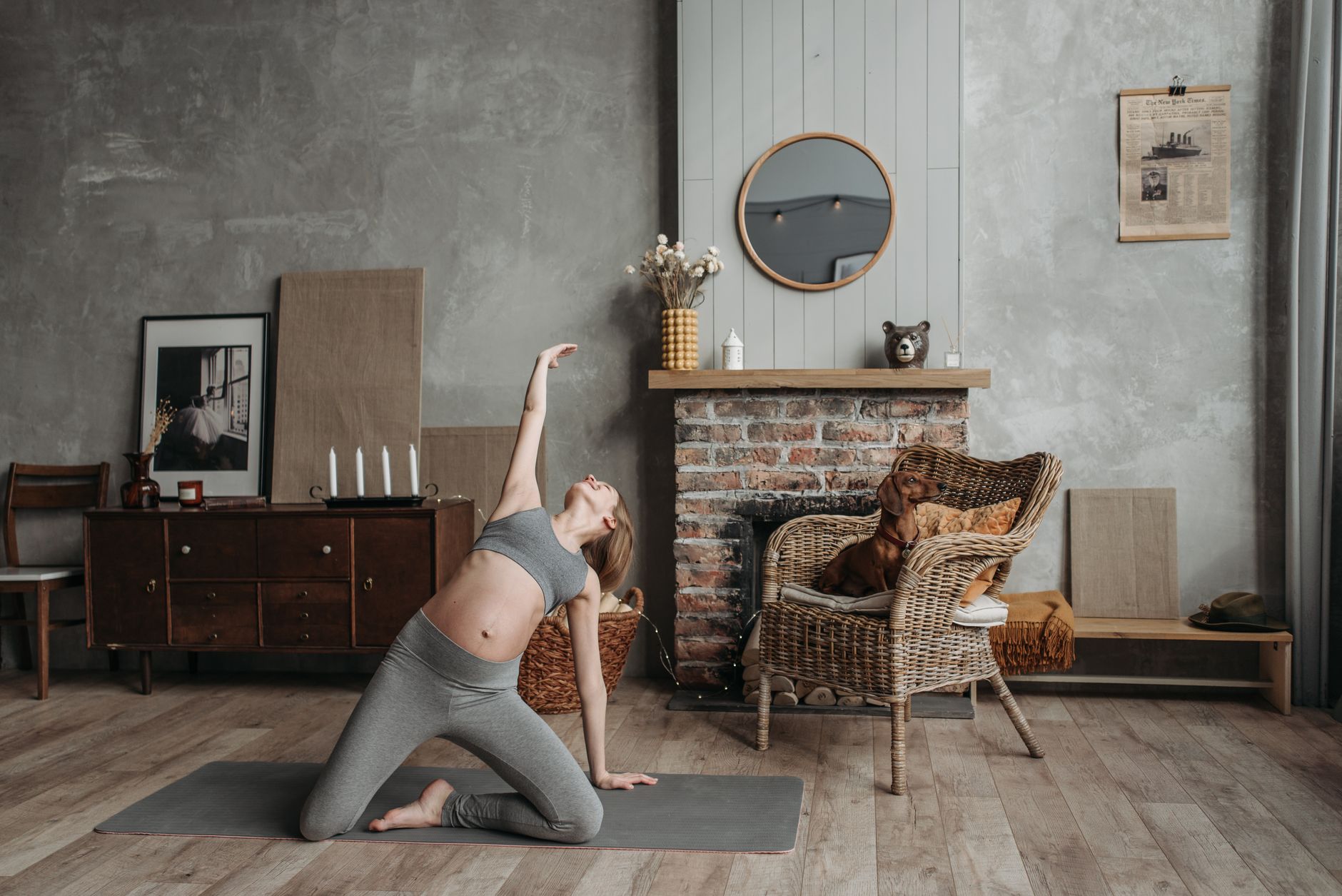
Yoga can improve posture, reduce stress, and strengthen the pelvic floor. Choose classes labeled “Prenatal” or “Gentle,” and avoid deep twists or inversions. Sample modifications:
Swap standing forward folds for seated forward bends to reduce abdominal pressure.
Use a bolster or pillow under the knees in “Cat‑Cow” to protect the lower back.
Practice diaphragmatic breathing (inhale through the nose, exhale through the mouth) to keep heart rate low.
Many clinicians recommend a short “prenatal yoga” routine at home—five minutes of cat‑cow, side‑lying hip openers, and gentle seated twists—because it can be done safely even on days when a formal class feels too ambitious.
Strength training – safe muscle building
Resistance work helps maintain bone density and supports the extra weight of pregnancy. Follow these rules:
Use light dumbbells (2–5 lb) or resistance bands, focusing on high repetitions (12–15) rather than heavy lifts.
Avoid exercises that compress the abdomen, such as heavy squats or deadlifts. Opt for wall‑supported squats or seated leg extensions.
Maintain a neutral spine; engage your core gently without “bracing” (holding breath).
Stop the set if you feel dizziness, shortness of breath, or pain in the upper abdomen.
Core stability is especially important for women with a short cervix; gentle pelvic‑floor bridges and modified side‑planks can improve support without increasing intra‑abdominal pressure.
Low‑impact cardio alternatives
If walking or swimming feels too taxing, consider these options:
Stationary cycling: Keep resistance low and pedal at a steady cadence.
Elliptical trainer: Use a gentle incline and avoid rapid bursts.
Tai Chi or gentle dance: Slow, flowing movements keep the heart rate moderate while improving balance.
These activities are particularly helpful during hot weather, when outdoor walking might raise core temperature beyond safe limits for a high‑risk pregnancy.
Gentle seated stretches support flexibility without stressing the abdomen.
Condition‑specific modifications and when to avoid exercise
Not all high‑risk pregnancies allow the same level of activity. Below we break down the most common diagnoses and the corresponding guidance.
Gestational diabetes
Exercise is a cornerstone of blood‑sugar control. Aim for 150 minutes per week of moderate‑intensity activity, split into 30‑minute sessions. Preferred activities include brisk walking, swimming, and low‑impact circuit training. Avoid high‑intensity interval training (HIIT) that spikes glucose levels, and monitor your blood sugar before and after workouts if you’re on insulin.
Research published by the American Diabetes Association (2023) shows that a daily 30‑minute walk can reduce post‑prandial glucose peaks by up to 15 %, often allowing a reduction in medication dosage. Pair exercise with a balanced snack (protein + complex carbs) to avoid hypoglycemia.
Preeclampsia (mild to moderate)
Because blood pressure is the main concern, keep activity low‑intensity. Walking, prenatal yoga, and gentle stationary cycling are safe if your provider approves. Target a heart‑rate ceiling of 120‑130 bpm, and use the talk test to stay within a safe zone. If you experience headaches, visual disturbances, or rapid swelling, stop immediately and seek care.
ACOG’s 2020 guideline advises that women with mild preeclampsia may continue light activity as long as they remain normotensive at rest and do not develop proteinuria progression. Regular monitoring of blood pressure before and after exercise helps catch any early spikes.
Placenta previa
Absolute pelvic rest is often prescribed, which means avoiding any activity that puts pressure on the lower abdomen. Light walking may be allowed, but many providers recommend staying mostly sedentary until the placenta moves or the baby is delivered. Always follow your obstetrician’s specific instructions.
When pelvic rest is mandated, short “in‑bed” range‑of‑motion exercises—ankle pumps, gentle shoulder rolls, and deep breathing—can preserve circulation and reduce the risk of blood‑clot formation.
Multiple gestation (twins, triplets)
Carrying more than one baby increases the load on the heart and joints. Keep cardio at a moderate level—walking, swimming, or low‑impact aerobics—for 100‑150 minutes per week. Strength training should focus on upper‑body work and core stability, avoiding heavy lifts that could strain the pelvis.
A 2021 NICE review found that mothers of twins who maintained moderate activity had a 20 % lower rate of preterm birth compared with those who were completely sedentary, likely because of improved uterine blood flow.
Exercise plans must be individualized by a cardiologist. Generally, low‑impact aerobic activity is acceptable if the ejection fraction is stable, but high‑intensity or resistance work is usually discouraged.
For women with mild valve disease, a supervised cardiac rehab program—often consisting of stationary bike work at 40‑50 % of predicted maximal heart rate—has been shown to improve functional capacity without compromising fetal outcomes (SMFM, 2022).
Other considerations
If you have a history of preterm labor, avoid exercises that involve sudden changes in direction or deep abdominal compression.
For severe anemia, limit workouts to under 20 minutes and focus on light resistance to avoid excessive fatigue.
When you’re on bed rest, any movement should be doctor‑approved and often limited to very gentle range‑of‑motion exercises.
Finally, always consider environmental factors. Hot, humid days can raise core temperature quickly, which is especially risky for women with hypertension. In those cases, shift to indoor, climate‑controlled activities or shorten the session.
Nutrition and hydration for safe exercise
What you eat and drink before, during, and after a workout can be as important as the movement itself. Aim for a balanced snack 30‑60 minutes before exercising—a combination of protein and complex carbs, such as a small Greek yogurt with berries or a slice of whole‑grain toast with almond butter. This helps sustain blood‑sugar levels, which is crucial for gestational diabetes and for preventing dizziness.
Hydration is non‑negotiable. Pregnancy increases plasma volume by about 40 %, so you need roughly 2.5–3 liters of fluid daily, plus extra during exercise. Sip water every 15–20 minutes; a sports drink with electrolytes is acceptable if you’re sweating heavily, but avoid caffeine‑laden beverages, as they can raise heart rate and blood pressure.
The NHS recommends adding a pinch of sea salt to your water after a longer session if you experience cramping, as sodium helps maintain muscle function. For mothers with preeclampsia, keep sodium intake moderate (under 2,300 mg per day) and discuss any electrolyte supplements with your provider.
Tracking progress and staying motivated
Keeping a simple log can turn vague intentions into measurable goals. Write down the date, activity type, duration, perceived exertion, and heart‑rate average. Over time you’ll see patterns—days when you felt strong, weeks when your heart‑rate stayed comfortably low, or moments when blood pressure dipped after a walk.
Many apps now let you sync a wearable device with a pregnancy‑specific dashboard, automatically flagging any reading that exceeds your personalized ceiling. Sharing this data with your provider at prenatal visits can spark productive conversations and help adjust your plan without delay.
Motivation often wanes in the third trimester, when fatigue peaks. Pair exercise with a social element—walking with a partner, joining a virtual prenatal‑fitness class, or setting a weekly “movement challenge” with a friend. Celebrate small wins—completing a 10‑minute walk, mastering a new yoga pose, or simply staying consistent for a full week.
From our medical team: “We see many expectant parents who think they must stop moving entirely when complications arise. In reality, tailored, low‑intensity activity can actually protect against worsening conditions. Always start with a provider’s clearance, use a heart‑rate calculator, and listen to your body. If you’re ever unsure, a quick 5‑minute walk is usually safer than staying completely still, but never push into the ‘no‑talk’ zone.”
🔢 Ready to crunch your numbers? Use our Pregnancy Workout Safety for a personalized result in seconds.
Myth vs. fact
Myth: “All exercise is dangerous if you have a high‑risk pregnancy.”
Fact: Most forms of low‑impact activity—walking, swimming, prenatal yoga—are safe and can improve outcomes when done within provider‑approved limits.
Myth: “If you’re on bed rest, you must stay in bed all day.”
Fact: Bed rest orders often allow gentle range‑of‑motion exercises; these help maintain circulation and prevent deconditioning, but always follow the exact instructions given by your care team.
Myth: “You can’t lift anything at all.”
Fact: Light resistance work (2‑5 lb dumbbells) is usually permissible and can strengthen the pelvic floor, which is beneficial for delivery. Heavy lifting should be avoided unless cleared by a specialist.
Key takeaways
High‑risk pregnancy does not automatically mean “no exercise”; most conditions benefit from moderate, low‑impact activity.
Always obtain clearance from your obstetric provider before starting or changing any routine.
Use a personalized calculator to set a safe heart‑rate ceiling and RPE target (typically 3–5 on the 0‑10 scale).
Focus on walking, swimming, gentle yoga, and light strength work; avoid high‑impact or abdominal‑compressing moves.
Listen to your body—stop if you feel pain, dizziness, shortness of breath, or any warning sign listed above.
Keep a written or digital copy of your provider’s recommendations and the calculator results handy for each workout.
Frequently asked questions
What exercises are safe for high‑risk pregnancy?
Most experts agree that low‑impact cardio (walking, swimming), gentle prenatal yoga, and light resistance training are safe when cleared by your provider and kept below your personalized heart‑rate limit.
Can I exercise if I have a high‑risk pregnancy?
Yes—provided you have medical approval and you stay within the intensity guidelines (talk test, RPE 3‑5, and the heart‑rate ceiling from the calculator).
How do I know if an exercise is too much during high‑risk pregnancy?
If you cannot hold a conversation, feel breathless, experience any of the warning signs, or exceed the heart‑rate number your provider gave you, the activity is too intense and you should stop.
When should I stop exercising during a high‑risk pregnancy?
Stop immediately if you notice severe abdominal pain, vaginal bleeding, fluid loss, sudden swelling of hands or face, severe headache, visual disturbances, chest pain, rapid heart‑rate above your personalized limit, dizziness, or fainting. Call your provider right away.
What are the risks of exercising with a high‑risk pregnancy?
Potential risks include triggering preterm labor, worsening hypertension, or causing injury from a fall. However, when done correctly, exercise actually lowers many of these risks by improving circulation and metabolic control.
Do I need a doctor's approval to exercise during a high‑risk pregnancy?
Yes. A qualified obstetrician, maternal‑fetal medicine specialist, or midwife should review your condition, run any necessary labs, and give you a tailored activity plan before you begin.
How can I stay motivated to exercise throughout the third trimester?
Set micro‑goals (e.g., a 10‑minute walk after each prenatal visit), enlist a supportive partner for accountability, and track progress in a simple journal. Celebrating each small win helps maintain momentum even when fatigue rises.
Is it safe to use a heart‑rate monitor if I have preeclampsia?
Yes, as long as the monitor is validated for pregnancy and you stay below the ceiling your provider sets. Many clinicians recommend checking the pulse manually as a backup, especially if you notice the device reading spikes unexpectedly.
When to call your doctor
If you experience any of the following, contact your provider immediately: severe or persistent abdominal pain, vaginal bleeding, fluid loss, sudden swelling of hands or face, severe headache, visual disturbances, chest pain, rapid heart‑rate above your personalized limit, dizziness, or fainting. This article is for informational purposes only and does not replace personalized medical advice.
References
American College of Obstetricians and Gynecologists (ACOG). “Physical Activity and Exercise During Pregnancy and the Postpartum Period.” Practice Bulletin No. 228, 2020.
World Health Organization (WHO). “Recommendations on Antenatal Care for a Positive Pregnancy Experience.” 2022.
Centers for Disease Control and Prevention (CDC). “Physical Activity During Pregnancy.” Updated 2023.
National Institute for Health and Care Excellence (NICE). “Gestational Diabetes: Management.” NG3, 2021.
Society for Maternal‑Fetal Medicine (SMFM). “Guidelines for the Management of Preeclampsia.” 2022.
American Diabetes Association (ADA). “Standards of Care in Diabetes—2023.”
British National Health Service (NHS). “Exercise in Pregnancy.” Updated 2022.
Obstetrics & Gynecology. “Impact of Low‑Impact Exercise on Pregnancy Outcomes in Women with Hypertension.” 2022;140(2):215‑224.
International Journal of Sports Medicine. “Exercise Prescription for Women with Gestational Diabetes.” 2021;42(6):456‑465.
Royal College of Obstetricians and Gynaecologists (RCOG). “Pregnancy and Exercise.” Green‑top Guideline No. 123, 2021.
American Diabetes Association. “Physical Activity and Pregnancy Outcomes in Women with Gestational Diabetes.” Diabetes Care, 2023.
Society for Maternal‑Fetal Medicine. “Cardiac Rehabilitation in Pregnancy.” SMFM Statement, 2022.
Not sure about the label on High Risk Pregnancy Exercise Modified Workout Guidelines Calculator products?
Snap the ingredients list and SafeFilter checks every ingredient for your stage — only 3 free scans this month, then you're locked until reset. Unlimited from $7/mo or lock $50/yr through Aug 31 (5 days left).
When Shubhra Mishra was expecting her first child in 2016, she was overwhelmed by conflicting food advice — one site said yes, another said never. By the time her second baby arrived in 2019, she realized millions of mothers face the same confusion.
That sparked a five-year journey through clinical nutrition papers, cultural diets, and expert conversations — all leading to BumpBites: a calm, compassionate space where science meets everyday motherhood.
Her long-term vision is to build a global community ensuring safe, supported, and free deliveriesfor every mother — because no woman should face pregnancy alone or uninformed. 🌿
🌍 Stand with mothers, shape safer guidance
Join a small circle of experts who review BumpBites articles so expecting parents everywhere can decide with confidence.