Discover what to expect and how to stay healthy during a high BMI pregnancy, including risks and management strategies for a healthy outcome
By Shubhra Mishra — a mom of two who turned her own confusion during pregnancy into BumpBites, a global mission to make food choices clear, safe, and stress-free for every expecting mother. 💛
Check whether any food is safe during pregnancy with the BumpBites Food Safety Checker.
Quick take: A high BMI (body‑mass index) before pregnancy can increase the chance of gestational diabetes, pre‑eclampsia, and delivery complications, but it does not mean you cannot have a healthy pregnancy. By following evidence‑based nutrition, safe exercise, and close prenatal monitoring, most women with a high BMI deliver healthy babies. Talk to your provider early, use a Pregnancy BMI Calculator, and focus on steady, modest weight gain rather than weight loss.
It’s 2 a.m., you’ve just finished a night‑time feeding and a quick search on your phone shows a headline about “high BMI pregnancy.” Your heart races – is your baby at risk? You’re not alone. Many expecting parents discover their BMI falls into the “obese” or “overweight” range and wonder whether the pregnancy will be safe, what they should eat, and whether they can stay active.
🔢 Calculate it for your situation: Use our Pregnancy BMI Calculator for a personalized result in seconds.
Below is a step‑by‑step guide that answers those worries. We’ll explain what a high BMI means for pregnancy, outline the most common risks, and give you practical nutrition and exercise tips that fit into a busy life. You’ll also find clear guidance on prenatal appointments, birth‑planning options, and red‑flag signs that require a call to your provider.
Bottom line: a higher BMI does raise the odds of certain complications, but with the right support and self‑care you can lower those odds and enjoy a safe, nurturing pregnancy.
Understanding high BMI and its impact on pregnancy
What BMI means
BMI is a simple calculation—weight (kg) divided by height (m) squared—that classifies adult body weight. The World Health Organization (WHO) defines:
Normal weight: 18.5–24.9 kg/m²
Overweight: 25.0–29.9 kg/m²
Obesity (Class I): 30.0–34.9 kg/m²
Obesity (Class II): 35.0–39.9 kg/m²
Obesity (Class III): ≥ 40 kg/m²
These categories help clinicians gauge risk, but they are not a judgment of health or fitness. A “high BMI pregnancy” simply means you entered pregnancy with a BMI of 30 kg/m² or higher.
How BMI changes in pregnancy
During pregnancy you naturally gain weight to support the growing fetus, placenta, amniotic fluid, and increased blood volume. The Institute of Medicine (IOM) recommends total weight gain based on pre‑pregnancy BMI. For a BMI ≥ 30 kg/m², the guideline is 11–20 lb (5–9 kg) of weight gain, considerably less than the 25–35 lb (11–16 kg) advised for a normal‑weight pregnancy.
Because the fetus still needs adequate fuel, the goal is not to “lose” weight but to stay within that narrow gain window. Gaining too much can worsen insulin resistance, while gaining too little may limit nutrient delivery to the baby. Your provider will track your weekly weight to keep you on target.
Why BMI matters for you and baby
A higher BMI is linked to hormonal and metabolic changes that can affect placental function, blood‑pressure regulation, and glucose handling. These shifts increase the likelihood of gestational diabetes, pre‑eclampsia, and larger‑for‑gestational‑age infants, each of which can influence labor and neonatal health. Understanding the mechanisms helps you target the right lifestyle tweaks and medical surveillance.
It’s also worth noting that BMI is only one piece of the puzzle. Factors such as age, family history, and pre‑existing conditions also shape risk. That’s why personalized care—rather than a one‑size‑fits‑all approach—is essential for high‑BMI pregnancies.
Risks and complications associated with high BMI pregnancy
Gest
ational diabetes
Women with obesity are about 2–3 times more likely to develop gestational diabetes (GDM) than those with a normal BMI, according to the American College of Obstetricians and Gynecologists (ACOG). GDM raises the risk of delivering a baby weighing ≥ 4 kg, which can lead to shoulder‑dystocia and cesarean delivery. Early screening (usually between 24–28 weeks) and dietary management can keep blood sugar in range for most patients.
If GDM is diagnosed, a registered dietitian can help you adopt a low‑glycemic eating plan, and many women successfully manage glucose with diet alone. In some cases, insulin or oral agents are needed, but those decisions are always made together with your obstetric team.
Preeclampsia
Preeclampsia—a dangerous rise in blood pressure with proteinuria—occurs in roughly 6–8 % of all pregnancies. For women with a BMI ≥ 30 kg/m², the risk climbs to about 12–15 % (CDC). The condition can progress to eclampsia, a life‑threatening seizure disorder, making close blood‑pressure monitoring essential.
Low‑dose aspirin (81 mg) is often recommended after 12 weeks for high‑risk patients, as ACOG guidance suggests it can lower pre‑eclampsia rates. Your provider will discuss whether aspirin is appropriate for you, based on your overall risk profile.
Labor and delivery challenges
Higher BMI is associated with longer first stages of labor, increased odds of needing an assisted vaginal delivery, and a higher likelihood of cesarean section (about 30 % versus 15 % in normal‑weight pregnancies, per ACOG data). Excess abdominal tissue can also make epidural placement more technically difficult.
When a cesarean is needed, having a surgical team experienced with obesity‑related anatomy can reduce operative time and complications. Many hospitals now have “obesity‑aware” labor suites equipped with wider beds and additional staff support.
Neonatal outcomes
Infants of mothers with obesity have a modestly higher chance of being born early (preterm birth) and of requiring neonatal intensive care. They are also more prone to developing childhood obesity themselves, underscoring the importance of post‑natal nutrition and activity.
Breastfeeding, when possible, can help moderate infant weight gain and offers immune benefits. Early pediatric counseling on feeding cues and portion sizes is a proactive step for families.
Complication
Risk in normal‑weight moms
Risk in high‑BMI moms (BMI ≥ 30)
Gestational diabetes
≈ 6 %
≈ 15–20 %
Preeclampsia
≈ 6 %
≈ 12–15 %
Cesarean delivery
≈ 15 %
≈ 30 %
Preterm birth (< 37 weeks)
≈ 10 %
≈ 13 %
Healthy weight management strategies during high BMI pregnancy
Setting realistic goals
Focus on controlled weight gain rather than weight loss. The IOM’s 5–9 kg gain ceiling for obesity is a target that balances fetal growth with maternal health. Gaining too much can worsen insulin resistance, while gaining too little may restrict fetal nutrition.
Goal‑setting works best when it’s collaborative. Write your weight‑gain target on a sticky note and place it on your fridge. When you see the number, you’ll be reminded to check your weekly weigh‑in and adjust food choices if needed.
Working with your care team
Schedule a pre‑conception or early‑pregnancy visit with an obstetrician, a registered dietitian, and, if needed, an endocrinologist. Collaborative care lets you tailor calorie goals, monitor blood pressure, and adjust any medications that could affect glucose or blood pressure.
Many women find that a weekly “check‑in” call with a dietitian keeps them accountable and provides quick answers to cravings or snack ideas. Don’t hesitate to ask for a referral; most insurance plans cover nutrition counseling during pregnancy.
Monitoring weight gain
We recommend weighing yourself weekly at home and recording the numbers in a journal. Compare your trajectory to the IOM’s recommended weekly gain of about 0.4–0.5 lb (0.2 kg) after the first trimester. If you’re unsure where you stand, try the Pregnancy BMI Calculator to see how your pre‑pregnancy BMI translates into a personalized gain range.
When you notice a sudden jump of more than 2 lb (1 kg) in a week, flag it for your provider. Rapid weight gain can be a sign of fluid retention or developing pre‑eclampsia.
Nutritional advice for high BMI pregnancy
Build a balanced plate
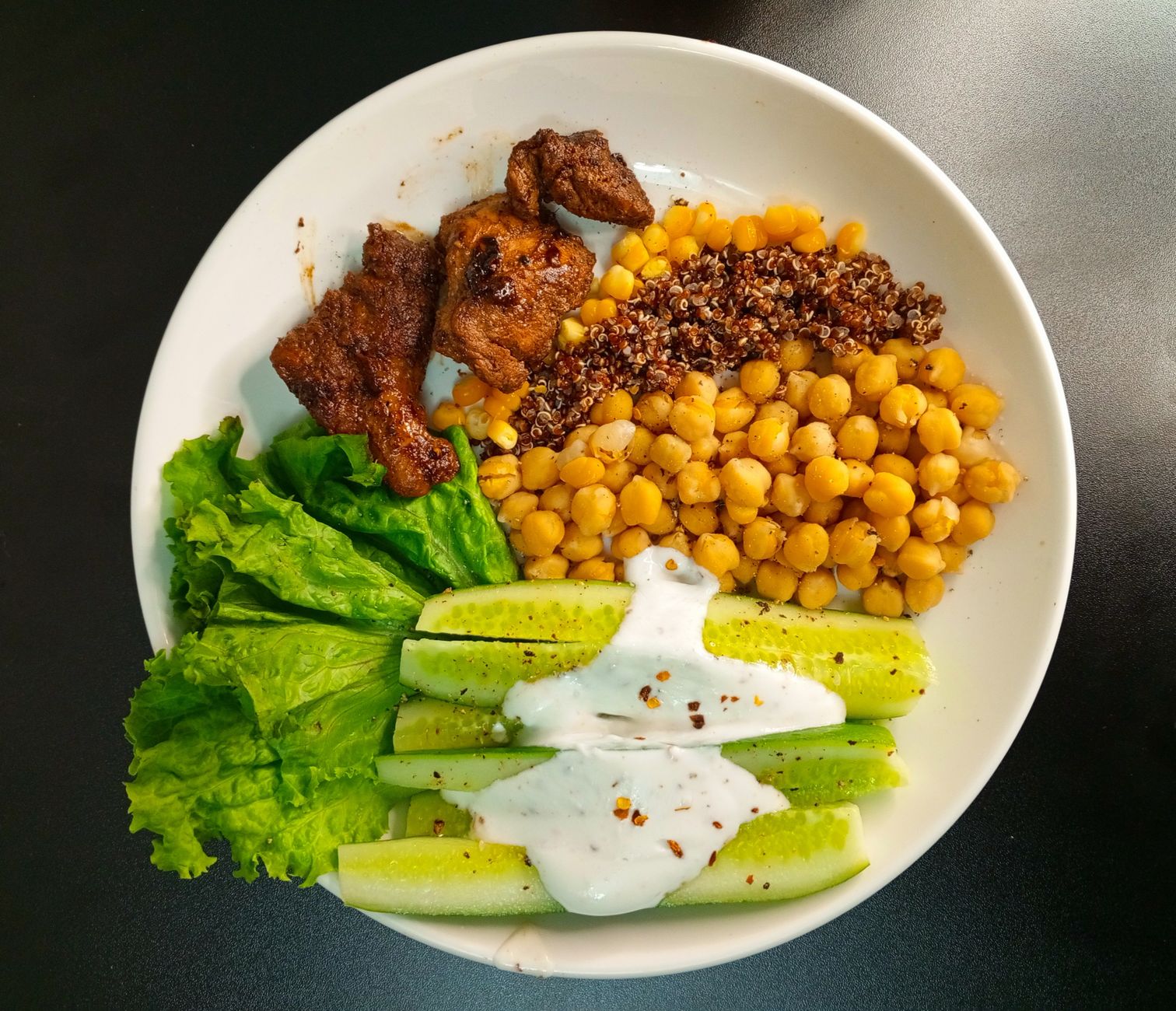
Half your plate should be vegetables and fruits, a quarter lean protein, and a quarter whole grains. This visual guide keeps portions in check while delivering the vitamins, minerals, and fiber needed for healthy digestion and blood‑sugar control.
Color matters, too. Aim for a rainbow of produce each day—deep‑green leafy veggies for folate, orange carrots for beta‑carotene, and red berries for antioxidants.
Calorie needs and portion control
In the first trimester, most women don’t need extra calories. From the second trimester onward, add about 300 kcal per day—roughly the size of a small banana or a cup of low‑fat yogurt. Use measuring cups or a kitchen scale until you feel comfortable estimating portions.
When dining out, ask for sauces on the side and request half‑portion servings. Small changes add up without feeling restrictive.
Foods to prioritize
Leafy greens (spinach, kale) for folate and iron.
Lean proteins (chicken, fish low in mercury, legumes) for tissue growth.
Whole‑grain breads, quinoa, brown rice for steady energy.
Low‑glycemic fruits (berries, apples) to avoid spikes.
Healthy fats (avocado, nuts, olive oil) for brain development.
Foods to limit
Sugary drinks and desserts—high in empty calories and can aggravate GDM risk.
Highly processed snacks (chips, pastries) that are low in nutrients.
Excessive saturated fats (fatty cuts of meat, full‑fat dairy) which can raise blood pressure.
High‑salt foods that may contribute to fluid retention and pre‑eclampsia.
Sample day of eating
Breakfast: Greek yogurt (½ cup) topped with fresh berries (½ cup) and a sprinkle of chia seeds; whole‑grain toast with avocado spread.
Mid‑morning snack: An apple and a handful of almonds.
Lunch: Grilled chicken salad with mixed greens, cherry tomatoes, cucumber, quinoa (½ cup), and olive‑oil vinaigrette.
Afternoon snack: Carrot sticks with hummus (2 tbsp).
Dinner: Baked salmon (3 oz) with roasted sweet potatoes (½ cup) and steamed broccoli.
Evening snack (if needed): Warm milk (½ cup) with a dash of cinnamon.
A balanced plate helps you meet nutrient needs without excess calories.
Safe exercise options for high BMI pregnancy
Why staying active matters
Regular, moderate activity improves insulin sensitivity, reduces blood‑pressure spikes, and can shorten labor. ACOG recommends at least 150 minutes of moderate‑intensity aerobic activity per week for pregnant women without contraindications.
Exercise also supports mood, reduces back pain, and helps maintain cardiovascular fitness for the postpartum period. Even a brief walk after meals can lower post‑prandial glucose levels.
Types of activity that work well
Walking: Low‑impact, easy to adjust pace, and can be done almost anywhere.
Swimming or water aerobics: Buoyancy supports joints and reduces overheating.
Stationary cycling: Provides cardio without the risk of falls.
Prenatal yoga or Pilates: Enhances flexibility, core strength, and relaxation.
Modifying intensity
Use the “talk test” – you should be able to speak in full sentences while exercising. Aim for a perceived exertion of 12–14 on the Borg scale (moderate). If you feel short‑of‑breath, dizzy, or overly hot, cut back.
Wear supportive shoes and a well‑fitted sports bra. Staying hydrated is especially important; sip water before, during, and after each session.
Exercises to avoid
High‑impact activities (running, jumping), contact sports, and heavy weight‑lifting can increase joint stress and risk of injury. Supine exercise after the first trimester should be limited because lying flat on the back can compress the inferior vena cava, reducing blood flow to the heart.
Always check with your provider before starting a new workout routine, especially if you have a history of hypertension or joint problems.
Monitoring and prenatal care for high BMI pregnancy
More frequent visits
Many providers schedule visits every four weeks until 28 weeks, then every two weeks, and weekly after 36 weeks for women with a BMI ≥ 30 kg/m². These extra appointments allow early detection of hypertension, abnormal weight gain, and glucose issues.
During each visit, your provider will measure blood pressure, weight, and fundal height (the distance from the pubic bone to the top of the uterus). Consistent tracking helps spot trends before they become problems.
Screening tests
Glucose tolerance test: Typically performed at 24–28 weeks; earlier testing may be advised if you have additional risk factors.
Blood‑pressure monitoring: At each prenatal visit; home monitors can supplement office readings.
Ultrasound growth assessments: Serial ultrasounds help track fetal size, especially if gestational diabetes is diagnosed.
Third‑trimester anemia check: Iron deficiency can be more common with higher BMI due to inflammation.
Some clinicians also recommend a lipid panel in the third trimester to evaluate cholesterol changes that can affect cardiovascular health later in life.
Birth planning and options for high BMI pregnancy
Mode of delivery considerations
Cesarean delivery rates are higher in obesity, but many women still deliver vaginally. Discuss your pelvis measurements, fetal size estimates, and personal preferences with your obstetrician. An individualized birth plan that includes preferences for pain control, position changes, and possible assisted delivery can improve outcomes.
If a cesarean becomes necessary, ask about the availability of a “skin‑to‑skin” program in the operating room. Early skin‑to‑skin contact supports newborn breathing and mother‑infant bonding, even after a surgical birth.
Hospital resources and support
Choose a birthing facility that has a dedicated obstetric anesthesia team and protocols for managing obesity‑related complications. Some hospitals offer specialized “obesity‑aware” labor rooms with wider beds and extra staff training.
Ask whether the labor unit has a lactation consultant on staff. Early breastfeeding support can help with postpartum weight loss and infant health.
Postpartum support
After delivery, focus on gradual weight loss (0.5–1 lb per week) through balanced nutrition and gentle activity. Lactation can aid weight loss and provides immune benefits for the baby. Seek postpartum counseling if you experience mood changes; higher BMI is linked to increased postpartum depression risk.
Consider joining a postpartum support group—online or in‑person—to share experiences, get tips on sleep management, and stay motivated.
Gentle prenatal yoga supports mobility and stress relief.
Mental health and body image during high BMI pregnancy
Carrying extra weight can intensify body‑image concerns, especially when society emphasizes “baby bumps” as a symbol of motherhood. Feeling self‑conscious is normal, but persistent anxiety can affect sleep, appetite, and even blood‑pressure control.
The NHS recommends routine mental‑health screening at each prenatal visit, and ACOG advises providers to ask open‑ended questions like “How are you feeling about your body right now?” If you notice persistent low mood, tearfulness, or loss of interest in activities, reach out to a therapist or your obstetrician. Cognitive‑behavioral strategies, mindfulness apps, and gentle movement (like walking) can improve mood.
Partner support matters, too. Share your feelings with your loved one and ask them to help with household tasks that may feel overwhelming. A strong support network can buffer stress and improve pregnancy outcomes.
Supplements and micronutrients to support pregnancy with high BMI
Because obesity can be linked to low‑grade inflammation, some clinicians suggest a slightly higher intake of certain micronutrients, though evidence remains modest. Prenatal vitamins should still be your baseline.
Folate (400–800 µg): Reduces neural‑tube defect risk; the standard dose is appropriate for all pregnancies.
Vitamin D (600–800 IU): Supports bone health and may improve insulin sensitivity. A recent AAP review notes that many pregnant people with higher BMI have lower circulating vitamin D, so a blood test can guide supplementation.
Iron (27 mg): Prevents anemia, which can be more common in obesity due to inflammatory sequestration of iron.
Omega‑3 fatty acids (EPA/DHA): May lower the risk of pre‑eclampsia; a daily supplement of 200–300 mg DHA is often recommended.
Before adding any supplement beyond a standard prenatal vitamin, discuss it with your provider. Over‑supplementation can be harmful—especially with fat‑soluble vitamins like A and D.
Preparing for postpartum weight management and infant health
After birth, many mothers wonder how quickly they can “bounce back.” A realistic goal is to lose 0.5–1 lb per week through a combination of breastfeeding, nutrient‑dense meals, and moderate activity. The American College of Sports Medicine suggests 150 minutes of moderate exercise per week can be continued safely while breastfeeding, provided you listen to your body.
For your baby, focus on establishing healthy feeding cues early. Offer the breast or formula on demand, and watch for signs of fullness versus hunger. Introducing solid foods around 6 months, with an emphasis on vegetables and whole grains, sets a foundation for lifelong healthy eating.
Finally, schedule a postpartum check‑up at six weeks. This visit lets your provider assess healing, screen for anemia or thyroid issues, and discuss contraception options that align with your weight‑management goals.
From our medical team: “A high BMI does not guarantee complications, but it does call for proactive monitoring. Focus on nutrient‑dense foods, stay active within comfort limits, and keep all prenatal appointments. Early detection of gestational diabetes or hypertension is key to safe outcomes, and most women with obesity have healthy babies when they follow a personalized care plan.”
🔢 Ready to crunch your numbers? Use our Pregnancy BMI Calculator for a personalized result in seconds.
Myth vs. fact
Myth: You must lose weight before becoming pregnant.
Fact: Rapid weight loss during pregnancy is not recommended. Instead, aim for modest, guideline‑based weight gain and discuss any pre‑conception weight‑loss plans with your provider.
Myth: All women with a high BMI will need a cesarean section.
Fact: While cesarean rates are higher, many deliver vaginally. Delivery mode depends on fetal size, labor progress, and maternal health, not BMI alone.
Myth: Exercise is unsafe for pregnant women with obesity.
Fact: Low‑impact, moderate‑intensity exercise is safe and beneficial for most women with a high BMI, provided it’s cleared by a provider.
Key takeaways
Use the IOM’s 5–9 kg weight‑gain target for a BMI ≥ 30 kg/m²; track weekly.
Prioritize a balanced plate rich in vegetables, lean protein, whole grains, and healthy fats.
Incorporate 150 minutes of moderate‑intensity activity each week—walking, swimming, or prenatal yoga are excellent choices.
Schedule earlier and more frequent prenatal visits for glucose and blood‑pressure screening.
Discuss birth‑plan preferences with your obstetrician; a vaginal delivery is still possible for many high‑BMI pregnancies.
Seek immediate care if you notice severe headaches, vision changes, sudden swelling, or rapid weight gain.
Address mental‑health concerns early; partner support and professional counseling can make a big difference.
Frequently asked questions
What are the risks of having a high BMI during pregnancy?
Women with a BMI ≥ 30 kg/m² have higher odds of gestational diabetes, pre‑eclampsia, cesarean delivery, and delivering larger infants. The risks are about 2–3 times greater than for women with normal BMI, but proper care can mitigate many of these complications.
Can I still have a healthy pregnancy with a high BMI?
Yes. Most women with a high BMI have uncomplicated pregnancies when they follow nutrition guidelines, stay moderately active, and attend all prenatal appointments. Early screening for diabetes and hypertension is essential, and a supportive care team makes a big difference.
How can I manage my weight during pregnancy with a high BMI?
Focus on steady, guideline‑based weight gain (5–9 kg total). Use a food diary, choose nutrient‑dense meals, and aim for 300 kcal extra per day after the first trimester. Regular, low‑impact exercise and weekly weigh‑ins help keep you on track.
Are there any specific exercises I should avoid with a high BMI during pregnancy?
High‑impact activities such as running, jumping, or contact sports should be avoided. After the first trimester, avoid lying flat on your back for prolonged periods, as it can compress major blood vessels. Always check with your provider before starting a new workout routine.
What are the chances of developing gestational diabetes with a high BMI pregnancy?
Studies cited by ACOG show that obesity roughly triples the risk of gestational diabetes, raising the probability from about 6 % to 15–20 %. Early glucose screening (often at 24 weeks) and a low‑glycemic diet can keep blood sugar under control for many women.
How can I reduce my risk of pregnancy complications with a high BMI?
Key steps include: (1) following IOM weight‑gain recommendations, (2) eating a balanced, fiber‑rich diet, (3) staying active with moderate‑intensity exercise, (4) keeping all prenatal appointments for blood‑pressure and glucose checks, and (5) discussing any medication or health‑condition adjustments with your provider.
Is it safe to take prenatal vitamins if I have a high BMI?
Yes. Prenatal vitamins provide essential folate, iron, and iodine for all pregnant people, regardless of BMI. Some clinicians may check vitamin D levels and recommend a higher dose if you’re deficient, but any changes should be guided by your provider.
Can breastfeeding help with postpartum weight loss?
Breastfeeding can modestly increase daily calorie expenditure—about 300–500 kcal—making gradual weight loss more achievable. It also supplies antibodies and optimal nutrition for your baby. However, weight loss should be slow (0.5–1 lb per week) to protect milk supply.
When to call your doctor
If you experience any of the following, contact your obstetrician or midwife right away: severe or persistent headache, visual disturbances, sudden swelling of hands or face, chest pain, shortness of breath, abdominal pain after 20 weeks, bleeding, or a rapid weight gain of more than 2 lb (1 kg) in a week. This article is for informational purposes only and does not replace personalized medical advice.
References
American College of Obstetricians and Gynecologists. “Obesity in Pregnancy.” ACOG Practice Bulletin No. 495, 2022.
World Health Organization. “Body Mass Index – BMI.” WHO, 2021.
Institute of Medicine and National Research Council. “Weight Gain During Pregnancy: Reexamining the Guidelines.” 2009.
Centers for Disease Control and Prevention. “Gestational Diabetes.” CDC, 2023.
National Health Service (UK). “Preeclampsia and Hypertension in Pregnancy.” NHS, 2022.
American Diabetes Association. “Standards of Care in Diabetes – Pregnancy.” Diabetes Care, 2022.
U.S. Department of Health and Human Services. “Physical Activity Guidelines for Pregnancy.” 2020.
Royal College of Obstetricians and Gynaecologists. “Managing Obesity in Pregnancy.” RCOG Green‑top Guideline No. 55, 2021.
National Institute for Health and Care Excellence (NICE). “Antenatal Care for Women with Obesity.” NICE Clinical Guideline NG203, 2023.
American Academy of Pediatrics. “Vitamin D Supplementation in Pregnancy.” Pediatrics, 2021.
National Health Service (UK). “Mental Health During Pregnancy.” NHS, 2023.
American College of Sports Medicine. “Exercise Guidelines for Pregnant and Postpartum Women.” 2022.
Not sure about the label on High Bmi Pregnancy What To Expect And How To Stay Healthy products?
Snap the ingredients list and SafeFilter checks every ingredient for your stage — only 3 free scans this month, then you're locked until reset. Unlimited from $7/mo or lock $50/yr through Aug 31 (5 days left).
When Shubhra Mishra was expecting her first child in 2016, she was overwhelmed by conflicting food advice — one site said yes, another said never. By the time her second baby arrived in 2019, she realized millions of mothers face the same confusion.
That sparked a five-year journey through clinical nutrition papers, cultural diets, and expert conversations — all leading to BumpBites: a calm, compassionate space where science meets everyday motherhood.
Her long-term vision is to build a global community ensuring safe, supported, and free deliveriesfor every mother — because no woman should face pregnancy alone or uninformed. 🌿
🌍 Stand with mothers, shape safer guidance
Join a small circle of experts who review BumpBites articles so expecting parents everywhere can decide with confidence.