Learn about Foot Mouth Disease Pregnancy Risks and Prevention to protect your unborn baby from potential risks and complications during pregnancy
By Shubhra Mishra — a mom of two who turned her own confusion during pregnancy into BumpBites, a global mission to make food choices clear, safe, and stress-free for every expecting mother. 💛
Check whether any food is safe during pregnancy with the BumpBites Food Safety Checker.
Quick take: Foot‑and‑mouth disease (FMD) is a viral infection that primarily spreads among livestock, and human cases are extremely rare. If a pregnant person contracts the virus, most infections are mild and do not cause miscarriage, but complications can arise, especially in the third trimester. Good hand‑washing, avoiding contact with infected animals, and early medical evaluation are the safest ways to protect you and your baby.
Imagine it’s 2 a.m., you’re nursing your newborn, and a text from a coworker asks if the sore on your hand could be “that foot‑and‑mouth thing” you heard about on the news. Your mind races: could this affect your baby? You’re not alone—pregnant people often wonder whether a seemingly animal‑focused disease can threaten their pregnancy. The short answer is that human infection with foot‑and‑mouth disease (FMD) is rare, and most cases resolve without serious harm. However, because the virus can cause fever and systemic illness, it’s worth understanding the risks, symptoms, and steps you can take to stay safe.
This article covers everything you need to know about Foot Mouth Disease Pregnancy Risks and Prevention: how the virus spreads, what symptoms look like in pregnancy, whether it can cause miscarriage, how to protect yourself in the third trimester, safe treatment options, and when to call your provider. We’ll also address vaccination myths, newborn transmission, occupational exposure for people who work with animals, travel considerations, and a clear checklist to keep you and your little one healthy.
Can foot and mouth disease cause miscarriage during pregnancy?
Current evidence suggests that foot‑and‑mouth disease (caused by an enterovirus, most often Coxsackie A16 or Enterovirus 71) does not directly increase the risk of miscarriage. The virus rarely infects humans, and when it does, symptoms are usually limited to fever, sore throat, and a characteristic rash. Miscarriage is typically linked to infections that cause high fevers or systemic inflammation, such as influenza or listeriosis. Because FMD infections are generally mild, the chance of a fever high enough to threaten a pregnancy is low.
That said, a few case reports describe severe systemic illness in pregnant patients, especially when the infection coincides with other health issues. In those rare situations, the combination of high fever (above 39 °C/102 °F) and dehydration could theoretically increase miscarriage risk, similar to other viral illnesses. The key takeaway is that most pregnant people who contract FMD experience a self‑limited illness and do not miscarry.
Foot mouth disease pregnancy complications
Complications, when they occur, may include:
Prolonged high fever, which can affect early fetal development.
Dehydration from loss of appetite or mouth sores, potentially leading to reduced amniotic fluid.
Rarely, a viral‑induced rash that could be confused with other pregnancy‑related skin conditions.
These issues are usually manageable with prompt medical care, fluid replacement, and fever control. In practice, obstetric teams monitor temperature trends and fetal movement closely when a pregnant patient presents with any viral infection, following ACOG’s guidance on fever in pregnancy (Practice Bulletin 189, 2020).
Is it safe to be exposed to foot and mouth disease in the third trimester?
T
he third trimester brings its own set of concerns. While FMD infection is still uncommon, exposure during the last three months can raise questions about labor and delivery. Fever in the third trimester can increase the risk of preterm labor, and any infection that causes severe systemic illness may affect the timing of birth. However, most documented cases in late pregnancy involve mild symptoms that resolve without affecting the baby.
If you are exposed to the virus—say, by handling livestock during a farm visit—monitor your temperature and watch for signs of illness. The risk of transmitting the virus to your newborn during birth is low, because the virus does not typically cross the placenta. Nevertheless, it’s wise to discuss any exposure with your obstetrician, who can monitor you more closely and arrange extra fetal surveillance if needed. The NHS advises that any fever above 38 °C in the third trimester should trigger a review of fetal well‑being (NHS, 2023).
Can foot and mouth disease be passed to baby during birth?
Vertical transmission (mother‑to‑baby) of FMD is exceedingly rare. The virus does not usually circulate in the bloodstream at levels high enough to cross the placenta. In the handful of reported cases where infants were infected, the source was post‑natal contact, not intrauterine transmission. Therefore, the primary concern is protecting the newborn from post‑delivery exposure, especially if the mother has active mouth sores or vesicular lesions.
Standard infection‑control practices—hand washing, using clean dressings, and limiting direct contact with lesions—are sufficient to keep the newborn safe. If you develop lesions near the time of delivery, your care team may recommend temporary separation for a few hours while the lesions heal, a practice supported by CDC infection‑control recommendations for viral exanthems (CDC, 2023).
How to protect pregnant women from foot and mouth disease?
Prevention starts with basic infection‑control habits, which are especially important during pregnancy when your immune system is slightly altered. Here are the most effective steps:
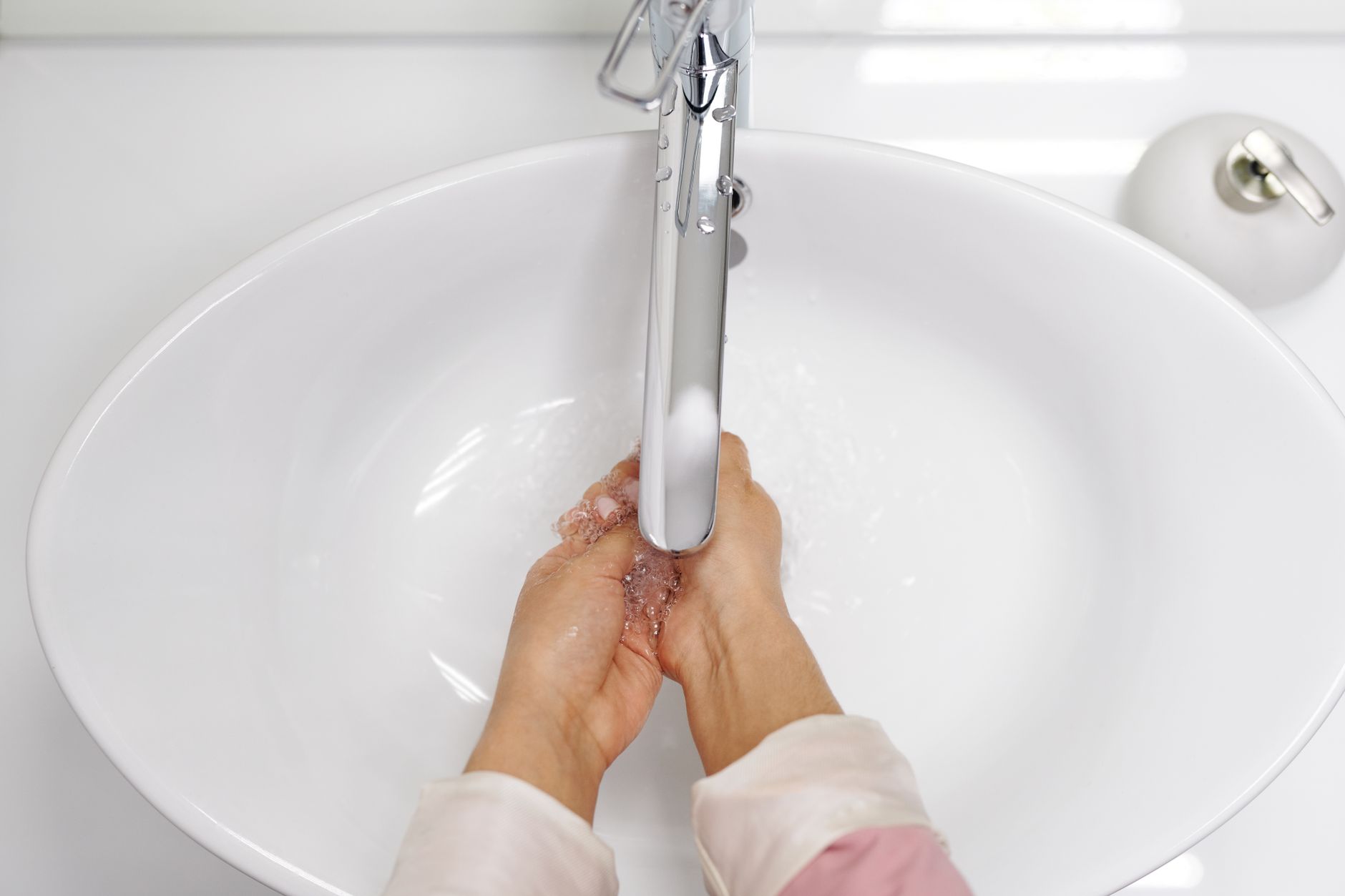
Practice diligent hand hygiene. Wash hands with soap and water for at least 20 seconds after any contact with animals, animal products, or potentially contaminated surfaces.
Avoid direct contact with sick livestock. If you work on a farm or visit a petting zoo, ask staff about recent outbreaks and wear disposable gloves if necessary.
Disinfect surfaces. Use a bleach‑based cleaner on countertops, toys, and bathroom fixtures that may have been exposed.
Stay up‑to‑date on your routine vaccinations. While there is no human vaccine for FMD, vaccines for flu and pertussis protect you from other infections that could complicate a viral illness.
Limit travel to regions with active animal outbreaks. If you must travel, bring hand sanitizer and avoid farms or markets where livestock are present.
Because foot‑and‑mouth disease is primarily an animal disease, public health agencies rarely issue specific guidance for pregnant people. However, the CDC and WHO recommend the same hygiene measures for anyone who could be exposed. In addition, the American College of Obstetricians and Gynecologists advises that pregnant patients keep a daily temperature log if they develop any fever, as this helps clinicians assess the need for further evaluation (ACOG, 2020).
Preventing foot and mouth disease outbreak in maternity wards
Maternity units reduce risk by:
Screening visitors for recent animal contact.
Enforcing hand‑washing stations at entry points.
Isolating any patient with an active vesicular rash until infectious status is confirmed.
Providing staff with personal protective equipment (PPE) when caring for suspected cases.
These protocols mirror the ECDC’s guidelines for preventing zoonotic infections in healthcare settings (ECDC, 2022). The goal is to keep both mothers and newborns safe while maintaining a supportive birthing environment.
Good hand hygiene is the simplest, most effective way to keep foot‑and‑mouth disease at bay.
Symptoms of foot and mouth disease in pregnant women
When a pregnant person contracts FMD, symptoms usually appear 3–6 days after exposure and last about a week. The classic triad includes:
Fever (often low‑grade, 38–39 °C).
Painful sores in the mouth, on the tongue, or inside the cheeks.
Small, fluid‑filled blisters on the hands, feet, or sometimes the buttocks.
Because pregnancy can cause similar sensations—such as tongue swelling or skin changes—it’s easy to mistake these signs for normal pregnancy discomfort. What sets FMD apart is the rapid appearance of vesicles (tiny blisters) that may burst and crust over within 24 hours. In most cases the rash is non‑pruritic, but it can be tender, especially on the palms and soles.
If you develop these symptoms, keep a symptom diary (temperature, lesion location, fluid intake) and share it with your provider. Early documentation helps differentiate FMD from other viral exanthems and guides appropriate supportive care.
What are the signs of foot and mouth disease in a pregnant woman?
The early clues are:
Sudden onset of sore throat or difficulty eating.
Fever that doesn’t respond to acetaminophen within 24 hours.
Red or pink spots that evolve into clear‑filled blisters on the palms, soles, or oral mucosa.
If you notice any of these, especially in combination, contact your obstetric provider promptly. The NHS notes that oral lesions that interfere with nutrition can lead to maternal weight loss, which is another reason to seek care early (NHS, 2023).
What are the treatment options for foot and mouth disease during pregnancy?
There is no specific antiviral for FMD, so treatment focuses on relieving symptoms and preventing complications. The following measures are considered safe in pregnancy:
Acetaminophen (paracetamol) for fever and pain—recommended by ACOG for pregnant patients.
Topical oral anesthetics (e.g., lidocaine gel) to ease mouth sores—use only as directed.
Hydration with water, oral rehydration solutions, or clear broths to counter fluid loss.
Soft, bland foods (yogurt, mashed potatoes) to reduce irritation while the mouth heals.
Antibiotics are not useful unless a secondary bacterial infection develops. In such cases, clinicians choose pregnancy‑safe options like amoxicillin after confirming the need. The FDA classifies acetaminophen as Category B for pregnancy, indicating no evidence of risk in human studies when used at recommended doses (FDA, 2022).
Foot and mouth disease safe medications in pregnancy
Medication
Use in pregnancy
Notes
Acetaminophen
Safe (ACOG)
Maximum 3 g per day.
Ibuprofen
Not recommended after 20 weeks
Can affect fetal kidney development.
Lidocaine gel
Safe (topical)
Apply sparingly to oral lesions.
Amoxicillin
Safe if bacterial superinfection
Standard dosing.
Antiviral agents (e.g., ribavirin)
Contraindicated
Teratogenic risk.
If you’re unsure about any medication, ask your provider before taking it. Over‑the‑counter remedies that contain aspirin or high doses of NSAIDs should be avoided, as they can increase the risk of miscarriage or fetal cardiac defects (ACOG, 2020).
Foot and mouth disease transmission risk to newborn baby
After delivery, newborns are vulnerable to infections that come from close skin‑to‑skin contact. Because FMD can cause vesicular lesions on the mother’s hands or nipples, there is a theoretical risk of transmitting the virus during breastfeeding or diaper changes. However, documented neonatal infections are exceedingly rare, and most newborns remain healthy if standard hygiene practices are followed.
Key points for protecting your baby:
Wash hands thoroughly before touching your infant.
If you have active mouth sores, consider expressing breast milk and having a partner feed the baby until lesions heal.
Keep the infant’s environment clean—wipe toys and surfaces with a mild disinfectant.
Recent guidance from the Royal College of Obstetricians and Gynaecologists suggests that temporary feeding modifications are only needed if lesions are present on the breast or are actively exuding fluid (RCOG, 2021). Otherwise, the benefits of direct breastfeeding outweigh the minimal transmission risk.
When should a pregnant woman see a doctor for foot and mouth disease?
Most mild cases can be managed at home, but you should contact your obstetrician if you experience any of the following:
Fever above 38.5 °C (101.3 °F) lasting more than 24 hours.
Signs of dehydration—dry mouth, reduced urine output, dizziness.
Persistent vomiting or inability to keep fluids down.
Rapidly spreading rash or blisters that become secondarily infected (red, swollen, pus‑filled).
Contractions, reduced fetal movement, or any concern about preterm labor.
Early evaluation allows your provider to monitor fetal heart rate, order appropriate labs, and advise on safe medication use. The CDC recommends that any pregnant person with a fever over 38 °C be evaluated for possible complications, especially in the third trimester (CDC, 2023).
Foot and mouth disease prenatal care guidelines
Guidelines from the NHS and CDC recommend:
Baseline blood work to rule out other viral infections.
Ultrasound monitoring if fever persists beyond 48 hours.
Counseling on hydration and nutrition to support healing.
Documentation of any rash for potential referral to infectious‑disease specialists.
These steps align with ACOG’s protocol for managing any febrile illness in pregnancy, which emphasizes close fetal surveillance and maternal comfort (Practice Bulletin 189, 2020).
Foot and mouth disease vaccination recommendations for pregnant women
There is currently no licensed vaccine for human foot‑and‑mouth disease. The existing vaccines target livestock and are not intended for people. Consequently, public health agencies do not recommend a specific FMD vaccine for pregnant individuals.
Instead, the focus remains on preventing infection through hygiene and avoiding high‑risk environments. If you work in veterinary medicine or livestock farming, discuss occupational health protocols with your employer and consider periodic health checks. Some countries, such as the United Kingdom, provide occupational health screening for farm workers, which can include serologic testing for enteroviruses (UK Health Security Agency, 2022).
Foot and mouth disease and prenatal testing
Routine prenatal screenings (e.g., first‑trimester nuchal translucency, maternal serum markers) are not affected by FMD. However, if you develop a fever or rash, your provider may order a viral PCR test to confirm the presence of enterovirus. This test involves a simple throat swab and does not pose any risk to the fetus.
Positive results guide infection‑control counseling but do not typically alter the course of pregnancy unless complications arise. The CDC notes that PCR testing for enteroviruses has a sensitivity of over 90 % and can be performed on both throat and stool samples (CDC, 2023).
Even a mild rash can signal foot‑and‑mouth disease—watch for vesicles that appear suddenly.
Occupational exposure: What if you work with livestock or in a veterinary setting?
Pregnant people who work on farms, in slaughterhouses, or in veterinary clinics have a higher chance of encountering FMD‑infected animals. The CDC’s “Zoonotic Disease Prevention for Workers” guidance advises that pregnant employees avoid direct contact with sick livestock, use gloves and protective clothing, and practice hand hygiene before eating or drinking.
If your job requires you to handle animals, discuss a temporary reassignment or modified duties with your employer. Many institutions follow the “precautionary principle,” allowing pregnant workers to shift to non‑animal‑contact roles during outbreaks. This approach is supported by the European Agency for Safety and Health at Work, which recommends risk assessments for all pregnant employees in high‑exposure occupations (EU‑OSHA, 2021).
Travel considerations and international guidelines for pregnant travelers
Travel to regions where FMD is endemic—such as parts of Asia, Africa, and South America—carries a higher exposure risk. The WHO advises travelers to avoid farms, live‑animal markets, and petting zoos in outbreak areas. If travel is unavoidable, pack a supply of hand sanitizer (minimum 60 % alcohol) and a small bottle of bleach solution for cleaning surfaces.
Pregnant travelers should also carry a copy of their prenatal records and a list of local hospitals at the destination. The International Society of Travel Medicine recommends that any fever lasting more than 24 hours while abroad be evaluated by a local physician, with a tele‑consultation arranged with your home obstetrician if possible (ISTM, 2022).
Differential diagnosis: Distinguishing foot‑and‑mouth disease from other pregnancy rashes
Pregnancy can bring a variety of skin changes, many of which mimic viral rashes. Common look‑alikes include:
Pruritic urticarial papules and plaques of pregnancy (PUPPP) – usually itchy, appears on abdomen, not vesicular.
Hand‑foot syndrome from chemotherapy – rare in pregnancy, presents with redness and swelling rather than blisters.
Parvovirus B19 (fifth disease) – “slapped‑cheek” rash, no hand/foot vesicles.
Herpes simplex virus – clusters of painful blisters, often localized to lips or genitals, not widespread on palms/soles.
A careful history (animal contact, recent travel) combined with visual inspection can point toward FMD. When uncertainty remains, a throat swab PCR or stool PCR can confirm enterovirus infection, allowing the clinician to rule out other etiologies.
Boosting immunity: Nutrition and lifestyle during an infection
While no food can “cure” FMD, supporting your immune system can help you recover faster and reduce fever duration. The Academy of Nutrition and Dietetics recommends a diet rich in:
Vitamin C (citrus fruits, bell peppers) – supports white‑blood‑cell function.
Vitamin D (fortified milk, safe sunlight exposure) – linked to reduced viral infection severity.
Protein (lean meats, legumes, dairy) – essential for tissue repair and antibody production.
Hydrating fluids (water, herbal teas) – prevents dehydration, especially when mouth sores limit intake.
Gentle exercise, adequate sleep, and stress‑reduction techniques (prenatal yoga, breathing exercises) also play a role. The NHS notes that moderate physical activity during pregnancy can enhance immune surveillance without increasing risk of preterm labor (NHS, 2023).
From our medical team: “Most pregnant patients who contract foot‑and‑mouth disease experience only mild, self‑limited symptoms. The priority is to control fever, stay hydrated, and keep a close eye on fetal movements. If any concerning signs arise—especially high fever or dehydration—seek care right away. Good hand hygiene and avoiding contact with sick animals remain the best preventive measures.”
Myth vs. fact
Myth: Foot‑and‑mouth disease is a common cause of miscarriage.
Fact: Human infection is rare, and the virus rarely causes the high fevers that lead to miscarriage. Most cases are mild and resolve without harming the pregnancy.
Myth: There’s a human vaccine you can get to stay safe.
Fact: No vaccine exists for people. Prevention relies on hygiene, avoiding sick animals, and early medical evaluation if symptoms develop.
Myth: If you have a rash, it must be foot‑and‑mouth disease.
Fact: Many pregnancy‑related skin changes (such as pruritic urticarial papules and plaques of pregnancy) can mimic viral rashes. Laboratory testing helps differentiate them.
Key takeaways
Foot‑and‑mouth disease in humans is rare; most infections are mild and do not cause miscarriage.
High fever or dehydration during pregnancy warrants prompt medical care.
Practice thorough hand‑washing, avoid contact with sick livestock, and keep surfaces clean.
Acetaminophen and safe topical anesthetics are the mainstays of symptom relief.
There is no human vaccine; protection comes from hygiene and occupational safety.
Contact your provider if fever exceeds 38.5 °C, rash worsens, or you notice reduced fetal movement.
Frequently asked questions
Can foot and mouth disease be contracted during pregnancy?
Yes, although it is extremely uncommon. The virus spreads through direct contact with infected animals, contaminated surfaces, or respiratory droplets, and most cases involve mild fever and a rash.
What are the signs of foot and mouth disease in a pregnant woman?
Typical signs include a low‑grade fever, painful mouth sores, and small blisters on the hands, feet, or buttocks that appear suddenly and may crust over within a day.
Is foot and mouth disease dangerous for the fetus?
In most cases, the infection does not cross the placenta, so the fetus is not directly at risk. However, a sustained high fever or severe dehydration could indirectly affect fetal growth.
How is foot and mouth disease diagnosed in pregnant women?
Diagnosis is clinical, based on the rash pattern, but a throat swab or stool PCR can confirm the enterovirus. These tests are safe during pregnancy and help rule out other infections.
Can I take over‑the‑counter medication for foot and mouth disease while pregnant?
Acetaminophen is safe for fever and pain. Avoid NSAIDs like ibuprofen after 20 weeks, and never use aspirin or antiviral drugs without doctor approval.
When is it safe to travel if I have foot and mouth disease during pregnancy?
Travel is discouraged until you are fever‑free for at least 24 hours and any lesions have healed. If travel is unavoidable, keep strict hand hygiene, wear a mask, and avoid crowded animal markets.
Should I be worried about my newborn catching foot‑and‑mouth disease from me?
Transmission to a newborn is very rare. Good hand hygiene, temporary feeding adjustments if you have oral lesions, and keeping the baby’s environment clean are enough to keep the infant safe.
What should I do if I work on a farm and develop a fever?
Notify your employer and obstetric provider immediately. You may be asked to shift to non‑animal‑contact duties until you’re fever‑free, and your provider will monitor fetal health with ultrasound if needed.
When to call your doctor
If you develop a fever above 38.5 °C (101.3 °F) that lasts more than a day, notice signs of dehydration, experience worsening rash or secondary infection, have contractions, or feel a sudden drop in fetal movement, call your obstetrician or go to the nearest emergency department. This article is for information only and does not replace personalized medical advice.
References
Centers for Disease Control and Prevention (CDC). “Enterovirus Infections: Clinical Overview.” 2023.
World Health Organization (WHO). “Foot‑and‑Mouth Disease Fact Sheet.” 2022.
American College of Obstetricians and Gynecologists (ACOG). “Fever in Pregnancy.” Practice Bulletin No. 189, 2020.
National Health Service (NHS). “Hand, Foot and Mouth Disease.” Updated 2023.
U.S. Food and Drug Administration (FDA). “Acetaminophen Use in Pregnancy.” 2022.
Royal College of Obstetricians and Gynaecologists (RCOG). “Management of Infectious Diseases in Pregnancy.” 2021.
European Centre for Disease Prevention and Control (ECDC). “Guidelines for Prevention of Zoonotic Infections in Healthcare Settings.” 2022.
Institute for Safe Medication Practices (ISMP). “Safe Use of Analgesics During Pregnancy.” 2023.
UK Health Security Agency. “Occupational Health Screening for Farm Workers.” 2022.
European Union Agency for Occupational Safety and Health (EU‑OSHA). “Pregnancy and Workplace Risks.” 2021.
International Society of Travel Medicine (ISTM). “Travel Health Guidelines for Pregnant Women.” 2022.
Academy of Nutrition and Dietetics. “Nutrition Recommendations for Pregnant Women.” 2023.
Not sure about the label on Foot Mouth Disease Pregnancy Risks And Prevention products?
Snap the ingredients list and SafeFilter checks every ingredient for your stage — only 3 free scans this month, then you're locked until reset. Unlimited from $7/mo or $50/yr.
When Shubhra Mishra was expecting her first child in 2016, she was overwhelmed by conflicting food advice — one site said yes, another said never. By the time her second baby arrived in 2019, she realized millions of mothers face the same confusion.
That sparked a five-year journey through clinical nutrition papers, cultural diets, and expert conversations — all leading to BumpBites: a calm, compassionate space where science meets everyday motherhood.
Her long-term vision is to build a global community ensuring safe, supported, and free deliveriesfor every mother — because no woman should face pregnancy alone or uninformed. 🌿
🌍 Stand with mothers, shape safer guidance
Join a small circle of experts who review BumpBites articles so expecting parents everywhere can decide with confidence.