Discover the best foods that fight nausea during pregnancy, offering natural remedies that quickly soothe morning sickness safely and deliciously for you.
By Shubhra Mishra — a mom of two who turned her own confusion during pregnancy into BumpBites, a global mission to make food choices clear, safe, and stress-free for every expecting mother. 💛
Check whether any food is safe during pregnancy with the BumpBites Food Safety Checker.
Quick take: Most nausea in pregnancy can be eased with the right foods—think ginger, citrus, bland carbs, and protein‑rich snacks—while avoiding strong smells, high‑fat or very sweet items. Small, frequent meals, good hydration, and gentle herbal teas often keep symptoms manageable, and you should see improvement by the second trimester. If nausea persists past 20 weeks, is severe, or leads to weight loss, contact your provider.
It’s 7 a.m., you’ve just risen from a restless night, and the smell of coffee makes your stomach flip. You’re not alone—morning sickness affects up to 70 % of pregnant people, especially in the first trimester. The good news is that many of the foods you already keep in your kitchen can calm that queasy feeling, and the worst‑case scenarios are rare.
In this guide we’ll walk through which foods truly help, how to prepare them, what to avoid, and additional natural tricks like herbal teas and gentle acupressure. We’ll also answer common “what if” questions, from the safety of ginger to how long nausea typically lasts. By the end you’ll have a practical menu you can start using tonight.
What foods reduce morning sickness nausea during pregnancy
Research from the American College of Obstetricians and Gynecologists (ACOG) and the UK’s National Institute for Health and Care Excellence (NICE) highlights a short list of “nausea‑friendly” foods. These items share three key properties: they are bland or mildly aromatic, they stabilize blood sugar, and many contain anti‑inflammatory compounds that settle the stomach.
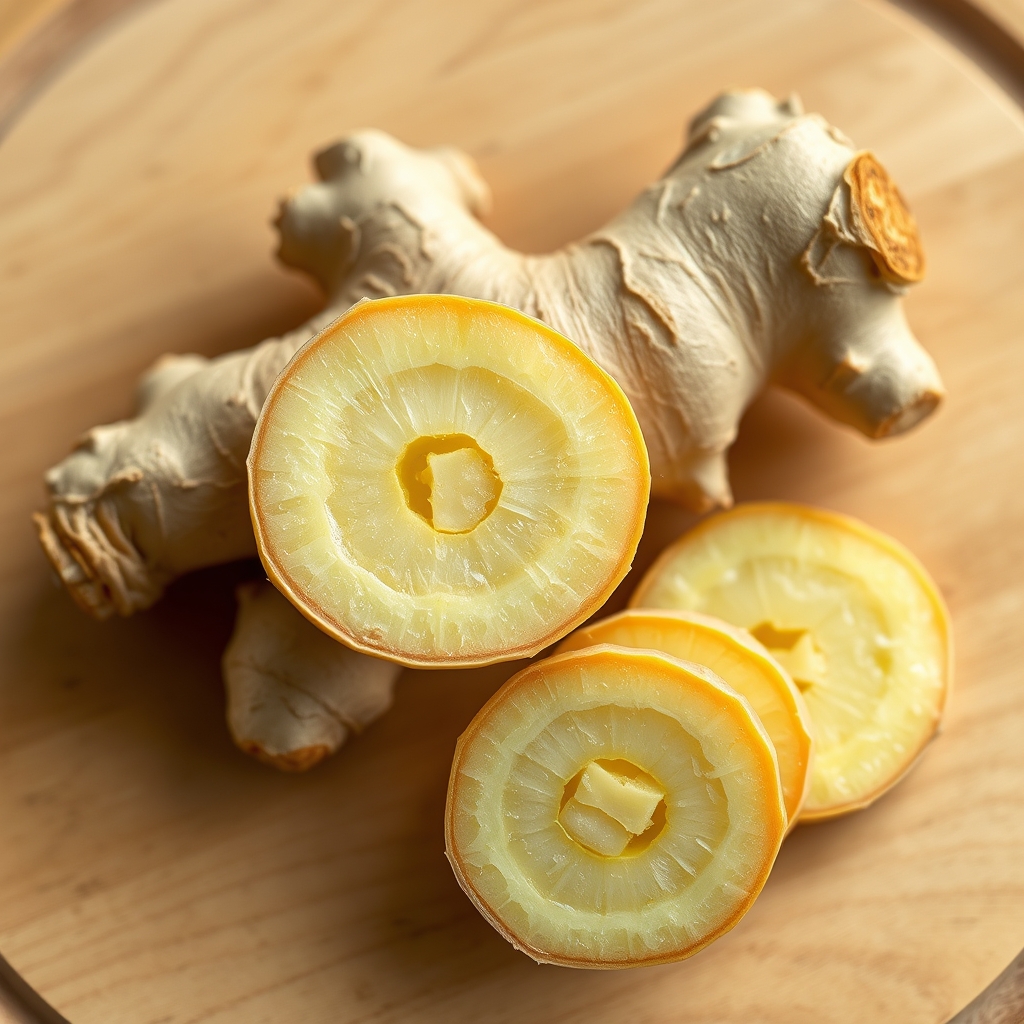
Ginger – fresh, powdered, or crystallized. Gingerols act on the gastrointestinal tract to speed gastric emptying and reduce the brain’s nausea signals.
Lemon or lime – the acidic scent can reset the olfactory system, while the vitamin C supports adrenal function.
Crackers, toast, or plain rice cakes – low‑fat, low‑fiber carbs that absorb stomach acid and provide a quick energy boost.
Bananas – rich in potassium, they replace electrolytes lost from vomiting and are easy on the stomach.
Apples (peeled) or applesauce – gentle fiber that slows digestion without causing bloating.
Plain yogurt – probiotic cultures can aid gut motility, and the protein helps keep blood sugar steady.
Protein sources (lean poultry, eggs, tofu) – prevent the blood‑sugar dips that trigger nausea.
When you eat these foods, aim for small portions—about a quarter of a toast or a handful of crackers—every 2–3 hours. This timing prevents the stomach from emptying completely, which is a common trigger for nausea. Pair each bite with a sip of water or a warm herbal tea to further soothe the digestive lining.
Are probiotic foods effective for pregnancy nausea?
Probiotic‑rich foods like yogurt, kefir, and fermented vegetables may help by balancing gut bacteria, which influences nausea pathways. A small 2022 review in the Journal of Obstetric, Gynecologic & Neonatal Nursing found modest symptom relief in women who ate probiotic yogurt daily, though the effect was less pronounced than ginger. Including a serving of plain yogurt with each snack is safe and can be part of a broader nausea‑management plan.
Does vitamin B6 reduce nausea in pregnancy?
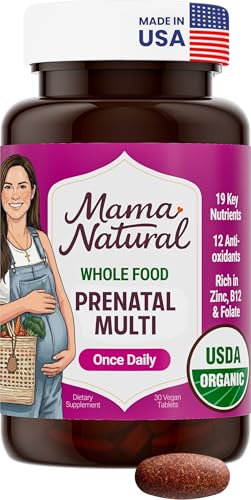
Vitamin B6 (pyridoxine) is one of the few nutrients with strong evidence for reducing morning sickness. The FDA approves a 25 mg dose of pyridoxine for nausea, and many prenatal vitamins contain 2 mg. Studies cited by the CDC show that 70–80 % of participants reported improvement when taking B6 alone or combined with doxylamine. If you’re not already getting B6 from a prenatal supplement, a banana or a small serving of fortified cereal can add a helpful boost.
Best ginger recipes for nausea relief in pregnant women
Ginger is the star of many nausea‑relief recipes because it’s both flavorful and well‑tolerated. ACOG notes that up to 1 gram of fresh ginger per day is safe for most pregnant people, but you should stay under 4 grams total from all sources.
Ginger‑lemon tea: steep 1 teaspoon fresh grated ginger and the juice of half a lemon in 8 oz hot water for 5 minutes. Sweeten lightly with honey if desired. Drink 1–2 cups daily.
Ginger‑banana smoothie: blend 1 cup plain yogurt, 1 ripe banana, ½ teaspoon grated ginger, and ½ cup almond milk. This provides protein, potassium, and ginger’s anti‑nausea compounds in a soothing sip.
Ginger‑infused crackers: lightly brush plain crackers with melted butter, sprinkle with a pinch of powdered ginger, and warm for 30 seconds. The mild ginger flavor pairs with the bland cracker base, making it easy on the stomach.
When preparing ginger, start with the smallest amount and gauge your tolerance. Some people feel a warming sensation that can actually worsen nausea if the dose is too high. If you notice heartburn or a rapid heartbeat, reduce the ginger amount or switch to a milder option like lemon.
Slice ginger thinly for easy steeping in teas or adding to smoothies.
Is ginger safe to eat during pregnancy?
Yes. The World Health Organization (WHO) and ACOG consider ginger safe in culinary amounts and up to 1 gram of fresh ginger daily for nausea. Women with gallstones or a history of blood clotting disorders should discuss ginger use with their provider, as it can have mild anticoagulant effects.
Can citrus fruits help with pregnancy nausea and how much to eat
Citrus fruits—especially lemons, limes, and oranges—are a favorite for queasy stomachs. The sharp scent can interrupt the brain’s nausea signaling, while the vitamin C helps the adrenal glands cope with stress hormones that rise during early pregnancy.
One to two servings per day (a medium orange, a half‑cup of citrus segments, or the juice of one lemon) are generally well tolerated. Squeeze lemon into water, add orange slices to a bowl of oatmeal, or enjoy a small glass of freshly pressed grapefruit juice with a straw to minimize scent exposure.
Can lemon help with pregnancy nausea?
Yes. A 2021 systematic review in the International Journal of Gynecology & Obstetrics reported that lemon aromatherapy reduced nausea severity in 60 % of participants. The effect is thought to stem from both the scent and the citric acid stimulating saliva production, which can calm the stomach.
Low-sugar snacks that calm nausea in the first trimester
High‑sugar foods can cause rapid spikes and drops in blood glucose, which often amplify nausea. Low‑sugar, protein‑rich snacks keep energy levels steady without overwhelming the digestive system.
Plain rice cakes with almond butter – a thin spread of nut butter adds protein and healthy fats without excess sugar.
Greek yogurt with a sprinkle of cinnamon – the protein and probiotic content settle the gut; cinnamon adds flavor without sugar.
Hard‑boiled egg and whole‑grain crackers – a classic combo that provides balanced macro‑nutrients.
Avocado toast on a thin slice of whole‑grain bread – the creamy fat of avocado is gentle, and the bread offers complex carbs.
Aim for 2–3 snack servings per day, spaced between meals. Each snack should be roughly 150–200 kcal, enough to curb hunger but not so heavy that it sits in the stomach for long.
What snacks are recommended for nausea in the first trimester?
In addition to the options above, consider a small banana, a handful of unsalted pretzels, or a slice of cheese with whole‑grain crackers. The key is to keep the snack plain, low‑fat, and low‑sugar while providing a bit of protein.
How to combine protein and carbs to prevent nausea in pregnancy
Blood‑sugar swings are a major driver of nausea. Pairing protein with complex carbohydrates slows glucose absorption, keeping energy levels steady. ACOG recommends eating every 2–3 hours to avoid an empty stomach.
Here are three balanced meal combos:
Egg‑and‑spinach whole‑grain wrap: scramble one egg, add a handful of fresh spinach, wrap in a small whole‑grain tortilla. The protein from the egg and fiber from the tortilla work together.
Chicken‑quinoa bowl: ½ cup cooked quinoa topped with 3 oz grilled chicken, a few roasted carrots, and a drizzle of olive oil. Quinoa’s low‑glycemic index pairs well with lean protein.
Bean‑and‑sweet‑potato mash: mash ½ cup cooked black beans with ½ cup roasted sweet potato, sprinkle with a pinch of cumin. Beans provide protein, sweet potato offers complex carbs.
Portion size matters: aim for a palm‑sized protein portion (about 3 oz) and a fist‑sized carbohydrate serving. This ratio helps keep nausea at bay without feeling overly full.
How many times a day should I eat to reduce nausea?
Most clinicians advise 5–6 small meals or snacks daily, rather than three large meals. This schedule prevents the stomach from staying empty for long periods, which can trigger nausea, and avoids overloading the digestive tract at once.
Safe herbal teas for nausea relief during pregnancy
Herbal teas can be soothing, but not all herbs are safe for pregnancy. The FDA and the UK’s Medicines and Healthcare products Regulatory Agency (MHRA) list the following as generally safe:
Peppermint tea – menthol relaxes the stomach muscles, reducing spasms.
Rooibos tea – caffeine‑free, rich in antioxidants, gentle on the stomach.
Steep 1 teaspoon of dried herb in 8 oz of hot water for 5–7 minutes. Drink up to 3 cups per day, but avoid adding large amounts of honey or sugar to keep the snack low‑glycemic.
Home remedies for nausea when pregnant
Beyond food and tea, consider these simple strategies:
Press a cool compress to the forehead or back of the neck.
Practice acupressure at the “P6” point—located three finger‑widths below the wrist on the inner forearm.
Keep a glass of water with a slice of lemon at your bedside for quick sips throughout the night.
Take slow, deep breaths when you feel nausea coming on; inhaling through the nose and exhaling through the mouth can reset the vagus nerve.
Foods to avoid that worsen nausea in pregnancy
Some flavors and textures can aggravate nausea. Common culprits include:
Strongly scented foods – fried onions, garlic, fish, or heavy spices.
High‑fat or greasy meals – pizza, fried chicken, or fast‑food burgers can sit heavy in the stomach.
Very sweet or sugary snacks – pastries, candy, and sugary cereals cause rapid blood‑sugar spikes.
Caffeinated beverages – coffee and energy drinks can increase stomach acid production.
Carbonated drinks – bubbles expand in the stomach, leading to bloating and nausea.
If you notice a particular food consistently triggers symptoms, eliminate it for a week and observe any improvement. Keeping a simple food‑symptom diary can help you pinpoint triggers.
Quick meals for pregnant women experiencing nausea
When nausea strikes, the last thing you want is a complicated recipe. Below are three meals that can be assembled in under 15 minutes, using the nausea‑friendly foods we’ve discussed.
Meal
Key Ingredients
Prep Time
Why It Helps
Ginger‑lemon rice bowl
Cooked white rice, grated ginger, lemon juice, a drizzle of olive oil, sliced cucumber
10 min
Gentle carbs with ginger’s anti‑nausea action and lemon’s refreshing scent.
Greek yogurt parfait
Plain Greek yogurt, sliced banana, a sprinkle of cinnamon, a few crushed oats
5 min
Protein, potassium, and low‑sugar sweetness keep blood sugar stable.
Protein‑packed avocado toast
Whole‑grain toast, mashed avocado, 1 boiled egg, pinch of sea salt
7 min
Healthy fats and protein slow digestion and reduce nausea spikes.
Best smoothies for nausea in early pregnancy
A smoothie can combine several soothing ingredients in a single sip. Try this 3‑ingredient blend:
½ cup plain yogurt
½ cup frozen mango (low‑acid fruit)
1 teaspoon fresh ginger, grated
Blend with ½ cup water or almond milk. The yogurt provides probiotic protein, mango offers gentle sweetness, and ginger tackles nausea at its source. Drink slowly, and you’ll often find the symptoms settle within 20 minutes.
Natural remedies for morning sickness beyond food
If food alone isn’t enough, consider these evidence‑based options:
Vitamin B6 supplements – 25 mg three times daily, as recommended by the CDC, can be taken with food.
Acupressure wrist bands – FDA‑cleared devices for the P6 point have shown modest benefit in several trials.
Light aromatherapy – a few drops of peppermint or lemon essential oil on a tissue can provide quick relief, but avoid direct skin contact.
These methods should complement, not replace, a balanced diet. If nausea remains severe (more than 2 vomits per day) or leads to weight loss, medical treatment such as prescription anti‑emetics may be needed.
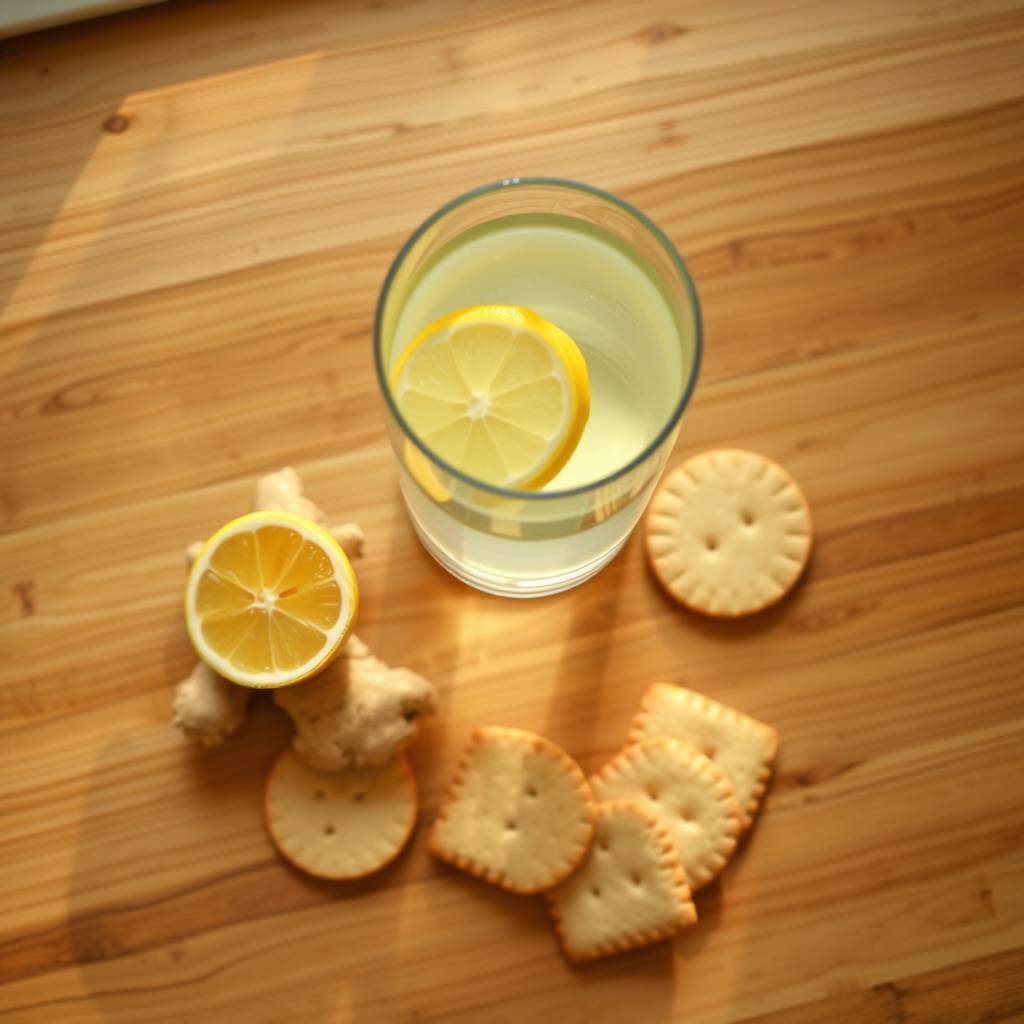
Simple bedside setup: lemon water and ginger slices can be your go‑to nausea relief kit.
From our medical team: Nausea is a common pregnancy symptom, and most women find relief with a combination of bland foods, frequent small meals, and gentle herbal teas. If you’re unsure about any food or supplement, or if nausea interferes with weight gain or hydration, reach out to your obstetrician or midwife. They can assess whether you need prescription medication or additional testing.
Myth vs. fact
Myth: You must avoid all spices during pregnancy.
Fact: Mild spices like ginger, cinnamon, and turmeric are generally safe and can actually help reduce nausea. Strong, pungent spices (e.g., raw garlic, hot chilies) may trigger symptoms for some people, so listen to your body.
Myth: Drinking coffee will always worsen nausea.
Fact: Moderate caffeine (up to 200 mg per day, about one 12‑oz coffee) is considered safe by ACOG, but many find that caffeine can increase stomach acidity. If coffee aggravates you, switch to decaf or a caffeine‑free herbal tea.
Myth: Nausea means you’re not eating enough.
Fact: Nausea is often linked to hormonal changes and empty‑stomach triggers, not just calorie intake. Small, frequent meals with balanced macronutrients are more effective than larger, less frequent meals.
Key takeaways
Eat small, frequent meals (every 2–3 hours) that combine protein with complex carbs.
Ginger, lemon, plain crackers, bananas, and yogurt are the top nausea‑friendly foods.
Stay hydrated with water, gentle herbal teas, or flavored lemon water; avoid caffeinated or carbonated drinks.
Limit high‑fat, spicy, or strongly scented foods that can trigger symptoms.
Consider vitamin B6 supplements and acupressure wrist bands if food alone isn’t enough.
Contact your provider if nausea persists past 20 weeks, leads to weight loss, or causes dehydration.
Frequently asked questions
What foods can I eat to stop morning sickness?
Start with bland, easy‑digesting foods like plain crackers, toast, bananas, and ginger. Pair them with protein (Greek yogurt, eggs) and sip on lemon‑infused water or ginger tea. Small, frequent meals are key.
Is ginger safe to eat during pregnancy?
Yes—up to 1 gram of fresh ginger daily is considered safe by ACOG and WHO. Use it in teas, smoothies, or as a light sprinkle on crackers, but avoid excessive doses that may cause heartburn.
How many times a day should I eat to reduce nausea?
Aim for 5–6 small meals or snacks spaced every 2–3 hours. This prevents an empty stomach, stabilizes blood sugar, and reduces nausea spikes.
Can lemon help with pregnancy nausea?
Yes—lemon’s bright scent can reset the olfactory system, and its citric acid may stimulate saliva, easing stomach upset. Try lemon water, lemon‑infused tea, or a few drops of lemon juice on crackers.
What snacks are recommended for nausea in the first trimester?
Low‑sugar options like plain rice cakes with almond butter, Greek yogurt with cinnamon, hard‑boiled eggs, or a small banana are gentle on the stomach and provide steady energy.
Are there any foods that make nausea worse during pregnancy?
Strongly scented, high‑fat, greasy, or very sweet foods—such as fried onions, pizza, candy, and carbonated drinks—can aggravate nausea. Keep a food‑symptom diary to identify personal triggers.
When to call your doctor
If you experience any of the following, seek medical attention promptly: persistent vomiting (more than 2 times per day), inability to keep down fluids for 24 hours, weight loss of > 5 % of pre‑pregnancy weight, severe dehydration (dry mouth, dizziness, dark urine), or persistent nausea beyond 20 weeks that interferes with daily activities. This article is for informational purposes only and does not replace personalized medical advice.
References
American College of Obstetricians and Gynecologists (ACOG). “Nausea and Vomiting of Pregnancy.” Clinical Guidance, 2023.
National Institute for Health and Care Excellence (NICE). “Management of Nausea and Vomiting in Pregnancy.” NG123, 2022.
World Health Organization (WHO). “Safety of Herbal Medicines in Pregnancy.” 2021.
Centers for Disease Control and Prevention (CDC). “Vitamin B6 and Pregnancy Nausea.” 2022.
International Journal of Gynecology & Obstetrics. “Lemon Aromatherapy for Morning Sickness.” 2021.
Journal of Obstetric, Gynecologic & Neonatal Nursing. “Probiotic Yogurt and Nausea Relief.” 2022.
Food and Drug Administration (FDA). “Guidance on Caffeine Intake During Pregnancy.” 2020.
Medicines and Healthcare products Regulatory Agency (MHRA). “Herbal Tea Safety in Pregnancy.” 2021.
Not sure about the label on Foods That Fight Nausea During Pregnancy Natural Remedies products?
Snap the ingredients list and SafeFilter checks every ingredient for your stage — only 3 free scans this month, then you're locked until reset. Unlimited from $7/mo or $50/yr.
When Shubhra Mishra was expecting her first child in 2016, she was overwhelmed by conflicting food advice — one site said yes, another said never. By the time her second baby arrived in 2019, she realized millions of mothers face the same confusion.
That sparked a five-year journey through clinical nutrition papers, cultural diets, and expert conversations — all leading to BumpBites: a calm, compassionate space where science meets everyday motherhood.
Her long-term vision is to build a global community ensuring safe, supported, and free deliveriesfor every mother — because no woman should face pregnancy alone or uninformed. 🌿
🌍 Stand with mothers, shape safer guidance
Join a small circle of experts who review BumpBites articles so expecting parents everywhere can decide with confidence.