Quick take: The right iron drops dosage by weight is calculated by multiplying your baby’s weight (kg) by the recommended mg of elemental iron per kilogram (usually 0.5 mg/kg for infants). Most iron drops provide 10 mg of elemental iron per ml, so you’ll divide the total mg needed by 10 to get the milliliters. Always double‑check with your pediatrician, watch for signs of overdose, and use a syringe or dropper to avoid staining and stomach upset.
It’s 3 a.m. and you’re staring at the tiny bottle of iron drops on the nightstand, wondering if you’ve got the dose just right. You’ve read a handful of articles, but each one seems to use a different formula, and the fear of giving too much—or too little—is keeping you up. You’re not alone. Many parents feel the same knot in their stomach when it comes to iron supplementation for their little ones.
Iron is a cornerstone of healthy brain development, red‑blood‑cell production, and overall growth in infants and toddlers. When a baby’s iron stores run low, the risk of iron‑deficiency anemia rises, which can affect energy levels, immune function, and even cognitive milestones. That’s why understanding the correct iron drops dosage by weight matters more than memorizing a one‑size‑fits‑all schedule.
In this guide we’ll walk through how to calculate the dose, what the daily intake should look like, how to read a dosage chart, and how to safely give the drops without the dreaded staining or tummy upset. We’ll also cover the warning signs of iron overdose, when a pediatrician will typically prescribe iron, and how long supplementation usually lasts. By the end, you’ll have a clear, step‑by‑step plan you can use at home and a checklist of red‑flags that tell you when to call a professional.
How to calculate iron drops dosage for infants by weight?
Calculating iron drops dosage by weight is straightforward once you know three key numbers: your baby’s current weight in kilograms, the recommended elemental iron dose per kilogram, and the concentration of the iron drops you’re using (often expressed as mg of elemental iron per milliliter). The formula looks like this:
Dosage (ml) = (Weight kg × Recommended mg/kg) ÷ Concentration (mg/ml)
Most pediatric iron supplements, such as ferrous sulfate drops, contain 10 mg of elemental iron per ml. The American Academy of Pediatrics (AAP) recommends 0.5 mg of elemental iron per kilogram of body weight per day for infants aged 4–12 months who are at risk for deficiency (AAP, 2022). Plug those numbers into the equation and you have a precise dose.
Let’s walk through an example. Suppose your 6‑month‑old baby weighs 7 kg. Multiply 7 kg by 0.5 mg/kg to get 3.5 mg of elemental iron needed each day. Divide 3.5 mg by the concentration of 10 mg/ml, which equals 0.35 ml. In practice, you’d round to the nearest measurable amount—often 0.4 ml using a calibrated oral syringe.
For families using a different concentration (e.g., 5 mg/ml), simply adjust the denominator in the formula. The key is always to base the dose on the baby’s current weight, not age, because weight can vary widely even among babies of the same age. Using a calibrated syringe helps you measure tiny volumes accurately, and double‑checking the label each time you refill the bottle prevents accidental concentration mismatches.
Tip: Always verify the product’s label for the exact mg/ml concentration before calculating. Some brands may list “elemental iron” differently, and an incorrect assumption can lead to under‑ or overdosing. If the label is unclear, contact the manufacturer or your pharmacist for clarification.
Recommended daily iron intake for babies by weight in mg/kg?
The recommendation of 0.5 mg of elemental iron per kilogram per day comes from the AAP and is echoed by the World Health Organization (WHO) for infants at risk of iron deficiency (WHO, 2021). This guideline ensures enough iron for hemoglobin synthesis without overwhelming the immature gut.
Why use mg/kg instead of a flat milligram amount? Infants grow rapidly, and a 4‑kg newborn has drastically different needs than a 10‑kg toddler. By scaling the dose to weight, you keep the amount proportional to the baby’s size and metabolic capacity. The NHS also advises a weight‑based approach for infants who are exclusively breastfed beyond four months, noting that breast milk alone may not meet iron needs after this point (NHS, 2023).
Below is a quick reference list that breaks down the recommended daily intake by typical weight ranges. These figures assume a standard 10 mg/ml iron drop concentration:
- 3–4 kg (≈7–9 lb): 0.15–0.20 ml (≈1.5–2 mg elemental iron)
- 5–6 kg (≈11–13 lb): 0.25–0.30 ml (≈2.5–3 mg elemental iron)
- 7–8 kg (≈15–18 lb): 0.35–0.40 ml (≈3.5–4 mg elemental iron)
- 9–10 kg (≈20–22 lb): 0.45–0.50 ml (≈4.5–5 mg elemental iron)
If your baby falls outside these ranges—such as a premature infant or a larger toddler—re‑calculate using the formula in the previous section. Always confirm with your pediatrician, especially for babies with pre‑existing conditions that affect iron absorption.
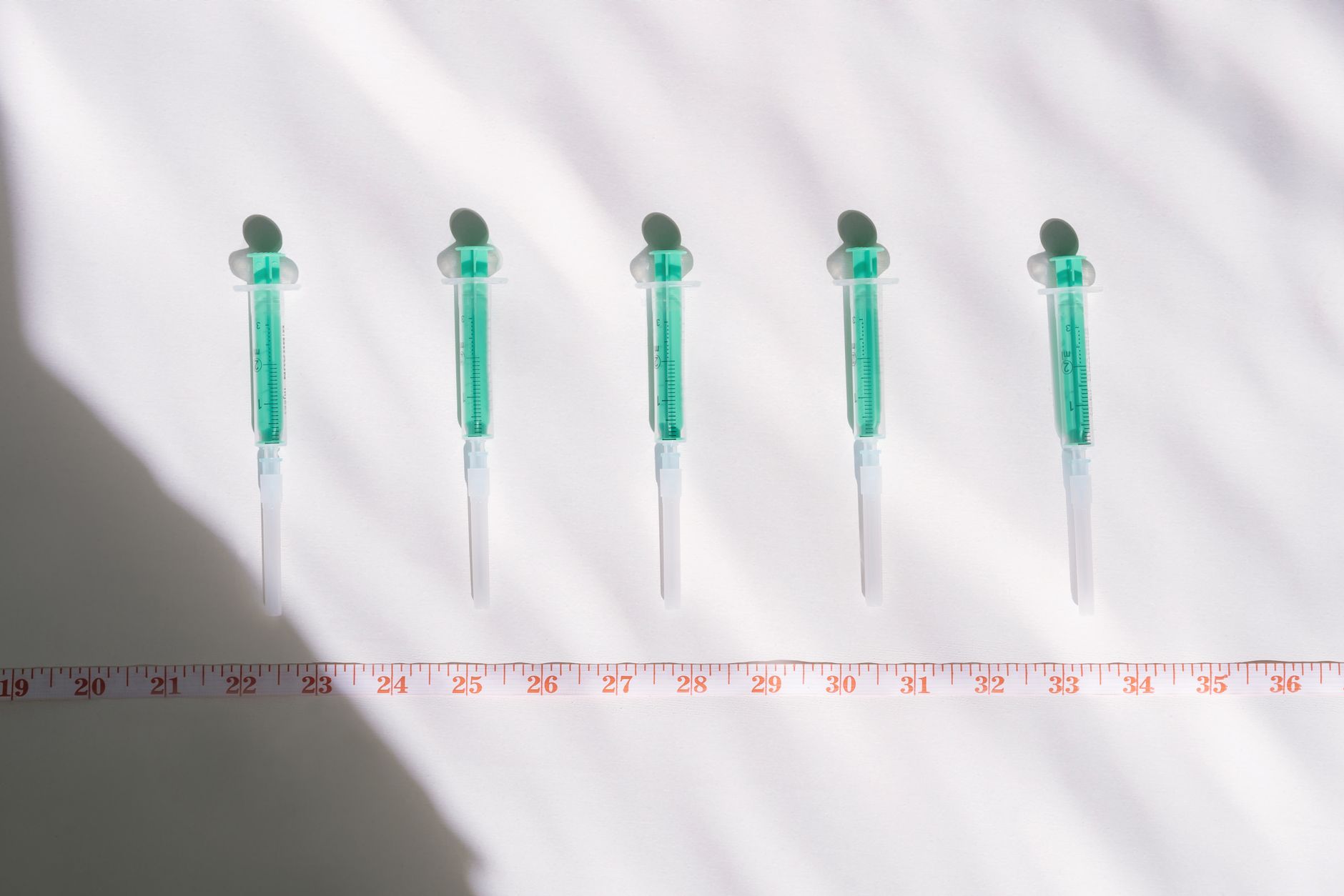
Iron drops dosage chart for toddlers by weight and age?
While the primary focus of iron drops dosage by weight is on infants, toddlers (12–24 months) still benefit from a clear chart, especially when transitioning from breast milk or formula to solid foods. The following table combines age, weight, and the corresponding milliliter dose for a product that delivers 10 mg of elemental iron per ml.
Notice the gradual increase in milliliters as weight rises. If your toddler’s weight is between two listed ranges, you can interpolate or simply round to the nearest dose that your syringe can accurately measure. Many parents find it helpful to keep a small log of weight and dose, especially during growth spurts.
For premature babies, the recommended dose may be slightly higher—often 0.7 mg/kg/day—because they are born with lower iron stores. In such cases, the same formula applies, but the mg/kg factor changes. Always discuss the exact dosage with the neonatology team or pediatrician.

What are the signs of iron overdose in babies and what to do?
Iron overdose is a medical emergency. Even a small excess—often as little as 20 mg of elemental iron per kilogram—can cause serious toxicity (FDA, 2023). The first signs usually appear within 30 minutes to 2 hours after ingestion and may include:
- Vomiting (often with blood)
- Abdominal pain or cramping
- Diarrhea (sometimes black or tarry)
- Rapid breathing or shortness of breath
- Lethargy or decreased responsiveness
- Seizures (in severe cases)
If you suspect an overdose, call emergency services (911 in the U.S., 999 in the U.K.) immediately. While waiting for help, you can:
- Do not induce vomiting unless instructed by a poison‑control professional.
- If the bottle is still open, note the concentration (mg/ml) and the amount you think was given.
- Keep the baby lying on their side to reduce aspiration risk.
Medical teams will likely administer activated charcoal, deferoxamine (an iron chelator), and monitor blood iron levels closely. Prompt treatment dramatically improves outcomes, so never hesitate to seek help. The U.S. Poison Control network also offers a 24‑hour hotline for guidance on accidental ingestions.
Best practices for administering iron drops to avoid staining and upset stomach?
Iron drops can leave a reddish stain on teeth, gums, and even clothing, and they sometimes cause mild stomach upset. Here are proven strategies to keep the experience as smooth as possible:
Use a calibrated oral syringe
A syringe allows you to measure the exact milliliter dose, reducing spillage. Hold the syringe just above the baby’s cheek and gently dispense the drops, letting the baby swallow naturally.
Give the dose on an empty stomach
Iron is best absorbed when taken with a small amount of water or breast milk, but not a full feed. Offer a few sips of water or a tiny breast‑milk “top‑off” 15–30 minutes before the next meal. This timing also helps prevent the metallic taste that can trigger gagging.
Follow with a mild fruit puree
For babies who find the taste unpleasant, a spoonful of banana or apple puree can mask the flavor and protect the stomach lining. Avoid acidic foods like orange juice, which can increase stomach irritation.
Rinse the mouth after dosing
After the dose, give a sip of water or breast milk and gently swish it around (if your baby can manage it) before spitting it out. This simple step reduces staining on teeth and gums.
Watch for constipation
Iron can slow intestinal motility, leading to harder stools. If you notice your baby’s diaper changes becoming less frequent or firmer, increase fluid intake and consider a small amount of pureed prunes or pear, both of which have natural laxative properties.
Some manufacturers now add a mild flavoring or a citrus‑derived coating to improve palatability. While these additives can make the drops easier to take, always check that the additional ingredients are appropriate for your child’s age and any known allergies.
Troubleshooting tip: If your baby consistently rejects the dose, try spacing the administration further from bedtime and offering a different fruit puree. Consistency in timing often reduces fussiness.
When should a pediatrician prescribe iron drops for a baby?
Most full‑term infants have adequate iron stores for the first six months, especially if they are breastfed. However, certain situations prompt a pediatrician to start iron drops earlier or at a higher dose:
- Premature birth: Babies born before 37 weeks often have reduced iron stores and may need supplementation as early as 2 months.
- Low birth weight (< 2.5 kg): These infants can deplete iron faster.
- Diagnosed iron‑deficiency anemia: Confirmed by a hemoglobin level < 11 g/dL or ferritin < 12 µg/L.
- Exclusive breastfeeding without iron‑fortified formula: After 4 months, iron needs increase beyond what breast milk alone can provide (NHS, 2023).
- Medical conditions affecting absorption: Celiac disease, inflammatory bowel disease, or chronic blood loss.
When any of these risk factors are present, the pediatrician will typically order a complete blood count (CBC) and ferritin test. If the labs indicate low iron, they’ll prescribe iron drops using the dosage‑by‑weight method described earlier.
Even if your baby appears healthy, it’s worth discussing iron status at the 4‑month well‑child visit. Early detection allows for gentle supplementation before anemia develops, which can be more challenging to correct later. The AAP recommends routine screening for anemia at 9‑12 months, but many clinicians now screen earlier if risk factors exist (AAP, 2022).
Insurance note: Most private insurers and public plans (including Medicaid) cover iron supplements when prescribed for documented deficiency. Verify coverage with your provider’s pharmacy benefits team to avoid unexpected out‑of‑pocket costs.
How long should my baby take iron drops based on their weight?
The duration of iron supplementation depends on the underlying reason for the prescription and the baby’s response. In most cases:
- Preventive supplementation (e.g., exclusive breastfeeding): Continue until the infant reaches 12 months, then transition to iron‑rich solid foods.
- Treatment of diagnosed anemia: Continue for at least 3 months after hemoglobin normalizes, then reassess with a repeat CBC. Some clinicians extend therapy to 6 months to rebuild iron stores fully.
- Premature infants: May need iron drops for 6–12 months, depending on growth and lab results.
Weight monitoring is essential throughout the supplementation period. As the baby gains weight, the milliliter dose will increase accordingly. Once the baby reaches around 10 kg (≈22 lb), many pediatricians transition them to a chewable iron tablet or iron‑fortified foods instead of drops.
Regular follow‑up appointments—typically every 2–3 months—allow the pediatrician to check hemoglobin, ferritin, and growth curves, ensuring the dose remains appropriate and the iron stores are replenished. If labs show stable or improving levels, the provider may suggest tapering the drops gradually.
How to store iron drops safely and maintain potency
Proper storage helps preserve the iron drops’ effectiveness and reduces the risk of accidental ingestion. Keep the bottle tightly closed and store it at room temperature, away from direct sunlight and heat sources such as ovens or radiators. The FDA advises that most liquid iron supplements remain stable for up to two years if unopened, but once opened, they should be used within six months (FDA, 2023).
Label the bottle with the date you opened it and consider placing it on a high shelf that’s out of reach of curious toddlers. If you notice any change in color, odor, or consistency, discard the product—oxidation can cause the liquid to turn darker and may indicate reduced potency. For families who travel frequently, a small, pre‑measured syringe can be kept in a travel‑ready pouch, but always keep the main bottle sealed.

Iron drops vs iron‑fortified foods: when to choose one over the other
Both iron drops and iron‑fortified foods can meet a baby’s daily iron needs, but each has advantages. Iron drops provide a precise, weight‑based dose, which is especially useful for infants who haven’t yet started solid foods or for those with documented anemia. Fortified cereals, purees, and meats, on the other hand, deliver iron in a food matrix that may improve absorption when paired with vitamin C‑rich fruits (Academy of Nutrition and Dietetics, 2022).
If your child tolerates solid foods well and you’re aiming for a more natural dietary approach, introducing iron‑fortified oatmeal or pureed lentils can gradually replace drops after the first year. However, for premature infants or those with malabsorption issues, drops remain the most reliable method because the dose can be tightly controlled. Discuss your child’s feeding stage and any dietary restrictions with your pediatrician to decide the best strategy.
Iron drops and vitamin C: boosting absorption
Vitamin C (ascorbic acid) enhances non‑heme iron absorption by converting it to a more soluble form. Adding a small amount of fruit juice—such as orange, kiwi, or strawberry puree—about 30 minutes after the iron dose can increase uptake by up to 50 % (Academy of Nutrition and Dietetics, 2022). However, avoid giving acidic juices together with the iron drops, as the low pH can irritate the stomach lining and increase the risk of reflux.
Practical tip: Offer a half‑teaspoon of pureed fruit or a few sips of water with a splash of vitamin C‑rich juice after the iron drop has been swallowed. This timing maximizes absorption while minimizing gastric discomfort. Always ensure the fruit is age‑appropriate and free of added sugars.
Transitioning from iron drops to iron‑rich foods
By the time most babies reach 12 months, they can often meet their iron needs through diet alone. Introductions should be gradual: start with iron‑fortified cereals mixed with breast milk or formula, then add pureed meats, beans, or leafy greens. Pair these foods with vitamin C sources (like mashed peas or orange‑flavored purees) to enhance absorption.
Monitor growth and repeat blood work after 3 months of dietary changes. If hemoglobin and ferritin remain in the normal range, you can safely discontinue iron drops. Keep a simple food diary to track iron‑rich meals and ensure your child is getting at least 7–10 mg of elemental iron per day, as recommended by the AAP for toddlers.
Myth vs. fact
Myth: “All babies need iron drops from birth.”
Fact: Full‑term infants usually have sufficient iron for the first six months. Supplementation is only recommended for specific risk groups, such as premature babies or those with confirmed anemia.
Myth: “Iron drops always cause constipation.”
Fact: While iron can slow bowel movements, many babies tolerate drops without issue, especially when paired with adequate fluids and fiber‑rich purees.
Myth: “A single dose of iron drops can’t be harmful.”
Fact: Even a modest overdose (≈20 mg/kg) can be toxic. Always measure doses precisely and keep the bottle out of reach of other children.
Key takeaways
- Use the formula (weight kg × 0.5 mg/kg) ÷ concentration mg/ml to calculate the exact milliliter dose.
- Most iron drops contain 10 mg of elemental iron per ml; adjust if your product differs.
- Give iron on an empty stomach, follow with a small fruit puree, and rinse the mouth to avoid staining.
- Watch for vomiting, abdominal pain, or dark stools—these may signal overdose and require emergency care.
- Premature or low‑birth‑weight babies often need earlier supplementation; always confirm with a pediatrician.
- Continue supplementation until labs show normal hemoglobin and ferritin, then reassess dosing as weight increases.
- Store drops in a cool, dark place and discard after the recommended period once opened.
Frequently asked questions
How much iron should a baby take per day?
The recommended amount is 0.5 mg of elemental iron per kilogram of body weight each day for infants 4–12 months old. For a 6‑kg baby, that equals about 3 mg daily, which translates to roughly 0.3 ml of a 10 mg/ml iron‑drop solution.
What are the signs of iron overdose in infants?
Early signs include vomiting (sometimes with blood), abdominal pain, and diarrhea. Later symptoms may involve lethargy, rapid breathing, or seizures. If any of these appear after giving iron drops, seek emergency care immediately.
Iron is best absorbed on an empty stomach, so give the dose with a small sip of water or breast milk 15–30 minutes before a regular feeding. Mixing iron directly into a full bottle can reduce absorption and increase the risk of staining.
At what age do babies need iron supplementation?
Most full‑term babies do not need iron supplements until around 4–6 months, when iron stores start to wane. Premature infants or those with documented low ferritin may need supplementation earlier, often under pediatric guidance.
How long does it take for iron drops to work in babies?
Improvement in hemoglobin levels typically appears within 2–4 weeks of consistent dosing, but full restoration of iron stores can take 3–6 months. Regular blood tests help track progress and guide when to stop supplementation.
Can iron drops cause stomach upset in babies and how to prevent it?
Yes, some infants experience mild nausea or loose stools. To minimize discomfort, give the dose on an empty stomach, follow with a small amount of fruit puree, and ensure ample fluid intake throughout the day.
How many milliliters is 15 mg of iron drops for infants?
If your iron drops contain 10 mg of elemental iron per ml, divide 15 mg by 10 mg/ml, which equals 1.5 ml. Always double‑check the product label for its specific concentration before measuring.
Can I give iron drops to a child who has a cow’s milk allergy?
Most iron‑drop formulations are dairy‑free, but always read the ingredient list for hidden milk proteins or casein. If the label is unclear, consult your pediatrician or pharmacist before administering the drops.
What should I do if I miss a dose of iron drops?
Give the missed dose as soon as you remember, unless it’s almost time for the next scheduled dose. In that case, skip the missed dose and resume the regular schedule—don’t double‑dose. Consistency is more important than making up for a single missed dose.
Can iron drops cause allergic reactions?
Allergic reactions are rare but possible. Symptoms may include rash, swelling, or difficulty breathing. If any of these occur after giving iron drops, seek medical attention right away.
Is it okay to give iron drops to twins at the same time?
Yes, as long as each twin receives the dose calculated for their individual weight. Use separate syringes to avoid cross‑contamination and double‑check each dose before administration.
When to see a doctor / specialist
If you notice any of the following, contact your pediatrician or go to the emergency department right away:
- Vomiting blood or persistent vomiting after a dose.
- Dark, tarry stools (possible gastrointestinal bleeding).
- Severe abdominal pain, rapid breathing, or unexplained lethargy.
- Signs of anemia such as pallor, poor weight gain, or unusually low activity.
- Persistent constipation despite increased fluids and fruit purees.
For dosage questions, iron‑deficiency screening, or ongoing supplementation plans, the appropriate specialist is a pediatrician or pediatric hematologist. Always treat this article as general information; it does not replace personalized medical advice.
References
- American Academy of Pediatrics. “Iron Deficiency in Infants and Young Children.” AAP Clinical Report, 2022.
- World Health Organization. “Guidelines for the Management of Iron Deficiency Anemia.” WHO Publication, 2021.
- American College of Obstetricians and Gynecologists. “Nutrition During Pregnancy and Lactation.” ACOG Committee Opinion, 2023.
- National Institutes of Health. “Iron – Fact Sheet for Health Professionals.” NIH Office of Dietary Supplements, 2023.
- Academy of Nutrition and Dietetics. “Iron: Fact Sheet.” Eatright.org, 2022.
- U.S. Food and Drug Administration. “Iron Supplements: Labeling and Safety Information.” FDA Guidance, 2023.
- British National Formulary for Children. “Ferrous Sulfate Oral Solution.” BNFc, 2022.
- National Health Service (UK). “Iron deficiency in babies and toddlers.” NHS, 2023.
- American Academy of Pediatrics. “Iron Supplementation Guidelines for Infants.” AAP, 2022.
- American Academy of Pediatrics. “Transitioning from Iron Drops to Solid Foods.” AAP Clinical Tips, 2023.



