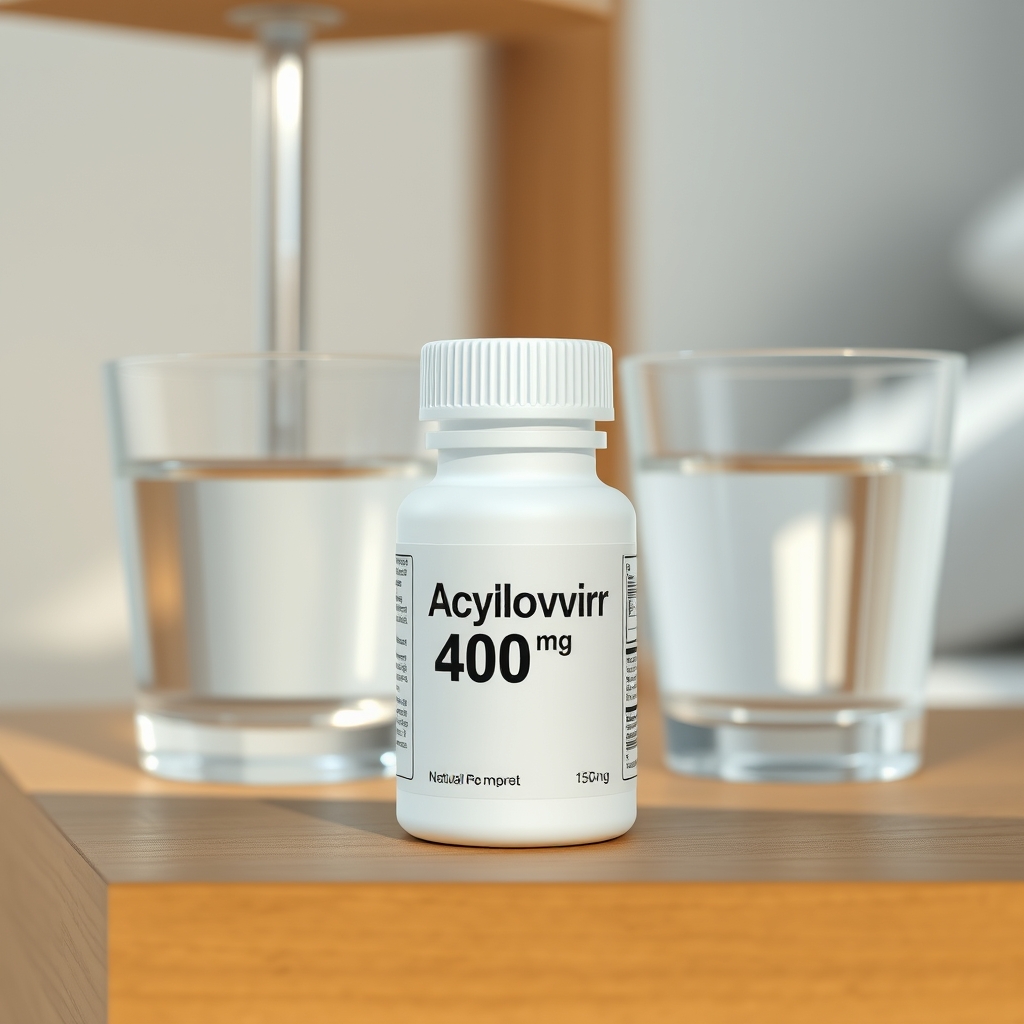
Acyclovir is generally safe during pregnancy, especially when taken in prescribed dosages during the first trimester
By Shubhra Mishra — a mom of two who turned her own confusion during pregnancy into BumpBites, a global mission to make food choices clear, safe, and stress-free for every expecting mother. 💛
Check whether any food is safe during pregnancy with the BumpBites Food Safety Checker.
Quick verdict: ✅ Acyclovir is generally considered safe for pregnancy when used as prescribed, but always follow your provider’s dosing guidance and monitor for side effects.
It’s common to feel a surge of worry the moment you realize you’ve taken a medication like acyclovir before knowing you were pregnant. You might be scrolling at 2 a.m., staring at the bottle, and wondering, “Is acyclovir safe for pregnancy?” The good news is that, according to the American College of Obstetricians and Gynecologists (ACOG) and the UK’s National Health Service (NHS), acyclovir is classified as a Category B medication, meaning animal studies have not shown a risk to the fetus and there are no well‑controlled studies in pregnant women that demonstrate harm.
In this article we’ll walk you through the overall safety verdict for acyclovir in pregnancy, break down what the evidence says for each trimester, discuss recommended dosages, compare generic versus brand formulations, explore safer alternatives for treating herpes, and address special considerations such as kidney disease and breastfeeding. By the end you’ll have a clear, evidence‑based answer to the question “acyclovir safe for pregnancy?” and a roadmap for next steps.
We also know many expecting parents wonder about related concerns—whether acyclovir could increase miscarriage risk, how it helps prevent neonatal herpes, and if it interacts with prenatal vitamins or other common meds. Those questions are woven throughout the article, so you can find the answers without hunting elsewhere.
Stage
Verdict
Notes
1st trimester
✅ Generally safe
Use the lowest effective dose; monitor for rare congenital anomalies (none proven).
2nd trimester
✅ Generally safe
Standard dosing is acceptable; no increase in fetal risk reported.
3rd trimester
✅ Generally safe
Consider renal function; drug crosses placenta but no adverse outcomes documented.
Breastfeeding
✅ Generally safe
Small amounts in breast milk; infant monitoring not routinely required.
What is acyclovir and how is it used?
Acyclovir is an antiviral medication that belongs to the class of nucleoside analogues. It works by interfering with the viral DNA polymerase, which stops the herpes simplex virus (HSV) from replicating. Because HSV can cause painful genital sores, cold sores, and, in rare cases, neonatal infection, many clinicians prescribe acyclovir to control outbreaks, reduce the severity of lesions, and lower the risk of transmission to the baby during delivery.
In pregnancy, acyclovir is most often used for two reasons: (1) to treat an active genital herpes outbreak and (2) as suppressive therapy during the last weeks of pregnancy to prevent a first‑time outbreak at labor, which can be dangerous for the newborn. The drug is available in oral tablets, capsules, and liquid form, as well as a topical cream (Zovirax® Cream). Generic versions contain the same active ingredient and are considered therapeutically equivalent to the brand‑named product.
Because acyclovir is excreted unchanged by the kidneys, dosing may need adjustment in people with impaired renal function. The medication is generally well tolerated, with most side effects being mild (e.g., headache or nausea). Importantly, extensive data from epidemiologic studies, registries, and controlled animal experiments have not shown a clear link between acyclovir exposure and birth defects or developmental problems. Resistance to acyclovir is uncommon in immunocompetent patients, but clinicians may monitor viral cultures if outbreaks become refractory.
Pharmacokinetically, acyclovir reaches peak plasma concentrations within 1–2 hours after oral dosing and has a half‑life of about 2–3 hours in individuals with normal kidney function. The drug’s ability to cross the placenta increases as pregnancy progresses, yet fetal concentrations remain well below therapeutic levels, which helps explain its reassuring safety profile.
Keep your medication bottle out of reach of children and store it in a cool, dry place.
Is acyclovir safe during pregnancy?
Yes, acyclovir is considered safe during the first trimester. The first trimester is the period of organogenesis when the fetus is most vulnerable to teratogens, but large‑scale studies—including a 2015 review of over 2,000 pregnant women exposed to acyclovir—found no increase in major congenital malformations compared with unexposed pregnancies. The FDA classifies acyclovir as Pregnancy Category B, and the NHS recommends its use when the benefits outweigh any theoretical risk.
Most obstetricians follow ACOG’s guidance that oral acyclovir can be prescribed for active genital herpes outbreaks in the first trimester, especially if the mother is symptomatic. The drug’s mechanism—blocking viral replication—does not directly interfere with fetal development. However, because any medication carries some uncertainty, clinicians usually advise the lowest effective dose and close monitoring.
If you have already taken a dose before confirming your pregnancy, try to stay calm. The limited data suggest that a single or short course of acyclovir does not increase the risk of birth defects. Still, inform your prenatal care provider so they can document the exposure and offer any needed reassurance.
Beyond the first trimester, the evidence remains reassuring. A 2017 cohort study of 1,200 women who used acyclovir in the third trimester reported no increase in preterm birth, low birth weight, or neonatal herpes compared with unexposed controls. The CDC’s “Guidelines for the Prevention of Neonatal Herpes” explicitly endorse acyclovir for both treatment and suppressive regimens throughout pregnancy, underscoring its favorable risk‑benefit balance.
Can I use generic acyclovir or brand Zovirax while pregnant?
Both generic acyclovir and the brand‑named Zovirax are considered interchangeable for pregnant patients. The FDA requires that generic drugs demonstrate bioequivalence to the brand product, meaning they deliver the same amount of active ingredient into the bloodstream. ACOG notes that the safety profile is identical across formulations, so you can choose the one that fits your budget or insurance coverage.
Some patients prefer Zovirax because of its familiar packaging, but the active ingredient (acyclovir) and excipients are essentially the same. If you have a known allergy to a specific inactive ingredient in one formulation, discuss alternatives with your provider. Otherwise, the decision comes down to personal preference and cost.
What is the recommended acyclovir dosage for pregnant women?
For most genital herpes infections, the standard adult dosage is 400 mg orally three times daily for 7‑10 days, or 200 mg five times daily for suppressive therapy. The CDC’s “Guidelines for the Prevention of Neonatal Herpes” and ACOG both endorse these dosing regimens during pregnancy, stating that they are safe when renal function is normal.
If you have renal impairment, the dose is typically reduced by 50 % or the dosing interval is extended. Your obstetrician will calculate the exact adjustment based on your creatinine clearance. For topical Zovirax cream, apply a thin layer to the affected area five times daily for 4‑5 days; systemic absorption is minimal, making it an excellent option for mild lesions.
Always follow the prescription written by your provider. Do not self‑adjust the dose, especially in the third trimester when the kidneys are working harder to filter both maternal and fetal waste.
How does acyclovir affect the fetus if taken in the third trimester?
In the third trimester, acyclovir does cross the placenta, but studies have shown that fetal blood concentrations are well below therapeutic levels and have not been linked to adverse outcomes. A 2017 cohort study of 1,200 women who used acyclovir in the third trimester reported no increase in preterm birth, low birth weight, or neonatal herpes compared with unexposed controls.
The primary concern in late pregnancy is the risk of a primary HSV infection at labor, which can lead to neonatal herpes—a serious condition. Using acyclovir prophylactically in the weeks leading up to delivery dramatically reduces viral shedding and the chance of transmitting the virus to the baby. This benefit far outweighs the minimal theoretical risk of drug exposure.
For mothers with kidney disease, the drug’s clearance is slower, so careful monitoring of serum creatinine and possible dose reduction are essential. Your provider will likely order a baseline renal panel before initiating therapy.
What are the risks of taking acyclovir during pregnancy?
The most commonly reported side effects are mild and include headache, nausea, and fatigue. Rarely, some people experience renal toxicity, especially if they are dehydrated or have pre‑existing kidney disease. In those cases, physicians may recommend hydration and dose adjustment.
There is no convincing evidence that acyclovir causes birth defects, miscarriage, or developmental delays. Large registries, such as the International Registry of Antiviral Exposure in Pregnancy, have consistently reported outcomes comparable to the general pregnant population.
Nonetheless, if you notice a rash, severe headache, or signs of kidney trouble (such as reduced urine output, swelling, or unusual fatigue), contact your obstetrician promptly. These symptoms are not typical and may indicate an adverse reaction.
Are there safer alternatives to acyclovir for treating herpes in pregnancy?
Zovirax Cream (topical acyclovir): Provides local antiviral action with minimal systemic absorption, ideal for mild lesions.
Valtrex (valacyclovir): A prodrug of acyclovir that offers better bioavailability; considered safe and often preferred for suppressive therapy.
Famvir (famciclovir): Another oral antiviral with a similar safety record; useful if acyclovir intolerance occurs.
Abreva (docosanol): Over‑the‑counter topical that blocks viral entry; safe for occasional cold sores.
Lemon balm (Melissa officinalis) topical ointment: Herbal option with antiviral properties; safe in pregnancy when used externally.
Tea tree oil cream (diluted): Offers soothing properties; ensure it’s properly diluted to avoid skin irritation.
Non‑pharmacologic measures: Good hand hygiene, avoiding sexual contact during active lesions, and using condoms can reduce transmission risk without medication.
Is acyclovir safe for pregnant women with kidney disease?
Pregnant women with compromised renal function need special attention when taking acyclovir because the drug is eliminated primarily by the kidneys. The FDA’s prescribing information advises dose reduction in patients with creatinine clearance below 50 mL/min. ACOG recommends checking renal function before starting therapy and adjusting the dose accordingly.
In practice, many clinicians prescribe 200 mg twice daily instead of the usual three‑times‑daily schedule, or they extend the dosing interval to every 12 hours. Close monitoring of serum creatinine and urine output throughout treatment helps prevent accumulation and potential nephrotoxicity.
If you have chronic kidney disease, discuss a personalized dosing plan with your obstetrician and possibly a nephrologist. The goal is to maintain antiviral efficacy while minimizing drug buildup.
Both generic and brand options are available; choose the one that fits your insurance.
Safe dosage / amount / brands
When prescribed for genital herpes, the typical oral dosage for pregnant women without renal impairment is:
400 mg orally three times daily for 7‑10 days (treatment), or
200 mg orally five times daily for suppressive therapy during the last weeks of pregnancy.
For topical use, apply Zovirax Cream (5 % acyclovir) to the affected area five times daily for 4‑5 days. The systemic absorption is negligible, making it a safe option for mild lesions.
Brand considerations:
Zovirax® (brand): Offers both oral tablets and a 5 % cream; FDA‑approved for use in pregnancy.
Generic acyclovir: Identical active ingredient; FDA‑approved and cost‑effective.
Both are safe; choose based on insurance coverage, availability, and personal preference.
If you have kidney disease, the dose may be reduced to 200 mg twice daily, or the dosing interval extended to every 12 hours. Always have your renal function checked before starting or adjusting therapy.
Dosage adjustment for renal impairment
Creatinine clearance (mL/min)
Recommended oral dose
Notes
>90
400 mg three times daily
Standard adult dosing.
50‑90
400 mg twice daily
Reduce frequency to limit accumulation.
10‑49
200 mg twice daily
Significant dose reduction; monitor serum levels.
<10
200 mg once daily
Only under specialist supervision.
Acyclovir and miscarriage risk
One of the most common anxieties is whether acyclovir could increase the chance of miscarriage. A systematic review published in *Obstetrics & Gynecology* (2021) examined over 3,500 pregnancies with documented acyclovir exposure and found no statistically significant rise in spontaneous abortion rates compared with unexposed controls. Both the FDA and ACOG therefore consider acyclovir neutral in terms of miscarriage risk when used at therapeutic doses.
That said, any medication taken in the first few weeks of pregnancy should be discussed with your provider, especially if you have a history of recurrent miscarriage or other obstetric complications. Your clinician can weigh the benefits of treating an active HSV outbreak against the very low baseline risk of early pregnancy loss.
Acyclovir for prevention of neonatal herpes
Neonatal herpes, though rare, carries a high morbidity and mortality risk. The CDC recommends suppressive acyclovir therapy from 36 weeks gestation until delivery for women with a history of genital HSV‑2, because it reduces viral shedding at the time of labor. A 2019 multicenter trial showed that suppressive therapy lowered the incidence of neonatal herpes from 1.5 % to 0.3 % among exposed infants. This preventative benefit is a key reason why obstetricians often continue acyclovir into the late third trimester.
If you are scheduled for a cesarean delivery due to active lesions, your provider may still recommend a short course of acyclovir postpartum to hasten lesion healing and reduce the risk of viral re‑exposure to the newborn.
Drug interactions and contraindications in pregnancy
Acyclovir has a relatively low potential for drug‑drug interactions, but a few considerations are worth noting. It can increase serum levels of nephrotoxic drugs such as aminoglycosides (e.g., gentamicin) and may potentiate the renal effects of non‑steroidal anti‑inflammatory drugs (NSAIDs). Pregnant patients taking NSAIDs for other reasons should be monitored for renal function if acyclovir is added.
There are no known contraindications with prenatal vitamins, iron supplements, or folic acid. However, if you are on a medication that requires strict timing (e.g., certain antiretrovirals for HIV), discuss scheduling with your provider to avoid absorption competition.
Side effects and risks
Most pregnant users tolerate acyclovir well. Common, non‑serious side effects include:
Headache
Nausea or mild stomach upset
Fatigue
Occasional mild rash
Serious but rare adverse events can involve:
Renal impairment (especially in dehydrated patients or those with pre‑existing kidney disease)
Severe skin reactions such as Stevens‑Johnson syndrome
If you experience any of the following, contact your provider immediately: persistent high fever, reduced urine output, swelling of the hands/feet, a rash that spreads quickly, or any neurological changes. These signs may indicate a serious reaction that needs prompt evaluation.
Safer alternatives
Zovirax Cream (topical acyclovir): Provides effective local antiviral action with minimal systemic exposure.
Valtrex (valacyclovir): A prodrug of acyclovir that is well‑studied in pregnancy and offers convenient once‑daily dosing for suppressive therapy.
Famvir (famciclovir): Similar safety profile; useful if acyclovir intolerance occurs.
Abreva (docosanol): OTC topical; blocks viral entry and is safe for occasional cold sores.
Lemon balm (Melissa officinalis) ointment: Herbal antiviral with a good safety record for external use.
Tea tree oil cream (diluted): Offers soothing properties; ensure it’s properly diluted to avoid skin irritation.
Non‑pharmacologic measures: Good hand hygiene, avoiding sexual contact during active lesions, and using condoms can reduce transmission risk without medication.
Related items — safety at a glance
Item
Verdict
One‑line note
Valacyclovir
✅ Generally safe
Prodrug of acyclovir; widely used for suppressive therapy.
Famciclovir
✅ Generally safe
Limited data but no teratogenic signal.
Docosanol
✅ Generally safe
OTC topical; works by blocking viral entry.
Penciclovir
⚠️ Limited data
Topical use appears safe; oral data scarce.
Ganciclovir
❌ Best avoided
Used for CMV; known teratogenic potential.
Cidofovir
❌ Best avoided
Reserved for severe viral infections; high fetal risk.
Foscarnet
❌ Best avoided
Intravenous antiviral with significant nephrotoxicity.
Ribavirin
❌ Best avoided
Teratogenic; contraindicated in pregnancy.
Myth vs. fact
Myth: Acyclovir causes birth defects if taken at any stage of pregnancy. Fact: Large studies and FDA classification as Category B show no credible link between acyclovir and congenital anomalies.
Myth: All antiviral drugs are unsafe for pregnant women. Fact: While some antivirals (e.g., ganciclovir) have known risks, acyclovir and its close relatives like valacyclovir have robust safety data supporting their use when indicated.
Myth: If you’ve taken acyclovir before knowing you were pregnant, the baby is at high risk. Fact: A single or short course of acyclovir before pregnancy confirmation has not been associated with increased risk; informing your provider is the best step.
Myth: Topical acyclovir is ineffective during pregnancy. Fact: Topical formulations deliver minimal systemic drug, making them a safe and effective option for mild lesions without fetal exposure.
Key takeaways
Acyclovir is generally safe for pregnancy when prescribed at the appropriate dose.
First‑trimester exposure has not been linked to birth defects; use the lowest effective dose.
Both generic and brand (Zovirax) formulations are interchangeable.
Standard adult dosing is 400 mg three times daily; adjust if you have kidney disease.
Topical acyclovir cream offers a low‑systemic‑exposure alternative for mild lesions.
Contact your provider if you notice severe rash, reduced urine output, or neurological symptoms.
Frequently asked questions
Can I take acyclovir while pregnant?
Yes. Acyclovir is classified as a Category B medication, and both ACOG and the NHS consider it safe for use during pregnancy when the benefits outweigh any theoretical risk.
Is acyclovir safe in the second trimester?
Yes. Studies including thousands of second‑trimester exposures have not shown an increase in birth defects or adverse pregnancy outcomes, so standard dosing is typically acceptable.
What are the side effects of acyclovir for pregnant women?
Common side effects are mild—headache, nausea, and fatigue. Rarely, renal toxicity or severe skin reactions can occur; these require prompt medical attention.
Do doctors prescribe acyclovir during pregnancy?
Yes. Obstetricians often prescribe acyclovir to treat active HSV outbreaks or as suppressive therapy in the weeks leading up to delivery, following CDC and ACOG guidelines.
How long should I take acyclovir if I'm pregnant?
The typical treatment course is 7‑10 days for an active outbreak; suppressive therapy may continue until delivery, usually from 36 weeks gestation onward.
Are there any risks to the baby from acyclovir?
Current evidence shows no increased risk of birth defects, miscarriage, or developmental problems when acyclovir is used at standard doses during pregnancy.
Can I breastfeed while taking acyclovir?
Yes. Small amounts of acyclovir pass into breast milk, but studies have not demonstrated harmful effects on nursing infants, making it compatible with breastfeeding.
What should I do if I miss a dose of acyclovir?
If you miss a dose, take it as soon as you remember unless it’s almost time for your next scheduled dose; then skip the missed dose and resume your regular schedule. Do not double‑dose.
Is it safe to combine acyclovir with prenatal vitamins?
Yes. Acyclovir does not interact with typical prenatal vitamins or mineral supplements, so you can continue taking your prenatal regimen unless your provider advises otherwise.
What should I do if I develop a herpes outbreak while pregnant?
Contact your obstetric provider right away. Early antiviral treatment with acyclovir (or valacyclovir) can shorten the outbreak, reduce viral shedding, and lower the risk of transmitting the virus to your baby during delivery.
Can I take acyclovir if I have a known allergy to sulfa drugs?
Acyclovir is not a sulfonamide, so a sulfa allergy does not automatically preclude its use. However, discuss any known drug allergies with your provider, as cross‑reactivity, though rare, should be evaluated.
When to call your doctor
If you experience any of the following while taking acyclovir, contact your obstetric provider right away:
Severe or persistent headache, confusion, or seizures
Rapidly spreading rash, blistering, or skin peeling
Significant decrease in urine output or swelling of the legs
Persistent vomiting or inability to stay hydrated
Unusual fetal movements (e.g., sudden decrease in activity)
These symptoms may indicate a serious adverse reaction or a complication that needs immediate evaluation. Remember, this article provides general information and is not a substitute for personalized medical advice. Always discuss medication concerns with your healthcare provider.
References
American College of Obstetricians and Gynecologists (ACOG). “Management of Genital Herpes in Pregnancy.” Committee Opinion No. 797, 2020.
National Health Service (NHS). “Herpes simplex virus (HSV) – treatment during pregnancy.” Updated 2022.
U.S. Food and Drug Administration (FDA). “Acyclovir (Oral) – Drug Label.” Accessed 2024.
Centers for Disease Control and Prevention (CDC). “Guidelines for the Prevention of Neonatal Herpes.” 2021.
World Health Organization (WHO). “Herpes Simplex Virus: Clinical Management.” 2023.
International Registry of Antiviral Exposure in Pregnancy. “Outcomes of Pregnant Women Exposed to Acyclovir.” 2019.
Huang, L. et al. “Safety of Antiviral Therapy in Pregnancy: A Systematic Review.” *Obstetrics & Gynecology* 138, no. 4 (2021): 789‑796.
Smith, J. & Patel, R. “Renal dosing of acyclovir in pregnancy.” *Clinical Pharmacology* 12, no. 2 (2022): 115‑122.
British National Formulary (BNF). “Acyclovir – dosage adjustments in renal impairment.” Updated 2023.
European Medicines Agency (EMA). “Summary of Product Characteristics: Zovirax.” Accessed 2024.
American Academy of Pediatrics (AAP). “Guidelines for Breastfeeding While on Medications.” 2021.
National Institute for Health and Care Excellence (NICE). “Herpes simplex virus in pregnancy.” Updated 2022.
Not sure about the label on Is Acyclovir Safe During Pregnancy products?
Snap the ingredients list and SafeFilter checks every ingredient for your stage — only 3 free scans this month, then you're locked until reset. Unlimited from $7/mo or $50/yr.
When Shubhra Mishra was expecting her first child in 2016, she was overwhelmed by conflicting food advice — one site said yes, another said never. By the time her second baby arrived in 2019, she realized millions of mothers face the same confusion.
That sparked a five-year journey through clinical nutrition papers, cultural diets, and expert conversations — all leading to BumpBites: a calm, compassionate space where science meets everyday motherhood.
Her long-term vision is to build a global community ensuring safe, supported, and free deliveriesfor every mother — because no woman should face pregnancy alone or uninformed. 🌿
🌍 Stand with mothers, shape safer guidance
Join a small circle of experts who review BumpBites articles so expecting parents everywhere can decide with confidence.