Avoid Aleve in pregnancy – it’s only safe at low doses (≤200 mg) after the first trimester. Learn the recommended dosage, trimester risks, and safer alternatives for managing pain while pregnant.
By Shubhra Mishra — a mom of two who turned her own confusion during pregnancy into BumpBites, a global mission to make food choices clear, safe, and stress-free for every expecting mother. 💛
Check whether any food is safe during pregnancy with the BumpBites Food Safety Checker.
Quick verdict: ❌ Best avoided. Aleve (naproxen) is not considered safe for use at any stage of pregnancy, and most obstetric guidelines advise against it. If you need pain relief, choose a pregnancy‑approved alternative and talk to your provider before taking any medication.
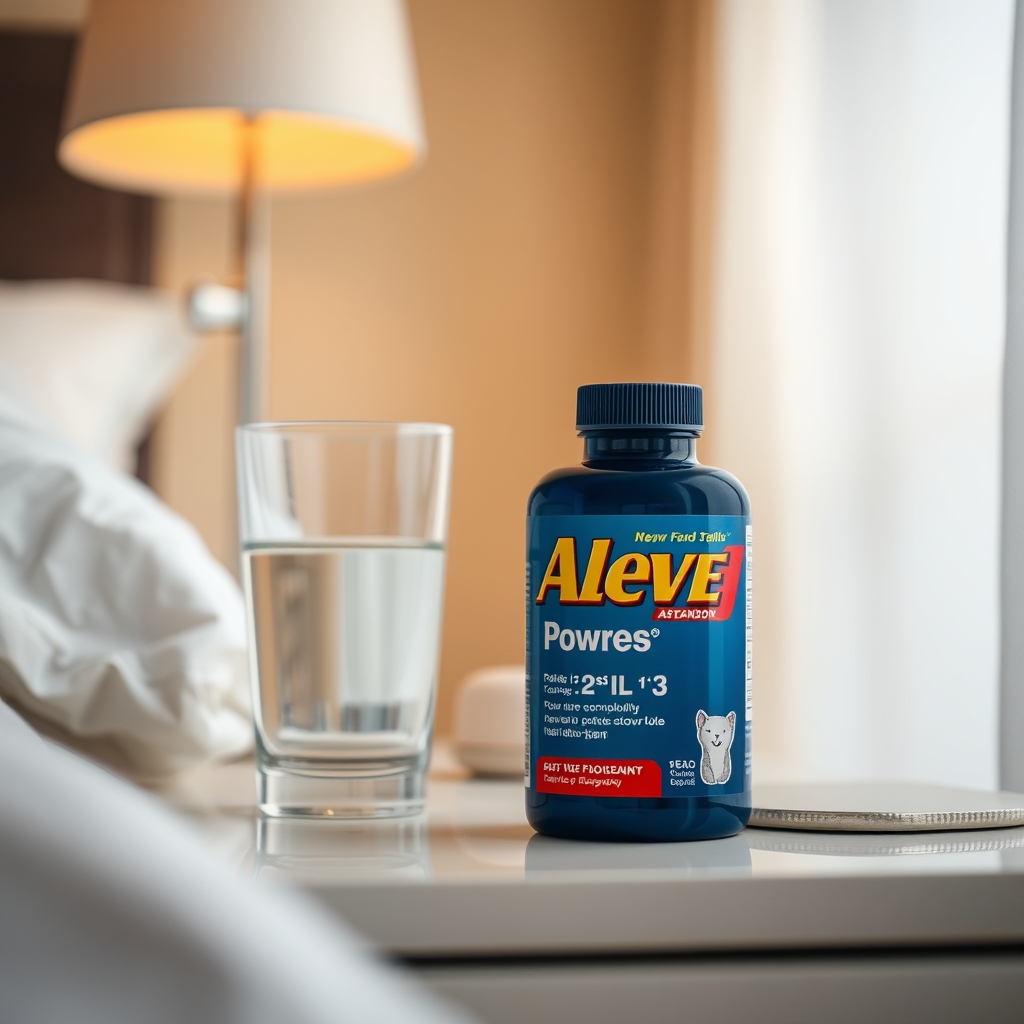
It’s 2 a.m., the kitchen light is humming, and you just reached for an Aleve tablet to ease that nagging backache. Your heart races—“Is Aleve safe for pregnancy?” you wonder, suddenly recalling that you’re eight weeks along. You’re not alone; many expectant parents experience that same midnight panic, and a handful of them have already taken a dose before they realized they were pregnant.
In short, Aleve is not recommended during pregnancy. The consensus from leading authorities such as the American College of Obstetricians and Gynecologists (ACOG), the UK’s National Health Service (NHS), and the U.S. Food and Drug Administration (FDA) is to avoid naproxen, the active ingredient in Aleve, throughout pregnancy and while breastfeeding. Below we break down the reasoning, trimester‑specific considerations, dosage facts, safer alternatives, and what to do if you’ve already taken it.
Read on for a clear, evidence‑based guide that answers the most common questions—like “Is Aleve safe for pregnancy in the first trimester?”—and gives you practical steps to protect you and your baby.
Because anxiety often spikes when you’re unsure about medication safety, we’ve organized the information in bite‑size sections you can skim quickly or read in depth. Whether you’re looking for a quick answer, a dosage chart, or a list of safer options, you’ll find it here without having to search through multiple sites.
Stage
Verdict
Notes
First trimester
❌ Not recommended
Potential risk to organ development; FDA categorizes naproxen as “Category C” (risk cannot be ruled out).
Second trimester
❌ Not recommended
May affect fetal kidney function and amniotic fluid volume.
Third trimester
❌ Not recommended
Associated with premature closure of the ductus arteriosus and increased bleeding risk.
Breastfeeding
❌ Not recommended
Small amounts pass into breast milk; safer alternatives are advised.
Aleve is the brand name for naproxen sodium, a non‑steroidal anti‑inflammatory drug (NSAID). NSAIDs work by inhibiting cyclooxygenase enzymes (COX‑1 and COX‑2), which reduces the production of prostaglandins—chemicals that promote inflammation, pain, and fever. Because prostaglandins also play crucial roles in maintaining pregnancy, especially in the development of the fetal cardiovascular system and the regulation of uterine blood flow, interfering with them can pose risks to both mother and baby.
When used as directed, Aleve provides up to 12 hours of pain relief, making it a popular over‑the‑counter option for headaches, menstrual cramps, and musculoskeletal aches. However, its long half‑life (approximately 12–17 hours) means the drug stays in the body longer than some other NSAIDs, which can amplify potential hazards during pregnancy.
Below we dive deeper into the science, the regulatory stance, and practical guidance—so you can make an informed decision without the sleepless‑night anxiety.
When you reach for Aleve at night, remember there are safer options for pain relief during pregnancy.
What is Aleve?
Aleve contains 220 mg of naproxen sodium per tablet, a dosage that delivers anti‑inflammatory and analgesic effects for up to 12 hours. Naproxen belongs to the broader NSAID family, which also includes ibuprofen, diclofenac, and aspirin. By blocking COX enzymes, naproxen reduces the synthesis of prostaglandins, the same molecules that help keep the uterus relaxed and the fetal ductus arteriosus open.
For non‑pregnant adults, naproxen is commonly used for arthritis, tendonitis, menstrual pain, and occasional migraines. Its popularity stems from its relatively low dosing frequency compared with other NSAIDs, which can be convenient for people who dislike taking pills multiple times a day. However, the very mechanism that makes naproxen effective for pain also underlies the concerns for pregnant users.
Pharmacokinetically, naproxen is absorbed quickly from the gastrointestinal tract, reaches peak plasma concentrations within 2 hours, and is extensively bound to plasma proteins. It is metabolized primarily in the liver via glucuronidation and excreted through the kidneys. Because renal clearance can be reduced during pregnancy, especially in later trimesters, the drug’s half‑life may be prolonged, increasing fetal exposure.
In addition to its analgesic properties, naproxen’s anti‑platelet effect can interfere with normal clotting pathways. While this is beneficial for preventing cardiovascular events in some patients, during pregnancy it may raise the risk of bleeding at delivery—a concern that guides many clinicians to avoid it entirely.
Is Aleve safe during pregnancy?
The short answer is no. The FDA classifies naproxen as a Category C drug for pregnancy, meaning risk cannot be ruled out. ACOG’s 2023 Practice Bulletin on NSAID use explicitly advises against naproxen after 20 weeks gestation because of documented fetal kidney and ductus arteriosus concerns (ACOG, 2023). The NHS echoes this stance, noting that naproxen should be avoided throughout pregnancy unless a specialist deems it essential (NHS, 2022). The CDC’s guidance on medication safety also lists naproxen among drugs with “potential adverse fetal outcomes.”
Observational studies have linked third‑trimester NSAID exposure to oligohydramnios (low amniotic fluid) and premature ductus arteriosus closure—both serious complications that can lead to fetal growth restriction or the need for early delivery. While data on first‑trimester exposure are less definitive, the theoretical risk to organogenesis (the period when the baby’s organs form) leads clinicians to err on the side of caution.
Common misconceptions include the belief that short‑term, low‑dose use is harmless. In reality, even a single dose can affect prostaglandin pathways, and the cumulative effect of repeated dosing raises the risk. Because the safety profile is not well‑established, most obstetricians recommend alternative pain‑relief methods that have a proven safety record.
Additionally, the risk profile of naproxen is not limited to the fetus. NSAIDs can increase maternal blood pressure, reduce platelet aggregation, and cause gastrointestinal irritation—all of which may complicate a pregnancy already prone to changes in blood volume and clotting.
Regulatory perspectives differ slightly across regions. In the United States, the FDA places naproxen in pregnancy Category C, while the UK’s Medicines and Healthcare products Regulatory Agency (MHRA) advises avoidance throughout pregnancy. The World Health Organization (WHO) also classifies it as a drug to be used only when benefits clearly outweigh risks. These consistent messages reinforce why most providers advise a complete avoidance.
Is Aleve safe during the first trimester?
The first trimester (weeks 1‑13) is a critical window of organ formation, known as organogenesis. During this time, prostaglandins help guide the development of the heart, brain, and other vital structures. NSAIDs like naproxen can interfere with these processes, potentially increasing the risk of structural anomalies, though data are limited.
ACOG advises that NSAIDs should be avoided in the first trimester unless a physician determines the benefits outweigh the risks (ACOG, 2023). The NHS adds that “any NSAID, including Alevis, should be used only under medical supervision during early pregnancy” (NHS, 2022). Because safer options such as acetaminophen exist, the consensus is to steer clear of Aleve during this period.
Some small studies have suggested a modest increase in miscarriage risk with early NSAID exposure, but the evidence is not conclusive. The precautionary principle—choosing the option with the least known risk—remains the guiding philosophy for most providers.
Taking Aleve in the second trimester: what you need to know
From weeks 14‑27, the fetus’s kidneys begin to function, and amniotic fluid volume is largely regulated by fetal urine output. NSAIDs can reduce renal blood flow, leading to oligohydramnios—a condition linked to fetal growth restriction and preterm birth.
Both the FDA and ACOG caution that prolonged NSAID use after 20 weeks can impair fetal kidney development (FDA, 2021). If a pregnant person experiences pain in the second trimester, the recommended approach is to use acetaminophen first and discuss any NSAID necessity with a provider.
In addition to kidney concerns, NSAIDs may modestly raise maternal blood pressure, which can be problematic for women who develop gestational hypertension or pre‑eclampsia later in pregnancy.
Aleve in the third trimester: why it’s not recommended
The third trimester (weeks 28‑40) brings the final maturation of fetal organ systems. A key concern is the ductus arteriosus, a blood vessel that bypasses the fetal lungs. Prostaglandins keep this vessel open; NSAIDs can cause premature closure, leading to fetal cardiac overload and, in severe cases, stillbirth.
Studies have documented increased rates of premature ductus arteriosus closure and bleeding complications in newborns whose mothers used NSAIDs late in pregnancy (ACOG, 2023). Consequently, ACOG and the NHS both advise that Aleve should be avoided after 20 weeks and especially in the third trimester.
Beyond the ductus arteriosus, third‑trimester NSAID use has been associated with increased maternal postpartum hemorrhage due to platelet inhibition, a risk that can complicate delivery and recovery.
Aleve while breastfeeding: what the evidence says
After delivery, naproxen does pass into breast milk in low concentrations. The American Academy of Pediatrics (AAP) states that occasional use of naproxen by nursing mothers is compatible with breastfeeding, but they also caution that the infant’s immature hepatic system processes the drug more slowly, potentially leading to higher exposure.
Because safer analgesics such as acetaminophen are widely available and have an extensive safety record for lactating parents, most lactation consultants recommend avoiding Aleve unless a provider explicitly prescribes it for a short course.
Can I use topical naproxen gel during pregnancy?
Topical formulations of naproxen (e.g., naproxen gel) are absorbed at lower levels than oral tablets, and some clinicians consider them a lower‑risk option for localized pain. However, the FDA has not approved any topical naproxen product for use in pregnancy, and data on fetal exposure are limited.
Guidelines from the NHS advise that pregnant individuals should still avoid topical NSAIDs unless a specialist deems it essential (NHS, 2022). If you need localized relief, consider alternatives such as topical acetaminophen or lidocaine patches, which have a more established safety profile.
What about using Aleve for fever in pregnancy?
Fever in pregnancy can be concerning because sustained high temperatures may affect fetal development, especially in the first trimester. While Aleve can reduce fever, its NSAID class makes it a less‑preferred choice. Acetaminophen is the first‑line antipyretic recommended by ACOG and the CDC for pregnant patients because it does not interfere with prostaglandins in the same way (CDC, 2022).
If acetaminophen is ineffective and fever persists, it is crucial to seek medical advice rather than self‑medicate with Aleve, as the underlying cause may need specific treatment.
Aleve and risk of miscarriage
Early pregnancy loss is a sensitive topic, and some research has hinted at a modest association between NSAID exposure and miscarriage, particularly when exposure occurs before 12 weeks. The proposed mechanism involves disruption of prostaglandin‑mediated implantation and early placental development. While the data are not definitive, most obstetric guidelines advise avoiding naproxen during the first trimester to eliminate any potential contribution to miscarriage.
Aleve and pregnancy‑related hypertension
Hypertensive disorders such as gestational hypertension and pre‑eclampsia develop in roughly 5‑10 % of pregnancies. NSAIDs, including naproxen, can cause sodium and water retention, modestly raising blood pressure. For pregnant people already at risk for hypertension, the added effect of naproxen may exacerbate the condition, which is why clinicians recommend non‑NSAID pain control whenever possible.
How to read medication labels for pregnancy safety
When you browse the pharmacy aisle, look for clear statements like “Not for use during pregnancy” or “Consult your doctor before use while pregnant.” If a label is silent, assume the medication has not been specifically evaluated for safety in pregnancy and discuss it with your provider. Many OTC products carry a “Pregnancy Category” symbol in the U.S., but these categories are being phased out; the safest approach is to rely on professional guidance.
Safe dosage / amount / brands
Because Aleve is not recommended at any stage of pregnancy, there is no “safe” dosage established by regulatory agencies. The standard adult dose—220 mg (one tablet) every 8‑12 hours, not to exceed 660 mg in 24 hours—remains the label instruction for non‑pregnant adults, but obstetric guidelines advise pregnant patients to avoid it entirely. If a provider deems naproxen absolutely necessary, they will prescribe the lowest effective dose for the shortest possible duration, with close fetal monitoring.
When choosing an over‑the‑counter product, look for clear labeling that indicates “not for use during pregnancy.” Brands typically do not differentiate “pregnancy‑safe” versions of Aleve, reinforcing the need to select alternative analgesics.
Medication / Product
Typical adult dose
Pregnancy recommendation
Aleve (naproxen sodium)
220 mg every 8‑12 h, max 660 mg/24 h
❌ Avoid; only if provider prescribes the lowest dose
Acetaminophen (Tylenol)
325‑650 mg every 4‑6 h, max 3,000 mg/24 h
✅ Generally safe
Ibuprofen (Advil, Motrin)
200‑400 mg every 6‑8 h, max 1,200 mg/24 h
❌ Avoid after 20 weeks
Choosing a pregnancy‑safe pain reliever like acetaminophen can ease both your pain and your worries.
Side effects and risks
Common side effects of naproxen for non‑pregnant adults include stomach upset, heartburn, and mild headache. In pregnancy, the stakes are higher: any gastrointestinal bleeding can compromise maternal iron stores, and reduced prostaglandin activity can affect fetal development. If you notice any of the following, contact your provider promptly:
Severe abdominal pain or black/tarry stools (possible gastrointestinal bleeding).
Sudden swelling of the feet or hands (signs of fluid retention).
Unusual bleeding or spotting.
Reduced fetal movement after 24 weeks (always call your provider).
Persistent fever or headache that does not improve with acetaminophen.
These signs are not exclusive to Aleve, but they warrant immediate medical evaluation during pregnancy. In addition, rare but serious adverse events such as allergic reactions, liver enzyme elevations, or kidney impairment should be reported to a healthcare professional without delay.
Safer alternatives
When you’re looking for relief, there are many options that don’t carry the same fetal risks. Below is a list of commonly recommended strategies that obstetricians and midwives consider safe for most pregnant people.
Acetaminophen (Tylenol) – proven safety profile for headaches, muscle aches, and fever.
Warm or cold compress – effective for localized pain without medication.
Rest and hydration – often enough for mild tension‑type headaches.
Prenatal massage – reduces muscle tension and improves circulation.
Acupuncture (under medical supervision) – offers drug‑free pain management.
Physical therapy – targeted exercises can alleviate chronic back or joint pain.
Magnesium supplements (with provider’s OK) – may help with migraine prevention.
Supportive footwear – prevents strain on the lower back and hips.
Topical acetaminophen – a low‑risk option for localized aches.
Gentle stretching or prenatal yoga – helps ease musculoskeletal discomfort.
Related items — safety at a glance
Item
Verdict
One‑line note
Ibuprofen (Advil, Motrin)
❌ Not recommended
Same NSAID class; risks similar to Aleve.
Aspirin
⚠️ Use only under doctor’s direction
Low‑dose aspirin sometimes prescribed for pre‑eclampsia prevention.
Tylenol (Acetaminophen)
✅ Generally safe
First‑line analgesic for most pregnancy‑related pain.
Celebrex (Celecoxib)
❌ Not recommended
COX‑2 selective NSAID with similar fetal concerns.
Diclofenac
❌ Not recommended
Topical or oral forms both discouraged in pregnancy.
Meloxicam
❌ Not recommended
Long‑acting NSAID; risk profile mirrors naproxen.
Excedrin
⚠️ Use with caution
Contains acetaminophen + caffeine; caffeine intake should be limited.
Midol
⚠️ Use with caution
Often contains acetaminophen + caffeine; follow dosage limits.
Topical acetaminophen
✅ Generally safe
Low systemic absorption; good for localized aches.
Pregnancy‑safe herbal teas (e.g., ginger)
✅ Generally safe
Gentle for nausea and mild pain when used in moderation.
Myth vs. fact
Myth: “A single Aleve tablet won’t hurt the baby.” Fact: Even one dose can cross the placenta and affect prostaglandin pathways; the safest choice is to avoid it altogether.
Myth: “NSAIDs are fine after the first trimester if you need strong pain relief.” Fact: Risks increase in the second and third trimesters, especially for fetal kidney function and ductus arteriosus closure.
Myth: “Acetaminophen is just as risky as Aleve because it’s also a pain reliever.” Fact: Acetaminophen works via a different mechanism and is classified as safe for pregnancy by ACOG and the FDA when used at recommended doses.
Myth: “Topical pain gels are automatically safe because they’re not swallowed.” Fact: Topical NSAIDs still deliver active drug systemically; most guidelines advise avoiding them unless a specialist approves.
Myth: “All NSAIDs have the same safety profile in pregnancy.” Fact: While many NSAIDs share similar risks, some (like low‑dose aspirin) have specific, limited uses under medical supervision, whereas others (naproxen, ibuprofen) are broadly discouraged.
Key takeaways
✅ Aleve (naproxen) is not considered safe at any point during pregnancy or while breastfeeding.
⚠️ Risks include fetal kidney impairment, premature ductus arteriosus closure, and possible bleeding complications.
❌ No “safe” dosage exists; the recommendation is to avoid it entirely.
✅ Safer alternatives such as acetaminophen, compress therapy, and prenatal massage are widely endorsed.
🩺 If you’ve already taken Aleve, monitor for symptoms and discuss with your obstetrician.
📞 Call your provider promptly for any signs of bleeding, severe abdominal pain, or reduced fetal movement.
Frequently asked questions
Is naproxen safe during pregnancy?
No. Naproxen, the active ingredient in Aleve, is classified as a Category C drug, and leading obstetric guidelines advise avoiding it throughout pregnancy due to potential fetal kidney and cardiovascular risks.
What pain relievers are safe during pregnancy?
Acetaminophen (Tylenol) is the most widely accepted over‑the‑counter analgesic for pregnant people; other options include topical analgesics without NSAIDs, warm compresses, and non‑pharmacologic therapies such as prenatal massage.
Can Aleve cause problems in early pregnancy?
Yes. Early exposure may interfere with organogenesis, and while data are limited, the precautionary principle leads experts to recommend avoiding Aleve during the first trimester.
What happens if I took Aleve before I knew I was pregnant?
One dose is unlikely to cause serious harm, but you should inform your provider, who can assess any potential risks and monitor fetal development as needed.
Why is Aleve not recommended in the third trimester?
In the third trimester, naproxen can cause premature closure of the ductus arteriosus and increase bleeding risk, both of which can threaten fetal health and delivery outcomes.
Is Aleve linked to miscarriage?
Research suggests a modest association between NSAID use and early pregnancy loss, but the evidence is not definitive; nonetheless, clinicians advise avoiding Aleve to eliminate any potential risk.
Can I take Aleve for a headache while pregnant?
It’s best to choose acetaminophen for headache relief; if you need stronger pain control, discuss alternatives with your obstetrician rather than using Aleve.
What are the side effects of Aleve on a fetus?
Potential fetal side effects include reduced kidney function, low amniotic fluid, and premature ductus arteriosus closure, which can lead to cardiac complications after birth.
Can I use Aleve while trying to conceive?
Although the data are less robust for pre‑conception use, many clinicians recommend limiting NSAID exposure when planning pregnancy because prostaglandins play a role in ovulation and implantation.
Is it safe to take Aleve with prenatal vitamins?
There is no known direct interaction between naproxen and prenatal vitamins, but the underlying safety concerns about naproxen in pregnancy remain; it’s best to avoid combining them unless a provider specifically advises otherwise.
Can I use Aleve for menstrual cramps during pregnancy?
Menstrual‑type cramps can occur in early pregnancy, but NSAIDs like Aleve are still discouraged. Acetaminophen or non‑pharmacologic methods such as heat therapy are preferred first‑line options.
Is there a safe window to take Aleve after delivery?
Post‑partum, brief occasional use of naproxen may be permissible while breastfeeding, but most providers still recommend acetaminophen as the safer first choice. Always discuss any post‑delivery medication with your obstetrician or midwife.
When to call your doctor
If you experience any of the following after taking Aleve, seek medical attention right away: severe abdominal pain, vaginal bleeding or spotting, signs of gastrointestinal bleeding (black stools, vomiting blood), sudden swelling of the hands or feet, or a noticeable decrease in fetal movement after 24 weeks. Even if symptoms are mild but you’re unsure, it’s always safest to give your provider a call.
Remember, this article provides general information and is not a substitute for personalized medical advice. Always discuss medication choices with your obstetrician or midwife.
References
American College of Obstetricians and Gynecologists. “ACOG Practice Bulletin No. 225: Use of Non‑steroidal Anti‑inflammatory Drugs During Pregnancy.” 2023.
National Health Service (NHS). “Pain relief in pregnancy.” Updated 2022.
U.S. Food and Drug Administration (FDA). “Drug safety and pregnancy: NSAIDs.” 2021.
Centers for Disease Control and Prevention (CDC). “Medication safety in pregnancy.” 2022.
Mayo Clinic. “Acetaminophen (Tylenol) – Uses and safety in pregnancy.” Accessed 2024.
World Health Organization (WHO). “Guidelines for the use of NSAIDs in pregnancy.” 2020.
American Academy of Pediatrics (AAP). “Breastfeeding and medication: NSAIDs.” 2021.
National Institute for Health and Care Excellence (NICE). “Management of pain in pregnancy.” 2022.
Not sure about the label on Is Aleve Safe During Pregnancy products?
Snap the ingredients list and SafeFilter checks every ingredient for your stage — only 3 free scans this month, then you're locked until reset. Unlimited from $7/mo or $50/yr.
When Shubhra Mishra was expecting her first child in 2016, she was overwhelmed by conflicting food advice — one site said yes, another said never. By the time her second baby arrived in 2019, she realized millions of mothers face the same confusion.
That sparked a five-year journey through clinical nutrition papers, cultural diets, and expert conversations — all leading to BumpBites: a calm, compassionate space where science meets everyday motherhood.
Her long-term vision is to build a global community ensuring safe, supported, and free deliveriesfor every mother — because no woman should face pregnancy alone or uninformed. 🌿
🌍 Stand with mothers, shape safer guidance
Join a small circle of experts who review BumpBites articles so expecting parents everywhere can decide with confidence.