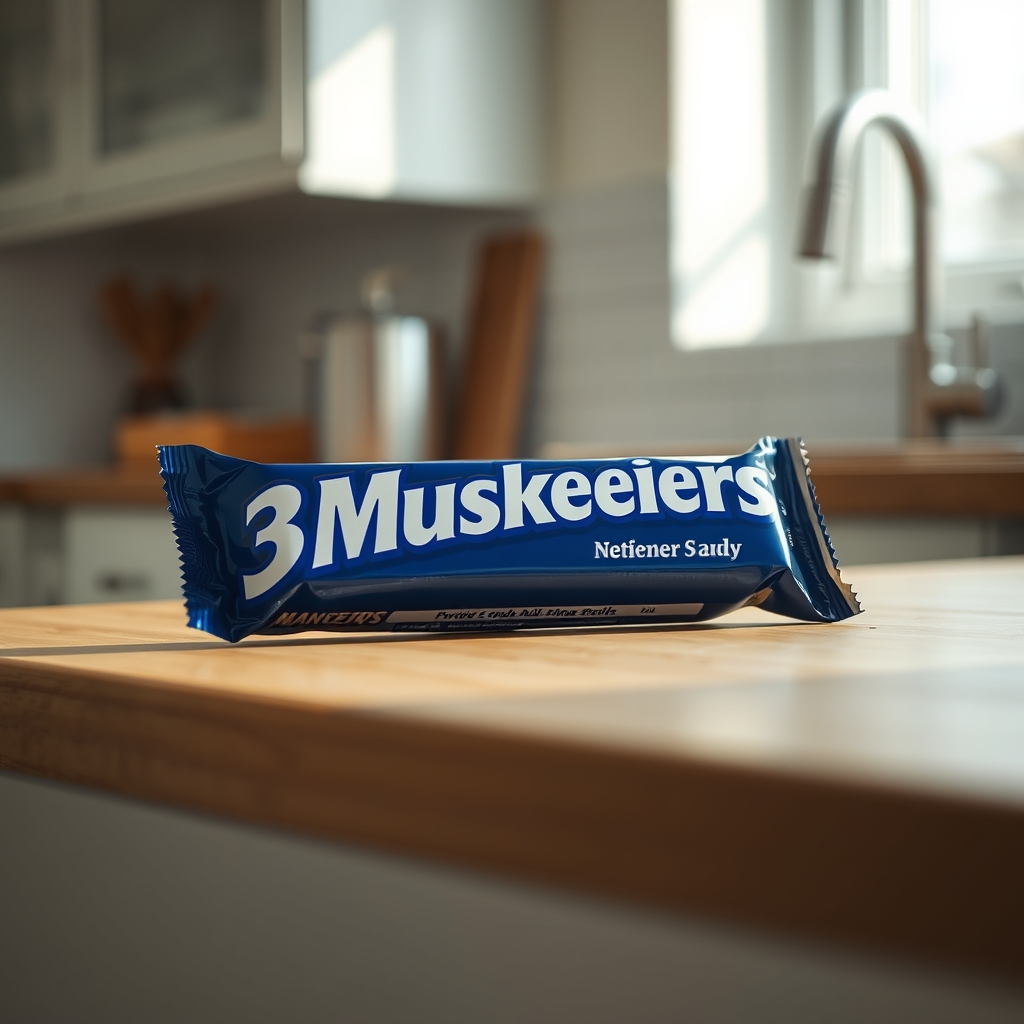
Limit 3 Musketeers during pregnancy. Safe in moderation (1 fun-size bar occasionally), but high sugar and caffeine may pose risks, especially in the first trimester.
By Shubhra Mishra — a mom of two who turned her own confusion during pregnancy into BumpBites, a global mission to make food choices clear, safe, and stress-free for every expecting mother. 💛
Check whether any food is safe during pregnancy with the BumpBites Food Safety Checker.
Quick verdict: ⚠️ Safe with limits – occasional 3 Musketeers bars are fine, but keep sugar and caffeine intake low and watch portion size.
It’s 2 a.m., the pantry light flickers, and you’re wondering, “is 3 Musketeers safe during pregnancy?” You might have already unwrapped a bar, or you’re weighing whether to treat yourself after a morning of nausea. First, breathe. The short answer is that a 3 Musketeers bar isn’t a pregnancy‑dangerous food, but it’s best enjoyed in moderation because of its sugar, caffeine, and additive profile.
In this article we’ll walk through exactly what’s inside a 3 Musketeers bar, break down safety for each trimester, explain how many bars are reasonable, discuss concerns for gestational diabetes and food allergies, and give you healthier snack alternatives. We’ll also compare the safety of other popular chocolate bars so you can make the most informed choice.
Trimester / Breastfeeding
Verdict
Notes
First trimester
⚠️ Safe with limits
Limit to 1 small bar (≈30 g) per week; watch sugar spikes that could affect early fetal development.
Second trimester
⚠️ Safe with limits
Same portion guidance; ensure overall diet stays balanced as appetite increases.
Third trimester
⚠️ Safe with limits
Maintain the 1‑bar‑per‑week rule; excess sugar can worsen gestational diabetes risk.
Breastfeeding
⚠️ Safe with limits
Moderate intake is fine; caffeine may affect infant sleep if consumption exceeds 200 mg/day total.
What is a 3 Musketeers bar?
3 Musketeers is a chocolate‑covered candy bar produced by Mars, Inc. It’s marketed as a “light” chocolate treat because the bar is primarily made of fluffy, whipped nougat covered in a thin layer of milk chocolate. A standard 57‑gram bar contains about 250 calories, 31 grams of sugar, 5 grams of protein, and roughly 3 milligrams of caffeine—roughly the caffeine in a cup of decaf coffee. The ingredient list typically includes sugar, corn syrup, hydrogenated palm kernel oil, cocoa, whey protein concentrate, soy lecithin, and artificial flavor, along with a few preservatives such as TBHQ (tertiary‑butylhydroquinone) and BHT (butylated hydroxytoluene) that help keep the product fresh.
Because the bar is mostly sugar and fat, it’s considered an “empty‑calorie” snack. The nougat provides a small amount of protein, but the nutritional contribution is minimal compared with whole‑food options. The candy’s appeal lies in its airy texture and sweet, milky flavor, making it a popular choice for quick cravings.
Is 3 Musketeers safe during pregnancy?
O
verall, leading health authorities such as the American College of Obstetricians and Gynecologists (ACOG) and the UK’s National Health Service (NHS) consider moderate consumption of candy like 3 Musketeers to be safe for most pregnant people. The key considerations are sugar load, caffeine, and any potential allergens. The FDA does not list any of the standard ingredients as teratogenic, and the CDC’s nutrition guidelines simply advise limiting added sugars to less than 10 % of total daily calories during pregnancy.
Because 3 Musketeers contains a modest amount of caffeine (≈3 mg per bar) and no known teratogens, it does not pose a direct fetal risk. However, high sugar intake can contribute to excessive weight gain, gestational diabetes, and dental issues—all of which can indirectly affect pregnancy health. The preservatives TBHQ and BHT have been studied extensively and are deemed safe at the levels used in food products, though some clinicians prefer to recommend foods with fewer additives when possible.
Common misconceptions include the belief that all chocolate is “bad” for pregnancy or that any amount of caffeine is prohibited. In reality, ACOG allows up to 200 mg of caffeine per day, and a single 3 Musketeers bar contributes only a fraction of that limit. The primary take‑away is moderation and balancing the candy with nutrient‑dense foods.
Is 3 Musketeers candy safe to eat during the first trimester?
The first trimester is the period of organogenesis, when the baby’s major organs form. During this window, it’s especially important to avoid known teratogens (e.g., alcohol, certain medications). 3 Musketeers does not contain any known teratogenic substances, so occasional consumption is not a direct threat. However, the high sugar content can cause rapid spikes in blood glucose, which some clinicians advise monitoring closely in early pregnancy because it may affect maternal energy levels and nausea.
If you’re experiencing morning sickness, a small piece of the bar may actually help settle your stomach, but keep the portion to roughly one‑third of a bar (≈20 g) and pair it with protein or fiber to blunt the sugar surge.
How many 3 Musketeers bars can a pregnant woman safely consume each day?
Nutrition guidelines from the American Heart Association suggest limiting added sugars to no more than 6 teaspoons (≈25 g) per day for women. A single 57‑gram 3 Musketeers bar contains about 31 g of sugar, already exceeding that recommendation. Therefore, the safest practice is to limit intake to less than one full bar per week, or split a bar across several days. If you’re craving chocolate daily, consider swapping a full bar for a smaller portion of dark chocolate or a fruit‑based snack.
For context, the FDA’s “Daily Value” for added sugars is 50 g per day for a 2,000‑calorie diet. While pregnant people often require slightly higher caloric intake, staying under 30‑g added sugars from candy is a prudent target.
Are there any risks associated with the ingredients in 3 Musketeers for pregnant women?
The primary risks stem from:
Sugar and corn syrup: High intake can contribute to gestational diabetes, excessive weight gain, and dental decay.
Caffeine: Though minimal, it adds to total caffeine consumption; excessive caffeine is linked to lower birth weight.
Food allergens: 3 Musketeers contains milk, soy, and wheat‑derived ingredients (via maltodextrin in some formulations). Those with lactose intolerance, soy allergy, or wheat sensitivity should avoid it.
Preservatives (TBHQ, BHT): Current FDA assessments deem them safe at the levels used, but some pregnant people prefer to limit exposure to synthetic additives.
Overall, the ingredient list does not include any known pregnancy‑specific hazards, but the nutritional profile suggests limiting frequency.
Can I substitute 3 Musketeers with other chocolate candies while pregnant?
Yes, you can choose alternatives that are lower in added sugar and higher in cocoa content, which offers antioxidants like flavonoids. Dark chocolate (70 % cocoa or higher) typically contains less sugar and more iron—a nutrient that supports the increased blood volume in pregnancy. Brands such as Lindt 70 % Cocoa Bar or Ghirardelli 72 % Dark Chocolate square are good swaps.
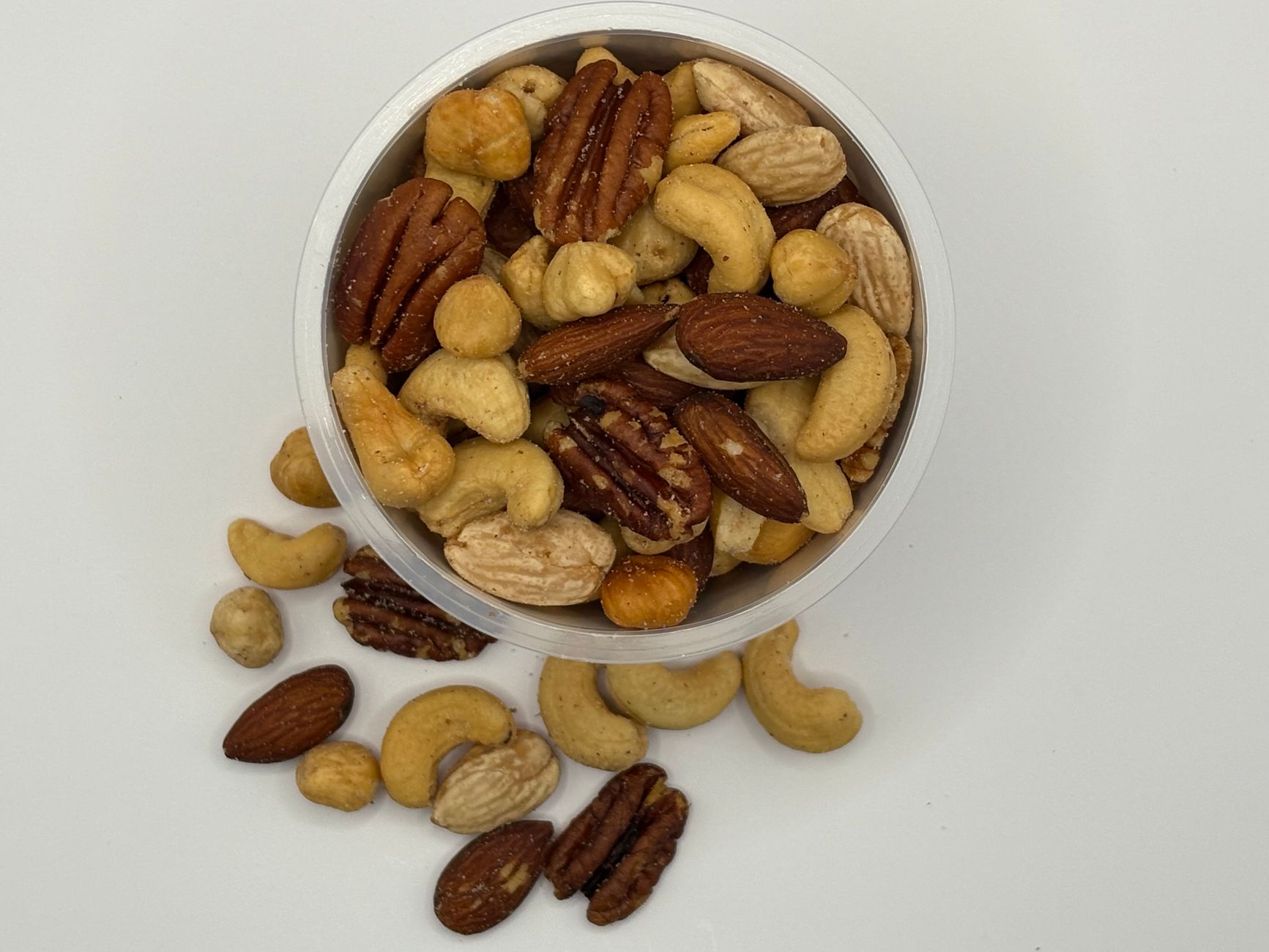
If you prefer milk‑chocolate‑style treats, look for options with reduced sugar or added protein, such as “protein‑packed” chocolate bites, or simply pair a small piece of milk chocolate with a handful of nuts to balance blood sugar.
Does the 3 Musketeers brand contain any additives that are unsafe during pregnancy?
Standard 3 Musketeers bars contain TBHQ and BHT, both approved by the FDA as “Generally Recognized As Safe” (GRAS) for use in food. No reputable health organization has flagged these additives as unsafe for pregnant individuals when consumed at typical dietary levels. Nevertheless, some nutritionists recommend limiting processed foods that contain multiple synthetic preservatives, especially if you’re already managing gestational diabetes or a food sensitivity.
Is 3 Musketeers safe for pregnant women with gestational diabetes?
Gestational diabetes management hinges on controlling carbohydrate and sugar intake. A single 3 Musketeers bar delivers about 31 g of sugar, which can cause a rapid rise in blood glucose. If you have gestational diabetes, it’s best to treat the bar as a “treat” rather than a regular snack, limiting it to no more than once a week and pairing it with protein or fiber (e.g., a few almonds) to mitigate the spike.
Consult your dietitian or OB‑GYN for personalized guidance. They may suggest a lower‑glycemic‑index alternative such as a piece of dark chocolate or a small serving of fresh fruit.
What is the caffeine and sugar content of a 3 Musketeers bar for pregnant consumers?
A standard 57‑g 3 Musketeers bar contains roughly 3 mg of caffeine—well below the ACOG limit of 200 mg per day. The sugar content is about 31 g, which translates to roughly 7½ teaspoons of added sugar. For perspective, a cup of coffee contains about 95 mg of caffeine, so the bar’s caffeine contribution is negligible, but the sugar load is significant relative to daily recommendations.
Are there any pregnancy concerns for people with food allergies who eat 3 Musketeers?
People with known allergies to milk, soy, or wheat should read the label carefully. While the bar does not contain peanuts or tree nuts, cross‑contamination can occur in manufacturing facilities that process those allergens. If you have a severe allergy, it’s safest to avoid the product or choose a certified allergen‑free alternative.
Enjoying a 3 Musketeers bar can satisfy a sweet craving—just keep portion size in mind.
Safe dosage / amount / brands
Because candy brands vary slightly in size, we base recommendations on the standard 57‑gram Mars 3 Musketeers bar. The safest approach is:
Limit to no more than one half‑bar (≈28 g) per week if you’re managing sugar intake.
If you’re craving chocolate daily, aim for one‑quarter of a bar (≈14 g) paired with protein (e.g., a few almonds) to balance blood sugar.
During the third trimester, continue the same limits; excessive sugar may worsen insulin resistance.
For breastfeeding mothers, stay under the 200 mg caffeine/day total—one bar contributes only 3 mg, so it’s not a limiting factor.
All major brands of 3 Musketeers share the same core formula, so there isn’t a “safer” brand variant. If you find a version labeled “no added sugar” or “reduced sugar,” verify the ingredient list for alternative sweeteners, which may have their own pregnancy considerations.
Side effects and risks
Most side effects from 3 Musketeers are mild and related to sugar intake:
Blood‑sugar spikes: Can cause temporary fatigue, increased thirst, or exacerbate gestational diabetes.
Digestive upset: The high fat and sugar content may lead to heartburn or reflux, which are common in pregnancy.
Caffeine sensitivity: Rarely, a few pregnant people experience jitteriness or sleep disturbances from cumulative caffeine.
Allergic reactions: Milk, soy, or wheat sensitivities can trigger hives, swelling, or anaphylaxis. Seek immediate care if you notice rash, swelling, or difficulty breathing.
These issues are generally not dangerous unless they trigger a larger medical concern (e.g., uncontrolled blood glucose). If you notice persistent high blood sugar readings, severe heartburn, or any allergic reaction, contact your provider promptly.
Safer alternatives
Dark chocolate (70 % cocoa) bar – lower sugar, higher antioxidants.
Fresh fruit (e.g., apple slices) – natural sweetness, fiber, vitamins.
Greek yogurt with honey – protein‑rich, calcium, and a hint of sweetness.
Organic fruit leather – minimal added sugars, portable snack.
Low‑sugar gummy bears – controlled portion, less sugar than candy bars.
Rice cakes with almond butter – crunchy, healthy fats, no added sugar.
Dried apricots – natural sweetness, fiber, iron.
Unsweetened applesauce – low‑calorie, soothing for nausea.
Related items — safety at a glance
Candy
Verdict
Note
Snickers
⚠️ Safe with limits
Higher sugar and added peanuts – watch for allergies.
Mars Bar
⚠️ Safe with limits
Similar sugar content; contains caramel.
Milky Way
⚠️ Safe with limits
Soft nougat, slightly more sugar than 3 Musketeers.
Twix
⚠️ Safe with limits
Contains cookie base and caramel – higher fat.
Kit Kat
⚠️ Safe with limits
Wafers add carbs; moderate sugar.
Butterfinger
⚠️ Safe with limits
Peanut butter filling – allergen consideration.
Baby Ruth
⚠️ Safe with limits
Peanuts, caramel, and nougat – higher calorie density.
Take 5
⚠️ Safe with limits
Peanut butter, chocolate, and pretzel – multiple allergens.
Myth vs. fact
Myth: All chocolate is unsafe for pregnant people because of caffeine.
Fact: The caffeine in a 3 Musketeers bar is only about 3 mg, far below the 200 mg/day limit set by ACOG, so occasional consumption is fine.
Myth: If a candy contains any additives, it must be avoided during pregnancy.
Fact: FDA‑approved additives like TBHQ and BHT are considered safe at the levels found in 3 Musketeers; the real concern is sugar and potential allergens.
Myth: You must completely eliminate sweets once pregnant.
Fact: Moderate sweet treats can be part of a balanced diet; the key is portion control and overall nutrient quality.
Key takeaways
✅ 3 Musketeers is not a teratogen, but it’s high in sugar—limit to ≤1 bar per week.
⚖️ Keep total added sugar under 25 g per day; a single bar already exceeds that.
☕ Caffeine content is negligible (≈3 mg), well within ACOG guidelines.
🚫 If you have milk, soy, or wheat allergies, avoid the bar or check for allergen‑free versions.
🔄 For a healthier sweet fix, reach for dark chocolate, fresh fruit, or Greek yogurt with a drizzle of honey.
📞 Contact your OB‑GYN if you notice persistent high blood‑sugar readings, severe heartburn, or any allergic reaction after eating the candy.
Frequently asked questions
Can pregnant women eat 3 Musketeers?
Yes—occasionally. A single 57‑gram bar is safe in moderation, but because it’s high in added sugar, most clinicians recommend limiting intake to less than one bar per week.
What are the ingredients in a 3 Musketeers candy bar?
Typical ingredients include sugar, corn syrup, hydrogenated palm kernel oil, cocoa, milk chocolate (sugar, cocoa butter, nonfat milk), whey protein concentrate, soy lecithin, artificial flavor, salt, and preservatives such as TBHQ and BHT.
Is chocolate safe during pregnancy?
Chocolate is generally safe; ACOG allows up to 200 mg of caffeine per day, and most chocolate contains far less. Choose varieties with lower added sugar for a healthier option.
How much caffeine is in a 3 Musketeers bar?
A 3 Musketeers bar contains roughly 3 mg of caffeine, which is negligible compared with the daily limit and unlikely to affect fetal development.
Are there any pregnancy risks associated with candy?
The main risks are excessive sugar leading to gestational diabetes, weight gain, and dental decay. Additives approved by the FDA are considered safe, but it’s wise to keep overall candy consumption low.
Can I eat candy if I have gestational diabetes?
Yes, but only as an occasional treat. Pair a small piece of candy with protein or fiber, and monitor blood‑glucose levels closely after consumption.
What are safe snack options for pregnant women?
Healthier choices include dark chocolate (70 %+ cocoa), fresh fruit, Greek yogurt with honey, organic fruit leather, low‑sugar gummy bears, rice cakes with almond butter, dried apricots, and unsweetened applesauce.
Consider swapping a 3 Musketeers bar for a nutrient‑dense snack when cravings hit.
When to call your doctor
If you experience any of the following after eating 3 Musketeers, reach out to your health provider promptly:
Signs of an allergic reaction—hives, swelling, difficulty breathing.
Persistent high blood‑glucose readings (above your target range) after a candy treat.
Severe or prolonged heartburn that interferes with sleep or nutrition.
Unusual jitteriness, rapid heartbeat, or insomnia that may indicate excessive caffeine.
These guidelines are informational only and do not replace personalized medical advice. Always discuss dietary concerns with your OB‑GYN or a registered dietitian.
References
American College of Obstetricians and Gynecologists (ACOG). “Nutrition During Pregnancy.” 2023.
National Health Service (NHS). “Food and drink safety in pregnancy.” Updated 2022.
U.S. Food and Drug Administration (FDA). “Food Additives Status List.” 2023.
Centers for Disease Control and Prevention (CDC). “Gestational Diabetes – Nutrition Guidance.” 2022.
Mayo Clinic. “Caffeine: How much is safe during pregnancy?” 2023.
American Heart Association. “Added Sugars and Heart Health.” 2022.
World Health Organization (WHO). “Guidelines on sugar intake for adults and children.” 2020.
Not sure about the label on Is 3 Musketeers Safe During Pregnancy products?
Snap the ingredients list and SafeFilter checks every ingredient for your stage — only 3 free scans this month, then you're locked until reset. Unlimited from $7/mo or $50/yr.
When Shubhra Mishra was expecting her first child in 2016, she was overwhelmed by conflicting food advice — one site said yes, another said never. By the time her second baby arrived in 2019, she realized millions of mothers face the same confusion.
That sparked a five-year journey through clinical nutrition papers, cultural diets, and expert conversations — all leading to BumpBites: a calm, compassionate space where science meets everyday motherhood.
Her long-term vision is to build a global community ensuring safe, supported, and free deliveriesfor every mother — because no woman should face pregnancy alone or uninformed. 🌿
🌍 Stand with mothers, shape safer guidance
Join a small circle of experts who review BumpBites articles so expecting parents everywhere can decide with confidence.