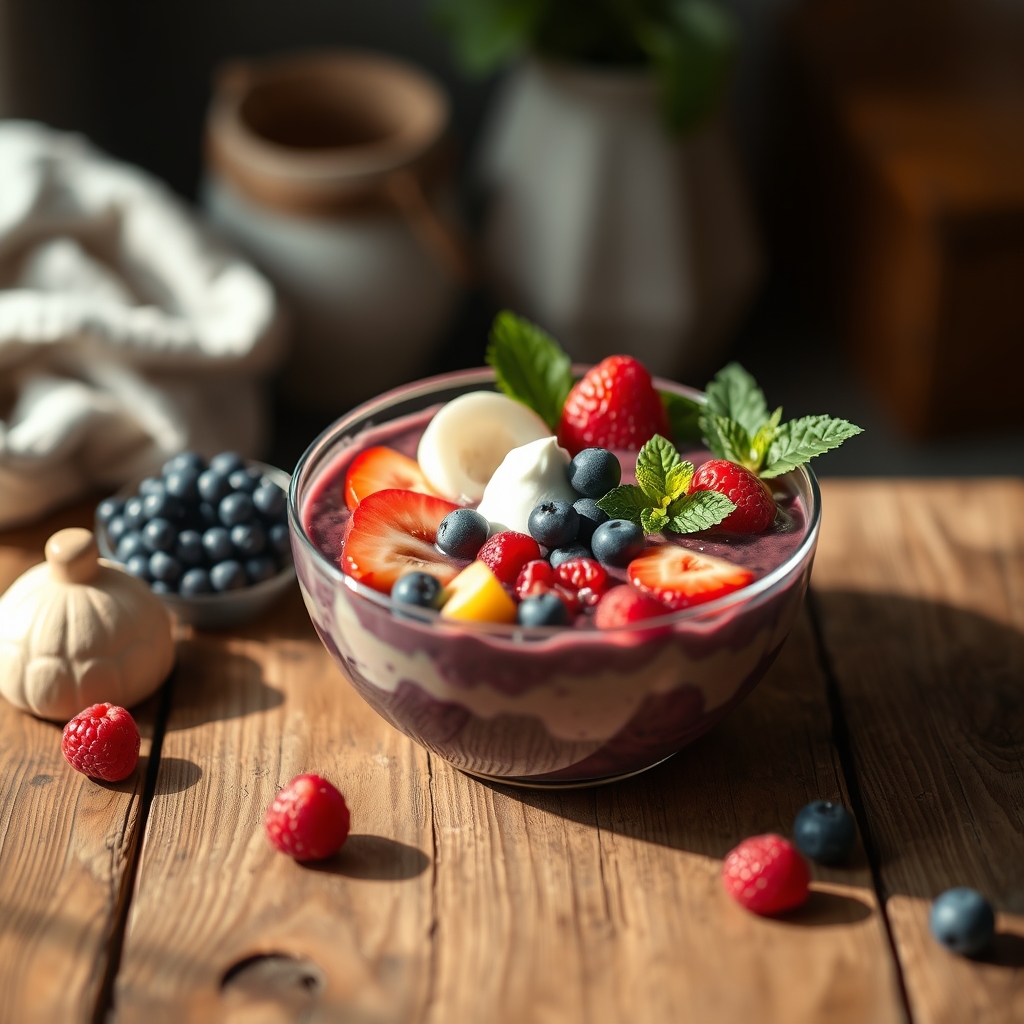
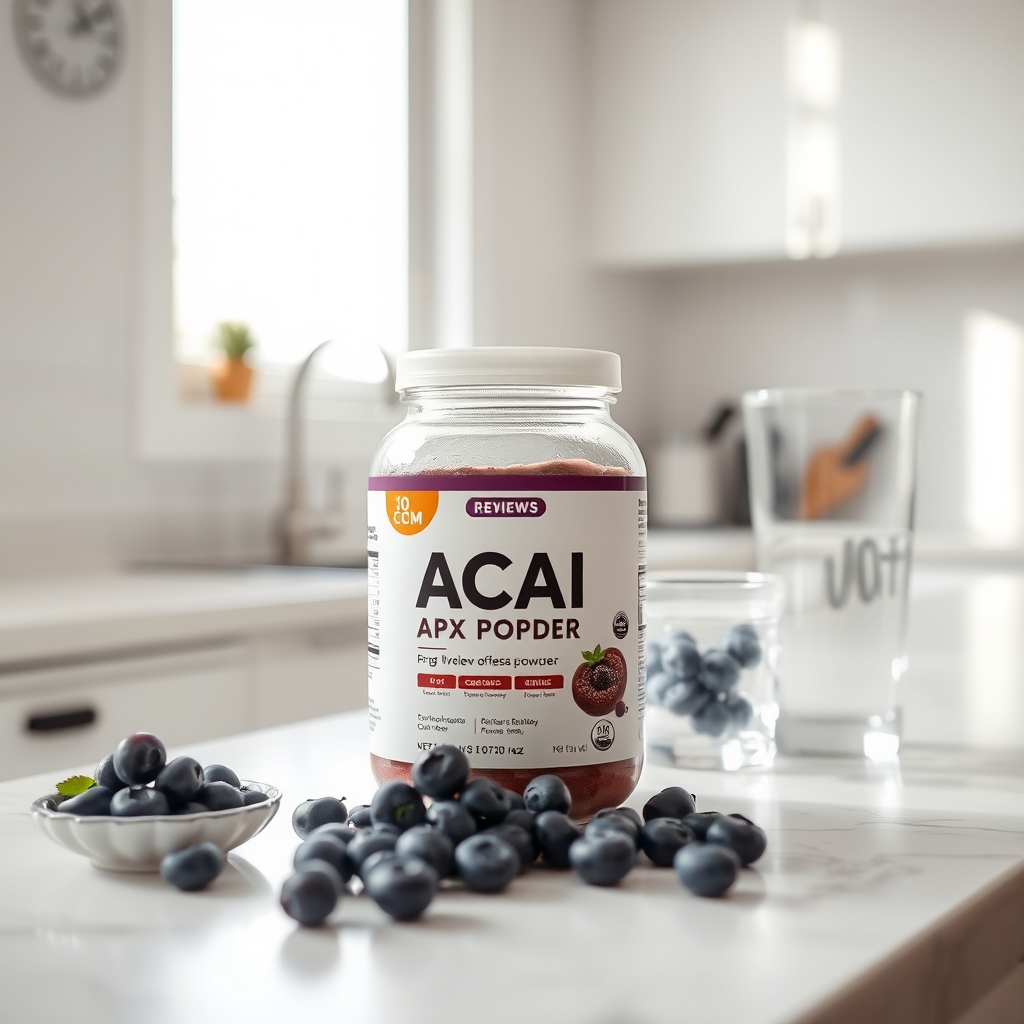
Acai is safe for pregnancy in limited amounts, especially during the second and third trimesters with a daily dosage
By Shubhra Mishra — a mom of two who turned her own confusion during pregnancy into BumpBites, a global mission to make food choices clear, safe, and stress-free for every expecting mother. 💛
Check whether any food is safe during pregnancy with the BumpBites Food Safety Checker.
Quick verdict: ⚠️ Talk to your doctor first. Acai is generally considered a nutritious fruit, but because research on high‑dose extracts during pregnancy is limited, most obstetric guidelines recommend consuming it in modest food‑based portions and avoiding concentrated supplements unless cleared by your provider.
If you’ve already enjoyed a bowl of acai or taken a supplement, take a breath—most experts say occasional, moderate intake isn’t likely to harm you or your baby.
It’s 2 a.m., the kitchen light flickers on, and you’re staring at a half‑filled bowl of frozen acai topped with granola. “Is acai safe for pregnancy?” you whisper, heart racing. You’re not alone—many expecting parents wonder whether that trendy superfruit could pose a hidden risk.
In this article we answer that question head‑on. We’ll give you a clear verdict on whether acai is safe for pregnancy, break down how much you can enjoy each day, explore trimester‑specific guidance, point out potential risks, and suggest safer alternative superfoods. We’ll also review reputable acai supplement brands, discuss interactions with prenatal vitamins, and answer the most common follow‑up questions.
By the end you’ll know exactly how to incorporate acai into your diet—or whether it’s better to pause until after delivery—so you can stop Googling at midnight and focus on the excitement of growing your family.
Because every pregnancy is unique, we’ll also flag the signs that should prompt a call to your provider, and we’ll give you practical tips for reading labels, pairing acai with other nutrients, and choosing the cleanest products on the market. Let’s dive in with confidence.
Enjoy acai in moderation: a half‑cup of frozen puree is a safe portion for most pregnant people.
Stage
Verdict
Notes
First trimester
⚠️ Caution
Limit to ≤½ cup (≈100 g) of frozen puree; avoid high‑dose supplements.
Second trimester
✅ Generally safe
Same portion size; monitor blood sugar if you have gestational diabetes.
Third trimester
✅ Generally safe
Maintain moderate intake; watch for excessive caffeine from mixed‑ingredient smoothies.
Breastfeeding
✅ Generally safe
Continue modest servings; ensure infant tolerates any trace allergens.
What is acai?
Acai (pronounced “ah‑sigh‑EE”) is a small, deep‑purple berry that grows on the acai palm tree native to the Amazon basin. The fruit is harvested once a year and quickly frozen or freeze‑dried to preserve its delicate nutrients, which is why you’ll most often see it as a puree, powder, or freeze‑dried powder in stores.
Acai is celebrated for its high content of anthocyanins (the pigments that give it its dark color), healthy fats, fiber, and a modest amount of vitamins A, C, and E. It also contains antioxidants that may help neutralize free radicals, a benefit that has spurred interest among pregnant people looking for “superfood” options.
Because the fruit is low in protein and iron—nutrients that are especially important during pregnancy—most health professionals recommend pairing acai with other nutrient‑dense foods, such as nuts, seeds, or dairy, to round out its nutritional profile. Sustainable sourcing matters, too; reputable brands often work with Amazonian cooperatives that practice environmentally friendly harvesting, reducing the risk of pesticide residues that could affect a developing fetus.
Is acai safe during pregnancy?
C
urrent guidance from major health authorities—including the American College of Obstetricians and Gynecologists (ACOG), the UK’s National Health Service (NHS), and the U.S. Food and Drug Administration (FDA)—classifies whole acai fruit and frozen puree as safe when consumed as part of a normal diet. The FDA lists acai as “Generally Recognized As Safe” (GRAS) for food use, meaning it has a history of safe consumption in the United States.
However, the same agencies caution that concentrated extracts and high‑dose supplements have not been studied extensively in pregnant populations. ACOG’s Committee Opinion on dietary supplements advises that pregnant patients should “use caution with high‑potency botanicals” and rely on whole‑food sources whenever possible. The NHS similarly notes that “while acai is a healthy fruit, the safety of large amounts of acai powder or capsules is not established in pregnancy.”
In short, the evidence suggests that acai is safe for pregnancy when eaten in typical food portions (e.g., a half‑cup of frozen puree or a small handful of freeze‑dried berries). The main concern lies with the lack of robust data on high‑dose supplements, which could theoretically affect blood sugar or interact with prenatal vitamins.
Recent observational studies from Brazil and the United States have not found any association between moderate acai consumption and adverse birth outcomes such as preterm birth or low birth weight. While these studies are not randomized trials, they add reassurance that occasional, food‑based intake is unlikely to pose a risk.
Is acai safe to eat during the first trimester of pregnancy?
The first trimester is a critical period of organ development, and many clinicians advise extra caution with any new food or supplement. For acai, the consensus is to keep intake modest: no more than about ½ cup (≈100 g) of frozen puree per day, and to avoid concentrated extracts unless your provider gives explicit approval.
Because the early weeks of pregnancy can be sensitive to rapid changes in blood sugar, it’s wise to pair acai with protein or healthy fats—such as Greek yogurt, nuts, or a spoonful of nut butter—to blunt any potential spikes. This approach aligns with ACOG’s recommendation to “balance fruit intake with protein and fiber to support stable glucose levels.”
First‑trimester nausea (often called morning sickness) can make fruit choices feel limited. Acai’s smooth texture and mild flavor can be soothing when blended into a gentle smoothie, but keep added sweeteners to a minimum to avoid unnecessary sugar.
How much acai can a pregnant woman consume daily?
Most nutrition experts suggest that a serving of acai—approximately ½ cup of frozen puree, 2 tablespoons of freeze‑dried powder, or a small handful of freeze‑dried berries—provides a safe amount of antioxidants without overloading the system. This translates to roughly 100–150 grams of fruit per day.
If you enjoy acai in smoothies, limit the total fruit volume to 1 cup (≈200 g) spread across the day, and ensure the rest of your diet includes a variety of other fruits and vegetables. For those who prefer acai powder, the typical serving size on product labels (often 1–2 teaspoons) is generally considered safe, but you should not exceed two servings per day without medical advice.
Remember that the USDA recommends pregnant people aim for about 2 cups of fruit each day. Acai can count toward that total, but it should not replace a broader fruit variety that supplies diverse vitamins and minerals.
What are the potential risks of eating acai while pregnant?
While acai is nutrient‑rich, there are a few theoretical concerns:
Blood‑sugar impact: Acai contains natural sugars and can raise glucose levels, which may be problematic for gestational diabetes. Monitoring your blood sugar after consuming acai‑rich meals is prudent.
Heavy‑metal contamination: Some imported acai powders have been found to contain trace amounts of lead or mercury. Choosing reputable, third‑party‑tested brands reduces this risk.
Allergic reactions: Though rare, some individuals experience oral allergy syndrome with berries. If you notice itching, swelling, or hives after eating acai, seek medical advice.
Overall, the risks are low when acai is eaten in typical food portions and sourced from reputable manufacturers. The main caution is avoiding high‑dose extracts that haven’t been studied in pregnancy.
Are there any acai supplement brands that are safe for pregnancy?
Because the safety of concentrated acai supplements isn’t fully established, most obstetricians advise sticking with whole‑food forms. However, if you and your provider decide a supplement is appropriate, look for brands that meet these criteria:
Third‑party testing for contaminants (e.g., USP, NSF).
Transparent labeling with a clear dosage range (e.g., 1 gram of powder per serving).
Made in facilities that follow Good Manufacturing Practices (GMP).
Brands that often meet these standards include Navitas Organics Acai Powder, Organic Burst Acai Freeze‑Dried Powder, and Sunfood Superfoods Acai Powder. Even with these “safe” brands, keep the dose to one serving per day and discuss it with your prenatal care provider.
Can acai cause complications for pregnant women with gestational diabetes?
Acai’s natural sugars can affect blood‑glucose levels, so women with gestational diabetes should monitor their intake closely. The NHS advises that “fruit that is high in natural sugars should be eaten in moderation” for diabetic pregnancies. Pairing acai with protein (e.g., cottage cheese) or healthy fats (e.g., avocado) can help mitigate rapid glucose spikes.
If you’re on insulin or oral hypoglycemics, check your blood sugar after an acai‑rich meal and adjust your medication as directed by your endocrinologist or obstetrician. In most cases, a modest serving (½ cup frozen puree) does not cause significant complications, but individualized guidance is essential.
What are safe alternatives to acai for pregnant women?
Blueberries – rich in antioxidants and low in sugar.
Strawberries – high in vitamin C and fiber.
Pomegranate juice – provides polyphenols and iron‑boosting vitamin C without the need for freeze‑drying.
Goji berries – contain vitamin A and zinc, but consume in moderation.
Cherry juice – rich in melatonin and antioxidants, soothing for sleep.
Coconut water – hydrates and supplies potassium without added sugars.
Watermelon – high water content, low calorie, and contains lycopene.
Orange slices – vitamin C rich and helps with iron absorption.
Is frozen acai puree safe for pregnant women?
Frozen acai puree, the form most often found in grocery‑store freezer aisles, is considered safe when consumed in typical serving sizes (½ cup per day). The freezing process preserves the fruit’s nutrients without adding preservatives, and the product is subject to the same food‑safety standards as other frozen fruits.
The key is to read the label: choose varieties without added sugars, artificial colors, or unnecessary thickeners. Pair the puree with protein‑rich toppings to keep blood‑sugar levels stable, especially in the second and third trimesters.
Does acai interact with prenatal vitamins or medications?
Acai’s high antioxidant load does not appear to interfere directly with most prenatal vitamins. However, because it can affect iron absorption, it’s wise to take iron supplements at a different time than an acai‑rich meal—ideally a two‑hour gap.
For medications that influence blood glucose (e.g., metformin) or blood pressure (e.g., labetalol), modest acai consumption is unlikely to cause interactions, but you should still inform your prescribing physician of any regular fruit‑based supplements you use.
When choosing a supplement, look for third‑party testing and clear dosage instructions.
First trimester
During weeks 1–13, the embryo’s organs are forming. The safest approach is to limit acai to a half‑cup of frozen puree or one serving of freeze‑dried powder per day. Avoid concentrated extracts unless your obstetrician explicitly approves.
Pair acai with protein‑rich foods to avoid sudden glucose spikes. A typical safe breakfast could be a smoothie made with ½ cup frozen acai, ½ cup Greek yogurt, a handful of spinach, and a teaspoon of chia seeds.
Second trimester
From weeks 14–27, many pregnant people experience increased energy needs. Acai remains a nutritious option, and the same portion guidelines apply. If you have gestational diabetes, continue to monitor blood sugar after acai‑rich meals and keep the fruit paired with protein or healthy fats.
Some women find that a small acai bowl after a mid‑day workout helps replenish glycogen without over‑loading on sugars, provided the bowl includes nut butter or a boiled egg on the side.
Third trimester
In weeks 28–40, the baby’s growth accelerates, and appetite can fluctuate. The moderate acai intake recommendation stays the same: ≤½ cup frozen puree or two teaspoons of powder daily. Excessive fruit consumption can sometimes exacerbate heartburn, so keep portions modest and consider sipping acai‑infused water instead of a thick smoothie if you’re prone to reflux.
Staying hydrated is crucial, so you might blend a small amount of acai with coconut water and a squeeze of lime for a refreshing, low‑calorie drink.
Breastfeeding
Acai is generally safe while nursing, as the compounds pass into breastmilk in very low concentrations. Maintaining a balanced diet with a variety of fruits ensures you’re getting enough antioxidants without over‑relying on any single source.
Continue to limit intake to the same modest servings used during pregnancy, and watch your infant for any signs of sensitivity (e.g., rash or fussiness) after you consume larger portions.
Acai and morning sickness
Nausea and vomiting affect up to 80 % of pregnant people in the first trimester. The mild flavor and smooth texture of acai make it a gentle option for those who can tolerate it. Mixing a small amount of acai puree into plain yogurt or a bland smoothie can provide calories and nutrients without overwhelming the stomach. Keep added sweeteners low, as excess sugar can worsen nausea.
If you find acai aggravates your morning sickness, switch to milder fruits like bananas or peeled apples, which are less acidic and easier on the stomach.
Acai and pregnancy weight management
Acai’s blend of healthy fats and fiber can promote satiety, helping some pregnant people feel fuller between meals. However, the fruit’s natural sugars mean it should be counted toward your overall fruit allowance. Pairing acai with protein (e.g., a scoop of whey protein or Greek yogurt) can turn a snack into a balanced mini‑meal that supports steady weight gain without excess calories.
Women who are advised to limit weight gain should treat acai as an occasional treat rather than a daily staple, focusing on whole grains, lean proteins, and a wide variety of vegetables for the bulk of their nutrition.
Safe dosage / amount / brands
Below is a quick reference for how much acai you can safely incorporate each day, along with reputable brands that meet third‑party testing standards.
Only if prescribed; typically 1 capsule (≈500 mg) per day
Consult your provider; avoid over‑the‑counter brands
When choosing a product, verify that the label lists “no added sugars” and that the brand displays a third‑party certification logo (e.g., USP Verified). If the product contains added sweeteners, honey, or other fruit juices, count those sugars toward your overall daily fruit intake.
Side effects and risks
Most pregnant people experience no adverse effects from moderate acai consumption. However, be aware of these possibilities:
Gastrointestinal upset: Over‑consumption can cause bloating or mild diarrhea due to the fiber content.
Blood‑sugar spikes: As mentioned, acai’s natural sugars may raise glucose levels, especially if consumed without protein or fat.
Allergic reactions: Rare, but symptoms like itching, swelling, or hives warrant immediate medical attention.
Heavy‑metal exposure: Low‑quality powders may contain trace lead or mercury; choose certified brands to minimize this risk.
If you notice any of the following, contact your obstetrician promptly: severe abdominal pain, persistent vomiting, sudden swelling of the hands or face, or signs of a blood‑sugar crisis (e.g., dizziness, excessive thirst, rapid heartbeat).
Safer alternatives
Blueberries – provide similar antioxidant benefits with a lower sugar load.
Strawberries – high in vitamin C and fiber, easy to add to yogurt or oatmeal.
Pomegranate juice – offers polyphenols and iron‑boosting vitamin C without the need for freeze‑drying.
Goji berries – contain vitamin A and zinc, but consume in small portions.
Cherry juice – rich in melatonin and antioxidants, soothing for sleep.
Coconut water – hydrates and supplies potassium, perfect for a post‑workout sip.
Watermelon – high water content, low calorie, and contains lycopene.
Orange slices – vitamin C rich and helps with iron absorption from other foods.
Related items — safety at a glance
Item
Verdict
One‑line note
Blueberries
✅ Generally safe
Low‑sugar, antioxidant‑rich fruit; safe in typical servings.
Goji berries
⚠️ Caution
High in vitamin A; limit to small portions, especially in first trimester.
Cranberries
✅ Generally safe
Great for urinary health; choose unsweetened forms.
Raspberries
✅ Generally safe
Fiber‑rich and low in calories; enjoy fresh or frozen.
Blackberries
✅ Generally safe
High in vitamin C and fiber; safe in normal servings.
Strawberries
✅ Generally safe
Vitamin C powerhouse; watch for pesticide residues—choose organic.
Elderberries
⚠️ Caution
Raw elderberries can be toxic; only consume cooked forms.
Cherries
✅ Generally safe
Low‑sugar fruit; fresh or frozen without added sugars is fine.
Acai powder (unspecified brand)
⚠️ Talk to doctor
Concentrated forms lack safety data; use only if provider approves.
Pomegranate seeds
✅ Generally safe
Rich in polyphenols; safe in typical fruit servings.
Myth vs. fact
Myth: “Acai is a miracle cure for all pregnancy cravings.”
Fact: Acai offers antioxidants and healthy fats, but it does not replace a balanced diet or prenatal vitamins.
Myth: “If a food is labeled ‘superfood,’ it’s automatically safe in unlimited amounts.”
Fact: Even superfoods can have components—like sugars or potential allergens—that require moderation during pregnancy.
Myth: “Acai powder is safer than fresh acai because it’s processed.”
Fact: Processing can concentrate nutrients and contaminants; whole fruit or frozen puree is generally the safest form.
Myth: “Because acai is from the Amazon, it must be organic and pesticide‑free.”
Fact: Not all acai is organically grown; always check for certifications and third‑party testing.
Key takeaways
Acai is generally safe for pregnancy when eaten as a whole fruit or frozen puree in modest portions (≈½ cup per day).
Avoid high‑dose acai supplements unless cleared by your obstetrician.
Pair acai with protein or healthy fats to stabilize blood‑sugar levels, especially if you have gestational diabetes.
Choose reputable, third‑party‑tested brands and read labels for added sugars or contaminants.
If you experience any allergic symptoms or unusual blood‑sugar changes, contact your healthcare provider promptly.
For morning sickness, a small acai‑yogurt blend can be soothing, but switch to milder fruits if nausea worsens.
Frequently asked questions
Can I eat acai bowls while pregnant?
Yes, you can enjoy an acai bowl during pregnancy as long as you keep the portion to about ½ cup of frozen puree and avoid added sugars or excessive toppings.
Is acai powder safe for pregnant women?
Acai powder is safe in modest amounts (1–2 teaspoons per day) if the brand is third‑party tested and free of added sugars; however, concentrate supplements should be used only under medical guidance.
Does acai affect baby development?
Current research shows no adverse effects on fetal development from typical dietary acai intake; the antioxidants may even support maternal health, though benefits to the baby are not conclusively proven.
Are there any side effects of acai during pregnancy?
Most pregnant people experience no side effects, but rare allergic reactions, gastrointestinal upset, or blood‑sugar spikes can occur, especially with large servings or added sweeteners.
How many servings of acai are recommended for pregnant women?
One serving per day—approximately ½ cup of frozen puree or 1–2 teaspoons of freeze‑dried powder—is the general recommendation for pregnant individuals.
Can acai cause miscarriage?
There is no evidence that moderate acai consumption causes miscarriage; however, excessive intake of any untested supplement is not advisable.
Is it okay to drink acai smoothies in the second trimester?
Yes, a modest acai smoothie (½ cup frozen puree blended with protein‑rich yogurt) is fine in the second trimester, provided you monitor blood‑sugar levels if you have gestational diabetes.
Should I avoid acai supplements during pregnancy?
It’s best to avoid high‑dose acai supplements unless your provider specifically recommends them; whole‑food forms are the safer choice.
Is acai safe for someone with a peanut allergy?
Acai itself is not a common allergen, but many acai products are processed in facilities that also handle nuts. If you have a severe peanut allergy, choose a brand that is certified nut‑free and read the label carefully.
Can vegans rely on acai for pregnancy nutrition?
Acai provides healthy fats and antioxidants, but vegans should still ensure they obtain sufficient protein, iron, calcium, and vitamin B12 from other sources, as acai alone does not meet all those needs.
When to call your doctor
Contact your obstetrician or midwife if you notice any of the following after consuming acai:
Severe abdominal pain or cramping not related to typical pregnancy discomfort.
Persistent vomiting or diarrhea lasting more than 24 hours.
Signs of an allergic reaction: swelling of lips, tongue, or throat; hives; difficulty breathing.
Rapid spikes in blood sugar (e.g., feeling shaky, excessive thirst, or blurred vision) if you have gestational diabetes.
Unexplained fever, rash, or any new symptom that concerns you.
These guidelines are informational only and do not replace personalized medical advice. Always discuss your diet and any supplements with your prenatal care provider.
References
American College of Obstetricians and Gynecologists (ACOG). Committee Opinion No. 736: Use of Dietary Supplements in Pregnancy, 2023.
National Health Service (NHS). “Food safety during pregnancy.” Updated 2022.
U.S. Food and Drug Administration (FDA). “GRAS Notices – Acai (Euterpe oleracea) Fruit.” Accessed 2024.
Centers for Disease Control and Prevention (CDC). “Gestational Diabetes Mellitus.” 2023.
World Health Organization (WHO). “Nutrition for health and development,” 2021.
Mayo Clinic. “Eating healthy during pregnancy.” 2023.
Harvard T.H. Chan School of Public Health. “Superfoods and pregnancy.” 2022.
Not sure about the label on Is Acai Safe During Pregnancy products?
Snap the ingredients list and SafeFilter checks every ingredient for your stage — only 3 free scans this month, then you're locked until reset. Unlimited from $7/mo or $50/yr.
When Shubhra Mishra was expecting her first child in 2016, she was overwhelmed by conflicting food advice — one site said yes, another said never. By the time her second baby arrived in 2019, she realized millions of mothers face the same confusion.
That sparked a five-year journey through clinical nutrition papers, cultural diets, and expert conversations — all leading to BumpBites: a calm, compassionate space where science meets everyday motherhood.
Her long-term vision is to build a global community ensuring safe, supported, and free deliveriesfor every mother — because no woman should face pregnancy alone or uninformed. 🌿
🌍 Stand with mothers, shape safer guidance
Join a small circle of experts who review BumpBites articles so expecting parents everywhere can decide with confidence.