Beyond the daily total, researchers have measured average per‑feeding volumes. A 2021 study published in the Journal of Pediatrics found that 5‑month‑old breastfed infants typically take 4‑6 oz (120‑180 ml) per feed when nursing on demand. The same study noted that infants who had already started complementary foods reduced their milk intake by about 10‑15 % but still met overall caloric needs.
Average intake also varies with feeding style. Babies who cluster‑feed (multiple short sessions close together) may consume slightly less per individual feeding but compensate with a higher frequency. Conversely, “long‑duration” feeds—where the infant spends 20‑30 minutes at the breast—often result in a larger per‑feed volume.
It’s helpful to keep a simple log for a week: note the number of feedings, approximate duration, and any observable cues (e.g., sighing, falling asleep). Over time you’ll see a pattern that aligns with the average ranges noted above, making it easier to spot any deviations that might need attention.
How can I tell if my 5‑month‑old is getting enough breastmilk?
Three primary signs indicate sufficient intake:
- Wet diapers: Six or more wet diapers daily, each with a pale, urine‑like color.
- Weight gain: Steady gain of about 0.5‑1 lb (0.2‑0.45 kg) per week, or at least 5‑7 oz (140‑200 g) per month.
- Behavioral cues: Calm, alert moments after feeding, with occasional brief periods of fussiness—not persistent crying.
Other supportive indicators include regular bowel movements (usually 1‑3 per day) and a contented demeanor when you’re not actively feeding. If your baby consistently meets these markers, they’re likely receiving enough breastmilk.
Even with these reassuring signs, it’s normal to wonder whether you’re meeting your baby’s hidden needs. The NHS advises that “if you’re unsure, a quick check of weight and diaper output can give you confidence” (NHS, 2023). Regular well‑baby visits remain the best safety net.
What are the signs of overfeeding or underfeeding?
Overfeeding may manifest as frequent vomiting, excessive spit‑up, or unusually rapid weight gain (exceeding 1 lb per week). Underfeeding signs include fewer than six wet diapers, poor weight gain, persistent hunger cues (e.g., rooting, hand‑to‑mouth motions) after a full feed, or a “fussy” demeanor that doesn’t improve with feeding.
How often should I feed a 5‑month‑old breastfed baby?
At five months, most breastfed infants nurse about four to six times per 24‑hour period. The exact frequency depends on the baby’s appetite, growth spurts, and whether solid foods have been introduced. Feeding on demand—responding to hunger cues rather than a strict schedule—remains the gold standard recommended by the AAP and La Leche League International.
Typical intervals range from 2‑4 hours during the day, with a longer stretch at night (often 4‑5 hours). Some babies may still have a “midnight feeding,” while others naturally sleep through the night. If you’re aiming for a more predictable routine, a “best feeding schedule” might look like:
- Morning feed (7‑9 a.m.)
- Mid‑morning feed (10‑11 a.m.)
- Afternoon feed (1‑3 p.m.)
- Early evening feed (5‑6 p.m.)
- Bedtime feed (8‑9 p.m.)
- Optional night feed (2‑3 a.m.) if needed
This schedule provides roughly 4‑5 feedings, aligning with the average daily milk volume. Adjust as needed based on your baby’s cues. The ACOG notes that “flexibility is essential; a rigid schedule can lead to missed hunger signals” (American College of Obstetricians and Gynecologists, 2022).
Can a 5‑month‑old get too much breastmilk?
While it’s rare for a healthy baby to overdrink breastmilk, some infants may “over‑feed” in the sense of excessive sucking that leads to nipple soreness for the mother. Babies themselves typically regulate intake; if they’re full, they’ll pull away, fall asleep, or turn away from the breast. Persistent over‑feeding concerns should be discussed with a lactation consultant.
Formula‑fed infants often receive a more precise measured volume because caregivers can track the exact amount poured. Studies show that formula‑fed babies at five months tend to consume slightly higher total calories—about 2‑3 oz (60‑90 ml) more per day—because formula is less satiating than breastmilk. However, breastmilk’s bioactive components and easier digestion mean breastfed babies usually achieve comparable growth with a lower volume.
One key difference is the feeding pattern: formula‑fed babies may have longer intervals between feeds (3‑4 hours) and a more consistent volume per feeding, whereas breastfed infants may have variable per‑feed amounts but compensate with more frequent nursing.
Understanding these nuances helps you set realistic expectations, especially if you’re transitioning between feeding methods or supplementing with formula. The FDA’s guidelines on infant formula labeling emphasize that “formula is not a perfect substitute for human milk,” underscoring the unique benefits of breastmilk (U.S. Food and Drug Administration, 2022).
How can I know if my 5‑month‑old is still hungry after a feeding?
Even with a full‑term infant, hunger cues can appear after a feed. Look for these signs:
- Increased alertness or activity after a brief pause.
- Rooting or hand‑to‑mouth motions within 15‑20 minutes of finishing a feed.
- Fidgeting at the breast, sucking on fingers, or a “snacking” pattern.
If you observe two or more of these cues, consider offering another brief nursing session. It’s normal for babies to have “cluster feeds” during growth spurts—multiple feeds spaced closely together.
What is a typical amount per feeding?
For a 5‑month‑old, 4‑6 oz (120‑180 ml) per feeding is common. Some infants may take as little as 3 oz (90 ml) during a shorter session, especially if they’re nearing a sleep period. The key is to watch the baby’s satisfaction cues rather than fixate on exact numbers.
What is the recommended breastmilk amount for twins at 5 months?
Twins often present a unique challenge because each infant may have a slightly different appetite. In general, each twin should meet the same 24‑32 oz (710‑950 ml) daily total as a singleton. However, the mother’s supply may be taxed more heavily during the early weeks, making it crucial to monitor output and infant weight gain closely.
Practical tips for feeding twins include:
- Staggered nursing—feeding one baby, then the other, to allow the breast to refill.
- Using a breast pump after each session to stimulate additional milk production.
- Ensuring each baby receives at least six wet diapers per day, a reliable indicator of adequate intake.
Many mothers find that by the five‑month mark, supply has stabilized, and each twin can comfortably meet the average daily volume. If you notice a consistent lag in weight gain for one twin, consult a pediatrician or lactation specialist.
How does solid‑food introduction affect breastmilk consumption at 5 months?
The AAP recommends introducing complementary foods around six months, but many families start a little earlier—around five months—especially if the baby shows readiness cues (e.g., sitting up, reduced tongue thrust). When solids are added, breastmilk remains the primary source of nutrition, providing about 75‑80 % of total calories.
Typical patterns show a modest drop in milk intake: infants may reduce each feeding by 0.5‑1 oz (15‑30 ml) as they fill up on iron‑rich cereals or pureed fruits. However, this reduction rarely jeopardizes growth if the solid foods are nutrient‑dense and the baby continues to nurse regularly.
To balance both, offer solids after a feeding rather than before. This ensures the infant first satisfies their caloric needs with breastmilk, then enjoys a small “tasting” portion of solids. Monitor weight gain and diaper output closely during this transition.
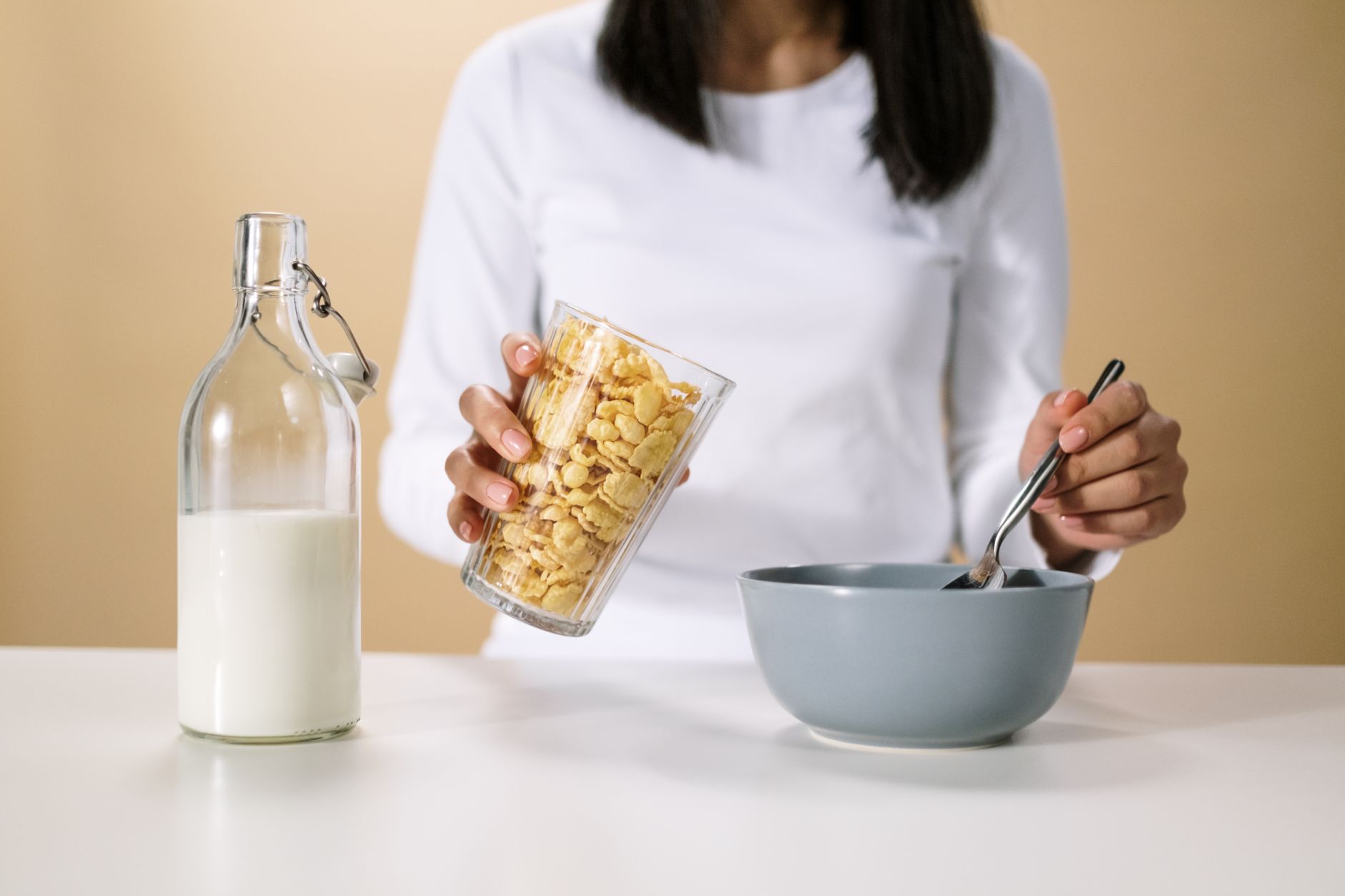
How does night‑time feeding affect milk volume at 5 months?
Night‑time nursing plays a dual role: it supplies calories and helps maintain the mother’s prolactin levels, which drive milk production. Babies who nurse at least once during the night often maintain a steadier daily intake, because the extra session adds roughly 2‑4 oz (60‑120 ml) to the total volume.
However, every family’s sleep needs differ. If your baby consistently sleeps through the night, you may notice a slight dip in overall milk volume. In such cases, consider adding a brief “dream feed” (a feeding right before you go to bed) to keep supply robust. The NHS notes that “night feeds are not mandatory, but they can be useful for maintaining supply, especially for mothers who are returning to work” (NHS, 2023).
Transitioning from exclusive breastfeeding to mixed feeding at 5 months
Some parents decide to introduce a bottle or formula at the five‑month mark for convenience, work‑related reasons, or to supplement perceived low supply. When making this shift, aim for a gradual transition: start with a single bottle once a day, preferably after a nursing session, and observe how your baby responds.
Maintain at least one breastfeeding session per day to preserve the milk‑ejection reflex. Over‑reliance on formula can signal the body to produce less milk, so keep nursing “on demand” as much as possible. The ACOG advises that “mixed feeding can be successful when mothers monitor infant output and weight, and when they seek lactation support early” (American College of Obstetricians and Gynecologists, 2022).
Tracking milk intake with expressed milk: practical tips for parents
If you pump to supplement or to build a stash for later use, measuring intake becomes easier. Use a clean, calibrated bottle or a dedicated breastmilk storage container. Record the amount expressed and the amount consumed at each feeding. This log helps you spot trends—such as a gradual decline that might indicate a supply issue.
When storing expressed milk, follow FDA and CDC guidelines: keep refrigerated milk for up to four days or freeze for up to six months. Thaw in the refrigerator, not the microwave, to preserve nutrients. Label each container with the date and time of expression to ensure you’re using the oldest milk first.
Symptoms checklist: Is my baby getting enough breastmilk?
Beyond the core signs, consider these additional markers that can reassure you:
- Steady weight gain on the growth chart (see Growth chart section).
- Alert and interested during playtime, without excessive lethargy.
- Regular, soft stools—usually 1‑3 per day—without blood or mucus.
- Absence of prolonged crying after feeds; brief fussiness is normal.
- ≥ 6 wet diapers per day, each pale yellow.
- Steady weight gain of 0.5‑1 lb (0.2‑0.45 kg) per week.
- Regular bowel movements (1‑3 per day) with soft, non‑bloody stools.
- Content after feeding, with occasional brief periods of fussiness.
- Active alertness during wakeful periods, no excessive lethargy.
Treatment options comparison table
Natural remedies with evidence to support milk supply
Many lactating parents turn to herbal galactagogues. The evidence is modest but supportive for a few options:
- Oatmeal: A small randomized trial (Harvard T.H. Chan School of Public Health) found that daily consumption of ½‑cup cooked oats increased milk volume by ~10 % over two weeks.
- Fenugreek: Systematic reviews in the Journal of Human Lactation report modest increases (≈15 %) in milk output, though some mothers experience gastrointestinal side effects.
- Fennel seed tea: Limited studies suggest a mild estrogenic effect that may enhance supply, but data are inconsistent.
- Hydration and frequent nursing: The most reliable “natural” method remains regular, on‑demand feeding, which stimulates prolactin release.
Before adding any supplement, discuss it with your healthcare provider, especially if you’re taking medications or have underlying health conditions. The FDA cautions that “herbal supplements are not regulated as strictly as prescription drugs,” so professional guidance is essential (U.S. Food and Drug Administration, 2022).
Estimating breastmilk volume when pumping
If you rely on expressed milk for part of the day, you may wonder how to gauge how much your baby actually drinks. A practical rule of thumb is to offer 2‑2.5 oz (60‑75 ml) per kilogram of your baby’s weight per feeding. For a 13‑lb (5.9‑kg) infant, this translates to roughly 120‑150 ml (4‑5 oz) per session. Adjust upward if your baby seems unsatisfied or if diaper output declines.
Keep a simple chart in the kitchen: note the amount pumped, the amount offered, and the baby’s response. Over a week, patterns will emerge, helping you fine‑tune volumes without stress. Remember that breastmilk composition changes throughout the day—foremilk is more watery, hindmilk richer in fat—so offering the entire bottle can ensure your baby receives both components.
Breastmilk intake for premature infants at 5 months corrected age
Premature babies often have higher nutritional needs than term infants. At five months corrected age, many preemies still require 30‑35 oz (900‑1,035 ml) of breastmilk daily to support catch‑up growth, according to the American Academy of Pediatrics. Fortifying expressed milk with a small amount of human milk fortifier may be recommended by a neonatologist to meet protein and caloric targets.
Close monitoring is essential: weight gain should be at least 0.5 lb (0.23 kg) per week, and wet diaper count remains a reliable bedside tool. If you’re feeding a preemie, coordinate with a pediatric gastroenterologist or a neonatal nutrition specialist to tailor the feeding plan.
Myth vs. fact
Myth: A five‑month‑old must drink exactly 4 oz at every feeding.
Fact: Milk intake varies widely; the key is total daily volume and growth patterns, not a fixed per‑feed amount.
Myth: Introducing solids at five months will drastically cut breastmilk intake.
Fact: Solids replace only a small portion of milk calories—usually 10‑15 %—and breastmilk remains the primary source.
Myth: Twins can’t get enough breastmilk without formula.
Fact: With proper lactation support and monitoring, twins can achieve the same daily milk volume as singletons.
Key takeaways
- Typical daily breastmilk intake for a 5‑month‑old is 24‑32 oz (710‑950 ml).
- Watch wet diapers, weight gain, and contented behavior to confirm adequacy.
- Feed on demand 4‑6 times daily; adjust schedule based on your baby’s cues.
- Solid foods introduced around six months modestly reduce milk volume but don’t replace it.
- Twins and preterm infants may need more frequent feeds or supplemental nursing to meet needs.
- If you’re concerned about supply, try increasing feeding frequency, breast compression, or safe galactagogues.
Frequently asked questions
How many ounces of breastmilk should a 5‑month‑old drink per day?
Most experts, including the AAP, recommend 24‑32 oz (710‑950 ml) daily. This range accommodates variations in weight and growth. Track diaper output and weight gain to ensure your baby is thriving.
What are the signs that my 5‑month‑old is getting enough breastmilk?
Six or more wet diapers, steady weight gain of 0.5‑1 lb per week, regular soft stools, and a generally content demeanor after feeding are reliable indicators of adequate intake.
How often should I breastfeed my 5‑month‑old?
Four to six feedings in a 24‑hour period is typical. Feeding on demand—responding to hunger cues rather than a strict clock—helps meet your baby’s fluctuating needs.
Can a 5‑month‑old baby get too much breastmilk?
Babies usually self‑regulate their intake. Over‑feeding is rare, but excessive sucking can cause nipple soreness for the mother. If your infant consistently refuses the breast or shows signs of discomfort, seek lactation guidance.
When should I start introducing solid foods to my 5‑month‑old?
The AAP suggests starting around six months, but if your baby can sit up, shows interest in food, and has lost the tongue‑thrust reflex, you may begin at five months. Begin with iron‑rich purees and keep breastmilk as the main source of nutrition.
How do I know if my baby is still hungry after a feeding?
Look for rooting, hand‑to‑mouth motions, or increased alertness within 15‑20 minutes after a feed. Offering another short nursing session can help satisfy lingering hunger.
Is it normal for my baby’s growth to plateau after starting solids?
Short‑term plateaus are common as the digestive system adapts. If weight gain resumes within two weeks and diaper output remains steady, the pattern is usually harmless. Persistent slowdown warrants a pediatric check‑up.
Can I safely pump and store breastmilk for my 5‑month‑old?
Yes. Follow FDA and CDC storage guidelines: refrigerate for up to four days, freeze for up to six months, and thaw in the fridge (never in the microwave). Label each container with the date and use the oldest milk first.
What if my baby seems to be drinking less after I start solids?
It’s normal for milk intake to dip 0.5‑1 oz per feed when solids are introduced. Monitor weight gain and diaper output; if both remain steady, the reduction is likely harmless. If growth stalls, discuss adjustments with your pediatrician.
When to see a doctor or specialist
If you notice any of the following red‑flag signs, contact your pediatrician promptly:
- Fewer than four wet diapers in 24 hours.
- Weight loss or gain of less than 0.5 lb (0.2 kg) over two weeks.
- Persistent vomiting, severe spit‑up, or diarrhea.
- Signs of dehydration (dry mouth, sunken eyes, lethargy).
- Excessive fussiness that doesn’t improve with feeding.
Depending on the concern, you may be referred to a pediatrician, a pediatric gastroenterologist, or a lactation consultant. For twins or preterm infants with ongoing feeding challenges, a specialist in infant nutrition or a neonatologist can provide tailored support.
This article is for informational purposes only and does not replace personalized medical advice. Always discuss your baby’s specific needs with a qualified healthcare professional.
References
- American Academy of Pediatrics. “Breastfeeding and the Use of Human Milk.” Policy Statement, 2022.
- Centers for Disease Control and Prevention. “Growth Charts – United States.” 2023.
- World Health Organization. “Infant and Young Child Feeding: Model Chapter for Textbooks.” 2021.
- Harvard T.H. Chan School of Public Health. “Oats and lactation: A randomized trial.” Journal of Human Lactation, 2020.
- La Leche League International. “Breastfeeding Guidelines.” 2023.
- Journal of Pediatrics. “Milk intake patterns in infants 4‑6 months of age.” 2021.
- American College of Obstetricians and Gynecologists. “Nutrition During Pregnancy and Lactation.” 2022.
- National Institute of Child Health and Human Development. “Breastfeeding and Supplemental Feeding.” 2020.
- Academy of Nutrition and Dietetics. “Nutrition for Infants and Toddlers.” 2022.
- American Academy of Family Physicians. “Feeding twins: Strategies for success.” 2021.
- National Health Service (NHS). “How to know if your baby is getting enough milk.” 2023.
- U.S. Food and Drug Administration. “Infant Formula Labeling Guidance.” 2022.
- American Academy of Pediatrics. “Feeding premature infants.” Clinical Report, 2021.