Quick take: For a healthy infant, the safe dose of children’s Tylenol (acetaminophen) is ≈ 10 mg per kilogram of body weight every 4–6 hours, not to exceed 5 doses (≈ 40 mg/kg) in 24 hours. Always double‑check the bottle’s concentration, use the provided syringe, and call a pediatrician if you’re unsure or see any signs of overdose.
Imagine it’s 3 a.m.; your baby’s cheeks feel warm, the thermometer flashes 38.3 °C (101 °F), and you’re staring at the medicine cabinet, heart racing. You’ve heard “Tylenol is safe for babies,” but you’re also worried about giving the wrong amount. You’re not alone—many new parents feel the same mix of urgency and doubt.
We’ll walk you through everything you need to know about how much children’s Tylenol a baby can have, from the exact milligram calculation to spotting an overdose, handling a missed dose, and choosing alternatives when Tylenol isn’t right. The goal is to give you confidence, not anxiety, so you can calm that fever safely and know exactly when to call a professional.
In this guide you’ll find a weight‑based dosage chart, step‑by‑step instructions for measuring the dose, a clear comparison of Tylenol versus ibuprofen, storage tips, and a quick‑reference checklist for red‑flag symptoms. All information is grounded in guidance from the American Academy of Pediatrics (AAP) and the U.S. Food and Drug Administration (FDA).
What is the safe dosage of children’s Tylenol for a 2‑month‑old baby?
A 2‑month‑old infant typically weighs between 4.5 kg (10 lb) and 5.5 kg (12 lb). The AAP recommends a dose of 10 mg per kilogram of body weight per administration for acetaminophen (the active ingredient in children’s Tylenol). This translates to roughly 45–55 mg per dose for a 2‑month‑old.
Most over‑the‑counter children’s Tylenol liquids are packaged at a concentration of 160 mg per 5 mL (32 mg per mL). Using a calibrated syringe, a 45‑mg dose equals about 1.4 mL, while a 55‑mg dose equals about 1.7 mL. Because syringes are marked in 0.5 mL increments, you would round to the nearest 0.5 mL and confirm with your pediatrician if you’re uncomfortable.
Never exceed 5 doses in 24 hours (≈ 40 mg/kg/day). For a 5‑kg baby, the maximum daily amount is about 200 mg, which is roughly 6.3 mL of the standard 160 mg/5 mL formulation. Exceeding this limit can strain the liver, especially in the first few weeks of life when hepatic enzymes are still maturing.
How many milligrams of acetaminophen can a newborn take per day?
Newborns (0–4 weeks) are a special group. The FDA advises against routine use of acetaminophen in newborns unless directed by a physician. If a doctor prescribes it, the dose is typically 10 mg/kg per dose, no more than 4 doses per day, which caps at 40 mg/kg/24 h.
For a newborn weighing 3.2 kg (7 lb), the per‑dose amount would be about 32 mg (≈ 1 mL of 160 mg/5 mL liquid). The total daily maximum would be roughly 128 mg (≈ 4 mL). Because the newborn liver is still developing the enzyme CYP2E1, the margin for error is narrower, so strict adherence to the syringe measurement is essential.
Always have a pediatrician confirm the need for acetaminophen in a newborn. In many cases, non‑pharmacologic measures—like tepid sponge baths for fever—are sufficient and carry no risk of liver toxicity.
Can I give baby Tylenol for fever and how often?
Acetaminophen is the most commonly recommended medication for infant fever because it reduces temperature without irritating the stomach. The dosing interval is every 4–6 hours, never more than five times in 24 hours. If your baby’s temperature stays above 38 °C (100.4 °F) after two doses, contact your pediatrician.
Tylenol also provides mild pain relief for teething or post‑vaccination soreness. The same 10 mg/kg dose works for both fever and pain, so you don’t need separate calculations.
When you give a dose, note the exact time. A simple chart on the refrigerator can help you track doses and avoid accidental double‑dosing.
What are the signs of Tylenol overdose in infants?
Early signs of acetaminophen toxicity can be subtle, especially in babies who cannot verbalize discomfort. Watch for:
- Persistent vomiting or inability to keep feeds down
- Extreme lethargy or unusual drowsiness
- Yellowing of the skin or eyes (jaundice)
- Abdominal swelling or tenderness
- Rapid breathing or low blood pressure
These symptoms may appear 24–72 hours after an overdose. If you suspect an overdose, call emergency services (911 in the U.S.) or your local emergency number immediately. The FDA’s Poison Help line (1‑800‑222‑1222) is also a resource.
Because acetaminophen overdose can cause irreversible liver damage, prompt treatment with N‑acetylcysteine (NAC) in a hospital setting is critical. Even if you’re unsure about the amount given, err on the side of caution and seek help.
How to measure children’s Tylenol dose with a syringe?
Most children’s Tylenol bottles come with a 0.5 mL oral syringe. Follow these steps:
- Shake the bottle well for at least 5 seconds to ensure even distribution.
- Remove the syringe cap and pull the plunger back to the “0” mark.
- Place the syringe tip into the bottle’s liquid, squeeze the bottle gently, and pull the plunger to draw the exact volume you need (e.g., 1.5 mL).
- Check the measurement against the syringe’s calibration lines—most have marks at 0.5 mL intervals.
- Administer the dose directly into the baby’s mouth, aiming for the inside of the cheek.
- Replace the cap securely after each use to prevent contamination.
Never use a kitchen teaspoon, household dropper, or the bottle’s dosing cup unless the cup is clearly marked for the correct concentration (most cup measures are for older children with higher concentrations).
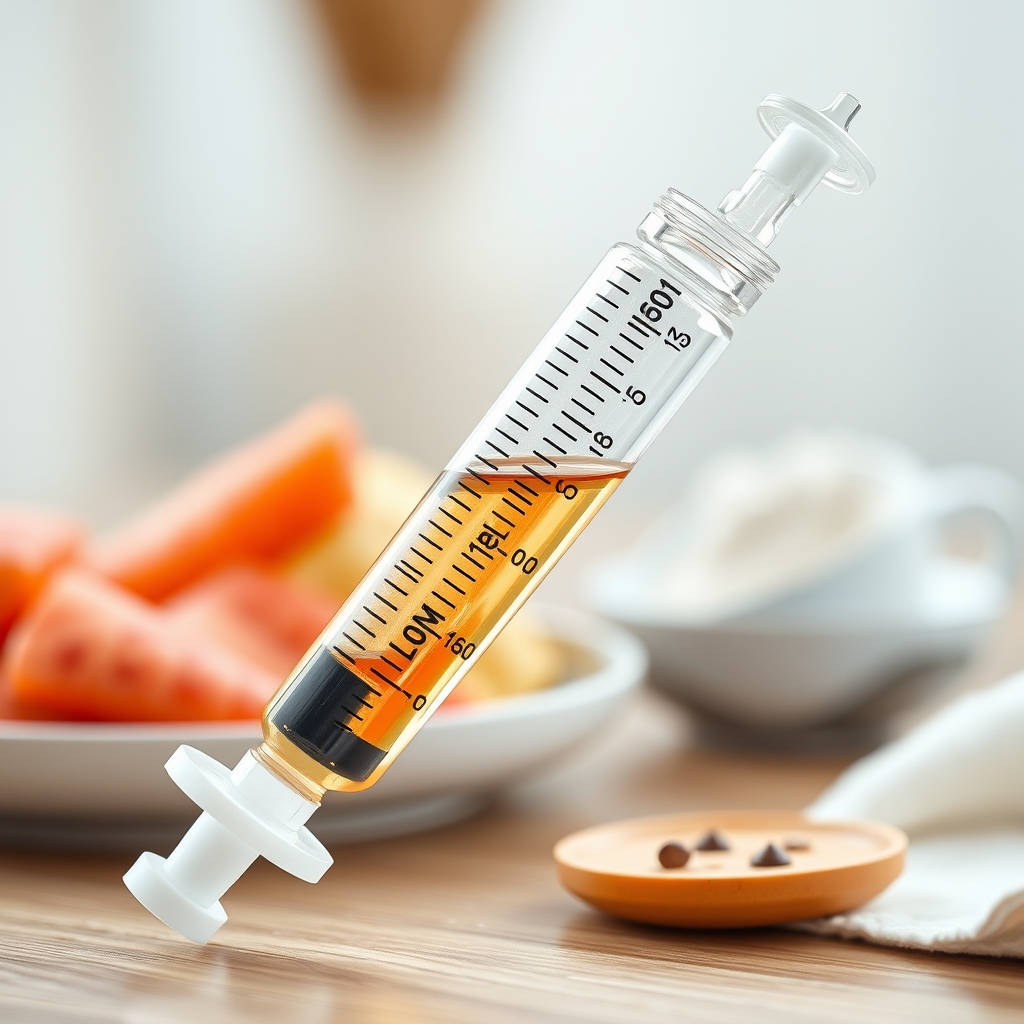
Weight‑based dosage chart for children’s Tylenol infants
Below is a quick reference chart that translates infant weight into the appropriate milligram dose and the corresponding liquid volume (using the common 160 mg/5 mL concentration). This chart follows AAP and FDA guidance.
Always round to the nearest 0.5 mL and confirm with your pediatrician if the calculated dose falls between two marks. The “maximum doses per 24 h” column reinforces the 5‑dose ceiling.
When should I stop giving Tylenol to my baby?
Stop using Tylenol when:
- The fever has resolved for at least 24 hours and the baby feels well.
- The child reaches 12 months of age and you prefer to transition to the “regular” children’s Tylenol dosage (which is the same concentration but may have higher dose caps).
- Any sign of liver trouble appears (jaundice, abnormal labs).
- A healthcare provider advises an alternative medication or treatment plan.
If you need to manage pain or fever beyond this age, discuss with your pediatrician whether ibuprofen or another option is appropriate.
Difference between liquid and chewable children’s Tylenol dosage
Liquid Tylenol is the standard for infants because it can be measured precisely with a syringe. Chewable tablets, typically 80 mg per tablet, are intended for children 2 years and older who can safely chew. The key differences:
- Concentration: Liquid = 160 mg/5 mL; Chewable = 80 mg/tablet.
- Administration: Liquid uses a syringe; chewable requires a full tablet or half‑tablet.
- Absorption: Both are rapidly absorbed, but chewables may be slower if not fully dissolved in saliva.
- Safety: Chewables pose a choking risk for infants and should never be given to babies under 2 years.
When transitioning to chewables, the dose calculation remains 10 mg/kg, but you’ll count tablets rather than milliliters. For a 12‑kg toddler, the dose is 120 mg, which equals 1½ chewable tablets (rounded to the nearest half tablet).
Children’s Tylenol vs ibuprofen dosage for babies
Both acetaminophen (Tylenol) and ibuprofen (Advil, Motrin) are fever reducers, but they differ in mechanism and safety profile. Below is a comparison table for infants 6 months and older (the age at which ibuprofen is FDA‑approved).
For most infants, acetaminophen is the first‑line choice because it’s gentler on the stomach and safe in dehydrated states. Ibuprofen becomes an option after 6 months, especially when inflammation (e.g., an ear infection) is a component of the discomfort.
Special considerations: liver issues, breastfeeding, constipation, and drug interactions
Liver issues: If your baby has known liver disease (e.g., biliary atresia) or abnormal liver function tests, avoid acetaminophen unless a specialist explicitly recommends it. The drug’s metabolism heavily relies on hepatic pathways, and even a standard dose can tip the balance.
Breastfeeding: Acetaminophen passes into breast milk in very low amounts. The American Academy of Pediatrics states that occasional therapeutic doses are compatible with breastfeeding, but you should still discuss any medication plan with your pediatrician.
Constipation: Acetaminophen is not commonly associated with constipation in infants. If you notice hard stools after starting Tylenol, consider other dietary factors or a mild stool softener, but report the change to your doctor.
Drug interactions: Be cautious when combining Tylenol with other acetaminophen‑containing products (e.g., cold medicines) or with certain prescription drugs like carbamazepine or warfarin. Always read labels and inform your pediatrician about any other medications your baby is receiving.
How long does Tylenol stay in a baby’s system?
Acetaminophen’s half‑life in newborns is roughly 2–3 hours, extending to 4–5 hours in infants under 6 months due to immature liver enzymes. This means that after a single dose, about half of the drug is cleared within that timeframe. By 24 hours, the drug is essentially eliminated, assuming normal liver function and no repeated dosing.
The clinical effect (fever reduction) typically lasts 4–6 hours, which aligns with the recommended dosing interval. If you give a dose every 6 hours, there is minimal drug accumulation, staying well within safe limits.
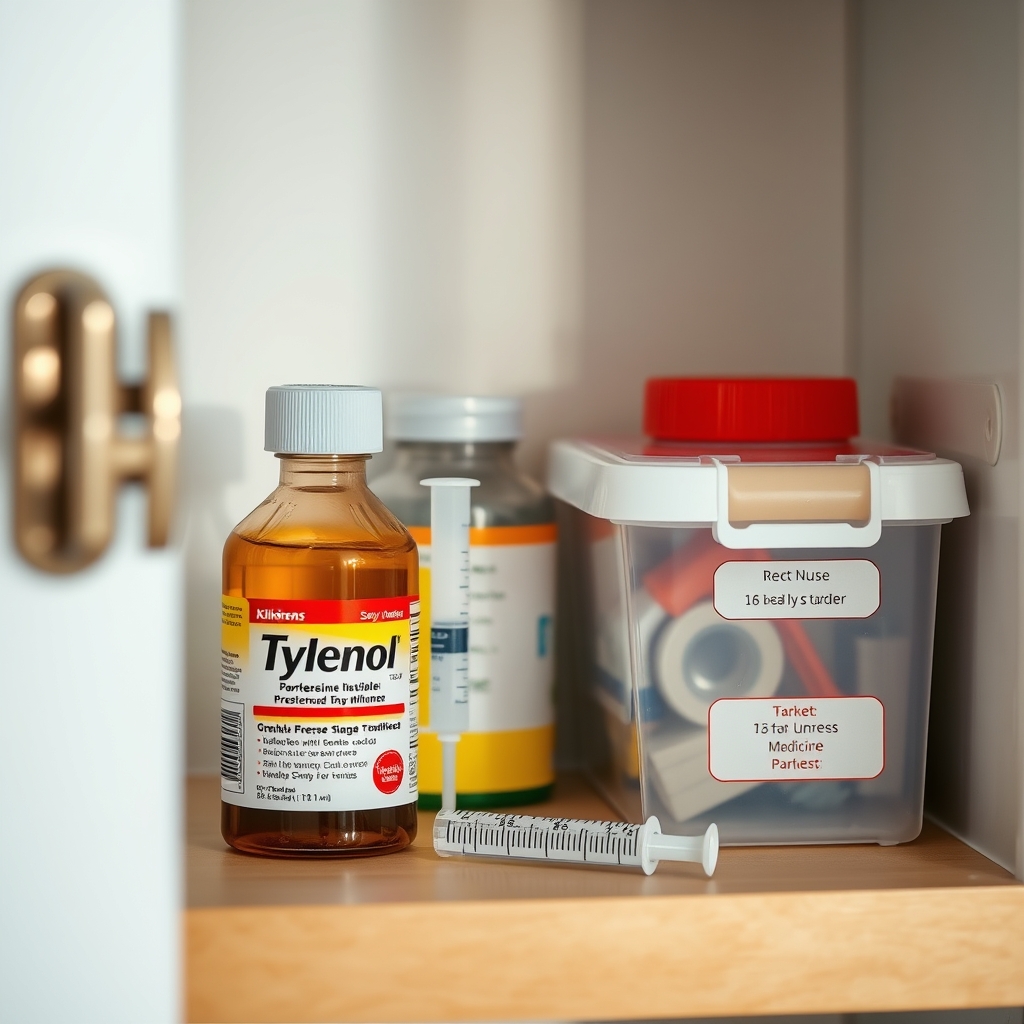
How to store children’s Tylenol properly?
Proper storage helps maintain potency and prevents accidental ingestion:
- Keep the bottle tightly closed and store it at room temperature (15‑25 °C / 59‑77 °F).
- Place it out of reach of children—high shelves or locked cabinets are best.
- Avoid storing in the bathroom where humidity can degrade the liquid.
- Check the expiration date regularly; acetaminophen loses potency after 2 years.
- If the liquid looks cloudy, changes color, or has an unusual smell, discard it even if the date is still valid.
When traveling, use the original bottle if possible, or transfer the dose into a pre‑measured syringe that can be sealed. Label the syringe with the concentration (e.g., “160 mg / 5 mL”) to avoid confusion.
What to do if you miss a dose of Tylenol for baby?
If you realize a dose was missed and the next scheduled dose is still more than 4 hours away, give the missed dose as soon as you remember. If it’s less than 4 hours until the next dose, skip the missed one and continue with the regular schedule. Never double the dose to “catch up.”
Document the missed dose on your tracking chart so you can avoid accidental repeat dosing. If you’re ever unsure whether you’ve given a dose, it’s safer to wait and call your pediatrician for guidance.
Myth vs. fact
Myth: “If a baby’s fever is low, you don’t need Tylenol.”
Fact: Even low‑grade fevers can make infants uncomfortable, and acetaminophen can improve sleep and feeding. Use Tylenol when the baby appears irritable or the temperature is ≥ 38 °C (100.4 °F).
Myth: “All children’s Tylenol products have the same strength.”
Fact: Concentrations vary (e.g., 80 mg/5 mL vs. 160 mg/5 mL). Always check the label before measuring.
Myth: “A single extra milliliter won’t hurt.”
Fact: Even a modest overdose can overwhelm an infant’s liver. Precise measurement matters for safety.
Key takeaways
- Use 10 mg/kg per dose, every 4–6 hours, not exceeding 40 mg/kg in 24 hours.
- Measure dose with the provided syringe; never substitute kitchen spoons.
- Watch for overdose signs: vomiting, lethargy, jaundice, abdominal swelling.
- Store Tylenol in a cool, dry place, out of children’s reach, and respect expiration dates.
- Ibuprofen is an option after 6 months, but acetaminophen remains the first‑line fever reducer for younger infants.
- If you miss a dose, give it if > 4 hours remain; otherwise skip and continue the schedule.
Frequently asked questions
What is the maximum amount of children’s Tylenol a baby can take in 24 hours?
The safe maximum is 40 mg per kilogram of body weight per day. For a 5‑kg infant, that equals 200 mg total, or about 6.3 mL of the standard 160 mg/5 mL liquid.
How do I calculate the correct dose of Tylenol for my infant?
First, weigh your baby in kilograms. Multiply the weight by 10 mg to get the dose in milligrams. Then convert that milligram amount to milliliters using the bottle’s concentration (usually 32 mg per mL). Use the syringe to draw the exact volume.
Can I give my baby Tylenol for pain relief?
Yes. The same 10 mg/kg dose works for mild pain such as teething or post‑vaccination soreness. Ensure the baby is not already at the 5‑dose daily limit.
What are the side effects of giving Tylenol to a baby?
When used correctly, side effects are rare. Potential issues include mild rash or, in rare cases, liver injury if overdosed. Overdose symptoms include vomiting, lethargy, and jaundice.
Is it safe to use children’s Tylenol for a newborn?
Only under a pediatrician’s direction. The standard dose (10 mg/kg) applies, but many clinicians prefer non‑pharmacologic fever management for newborns unless the fever is high or the baby is uncomfortable.
When should I call a doctor after giving Tylenol to my baby?
Call immediately if you notice any signs of overdose (vomiting, unusual drowsiness, yellow skin), if the fever persists beyond 24 hours after two doses, or if you’re unsure about the dose you administered.
Can I use Tylenol if my baby is breastfeeding?
Occasional therapeutic doses are generally considered compatible with breastfeeding, but always discuss medication plans with your pediatrician and your lactation consultant.
When to see a doctor or specialist
If any of the following red‑flag symptoms occur, seek medical attention right away:
- Persistent vomiting or inability to keep feeds down
- Yellowing of the skin or eyes (possible jaundice)
- Extreme lethargy, unresponsiveness, or seizures
- Abdominal swelling or tenderness
- Fever lasting more than 48 hours despite appropriate dosing
- Known liver disease or abnormal liver function tests
Contact your pediatrician for any concerns about dosing, repeated fevers, or if you need guidance on transitioning to ibuprofen. In cases of suspected overdose, call emergency services (911) or the local poison control center.
References
- American Academy of Pediatrics. “Fever and Antipyretic Therapy in Infants and Children.” AAP Clinical Report, 2022.
- U.S. Food and Drug Administration. “Acetaminophen (Tylenol) Medication Guide.” FDA, 2023.
- American Academy of Pediatrics. “Medication Safety for Young Children.” AAP Policy Statement, 2021.
- National Institutes of Health, National Library of Medicine. “Acetaminophen Toxicity.” MedlinePlus, 2024.
- American Academy of Pediatrics. “Ibuprofen Use in Infants and Children.” AAP Clinical Practice Guidelines, 2020.
- World Health Organization. “Guidelines for the Management of Fever in Children.” WHO, 2022.
- U.S. Poison Control. “Acetaminophen Overdose.” National Poison Center, 2023.
- Harvard T.H. Chan School of Public Health. “Acetaminophen: Uses and Risks.” Nutrition Source, 2023.



