Assessing adequacy isn’t about counting every ounce; it’s about looking for reliable signs:
- Wet diapers: 5‑6 wet diapers in a 24‑hour period (each at least 1‑2 oz of urine) indicate sufficient hydration.
- Stool pattern: Soft, yellowish stools that occur 1‑3 times daily are typical for a well‑fed breastfed infant.
- Weight gain: A steady increase of 0.5‑1 lb (≈ 0.23‑0.45 kg) per week, or following your pediatrician’s growth‑chart percentile.
- Behavior: Content, alert, and generally happy between feedings. Frequent crying, especially after feeds, may signal hunger.
- Breastfeeding cues: Rooting, sucking on hands, or turning toward the breast are classic hunger signals.
If you notice fewer than 5 wet diapers, a sharp drop in weight percentile, or persistent fussiness, it’s worth checking milk intake. Conversely, excessive diaper output (≥ 8 wet diapers) coupled with rapid weight gain may suggest over‑feeding, though most babies self‑regulate.
For parents who pump, a practical method is to track the total volume expressed over 24 hours. If the sum falls consistently below 24 oz, discuss it with a lactation consultant. Remember, the quality of milk (rich in antibodies, fats, and enzymes) outweighs the exact quantity for most healthy infants.
The NHS reinforces that “regular wet diapers and steady weight gain are the most reliable indicators that a baby is receiving enough milk” (NHS, 2022). This simple checklist can be a reassuring daily tool.
What breastfeeding schedule and frequency are typical for an 8‑month‑old?
At eight months, many babies transition from a “on‑demand” rhythm to a more predictable schedule, especially as solids become a regular part of the day. The typical pattern looks like this:
Most pediatricians recommend maintaining at least 4 milk feedings a day to ensure adequate calories and to keep milk supply robust. Feeding every 3‑4 hours during the day and once at night (if your baby still wakes) works well for many families.
When solids are introduced, the feeding schedule often shifts to morning, mid‑day, late afternoon, and evening sessions, with a brief nighttime feed if needed. Night feeds are still valuable for supply; let the baby nurse if they’re still hungry.
If your baby seems to skip a feeding or goes longer than 5 hours without nursing, consider offering a small solid snack (e.g., mashed banana) and then return to the usual milk routine. Consistency helps both you and your baby gauge hunger and satiety.
Guidelines from ACOG note that “maintaining regular nursing intervals supports prolactin secretion and helps sustain an adequate milk supply throughout the first year” (ACOG, 2021). This is especially true during the transition to solid foods.
How does introducing solid foods affect how much breastmilk an 8‑month‑old should drink?
Solid foods are an exciting milestone, but they don’t replace breastmilk. At eight months, solids typically contribute ≈ 100‑200 kcal per day, while breastmilk still supplies ≈ 550‑650 kcal. This means that even as you add pureed vegetables, fruit, or iron‑fortified cereal, the overall milk volume stays within the 24‑32 oz range.
Some parents worry that solids will “fill up” the baby and reduce milk intake. In reality, babies self‑regulate: when they’re full from solids, they’ll instinctively nurse less, but the reduction is usually modest (about 2‑4 oz per day). If you notice a sudden drop below 20 oz, revisit the feeding frequency and ensure the baby isn’t skipping milk sessions.
Guidelines from the World Health Organization (WHO) and the AAP advise continuing at least 24‑30 oz of breastmilk daily until the first birthday, regardless of solid‑food intake. Solids should be introduced gradually—one new food every 3‑5 days—to monitor tolerance and maintain appetite for milk.
Practical tip: Offer solids after a milk feeding when the baby is calm but not overly full. This timing helps keep milk intake steady while exposing the infant to new textures and flavors.
The NHS also recommends “watching the baby’s cues; if they turn away from the spoon, they’re likely full, but a return to nursing after a short break is normal” (NHS, 2022).
What are the signs that an 8‑month‑old baby is underfed or overfed on breastmilk?
Recognizing the extremes helps you intervene early. Below is a quick checklist you can keep on the fridge.
- Underfed:
- Fewer than 5 wet diapers per day.
- Weight loss or a drop of ≥ 2 percentiles on growth charts.
- Persistent irritability, especially before feeds.
- Frequent, sharp cries that calm quickly after nursing.
- Very dry or sticky stools.
- Overfed:
- More than 8 wet diapers a day, often with very dilute urine.
- Rapid weight gain that jumps > 2 percentile bands in a short span.
- Spitting up large amounts (more than ½ cup) after most feeds.
- Loose, watery stools that appear more “formula‑like.”
- Gastro‑intestinal discomfort, such as frequent gas or a distended belly.
If any of these signs appear, it’s wise to contact your pediatrician. They can assess growth patterns, rule out medical issues, and advise on feeding adjustments.
According to the FDA, “excessive fluid intake in infants under 12 months can lead to hyponatremia, a potentially dangerous electrolyte imbalance” (FDA, 2023). This underscores why monitoring for over‑feeding is important.
How does breastmilk intake differ for twins compared to a single baby at 8 months?
Twins often present a unique supply challenge, yet most twins still meet the 24‑32 oz daily range—each twin, not combined. However, because two infants are nursing from the same breasts, mothers may notice a slightly higher overall output per day (≈ 50‑60 oz total). The key is ensuring each baby gets enough time at the breast.
Strategies that help twins meet their intake include:
- Staggered nursing: Alternate breasts between babies to give each a full let‑down.
- Extended sessions: Allow one baby to finish before offering the breast to the other.
- Pump‑and‑bottle: If supply is low, express after each feeding and supplement the second twin with expressed milk.
Research from the International Lactation Consultant Association (ILCA) indicates that twins who receive at least 4‑5 hours of direct nursing per day per infant typically maintain healthy weight gain. If you’re concerned about volume, track the total expressed milk and compare it to the combined 48‑64 oz range for two babies.
The NHS advises “double‑checking that each twin gets a fair share of nursing time; if one baby consistently feeds less, consider supplementing with expressed milk” (NHS, 2022).
While breastmilk remains the gold standard, formula offers a reliable alternative when supply is limited or supplementation is needed. Below is a side‑by‑side comparison of key nutrients relevant at eight months.
Both provide similar calories, but formula is fortified with iron and vitamin D, nutrients that naturally increase in breastmilk as the infant ages. Breastmilk, however, supplies antibodies and live cells that protect against infections—a benefit formula cannot replicate.
If you need to supplement, the American Academy of Pediatrics recommends using iron‑fortified formula for babies who are not receiving enough breastmilk (i.e., under 24 oz per day). Always discuss brand choice and volume with your pediatrician to avoid over‑supplementation.
The FDA’s guidance on infant formula labeling assures that “all commercial formulas meet the nutrient requirements set by the FDA for infants up to 12 months” (FDA, 2023). This regulatory safety net helps parents make informed choices.
Ways to increase breastmilk supply for an 8‑month‑old who seems hungry
Even a well‑fed eight‑month‑old can trigger a temporary dip in supply during growth spurts. Here are evidence‑based strategies:
- Increase nursing frequency: Adding an extra short feed (5‑10 minutes) can boost prolactin levels.
- Power pumping: A 10‑minute pump, 10‑minute rest, repeat for an hour—shown in a 2020 systematic review to raise supply by ≈ 15‑20 %.
- Skin‑to‑skin contact: Daily tummy‑to‑skin sessions stimulate oxytocin release, supporting milk production (CDC).
- Hydration and nutrition: Adequate fluid intake (≈ 2‑3 L water per day) and a balanced diet with oats, fenugreek, and lactation‑supportive herbs can help, though data are modest.
- Avoid pacifiers and bottles before feeds: They can reduce nursing time and signal the brain to produce less milk.
If you’re consistently seeing low output (< 20 oz per day) despite these measures, a lactation consultant can assess latch, breast anatomy, and feeding patterns to identify hidden issues.
ACOG’s 2021 clinical guidance stresses “early identification of supply concerns and prompt referral to lactation specialists” as a key step in preventing early weaning (ACOG, 2021).
Supplementation is a personal decision, but certain situations warrant it:
- Consistently low milk intake: < 24 oz per day for more than 2 weeks, accompanied by <5 wet diapers or stalled weight gain.
- Maternal health concerns: Medication that contraindicates breastfeeding, or a condition requiring strict fluid restriction.
- High‑risk infants: Preterm, low birth weight, or those with metabolic disorders may need extra calories from formula.
When supplementing, the AAP suggests using iron‑fortified formula to provide the missing iron (≈ 0.5 mg per 100 ml). Offer 2‑4 oz (≈ 60‑120 ml) of formula after a regular nursing session, gradually increasing if needed. Water is not required for healthy infants under 12 months unless advised by a clinician; excessive water can dilute electrolytes.
Always introduce any new source slowly, monitor diaper output and weight, and keep your pediatrician in the loop. The goal is to complement, not replace, the valuable nutrients and immune protection that breastmilk provides.

How to transition from breastmilk to a cup at 8 months
Many parents wonder when to start offering a cup. The American Academy of Pediatrics recommends introducing a sippy cup around 6‑9 months, primarily for water or small amounts of breastmilk during meals. At eight months, your baby is developmentally ready to practice the sucking‑to‑drinking motion, which can later ease the shift to a regular cup.
Start with a soft‑spout cup that mimics the breast’s flow. Offer 1‑2 oz of breastmilk after a solid‑food meal, letting the baby explore the cup at their own pace. Keep the cup upright and avoid “bottle‑feeding” from it, as this can cause nipple confusion.
Research from the Academy of Nutrition and Dietetics shows that “early cup exposure does not reduce overall milk intake, but it supports oral‑motor development” (AND, 2021). If your baby refuses the cup, try a different shape or a straw cup after a few weeks.
Watch for signs of readiness: sitting upright without support, showing interest in what others are drinking, and being able to bring the cup to the mouth. Gradual transition helps maintain adequate nutrition while fostering independence.
Common breastfeeding challenges at 8 months and solutions
Even after the first six months, breastfeeding can present new hurdles. Common issues include:
- Decreasing latch quality: As teeth emerge, babies may bite or pull away. Offer a breast compress before feeding to soften the nipple and try a slightly higher breast position.
- Shorter feeding sessions: Growth spurts can make babies nurse more quickly. Increase the number of feeds rather than the length of each session.
- Milk let‑down anxiety: Some babies become startled by a strong let‑down. Express a small amount first, then nurse, or try feeding in a quieter room.
- Maternal fatigue: Night feeds can wear you down. Share nighttime responsibilities with a partner using expressed milk, or practice “cluster feeding” during the day to boost supply.
Each challenge can be addressed with a simple tweak, and many mothers find that consulting a lactation specialist shortens the learning curve. The CDC notes that “early support reduces early cessation of breastfeeding” (CDC, 2022).
Breastmilk storage and handling tips for 8‑month‑old feedings
When you pump, proper storage ensures that the milk remains safe and nutrient‑rich. Follow these guidelines:
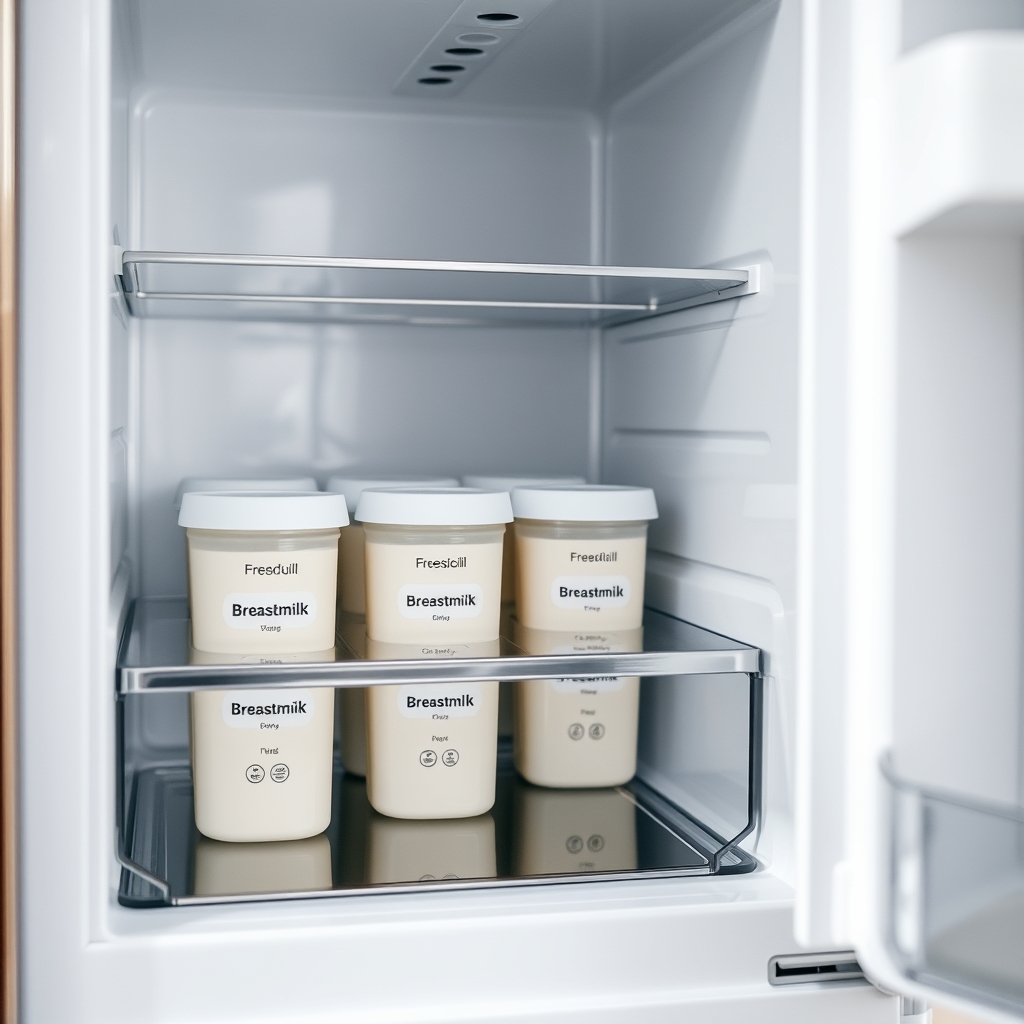
- Refrigeration: Store freshly expressed milk at 4 °C (39 °F) for up to 4 days. Label each container with the date and time.
- Freezing: For longer storage, freeze at ‑18 °C (0 °F) or colder. Use within 6 months for best quality, though it remains safe up to 12 months.
- Thawing: Thaw frozen milk in the refrigerator overnight or under warm running water. Never microwave, as it can create hot spots and degrade antibodies.
- Warming: Warm gently in a bottle warmer or warm water bath to body temperature (≈ 37 °C). Test the temperature on your wrist before feeding.
- Discard leftovers: Once a baby starts a bottle, use it within 2 hours; discard any remaining milk to avoid bacterial growth.
The FDA’s “Guidance for Industry: Safe Handling of Human Milk” confirms that “proper refrigeration and freezing preserve the immunological and nutritional quality of expressed milk” (FDA, 2023). Keeping these practices routine helps you feel confident about every feeding.
Myth vs. fact
Myth: By eight months, babies can survive on solid foods alone.
Fact: Breastmilk (or formula) still supplies the majority of calories and essential nutrients until the first birthday.
Myth: If the baby seems satisfied after solids, you can cut back on milk.
Fact: Most babies will self‑regulate; a noticeable drop in milk volume should prompt a check of diaper counts and weight.
Myth: Giving water prevents dehydration in a breastfed infant.
Fact: Breastmilk already provides adequate hydration; extra water can cause electrolyte imbalance in babies under 12 months.
Key takeaways
- Typical daily breastmilk volume for an 8‑month‑old is 24‑32 oz (710‑950 ml).
- Feed 4‑6 times a day, offering 4‑8 oz per session depending on schedule.
- Use wet diapers, weight gain, and contented behavior to confirm adequate intake.
- Solid foods add calories but don’t replace milk; maintain the 24‑32 oz range.
- Twin babies each need the same individual volume as a singleton, though total output may be higher.
- If intake falls below 24 oz with concerning signs, consider formula supplementation after consulting a pediatrician.
- Introduce a sippy cup around 8 months to practice drinking skills without reducing milk intake.
- Address common challenges—latch changes, short feeds, let‑down anxiety—with simple strategies or lactation support.
- Store expressed milk safely: refrigerate ≤ 4 days, freeze ≤ 6 months, and never microwave.
Frequently asked questions
How many ounces of breastmilk should an 8‑month‑old drink each day?
Most eight‑month‑old babies thrive on 24‑32 oz (710‑950 ml) of breastmilk daily. This range covers typical growth and activity levels, assuming the baby is also eating solids.
Can an 8‑month‑old get enough nutrition from breastmilk alone?
Yes. Breastmilk still provides about 550‑650 kcal per day at eight months, covering most nutritional needs. Solids are complementary, not a replacement.
What are the signs that my baby is getting enough breastmilk?
Key indicators include 5‑6 wet diapers a day, steady weight gain (≈ 0.5‑1 lb per week), soft yellow stools, and a generally happy, alert demeanor between feeds.
How often should I breastfeed an 8‑month‑old?
A schedule of 4‑6 feeds per day works for most babies. Some may nurse every 3‑4 hours during the day and once at night, especially if they’re still growing rapidly.
If daily intake consistently stays below 24 oz and diaper counts or weight gain are low, discuss formula supplementation with your pediatrician. Iron‑fortified formula can safely bridge the gap.
How does solid food affect breastmilk intake for an 8‑month‑old?
Solids add roughly 100‑200 kcal per day but rarely reduce breastmilk volume by more than 2‑4 oz. Continue offering 24‑32 oz of milk daily and watch diaper output to ensure the baby stays hydrated.
What should I do if I suspect my baby is underfed or overfed?
Check wet diaper count, weight trends, and stool consistency. If signs point to under‑ or over‑feeding, contact your pediatrician promptly for a growth assessment and feeding guidance.
Is it safe to give my 8‑month‑old honey or other “high‑risk” foods?
No. Honey can contain Clostridium botulinum spores, which may cause infant botulism in children under 12 months. The AAP advises waiting until the child is at least one year old before introducing honey.
Can I let my baby nap after a feeding, or should I keep them upright?
It’s fine for most babies to nap after a feed, provided they’re not experiencing reflux or excessive spit‑up. If your baby seems uncomfortable, try a brief upright hold for 10‑15 minutes before laying them down.
When to see a doctor or specialist
If you notice any of the following red‑flag signs, schedule a pediatric appointment right away:
- Fewer than 5 wet diapers in 24 hours for more than 2 consecutive days.
- Weight loss or a drop of ≥ 2 percentile bands on the growth chart.
- Persistent vomiting, severe diarrhea, or blood in stool.
- Excessive spitting up (> ½ cup) after most feeds.
- Signs of dehydration (dry mouth, sunken fontanelle, lethargy).
For ongoing concerns about milk supply, consider seeing a lactation consultant or a pediatrician with a focus on nutrition. If your baby is a twin, a pediatrician experienced in multiple‑birth care can tailor advice for combined feeding needs.
References
- American Academy of Pediatrics. “Breastfeeding and the Use of Human Milk.” Policy Statement, 2022.
- Academy of Nutrition and Dietetics. “Infant Feeding Guidelines.” 2021.
- World Health Organization. “Infant and Young Child Feeding.” 2020.
- International Lactation Consultant Association. “Power Pumping and Milk Supply.” Clinical Review, 2020.
- Centers for Disease Control and Prevention. “Infant Nutrition.” 2023.
- Harvard T.H. Chan School of Public Health. “Introducing Solid Foods.” 2022.
- American College of Obstetricians and Gynecologists. “Nutrition During Pregnancy and Lactation.” 2021.
- Food and Drug Administration. “Guidance for Industry: Safe Handling of Human Milk.” 2023.
- National Health Service (NHS). “Baby’s first year: feeding.” 2022.
- American Psychological Association. “Developmental Changes in Infant Feeding.” 2021.