

Quick take: ✅ For infants 6 months and older, the safe dose of Children’s Motrin (ibuprofen) is 10 mg per kilogram of body weight, given every 6‑8 hours — but never exceed 40 mg/kg per day. Babies younger than 6 months should not receive ibuprofen unless a pediatrician specifically advises it. If you notice vomiting, lethargy, or a rapid heartbeat after a dose, seek medical help right away.
It’s that 3 a.m. moment when you feel your baby’s forehead warm against your palm, and the pharmacy aisle feels like a maze of tiny bottles. You wonder, “How much Children’s Motrin can baby have?” You’re not alone. Many parents grapple with dosing questions, especially when a fever spikes and the clock ticks. The good news? The answer is clear, evidence‑based, and easier to follow once you understand the weight‑based guidelines.
In this guide we’ll walk through the exact dosage for a 6‑month‑old, explain why newborns are a special case, break down safe milligram limits, and show you how to measure liquid Motrin accurately. We’ll also compare ibuprofen to acetaminophen, outline signs of overdose, discuss how often you can dose, and cover key safety points like kidney concerns and drug interactions. We’ll dig into real-world scenarios—like teething pain, post-vaccination fever, and travel dosing—and give you a printable dosing log to keep track. By the end, you’ll know precisely how much children’s Motrin can baby have and feel confident making the right call in any situation.
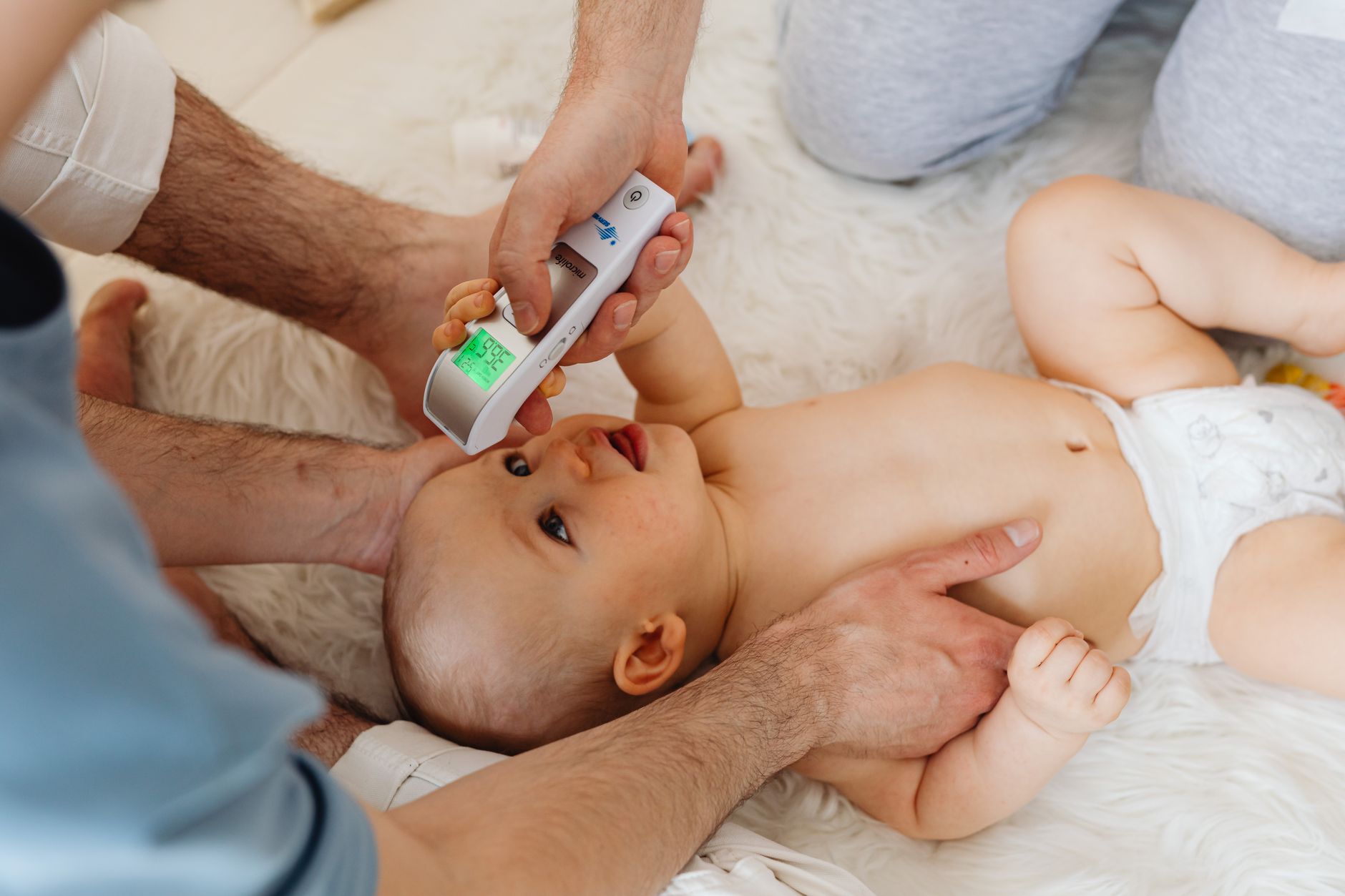
What is the recommended dosage of Children’s Motrin for a 6‑month‑old baby?
For most infants at 6 months of age, the standard pediatric dose of Children’s Motrin (ibuprofen) is 10 mg per kilogram of body weight, administered every 6–8 hours. This translates to roughly 2.5 mL of the 100 mg/5 mL liquid formulation for a baby weighing about 7 kg (15 lb). The calculation is simple:
- Weight (kg) × 10 mg = total milligrams per dose.
- Divide the total mg by the concentration (20 mg per mL) to get the volume in milliliters.
Example: A 6‑month‑old weighing 7 kg needs 70 mg per dose. 70 mg ÷ 20 mg/mL = 3.5 mL. Using a proper oral syringe, you would give 3½ mL.
Remember not to exceed 40 mg/kg per day. For the same 7 kg baby, that’s a maximum of 280 mg daily, or 14 mL total, spread across 3–4 doses. It’s also important to note that ibuprofen is not a “one-size-fits-all” medication. Some babies may metabolize it faster or slower due to genetic differences, hydration status, or underlying health conditions. If your baby has a history of reflux, kidney issues, or allergies, your pediatrician may adjust the dose or recommend an alternative.
Another key point: always use the dropper or syringe that comes with the bottle. Household teaspoons can vary widely in size, leading to under- or overdosing. The FDA and American Academy of Pediatrics (AAP) both emphasize that calibrated dosing devices reduce medication errors by up to 50%. If the syringe is missing, ask your pharmacist for a replacement or use a standard oral syringe available at most drugstores.
Can I give Children’s Motrin to a newborn infant?
If your baby is younger than 6 months and you’re uncertain, call your pediatrician before giving any medication. The risk of kidney stress, gastrointestinal irritation, or masking serious illness (like a bacterial infection) outweighs the modest benefit of ibuprofen in this age group. Newborns, in particular, have a limited ability to excrete drugs, which can lead to toxic buildup. The NHS and ACOG both caution that ibuprofen should not be used in infants under 6 months unless explicitly directed by a healthcare provider.
It’s also worth noting that fever in a newborn is always a medical emergency. If your baby under 3 months has a rectal temperature of 100.4°F (38°C) or higher, seek immediate medical attention. Fever in this age group can signal a serious infection, such as meningitis or a urinary tract infection, which requires prompt treatment with antibiotics.
How many milligrams of ibuprofen are safe for babies under 12 months?
The safe range for infants under 12 months follows the same weight‑based rule: 10 mg/kg per dose, not exceeding 40 mg/kg per day. For a 5‑kg (11‑lb) infant, a single dose would be 50 mg, which equals 2.5 mL of the liquid suspension. The total daily limit would be 200 mg, or 10 mL. However, these numbers are not static. As your baby grows, their dose will change. A 9-month-old weighing 9 kg (20 lb) would need 90 mg per dose, or 4.5 mL, with a daily maximum of 360 mg (18 mL).
Because infants grow quickly, it’s crucial to re‑measure the dose each time you refill the bottle. A baby who gains a pound or two can shift from a safe dose to an excessive one if you continue using the old volume. The AAP recommends weighing your baby at least once a month during the first year to ensure dosing accuracy. If you don’t have a baby scale, most pediatrician offices will weigh your child during well-visits, or you can use a home scale (weigh yourself holding the baby, then subtract your weight).
Another critical factor is hydration. Ibuprofen is processed by the kidneys, and dehydration can impair kidney function, increasing the risk of toxicity. Signs of dehydration in infants include fewer wet diapers (less than 6 in 24 hours), dry mouth, sunken fontanelle (soft spot), and lethargy. If your baby is vomiting or has diarrhea, focus on rehydration with breast milk, formula, or an oral rehydration solution (like Pedialyte) before considering ibuprofen. In such cases, acetaminophen may be a safer choice, as it is less likely to stress the kidneys.
What are the signs of Motrin overdose in infants?
Early recognition of ibuprofen toxicity can prevent serious complications. Watch for:
- Persistent vomiting or diarrhea
- Abdominal pain or bloating
- Lethargy or unusual drowsiness
- Rapid breathing or a fast heart rate
- Decreased urine output (fewer wet diapers)
- Swelling of the face or extremities
- Seizures (in severe cases)
If any of these symptoms appear after a dose, call emergency services or head to the nearest emergency department. Prompt treatment can mitigate kidney injury and gastrointestinal damage. It’s important to understand that ibuprofen overdose can occur even with small excesses. For example, giving a 7 kg baby 5 mL (100 mg) instead of 3.5 mL (70 mg) may not seem like much, but it’s a 43% overdose. Over time, repeated small overdoses can lead to cumulative toxicity, especially in babies with underlying kidney issues.
The most common cause of accidental overdose is miscommunication. For instance, if one parent gives a dose at 8 p.m. and the other gives another dose at 10 p.m. without realizing it, the baby could receive double the safe amount. To prevent this, keep a dosing log (we’ve included a printable template later in this article) and use a shared calendar or app (like Baby Connect or Huckleberry) to track doses. If you’re unsure whether a dose was given, it’s safer to skip it than to risk doubling up.
In the emergency room, treatment for ibuprofen overdose may include activated charcoal (to absorb the drug), intravenous fluids (to support kidney function), and monitoring for complications like metabolic acidosis or gastrointestinal bleeding. The good news is that most infants recover fully with prompt treatment, but prevention is always better than cure.
How often can I give Children’s Motrin to my baby?
The dosing interval for Children’s Motrin is every 6–8 hours, but you should not exceed four doses in a 24‑hour period. This spacing allows the drug’s half‑life (about 2 hours in infants) to clear enough before the next dose, reducing the risk of accumulation. For example, if you give a dose at 8 a.m., the next dose can be given at 2 p.m., then 8 p.m., and finally 2 a.m. if needed. However, it’s best to avoid waking a sleeping baby for medication unless their fever is very high (above 102°F or 38.9°C) or they’re showing signs of discomfort.
Because fever often spikes at night, you may be tempted to give a dose at 2 a.m. and then again at 8 a.m. That’s fine as long as you keep the 6‑hour minimum between doses. Keep a dosing log—paper or a smartphone reminder—to avoid accidental double‑dosing. It’s also important to consider the total daily limit: 40 mg/kg per day. Exceeding this amount can increase the risk of kidney strain and gastrointestinal bleeding, especially in dehydrated infants.
Another factor to consider is the reason for dosing. If your baby has a fever due to a viral infection (like the common cold or flu), ibuprofen can help reduce discomfort and lower the fever. However, if the fever is due to a bacterial infection (like an ear infection or urinary tract infection), ibuprofen may mask symptoms without treating the underlying cause. In such cases, your pediatrician may prescribe antibiotics in addition to fever reducers. Never use ibuprofen as a substitute for medical evaluation if your baby’s fever persists for more than 24 hours or is accompanied by other concerning symptoms (like rash, difficulty breathing, or extreme irritability).
Is it safe to combine Children’s Motrin with other fever reducers for babies?
Combining ibuprofen with acetaminophen (Tylenol) is sometimes recommended for alternating therapy when a fever is stubborn. The key is to alternate, not stack the medications. For example, give ibuprofen at 8 a.m., acetaminophen at 12 p.m., ibuprofen again at 4 p.m., and so on. This approach is often called “staggered dosing” and is supported by the AAP and NHS for infants over 6 months with persistent fevers (above 102°F or 38.9°C).
Both drugs have different mechanisms—ibuprofen reduces inflammation, while acetaminophen lowers temperature and relieves pain. Alternating can provide more consistent fever control without exceeding the maximum dose of either medication. For instance, if your baby’s fever spikes again 4 hours after ibuprofen, you can give acetaminophen to bridge the gap until the next ibuprofen dose is due. This is especially helpful for post-vaccination fevers, which can be unpredictable and may not respond well to a single medication.
However, there are important caveats. Never give both medications at the same time, as this increases the risk of overdose and side effects. Always follow the dosing guidelines for each drug separately. For example, if your baby weighs 7 kg, the ibuprofen dose is 70 mg (3.5 mL), and the acetaminophen dose is 105 mg (5.25 mL of the 160 mg/5 mL suspension). Additionally, if your baby has liver disease, kidney disease, or is on other medications (like certain antibiotics or seizure medications), discuss combination therapy with your pediatrician first. Some drugs, like warfarin or certain antidepressants, can interact with ibuprofen or acetaminophen, increasing the risk of bleeding or liver toxicity.
Another scenario where alternating medications may be helpful is teething pain. Ibuprofen is often more effective for teething because it reduces inflammation in the gums, while acetaminophen may not provide as much relief. However, if your baby is also running a fever, alternating the two can help manage both pain and temperature. Always check with your pediatrician before starting any new medication regimen, especially if your baby has other health conditions or is taking other drugs.
What weight‑based dosage chart does Children’s Motrin use for babies?
Below is a concise weight‑based chart for the 100 mg/5 mL liquid formulation. It aligns with the AAP and FDA recommendations. This chart is designed for infants 6 months and older. For babies under 6 months, consult your pediatrician before using ibuprofen.
| Weight (kg) | Weight (lb) | Dose (mg) | Volume (mL) | Max Daily Dose (mg) | Max Daily Volume (mL) |
|---|---|---|---|---|---|
| 3 kg | 6.6 lb | 30 mg | 1.5 mL | 120 mg | 6 mL |
| 4 kg | 8.8 lb | 40 mg | 2.0 mL | 160 mg | 8 mL |
| 5 kg | 11 lb | 50 mg | 2.5 mL | 200 mg | 10 mL |
| 6 kg | 13.2 lb | 60 mg | 3.0 mL | 240 mg | 12 mL |
| 7 kg | 15.4 lb | 70 mg | 3.5 mL | 280 mg | 14 mL |
| 8 kg | 17.6 lb | 80 mg | 4.0 mL | 320 mg | 16 mL |
| 9 kg | 19.8 lb | 90 mg | 4.5 mL | 360 mg | 18 mL |
| 10 kg | 22 lb | 100 mg | 5.0 mL | 400 mg | 20 mL |
| 11 kg | 24.2 lb | 110 mg | 5.5 mL | 440 mg | 22 mL |
| 12 kg | 26.4 lb | 120 mg | 6.0 mL | 480 mg | 24 mL |
Always use an oral syringe or calibrated dosing device—not a kitchen spoon—to ensure accuracy. If your baby’s weight falls between two rows, round down to the lower dose to stay within safe limits. For example, if your baby weighs 7.5 kg, use the 7 kg row (3.5 mL) rather than the 8 kg row (4 mL). It’s also a good idea to double-check the concentration on the bottle. Some generic versions of Children’s Motrin may have different concentrations (e.g., 50 mg/1.25 mL), which can lead to dosing errors if you’re not careful.
If you’re traveling or away from home, consider bringing a portable baby scale to weigh your child before dosing. Many pharmacies and pediatrician offices also have scales you can use. If you’re unsure about the dose, call your pediatrician or a 24-hour nurse helpline (like the one offered by many insurance plans) for guidance. Never guess—medication errors are a leading cause of emergency room visits in infants.
How does Children’s Motrin compare to acetaminophen for infant fever?
Both drugs are effective for lowering fever, but they differ in mechanism, side‑effect profile, and dosing considerations. Below is a detailed comparison to help you decide which medication may be best for your baby’s situation.
| Aspect | Children’s Motrin (Ibuprofen) | Acetaminophen (Tylenol) |
|---|---|---|
| Mechanism | Non‑steroidal anti‑inflammatory drug (NSAID) – reduces prostaglandins, which cause fever, pain, and inflammation | Analgesic/antipyretic – acts on the hypothalamic heat‑regulation center in the brain to lower fever and relieve pain |
| Typical dose | 10 mg/kg every 6–8 h (max 40 mg/kg/day) | 15 mg/kg every 4–6 h (max 75 mg/kg/day) |
| Onset of fever reduction | 30–60 minutes | 30–60 minutes |
| Duration of action | 6–8 hours | 4–6 hours |
| Side‑effects | GI irritation (nausea, vomiting, stomach pain), possible kidney strain, rare rash or allergic reaction | Rare liver toxicity (usually with overdose or in babies with liver disease) |
| Age restriction | ≥ 6 months (unless prescribed by a pediatrician) | ≥ 2 months (FDA-approved for fever; some pediatricians recommend waiting until 3 months) |
| Best for | Pain with inflammation (e.g., teething, ear infection, post-vaccination soreness), high fevers (above 102°F or 38.9°C) | Simple fever or mild pain without inflammation, babies under 6 months, dehydrated infants, or those with kidney issues |
| Drug interactions | Can interact with blood thinners (e.g., warfarin), certain blood pressure medications, and other NSAIDs (e.g., aspirin) | Can interact with alcohol, certain seizure medications, and other drugs metabolized by the liver |
| Special considerations | Avoid in babies with asthma, kidney disease, or bleeding disorders; may mask signs of infection | Avoid in babies with liver disease or those taking other medications that affect the liver |
When a fever is high and persistent, many clinicians suggest ibuprofen for its longer duration, especially if the infant has inflammatory pain (like from an ear infection or teething). However, if the baby is dehydrated, has a history of kidney issues, or is under 6 months, acetaminophen is the safer first choice. The NHS and AAP both note that acetaminophen is less likely to cause gastrointestinal irritation or kidney strain, making it a better option for babies with sensitive stomachs or those recovering from a stomach virus.
Another key difference is post-vaccination fever. Some studies suggest that ibuprofen may slightly reduce the immune response to certain vaccines (like the MMR or chickenpox vaccine) if given prophylactically (before the fever starts). For this reason, the CDC and AAP recommend waiting until after the vaccine is administered to give ibuprofen, and only if the baby develops a fever or discomfort. Acetaminophen, on the other hand, does not appear to affect vaccine efficacy and can be given before or after vaccination if needed.
How long does Motrin stay in a baby’s system?
Ibuprofen’s half‑life in infants is roughly 2 hours, meaning the concentration drops by half every two hours. After about five half‑lives (≈10 hours), the drug is essentially cleared. However, the therapeutic effect can last up to 6–8 hours, which aligns with the recommended dosing interval. For example, if you give a dose at 8 a.m., the medication will still be providing fever and pain relief at 2 p.m., even though most of it has been metabolized and excreted by the kidneys.
Factors that can prolong clearance include dehydration, existing kidney impairment, or concurrent use of other NSAIDs. Ensuring your baby stays well‑hydrated and avoiding other NSAID‑containing products (like certain cold medicines or teething gels) helps maintain normal elimination. Dehydration is particularly risky because it reduces blood flow to the kidneys, slowing the excretion of ibuprofen and increasing the risk of toxicity. Signs of dehydration include fewer wet diapers, dry mouth, sunken eyes, and lethargy. If your baby is vomiting or has diarrhea, focus on rehydration before giving ibuprofen, or opt for acetaminophen instead.
Another factor that can affect how long ibuprofen stays in your baby’s system is genetics. Some babies metabolize drugs faster or slower due to genetic variations in liver enzymes. For example, babies with a variation in the CYP2C9 gene may process ibuprofen more slowly, increasing the risk of side effects. While genetic testing for drug metabolism is not routine in pediatrics, it’s something your pediatrician may consider if your baby has an unusual reaction to ibuprofen or other medications.
It’s also worth noting that ibuprofen is highly protein-bound, meaning it attaches to proteins in the blood and is carried to tissues throughout the body. In infants, protein levels are lower than in adults, which can affect how the drug is distributed and metabolized. This is one reason why dosing is based on weight rather than age, and why it’s so important to follow the guidelines closely.

What should I do if I accidentally give my baby too much Motrin?
Accidental overdoses happen—maybe you misread the syringe, used the wrong concentration, or forgot you’d already given a dose. If you realize you’ve given too much Children’s Motrin, stay calm but act quickly. The first step is to calculate how much ibuprofen your baby received. For example, if you gave 5 mL of the 100 mg/5 mL suspension to a 7 kg baby, that’s 100 mg, or 14.3 mg/kg (100 mg ÷ 7 kg). While this is above the recommended 10 mg/kg per dose, it’s still below the 40 mg/kg daily limit, so it’s unlikely to cause serious harm. However, if you gave 10 mL (200 mg) to the same baby, that’s 28.6 mg/kg, which is closer to the daily limit and could cause symptoms like vomiting or lethargy.
If the overdose is small (less than 20 mg/kg), monitor your baby closely for signs of toxicity (vomiting, lethargy, rapid breathing, or decreased urine output). Offer plenty of fluids to support kidney function, and avoid giving any more ibuprofen or other NSAIDs for at least 24 hours. If your baby is acting normally and has no symptoms, you can likely continue with supportive care at home. However, if the overdose is larger (more than 20 mg/kg) or your baby shows any concerning symptoms, call Poison Control (1-800-222-1222 in the U.S.) or seek emergency medical attention immediately.
In the emergency room, treatment for ibuprofen overdose may include:
- Activated charcoal: Given within 1–2 hours of ingestion, this can help absorb the drug and prevent it from entering the bloodstream. It’s most effective if given early, so don’t wait for symptoms to appear.
- Intravenous fluids: To support kidney function and prevent dehydration. This is especially important if your baby is vomiting or has diarrhea.
- Blood tests: To check kidney function (creatinine and BUN levels) and electrolyte balance. Ibuprofen overdose can cause metabolic acidosis, a condition where the blood becomes too acidic.
- Monitoring: For signs of gastrointestinal bleeding, kidney failure, or neurological symptoms (like seizures). Most infants recover fully with prompt treatment, but severe cases may require hospitalization.
To prevent accidental overdoses, always:
- Use the dosing device that comes with the medication.
- Double-check the concentration on the bottle (e.g., 100 mg/5 mL vs. 50 mg/1.25 mL).
- Keep a dosing log to track when and how much you’ve given.
- Store medications out of reach of children, even if they’re “child-resistant.”
- Avoid giving ibuprofen to babies under 6 months unless directed by a pediatrician.
Can I give Children’s Motrin to my baby for teething pain?
Teething can be a challenging time for both babies and parents. The discomfort, drooling, and sleepless nights can make you desperate for relief. Children’s Motrin (ibuprofen) is often recommended for teething pain because it reduces inflammation in the gums, which is the primary source of discomfort. The AAP and American Academy of Pediatric Dentistry (AAPD) both note that ibuprofen is more effective than acetaminophen for teething pain because of its anti-inflammatory properties. However, there are some important considerations to keep in mind.
First, ibuprofen should only be used for teething in babies 6 months and older. For younger babies, acetaminophen is the safer choice. Second, teething pain is usually intermittent, so you may not need to give medication around the clock. Instead, try offering a chilled (not frozen) teething ring or a clean, damp washcloth for your baby to gnaw on. The cold can numb the gums and provide temporary relief. You can also gently massage your baby’s gums with a clean finger to ease discomfort.
If you do decide to use ibuprofen for teething, follow the standard dosing guidelines: 10 mg/kg per dose, every 6–8 hours, not exceeding 40 mg/kg per day. For example, a 7 kg baby would receive 70 mg (3.5 mL) per dose. It’s best to give the medication after a feeding, as food can help protect the stomach lining from irritation. Avoid giving ibuprofen on an empty stomach, as this can increase the risk of nausea or vomiting.
There are also some teething myths to avoid:
- Myth: Teething causes high fever. Fact: While teething can cause a slight rise in temperature (up to 100.4°F or 38°C), it does not cause high fevers (above 101°F or 38.3°C). If your baby has a high fever, it’s likely due to an infection, and you should contact your pediatrician.
- Myth: Teething gels with benzocaine are safe for babies. Fact: The FDA warns against using benzocaine-containing teething gels (like Orajel) in babies under 2 years old due to the risk of methemoglobinemia, a rare but serious condition that reduces oxygen in the blood.
- Myth: Amber teething necklaces reduce teething pain. Fact: There is no scientific evidence that amber teething necklaces work, and they pose a choking and strangulation hazard. The AAP and FDA both recommend against using them.
If your baby’s teething pain seems severe or is accompanied by other symptoms (like diarrhea, rash, or high fever), it’s a good idea to check with your pediatrician. Sometimes, what seems like teething is actually an ear infection or another condition that requires medical attention.
How do I store Children’s Motrin safely?
Proper storage of Children’s Motrin is just as important as proper dosing. Ibuprofen is sensitive to light, heat, and moisture, so storing it incorrectly can degrade the medication and reduce its effectiveness. Here’s how to store it safely:
- Keep it in the original container: The bottle is designed to protect the medication from light and moisture. Transferring it to another container (like a pill organizer) can expose it to air and humidity, which can break down the drug over time.
- Store at room temperature: The ideal storage temperature for ibuprofen is between 68°F and 77°F (20°C and 25°C). Avoid storing it in the bathroom, where humidity and temperature fluctuations are common, or in the car, where temperatures can get too hot or too cold.
- Keep it out of reach: Store Children’s Motrin in a high cabinet or locked box, away from children and pets. Even though the bottle has a child-resistant cap, it’s not childproof. Accidental ingestion is a leading cause of poisoning in young children.
- Check the expiration date: Ibuprofen typically expires 1–2 years after the manufacture date. Expired medication may not work as well and could potentially cause harm. If your bottle is expired, dispose of it properly (see below).
- Avoid contamination: Always use the dosing device that comes with the medication, and never use a household spoon. If the syringe or dropper becomes dirty, wash it with warm, soapy water and rinse thoroughly before the next use.
If you’re traveling, keep Children’s Motrin in your carry-on luggage rather than checked baggage. Temperature extremes in the cargo hold can degrade the medication. If you’re flying, you can bring the original bottle with the prescription label, but it’s not required for over-the-counter medications. However, if you’re traveling internationally, check the local regulations, as some countries have restrictions on bringing medications across borders.
How to dispose of expired or unused Children’s Motrin:
- Do not flush it down the toilet or pour it down the drain. This can contaminate water supplies.
- Do not throw it in the trash. Children or pets could find it.
- Use a drug take-back program. Many pharmacies and police stations have drop-off boxes for unused medications. You can find a location near you on the DEA’s website.
- Mix it with an unpalatable substance. If no take-back program is available, mix the liquid medication with something like coffee grounds, cat litter, or dirt, then seal it in a plastic bag and throw it in the trash.
- Remove personal information. Before disposing of the bottle, scratch out or remove any labels with your child’s name or other identifying information.
Can I give my baby generic ibuprofen instead of Children’s Motrin?
Yes, generic ibuprofen is just as safe and effective as brand-name Children’s Motrin. The active ingredient in both is ibuprofen, and the FDA requires generic medications to meet the same standards for quality, strength, purity, and stability as their brand-name counterparts. In fact, many generic versions are made

