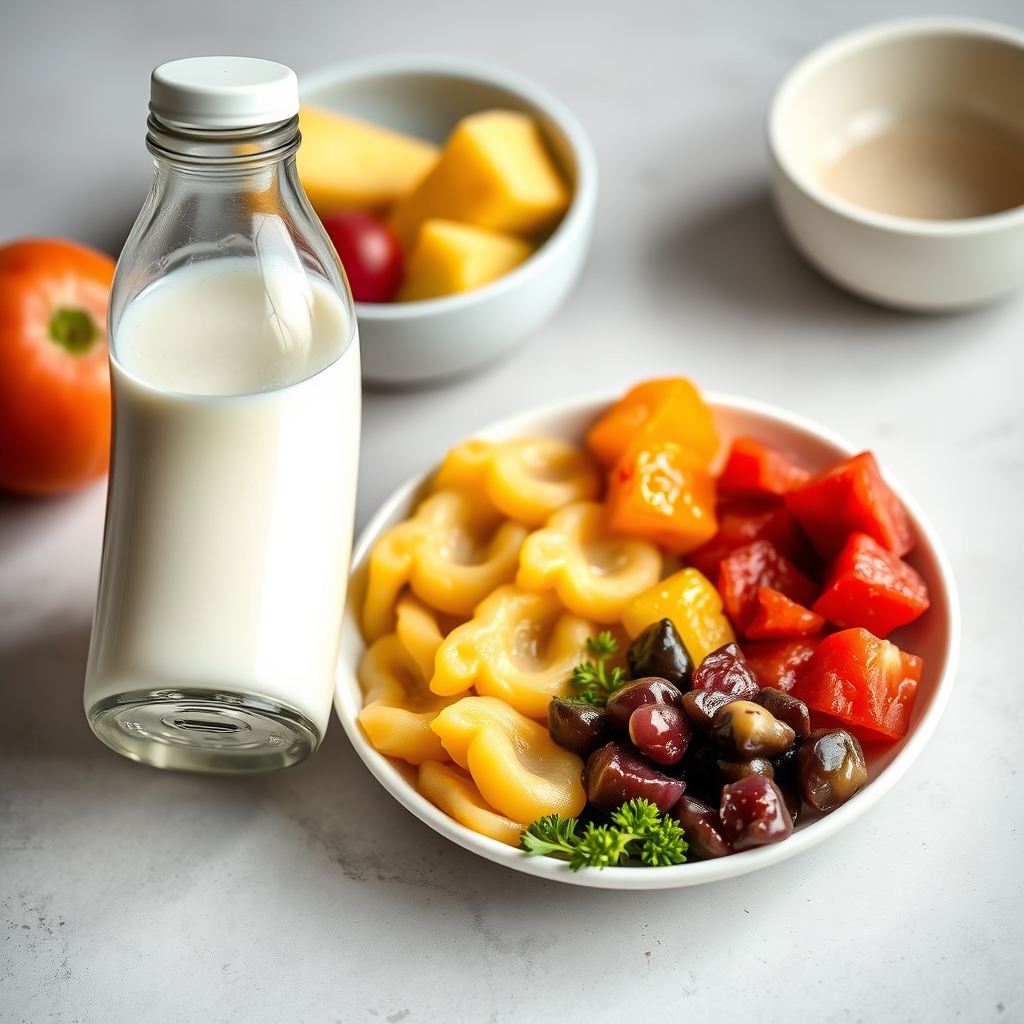
When solids are introduced, the AAP notes that breastmilk should still make up about 70‑80 % of total calories at 6 months. In practical terms, that means a baby who eats 2‑3 ounces of pureed fruit or vegetable per day will still aim for roughly 20‑25 ounces (590‑740 ml) of breastmilk.
Studies from the Academy of Nutrition and Dietetics show that babies who receive a balanced mix of solids and breastmilk maintain similar weight trajectories to those who are exclusively breastfed, provided the solid foods are iron‑rich and low‑sugar. The takeaway? Solids replace a modest portion of breastmilk, not the majority.
How many ounces per feeding when solids are part of the diet?
With solids on the schedule, many parents find a pattern of 4‑5 ounces (120‑150 ml) per feed works well for 4‑5 daily nursing sessions, plus a small “milk‑only” feed before bedtime. This keeps the baby satisfied without over‑filling their tiny stomachs, which average 180‑210 ml at this age.
Because the stomach capacity is still limited, offering a brief pause during a bottle feed can help the infant recognize satiety cues. If the baby stops sucking for more than a few seconds, it’s usually a sign they’ve had enough, even if the bottle still contains milk.
How can I tell if my 6‑month‑old baby is getting enough breastmilk?
Instead of obsessing over exact ounces, focus on the following reliable signs:
- Wet diapers: ≥ 4‑6 per day, each at least 2‑3 inches of wetness.
- Stool consistency: Soft, yellow‑gold, and not overly watery.
- Weight gain: Steady increase on the growth curve (≈ 1‑2 ounces per week).
- Contented demeanor: Calm after feeds, with occasional “thumb‑sucking” for comfort rather than hunger.
- Regular feeding rhythm: No prolonged fussiness that lasts > 2 hours after a feed.
These cues form a practical symptoms checklist that many pediatricians use to assess adequacy without needing precise volume measurements.
When should I worry about insufficient intake?
If you notice fewer than 4 wet diapers, weight loss or a plateau on the growth chart for more than two weeks, or your baby seems consistently fussy and uninterested in feeds, it’s time to contact your pediatrician. Dehydration signs—dry mouth, sunken fontanelle, or lethargy—require immediate medical attention.
In some cases, a hidden medical issue such as reflux or a mild tongue‑tie can affect feeding efficiency. If your baby seems to tire quickly during a feed or has persistent coughing, bring these observations to your provider; early detection can prevent longer‑term feeding problems.
How do I know if my 6‑month‑old is still hungry after a feeding?
Babies have innate hunger and satiety signals, though they can be subtle. After a feed, look for these cues:
- Rooting or hand‑to‑mouth motions: Indicates continued interest in sucking.
- Increased alertness: If the baby is wide‑eyed and active, they may still be hungry.
- Shorter feeding intervals: Feeding again within 30‑45 minutes could suggest the previous session was insufficient.
Conversely, signs of fullness include turning the head away, relaxed hands, and a slow, rhythmic breathing pattern. If you’re unsure, try offering a few more minutes of nursing; many babies will self‑regulate and stop on their own.
Practical ways to check intake without a scale
Test‑weighing—placing the baby on a precise kitchen scale before and after a feed—can estimate how many milliliters were taken (1 ounce ≈ 30 ml). While not necessary for every feeding, doing this a few times a week can give you confidence in the overall volume.
Another low‑tech method is to track the number of “sips” a baby takes from a bottle. Most bottles have volume markings; noting how many lines the baby passes can give a rough idea of intake without the need for a scale.
Does breastmilk volume change when a baby starts solids at 6 months?
Yes, but the change is usually modest. A 2022 review in Nutrition Reviews found that breastmilk intake drops by an average of 10‑15 % within the first month of solid‑food introduction, then stabilizes. The decrease reflects the baby’s growing desire for new textures and flavors, not a failure of milk supply.
Most parents see a shift from 30 ounces per day to roughly 25‑27 ounces (740‑800 ml) after solids become regular. If you’re supplementing with formula, the overall liquid intake (milk + formula) generally stays within the 24‑30 ounce range.
Because the infant’s gut is still maturing, a sudden jump in solid‑food calories can temporarily reduce appetite for milk. Gradually increasing the texture—from purees to soft‑cooked pieces—helps the baby adapt without a steep decline in milk consumption.
How to smoothly transition without losing milk supply
Maintain a consistent nursing schedule—preferably on the same side of the breast each day—to signal your body to keep producing. Offer breastmilk first, then follow with solids. This “milk‑first” approach helps preserve supply while still allowing the baby to explore new foods.
If you notice a sharp drop in milk intake, consider a brief “milk‑only” window each day (for example, after a morning feed) to reinforce demand. This strategy is endorsed by lactation consultants and aligns with ACOG guidance on maintaining lactation after solid‑food introduction.
How many breastfeeds per day are typical for a 6‑month‑old infant?
Most 6‑month‑old infants nurse 5‑6 times per 24‑hour period. The pattern often looks like:
- Morning feed (once the baby wakes)
- Mid‑morning feed
- Early afternoon feed
- Late afternoon/evening feed
- Bedtime feed
- Optional “dream feed” around 10 p.m. (especially for babies who sleep longer at night)
This schedule provides roughly 4‑5 ounces per session, matching the daily total we discussed earlier. Some babies may cluster feeds (two close together) and then have a longer stretch, which is normal as long as overall volume is met.
Feeding frequency for mixed‑fed infants
If you’re supplementing with formula, the number of nursing sessions may drop to 4‑5 per day, with 2‑3 formula bottles (4‑6 ounces each) spread between meals. The key is to keep a regular rhythm that works for both you and the baby.
Remember that formula has a slightly higher protein content than breastmilk, so babies may feel fuller sooner. Adjusting the timing of solid meals to follow the formula feed can prevent over‑fullness and keep digestive comfort optimal.
How does breastmilk amount differ between a 5‑month‑old and a 6‑month‑old baby?
Between months 5 and 6, babies typically gain an additional 0.5‑1 ounce (15‑30 ml) of daily intake. This reflects the growth spurt that often occurs around the 6‑month mark. By month 5, many infants consume 22‑26 ounces (650‑770 ml) per day; by month 6, the range shifts to 24‑30 ounces (710‑890 ml).
The increase is gradual, not abrupt. Parents may notice that the baby seems slightly hungrier during the final weeks of month 5, prompting a few extra minutes at the breast or a slightly larger bottle. Monitoring weight gain remains the gold standard for confirming that the baby is thriving.
Some clinicians also track the “milk‑to‑solid” ratio during this transition, noting that a 5‑month‑old may still be getting 90 % of calories from milk, whereas by 6 months it settles near 80 %—a shift that aligns with developmental readiness for textures.
How much breastmilk should a 6‑month‑old get if they are exclusively breastfed?
Exclusive breastfeeding at 6 months still aims for the 24‑30 ounce (710‑890 ml) range. Since no formula or solid calories replace milk, the baby’s appetite may be slightly higher, especially during growth spurts. Many exclusive breastfeeders find that offering the breast “on demand” (whenever the baby shows hunger cues) naturally meets the target without needing to count ounces.
For parents who prefer a rough daily estimate, a simple method is to multiply the number of feedings (usually 5‑6) by the average volume per feed (≈ 4‑5 ounces). This yields a total that sits comfortably within the recommended range.
If weight gain stalls, or if you’re returning to work and need more flexibility, supplementing with iron‑fortified formula can be a safe option. The AAP recommends no more than 32 ounces (≈ 950 ml) of total milk (breast + formula) per day for infants 6‑12 months to avoid displacing solid‑food calories.
Introducing formula does not diminish the benefits of earlier breastfeeding; rather, it ensures that the infant receives adequate iron and vitamin D once solid foods become the primary source of these nutrients.
What is a normal feeding schedule for a 6‑month‑old baby?
A typical day might look like this:
The schedule is flexible; the most important metric is that the total daily milk stays within the 24‑30 ounce window and that your baby continues to gain weight appropriately.
How many ounces of breastmilk per feeding for a 6‑month‑old baby?
Most experts suggest 4‑5 ounces (120‑150 ml) per feed when nursing 5‑6 times daily. If you’re bottle‑feeding, aim for 5‑6 ounces (150‑180 ml) per bottle and space them about 3‑4 hours apart, adjusting based on your baby’s cues.
For babies who seem to “guzzle” quickly, you can break a larger bottle into two smaller ones offered 30 minutes apart. This mimics the natural pacing of breastfeeding and helps prevent over‑feeding.
Can a 6‑month‑old baby drink too much breastmilk?
While it’s rare for a baby to over‑consume breastmilk on demand (the baby usually self‑regulates), excessive intake can happen if the infant is consistently forced to finish a bottle that is larger than they need. Signs of over‑feeding include frequent spit‑up, unusually soft stools, and a tendency to be “gassy” after feeds.
For exclusively breastfed babies, the risk is low because they stop sucking when they’re satisfied. With bottles, choose a size that matches the 4‑6 ounce range and let the baby dictate when to stop. If you notice persistent over‑feeding symptoms, consult your pediatrician to rule out reflux or other gastrointestinal concerns.
Natural ways to balance intake
If you suspect your baby is drinking more than they need, try the following gentle adjustments:
- Offer smaller bottles: 4‑5 ounce bottles can help the baby take what they truly want.
- Pause before finishing: Give the baby a moment to decide if they’re still hungry.
- Increase solids gradually: As solids become more calorie‑dense, the baby may naturally reduce milk intake.
Another strategy is “responsive feeding,” where you watch for early satiety cues (turning the head away, relaxed hands) and stop the feed even if the bottle isn’t empty. This approach aligns with AAP recommendations for preventing over‑feeding in the first year.
Impact of introducing solid foods on breastmilk consumption at 6 months
Solid foods provide new nutrients—especially iron and zinc—but they also shift the infant’s eating pattern. Research from the WHO’s 2021 infant‑feeding guidelines indicates that after the first month of solids, the proportion of calories from breastmilk typically drops from 90 % to about 70‑80 %.
Practically, this means a baby who previously drank 30 ounces may settle at 24‑26 ounces after solids become routine. The key is to keep offering breastmilk first, then follow with a small amount of solid food (1‑2 tablespoons) and watch how the baby responds. If the baby seems satisfied after the solids, you might see a modest decline in milk volume, which is perfectly normal.
Sample solid‑food schedule for a 6‑month‑old
- Morning: Breastmilk (4‑5 oz) → 1‑2 tbsp iron‑fortified cereal.
- Mid‑day: Breastmilk (4‑5 oz) → 1‑2 tbsp pureed vegetables.
- Evening: Breastmilk (4‑5 oz) → 1‑2 tbsp fruit puree.
As your baby’s appetite for solids grows (usually around 8‑9 months), you’ll gradually replace a larger portion of the milk with food, but the total caloric intake should remain steady.
How to store and thaw expressed breastmilk for a 6‑month‑old
Many parents begin pumping as the baby’s schedule becomes more variable. The CDC advises that freshly expressed breastmilk can be kept at room temperature (up to 25 °C/77 °F) for up to 4 hours, in the refrigerator for 4 days, or in a freezer for 6 months (deep freezer) to 12 months (standard freezer). Always label containers with the date and time of expression.
When you need to thaw frozen milk, place the bottle in the refrigerator overnight or hold it under warm water. Avoid microwaving, as uneven heating can create hot spots that burn a baby’s mouth. Once thawed, use the milk within 24 hours and never refreeze. A simple “milk‑first” routine—offering a small amount of expressed milk before a solid meal—helps maintain a familiar feeding rhythm even when the milk comes from a bottle.
Tips for maintaining supply while using expressed milk
- Pump at the same times you would normally nurse to signal your body to produce.
- Store milk in BPA‑free, pre‑sterilized containers to preserve quality.
- Rotate your freezer stock (first‑in, first‑out) so older milk is used before newer batches.
Nutrition and hydration for nursing mothers of a 6‑month‑old
Maternal diet directly influences milk composition, especially the fatty‑acid profile and vitamin content. The Academy of Nutrition and Dietetics recommends that lactating mothers consume an additional 450 kcal per day, focus on lean proteins, whole grains, and a variety of colorful fruits and vegetables. Adequate fluid intake—roughly 3 liters of water daily—helps sustain milk volume.
Key nutrients for a 6‑month‑old include iron, vitamin D, and omega‑3 fatty acids. While breastmilk provides most of these, many clinicians advise a daily vitamin D supplement of 400 IU for the infant, and a prenatal‑type multivitamin for the mother to cover any gaps.
Common maternal concerns
Some nursing mothers worry about low supply after introducing solids. Research published by the Journal of Human Lactation shows that maintaining regular pumping or nursing sessions, even if shorter, usually preserves supply. If you experience persistent low output, a lactation consultant can assess latch, pumping technique, and hormonal factors.
Understanding growth curves and what they mean for milk intake
Growth charts from the CDC and WHO are tools that translate weight, length, and head‑circumference measurements into percentiles. For a 6‑month‑old, staying within the 5th‑95th percentile range is considered normal. A steady upward trajectory—roughly 1‑2 ounces (30‑60 g) per week—is a reliable sign that milk intake is adequate.
If a baby’s curve flattens for two consecutive visits, the pediatrician may recommend a “milk‑challenge” (offering a larger volume at one feeding) or a brief increase in formula to ensure caloric needs are met. Conversely, a rapid jump across several percentiles could indicate over‑feeding or a medical condition that warrants evaluation.
Keeping a simple log—date, number of wet diapers, and approximate milk volume—can help you and your provider spot trends early, reducing anxiety and unnecessary interventions.
Myth vs. Fact
Myth: A 6‑month‑old must drink exactly 28 ounces of breastmilk every day.
Fact: The recommended range is 24‑30 ounces; individual needs vary based on growth, solids, and feeding frequency.
Myth: Once solids start, breastmilk becomes unnecessary.
Fact: Breastmilk (or formula) still provides the majority of calories and essential antibodies through at least the first year.
Myth: If a baby finishes a bottle, they must be hungry.
Fact: Babies often finish a bottle out of habit; watching for hunger cues is more reliable than volume alone.
Key takeaways
- Typical daily breastmilk intake for a 6‑month‑old is 24‑30 ounces (≈ 710‑890 ml).
- Introduce solids while still offering breastmilk first; milk will usually drop by only 10‑15 %.
- Watch wet diapers, weight gain, and contented cues rather than obsess over exact ounces.
- Feed 5‑6 times a day; each session is about 4‑5 ounces (120‑150 ml).
- Test‑weighing can help estimate volume if you’re uncertain.
- Call a pediatrician if wet diapers fall below 4 per day, weight stalls, or you notice signs of dehydration.
- Store expressed milk safely, stay hydrated, and track growth curves to ensure adequate intake.
Frequently asked questions
How many ounces of breastmilk does a 6‑month‑old need each day?
Most experts recommend 24‑30 ounces (710‑890 ml) daily, depending on whether solids or formula are part of the diet. This range supports steady growth and provides the bulk of calories and antibodies.
Is it normal for a 6‑month‑old to drink less breastmilk after starting solids?
Yes. After solids are introduced, breastmilk volume typically drops by about 10‑15 %. The baby still receives most calories from milk, and the reduction is a sign of healthy diversification.
What are the signs that my 6‑month‑old is getting enough breastmilk?
Key indicators include 4‑6 wet diapers daily, consistent weight gain (≈ 1‑2 ounces per week), soft yellow stools, and a calm, satisfied demeanor after feeds.
How often should I breastfeed a 6‑month‑old baby?
Most infants nurse 5‑6 times per 24‑hour period. This can be adjusted based on your baby’s hunger cues, nighttime sleep stretches, and any supplemental formula or solid foods.
Can a 6‑month‑old baby get enough nutrition from breastmilk alone?
Absolutely. Breastmilk alone provides all essential nutrients, antibodies, and fluid needs for the first six months, and remains a primary source even after solids begin.
When should I start measuring my baby’s breastmilk intake?
Measuring is optional but can be helpful if you notice fewer wet diapers, stalled weight gain, or are transitioning to mixed feeding. Test‑weighing before and after a feed a few times a week can give you a reliable estimate.
Do I need to give my 6‑month‑old vitamin D supplements if they’re breastfed?
The American Academy of Pediatrics recommends a daily 400 IU vitamin D supplement for all exclusively breastfed infants beginning at birth, continuing through the first year. This helps prevent rickets, especially as sunlight exposure may be limited.
What are common feeding challenges at 6 months and how can I address them?
Typical hurdles include gagging on new textures, temporary refusal of solids, and occasional reflux after larger feeds. Offer tiny spoonfuls, keep the baby upright for 20‑30 minutes after feeding, and consider a smaller, more frequent feeding schedule to ease discomfort.
When to see a doctor or specialist
If you notice any of the following red‑flag symptoms, contact your pediatrician promptly:
- Fewer than 4 wet diapers in a 24‑hour period.
- Weight loss or a plateau on the growth curve for more than two weeks.
- Persistent vomiting, severe reflux, or constant spit‑up.
- Signs of dehydration: dry mouth, sunken fontanelle, lethargy.
- Excessive fussiness that does not improve after feeding.
These concerns are best addressed by a pediatrician or, if specialized feeding issues arise, a pediatric lactation consultant. Remember, this article is for informational purposes only and does not replace personalized medical advice.
References
- American Academy of Pediatrics. “Breastfeeding and the Use of Human Milk.” AAP Policy Statement, 2022.
- National Health Service (UK). “Breastfeeding for Babies.” NHS Guidance, 2023.
- Academy of Nutrition and Dietetics. “Infant Feeding: Introducing Solids.” Position Paper, 2021.
- World Health Organization. “Infant and Young Child Feeding.” WHO Guidelines, 2021.
- Nutrition Reviews. “Impact of Solid Food Introduction on Breastmilk Intake.” 2022 review article.
- Harvard T.H. Chan School of Public Health. “Infant Nutrition and Growth.” 2023 resource.
- American College of Obstetricians and Gynecologists. “Nutrition During Pregnancy and Lactation.” ACOG Committee Opinion, 2022.
- Centers for Disease Control and Prevention. “Growth Charts – Infants.” CDC Data, 2023.
- Centers for Disease Control and Prevention. “Proper Storage of Human Milk.” CDC Guidelines, 2022.
- American Academy of Pediatrics. “Vitamin D Supplementation for Infants.” AAP Clinical Report, 2021.
- Journal of Human Lactation. “Maternal Pumping Frequency and Milk Supply.” 2020 study.
- National Institute of Child Health and Human Development. “Feeding Challenges in the First Year.” NICHD Publication, 2021.