

Quick take: Most women’s fertility returns within one to three months after stopping hormonal birth control, and many can conceive as soon as their first natural ovulation occurs. The exact timing depends on the method you used—pills, patches, rings, injections, IUDs, or implants each have their own “rebound” schedule. If you haven’t gotten pregnant after six months of trying, it’s a good idea to check in with your provider. Remember, your body’s timeline is unique, and factors like age, health, and lifestyle can influence how quickly your cycles normalize.
It’s 2 a.m., you’ve just finished a glass of water, and a sudden flutter of worry hits you: “Did I stop the birth-control pill at the right time? How long will it take before I can actually try for a baby?” You’re not alone. Many people wonder whether the method they’ve relied on for years will delay their next pregnancy, and the answer isn’t always a simple “yes” or “no.” The good news? Your body is designed to bounce back, and with a little patience and preparation, you’ll be ready to start this new chapter.
In this article, we’ll walk through the science behind each type of contraception, lay out the typical timeline for the return of ovulation, and give you practical steps to boost your chances of conceiving when you’re ready. We’ll also debunk the myth that birth control causes permanent infertility, explain how to track your body’s signals, and help you understand when to seek support if things don’t go as planned. By the end, you’ll have a clear roadmap for what to expect—and how to feel more in control of the process.
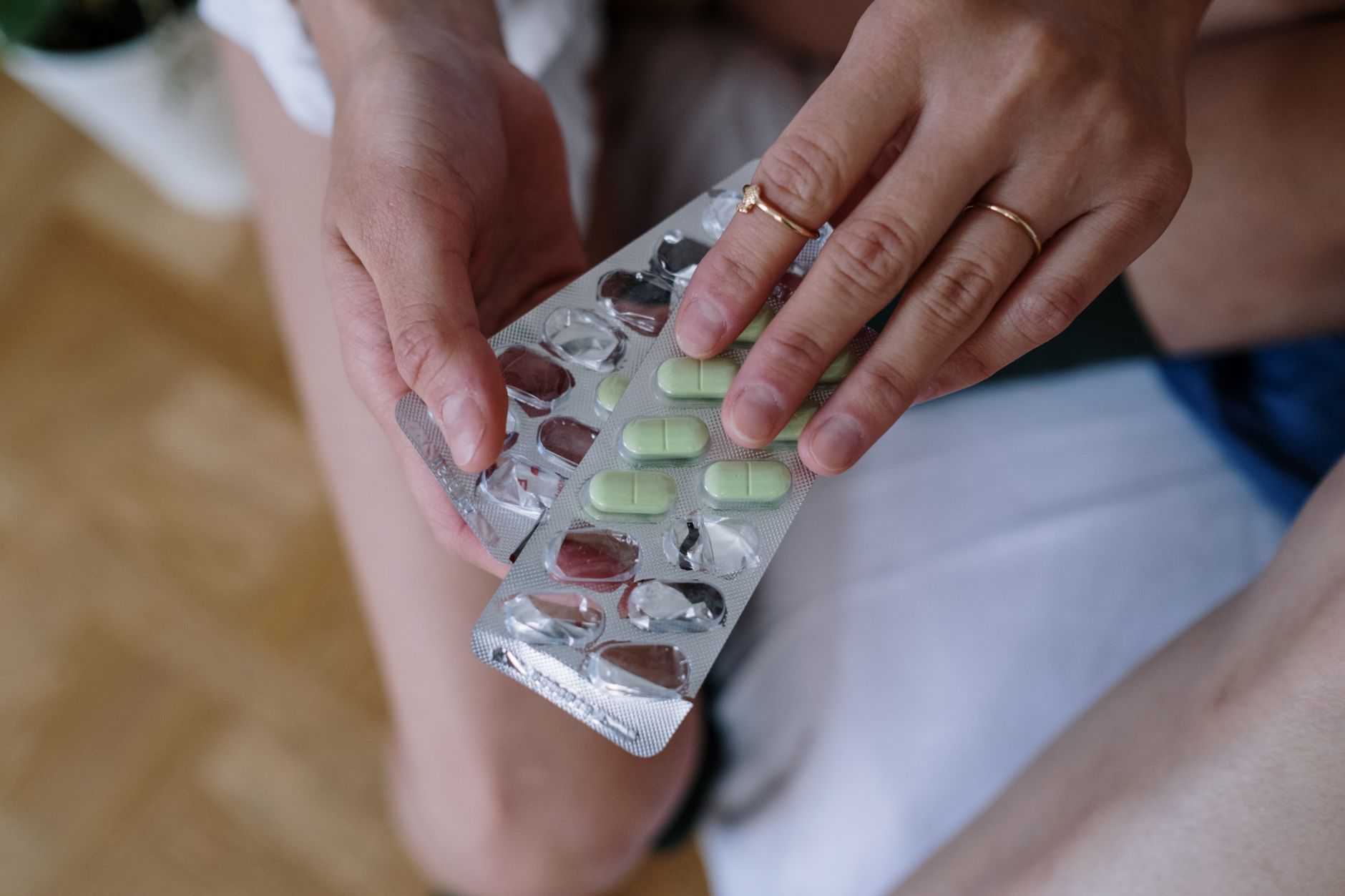
How long after stopping birth control can I get pregnant?
When you stop a hormonal method, your body needs time to readjust its own hormone production. Most clinicians tell patients that the first natural ovulation can happen anywhere from two weeks to three months after the last active dose, depending on the method. In practice, many people conceive within the first three cycles, especially if they had regular cycles before starting contraception. But here’s the key: your body’s timeline is as unique as you are. Some women ovulate within days of stopping the pill, while others might take a few months to see their first natural period. Neither is cause for alarm—it’s simply your body finding its rhythm again.
For combined oral contraceptives (the “pill”), the hormone levels drop quickly once you miss the active pills. Ovulation typically returns in the first cycle after the placebo week, but it can be delayed if you missed pills in the weeks leading up to stopping, or if you have underlying thyroid or PCOS issues. The same principle applies to the contraceptive patch and vaginal ring—both deliver estrogen and progestin, and once removed, the hormone supply is cut off. However, it’s worth noting that the patch and ring release hormones through the skin or vaginal tissue, which can sometimes lead to a slightly slower clearance from your system compared to oral pills. This might mean a week or two of extra patience before your first ovulation.
In contrast, long-acting reversible contraceptives (LARCs) such as the copper IUD, hormonal IUD, and sub-dermal implants release hormones or create a hostile environment for sperm over months or years. After removal, the copper IUD offers an immediate return to fertility—most women ovulate in the first cycle, and many become pregnant within the first two months. The hormonal IUD and implant, however, require a brief “wash-out” period. Hormone levels drop within a few weeks, but the endometrial lining may need one full cycle to normalize. The Depo-Provera injection is the most delayed; its progestin can linger for up to 14 weeks, meaning the first ovulation may not appear until the fifth month after the last shot. If you’re coming off Depo, it’s especially helpful to track your cycles with ovulation predictor kits (OPKs) or basal body temperature (BBT) charts to pinpoint when your fertility has returned.
Age, overall health, and lifestyle also influence how quickly you become fertile again. Women under 35 with no underlying conditions often see a faster return than those over 40, who may already have a natural decline in egg quality. Stress, extreme weight loss or gain, and intense exercise can also push ovulation back a few weeks. For example, if you’ve recently started a new job, moved, or experienced a major life change, your body might take a little longer to regulate its cycles. Similarly, if you’ve lost or gained a significant amount of weight, your hormones may need extra time to rebalance. This isn’t a sign of infertility—just your body’s way of prioritizing stability before fertility.
Below is a quick snapshot of typical timelines for the return of ovulation and pregnancy after stopping different birth control methods:
- Combined pill, patch, ring: 2–6 weeks for ovulation; many conceive within 1–3 months
- Hormonal IUD (Mirena, Kyleena): 4–8 weeks for ovulation; median time to pregnancy is 2.5 months
- Copper IUD (Paragard): 2–4 weeks for ovulation; many conceive within 1–2 months
- Implant (Nexplanon): 4–12 weeks for ovulation; 70% conceive within 3 months
- Depo-Provera injection: 12–16 weeks for ovulation; median time to pregnancy is 5–6 months
Most experts, including the American College of Obstetricians and Gynecologists (ACOG), advise waiting at least one natural menstrual cycle before trying to conceive. This gives you a clear baseline for tracking ovulation and hormone levels. However, if you’re eager to start trying right away, there’s no medical harm in having intercourse during the first cycle after stopping—just be prepared for a possible delay in a positive pregnancy test. If you’re coming off a method like the implant or Depo, you might want to give your body a little extra time to regulate before actively trying. This can help you avoid unnecessary stress if conception doesn’t happen immediately.
Does the pill affect fertility timeline after quitting?
What does change is the “withdrawal bleed” that mimics a period. After you finish the placebo week, you may experience a bleed that is lighter, shorter, or even absent compared to your natural periods before you started the pill. This can make it tricky to pinpoint the first ovulation. Many clinicians recommend using ovulation predictor kits (OPKs) or basal body temperature (BBT) charts for the first two cycles to confirm that your body has resumed its regular rhythm. For example, if you stop the pill on the first day of your period, your next ovulation is likely to occur about two weeks later, making it possible to conceive in the very next cycle. If you stop mid-cycle, give yourself an extra few weeks for hormone levels to stabilize.
One common concern is whether the “pill-free interval” affects sperm quality. The answer is no—once the pill is stopped, the uterine environment returns to its baseline, and sperm can travel normally. The biggest factor is timing intercourse around the fertile window, which typically falls 5 days before ovulation and the day of ovulation itself. If you’re unsure when you’re ovulating, tracking your cervical mucus can be a helpful (and free!) way to identify your fertile days. Around ovulation, cervical mucus becomes clear, stretchy, and slippery—like raw egg whites. This is your body’s way of creating a sperm-friendly environment.
For people who took the pill for more than five years, some studies note a slightly longer time-to-pregnancy, but the difference is usually less than one month and is not clinically significant. The key is to manage expectations and understand that a short “reset” period is normal. If you’re feeling anxious about the wait, try to focus on other aspects of your health, like eating a balanced diet, staying hydrated, and managing stress. These small steps can support your body as it transitions back to its natural cycle.
Practical tip: If you stopped the pill on the first day of your period, your next ovulation is likely to occur about two weeks later, making it possible to conceive in the very next cycle. If you stopped mid-cycle, give yourself an extra few weeks for hormone levels to stabilize. During this time, consider using a fertility app to track your symptoms and predict your fertile window. Many women find that this helps them feel more in tune with their bodies and less anxious about the process.
What is the timeline to conceive after IUD removal?
Both copper and hormonal IUDs are highly effective, but they work in opposite ways. The copper IUD creates an inflammatory reaction that is hostile to sperm, while hormonal IUDs release levonorgestrel to thicken cervical mucus and thin the uterine lining. Once the device is removed, the copper IUD offers an immediate return to fertility—most women ovulate in the first cycle, and many become pregnant within the first two months. In fact, a study published in the journal *Contraception* found that 50% of women who had a copper IUD removed conceived within three months, and 75% conceived within six months. This makes the copper IUD one of the quickest options for those eager to conceive.
Hormonal IUDs, on the other hand, require a brief “wash-out” period. Levonorgestrel levels drop within a few weeks, but the endometrial lining may need one full cycle to normalize. A study from the Royal College of Obstetricians and Gynaecologists (RCOG) found that 80% of women became pregnant within six months after hormonal IUD removal, with a median time-to-pregnancy of 2.5 months. It’s also worth noting that many women experience a temporary change in bleeding patterns after removal. Some report a short “spotting” phase before their first regular period, while others might skip a period altogether. This is normal and does not indicate a problem with fertility—it’s simply your body adjusting to the absence of the IUD’s hormones.
Below is a comparison of IUD types and the typical return of ovulation and pregnancy:
| IUD Type | Mechanism | Typical Ovulation Return | Median Time to Pregnancy | Pregnancy Rate at 6 Months |
|---|---|---|---|---|
| Copper (Paragard) | Non-hormonal, sperm-toxic copper ions | 2–4 weeks | 1.5 months | 75% |
| Hormonal (Mirena, Kyleena) | Levonorgestrel, thickens cervical mucus | 4–8 weeks | 2.5 months | 80% |
If you’re planning a pregnancy, many providers suggest scheduling the removal a few weeks before you want to start trying. This gives you a buffer to catch the first natural period and to begin tracking ovulation. For example, if you have your IUD removed at the start of your period, you might ovulate two weeks later, making it possible to conceive in that same cycle. If you’re unsure when to schedule the removal, talk to your provider about your timeline—they can help you plan the best window for your goals.
One thing to keep in mind: if you had your IUD inserted immediately after childbirth or an abortion, your body might take a little longer to return to its pre-pregnancy cycle. This is normal and doesn’t mean there’s a problem. Give yourself a few cycles to adjust, and use OPKs or BBT charts to monitor your progress. If you haven’t seen signs of ovulation after three months, it’s a good idea to check in with your provider to rule out any underlying issues.

How many months after birth control does ovulation return?
Answering this question in a single number is impossible because “birth control” covers a wide spectrum of methods. Below is a concise guide that puts each method into a month-range estimate for the return of ovulation, along with factors that might influence your personal timeline:
- Combined oral contraceptive (pill): 0.5–1.5 months (ovulation typically returns within 2–6 weeks, but cycles may take 1–3 months to regulate)
- Contraceptive patch: 0.5–1.5 months (similar to the pill, but hormone clearance may be slightly slower)
- Vaginal ring: 0.5–1.5 months (hormones are absorbed through the vaginal tissue, which can lead to a gradual decline)
- Hormonal IUD: 1–2 months (levonorgestrel levels drop within weeks, but the lining may need a full cycle to normalize)
- Copper IUD: 0.5–1 month (no hormones to clear, so ovulation can return almost immediately)
- Implant (Nexplanon): 1–3 months (etonogestrel levels drop quickly, but some women experience a delayed first period)
- Depo-Provera injection: 3–4 months (progestin can linger for up to 14 weeks, delaying ovulation)
These ranges reflect the time needed for your body’s natural estrogen-progesterone cycle to restart after the external hormone source is removed. For most methods, the earliest ovulation can be detected with an OPK within 2 weeks of cessation, but a full, regular menstrual cycle may take a bit longer. For example, if you stop the pill on the first day of your period, you might ovulate two weeks later, but your first “natural” period might not arrive until 4–6 weeks after stopping. This is because your body needs time to build up the uterine lining without the synthetic hormones from the pill.
Factors that can stretch these timelines include:
- Age over 35: Egg quality naturally declines with age, which can lead to slightly longer cycles or delayed ovulation. However, this doesn’t mean you can’t conceive—it just might take a little more patience.
- Underlying endocrine disorders: Conditions like thyroid disease or polycystic ovary syndrome (PCOS) can disrupt hormone balance and delay ovulation. If you have a known condition, work with your provider to manage it before trying to conceive.
- Extreme weight changes: Rapid weight loss or gain can affect hormone production and delay ovulation. Aim for gradual, sustainable changes to support your fertility.
- High stress levels: Chronic stress can disrupt your menstrual cycle by affecting the hormones that regulate ovulation. If you’re feeling overwhelmed, try stress-reduction techniques like yoga, meditation, or deep breathing.
- Shift work or irregular sleep: Disrupted circadian rhythms can interfere with hormone production, including the hormones that trigger ovulation. If possible, try to maintain a consistent sleep schedule.
- Medications that affect hormone metabolism: Some medications, like antidepressants or steroids, can interfere with ovulation. If you’re taking any prescription medications, talk to your provider about how they might affect your fertility.
Many clinicians advise a “watch-and-wait” approach for the first three months, using ovulation tests or BBT to confirm that cycles have normalized. If you haven’t seen any sign of ovulation after six months of trying, it’s reasonable to schedule a fertility work-up. However, it’s important to remember that “trying” means having regular, unprotected intercourse during your fertile window—not just hoping for the best. Tracking your cycles with an app or OPKs can help you pinpoint your most fertile days and maximize your chances of conception.
Can I get pregnant immediately after a hormonal implant?
The sub-dermal implant (Nexplanon) releases a steady low dose of etonogestrel, a progestin that prevents ovulation. Once the rod is removed, hormone levels fall quickly, and most women will ovulate within one to three months. In a prospective cohort study published by the International Federation of Gynecology and Obstetrics (FIGO), 70% of participants conceived within three months after removal, and 90% within six months. This makes the implant one of the more predictable methods when it comes to the return of fertility.
If you remove the implant on the day your period starts, you may see a natural cycle resume as early as four weeks later. Some women report a “gap” of one missed period before the first bleed, which is simply the body re-establishing its own rhythm. For example, one reader shared that she had her implant removed at the start of her period and ovulated two weeks later, resulting in a positive pregnancy test just four weeks after removal. While this rapid conception is possible, it’s not guaranteed for everyone—the average timeline remains 1–3 months.
Because the implant does not affect the uterus’s structural environment, there is no barrier to sperm once the hormone is gone. The main consideration is timing intercourse during the fertile window. Using an OPK or a fertility app can help you capture the first ovulation after removal. For instance, if you remove the implant on day 1 of your period, you might ovulate around day 14, making days 10–15 your most fertile window. If you’re unsure when you’re ovulating, tracking your cervical mucus can also give you clues—around ovulation, it becomes clear, stretchy, and slippery, like raw egg whites.
One common scenario: a woman who had the implant for three years removed it in early spring, and by the end of May, she was already seeing a positive pregnancy test after just two weeks of trying. While this is an exciting outcome, it’s important to remember that every body is different. If you don’t conceive right away, don’t panic—give your body a few cycles to adjust. If you’re feeling anxious, try to focus on other aspects of your health, like eating a balanced diet, staying hydrated, and managing stress. These small steps can support your body as it transitions back to its natural cycle.
If you’re coming off the implant and eager to conceive, here’s a practical timeline to consider:
- Week 1: Remove the implant (ideally on the first day of your period). Start tracking your cycles with an app or OPKs.
- Week 2–4: Monitor for signs of ovulation, such as cervical mucus changes or a positive OPK. Have intercourse every 2–3 days during your fertile window.
- Week 4–6: If you haven’t conceived, don’t worry—it can take a few cycles for your body to regulate. Continue tracking and trying.
- Month 3–6: If you still haven’t conceived, consider scheduling a fertility check-up to rule out any underlying issues.
Effects of birth control on menstrual cycle before trying to conceive
When you stop hormonal contraception, your menstrual pattern may look different from the one you remembered before you started. Common changes include:
- Irregular spotting: A few days of light bleeding as the endometrium sheds. This is your body’s way of clearing out the old lining and preparing for a new cycle.
- Longer or shorter cycles: Hormone withdrawal can temporarily lengthen the luteal phase (the time between ovulation and your period) or shorten the follicular phase (the time between your period and ovulation). For example, you might have a 35-day cycle one month and a 25-day cycle the next. This is normal and usually settles within a few months.
- Absence of periods: Some women experience a “gap” of two cycles before the first true period. This is called post-pill amenorrhea and is usually temporary. However, if you haven’t had a period after three months of stopping hormonal birth control, it’s a good idea to check in with your provider to rule out underlying issues like PCOS or thyroid disorders.
These variations are generally harmless and tend to settle within three to six months. The key is to monitor for signs of ovulation, such as cervical mucus changes (clear, stretchy “egg-white” fluid) or a positive OPK. The National Institute for Health and Care Excellence (NICE) advises that if you haven’t had a period after three months of stopping hormonal birth control, you should discuss it with your clinician to rule out underlying issues. In the meantime, try not to stress—your body is simply adjusting to its new normal.
For those who prefer a predictable cycle while trying to conceive, a short-term “cycle-regulating” approach can be helpful. Some providers recommend a low-dose estrogen-progestin pill for one month to “reset” the lining, then stopping it to allow a natural cycle. However, this is optional and not required for most women. If you’re considering this approach, talk to your provider about whether it’s right for you. They can help you weigh the pros and cons based on your personal health history.
Below is a quick checklist of what to expect and what to track during the first three months after stopping any hormonal method:
- Day 1 of any bleeding (even spotting): Start counting the cycle. This is your new “day 1.”
- Mid-cycle (around day 14): Look for cervical mucus changes or use an OPK to confirm ovulation.
- Track basal body temperature (BBT) each morning: A sustained rise in temperature indicates ovulation. This can help you confirm that your body is gearing up for pregnancy.
- Note any persistent heavy bleeding or pain: These may merit a medical review. While some spotting is normal, heavy bleeding or severe pain could indicate an underlying issue.
- Stay hydrated and eat a balanced diet: Supporting your body with nutrients like folate, iron, and omega-3s can help regulate your cycles and prepare for pregnancy.
How to support your body’s return to fertility after birth control
Stopping birth control is a big step, and your body may need a little extra support as it transitions back to its natural cycle. While there’s no magic bullet for speeding up the process, there are several evidence-based steps you can take to create a fertility-friendly environment. Think of this as a “preconception tune-up”—a chance to optimize your health before you start trying to conceive. The good news? Many of these steps are simple, affordable, and beneficial for your overall well-being, whether you’re planning a pregnancy or not.
First, focus on nutrition. A balanced diet rich in whole foods can help regulate your hormones and support ovulation. Aim for plenty of fruits, vegetables, lean proteins, and whole grains. Some key nutrients to prioritize include:
- Folate: Found in leafy greens, beans, and fortified grains, folate is essential for fetal development and can help prevent neural tube defects. The CDC recommends that all women of reproductive age take 400 mcg of folic acid daily, whether or not they’re trying to conceive.
- Iron: Iron supports healthy blood flow and oxygen delivery, which is important for both your menstrual cycle and a potential pregnancy. Good sources include lean meats, spinach, lentils, and fortified cereals. If you’re prone to heavy periods, talk to your provider about whether an iron supplement might be helpful.
- Omega-3 fatty acids: Found in fatty fish (like salmon and sardines), flaxseeds, and walnuts, omega-3s can help reduce inflammation and support hormone balance. They’re also important for fetal brain development.
- Vitamin D: Low vitamin D levels have been linked to irregular cycles and fertility issues. Your body produces vitamin D when exposed to sunlight, but you can also get it from fortified dairy products, fatty fish, and supplements. Talk to your provider about testing your levels and whether a supplement is right for you.
Hydration is another key factor. Water supports every system in your body, including your reproductive system. Aim for at least eight 8-ounce glasses of water a day, and more if you’re active or live in a hot climate. Staying hydrated can also help with cervical mucus production, which is important for sperm survival and transport. If you’re not a fan of plain water, try adding a slice of lemon or cucumber for flavor, or sip on herbal teas like chamomile or peppermint.
Exercise is important, but moderation is key. Regular, moderate exercise can help regulate your cycles and reduce stress, but intense or excessive workouts can have the opposite effect. Aim for at least 30 minutes of moderate activity most days of the week—think brisk walking, swimming, or yoga. If you’re a fan of high-intensity workouts, consider scaling back slightly as you transition off birth control. Listen to your body, and don’t push yourself to the point of exhaustion. Remember, your goal is to support your fertility, not to train for a marathon.
Stress management is often overlooked but incredibly important. Chronic stress can disrupt your menstrual cycle by affecting the hormones that regulate ovulation. If you’re feeling overwhelmed, try incorporating stress-reduction techniques into your daily routine. This could be anything from yoga and meditation to deep breathing exercises or journaling. Even a few minutes a day can make a big difference. If you’re struggling with anxiety or depression, don’t hesitate to reach out to a mental health professional. Your emotional well-being is just as important as your physical health when it comes to fertility.
Finally, consider your environment. Some chemicals found in everyday products—like plastics, pesticides, and certain cosmetics—can disrupt your hormones and affect fertility. While it’s impossible to avoid all exposure, there are steps you can take to minimize your risk. For example:
- Choose glass or stainless steel over plastic: When possible, store food and drinks in glass or stainless steel containers instead of plastic. This can help reduce your exposure to endocrine-disrupting chemicals like BPA and phthalates.
- Eat organic when you can: Pesticides and herbicides can interfere with hormone balance. If buying all organic isn’t feasible, focus on the “Dirty Dozen”—the fruits and vegetables with the highest pesticide residues, like strawberries, spinach, and apples.
- Read labels: Avoid personal care products that contain parabens, phthalates, or synthetic fragrances. Look for products labeled “fragrance-free” or “phthalate-free.”
Remember, supporting your fertility isn’t about perfection—it’s about making small, sustainable changes that add up over time. If you’re feeling overwhelmed, start with one or two steps, like adding more leafy greens to your diet or taking a daily walk. Every little bit helps, and your body will thank you for it.
What to expect emotionally when stopping birth control
Stopping birth control isn’t just a physical transition—it’s an emotional one, too. For many women, birth control is more than just a medical tool; it’s a source of security, control, and even identity. When you stop, you might feel a mix of excitement, anxiety, or even grief for the chapter you’re leaving behind. These feelings are completely normal, and acknowledging them can help you navigate this transition with more ease.
One of the most common emotions women report is anxiety about the unknown. You might worry about how long it will take to conceive, whether your body will “bounce back” as expected, or what your cycles will look like without the predictability of birth control. These concerns are valid, but it’s important to remember that your body is designed to do this. Millions of women have gone through the same process, and most find that their fertility returns within a few months. If you’re feeling overwhelmed, try to focus on what you *can* control—like tracking your cycles, eating well, and managing stress—rather than fixating on the unknown.
Another common emotion is a sense of loss. If you’ve been on birth control for years, it might feel like you’re losing a part of your routine or even your identity. For example, you might miss the convenience of not having to think about contraception, or you might feel vulnerable without the protection it provided. It’s okay to grieve these changes. Give yourself permission to feel whatever comes up, and don’t hesitate to talk about it with your partner, friends, or a therapist. Sometimes, simply acknowledging these feelings can make them feel more manageable.
You might also feel pressure—from yourself, your partner, or even society—to conceive quickly. This pressure can be especially intense if you’re in your 30s or 40s, when the biological clock feels louder. It’s important to remember that everyone’s timeline is different. Some women conceive within a month of stopping birth control, while others take a year or more. Neither is a reflection of your worth or your body’s ability to conceive. If you’re feeling pressured, try to set boundaries with well-meaning friends or family members. You don’t owe anyone an explanation for your journey, and it’s okay to take things at your own pace.
On the flip side, some women feel a sense of relief when they stop birth control. Maybe you’re excited to reconnect with your natural cycle, or perhaps you’re ready to embrace the next chapter of your life. These positive emotions are just as valid as the challenging ones. Celebrate them! This is a big step, and it’s okay to feel proud of yourself for taking it.
If you’re struggling with the emotional side of stopping birth control, here are a few strategies that might help:
- Talk about it: Share your feelings with your partner, a trusted friend, or a therapist. Sometimes, just saying things out loud can make them feel less overwhelming.
- Journal: Writing down your thoughts and feelings can help you process them. Try setting aside a few minutes each day to reflect on how you’re feeling.
- Practice self-compassion: Be kind to yourself. This is a big transition, and it’s okay to have mixed feelings about it. Treat yourself with the same kindness you’d offer to a friend.
- Focus on the present: It’s easy to get caught up in worries about the future, but try to stay grounded in the present moment. Mindfulness practices like meditation or deep breathing can help.
- Seek support: If your emotions feel unmanageable, don’t hesitate to reach out to a mental health professional. They can provide tools and strategies to help you navigate this transition.
Remember, there’s no “right” way to feel when you stop birth control. Your emotions are valid, and it’s okay to take things one day at a time. Be patient with yourself, and trust that your body knows what it’s doing—even if it takes a little while to find its rhythm again.
When to consider a preconception check-up
If you’re planning to conceive after stopping birth control, a preconception check-up can be a great way to set yourself up for success. This visit is an opportunity to discuss your health history, address any concerns, and make sure your body is in the best possible shape for pregnancy. Think of it as a “fertility tune-up”—a chance to optimize your health before you start trying. While it’s not required, many women find that it helps them feel more prepared and confident as they embark on this new journey.
So, when should you schedule this check-up? Ideally, aim for about three months before you plan to start trying. This gives you enough time to make any necessary lifestyle changes, address any health concerns, and ensure your body is ready for pregnancy. For example, if you’re hoping to conceive in six months, schedule your check-up now. This will give you a buffer to address any issues that might come up, like vitamin deficiencies or irregular cycles.
During the visit, your provider will likely review your medical history, including any chronic conditions, medications, or past pregnancies. They’ll also ask about your menstrual cycle, sexual health, and lifestyle habits like diet, exercise, and stress levels. Be prepared to discuss any concerns you have, whether it’s about your fertility timeline, potential risks, or how to optimize your chances of conception. This is your

