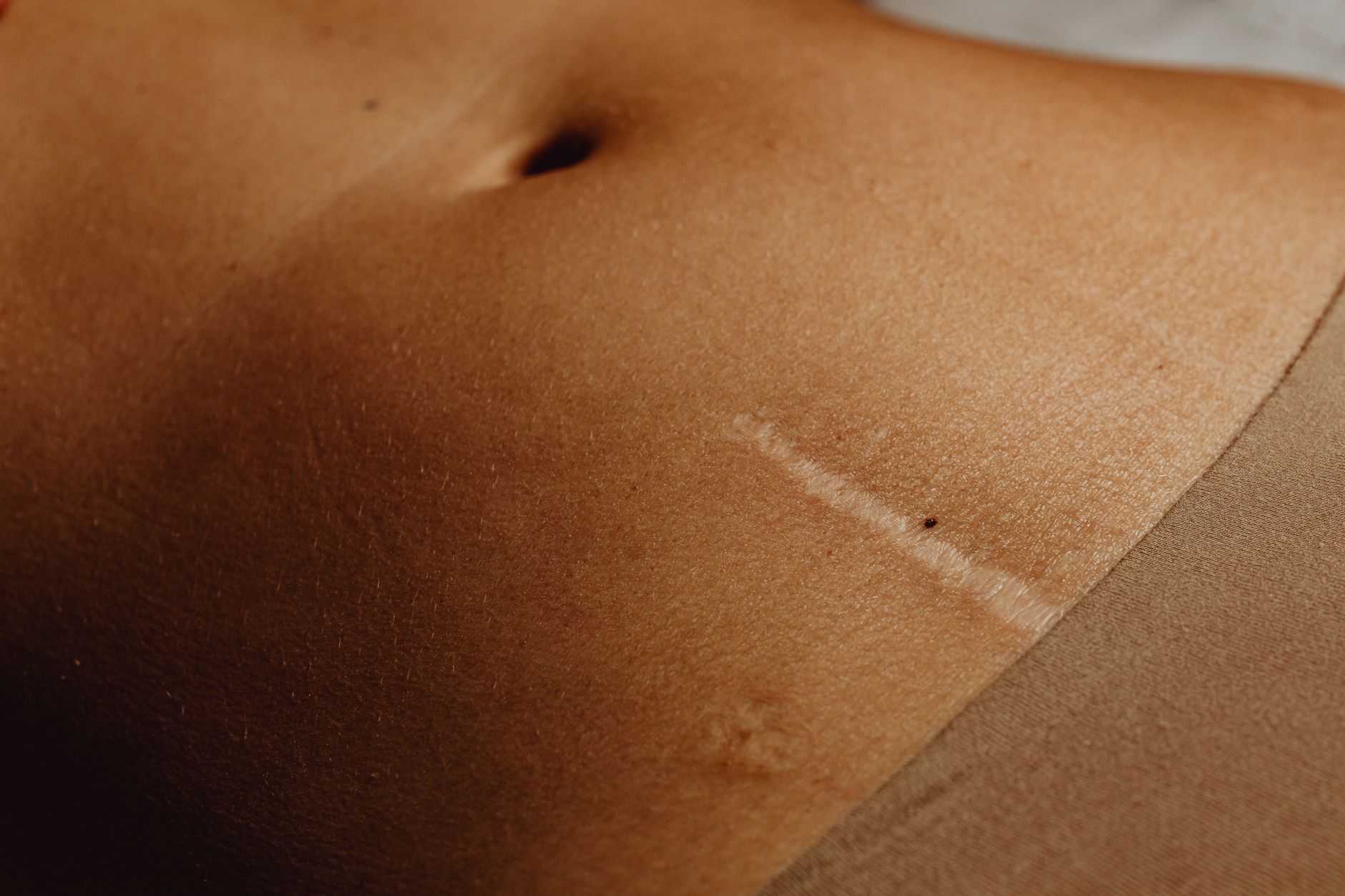
Yes, hernias can occur during pregnancy; most are harmless but need monitoring. Learn the types, symptoms, and safe treatment for hernia and pregnant women.
By Shubhra Mishra — a mom of two who turned her own confusion during pregnancy into BumpBites, a global mission to make food choices clear, safe, and stress-free for every expecting mother. 💛
Check whether any food is safe during pregnancy with the BumpBites Food Safety Checker.
Quick take: Most pregnant people who develop a hernia can be safely monitored, and surgery is usually postponed until after delivery unless the hernia threatens the mother or baby. Non‑drug pain relief, gentle activity, and a balanced diet often keep symptoms manageable. If you notice a bulge, worsening pain, or any signs of obstruction, contact your provider right away.
It’s 2 a.m.; you’ve just felt a sharp twinge in your lower abdomen after a night of standing in the kitchen. The next thing you know, a tiny “bump” has appeared just above your belly button, and you’re scrolling through search results wondering if it’s something you can ignore. You’re not alone—many expecting parents discover a hernia for the first time during pregnancy, and the uncertainty can feel overwhelming.
Below, we walk through everything you need to know about hernias while pregnant: the types that can appear, how to spot them, what the safest treatment options are, and how a hernia might affect labor. We’ll also share practical diet and lifestyle tips, answer common “what if” questions, and give you a clear roadmap for when to call your provider.
By the end of this guide, you’ll have a solid understanding of how to protect both your health and your baby’s, and you’ll feel more confident navigating any hernia‑related decisions that arise during this special time.
What types of hernias can occur during pregnancy?
Pregnancy puts extra pressure on the abdominal wall, and that pressure can reveal or create several kinds of hernias. The most common ones you’ll hear about are:
Umbilical hernia – A bulge around the belly button caused by a weakness in the tissue that normally seals the opening after the umbilical cord is cut.
Incisional hernia – A protrusion through a scar from a previous abdominal surgery, such as a C‑section or appendectomy.
Inguinal hernia – A hernia that pushes through the groin area, more frequent in men but can affect women, especially those who have had multiple pregnancies.
Spigelian (ventral) hernia – A rarer type that occurs along the side of the abdominal wall, near the linea semilunaris.
Femoral hernia – Another uncommon groin hernia that appears below the inguinal ligament.
While a herniated disc (a spinal issue) can cause back pain that feels similar to an abdominal hernia, it’s a completely different condition that involves the vertebrae and nerves, not the abdominal wall. Distinguishing between the two is essential because the treatment paths diverge sharply.
Most of these hernias develop because the growing uterus stretches the abdominal muscles and connective tissue, creating a “weak spot” that can give way under pressure. In many cases, a small, asymptomatic hernia is discovered incidentally during a routine prenatal exam, and it may never cause problems. However, understanding the type you have helps guide the safest management plan.
Umbilical hernias are the most frequently reported during pregnancy, accounting for roughly 60 % of cases in obstetric series, while incisional hernias follow closely due to the rising rate of repeat C‑sections. Recognizing which category applies to you can help your provider tailor monitoring frequency and decide when, if ever, surgery is needed.
Visual guide to the most common hernia locations during pregnancy.
When a hernia is identified, your provider will typically confirm the diagnosis with a physical exam and an ultrasound. Ultrasound is safe for both you and the baby and can show the size of the hernia sac and whether any bowel loops are involved.
What are the symptoms of a hernia in pregnant women?
A hernia can be easy to miss because many pregnancy‑related aches feel similar. Here are the hallmark signs that suggest a hernia rather than ordinary pregnancy discomfort:
Visible bulge that becomes more pronounced when you stand, cough, or strain.
Pain or tenderness that is sharp, localized, and worsens with activity.
Feeling of pressure that doesn’t improve with typical rest or stretching.
Changes in bowel habits—such as constipation or a sense of blockage—if the hernia involves intestinal tissue.
Nausea or vomiting that appears suddenly and isn’t linked to typical morning sickness.
Normal pregnancy aches—like a dull ache in the lower back or a mild cramping sensation—usually improve with positional changes, gentle stretching, or a warm compress. In contrast, hernia pain often intensifies with activities that increase intra‑abdominal pressure, such as lifting a grocery bag, coughing, or even laughing.
Because the uterus expands, a hernia may shift its position, making it harder to locate. If you’re unsure whether the discomfort is a hernia, try the “finger test”: gently press around the area. If you feel a soft, movable lump that disappears when you lie down, that’s a classic sign of an abdominal hernia.
When any of these symptoms appear suddenly or worsen rapidly, it’s a signal to schedule an appointment promptly. Early evaluation helps differentiate a benign, reducible hernia from an incarcerated one that could require urgent intervention.
Is it safe to have surgery for a hernia while pregnant?
Most hernias discovered in pregnancy are managed conservatively until after delivery. Surgery during pregnancy is reserved for cases where the hernia poses an immediate risk—such as incarceration (the herniated tissue becomes trapped) or strangulation (blood flow is cut off). Both conditions can threaten the mother’s health and the baby’s oxygen supply.
According to the American College of Obstetricians and Gynecologists (ACOG) 2022 Practice Bulletin, elective hernia repair is safest in the second trimester if surgery is unavoidable, because organogenesis is complete and the uterus is not yet large enough to impede the surgical field. The Royal College of Obstetricians and Gynaecologists (RCOG) echoes this recommendation, emphasizing that any operation should be performed by a multidisciplinary team that includes both a general surgeon and an obstetrician.
When surgery is deemed necessary, the preferred approach is a laparoscopic repair, which uses small incisions and typically results in less postoperative pain and quicker recovery. However, if the hernia is large or there’s concern for bowel involvement, an open repair may be chosen.
Anesthesia considerations are guided by the American Society of Anesthesiologists (ASA) guidelines, which state that regional or general anesthesia can be safely administered in the second trimester with appropriate fetal monitoring. Post‑operative care includes close observation for preterm labor signs and ensuring adequate pain control without compromising fetal well‑being.
For most pregnant people, postponing surgery until after delivery—often within six weeks postpartum—is the safest route. This allows the uterus to shrink, reducing pressure on the abdominal wall and giving the surgeon better access.
How can I manage hernia pain during pregnancy without medication?
Non‑drug strategies are the first line of defense for most pregnant people with a hernia. Here are evidence‑based methods that help keep pain at bay while protecting your baby:
Supportive garments – A gentle abdominal binder or hernia belt can limit movement of the hernia sac. Choose a breathable, adjustable band that doesn’t restrict breathing.
Positioning – Lying on your side with a pillow between your knees reduces intra‑abdominal pressure. Avoid lying flat on your back after the first trimester.
Cold or warm compress – A warm compress can soothe muscle tension, while a cold pack may reduce swelling if the hernia feels inflamed.
Gentle core exercises – Modified pelvic tilts, diaphragmatic breathing, and prenatal yoga poses (like Cat‑Cow and Child’s Pose) strengthen the surrounding muscles without straining the hernia.
Hydration and fiber – Prevent constipation, which can increase straining, by drinking at least eight glasses of water daily and eating fiber‑rich foods such as fruits, veggies, and whole grains.
Mind‑body techniques – Guided meditation or progressive muscle relaxation can lower overall tension, decreasing perceived pain.
Acupuncture (when approved) – Some clinicians report that acupuncture performed by a licensed practitioner can relieve localized pain without medication, though evidence is limited and it should be discussed with your provider first.
When pain becomes difficult to control, your provider may prescribe acetaminophen, which is considered safe throughout pregnancy. Non‑steroidal anti‑inflammatory drugs (NSAIDs) like ibuprofen are generally avoided, especially after 20 weeks, because they can affect fetal kidney development.
Many expecting parents find that a combination of a supportive belt and regular, low‑impact movement keeps discomfort at a manageable level until after birth.
Using a breathable binder can ease hernia pressure while you stay active.
Can a hernia cause complications during labor and delivery?
Most uncomplicated hernias do not interfere with a vaginal birth. However, there are a few scenarios where the hernia influences delivery planning:
Large umbilical or incisional hernias that sit directly over the lower abdomen may make the abdominal wall too weak to support the stress of pushing.
Incarcerated or strangulated hernias require urgent surgical intervention, which could necessitate a cesarean delivery.
History of prior hernia repair with mesh may affect the decision if the scar is near the incision line for a C‑section.
When a hernia is present, your obstetrician will assess its size, location, and any signs of obstruction. If the hernia is small and reducible (can be gently pushed back into place), a vaginal delivery is typically still possible. In many cases, a planned cesarean is chosen simply to avoid excessive strain on the abdominal wall, especially if the hernia is large or if you’ve had a prior incisional hernia from a C‑section.
During labor, the use of an epidural can actually reduce intra‑abdominal pressure spikes caused by intense pushing, giving the hernia less chance of becoming incarcerated. Continuous fetal monitoring and a low‑threshold for converting to a C‑section are standard practice when a hernia is part of the delivery plan.
If you feel a sudden increase in pain, nausea, or the bulge becomes firm and non‑reducible, alert your care team immediately—these could be signs of incarceration.
What diet and lifestyle tips help prevent a hernia while pregnant?
While you can’t control the anatomical changes that pregnancy brings, you can reduce extra strain on the abdominal wall by adopting supportive habits:
Eat a balanced, high‑fiber diet to keep stools soft and reduce straining. Aim for at least 25 g of fiber daily from fruits (berries, apples), vegetables (broccoli, carrots), legumes, and whole grains.
Stay hydrated—water helps fiber work effectively and prevents constipation, which is a common trigger for hernia flare‑ups.
Maintain a healthy weight gain as recommended by the National Institute for Health and Care Excellence (NICE). Excessive rapid weight gain can increase intra‑abdominal pressure.
Practice proper lifting technique—bend at the knees, keep the object close to your body, and use your legs, not your back, to lift.
Include lean protein (chicken, fish, tofu) to support tissue repair, and calcium‑rich foods (dairy, leafy greens) for overall strength.
Limit heavy, hard‑to‑digest foods that can cause bloating, such as excessive fried foods or very high‑fat meals.
Incorporate anti‑inflammatory foods like omega‑3‑rich salmon, walnuts, and turmeric‑spiced dishes, which may reduce tissue irritation around the hernia site.
These nutrition and movement guidelines align with the CDC’s Pregnancy Nutrition Recommendations and are safe for both mother and baby. They also help prevent other common pregnancy issues like gestational diabetes and hypertension, which can indirectly affect hernia risk by promoting fluid retention and swelling.
Finally, avoid prolonged standing or heavy manual labor whenever possible. If your job or daily routine requires it, take micro‑breaks every 30 minutes to sit or gently stretch, which can relieve pressure on the abdomen.
How does an umbilical hernia differ from an incisional hernia in pregnancy?
Both umbilical and incisional hernias involve a weakness in the abdominal wall, but their origins and management nuances differ:
Feature
Umbilical Hernia
Incisional Hernia
Typical Location
Centered around the belly button
Along a previous surgical scar (e.g., C‑section, appendectomy)
Common Cause
Congenital weakness or pressure from growing uterus
Scar tissue not fully healing, especially after repeated surgeries
Risk of Recurrence
Low to moderate; recurrence higher if not repaired after delivery
Higher, especially if mesh was not used or if multiple pregnancies follow the repair
Typical Management
Watchful waiting; surgery after delivery if large or symptomatic
Early surgical evaluation; often repaired postpartum, sometimes with mesh
Impact on Delivery
Usually no impact unless large
May influence decision for cesarean if scar is near the lower abdomen
Because an incisional hernia sits directly over a scar, it may be more prone to tearing during the stress of labor. An umbilical hernia, while often small, can still enlarge as the uterus expands, especially if the mother has a history of multiple pregnancies.
Imaging differences matter, too. Umbilical hernias are typically visualized with a simple ultrasound, whereas incisional hernias sometimes require a higher‑resolution MRI to assess mesh integrity and any adhesions, especially if the hernia recurs after a prior repair.
Both types are diagnosed with a physical exam and confirmed with ultrasound. If you have a prior C‑section, your provider will pay particular attention to the integrity of that scar throughout pregnancy.
When should a pregnant woman see a doctor for a hernia?
Prompt evaluation is crucial if you notice any of the following:
A bulge that becomes firm, tender, or does not flatten when you lie down.
Sudden, severe abdominal pain that does not improve with rest.
Nausea, vomiting, or inability to pass gas or stool—signs of possible bowel obstruction.
Fever, redness, or swelling around the hernia site, indicating infection.
Any new, unexplained swelling in the groin or lower abdomen.
Even if the pain seems mild, it’s wise to schedule a prenatal visit to have the hernia evaluated. Early assessment allows your care team to plan monitoring, recommend supportive garments, and decide whether surgical intervention might be needed before labor.
In most cases, a routine ultrasound combined with a physical exam will give your provider the information needed to keep you and your baby safe. If you’re already seeing a surgeon for a previous hernia repair, bring the findings to your obstetrician so they can coordinate care.
Additional considerations for hernia care during and after pregnancy
Exercise safe for pregnant women with a hernia
Staying active helps maintain muscle tone and reduces pressure on the hernia. Safe options include:
Prenatal yoga (focus on gentle twists and pelvic tilts).
Walking on flat surfaces—aim for 20–30 minutes most days.
Swimming or water aerobics, which provide resistance without weight‑bearing stress.
Avoid heavy lifting, high‑impact aerobics, and abdominal crunches, which can increase intra‑abdominal pressure.
Hernia risk factors in pregnant women
While pregnancy itself is a risk factor, certain conditions raise the odds of developing a hernia:
Previous abdominal surgery (especially C‑sections).
Multiple pregnancies (grand‑multiparity).
Chronic constipation or chronic coughing.
Connective‑tissue disorders such as Ehlers‑Danlos syndrome.
Obesity before pregnancy.
Knowing your personal risk profile helps you and your provider decide on proactive monitoring.
Pain relief for hernia during the third trimester
In the third trimester, the uterus is at its largest, and hernia discomfort often peaks. Strategies include:
Continuing a supportive binder, especially when standing for long periods.
Using a warm compress before bedtime to relax muscles.
Acetaminophen (up to 3 g per day) as the first‑line medication, per FDA guidelines.
Discussing low‑dose topical analgesics with your provider—some are considered safe for limited use.
Postpartum hernia repair options
After delivery, most women have the chance to repair the hernia safely. Options include:
Open repair with mesh – Preferred for larger defects or when bowel involvement is suspected.
Primary suture repair – Used for small defects, though recurrence rates are slightly higher.
Recovery typically involves limiting heavy lifting for 4–6 weeks, wearing a supportive binder, and gradually re‑introducing core‑strengthening exercises.
How long does recovery take after hernia surgery postpartum?
Most patients return to normal daily activities within 2–3 weeks, though full return to exercise may take 6–8 weeks. Your surgeon will give specific timelines based on the repair method and any concurrent postpartum healing (e.g., after a C‑section). Following the surgeon’s guidance on activity restriction and wound care is essential to avoid recurrence.
Even after a successful repair, a small risk of hernia recurrence exists—particularly if you have additional risk factors like obesity or multiple future pregnancies. Maintaining a healthy weight and using proper body mechanics can help keep the repair intact.
How to choose and wear a hernia support belt safely
Choosing the right belt can make a noticeable difference in comfort. Look for a product that: (1) offers adjustable straps so you can tighten or loosen as your belly grows; (2) is made of breathable, stretch‑woven fabric to avoid overheating; and (3) has a wide, supportive panel that sits just above the hernia site without pressing directly on the bulge.
To put it on correctly, lie on your side, wrap the belt around your lower torso, and then sit up slowly while pulling the straps snugly. The belt should feel firm but not restrictive—you should still be able to take a deep breath without pain. If you notice tingling, numbness, or increased pain, remove the belt and speak with your provider. Most obstetricians recommend wearing the belt for short periods (30–60 minutes) early in the day and gradually increasing wear time as tolerated.
Nutritional supplements and vitamins: what’s safe for a hernia?
Vitamins themselves don’t repair a hernia, but certain supplements can support tissue health and help prevent constipation, which strains the abdominal wall. Prenatal vitamins already contain folic acid, iron, and calcium, but you might consider adding:
Vitamin C (500 mg daily) – Supports collagen synthesis, which is vital for wound healing.
Magnesium (300–400 mg) – Helps relax smooth muscle and can reduce constipation when combined with adequate fluid intake.
Probiotic supplements – Promote gut motility, decreasing the need for straining.
Always discuss any extra supplement with your obstetrician, as some (e.g., high‑dose vitamin A) can be teratogenic. The National Health Service (NHS) advises that most prenatal vitamins provide sufficient nutrients, and additional supplements should only be taken under medical supervision.
Preparing for postpartum hernia repair: what to expect
If your provider has scheduled a hernia repair after delivery, you’ll likely have a pre‑operative appointment within the first six weeks postpartum. During that visit, the surgeon will review imaging, discuss whether a laparoscopic or open approach is best, and outline anesthesia options that are compatible with breastfeeding.
Recovery plans often include a “light‑activity” phase where you avoid lifting more than 5 kg, wear a supportive binder for 4–6 weeks, and focus on gentle walking. Pain management usually relies on acetaminophen and, if needed, short‑course opioids that are considered safe for short‑term use while breastfeeding.
Having a support system in place—whether a partner, family member, or postpartum doula—can make the first weeks after surgery smoother, allowing you to rest, stay hydrated, and follow the surgeon’s activity guidelines without feeling rushed.
From our medical team: Most hernias that appear during pregnancy are manageable without immediate surgery. Focus on gentle support, monitor symptoms closely, and keep an open line of communication with your obstetrician and a general surgeon. If any signs of obstruction, severe pain, or rapid growth occur, seek urgent care—early intervention protects both you and your baby.
Myth vs. fact
Myth: A hernia always means you’ll need a C‑section.
Fact: Small, reducible hernias often allow for a vaginal birth; the delivery method is chosen based on hernia size, location, and any complications.
Myth: You must avoid all physical activity if you have a hernia.
Fact: Light, low‑impact exercise (walking, prenatal yoga, swimming) can actually help keep the surrounding muscles strong and reduce pressure on the hernia.
Myth: Surgery during pregnancy is too risky for the baby.
Fact: When surgery is medically indicated, it can be performed safely—especially in the second trimester—with a multidisciplinary team and appropriate anesthesia.
Key takeaways
Most hernias in pregnancy are monitored and repaired after delivery unless they threaten the mother or baby.
Watch for a visible bulge, sharp pain, or changes in bowel habits—these signal you should call your provider.
Supportive binders, gentle core work, and a high‑fiber diet are effective non‑drug strategies.
Large or incarcerated hernias may require surgery; the second trimester is the safest window.
Delivery plans depend on hernia size and location; many women still deliver vaginally.
After birth, hernia repair typically involves laparoscopic or open mesh techniques with a 4–6‑week activity restriction.
Choosing a well‑fitting support belt and staying hydrated can reduce discomfort throughout pregnancy.
Discuss any extra supplements with your provider to ensure they’re safe for you and your baby.
Frequently asked questions
Can a pregnant woman have a hernia?
Yes—pregnancy increases abdominal pressure, which can reveal or create a hernia. Most are small and asymptomatic, but they should still be evaluated.
What are the signs of a hernia during pregnancy?
A bulging area that becomes more noticeable when you stand or cough, sharp localized pain, and any sudden change in bowel movements are key warning signs.
Is surgery safe for a hernia while pregnant?
Elective surgery is usually postponed until after delivery; however, if the hernia becomes incarcerated or strangulated, surgery can be safely performed—preferably in the second trimester.
Can a hernia cause problems during labor?
In most cases, a small hernia does not affect labor, but a large or complicated hernia may influence the decision to have a cesarean delivery.
How is a hernia diagnosed in pregnant women?
Physical examination combined with a safe ultrasound scan is the standard diagnostic approach; MRI is reserved for complex cases when additional detail is needed.
What treatments are safe for a hernia during pregnancy?
Non‑pharmacologic measures—such as supportive binders, gentle exercise, and a high‑fiber diet—are first‑line; acetaminophen is the preferred medication if pain relief is needed.
Can a hernia recur after delivery?
Yes—recurrence rates range from 5 % to 15 % depending on the hernia type and whether mesh was used. Maintaining a healthy weight and avoiding heavy lifting can lower the risk.
Is it safe to travel by air with a hernia during pregnancy?
Air travel is generally safe if your hernia is stable and not incarcerated. Keep hydrated, move around the cabin every hour, and wear a supportive binder if recommended by your provider. Always discuss travel plans with your obstetrician before flying.
When to call your doctor
Seek immediate medical attention if you experience any of the following: a sudden, severe abdominal pain; a bulge that becomes hard, tender, or does not flatten when you lie down; vomiting, inability to pass gas or stool; fever, redness, or swelling around the hernia site; or any signs of infection. This article is for informational purposes only and does not replace personalized medical advice. Always consult your own healthcare provider for guidance specific to your situation.
References
American College of Obstetricians and Gynecologists. ACOG Practice Bulletin No. 225: Management of Hernia in Pregnancy, 2022.
Royal College of Obstetricians and Gynaecologists. RCOG Green‑top Guideline: Hernias in Pregnancy, 2021.
National Institute for Health and Care Excellence (NICE). Weight gain during pregnancy, NG25, 2020.
U.S. Food and Drug Administration (FDA). Use of Acetaminophen in Pregnancy, 2023.
Centers for Disease Control and Prevention (CDC). Pregnancy Nutrition Recommendations, 2022.
Mayo Clinic. Umbilical hernia: Symptoms and causes, accessed July 2026.
World Health Organization (WHO). Guidelines on Safe Surgical Practices, 2021.
National Health Service (NHS). Hernia repair after pregnancy, 2023.
American Society of Anesthesiologists. ASA Practice Guidelines for Obstetric Anesthesia, 2022.
National Health Service (NHS). Guidance on maternity support belts, 2021.
Not sure about the label on Hernia During Pregnancy Types Symptoms Safe Treatment products?
Snap the ingredients list and SafeFilter checks every ingredient for your stage — only 3 free scans this month, then you're locked until reset. Unlimited from $7/mo or $50/yr.
When Shubhra Mishra was expecting her first child in 2016, she was overwhelmed by conflicting food advice — one site said yes, another said never. By the time her second baby arrived in 2019, she realized millions of mothers face the same confusion.
That sparked a five-year journey through clinical nutrition papers, cultural diets, and expert conversations — all leading to BumpBites: a calm, compassionate space where science meets everyday motherhood.
Her long-term vision is to build a global community ensuring safe, supported, and free deliveriesfor every mother — because no woman should face pregnancy alone or uninformed. 🌿
🌍 Stand with mothers, shape safer guidance
Join a small circle of experts who review BumpBites articles so expecting parents everywhere can decide with confidence.