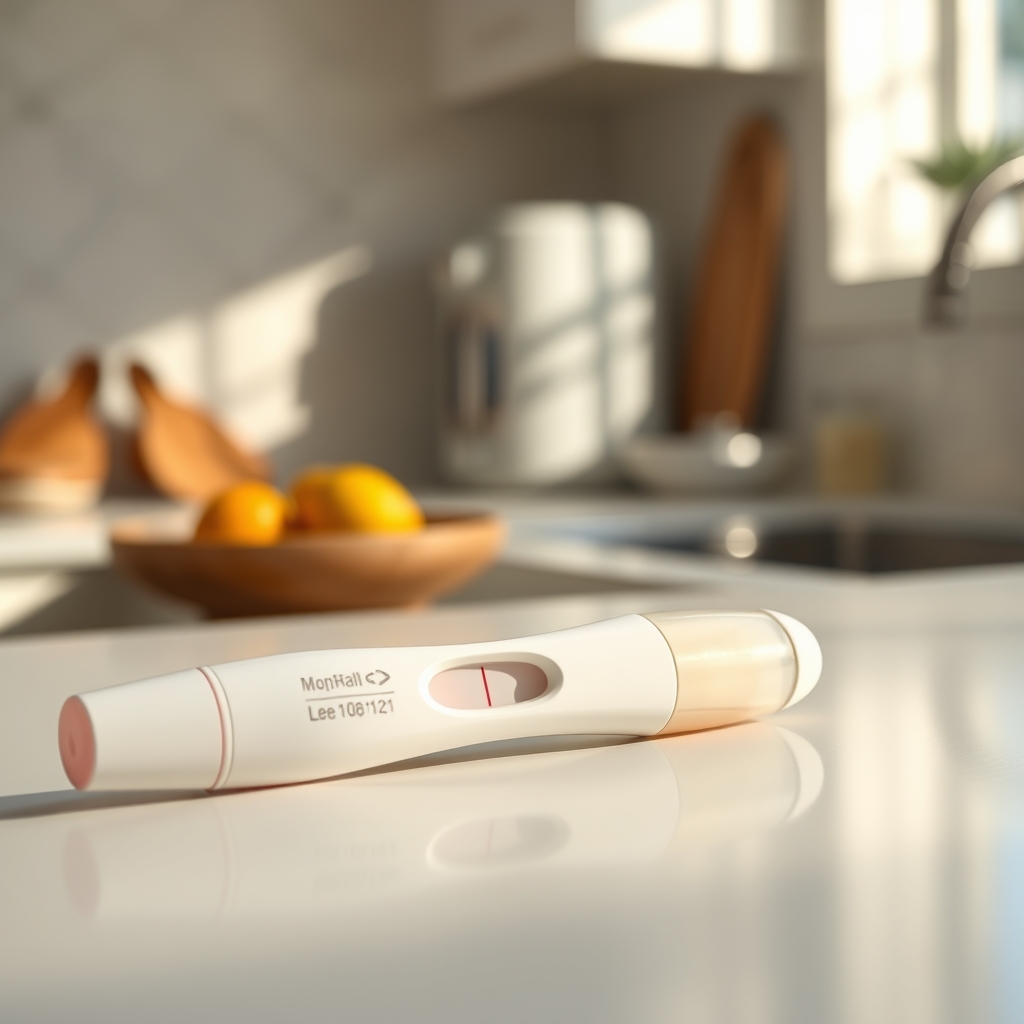
Discover 10 hidden pregnancy signs and subtle symptoms you might miss. Learn early clues like fatigue, bloating, and mood swings to recognize pregnancy sooner.
By Shubhra Mishra — a mom of two who turned her own confusion during pregnancy into BumpBites, a global mission to make food choices clear, safe, and stress-free for every expecting mother. 💛
Check whether any food is safe during pregnancy with the BumpBites Food Safety Checker.
Quick take: Hidden pregnancy signs are often very mild—like a little fatigue, subtle breast tenderness, or a low‑grade nausea—that can be mistaken for everyday stress or hormonal shifts. If you notice a cluster of these clues, a home pregnancy test after about a week of missed periods (or sooner if you’ve tracked ovulation) can give you an answer, and a quick visit to your provider will confirm it.
It’s 2 a.m., you’re curled up on the couch, feeling a little more tired than usual and a faint queasy feeling in your stomach. You’ve Googled “why am I feeling tired and nauseous but not sure if pregnant,” and the answers swirl around morning sickness, stress, and a possible cold. You’re not alone—many people experience these subtle cues before the classic “baby bump” appears. In this guide we’ll unpack what hidden pregnancy signs look like, why they’re easy to overlook, and how you can tell the difference between early pregnancy and everyday hormonal or stress‑related changes.
Below you’ll find a clear, step‑by‑step rundown of the most common missed symptoms, the timeline they usually follow, and practical tips for confirming a pregnancy safely. Whether you’re trying to conceive, suspect a missed period, or just curious about those odd early‑pregnancy feelings, we’ve got you covered.
Early hidden pregnancy signs that are often missed
When pregnancy begins, the body’s hormone levels rise dramatically, but the first clues don’t always scream “pregnant.” Instead, they often whisper. Here are the subtle physical cues that many people overlook in the first few weeks after conception:
Fatigue that feels “different.”strong> A deep, bone‑weary tiredness that doesn’t improve with a nap.
Light‑headedness or faintness. Sudden drops in blood pressure can cause brief dizziness, especially after standing quickly.
Mild nausea without vomiting. A queasy or “butterflies‑in‑stomach” feeling that comes and goes, often without the full‑blown morning sickness.
Breast tenderness or tingling. The areola may darken slightly, and the breasts can feel sore, even if you’re not yet aware of a change.
Increased urination. Small, frequent trips to the bathroom, especially at night, can start before a missed period.
Subtle mood swings. Hormonal surges can cause irritability, tearfulness, or an unusual emotional sensitivity.
Food cravings or aversions. A sudden desire for specific foods (e.g., pickles) or a sudden dislike for something you loved before.
Warmth or “flushed” skin. A mild, harmless warmth on the face or chest that’s not related to fever.
These signs are “hidden” because they can be easily blamed on stress, a busy lifestyle, or a viral illness. The key is noticing them as a pattern rather than isolated events. Why do they appear so early? Progesterone, which rises sharply after implantation, relaxes smooth muscle throughout the body—including the gastrointestinal tract—leading to fatigue and nausea. Meanwhile, estrogen stimulates breast tissue growth, accounting for tenderness even before a uterus is large enough to be felt.
Because the hormonal surge is gradual, many people experience only a few of these clues at a time. If you catch two or three of them within a week of each other, especially after a fertile window, that cluster is worth a closer look. Keeping a brief symptom diary can help you spot recurring patterns that might otherwise slip by unnoticed.
Many notice these tiny changes while journaling late at night.
Subtle symptoms of pregnancy that mimic other illnesses
Because hidden signs overlap with everyday ailments, they can be mistaken for a cold, flu, or even a gastrointestinal upset. Below we compare the most common subtle pregnancy clues with similar‑looking conditions:
Symptom
Pregnancy
Common non‑pregnancy cause
Light‑headedness
Hormonal shift, blood‑volume increase
Dehydration, low blood sugar, anemia
Mild nausea
Progesterone rise, stomach relaxation
Stomach bug, acid reflux, medication side‑effect
Breast tenderness
Estrogen‑driven tissue growth
PMS, hormonal contraceptive changes
Frequent urination
Uterus pressing on bladder, increased fluid retention
UTI, caffeine intake, high fluid consumption
Fatigue
Metabolic demands of early embryo
Sleep deprivation, over‑exercise, stress
If you experience a combination of two or more of these signs, especially together, it raises the likelihood that they’re pregnancy‑related. However, it’s always worth ruling out infection, anemia, or medication effects with a brief check‑up if symptoms persist or worsen. For instance, a low‑grade fever or persistent abdominal pain is more typical of an infection than of early pregnancy.
In practice, clinicians use a systematic approach: they review timing, rule out common non‑pregnancy triggers, and then confirm with a pregnancy test. According to the NHS, a thorough history and physical exam can often differentiate a viral illness from early gestation before lab work is needed. If uncertainty remains after a week of symptoms, a follow‑up appointment is advisable.
How to differentiate hidden pregnancy signs from hormonal changes
Hormonal fluctuations happen throughout the menstrual cycle, making it tricky to separate normal cycle‑related changes from early pregnancy. Here are three practical ways to tell the difference:
Timing relative to ovulation. If you notice symptoms before your expected period and after you’ve had intercourse around ovulation, that timing aligns with implantation (about 6‑12 days post‑fertilization). Hormonal changes from the luteal phase usually peak a few days before the period and subside once menstruation starts.
Symptom intensity and persistence. Cycle‑related symptoms often ebb and flow, whereas early pregnancy signs tend to stay steady or gradually intensify. For example, pre‑menstrual breast tenderness may improve after your period begins; pregnancy‑related tenderness typically continues.
Associated clues. Look for the “extra” signs that don’t fit the usual pattern—such as a sudden increase in basal body temperature that stays elevated, or a subtle change in cervical mucus that becomes thicker and creamy beyond the fertile window.
Keeping a simple symptom diary can make these nuances clearer. Jot down the date, what you felt, and any possible triggers (e.g., stress, diet, medication). When you bring this diary to a prenatal visit, your provider can spot patterns you might miss on your own. In addition, many ovulation‑tracking apps now allow you to log “non‑bleeding” symptoms, making it easier to see trends over several cycles.
Another useful tool is a basal body temperature (BBT) chart. A sustained rise of 0.2‑0.5 °C after ovulation often signals progesterone’s effect, which can be an early indicator of implantation. The American College of Obstetricians and Gynecologists (ACOG) notes that while BBT isn’t a diagnostic test, it can be a helpful adjunct when combined with other signs. Pairing a BBT chart with an ovulation test kit can give you a clearer picture of where you are in your cycle.
Most common missed pregnancy symptoms in the first trimester
The first trimester (weeks 1‑12) is the period where hidden signs are most prevalent. Below is a concise list of the symptoms that most often slip by unnoticed, along with why they’re easily missed:
Subtle spotting or light bleeding. Known as implantation bleeding, it’s usually pinkish and lasts only a few hours—easily dismissed as a “breakthrough” period.
Small increase in basal body temperature. A rise of 0.2‑0.5 °C that stays elevated can be a silent clue, but many don’t track temperature daily.
Feeling unusually “clingy” or “protective.” Emotional changes can feel like a mood swing but are actually early bonding hormones (oxytocin) beginning to rise.
Persistent mild heartburn. Acid reflux can start early due to progesterone relaxing the lower esophageal sphincter, yet it’s often blamed on diet.
Unexplained cravings for non‑food items. Pica (craving non‑nutritional substances like chalk) is rare but can appear early; it’s usually overlooked.
Because these signs are low‑grade, many people only realize they were pregnant after a missed period or an ultrasound. An early ultrasound, typically performed around 6‑8 weeks gestation, can confirm a gestational sac and provide reassurance when symptoms have been ambiguous.
It’s also worth noting that early pregnancy can subtly affect your immune system. Slight increases in white‑blood‑cell counts are normal, but they may make you feel a little more “under‑the‑weather” without a clear cause. The CDC reminds readers that mild, flu‑like symptoms early in pregnancy are usually benign, but persistent fever should prompt medical evaluation.
Can stress cause symptoms similar to hidden pregnancy signs?
Absolutely. Stress triggers the release of cortisol, which can mimic or amplify many early‑pregnancy clues. For instance:
Fatigue. Chronic stress depletes adrenal reserves, leading to persistent tiredness that feels identical to early‑pregnancy fatigue.
Nausea. Anxiety can upset the gut, producing a queasy stomach that mimics mild nausea.
Breast tenderness. Hormonal stress can cause breast swelling, especially if you’re on hormonal birth control that’s being altered.
Changes in appetite. Stress can both increase and decrease hunger, similar to pregnancy cravings and aversions.
Distinguishing stress from pregnancy involves looking at context. If you’re experiencing a major life change (new job, moving, financial strain) alongside the symptoms, stress is a strong contender. However, stress and pregnancy can coexist—stress does not prevent implantation. The safest approach is to take a home pregnancy test if you’ve had any recent intercourse around ovulation, regardless of stress levels.
Managing stress can also help clarify symptoms. Simple techniques such as mindful breathing, short walks, or a brief yoga routine can reduce cortisol spikes, making it easier to notice whether fatigue or nausea persists beyond the usual stress response window.
When to take a pregnancy test after noticing subtle signs
Home pregnancy tests detect the hormone hCG (human chorionic gonadotropin) in urine. hCG typically becomes measurable ≈ 8‑10 days after fertilization, which aligns with about 4‑5 days after a missed period. Here’s a practical timeline:
Day 0–3 post‑ovulation: Implantation may have begun, but hCG levels are still too low for most tests.
Day 4‑5 post‑ovulation (≈ 1‑2 days before a missed period): Some highly sensitive tests claim detection at 5 mIU/mL; if you’re eager, you can try a “early‑detect” brand, but a false‑negative is common.
Day 6‑7 post‑ovulation (the day of a missed period): Most standard tests will reliably show a positive if you’re pregnant.
After a missed period: If you still have only vague symptoms, wait a day or two and test again for a clearer result.
Different brands vary in sensitivity. The FDA reports that over‑the‑counter pregnancy tests have a specificity of 97‑99 % and a sensitivity ranging from 10‑25 mIU/mL, meaning a test taken too early may miss a low‑level hCG signal. If you receive a negative result but still suspect pregnancy, repeat the test in 48 hours or ask your provider for a quantitative blood hCG test, which can detect levels as low as 1 mIU/mL.
After a positive home test, it’s wise to schedule a prenatal appointment within the first few weeks. Early prenatal care lets you start prenatal vitamins, discuss any medications, and set a schedule for confirmatory ultrasounds.
Testing at home can provide quick reassurance, but a follow‑up with a provider is essential.
Early pregnancy and changes in sleep patterns
Sleep disturbances are another subtle clue that often goes unnoticed. Many people report feeling more restless, needing to get up to use the bathroom, or experiencing mild night sweats as early as the second week after implantation. Progesterone has a calming effect on the brain, but it also relaxes the smooth muscle of the urinary tract, leading to those extra bathroom trips.
In a 2022 study referenced by the Royal College of Obstetricians and Gynaecologists (RCOG), 38 % of participants reported fragmented sleep before they knew they were pregnant. The body’s metabolic shift, combined with the growing uterus’s pressure on the bladder, can cause a low‑grade insomnia that mimics stress‑related sleep loss. Practicing good sleep hygiene—such as limiting caffeine after noon, keeping the bedroom cool, and using a supportive pillow—can ease these early disruptions.
Nutrition clues that may hint at early pregnancy
Beyond cravings, early pregnancy can subtly shift how your body processes nutrients. A sudden preference for high‑protein foods, dairy, or iron‑rich meals can be the body’s way of meeting the increased demand for fetal development. Conversely, aversions to strong‑smelling foods (like coffee or garlic) may emerge as the heightened sense of smell, driven by estrogen, becomes more acute.
Micronutrient needs also change. Folate, for example, is critical for neural‑tube formation, and the body may signal this need through a craving for leafy greens or citrus. The NHS notes that a new, sharp desire for vitamin‑C‑rich fruits (or a sudden dislike for them) can be an early sign. While cravings alone aren’t diagnostic, they often accompany the other hidden signs we’ve discussed. Staying hydrated and ensuring adequate iron intake can also help mitigate fatigue.
When to seek medical care for hidden signs if you have a pre‑existing condition
If you live with conditions such as thyroid disease, polycystic ovary syndrome (PCOS), or diabetes, the baseline of what feels “normal” for you may differ from the general population. For example, thyroid‑related fatigue can mask early‑pregnancy tiredness, and blood‑sugar fluctuations can mimic nausea. In these cases, a negative home test doesn’t rule out pregnancy, and a blood hCG test can provide certainty.
Guidelines from NICE recommend that anyone with a chronic health condition who suspects pregnancy should have a prompt blood test, because early detection helps clinicians adjust medication dosages safely. If you notice any of the hidden signs described above and you have a pre‑existing condition, schedule an appointment within a week rather than waiting for a missed period. Your provider may also review any current medications to ensure they’re compatible with early pregnancy.
How early pregnancy can affect your immune system and why you may feel “under the weather”
During the first weeks, the immune system shifts to protect the developing embryo while still defending you against infections. This immunological adaptation can cause mild, flu‑like symptoms—such as a low‑grade sore throat, slight congestion, or a general sense of being “off.” These changes are normal and usually resolve on their own, but they can be confusing if you’re also battling a seasonal cold.
The CDC emphasizes that a mild fever (under 100.4 °F/38 °C) in early pregnancy is typically not a cause for alarm, yet any persistent high fever, rash, or severe respiratory symptoms should prompt immediate medical evaluation. Listening to your body and keeping a symptom log can help you differentiate a routine immune adjustment from an infection that needs treatment.
When hidden signs could indicate a miscarriage or ectopic pregnancy
While many hidden signs are benign, a few can herald a problem such as a miscarriage or an ectopic pregnancy. Sudden, heavy spotting, cramping that feels different from typical menstrual cramps, or a rapid loss of previously noted symptoms (like breast tenderness) may signal a miscarriage. An ectopic pregnancy—where the embryo implants outside the uterus—can present with sharp pelvic pain, shoulder tip pain, or faintness, often accompanied by light bleeding.
If you experience any of these red‑flag symptoms, especially in combination with the subtle signs we’ve described, contact your healthcare provider right away. Early ultrasound and quantitative hCG testing can differentiate a normal intrauterine pregnancy from a miscarriage or ectopic pregnancy, allowing timely management.
Doctor's note
From our medical team: Hidden pregnancy signs are real, but they’re not a diagnostic tool on their own. If you notice a cluster of subtle symptoms—especially fatigue, breast changes, or frequent urination—pair that observation with a home pregnancy test and schedule a prenatal visit within the first few weeks. Early confirmation lets you begin prenatal vitamins, discuss any medications, and get peace of mind. If symptoms are ambiguous or you have underlying health conditions (e.g., thyroid disease), we recommend a blood hCG test for the most accurate early detection.
Myth vs. fact
Myth: You can’t be pregnant if you don’t have “morning sickness.”
Fact: About 20‑30 % of pregnant people never experience classic nausea or vomiting. Subtle nausea, mild fatigue, or no symptoms at all are all within the normal spectrum of early pregnancy.
Myth: If you have a missed period, you’re definitely pregnant.
Fact: A missed period can be caused by stress, hormonal birth control changes, or intense exercise. A pregnancy test is the only reliable way to confirm pregnancy.
Myth: Stress and anxiety can’t cause pregnancy‑like symptoms.
Fact: Stress hormones can produce fatigue, breast tenderness, and nausea—so it’s possible to experience both stress‑related and pregnancy‑related cues at the same time.
Key takeaways
Hidden pregnancy signs are usually mild—fatigue, breast tenderness, light nausea, and frequent urination.
Track timing relative to ovulation and note any patterns; a symptom diary can clarify ambiguous cues.
Stress, hormonal birth control changes, and common illnesses can mimic these signs; a home pregnancy test is the quickest way to differentiate.
Most hCG is detectable by a standard test on the day of a missed period; repeat testing if you get a negative result but still suspect pregnancy.
Early prenatal care (including a blood hCG test) is recommended if symptoms persist or you have underlying health concerns.
When in doubt, reach out to your provider—especially if you experience severe pain, heavy bleeding, or sudden swelling.
Frequently asked questions
What are the most common hidden signs of early pregnancy?
The most common subtle clues are persistent fatigue, mild breast tenderness, frequent urination, and a low‑grade nausea that isn’t full‑blown morning sickness.
Can I be pregnant without experiencing morning sickness?
Yes. Around one‑quarter of pregnant people never develop noticeable nausea or vomiting, and they may only notice milder symptoms like slight fatigue or breast changes.
How soon after conception can I notice subtle symptoms?
Implantation can cause light spotting, a slight rise in basal body temperature, or mild breast tenderness as early as 6‑12 days after fertilization, but most people notice symptoms after the first missed period.
Do stress and anxiety mimic pregnancy symptoms?
Stress can cause fatigue, nausea, breast changes, and mood swings—many of which overlap with early pregnancy signs. The best way to differentiate is a pregnancy test and a review of timing relative to ovulation.
When should I take a home pregnancy test if I have mild symptoms?
If you’ve had intercourse around ovulation, wait until the day of your missed period to test. If you’re eager, you can try an early‑detect test 2‑3 days before the missed period, but repeat the test after the period if the first result is negative.
Can certain medications mask early pregnancy signs?
Some hormonal contraceptives, anti‑nausea meds, or steroids can blunt or alter typical early signs. If you’re on any of these, a blood hCG test is the most reliable way to confirm pregnancy.
Can I get a false‑negative pregnancy test if I have mild symptoms?
Yes. Testing before hCG levels are high enough—often before the day of a missed period—can produce a false‑negative. The FDA notes that early‑detect tests may improve sensitivity, but repeating the test after a few days or opting for a blood test reduces the risk of a missed result.
Do over‑the‑counter pain relievers affect early pregnancy signs?
Acetaminophen is generally considered safe in pregnancy and does not mask early symptoms. Non‑steroidal anti‑inflammatory drugs (NSAIDs) like ibuprofen are advised against after 20 weeks, but short‑term use in the first trimester is not known to hide pregnancy signs. Always discuss any medication with your provider.
Can a hidden pregnancy symptom be a sign of an ectopic pregnancy?
Yes. Sharp pelvic or shoulder‑tip pain, especially with light spotting, can indicate an ectopic pregnancy. These symptoms are more urgent than typical fatigue or mild nausea, so a prompt medical evaluation is essential.
What role does basal body temperature play in spotting early pregnancy?
A sustained rise of 0.2‑0.5 °C after ovulation often reflects progesterone’s effect and can suggest implantation. While not diagnostic on its own, a consistent BBT elevation combined with other subtle signs strengthens the case for early pregnancy.
When to call your doctor
If you experience any of the following, seek medical attention promptly: heavy abdominal pain, bleeding heavier than spotting, fever over 100.4 °F (38 °C), severe dizziness, or sudden swelling of hands or face. These could signal complications unrelated to early pregnancy.
Remember, this article is for informational purposes only and does not replace personalized medical advice. Always discuss your symptoms and test results with a qualified health professional.
References
American College of Obstetricians and Gynecologists (ACOG). “Early Pregnancy: What to Expect.” 2023 Clinical Guidance.
National Health Service (NHS). “Signs of early pregnancy.” Updated 2022.
Centers for Disease Control and Prevention (CDC). “Human Chorionic Gonadotropin (hCG) Test.” 2023.
World Health Organization (WHO). “Guidelines on Antenatal Care.” 2021.
Mayo Clinic. “Pregnancy symptoms: What’s normal and what isn’t.” 2022.
Royal College of Obstetricians and Gynaecologists (RCOG). “Understanding early pregnancy symptoms.” 2022.
U.S. Food and Drug Administration (FDA). “Pregnancy Test Accuracy.” 2023.
National Institute for Health and Care Excellence (NICE). “Pregnancy testing and early management.” 2022.
National Institute of Diabetes and Digestive and Kidney Diseases (NIDDK). “Pregnancy and thyroid disease.” 2021.
American Academy of Pediatrics (AAP). “Medication use in pregnancy.” 2022.
Not sure about the label on Hidden Pregnancy Signs Subtle Symptoms You Might Miss products?
Snap the ingredients list and SafeFilter checks every ingredient for your stage — only 3 free scans this month, then you're locked until reset. Unlimited from $7/mo or lock $50/yr through Aug 31 (5 days left).
When Shubhra Mishra was expecting her first child in 2016, she was overwhelmed by conflicting food advice — one site said yes, another said never. By the time her second baby arrived in 2019, she realized millions of mothers face the same confusion.
That sparked a five-year journey through clinical nutrition papers, cultural diets, and expert conversations — all leading to BumpBites: a calm, compassionate space where science meets everyday motherhood.
Her long-term vision is to build a global community ensuring safe, supported, and free deliveriesfor every mother — because no woman should face pregnancy alone or uninformed. 🌿
🌍 Stand with mothers, shape safer guidance
Join a small circle of experts who review BumpBites articles so expecting parents everywhere can decide with confidence.