The best high fiber foods for pregnancy digestive health are fruits, vegetables, whole grains, legumes, and nuts, which support regular bowel movements and nutrient absorption.
By Shubhra Mishra — a mom of two who turned her own confusion during pregnancy into BumpBites, a global mission to make food choices clear, safe, and stress-free for every expecting mother. 💛
Check whether any food is safe during pregnancy with the BumpBites Food Safety Checker.
Quick take: Eating a variety of high‑fiber foods—like fruits, veggies, whole grains, beans, nuts, and seeds—helps keep your digestion moving, lowers the chance of constipation, and supports steady blood‑sugar levels during pregnancy. Aim for about 25 g of fiber each day, spread across meals and snacks, and choose foods that are fresh, well‑washed, and low in added sugars.
It’s 2 a.m., you’re curled up on the couch, and a sudden cramp makes you wonder if that extra slice of whole‑grain toast could be the reason your stomach feels backed up. You’re not alone—many expectant moms wrestle with digestive changes, and the internet is full of conflicting advice. The good news is that fiber, when chosen wisely, is one of the safest tools you have to keep things moving smoothly while also helping control blood‑sugar spikes that can lead to gestational diabetes.
In this guide we’ll break down exactly how much fiber you need, which foods give you the most bang for your buck, and practical ways to weave them into breakfast, lunch, dinner, and snack time. We’ll also flag foods that can be tricky, discuss how too much fiber might feel uncomfortable, and share a few quick‑prep recipes you can start tonight. By the end, you’ll have a clear, evidence‑backed roadmap for “high‑fiber foods for pregnancy digestive health.”
What are the best high‑fiber foods to eat during pregnancy for digestive health?
High‑fiber foods fall into five broad categories: fruits, vegetables, whole grains, legumes (beans, lentils, peas), and nuts & seeds. Each group supplies a mix of soluble fiber (which softens stool) and insoluble fiber (which adds bulk). The combination is especially helpful in pregnancy when hormonal shifts slow gut motility.
Here’s a quick reference list of top‑ranking options, along with the average fiber you’ll get per typical serving:
Fruits: raspberries (8 g per cup), pears with skin (6 g each), apples with skin (4 g each), kiwi (2 g each), and oranges (3 g each).
Vegetables: cooked broccoli (5 g per cup), Brussels sprouts (4 g per cup), sweet potatoes with skin (4 g each medium), carrots (3 g per cup), and spinach (4 g per cooked cup).
Whole grains: oatmeal (4 g per cup cooked), quinoa (5 g per cup cooked), brown rice (3.5 g per cup cooked), whole‑wheat pasta (6 g per cup cooked), and barley (6 g per cup cooked).
Legumes: black beans (7 g per cup cooked), lentils (8 g per cup cooked), chickpeas (12 g per cup cooked), and split peas (16 g per cup cooked).
Nuts & seeds: chia seeds (10 g per ounce), flaxseed meal (8 g per ounce), almonds (3.5 g per ounce), and pumpkin seeds (2.5 g per ounce).
Choosing a mix of these foods each day not only meets your fiber goal but also supplies essential vitamins—like folate from leafy greens, iron from legumes, and omega‑3 fatty acids from chia seeds—that support both you and your baby. The USDA’s Dietary Guidelines note that a diverse fiber intake also promotes a healthier gut microbiome, which recent research links to better immune function during pregnancy.
When you plan meals, think about pairing a soluble‑rich fruit (like a pear) with an insoluble‑rich grain (like whole‑grain toast). The synergy helps soften stool while adding bulk, making bowel movements more regular without the sudden urgency that some high‑soluble foods can cause on their own.
Beyond the classic options, consider seasonal produce for variety. In spring, strawberries and asparagus add fresh fiber; in fall, roasted butternut squash and pomegranate seeds provide both texture and antioxidants. Variety keeps meals interesting and reduces the risk of nutrient gaps.
How much fiber should a pregnant woman consume daily?
The American College of Obstetricians and Gynecologists (ACOG) recommends that pregnant adults aim for at least 25 g of fiber per day, a figure that aligns with the Institute of Medicine’s guidelines for non‑pregnant adults but takes into account the extra blood volume and slower gastrointestinal transit in pregnancy.
Because your needs evolve, many clinicians break the recommendation down by trimester, as shown in the table below. The numbers are a target range; most women find they feel their best somewhere in the middle.
Trimester
Recommended Daily Fiber
Typical Food Sources to Meet Goal
First (weeks 1‑12)
22‑25 g
1‑2 servings fruit, 2‑3 servings veg, 3‑4 oz whole grains, ½ cup beans
Second (weeks 13‑27)
25‑28 g
2‑3 servings fruit, 3‑4 servings veg, 4‑5 oz whole grains, 1 cup beans
Third (weeks 28‑40)
28‑30 g
2‑3 servings fruit, 4‑5 servings veg, 5‑6 oz whole grains, 1‑1½ cup beans
Spread your intake throughout the day—breakfast, mid‑morning snack, lunch, afternoon snack, and dinner—so that the fiber doesn’t overwhelm your system all at once. A steady supply also helps maintain stable blood glucose, which is crucial for preventing gestational diabetes.
If you’re tracking nutrients, many pregnancy‑tracking apps let you set a daily fiber goal. The data can be a helpful visual cue, but remember that the exact gram count is less important than the overall pattern of regular, varied fiber sources.
For women who struggle to reach the target through food alone, a modest supplement (such as psyllium husk) can be considered after discussing it with your provider. The FDA classifies psyllium as GRAS (Generally Recognized As Safe), but timing and dosage should be individualized.
Can high‑fiber foods cause constipation in pregnancy?
It sounds counterintuitive, but a sudden surge of fiber without adequate fluids can actually worsen constipation. Soluble fiber absorbs water; if you’re not drinking enough, it can create a thick, hard stool that’s harder to pass.
To keep the balance right, pair each high‑fiber bite with at least 8 oz of water, herbal tea, or low‑caffeine beverage. The National Health Service (NHS) in the UK emphasizes that “fiber works best when you stay well‑hydrated.” Aim for 2‑3 L of fluids a day, and consider a glass of warm water with lemon first thing in the morning to kick‑start peristalsis.
If you notice bloating, gas, or a feeling of “fullness” after a fiber‑rich meal, it may be a sign you’ve added too much too quickly. Scale back by 2‑3 g and increase fluid intake, then gradually build back up over a week or two. Most women find a steady 25‑g intake comfortable once their gut has adjusted.
In rare cases, underlying conditions such as irritable bowel syndrome (IBS) can magnify the discomfort from fiber changes. If you have a history of IBS, discuss a tailored fiber plan with your provider; they may suggest a low‑FODMAP high‑fiber diet to reduce gas while still meeting the fiber goal.
Another practical tip is to incorporate gentle movement—like a short walk after meals—to stimulate intestinal motility. Even light stretching can make a noticeable difference in how quickly food moves through the digestive tract.
Safe high‑fiber snacks for the first trimester
The first trimester often brings heightened nausea, making it tricky to fit bulky foods into your diet. Choose snacks that are gentle on the stomach, nutrient‑dense, and easy to digest.
Here are five snack ideas that hit the fiber mark without overwhelming your senses:
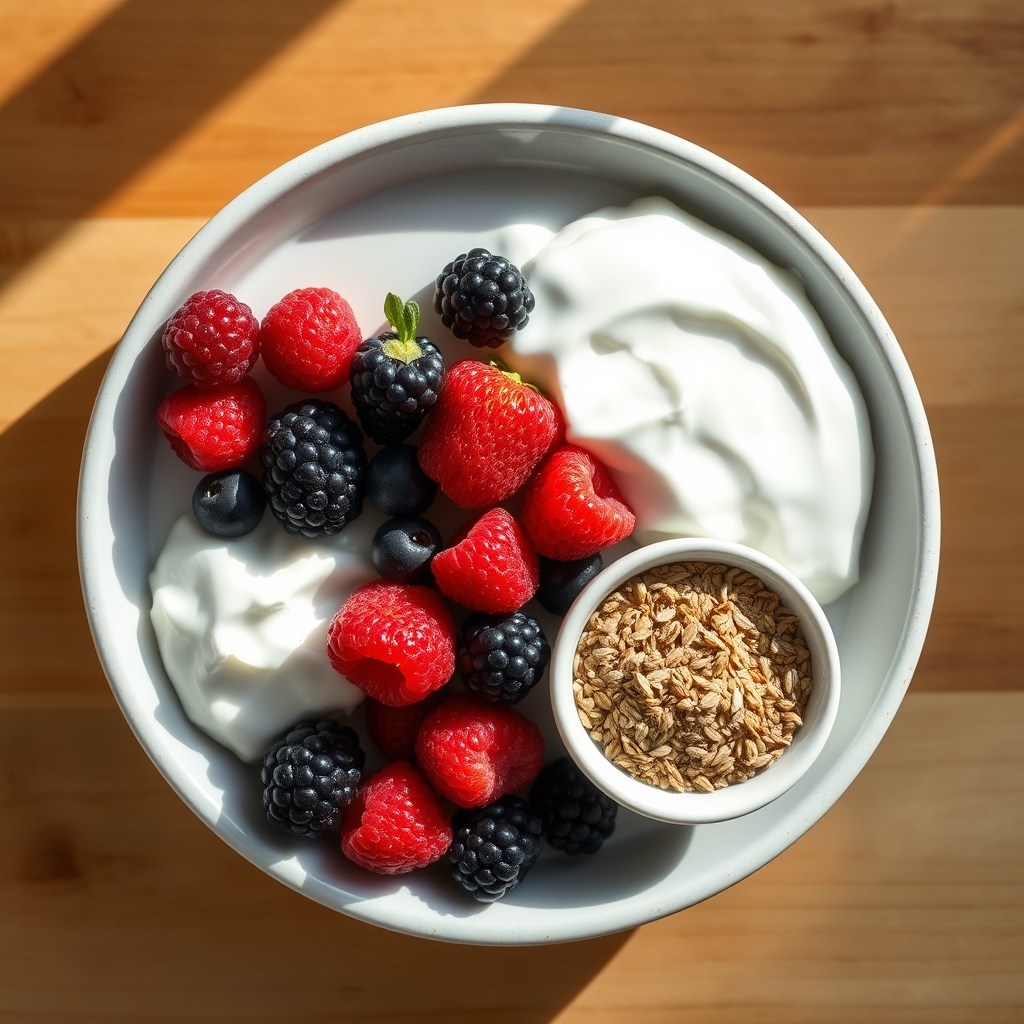
Greek yogurt parfait: ½ cup plain Greek yogurt layered with ¼ cup fresh berries and a tablespoon of ground flaxseed (≈3 g fiber).
Apple slices with almond butter: One medium apple (4 g fiber) spread with 1 tbsp almond butter (1 g fiber).
Whole‑grain toast & avocado: One slice whole‑wheat toast (3 g fiber) topped with ¼ avocado (2 g fiber) and a sprinkle of chia seeds.
Baby carrots & hummus: 1 cup baby carrots (3 g fiber) with 2 tbsp hummus (1 g fiber).
Overnight oats: ½ cup rolled oats (4 g fiber) soaked in milk, mixed with a tablespoon of chia seeds (10 g fiber) and a dash of cinnamon.
All of these snacks are low‑risk for food‑borne illness—an important consideration in early pregnancy when the immune system is a bit more vulnerable. Choose pasteurized dairy, wash produce thoroughly, and store leftovers promptly.
When nausea spikes, keep a stash of pre‑portioned snack packs in the fridge. A small container of sliced apple with a pre‑measured almond‑butter packet can be grabbed in seconds, preventing you from reaching for less‑nutritious processed foods.
Snack smart: Pair fruit with protein‑rich yogurt or nut butter for balanced fiber and satiety.
High‑fiber foods to avoid during pregnancy
While most fiber sources are safe, a few foods can carry extra risks for pregnant people, either because they’re prone to contamination or because they contain compounds that may affect nutrient absorption.
Unwashed or under‑cooked sprouts: Alfalfa, clover, and radish sprouts can harbor Salmonella or E. coli. The FDA advises pregnant women to avoid raw sprouts entirely.
Unripe or overly astringent fruits: Green bananas and unripe papaya contain higher levels of resistant starch and latex, which can be harder to digest and may cause mild cramping.
Excessive amounts of high‑oxalate foods: Spinach, beet greens, and Swiss chard are nutritious but, in large quantities, can increase oxalate load and theoretically raise kidney‑stone risk. Moderation (1‑2 servings per day) is key.
Highly processed fiber supplements: Some powdered fiber blends contain artificial sweeteners or sugar alcohols that can ferment in the gut and cause gas or diarrhea. If you need a supplement, choose a simple psyllium husk product and discuss it with your provider.
In addition, be mindful of “fiber‑rich” packaged snacks that are also high in added sugars or sodium—these can undermine the benefits of fiber by spiking blood glucose or contributing to swelling.
For those who love smoothies, swapping a pre‑flavored protein powder for plain Greek yogurt or a scoop of oat flour can boost fiber without the hidden sugars that often hide in commercial blends.
How to incorporate fiber into a pregnancy meal plan
Think of fiber as a thread that runs through every meal, not a separate “add‑on.” Below is a week‑by‑week framework that aligns with the trimester‑specific targets listed earlier. Adjust portions based on your appetite and any medical advice you receive.
Breakfast: Rotate between oatmeal topped with berries and chia, whole‑grain toast with avocado, and quinoa breakfast bowls with roasted sweet potato and a sprinkle of pumpkin seeds.
Mid‑morning snack: Keep a pre‑portioned bag of mixed nuts (almonds, pistachios) and a piece of fruit handy.
Lunch: Build salads with a base of dark leafy greens, add beans or lentils, toss in colorful veggies, and finish with a drizzle of olive oil and a tablespoon of sunflower seeds.
Afternoon snack: Pair carrot sticks with hummus, or have a small whole‑grain pita with a smear of cottage cheese and sliced cucumber.
Dinner: Aim for a half‑plate of vegetables (steamed or roasted), a quarter‑plate of whole grains (brown rice, barley, or farro), and a quarter‑plate of protein (fish, poultry, or tofu) that includes legumes or a side of beans.
Evening wind‑down: A warm cup of herbal tea with a teaspoon of ground flaxseed stirred into a splash of milk can add an extra 2‑3 g of fiber before bed.
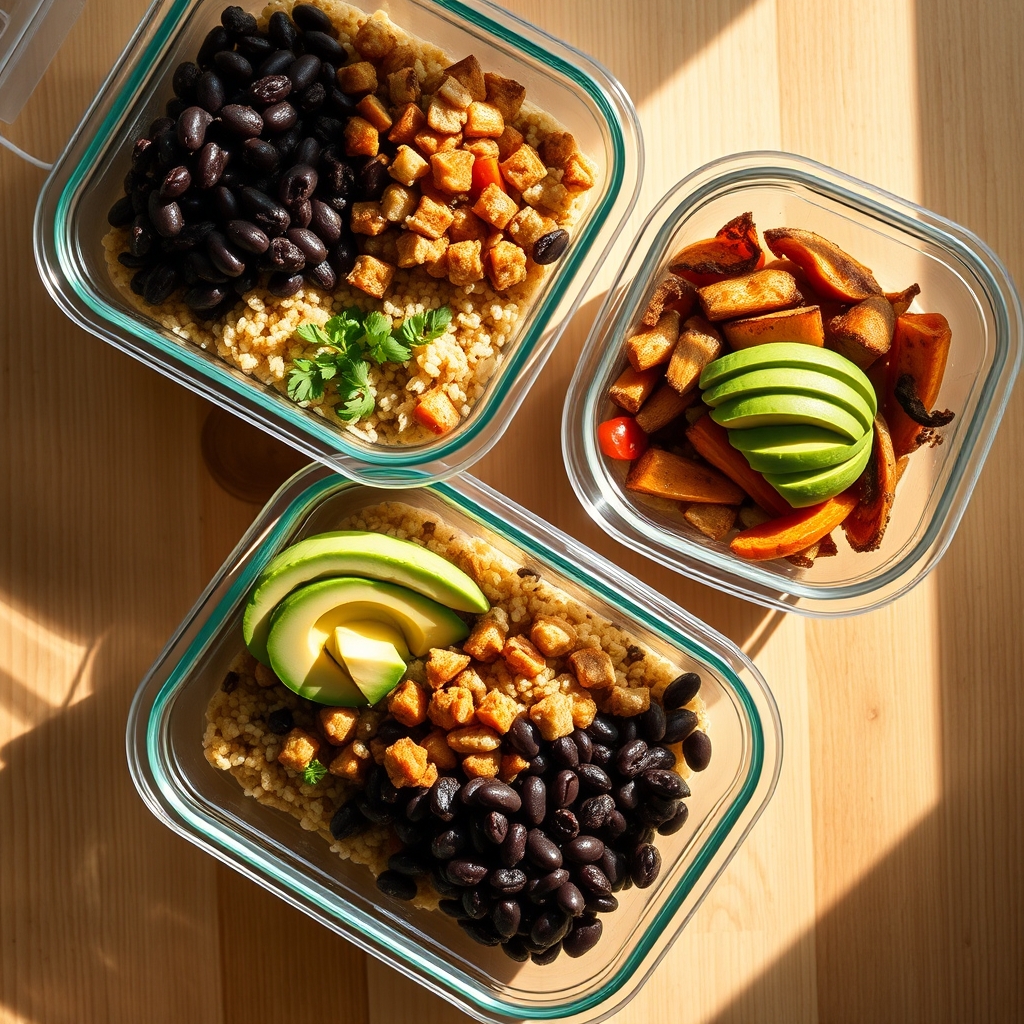
Meal‑prep can make this routine easier. Cook a large batch of quinoa and beans on Sunday, wash and chop veggies into airtight containers, and portion out nuts into snack bags. When the week gets busy, you’ll have a ready‑to‑eat fiber foundation.
For those who prefer a lighter dinner, a “fiber‑first” soup—such as a lentil‑vegetable broth—provides bulk without feeling heavy. Add a slice of whole‑grain bread on the side for a satisfying complete meal.
Batch‑cook beans and whole grains on the weekend for quick, fiber‑rich meals all week.
Benefits of fiber for pregnancy digestion and blood‑sugar control
Beyond preventing constipation, fiber plays a pivotal role in moderating how quickly carbohydrates are absorbed. Soluble fiber forms a gel‑like substance in the gut that slows glucose entry into the bloodstream, helping to blunt post‑meal spikes. This effect is especially valuable during the second and third trimesters, when insulin resistance naturally rises.
Research from the Mayo Clinic and the National Diabetes Data Group shows that women who meet the 25‑g fiber recommendation have a 30 % lower odds of developing gestational diabetes compared with those who fall short. The mechanism is two‑fold: slower glucose absorption and improved gut‑microbiome diversity, which together support better insulin sensitivity.
Fiber also supports a healthy microbiome that produces short‑chain fatty acids (SCFAs). SCFAs have anti‑inflammatory properties and may help maintain a healthy weight gain trajectory, reducing the risk of excessive gestational weight gain—a factor linked to both hypertension and pre‑eclampsia.
In addition to metabolic benefits, adequate fiber can ease heartburn—a common complaint in pregnancy. Insoluble fiber adds bulk that can help keep stomach contents moving, reducing the time acid spends in the esophagus. A 2022 review in the journal *Obstetrics & Gynecology* noted that women who increased fiber intake reported fewer episodes of reflux, although individual responses vary.
Fiber and gestational diabetes prevention
Gestational diabetes (GDM) affects roughly 7 % of pregnancies in the United States, according to the CDC. While genetics and weight play major roles, diet is a modifiable factor that can tip the balance. High‑fiber meals blunt the rapid rise in blood glucose after carbohydrate‑rich foods, giving the pancreas more time to release insulin gradually.
One randomized trial published by the American Diabetes Association in 2021 found that pregnant women who added an extra 10 g of soluble fiber each day (through foods like oats and beans) experienced a 15 % reduction in peak post‑prandial glucose compared with a control group. The study’s authors emphasized pairing fiber with a protein source to further stabilize sugar levels.
If you’ve already been diagnosed with GDM, the American Diabetes Association’s nutrition guidelines recommend aiming for 28‑30 g of fiber daily, focusing on low‑glycemic sources such as berries, legumes, and whole‑grain breads. Always coordinate any dietary changes with your diabetes care team to ensure they fit your individualized meal plan.
Fiber for heart health in pregnancy
Pregnancy places extra demand on the cardiovascular system, and a diet rich in soluble fiber can help maintain healthy cholesterol levels. Soluble fiber binds bile acids in the intestine, prompting the liver to use circulating cholesterol to make new bile, thereby lowering LDL (“bad”) cholesterol.
The British Dietetic Association notes that women who consume at least 25 g of fiber daily during pregnancy tend to have modestly lower LDL levels in the third trimester, which may translate to a reduced risk of postpartum hypertension. While the effect size is modest, it’s a simple, low‑cost strategy that complements other heart‑healthy habits like regular prenatal exercise.
Remember that fiber is only one piece of the puzzle. Pairing fiber‑rich foods with omega‑3 sources (like walnuts or fortified eggs) and limiting saturated fats can create a more comprehensive cardiovascular support plan.
Quick high‑fiber recipes for pregnant women
When you’re short on time, these three recipes let you pack a fiber punch without spending hours in the kitchen.
Rainbow Lentil & Veggie Soup (makes 4 servings):
1 cup red lentils (8 g fiber)
2 cups chopped carrots, celery, and bell peppers (5 g fiber)
4 cups low‑sodium vegetable broth
1 tsp cumin, ½ tsp turmeric
Cook lentils in broth until tender, add veggies, simmer 15 min, season, and serve.
Berry‑Chia Overnight Oats (single serving):
½ cup rolled oats (4 g fiber)
1 cup unsweetened almond milk
¼ cup mixed berries (2 g fiber)
1 tbsp chia seeds (10 g fiber)
Mix everything in a jar, refrigerate overnight, enjoy cold or warmed.
Whole‑Grain Veggie Wrap (serves 2):
2 large whole‑wheat tortillas (6 g fiber each)
½ cup black beans (7 g fiber)
¼ cup shredded carrots (1 g fiber)
¼ cup sliced avocado (2 g fiber)
Spread hummus, layer ingredients, roll, and slice.
Each recipe supplies between 12‑20 g of fiber, so you can pair them with a glass of water or a piece of fruit to easily meet your daily goal.
For a savory twist, try adding a tablespoon of ground flaxseed to the soup broth. The subtle nutty flavor blends well and adds an extra 3 g of fiber per serving—perfect for a mid‑day boost.
Fiber‑rich foods that help manage morning sickness
Morning sickness often makes it hard to tolerate high‑fiber foods, yet certain gentle fiber sources can actually soothe nausea. Soluble fibers like those found in ripe bananas, applesauce, and oat‑based cereals form a calming gel that can settle the stomach without adding bulk that feels heavy.
According to the NHS, small, frequent meals that include a modest amount of fiber—such as a plain toast with a thin spread of avocado—can help keep blood sugar stable, which in turn reduces nausea spikes. Pairing these foods with ginger tea, a safe herbal option recommended by ACOG, provides additional anti‑nausea benefits.
If you’re struggling with persistent nausea, try a “smoothie rescue” that blends peeled pear, a spoonful of plain Greek yogurt, and a dash of ground flaxseed. The combination delivers fiber, protein, and probiotics, all of which can improve gut comfort and digestion.
Gluten‑free high‑fiber choices for pregnancy
Some pregnant people avoid gluten due to celiac disease or a desire to reduce gluten exposure. Fortunately, many gluten‑free foods are also high in fiber. Quinoa, buckwheat, millet, and certified gluten‑free oats provide 4‑5 g of fiber per cooked cup.
Legumes remain a cornerstone—lentils, chickpeas, and black‑bean pasta are naturally gluten‑free and fiber‑dense. For snack time, try roasted chickpeas seasoned with sea salt and a drizzle of olive oil; they’re crunchy, portable, and deliver about 6 g of fiber per ounce.
When selecting processed gluten‑free products (like breads or cereals), read the nutrition label carefully. Some brands add extra starches that dilute fiber content. Look for items that list whole‑grain gluten‑free flours (e.g., brown rice flour, sorghum) as the first ingredient and provide at least 3 g of fiber per serving.
Choosing the right timing for fiber around prenatal vitamins
Prenatal vitamins often contain iron, which can be harder to absorb when taken with high‑fiber foods. The American College of Obstetricians and Gynecologists suggests spacing iron‑rich supplements at least two hours apart from fiber‑dense meals to maximize absorption.
A practical approach is to take your prenatal vitamin with a light snack that contains some protein but minimal fiber—such as a small glass of milk or a piece of cheese. Then, schedule your main high‑fiber meals later in the day. This timing helps you reap the digestive benefits of fiber while still getting the essential minerals from your supplement.
If you’re prescribed a separate iron supplement, your provider may recommend a specific schedule. Always follow their guidance, as individual needs can vary based on anemia status and dietary patterns.
From our medical team: “Fiber is a safe, natural way to support digestion and blood‑sugar balance throughout pregnancy. Start with small, frequent servings and stay hydrated. If you have a history of bowel issues or are on medication that affects gut motility, talk to your provider before making big changes.”
Myth vs. fact
Myth: “All fiber is the same, so any high‑fiber food will work.”
Fact: Soluble and insoluble fibers act differently; a mix of both (e.g., oats plus beans) offers the best digestive support and blood‑sugar regulation.
Myth: “Eating a lot of fiber will cause severe constipation.”
Fact: When paired with adequate fluids, fiber actually prevents constipation. Problems arise when fiber is increased without water.
Myth: “Fiber supplements replace whole foods.”
Fact: Whole foods provide additional nutrients—vitamins, minerals, antioxidants—that supplements lack. Use supplements only to fill gaps, not as a primary source.
Key takeaways
Target 25 g of fiber daily, adjusting upward slightly in the third trimester.
Include a variety of fruits, vegetables, whole grains, legumes, nuts, and seeds each day.
Drink 2‑3 L of fluid to let fiber do its job without causing hard stools.
Choose safe snacks—Greek yogurt with berries, apple‑almond butter, hummus‑carrot sticks.
Avoid raw sprouts, unripe papaya, and overly processed fiber‑rich snacks.
Spread fiber across meals; a balanced plate helps control blood sugar and reduces gestational‑diabetes risk.
If you have GDM or a pre‑existing condition, coordinate fiber changes with your care team.
When using prenatal vitamins, separate iron‑containing supplements from high‑fiber meals to aid absorption.
Frequently asked questions
How many grams of fiber should I eat each day while pregnant?
Most guidelines, including ACOG and the NHS, recommend at least 25 g of fiber per day for pregnant adults; some experts suggest up to 30 g in the third trimester for optimal digestive health.
What are the top high‑fiber foods for pregnant women?
Raspberries, pears, cooked broccoli, lentils, quinoa, chia seeds, and almonds consistently rank among the highest‑fiber options and are also nutrient‑dense for pregnancy.
Can eating too much fiber be harmful during pregnancy?
Excessive fiber (over 35 g daily) can cause bloating, gas, and occasional constipation if fluid intake is insufficient; it may also interfere with mineral absorption, so balance is key.
How does fiber affect constipation in pregnancy?
Fiber adds bulk and softens stool, stimulating peristalsis. When paired with adequate water, it typically eases constipation rather than worsening it.
Are there any high‑fiber foods to avoid during pregnancy?
Raw sprouts (due to bacterial risk), unripe papaya (high latex), and heavily processed fiber bars with added sugars should be limited or avoided.
What are easy high‑fiber snack ideas for pregnant women?
Try Greek yogurt with berries, apple slices with almond butter, whole‑grain toast topped with avocado, baby carrots with hummus, or a handful of mixed nuts and dried fruit.
Can a high‑fiber diet help if I’ve already been diagnosed with gestational diabetes?
Yes. The American Diabetes Association suggests aiming for 28‑30 g of fiber daily, focusing on low‑glycemic sources like beans, berries, and whole‑grain breads. Pair fiber with protein and healthy fats to further stabilize blood sugar, and always coordinate changes with your diabetes care team.
Is it safe to take a fiber supplement in the second trimester?
Generally, a simple psyllium husk supplement is considered safe, but it should be used only after discussing it with your provider, especially if you’re taking other medications or have a history of bowel disorders.
How can I balance fiber intake with iron‑rich prenatal vitamins?
Take your prenatal vitamin with a low‑fiber snack (like a glass of milk) and schedule high‑fiber meals at least two hours later. This timing helps your body absorb iron while still reaping the digestive benefits of fiber.
Do gluten‑free grains provide enough fiber during pregnancy?
Yes. Gluten‑free grains such as quinoa, buckwheat, millet, and certified gluten‑free oats each deliver 4‑5 g of fiber per cooked cup, making them excellent staples for a fiber‑rich, gluten‑free diet.
When to call your doctor
If you experience any of the following, reach out to your provider promptly: persistent abdominal pain, blood in stool, sudden severe bloating, vomiting, inability to pass gas or stool for more than 48 hours, or a rapid weight gain of more than 2 kg in a week. Remember, this article is for general information only and does not replace personalized medical advice.
References
American College of Obstetricians and Gynecologists (ACOG). “Nutrition During Pregnancy.” 2023 Clinical Guidance.
National Health Service (NHS). “Fiber and Constipation.” Updated 2022.
U.S. Food and Drug Administration (FDA). “Food Safety for Pregnant Women.” 2021.
World Health Organization (WHO). “Dietary Fiber Recommendations.” 2020.
Mayo Clinic. “Gestational Diabetes: Prevention and Management.” 2022.
Centers for Disease Control and Prevention (CDC). “Pregnancy Nutrition.” 2023.
Harvard T.H. Chan School of Public Health. “The Nutrition Source: Fiber.” Accessed 2024.
British Dietetic Association. “Fiber Intake for Pregnant Women.” 2021.
American Diabetes Association. “Nutrition Therapy for Gestational Diabetes.” Diabetes Care, 2021.
Obstetrics & Gynecology Journal. “Dietary Fiber and Reflux in Pregnancy.” 2022.
National Health Service (NHS). “Managing Nausea and Vomiting in Early Pregnancy.” 2023.
American College of Obstetricians and Gynecologists (ACOG). “Iron Supplementation and Nutrition Timing.” 2022.
Not sure about the label on High Fiber Foods For Pregnancy Digestive Health products?
Snap the ingredients list and SafeFilter checks every ingredient for your stage — only 3 free scans this month, then you're locked until reset. Unlimited from $7/mo or lock $50/yr through Aug 31 (5 days left).
When Shubhra Mishra was expecting her first child in 2016, she was overwhelmed by conflicting food advice — one site said yes, another said never. By the time her second baby arrived in 2019, she realized millions of mothers face the same confusion.
That sparked a five-year journey through clinical nutrition papers, cultural diets, and expert conversations — all leading to BumpBites: a calm, compassionate space where science meets everyday motherhood.
Her long-term vision is to build a global community ensuring safe, supported, and free deliveriesfor every mother — because no woman should face pregnancy alone or uninformed. 🌿
🌍 Stand with mothers, shape safer guidance
Join a small circle of experts who review BumpBites articles so expecting parents everywhere can decide with confidence.