

Quick take: If your toddler turns mealtime into a food fight, you’re not alone—it’s a normal (if frustrating) phase. Most toddlers throw food to explore cause-and-effect, seek attention, or signal they’re full. The key is staying calm, setting clear boundaries, and redirecting their energy. Try serving smaller portions, using a high chair with a footrest, and offering praise when they eat without throwing. If food throwing persists beyond age 3 or comes with other concerning behaviors, talk to your pediatrician.
You’ve just spent 20 minutes steaming broccoli, mashing sweet potatoes, and cutting chicken into perfect toddler-sized bites. You place the plate in front of your little one, heart swelling with pride—only for them to grin, grab a handful of food, and hurl it across the room like a tiny, sticky confetti cannon. The dog scrambles for the scraps. Your partner freezes mid-bite. And you? You’re left staring at the wreckage, wondering if you’ll ever enjoy a peaceful meal again.
Take a deep breath. Food throwing is one of those universal toddler rites of passage—right up there with tantrums over the wrong-colored cup and the sudden refusal to wear pants. It’s messy, it’s exhausting, and yes, it’s normal. But that doesn’t mean you’re powerless. This guide will walk you through why toddlers throw food, how to stop it (without losing your cool), and what to do when the usual tricks don’t work. We’ll cover everything from high-chair hacks to gentle discipline techniques, plus when to worry—and when to just grab a mop and laugh it off.
Why Do Toddlers Throw Food on the Floor—and How to Stop It
Toddlers aren’t throwing food to drive you crazy (even if it feels that way). For them, it’s science. Every time they fling a pea or drop a cracker, they’re testing gravity, observing your reaction, and learning how the world works. But why food? Here are the most common reasons—and how to address each one:
- Cause-and-effect curiosity: "If I drop this, what happens?" Toddlers are little scientists. They’re fascinated by the sound of food hitting the floor, the way it splatters, and how quickly you react. What to do: Stay neutral. A big reaction (even a negative one) can reinforce the behavior. Instead, say, "Food stays on the table," and calmly remove the plate for 30 seconds. Then offer it back with a reminder: "Let’s keep our food here."
- Attention-seeking: If throwing food gets a rise out of you, they’ll keep doing it. What to do: Ignore the throwing (as long as it’s not dangerous) and praise the opposite. "Wow, you’re doing such a great job keeping your food on your plate!" Even if it’s just for a few seconds, they’ll start to connect the dots.
- They’re full: Toddlers have tiny stomachs and big opinions. If they’re done eating, they might throw food to communicate that. What to do: Watch for cues (turning their head away, pushing the plate, getting fussy). Say, "All done?" and remove the plate. Offer a sip of water or a small snack later if they’re hungry again.
- Frustration or sensory overload: Some foods are too hot, too cold, too mushy, or too crunchy. Others are just boring. What to do: Offer a variety of textures and temperatures. If they’re throwing because they’re frustrated, acknowledge it: "I see you’re upset. Let’s try a bite of something else."
- Boredom: Mealtime can feel like an eternity to a toddler. If they’re done eating but you’re still sitting there, they might start throwing food to entertain themselves. What to do: Keep meals short (15–20 minutes max). If they’re done early, let them get down and play while you finish eating.
One mom, Sarah, shared her lightbulb moment: "I realized my son wasn’t throwing food to be defiant—he was bored. Once I started giving him a small toy or book to look at while we finished eating, the throwing stopped almost overnight. It wasn’t a magic fix, but it helped us both relax."
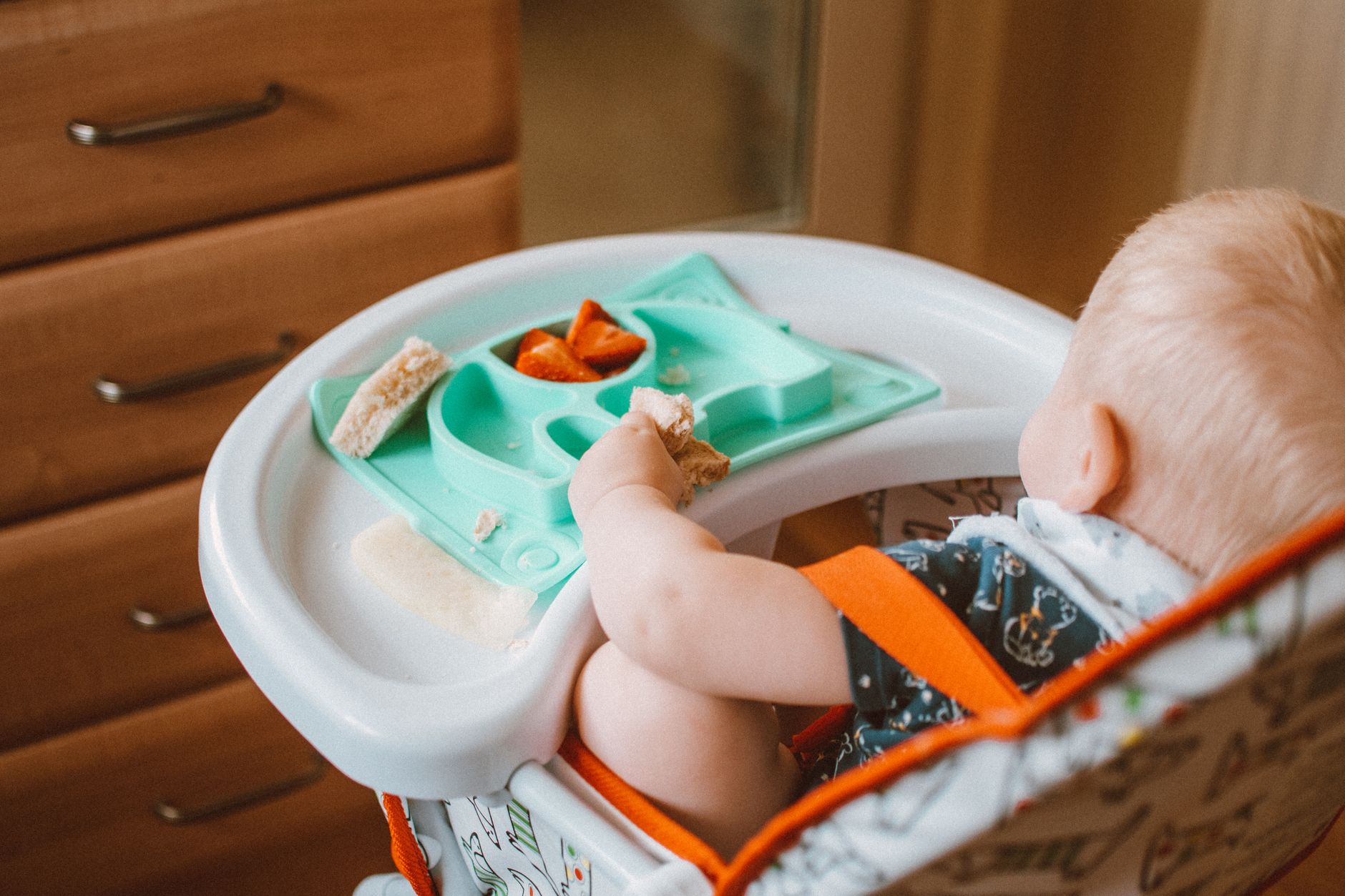
What to Do When Your 1-Year-Old Throws Food Instead of Eating
Step 1: Rule Out Hunger or Discomfort
Before assuming they’re being "naughty," check for basic needs:
- Are they tired? Overtired toddlers are more likely to throw food.
- Are they teething? Pain can make them less interested in eating.
- Are they sick? A stuffy nose or sore throat can make eating uncomfortable.
Step 2: Simplify the Meal
At this age, less is more. Offer 2–3 foods at a time, in small portions (a tablespoon of each is plenty). Too many choices can overwhelm them. Try:
- Soft finger foods (steamed carrot sticks, avocado slices, banana chunks).
- Foods they can pick up easily (avoid slippery or hard-to-grip items).
- A divided plate to keep foods separate (some toddlers hate when foods touch).
Step 3: Use the "One-Bite Rule"
Encourage them to try at least one bite of each food. Say, "Take one bite, then you can say ‘all done.’" If they throw it, stay neutral: "Food stays on the plate. Let’s try again later."
Step 4: Model the Behavior You Want
Toddlers learn by watching you. Eat with them, and narrate what you’re doing: "Mmm, I’m eating my peas! They’re so yummy. Do you want to try one?" If they throw food, say, "Oh no, food stays on the table. Let’s put it back." Then demonstrate by picking up a piece of food and placing it back on their plate.
Step 5: End the Meal Gracefully
If they’re throwing more than they’re eating, it’s time to wrap it up. Say, "All done with lunch. Let’s clean up!" Then involve them in the process: "Can you help put your plate in the sink?" (Even if they just hand it to you, it’s a start.)
For more age-specific tips, check out our guide on what to do when your baby throws food at the table.
Best High Chair for Toddlers Who Throw Food to Prevent Mess
The right high chair can make a world of difference in containing the chaos. Look for these features:
| Feature | Why It Helps | Top Picks |
|---|---|---|
| Deep, removable tray with raised edges | Catches flung food and prevents it from bouncing onto the floor. | Graco Blossom 6-in-1, IKEA Antilop |
| Adjustable footrest | Helps toddlers feel more secure and less fidgety, reducing the urge to throw. | Stokke Tripp Trapp, Abiie Beyond Wooden High Chair |
| Easy-to-clean materials | Smooth surfaces wipe clean quickly; avoid fabric seats that trap food. | 4moms High Chair, Joovy Nook |
| Compact or space-saving design | Fits in small kitchens and can be moved out of the way when not in use. | Fisher-Price SpaceSaver, Cosco Simple Fold |
| Convertible to a big-kid chair | Grows with your child, saving you money in the long run. | Oxo Tot Sprout, Keekaroo Height Right |
Pro tip: Place a silicone placemat or a large baking sheet under the high chair to catch stray food. Some parents swear by the "splat mat"—a washable mat that extends a few feet around the high chair to contain the mess.
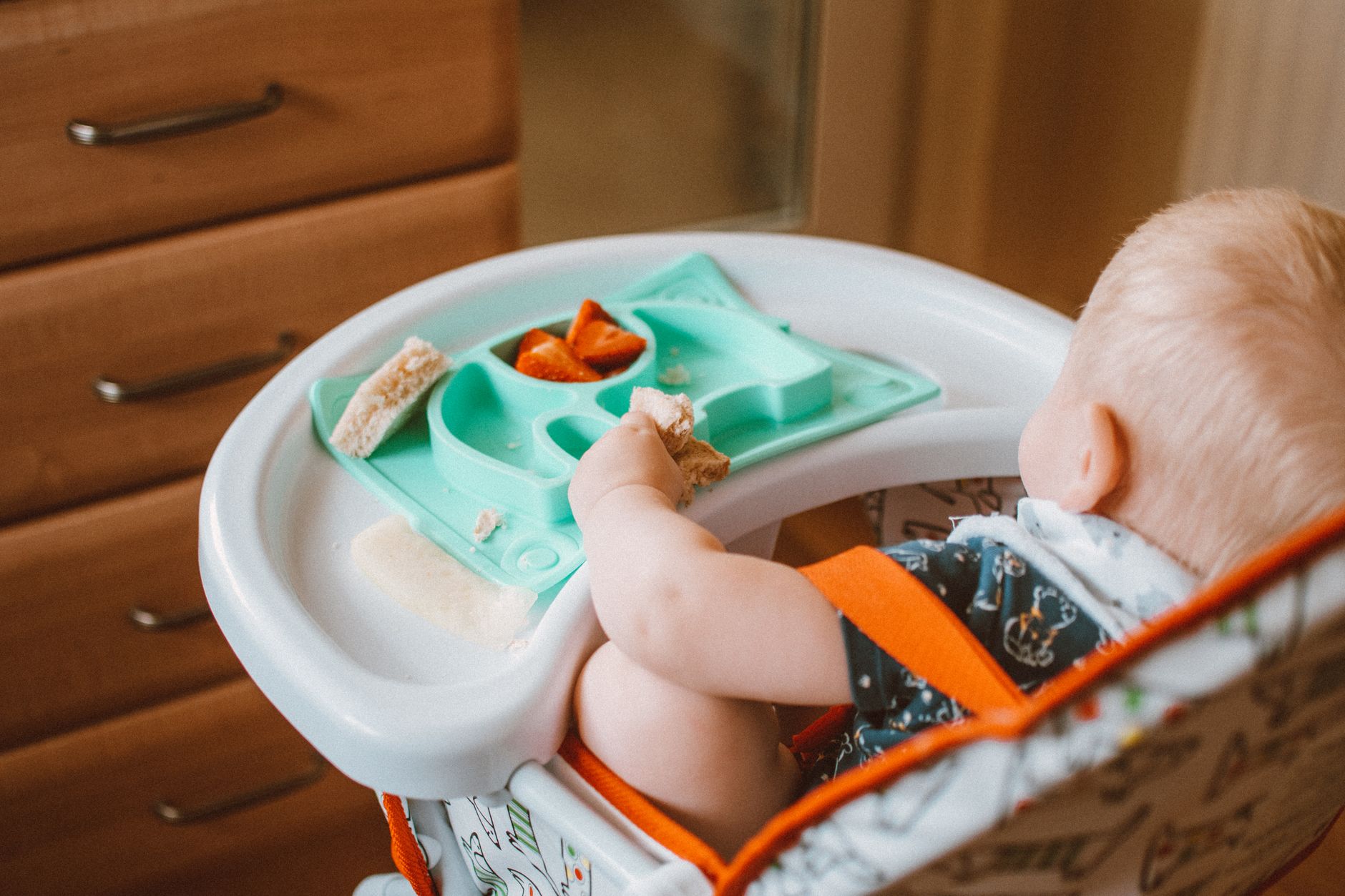
How to Teach a 2-Year-Old Not to Throw Food at Mealtime
By age 2, toddlers understand more language and can follow simple rules—but they’re also more stubborn. Here’s how to set boundaries while keeping mealtime positive:
1. Set Clear, Simple Rules
Use short, consistent phrases like:
- "Food stays on the table."
- "We use gentle hands with our food."
- "If you throw food, you’re telling me you’re all done."
Repeat these rules every meal until they sink in. Toddlers thrive on repetition.
2. Use Natural Consequences
If they throw food, calmly say, "Oh no, food on the floor. That means you’re all done." Then remove the plate for the rest of the meal. No anger, no lectures—just a matter-of-fact consequence. They’ll quickly learn that throwing food = mealtime is over.
3. Offer Choices
Toddlers love control. Give them small choices to reduce power struggles:
- "Do you want peas or carrots first?"
- "Should we use the red plate or the blue plate today?"
- "Do you want to sit in your high chair or the booster seat?"
4. Praise the Positive
When they don’t throw food, make a big deal out of it: "Wow! You kept all your food on your plate. That’s so helpful!" Positive reinforcement works better than punishment at this age.
5. Keep Meals Short and Sweet
At 2, toddlers have the attention span of a goldfish. Aim for 15–20 minutes per meal. If they’re done earlier, let them get down and play while you finish eating. (Yes, this means you might be eating cold food for a while. It’s temporary!)
6. Involve Them in Cleanup
Make cleanup part of the routine. Say, "Uh-oh, food on the floor! Let’s pick it up together." Hand them a small dustpan or a damp cloth and let them "help." It teaches responsibility and makes them less likely to throw food just to see you react.
One dad, Mark, shared his breakthrough: "I started giving my daughter a ‘cleanup cloth’ at the end of every meal. She loves wiping the tray, and now she’s more careful with her food because she knows she’ll have to clean it up if she throws it. It’s not perfect, but it’s progress!"
Gentle Discipline Techniques for Toddlers Throwing Food
Discipline doesn’t have to mean punishment. Gentle discipline focuses on teaching, not shaming. Here are some effective techniques for food throwing:
1. The "Pause and Redirect" Method
When they throw food, pause for a beat (to avoid reacting emotionally), then redirect their attention. Say, "Food stays on the table. Let’s put it back," and hand them the food to place back on their plate. If they throw it again, calmly remove the plate for 30 seconds, then offer it back with a reminder.
2. The "Broken Record" Technique
Toddlers test limits by seeing if you’ll give in. Stay consistent by repeating the same phrase every time they throw food: "Food stays on the table." No anger, no negotiation—just a calm, firm reminder. They’ll get the message eventually.
3. The "Time-In" Instead of Time-Out
If they’re throwing food out of frustration or anger, a time-out can make things worse. Instead, try a "time-in": sit with them, hold them (if they’ll let you), and say, "I see you’re upset. Let’s take a deep breath together." Once they’re calm, you can talk about what happened.
4. The "Do-Over" Approach
Give them a chance to correct their behavior. If they throw food, say, "Oops! Let’s try that again. Can you put your food back on your plate gently?" Praise them when they do it right: "Great job! That’s how we keep our food on the table."
5. The "Distraction" Trick
If they’re throwing food out of boredom, distract them with a song, a toy, or a silly face. Sing a song about eating ("This is the way we eat our peas, eat our peas, eat our peas…"), or play a quick game of "I spy" with the food on their plate.
For more strategies on handling toddler meltdowns (including food-related ones), check out our guide on how to stop a toddler tantrum in public.
Is Food Throwing a Sign of Autism or Just Normal Toddler Behavior?
This is one of the most common questions parents ask—and the answer isn’t always straightforward. Food throwing can be a sign of autism, but it’s also a normal part of toddler development. Here’s how to tell the difference:
Normal Toddler Food Throwing
- Happens occasionally, not every meal.
- Stops when you set clear boundaries (e.g., removing the plate).
- Often tied to curiosity, attention-seeking, or fullness.
- Improves with age and consistent rules.
- Not accompanied by other concerning behaviors.
Food Throwing That Might Signal Autism
Food throwing alone isn’t enough to diagnose autism, but if it’s paired with other signs, it’s worth mentioning to your pediatrician. Look for:
- Sensory issues: Extreme aversion to certain textures, temperatures, or smells. For example, they might gag or throw food that’s "too mushy" or "too crunchy."
- Rigid routines: Meltdowns if mealtime isn’t "just right" (e.g., the wrong plate, the wrong spoon, food touching other food).
- Lack of social engagement: Doesn’t make eye contact, doesn’t respond to their name, or seems uninterested in interacting with you during meals.
- Repetitive behaviors: Throws food in the same way every time (e.g., always drops it from a certain height, always throws it over their shoulder).
- Delayed communication: Doesn’t use gestures (pointing, waving) or words to communicate needs (e.g., doesn’t say "all done" or "more").
If you’re concerned, track their behavior for a week or two. Note when the food throwing happens, what triggers it, and how often it occurs. Share your observations with your pediatrician—they can help you determine if further evaluation is needed.
Remember: Every child develops at their own pace. Some toddlers throw food for months and then stop overnight. Others need more support. Trust your instincts, and don’t hesitate to reach out to a professional if something feels off.
How to Respond When Your Toddler Throws Food for Attention
Attention-seeking is one of the most common reasons toddlers throw food. They’ve learned that flinging a handful of spaghetti gets a reaction—even if it’s a negative one. Here’s how to break the cycle:
1. Ignore the Throwing (Within Reason)
If the food throwing isn’t dangerous (e.g., they’re not throwing heavy or sharp objects), ignore it. Don’t make eye contact, don’t react, and don’t engage. The second they stop throwing, praise them: "Wow, you’re keeping your food on your plate! That’s so helpful."
2. Give Attention for Positive Behavior
Toddlers crave attention, so give it to them before they start throwing food. Sit with them, talk to them, and praise them for small wins: "You’re doing such a great job eating your peas!" The more attention they get for good behavior, the less they’ll seek it out with bad behavior.
3. Use "Planned Ignoring"
If they’re throwing food just to get a rise out of you, leave the room for 10–15 seconds. Say, "I’ll be back when you’re ready to eat nicely," and step away. When you return, act like nothing happened. This teaches them that throwing food = no attention.
4. Offer a Distraction
Sometimes, attention-seeking is really boredom in disguise. Keep a few "mealtime toys" on hand—small board books, a busy board, or a fidget toy. Say, "Here’s your special book to look at while you eat." This gives them something to do with their hands besides throwing food.
5. Set Up a "Special Helper" Role
Toddlers love feeling important. Give them a "job" during meals, like being the "napkin helper" (handing out napkins) or the "spoon helper" (stirring the food). This redirects their energy and makes them feel included.
One mom, Lisa, shared her experience: "My son would throw food every time I got up to check on the baby. I realized he was just lonely. Now, I sit with him for the first 10 minutes of every meal, and the throwing has decreased by 80%. It’s not perfect, but it’s progress."
Mealtime Rules to Stop Food Throwing in Toddlers
Consistency is key when it comes to stopping food throwing. These mealtime rules will help set clear expectations and reduce power struggles:
1. The "One Plate, One Chance" Rule
Serve one plate of food at a time. If they throw it, the meal is over. No second chances, no snacks later. This teaches them that throwing food = no more food until the next meal. (Note: This rule works best for toddlers over 18 months who understand cause and effect.)
2. The "No Food Play" Rule
Food is for eating, not playing. If they start using food as a toy (e.g., stacking it, smearing it, throwing it), say, "Food stays on the table. If you want to play, we can do that after lunch." Then end the meal.
3. The "All Done" Rule
Teach them to say "all done" when they’re finished eating. If they throw food instead, say, "Oh, you’re throwing food? That means you’re all done." Then remove the plate. This helps them learn to communicate their needs without throwing.
4. The "No Short-Order Cooking" Rule
Serve one meal for the whole family. If they don’t like what’s on their plate, that’s okay—but they don’t get a replacement. Offer one "safe" food (something you know they’ll eat) at every meal to ensure they don’t go hungry.
5. The "Cleanup Rule"
Make cleanup part of the routine. If they throw food, they help clean it up. Say, "Uh-oh, food on the floor! Let’s pick it up together." Hand them a small dustpan or a damp cloth and let them "help." This teaches responsibility and makes them less likely to throw food just to see you react.
6. The "No Electronics" Rule
Screens during meals can lead to mindless eating—and more food throwing. Keep mealtime screen-free to encourage mindful eating and better behavior.
7. The "Praise the Positive" Rule
Catch them being good. Praise them when they eat without throwing, when they try a new food, or when they say "all done" instead of throwing their plate. Positive reinforcement works wonders.
For more ideas on nutritious, toddler-friendly meals, check out our list of cheap, homemade baby food ideas.

Toddler Throws Food When Full: How to Handle It
Toddlers are terrible at recognizing when they’re full—and even worse at communicating it. If they’re throwing food because they’re done eating, here’s what to do:
1. Watch for Fullness Cues
Toddlers show they’re full in subtle ways. Look for:
- Turning their head away from food.
- Pushing the plate away.
- Playing with food instead of eating it.
- Getting fussy or distracted.
- Saying "all done" (or a variation, like "no" or "finished").
2. Offer a "Safe" Food
If they’re throwing food because they’re full but you’re not ready to end the meal, offer a small portion of a "safe" food—something you know they’ll eat, like fruit or crackers. This gives them something to nibble on while you finish eating.
3. Teach Them to Say "All Done"
Help them communicate their fullness by teaching them to say "all done." You can even make it a game: "Let’s see if you can say ‘all done’ before you throw your food!" Praise them when they do it right.
4. Remove the Plate Gracefully
If they’re clearly done, say, "All done? Okay, let’s clean up!" Then remove the plate and involve them in the cleanup process. This helps them learn that mealtime is over when they’re full—not when they throw food.
5. Avoid the "One More Bite" Trap
It’s tempting to coax them into eating "just one more bite," but this can lead to power struggles and more food throwing. Trust their hunger cues. If they’re done, they’re done.
Food Throwing Phase: How Long Does It Last?
The short answer? It depends. Some toddlers outgrow food throwing by 18 months; others keep it up until age 3 or beyond. Here’s what to expect:
| Age | Typical Behavior | What to Do |
|---|---|---|
| 12–18 months | Throwing food out of curiosity or to test cause-and-effect. May not understand that throwing food = mealtime is over. | Stay neutral. Remove the plate for 30 seconds, then offer it back. Praise them when they eat without throwing. |
| 18–24 months | Throwing food for attention or to assert independence. May start throwing food when frustrated or full. | Set clear rules ("Food stays on the table"). Use natural consequences (removing the plate). Offer choices to reduce power struggles. |
| 2–3 years | Throwing food to test boundaries or get a reaction. May throw food out of boredom or frustration. | Use gentle discipline techniques (e.g., "do-overs," redirection). Keep meals short and engaging. Involve them in cleanup. |
| 3+ years | Food throwing should be rare by this age. If it’s still happening frequently, it may be a sign of a deeper issue (e.g., sensory processing disorder, autism, or anxiety). | Talk to your pediatrician if food throwing persists or is accompanied by other concerning behaviors. |
Most toddlers outgrow food throwing by age 3, especially if you’ve been consistent with rules and boundaries. If your child is still throwing food frequently after their third birthday, it’s worth mentioning to your pediatrician to rule out any underlying issues.
How to Clean Up After a Toddler Who Throws Food Everywhere
Let’s be real: Even with the best strategies, food throwing is messy. Here’s how to clean up quickly and efficiently:
1. Contain the Mess Before It Starts
- Use a splat mat or a large baking sheet under the high chair to catch stray food.
- Serve food on a tray with raised edges (like the Ezpz Happy Mat).
- Dress your toddler in a bib with sleeves to catch spills.
- Keep a small handheld vacuum or a dustpan and brush nearby for quick cleanups.
2. Clean as You Go
- Wipe down the high chair tray after every meal to prevent buildup.
- Rinse plates and utensils immediately to prevent food from drying and sticking.
- Keep a spray bottle of water and a cloth under the sink for quick wipe-downs.
3. Deep Cleaning Tips
- Floors: Sprinkle baking soda on carpets before vacuuming to neutralize odors. For hard floors, use a steam mop or a mixture of vinegar and water.
- High chair: Remove the tray and wash it in the sink with warm, soapy water. Wipe down the seat and straps with a disinfectant wipe.
- Walls: Use a magic eraser or a damp cloth to wipe off food splatters. For stubborn stains, mix baking soda and water into a paste and scrub gently.
- Toys: Wash plastic toys in the dishwasher or soak them in a mixture of vinegar and water. For stuffed animals, check the care label—some can be machine-washed.
4. Involve Your Toddler
Make cleanup a game. Say, "Let’s see who can pick up the most peas! Ready, set, go!" Hand them a small dustpan or a damp cloth and let them "help." Even if they only pick up one piece of food, it’s a start—and it teaches them responsibility.
Toddler Throws Food When Frustrated: What to Do
Frustration is a common trigger for food throwing. Maybe the food is too hot, too cold, or too mushy. Maybe they’re tired, hungry, or just having a bad day. Here’s how to help them cope:
1. Acknowledge Their Feelings
Toddlers throw food when they don’t have the words to express their frustration. Help them name their emotions: "I see you’re upset. Is the food too hot?" This validates their feelings and teaches them to communicate.
2. Offer a "Cool-Down" Break
If they’re throwing food out of frustration, take a short break. Say, "Let’s take a deep breath together," and model a slow inhale and exhale. Once they’re calm, you can try the meal again.
3. Adjust the Food
If they’re throwing food because it’s too hot, too cold, or too mushy, adjust it. Blow on hot food to cool it down, or offer a different texture. Say, "Let’s try this one instead. It’s crunchy!"
4. Teach Them to Ask for Help
Help them learn to ask for what they need. Say, "If the food is too hot, you can say, ‘Help, please!’" Praise them when they use their words: "Great job asking for help! Let’s cool this down together."
5. Offer a Distraction
Sometimes, a quick distraction can reset their mood. Sing a silly song, make a funny face, or offer a small toy. Say, "Let’s play a game! Can you find something red on your plate?"
Alternative Foods to Give Toddlers Who Throw Their Meals
If your toddler is throwing food because they don’t like the texture, temperature, or taste, try offering alternatives. Here are some toddler-approved foods that are less likely to end up on the floor:
1. Finger Foods They Can Pick Up Easily
- Steamed veggie sticks (carrots, broccoli, sweet potatoes).
- Soft fruit slices (banana, avocado, ripe pear).
- Cheese cubes or shredded cheese.
- Whole-grain crackers or toast strips.
- Cooked pasta shapes (like penne or rotini).
2. Foods with Fun Textures
- Crunchy foods (apple slices, cucumber sticks, rice cakes).
- Chewy foods (dried fruit, cooked meat strips, whole-grain bread).
- Melt-in-your-mouth foods (yogurt melts, puffs, soft-cooked eggs).
3. Foods They Can Dip
Toddlers love dipping! Offer:
- Hummus or yogurt dip with veggie sticks.
- Applesauce or nut butter with crackers.
- Guacamole with tortilla chips.
4. Foods with Built-In Portion Control
Serve foods that come in small, manageable pieces to reduce waste (and mess):
- Mini muffins or pancakes.
- Meatballs or veggie patties.
- Hard-boiled egg halves.
- Grapes (cut in half lengthwise to prevent choking).
5. Foods That Are Hard to Throw
Some foods are just hard to throw. Try:
- Thick oatmeal or porridge (served in a bowl with a spoon).
- Smoothies (served in a spill-proof cup).
- Yogurt or applesauce (served in a pouch or a bowl with a spoon).
For more ideas, check out our list of cheap, homemade baby food recipes.
How to Stay Calm When Your Toddler Throws Food Repeatedly
Let’s be honest: It’s hard to stay calm

