Quick take: Homemade baby food can be cheaper than store‑bought jars when you focus on inexpensive produce, bulk‑cook, and store safely. The biggest savings come from using pantry staples like carrots, sweet potatoes, and apples, and pairing them with a few simple tools. With careful planning, you can create nutritious, cheap baby food ideas homemade that last for weeks without waste.
Imagine it’s 2 a.m.; you’re half‑asleep, staring at a nearly empty pantry, and wondering if you’ll ever afford those tiny jars of puréed peas. You’re not alone. Many new moms feel the pinch of baby‑food budgets, especially when the price tags seem to climb faster than the diaper stack.
We’ve been talking to dozens of parents who started making their own meals to stretch every dollar. The good news? You can whip up safe, nutritious, and truly cheap baby food ideas homemade with ingredients you already have—or can buy in bulk for pennies. In this guide, we’ll compare costs, share the cheapest ingredients, give you step‑by‑step recipes, explain storage tricks, and even show how to repurpose family meals for your little one. By the end, you’ll have a clear roadmap to feed your baby well without breaking the bank.
Is making your own baby food really cheaper than buying store‑bought?
Short answer: yes, for most families, making your own baby food saves money. The average 8‑ounce jar of store‑bought purees costs $1.50‑$2.00 in the U.S., and up to £1.30 in the UK. If you compare that to the cost of a pound of carrots (about $0.60) or a sweet potato (around $0.80), the math is clear.
Cost comparison: homemade vs. store‑bought
When you batch‑cook, the per‑portion cost drops even further. A single batch of carrot‑and‑apple puree can yield 10‑12 jars, turning a $0.30 per‑jar cost into roughly $0.10 per jar.
Beyond dollars, homemade meals give you control over added sugars, salts, and preservatives—something no label can guarantee. That nutritional transparency is a hidden benefit that many parents value as much as the financial one.
What are the absolute cheapest ingredients for homemade baby food?
The cheapest ingredients are those that are widely available, store well, and provide a solid nutrient profile for a growing baby. Below is a quick list of pantry‑friendly staples that keep the cost low while delivering vitamins, minerals, and fiber.
Core vegetables
- Carrots – high in beta‑carotene, sweet, and cheap year‑round.
- Sweet potatoes – rich in vitamin A and fiber, often on sale in bulk bags.
- Butternut squash – seasonal, but frozen options are inexpensive.
- Peas – frozen peas are cost‑effective and pack protein.
- Green beans – frozen or fresh, both are low‑cost.
Core fruits
- Apples – versatile, can be baked or steamed, and often on sale.
- Bananas – naturally sweet, no cooking needed, and cheap when bought in bunches.
- Pears – similar to apples, great for purees.
- Peaches (canned in juice, no sugar added) – budget‑friendly when fresh is out of season.
Protein boosters
- Lentils (red) – cook quickly, iron‑rich, and cost under $1 per cup dry.
- Chicken thighs – skinless, boneless, and often cheaper than breast meat.
- Egg yolks – a single yolk offers choline and healthy fats.
Grains & starches
- Oats – rolled oats are cheap and easy to blend into smooth textures.
- Brown rice – a small amount provides energy and fiber.
- Quinoa – a bit pricier but a little goes a long way for iron and protein.
When you shop the sales, buy in bulk, and freeze extra portions, these ingredients become the backbone of cheap baby food ideas homemade that last for weeks.
Easy homemade baby food recipes for beginners on a budget?
Below are three starter recipes that require only a pot, a fork, and a simple blender or even a sturdy whisk. Each makes about 12 eight‑ounce jars, keeping the per‑jar cost under $0.20.
1. Carrot‑Apple Puree (6‑8 months)
- Ingredients: 3 cups chopped carrots, 2 cups peeled and diced apples, ¼ cup water.
- Method: Steam carrots until tender (≈10 min). Add apples and steam another 5 min. Transfer to a bowl, mash with a fork or blend with a hand‑held immersion blender until smooth. Cool, portion into jars, and label.
2. Sweet Potato & Pea Mash (8‑12 months)
- Ingredients: 2 cups diced sweet potato, 1 cup frozen peas, ¼ cup unsalted chicken broth (or water).
- Method: Boil sweet potato until soft (≈12 min). Add peas for the last 3 minutes. Drain, then mash with a potato masher; add broth for a smoother consistency. Store as directed.
3. Lentil‑Banana Blend (9‑12 months, vegetarian)
- Ingredients: ½ cup red lentils, 1 ripe banana, ½ cup water.
- Method: Rinse lentils, simmer in water until mushy (≈15 min). Mash banana, combine with lentils, and stir until uniform. This combo offers protein, iron, and natural sweetness.
These recipes are intentionally simple so you can focus on the cost‑saving aspect without needing fancy equipment. Feel free to swap carrots for butternut squash, or apples for pears, to keep flavors interesting.
How to safely store homemade baby food to save money and prevent waste?
Proper storage is the secret to turning a single batch into weeks of nutritious meals. The key is rapid cooling, airtight containers, and consistent labeling.
Freezing guidelines
- Cool purees to room temperature within 2 hours of cooking.
- Portion into 8‑ounce glass jars, BPA‑free plastic containers, or silicone ice‑cube trays (then transfer to a freezer bag).
- Label each container with the date and food type.
- Use within 3 months for optimal flavor and nutrient retention.
Refrigeration guidelines
- Store in the fridge for up to 48 hours.
- Keep containers sealed tightly to avoid bacterial contamination.
- If you notice any off‑odor, discoloration, or mold, discard immediately.
Safety tip: the “two‑hour rule”
Never leave cooked baby food at room temperature longer than two hours. If you’re batch‑cooking, use a large ice bath or a clean kitchen towel to speed up cooling.
By mastering these storage steps, you can stretch a single cooking session into 12‑plus meals, dramatically lowering the overall cost per serving.
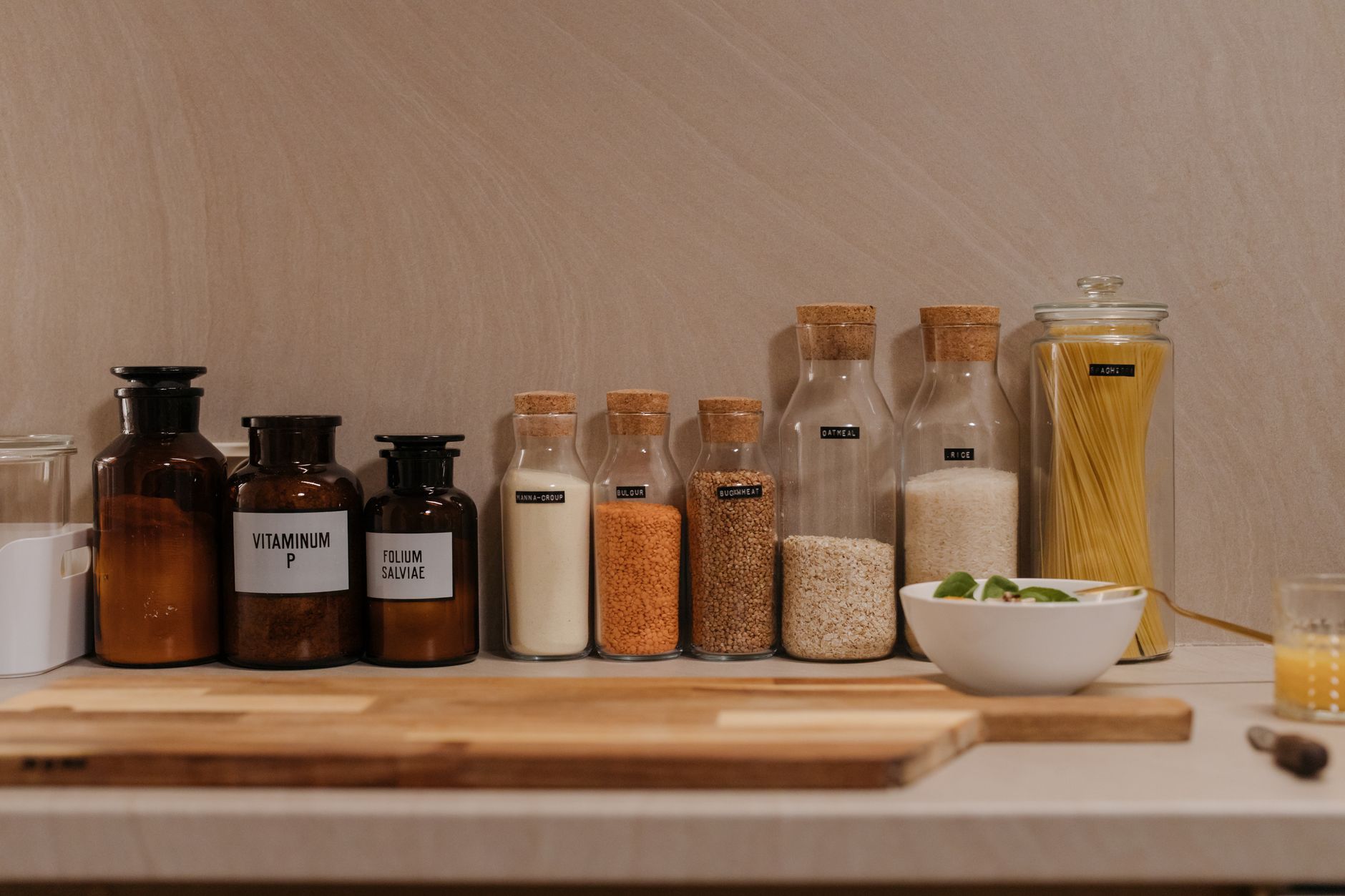
Can I adapt family meals into cheap baby food for my little one?
Absolutely. Many families unintentionally waste leftovers that could become perfect baby meals with a few tweaks. The trick is to keep seasonings mild and avoid added salt, sugar, or strong spices.
Simple adaptation strategy
- Choose a family‑friendly base: rice, pasta, or mashed potatoes.
- Pick a protein: shredded chicken, ground turkey, or soft tofu.
- Add a vegetable: steamed broccoli, carrots, or peas.
- Blend or mash to the appropriate texture for your baby’s age.
Example: Chicken‑Rice‑Veggie Mash (9‑12 months)
- Ingredients: ½ cup cooked brown rice, ¼ cup shredded cooked chicken, ¼ cup steamed mixed vegetables (carrots, peas, broccoli), 2 tbsp unsalted chicken broth.
- Method: Combine all ingredients in a saucepan, heat gently, then mash with a fork or blend lightly. Adjust broth for a smoother texture if needed.
Because you’re using leftovers, the incremental cost is essentially zero—just the small amount of broth to achieve the right consistency. This approach works for both meat‑based and vegetarian families.
You don’t need an expensive blender or a dedicated baby‑food processor to create safe, smooth purees. Here’s a list of affordable tools that most households already own.
Must‑have basics
- Steamer basket or colander – fits in a pot for gentle cooking.
- Sharp knife & cutting board – for chopping produce.
- Large pot or saucepan – for boiling or simmering.
- Food mill or hand‑held immersion blender – optional, but a simple hand‑held blender can be purchased for under $20.
- Ice‑cube trays or silicone molds – excellent for portion control and freezing.
Budget‑friendly alternatives
- If you don’t have a blender, use a potato masher or fork to achieve a smooth texture for softer foods.
- A clean coffee grinder can puree dried beans or grains into fine powders, useful for adding iron‑rich flour.
- Reusable glass containers with snap‑on lids serve as both storage and reheating vessels.
Investing in these low‑cost tools pays off quickly because they serve multiple cooking tasks beyond baby food, making them a smart addition to any kitchen.
Tips for batch cooking budget‑friendly baby food to save time and money?
Batch cooking is where the real savings happen. By preparing large quantities, you minimize energy usage, reduce ingredient waste, and free up your evenings for more rest.
Step‑by‑step batch plan
- Plan your menu – Choose 3‑4 recipes that share overlapping ingredients (e.g., carrots appear in two purees).
- Shop smart – Buy bulk produce, frozen veggies, and pantry staples on sale.
- Prep in stages – Wash and chop all produce first, then start cooking the longest‑time items (like lentils) while steaming vegetables.
- Use one‑pot methods – Whenever possible, cook grains and veggies together to save stovetop space.
- Portion promptly – As each batch cools, portion into containers, label, and freeze.
Time‑saving hacks
- Use a pressure cooker for lentils and beans; they finish in 10 minutes instead of 30.
- Roll a clean kitchen towel over a pot of steaming veggies to trap heat and speed up cooking.
- Pre‑measure spices and liquids in small zip‑top bags to add quickly during cooking.
With a well‑organized batch session, you can create a week’s worth of meals in under two hours—a worthwhile investment for both your wallet and your sanity.
7‑day cheap baby food meal plan (homemade)
This plan assumes a baby who is 6‑8 months old and ready for smooth purees, with a gradual introduction of lumpier textures after month 8. Adjust portion sizes based on your pediatrician’s guidance.
All meals can be prepared in bulk on a Sunday, portioned, and frozen. Swap any fruit or vegetable for another low‑cost option you have on hand; the nutritional balance remains solid.
Essential food list for cheap baby food ideas homemade
Below is a quick‑reference list that helps you shop efficiently. Grouped by “Enjoy”, “Limit”, and “Avoid” to keep the focus on cost‑effective nutrition.
Enjoy (budget‑friendly, nutrient‑dense)
- Carrots, sweet potatoes, butternut squash
- Apples, bananas, pears
- Red lentils, frozen peas, frozen green beans
- Rolled oats, brown rice, quinoa (small portions)
- Skinless chicken thighs, egg yolks
Limit (more expensive or higher‑sugar)
- Organic berries – great for occasional treats, but pricey.
- Pre‑cut fresh fruit packs – convenient but often costlier than whole fruit.
- Specialty grain mixes – can be replaced with bulk oats.
Avoid (unnecessary cost or low nutritional value)
- Pre‑packaged baby food jars – the primary expense we’re trying to cut.
- Flavored yogurts – added sugars and unnecessary additives.
- Highly processed meat sticks – expensive and high in sodium.
Sticking to the “Enjoy” list will keep your baby’s diet varied, nutritious, and, most importantly, affordable.
Common mistakes to avoid when making cheap baby food at home
Even the most enthusiastic parents can slip into habits that waste money or compromise safety.
- Skipping the cooling step. Hot purees left out too long can develop bacteria.
- Over‑seasoning. A pinch of salt may seem harmless, but babies need very low sodium.
- Using the wrong containers. Plastic bags that aren’t BPA‑free can leach chemicals when frozen.
- Not labeling. Forgetting dates leads to accidental use of spoiled food.
- Relying on a single ingredient. Variety ensures a broader nutrient profile and keeps flavor interesting.
By watching for these pitfalls, you protect your baby’s health and keep your budget intact.
Myth vs. fact
Myth: Homemade baby food is always healthier than store‑bought.
Fact: When prepared safely, homemade purees can match the nutrient content of commercial jars, but improper storage or excessive added salt can diminish benefits.
Myth: You need an expensive blender to make smooth purees.
Fact: A simple hand‑masher, fork, or even a clean coffee grinder can achieve a baby‑friendly texture for soft fruits and vegetables.
Myth: Organic ingredients are the only way to keep baby food safe.
Fact: Conventional produce is safe when washed thoroughly; buying conventional can lower costs dramatically while still providing essential nutrients.
Key takeaways
- Homemade baby food is typically cheaper than store‑bought when you use inexpensive staples like carrots, apples, and lentils.
- Batch cooking, proper cooling, and airtight freezing extend shelf life and maximize savings.
- You don’t need fancy gadgets—basic kitchen tools suffice for smooth purees.
- Adapt family meals by removing excess salt, sugar, and strong spices, then pureeing to the right texture.
- Keep a simple food list (enjoy, limit, avoid) to guide cost‑effective shopping.
- Watch for common mistakes: improper storage, over‑seasoning, and lack of labeling.
Frequently asked questions
Is it cheaper to make your own baby food?
Yes. When you compare the per‑ounce cost of store‑bought jars (≈$1.50‑$2.00) with homemade purees made from bulk carrots, sweet potatoes, or lentils (≈$0.10‑$0.30), the savings are significant, especially after batch cooking.
What is the cheapest food to make for baby?
Root vegetables like carrots and sweet potatoes, along with apples and bananas, are among the cheapest and most nutrient‑dense options. A single pound of carrots can produce 10‑12 jars of puree at a fraction of the cost of a single store‑bought jar.
What is the easiest homemade baby food?
Banana mash needs no cooking—just mash a ripe banana with a fork. For a warm option, apple‑pear puree requires only steaming and mashing, making it ideal for beginners on a budget.
How do you make baby food from scratch for beginners?
Start with a single ingredient, steam or boil until soft, then mash or blend to the desired texture. Portion into containers, label, and freeze. A simple carrot‑apple puree follows this exact method and costs under $0.20 per jar.
What foods can I give my 6‑month‑old to save money?
At six months, babies can enjoy single‑ingredient purees such as steamed carrots, mashed bananas, and Apple‑pear blends. These foods are inexpensive, easy to prepare, and provide essential vitamins and fiber.
Is homemade baby food healthier than store bought?
Homemade purees can be as nutritious as commercial options when prepared with fresh ingredients and stored correctly. They give you control over added sugars, salts, and preservatives, which is an advantage over many store‑bought products.
When to see a doctor or specialist
If your baby shows any of the following signs, contact your pediatrician promptly:
- Persistent vomiting or diarrhea after trying a new homemade puree.
- Signs of allergic reaction—rash, swelling, wheezing, or difficulty breathing.
- Failure to gain weight or a sudden drop in growth percentiles.
- Persistent constipation that doesn’t improve with increased fiber.
These symptoms may indicate an underlying intolerance or infection that requires professional evaluation. This article is for informational purposes only and does not replace personalized medical advice.
References
- American Academy of Pediatrics. “Nutrition: What Every Parent Should Know.” 2023.
- U.S. Department of Agriculture (USDA). “FoodData Central.” 2022.
- Academy of Nutrition and Dietetics. “Guidelines for Homemade Baby Food.” 2021.
- World Health Organization (WHO). “Infant and Young Child Feeding.” 2022.
- Harvard T.H. Chan School of Public Health. “Healthy Eating Plate.” Accessed 2024.
- National Center for Health Statistics. “Infant Feeding Practices.” 2023.



