Your hospital bag isn’t just a bag — it’s your lifeline. Packing it wrong can mean frantically searching for a hair tie in the middle of labor or realizing you forgot your favorite lip balm (yes, that matters). The goal? A bag so well-stocked that you can focus on the birth, not the logistics.
Here’s what we recommend packing — organized by category so you can check off items with confidence.
Essentials for Labor and Delivery
- Comfortable clothes: A loose, front-opening robe or gown (hospital ones are often scratchy), slip-on shoes or socks, and a pair of flip-flops for postpartum showering.
- Labor essentials: Lip balm (hospital air is drying), a hair tie or clip, a portable phone charger, and a water bottle with a straw (hydration is key).
- Birth plan and documents: A printed copy of your birth plan, your insurance card, ID, and a list of emergency contacts (including your doula or midwife, if you have one).
- Comfort items: A pillow from home (or a travel pillow), a blanket, and noise-canceling headphones if you’re sensitive to hospital noise.
Postpartum Must-Haves
- Nursing supplies: Nursing bras, breast pads, nipple cream (like Lanolin), and a nursing pillow. If you’re not planning to nurse, pack a good nursing bra anyway — it’s comfier than a regular one.
- Peri care: Maxi pads (the kind that look like diapers), ice packs for swelling, and witch hazel pads for postpartum healing.
- Clothing: Loose, front-opening pajamas or robes, underwear with built-in pads, and a cozy cardigan (hospital rooms can be chilly).
- Toiletries: Toothbrush, toothpaste, floss, deodorant, and a mirror (hospital mirrors are often low to the ground). Don’t forget a hairbrush and a hair tie — you’ll want to look presentable for postpartum photos.
For Your Partner (or Support Person)
- Comfortable clothes and shoes (they’ll be walking a lot).
- A change of clothes for after the birth.
- Snacks and water (hospital food is… an experience).
- A notepad and pen to jot down questions or important info.
- A portable fan for white noise (labor rooms can be loud).
- A journal or notebook to document the birth.
- A camera (if you’re not using your phone) and extra batteries.
- A small gift for the nurses or staff — it’s a nice way to thank them for their support.
Pro tip: Pack your bag by the 36th week of pregnancy. Some hospitals allow you to stay overnight before your due date if you’re close to labor, and you don’t want to be scrambling at the last minute. First-time moms often underestimate how quickly labor can progress, so be prepared.

---
How to prepare mentally for labor as a first-time mom
Labor isn’t just a physical event — it’s a mental marathon. The fear, the uncertainty, the physical discomfort — it’s all part of the journey. But how do you prepare your mind for something you’ve only seen in movies? The answer lies in education, visualization, and self-compassion.
Many first-time moms describe feeling like they’re “flying blind” when it comes to labor. The good news? You can take control of your mental preparation with these strategies.
Educate Yourself — But Don’t Overthink It
Watching birth videos online can feel overwhelming, but it’s also one of the best ways to prepare. Focus on realistic depictions of labor, not Hollywood versions. Look for videos from hospitals or midwives that show the full experience — the contractions, the pushing, the exhaustion, and the joy.
Books like The Positive Birth Book by Milli Hill or Ina May’s Guide to Childbirth offer balanced perspectives on labor and birth. If you’re into podcasts, The Birth Hour or Hypnobirthing UK are great resources.
Practice Relaxation Techniques
Labor is about breathing through the pain, not ignoring it. Techniques like slow breathing, hypnobirthing, or meditation can help you stay present and reduce anxiety. Try these during your pregnancy:
- 4-7-8 breathing: Inhale for 4 seconds, hold for 7, exhale for 8. Repeat for 3–5 minutes.
- Visualization: Imagine yourself in a safe, calm place — a beach, a forest — and visualize your body moving through labor with ease.
- Progressive muscle relaxation: Tense and release each muscle group to reduce tension.
If you’re attending a hypnobirthing class, great! If not, apps like Hypnobirthing by The Hypnobirthing Company or Expectful can guide you through exercises.
Talk to Other Moms
Connecting with moms who’ve been through labor can ease your fears. Join online communities like Reddit’s r/Parenting or Facebook groups for new moms. Many women share honest stories about their births — the good, the bad, and the unexpected. Hearing that “everyone’s different” is a relief.
If you know any mom friends, ask them about their birth experiences. You might discover that their labor was nothing like you imagined — and that’s okay. Every birth is unique.

---
What to expect during the first 24 hours after delivery for new moms
The first 24 hours postpartum are a whirlwind of emotions, physical changes, and logistical hurdles. Many first-time moms describe this period as “the most intense 24 hours of their lives.” But knowing what to expect can help you navigate it with more ease.
The Physical Experience
- Immediate afterbirth: You’ll be monitored for bleeding, checked for tears or episiotomy, and encouraged to hold your baby skin-to-skin if possible.
- First feedings: If you’re breastfeeding, your baby will likely latch within the first hour. If not, lactation consultants are on standby to help.
- Pain management: Many moms experience afterpains (uterine contractions) as the body shrinks back. Pain medication, ice packs, or a TENS machine can help.
- Postpartum bleeding: Expect heavy bleeding (like a period on steroids) for the first few days. Maxi pads are a must.
The Emotional Rollercoaster
The “baby blues” — mood swings, anxiety, or sadness — are common in the first few days. This is normal and usually fades within a week. If you’re feeling overwhelmed, talk to your nurse or doctor.
You might also experience “postpartum euphoria” — a rush of love and happiness for your baby. This is also normal and temporary.
What the Hospital Will Do for You
- Vital checks: Your blood pressure, temperature, and baby’s health will be monitored.
- Newborn procedures: Your baby will get a vitamin K shot, an ear tag for identification, and a hearing test.
- Discharge planning: If you’re staying overnight, you’ll get instructions on postpartum care, breastfeeding, and when to follow up.
Postpartum Recovery Timeline
Here’s what to expect in the first few days:
Pro tip: If you’re feeling extreme sadness, anxiety, or detachment from your baby beyond the first week, it could be postpartum depression. Don’t hesitate to reach out to your provider — support is available.
---
How to manage pain during labor for first-time mothers
Pain management in labor is personal. Some moms thrive on natural techniques; others need medical support. The key is knowing your options and communicating your needs clearly to your healthcare team.
Natural Pain Relief Techniques
- Hydrotherapy: Showering or using a birth pool can ease discomfort and help you relax.
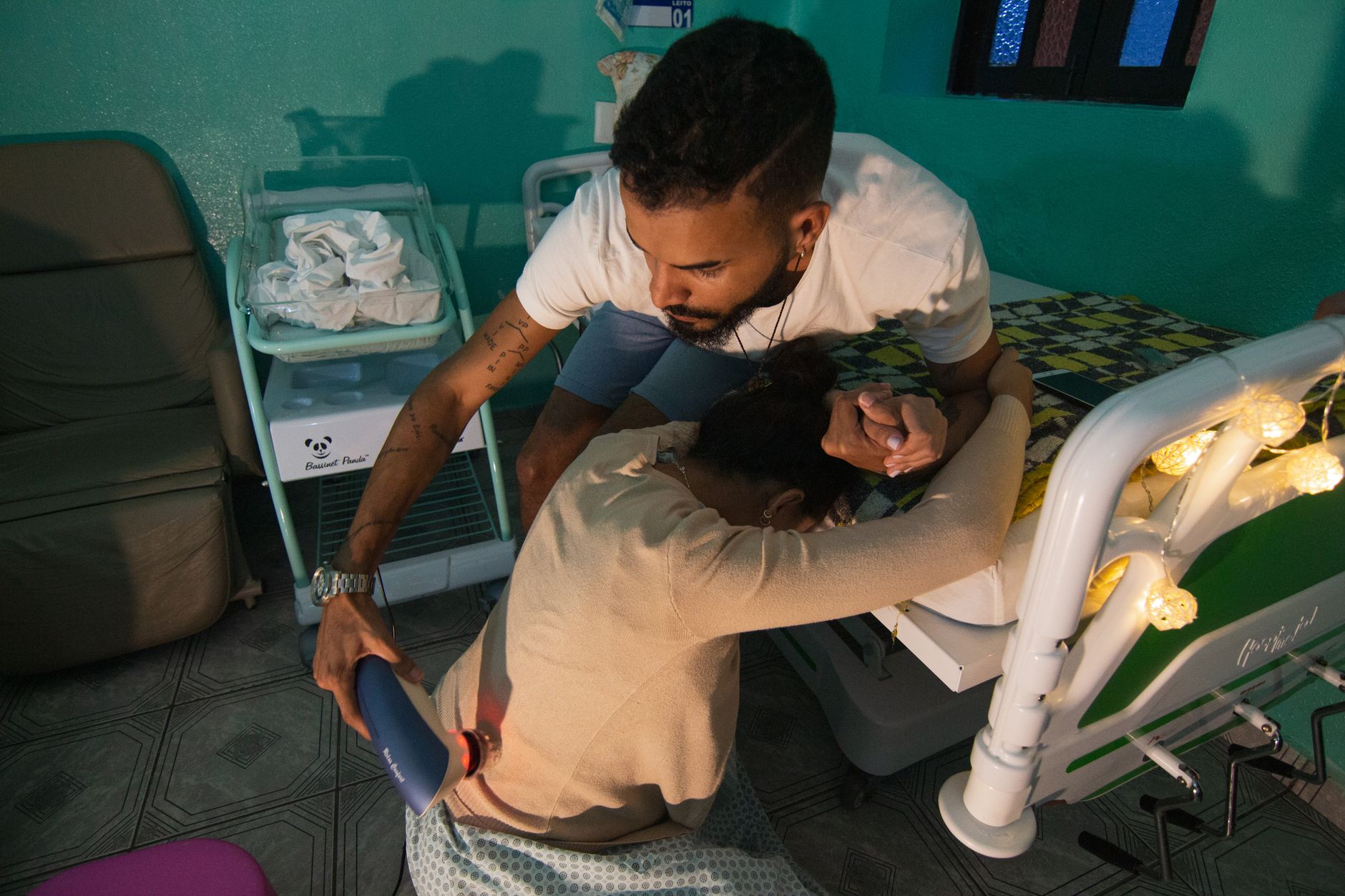
- Massage: Gentle pressure on your lower back or shoulders can relieve tension.
- Movement: Walking, swaying, or using a birth ball can help labor progress.
- Breathing and relaxation: Focused breathing (like the 4-7-8 method) can distract from pain.
Medical Pain Relief Options
If natural methods aren’t enough, here are your options:
- Epidural: A numbing injection in your lower back. This is the most common pain relief method in the U.S. and provides full pain relief for labor and delivery.
- Spinal block: Similar to an epidural but provides faster, more intense pain relief (often used for cesarean sections).
- Nitrous oxide (“laughing gas”): A gas you inhale that reduces pain during contractions. It wears off quickly, so you’re fully alert for delivery.
- IV pain medication: Drugs like Fentanyl or Morphine can be given through an IV for mild to moderate pain relief.
When to Ask for Pain Relief
There’s no “right” time to ask for pain relief. Some moms wait until labor is intense; others prefer to have options available early. Trust your instincts. If you’re feeling overwhelmed, it’s okay to ask for help.
Remember: Pain relief doesn’t make you “weak.” It’s a tool to help you labor safely and comfortably. If you’re unsure, talk to your provider about your preferences before labor begins.
---
How to communicate with hospital staff when overwhelmed
The hospital staff is there to support you, but if you’re overwhelmed, their language might feel like a foreign language. Here’s how to advocate for yourself — even when you’re exhausted.
Use Clear, Direct Language
Instead of saying, “I don’t understand”, try:
- “Can you explain that again, please?”
- “What are my options for [X]?”
- “How long will this take?”
Ask for Help Before You’re Overwhelmed
If you’re feeling anxious, say:
- “I’m feeling a little overwhelmed. Can you help me break this down?”
- “I need a moment to process this. Can you come back in five minutes?”
Involve Your Support Person
If you’re too tired to speak up, your partner or doula can advocate for you. Give them a “code word” to use if you’re struggling. For example, if you say “I need a coffee break,” they can ask the nurse for a pause.
Know Your Rights
You have the right to:
- Refuse any medical procedure (with full disclosure of risks).
- Ask for a second opinion.
- Bring a support person (partner, doula, or friend) into the delivery room.
- Request a change in staff if you’re not comfortable.
Pro tip: If you’re feeling ignored or dismissed, it’s okay to say, “I need someone who will listen to me.” Hospitals are busy, but you deserve respect.
---
What support options are available for first-time moms in the hospital
You’re not alone in the hospital — but you might feel like it. The key to getting the support you need is knowing what’s available and how to ask for it.
Your Healthcare Team
- Obstetrician or midwife: Your primary provider will oversee your care. They’re there to answer questions and guide you through labor and delivery.
- Labor and delivery nurses: These nurses are trained to support you during labor. They can help with pain relief, monitoring, and postpartum care.
- Lactation consultants: If you’re breastfeeding, they can offer guidance and support.
- Social workers or chaplains: Many hospitals have these resources for emotional or spiritual support.
Doulas and Birth Partners
- Doulas: Trained birth supporters who provide emotional, physical, and informational support. They can advocate for you and help you stay focused on your birth plan.
- Birth partners: Your partner, friend, or family member can provide comfort, hold your hand, or help with practical tasks.
Postpartum Support Services
Many hospitals offer:
- Postpartum recovery classes.
- Mental health screenings for postpartum depression or anxiety.
- Referrals to lactation consultants or breastfeeding support groups.
- Meals or household help for new moms.
When to Ask for Help
Don’t wait until you’re drowning. If you’re feeling:
- Physically exhausted and unable to care for yourself.
- Emotionally overwhelmed or anxious.
- Isolated or unsupported.
It’s okay to say, “I need more help. Can you connect me with someone who can assist me?”
Pro tip: If you’re planning to have more children, ask about postpartum support groups or classes during your hospital stay. They can be invaluable for future pregnancies.
---
Hospital labor and delivery process for first-time mothers: A step-by-step guide
Not all hospitals follow the same process, but here’s a general outline of what to expect during labor and delivery. Knowing the steps can help you feel more in control.
Step 1: Arrival at the Hospital
When you arrive, you’ll be checked in and assigned a nurse. They’ll ask about your contractions, your water status, and your baby’s movement. If your water hasn’t broken yet, you may be admitted to the labor and delivery unit.
Step 2: Monitoring and Assessment
Your nurse will:
- Check your blood pressure and temperature.
- Monitor your baby’s heart rate with a fetal monitor.
- Assess your cervix dilation and effacement (how open your cervix is).
Step 3: Labor Progression
As labor progresses, you may:
- Change positions to help labor move along.
- Receive pain relief if desired.
- Have your baby’s heart rate monitored continuously.
Step 4: Delivery
When you’re fully dilated (10 cm), you’ll start pushing. Your nurse or midwife will guide you through the pushing phase. After your baby is born, you’ll be checked for any tears or bleeding, and your baby will be cleaned and placed on your chest for skin-to-skin contact.
Step 5: Placenta Delivery and Postpartum Care
After your baby is born, your uterus will contract to deliver the placenta. You’ll be monitored for bleeding, and your provider will check for any tears or episiotomy. You’ll also receive information about postpartum care, including breastfeeding, pain management, and when to follow up.
Step 6: Discharge (If Applicable)
Most hospitals require you to stay for at least 24 hours after a vaginal delivery and 48 hours after a cesarean section. Before you leave, you’ll receive discharge instructions, including:
- Signs of postpartum complications.
- When to follow up with your provider.
- Contact information for your healthcare team.
---
How to stay calm during childbirth as a first-time mom
Childbirth is intense, but staying calm can help you labor more effectively. Here are some practical tips to help you stay centered.
Focus on Your Breath
Slow, deep breathing can help you stay present and reduce anxiety. Try this:
- Inhale deeply through your nose for 4 seconds.
- Hold your breath for 7 seconds.
- Exhale slowly through your mouth for 8 seconds.
- Repeat for 3–5 minutes.
Use Visualization
Imagine a safe, peaceful place — like a beach or a forest. Visualize yourself moving through labor with ease, surrounded by love and support.
Stay Connected to Your Support Person
Hold your partner’s hand, look into their eyes, or have them massage your shoulders. Their presence can ground you and remind you that you’re not alone.
Ask for Help Early
If you’re feeling overwhelmed, don’t wait until you’re exhausted. Say:
- “I need a break.”
- “Can you help me change positions?”
- “I need some water.”

---
What questions to ask the obstetrician before delivery
Your pre-delivery appointment is your chance to ask questions and clarify any concerns. Here are some key questions to ask your obstetrician or midwife:
About Labor and Delivery
- What are the signs that labor has started?
- What are my options for pain relief during labor?
- How will you monitor my baby’s heart rate during labor?
- What happens if my labor doesn’t progress as expected?
About Postpartum Care
- What can I expect in the first 24 hours after delivery?
- How will you manage postpartum pain?
- What are the signs of postpartum complications I should watch for?
- When should I follow up after discharge?
About Breastfeeding
- What resources are available if I have trouble breastfeeding?
- When should I start breastfeeding, and how often?
- What are the signs that my baby is latching correctly?
About Your Birth Plan
- How flexible is your approach to birth plans?
- What are the most common deviations from a birth plan, and how are they handled?
- Can I have a doula or birth partner with me during labor?
Asking these questions can help you feel more prepared and confident as your due date approaches.
---
First-time mom postpartum recovery timeline
Postpartum recovery isn’t linear — some days you’ll feel like a superhero, and other days you’ll wonder how you’re still standing. But knowing what to expect can help you navigate the journey with more patience and less frustration.
The First Week
- Physical recovery: Expect heavy bleeding, afterpains, and possible swelling or bruising. Your perineum (vaginal area) may feel sore, especially if you had tears or an episiotomy.
- Emotional recovery: The “baby blues” are common — mood swings, anxiety, or sadness. This is normal and usually fades within a week.
- What to do: Rest as much as possible, hydrate, eat nutritious foods, and ask for help with household tasks.
Weeks 2–4
- Physical recovery: Bleeding lightens to a brownish discharge (lochia). Your uterus continues to shrink, and your energy may start to return.
- Emotional recovery: You may feel more connected to your baby but still struggle with sleep deprivation. Postpartum depression or anxiety can develop, so don’t hesitate to seek help if needed.
- What to do: Start gentle movement (walking, stretching), focus on nutrition, and prioritize sleep when your baby sleeps.
Month 2 and Beyond
- Physical recovery: Most women see a significant improvement in energy and physical comfort. However, some may experience lingering soreness or pelvic floor issues.
- Emotional recovery: Bonding with your baby deepens, and you may start to adjust to your new routine. If you’re struggling, consider postpartum support groups or therapy.
- What to do: Continue prioritizing self-care, attend postpartum check-ups, and don’t hesitate to reach out for help if you’re feeling overwhelmed.
Pro tip: If you’re experiencing severe pain, heavy bleeding, fever, or signs of infection, contact your provider immediately. These could indicate complications like endometritis or a hematoma.
---
How to deal with hospital noise as a new mom
Hospitals are loud — beeping monitors, nurses’ chatter, crying babies, and constant activity can be overwhelming. Here’s how to create a quieter space for yourself and your baby.
Use Noise-Canceling Headphones
If you’re sensitive to noise, bring a pair of noise-canceling headphones or earplugs. Many hospitals have quiet rooms or private spaces where you can retreat.
Ask for a Quiet Hour
Some hospitals allow for quiet hours in the evening. Ask your nurse if this is an option for you and your baby.
Create a Calm Environment
- Bring a white noise machine or a portable fan to drown out hospital sounds.
- Use a blackout curtain or eye mask to block out bright lights.
- Play calming music or nature sounds on your phone or a portable speaker.
Communicate Your Needs
If the noise is disrupting your sleep or relaxation, say:
- “I’m having trouble sleeping. Can we dim the lights and reduce noise?”
- “Is there a quieter room I can move to?”
---
Myth vs. Fact: Hospital Overwhelm
There are plenty of misconceptions about hospital overwhelm that can make the experience even more stressful. Let’s set the record straight.
Myth: “I’ll know exactly what to do when I get to the hospital.”
Fact: No one knows exactly what to do until they’re in the moment. That’s why preparation — like packing your hospital bag and educating yourself — is so important. Hospitals are designed to handle emergencies, not to provide step-by-step guidance for first-time moms. Experienced moms often say they wish they’d been more prepared too.
Myth: “I have to go through labor without pain relief if I want a ‘natural’ birth.”
Fact: Pain relief is not a sign of weakness. It’s a tool to help you labor safely and comfortably. Whether you choose an epidural, nitrous oxide, or natural techniques, your goal should be what works best for you.
Myth: “I’ll be alone in the hospital.”
Fact: You’re never truly alone. Your healthcare team is there to support you, and your partner or doula can advocate for you. Many hospitals also offer postpartum support services, like meal delivery or lactation consultants.
---
Key Takeaways
- Pack your hospital bag early — by the 36th week — and include comfort items, postpartum essentials, and snacks for your support person.
- Prepare mentally with relaxation techniques, education, and visualization. Trust your instincts and communicate your needs clearly.
- Ask for help early — whether it’s pain relief, a break, or support from your healthcare team. You’re not bothering anyone.
- Know your rights as a patient, including the right to refuse procedures, ask questions, and involve your support person.
- Postpartum recovery is normal — physically, emotionally, and logistically. Be patient with yourself and lean on your support network.
- Hospital noise is real — bring noise-canceling headphones, ask for quiet hours, and create a calm environment for yourself and your baby.
---
Frequently Asked Questions
What should a first-time mom expect during labor?
Labor is different for everyone, but most first-time moms experience early labor (mild contractions, possible back pain), active labor (stronger contractions, cervical dilation), and transition (intense contractions, urge to push). Many moms are surprised by how much movement and position changes can help labor progress. If you’re unsure what to expect, read about the key differences between first-time and experienced moms to set realistic expectations.
How can a new mother stay calm in the hospital?
Staying calm in the hospital starts with preparation. Bring noise-canceling headphones, a comfortable robe, and snacks to keep your energy up. Practice deep breathing and visualization during pregnancy so it feels natural when labor starts. If you’re feeling overwhelmed, ask your nurse or partner for a break or a quiet moment. Remember, it’s okay to ask for help — you’re not alone.
What items should I pack in my hospital bag?
Your hospital bag should include comfortable clothes (like a front-opening robe), postpartum essentials (maxi pads, nipple cream), toiletries (toothbrush, floss), and snacks for your support person. Don’t forget documentation (insurance card, birth plan) and comfort items like a pillow or blanket. For a full checklist, check out our packing guide for first-time moms.
How do



