Quick take: Your first-time mom essentials list should focus on three pillars: **hospital prep** (think comfy clothes, snacks, and a phone charger), **postpartum recovery** (pads, ice packs, and a nursing pillow), and **practical baby gear** (diapers, swaddles, and a sound machine). Budget-friendly swaps like thrifted clothes, hospital-grade diapers, and a DIY baby bathtub can save hundreds. For twins or home births, adjust for extra hands and fewer hospital luxuries. And remember: you matter too—pack snacks, a book, and a postpartum support plan. **New additions:** Don’t forget **digital essentials** (like a postpartum tracking app) and **emotional prep** (a journal for your birth story and a "worry list" for your provider). For breastfeeding moms, include **lactation support supplies** like a manual pump and nipple cream.
What to pack in a hospital bag for a first-time mom: the real-life checklist
Picture this: 3 a.m., your water breaks, and you’re racing to grab your hospital bag. But instead of frantically digging through a pile of forgotten items, you’re calmly handing your partner a pre-packed duffel with everything you need—including a pair of socks you actually like. That’s the difference between a smooth hospital stay and a panic-fueled scavenger hunt.
First-time moms often underestimate how much they’ll need beyond the basics. One reader, Sarah, shared how she forgot her favorite lip balm (now a staple for her cracked lips post-episiotomy) and had to ask the nurse for the hospital brand. “I felt like I’d failed,” she admitted. The truth? You won’t remember everything. But with this checklist, you’ll cover the essentials—and avoid the “I can’t believe I forgot *that*” moments.
Pro tip: Pack your bag by the 36th week, not the week before. Labor can happen anytime, and you’ll sleep better knowing you’re ready.
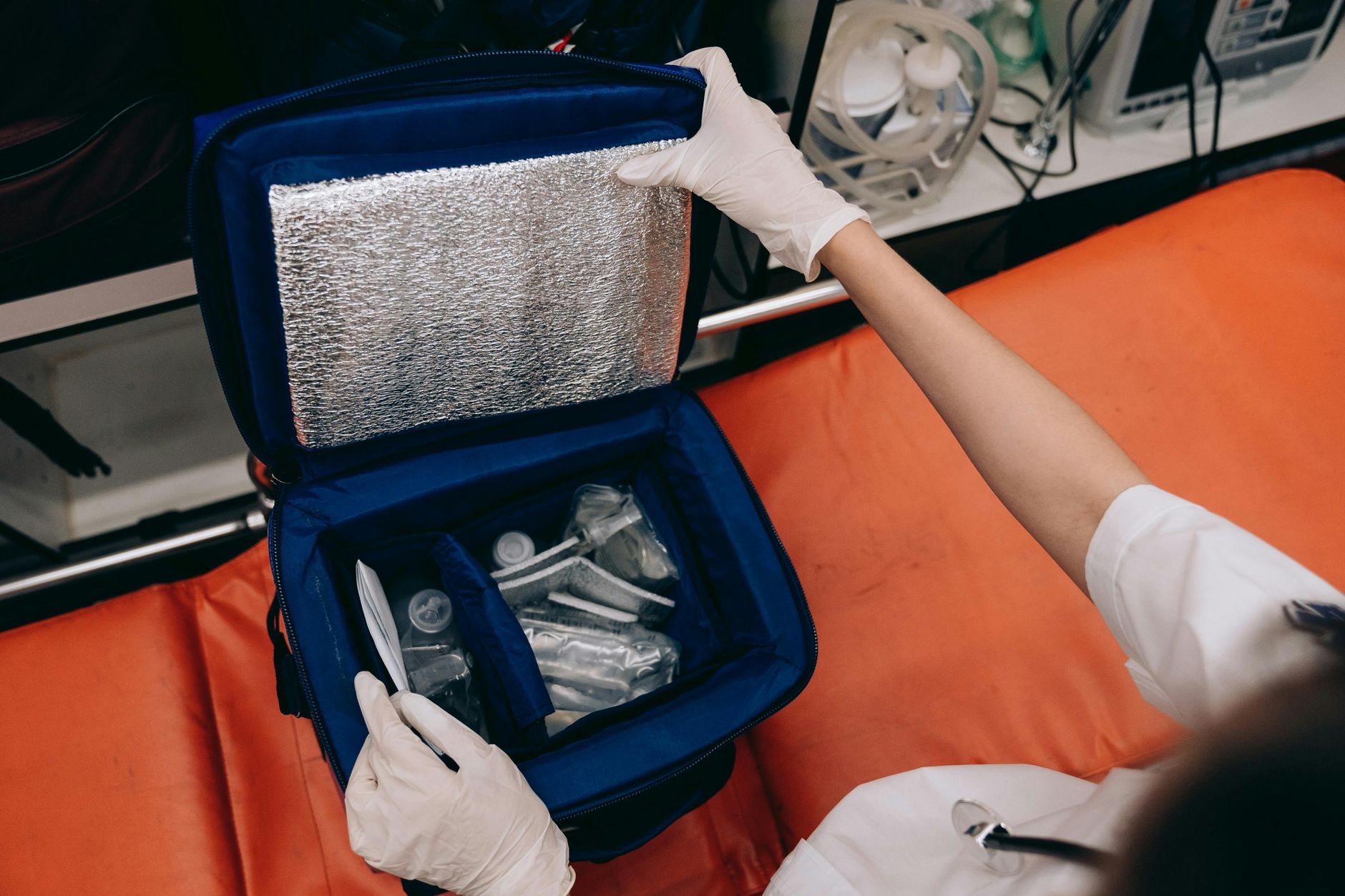
Hospital bag essentials: the non-negotiables
- Comfortable clothes:
- 2–3 loose, front-button or zip-up maternity gowns (hospital robes are often scratchy).
- 4–6 pairs of non-slip socks (your feet will swell—trust us).
- 2–3 pairs of pajamas or loose sleepwear (for postpartum recovery).
- 2–3 loose, front-button tops (for easy breastfeeding access).
- Toiletries:
- Travel-sized shampoo, conditioner, and body wash (ask your provider for hospital-approved brands).
- Toothbrush, toothpaste, and floss.
- Razor and shaving cream (for episiotomy prep, if needed).
- Lip balm with SPF (hospital air is drying).
- Moisturizer and body lotion (postpartum skin gets dry).
- Peri bottle (for gentle cleansing—some hospitals provide these, but bring your own if preferred).
- Labor and delivery essentials:
- Phone charger (or a portable battery) and a car charger for your partner.
- Headphones (for music or podcasts—many first-time moms find distractions helpful during labor).
- Snacks and drinks (granola bars, nuts, electrolyte packets—hospital food is… an experience).
- Cash or coins (for vending machines or tips).
- Your insurance card and ID.
- Birth preferences document (to communicate your labor wishes to your provider).
- Postpartum recovery must-haves:
- Maxi pads (hospital pads are often uncomfortable—bring your own).
- Peri bottle (a handheld shower nozzle for gentle cleansing).
- Ice packs or frozen gel pads (for swelling or soreness).
- Nursing bras (if breastfeeding) or comfortable tops for pumping.
- A nursing cover or blanket (for privacy if you’re not ready to breastfeed in public).
- Perineal numbing spray (like Anbesol—check with your provider first).
- For baby:
- Going-home outfit (a onesie and hat—check if your hospital provides these).
- Swaddle or sleep sack (avoid loose blankets—safety first).
- Baby socks or booties (their tiny feet get cold).
- Newborn photoshoot props (if you plan to do a hospital photoshoot—think hats, blankets, or a cute onesie).
Sarah also packed a change of clothes for her partner—something she wishes she’d known sooner. “He came home in the same clothes he wore to the hospital,” she laughed. “Not ideal.”
What to skip (or buy later)
- Diapers and wipes (hospitals provide these—no need to haul a diaper bag).
- Too many outfits for baby (you’ll mostly just swaddle them).
- Expensive gadgets (like a baby monitor—wait until you’re home).
- Too many books or distractions (you might not have time to read during labor).
New: Digital essentials for the hospital stay
In today’s digital age, don’t forget to pack a few tech essentials to stay connected and informed:
- Portable charger (for your phone and camera—hospital Wi-Fi can be spotty).
- Waterproof phone pouch (for showers or baths if you’re using a peri bottle).
- Hospital bag tracker app (like Hospital Bag Checklist—to ensure you haven’t forgotten anything).
- Downloadable labor and delivery classes (for reference if you’re feeling overwhelmed).
- Messenger app with your partner (so you can communicate easily if you’re separated during labor).
For a deeper dive into hospital bag essentials, check out our Packing for the Hospital: First-Time Mom Checklist Essentials guide.
---
Essential items for postpartum recovery for first-time moms: don’t wait until you’re exhausted
Let’s be real: postpartum recovery isn’t glamorous. It’s messy, it’s tiring, and it’s harder than you imagine. But with the right supplies, you can make it slightly less overwhelming. Maria, a first-time mom, shared how she wished she’d packed a perineal numbing spray for her episiotomy—“I didn’t even know that existed until I was already at home crying from the pain,” she said.
Postpartum recovery isn’t just about healing—it’s about surviving the first few weeks with a newborn. You’ll need supplies to manage pain, stay clean, and even entertain yourself while your partner naps. Here’s what to prioritize.
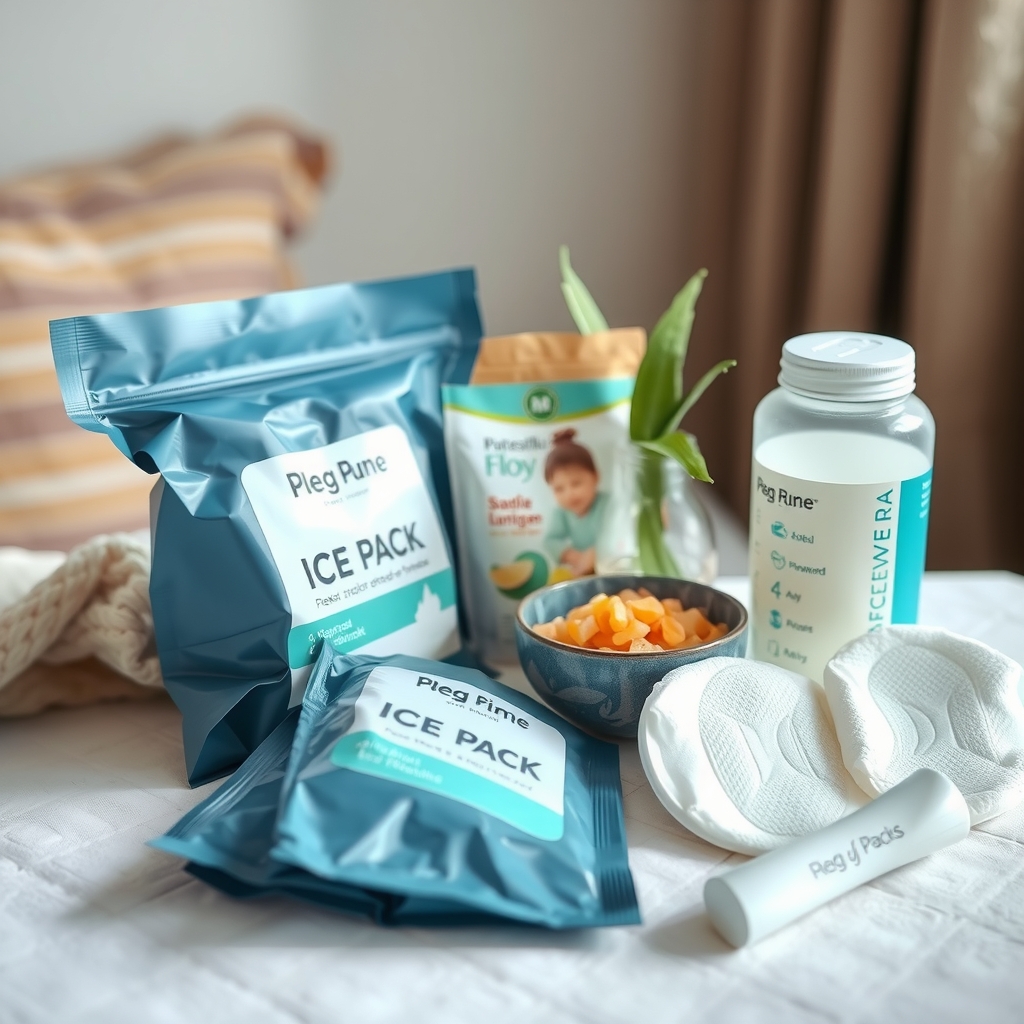
Healing and hygiene essentials
- Pain relief:
- Ice packs or frozen gel pads (for swelling or bruising).
- Sitz bath salts (for soothing perineal soreness—ask your provider if you can use them after an episiotomy).
- Perineal numbing spray (like Anbesol or Lidocaine—check with your provider first).
- Heating pad (for muscle relaxation and pain relief).
- Comfortable pads and underwear:
- Maxi pads (preferably thick, leak-proof ones like Always Discreet or Always Maxi).
- Postpartum underwear (like Thinx or Modibodi—they’re breathable and leak-resistant).
- A few pairs of loose, cotton pajamas (for easy access to healing areas).
- Disposable underwear protectors (for extra leak protection during the night).
- Cleaning supplies:
- Peri bottle (with a gentle spray setting).
- Unscented wipes (for quick cleanups).
- Fragrance-free soap (like Dove Sensitive Skin).
- Peri bottle spray bottle (for easy transport to the bathroom).
Comfort and support
- A nursing pillow (like Boppy or My Brest Friend)—for breastfeeding support and baby cuddles.
- A body pillow (to prop up your back while feeding or resting).
- Loose, front-button or zip-up tops (for easy nursing access).
- A favorite book or magazine (for those rare moments of downtime).
- Postpartum tracking app (like Glow or Ovia—to log your recovery progress and symptoms).
For emotional support
- Write down questions for your postpartum checkup (many moms forget to ask about mood changes or sexual health).
- Pack a phone charger and a portable battery (for when you’re too tired to move).
- Consider a postpartum support group—whether in-person or online. Many moms find comfort in sharing their experiences.
- Journal for your birth story (to document your experience and emotions right after delivery).
- Worry list for your provider (write down any concerns you have—like sleep disturbances, breast pain, or mood swings).
New: Emotional prep for postpartum
Postpartum isn’t just about physical recovery—it’s also an emotional journey. Prepare yourself mentally with these tools:
- Postpartum anxiety and depression screening (take the Postpartum Depression Screening Tool before your baby arrives).
- Self-care kit (include items like lavender essential oils, a warm blanket, or calming tea).
- Script for asking for help (practice saying: “I need a break—can you watch the baby for an hour while I nap?”).
- Emergency contact list (with numbers for your partner, doula, therapist, and a trusted friend).
For more on postpartum recovery, including red flags to watch for, check out our realistic first-time mom fears guide.
---
Budget-friendly first time mom essentials list: how to save without sacrificing safety
Let’s talk money. Parenting is expensive—really expensive. But you don’t need to break the bank to be prepared. Priya, a first-time mom on a tight budget, swore by thrift stores and Facebook Marketplace. “I got all of my baby clothes for under $20 each,” she said. “And I found a perfectly good car seat for half the retail price.”
The key to budget-friendly essentials is prioritizing safety and comfort while cutting costs on non-essentials. Here’s how to do it without sacrificing what matters.
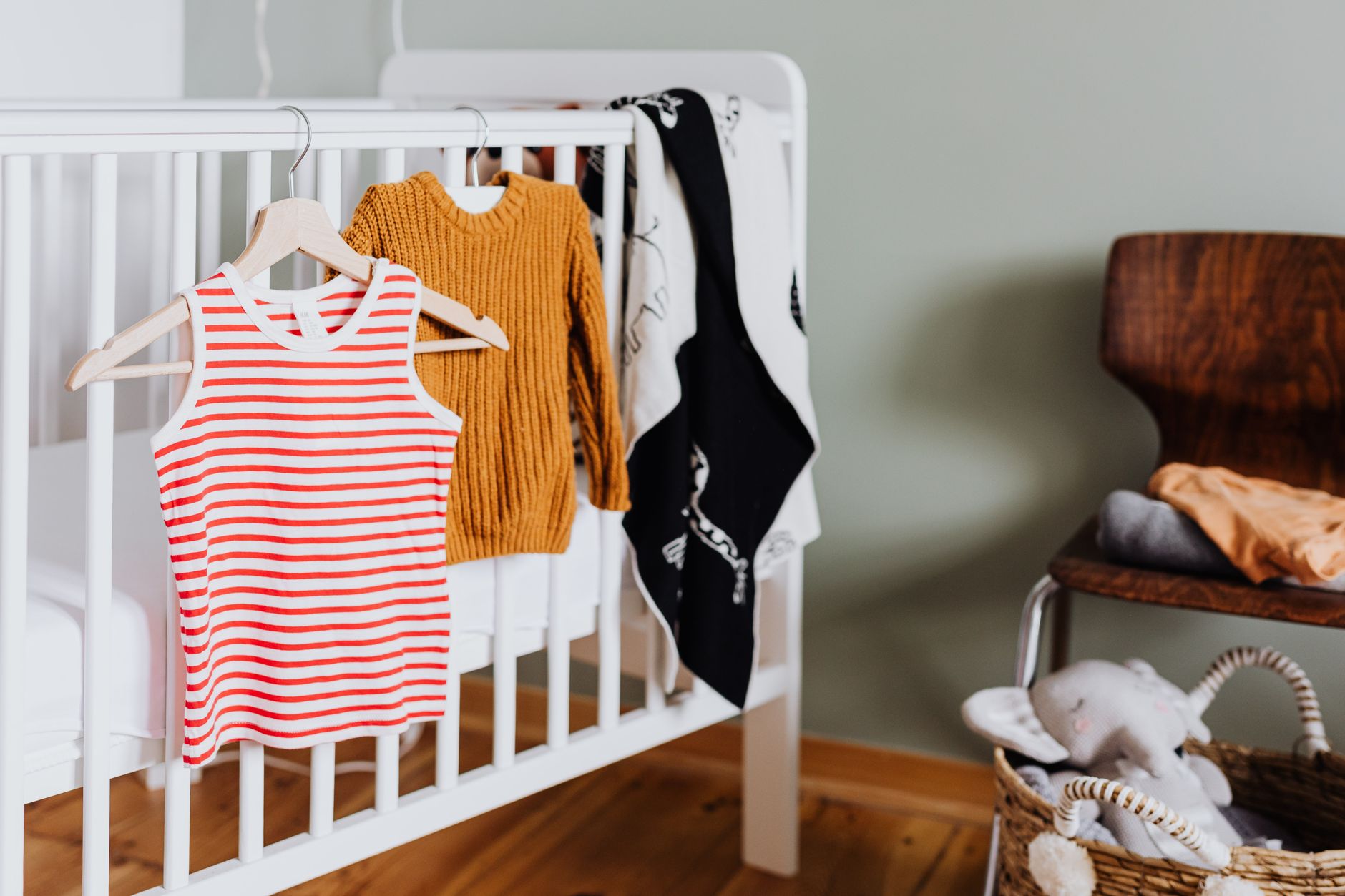
Where to save (and where to splurge)
DIY swaps that save money
- Baby bathtub: Use a plastic bin with a towel for support—just make sure it’s stable and safe.
- Burp cloths: Old cotton T-shirts or bandanas work just as well as store-bought ones.
- Pacifiers: Thrifted or borrowed pacifiers (just sterilize them first).
- Baby carrier: A sling or wrap (like Boba Wrap) is reusable and affordable.
- Baby food: Make your own purees with frozen fruits and vegetables (store-bought baby food can be expensive).
New: Budget-friendly meal prep for moms
Meal prep can be overwhelming, but it doesn’t have to break the bank. Here are some budget-friendly ideas:
- Batch cooking: Cook large portions of grains (rice, quinoa) and proteins (chicken, beans) to freeze for later.
- Meal delivery services: Sign up for HelloFresh or Freshly for pre-portioned, easy-to-make meals (often cheaper than grocery shopping for individual ingredients).
- Freezer-friendly meals: Make soups, stews, and casseroles that freeze well for busy nights.
- Local farmer’s markets: Buy seasonal produce in bulk for cheaper prices.
- Snack staples: Stock up on nuts, dried fruit, and granola bars for quick energy boosts.
For more budget tips, check out our Second Time Mom’s Biggest Regrets—many first-time moms wish they’d known about these money-saving hacks sooner.
---
Must-have baby gear for first-time moms: the essentials vs. the unnecessary
Welcome to the gear overload. Baby stores are like a theme park for parents—every turn has another gadget promising to make your life easier. But here’s the truth: you don’t need half of it. Lisa, a first-time mom, bought into the hype and ended up with a closet full of unused gadgets. “I spent $500 on a baby monitor I barely used,” she confessed. “Now I just use my phone.”
The goal? Start simple. Focus on the must-haves and skip the nice-to-haves until you’re sure you’ll actually use them. Here’s what to prioritize.
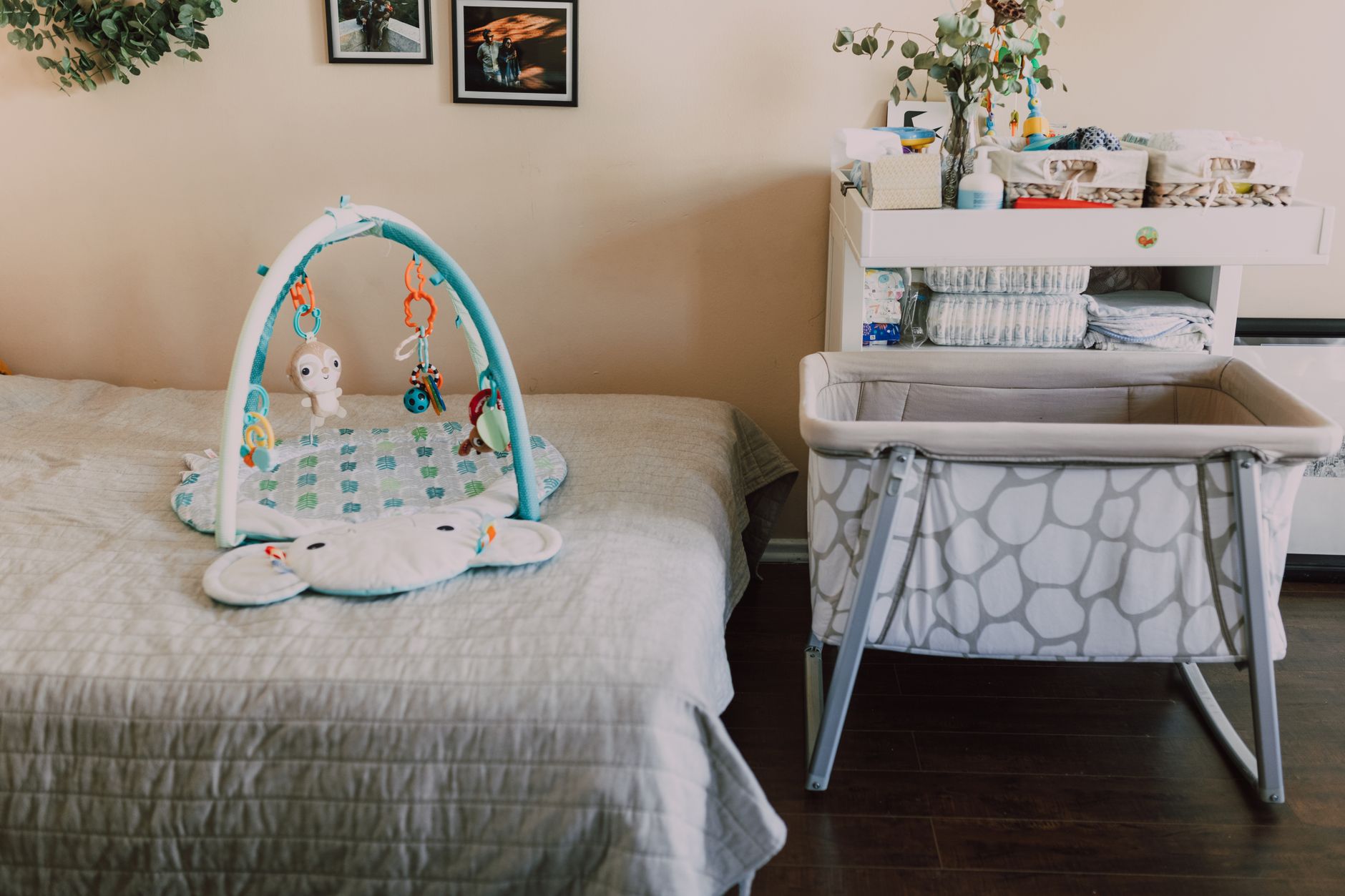
The non-negotiable baby gear
- Car seat: Non-negotiable. It must meet safety standards (look for LATCH or ECE R44/04 certification). Many first-time moms regret not testing it in the car before birth.
- Stroller: A lightweight, compact umbrella stroller (like BOB Revolution or Baby Trend Expedition) is versatile for walks and errands.
- Diaper bag: A large, organized bag with compartments (like Fjallraven Kanken or L.L.Bean).
- Diapers and wipes: Stock up on a mix of sizes (newborn to 6 months) and fragrance-free wipes.
- Bottles and formula (if not breastfeeding): 4–6 bottles and ready-to-feed formula for the first few weeks.
- Swaddle or sleep sack: Avoid loose blankets—opt for a safe sleep sack (like Halo SleepSack).
- White noise machine: Helps soothe baby and block out household noise.
- Baby monitor: A video monitor (like Nanit or Motorola HP110) is helpful for peace of mind.
- Portable crib or bassinet: For safe sleep when you’re not in the nursery.
Gear to skip (or wait on)
- Expensive baby gyms (a play mat or blanket fort works just as well).
- Multiple baby carriers (start with one and see if you love it).
- High-end baby bathtubs (a sink or tub works fine).
- Automatic baby feeders (manual bottles are fine for the first few months).
- Baby clothes in every color (stick to neutrals—babies grow fast!).
New: Minimalist baby gear hacks
If you’re looking to keep your baby gear to a minimum, try these space-saving and practical hacks:
- Multi-use items: Choose gear that serves multiple purposes, like a stroller that doubles as a bassinet or a diaper bag that converts into a changing pad.
- Convertible gear: Invest in items that grow with your baby, such as a convertible crib or stroller that expands as your child gets older.
- Second-hand essentials: Buy used versions of must-haves like cribs or strollers from trusted sources to save money without compromising safety.
- DIY solutions: Create your own baby food by blending fresh fruits and vegetables, or make your own teething toys from safe materials like silicone.
- Rent or borrow: Consider renting larger items like cribs or playpens if you’re unsure whether you’ll need them long-term.
For a deeper dive into baby gear must-haves, check out our First-Time Mom Mistakes guide—many moms wish they’d skipped the unnecessary gadgets.
---
First time mom essentials list for a home birth: what to pack and prepare
Home birth is a deeply personal choice—one that requires even more planning than a hospital birth. Emma, who had a home birth, shared how she wished she’d packed a larger cooler for extra ice packs. “I didn’t realize how much blood loss there could be,” she said. “But the ice packs made a huge difference.”
Home births mean you’re responsible for everything—from medical supplies to comfort items. Here’s what to pack to ensure a safe and smooth experience.
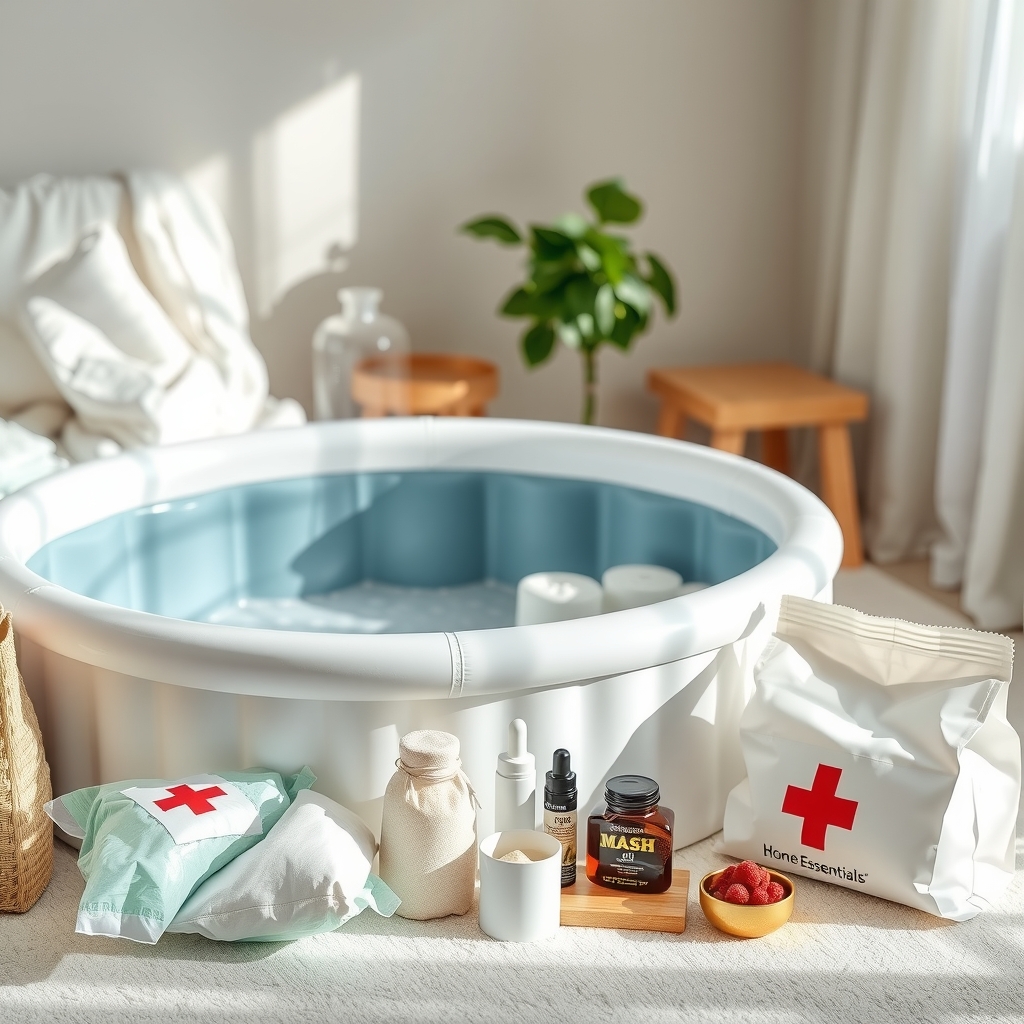
Medical and safety supplies
- First aid kit:
- Sterile gloves.
- Ice packs and frozen gel pads.
- Perineal numbing spray.
- Disposable razor (for hair removal if needed).
- Non-latex gloves (for allergies).
- Birth supplies:
- Large, leak-proof birth pool (if using water birth).
- Disposable birth sheets (for easy cleanup).
- Sterile cloths for umbilical cord care.
- Prenatal vitamins (to have on hand for postpartum).
- Postpartum recovery:
- Maxi pads (hospital-grade or thicker).
- Peri bottle and unscented wipes.
- A body pillow for comfort.
- Postpartum herbal tea (like fenugreek or blessed thistle—consult your midwife first).
Comfort and entertainment
- For you:
- Comfortable clothes (including a loose, front-button robe).
- A favorite book or playlist for distractions.
- Snacks and drinks (labor is exhausting—keep energy up).
- Portable charger (for your phone and camera).
- For your partner:
- Comfortable clothes and shoes (they’ll be on their feet for hours).
- A change of clothes for after birth.
- Snacks and water (they’ll need energy too).
- For baby:
- A going-home outfit (onesie and hat).
- Swaddle or sleep sack.
- A small blanket for warmth.
- Newborn photoshoot props (if you plan to take photos at home).
What to ask your midwife
- What emergency supplies they’ll provide (like oxygen or pitocin).
- How they handle postpartum hemorrhage (a rare but serious risk).
- What follow-up care they recommend for the first week.
- Recommendations for postpartum support groups (to connect with other homebirth moms).
New: Preparing for a smooth home birth
Beyond packing supplies, here are some practical steps to ensure a smooth home birth experience:
- Create a birth plan: Clearly outline your preferences for labor, delivery, and postpartum care. Share it with your midwife and partner.
- Set up a birth space: Prepare a comfortable, private area in your home with dim lighting, music, and aromatherapy if desired.
- Designate a "quiet zone": A space where you can retreat for privacy and relaxation during labor.
- Plan for support people: Decide who will be present during labor and delivery, and ensure they’re comfortable with their roles.
- Prepare a "go bag" for baby: Include items like a car seat, going-home outfit, and swaddle in case you need to leave the house quickly.
For more on home birth prep, consider our honest guide to hospital vs. home delivery.
---
First time mom essentials for a twin pregnancy: double the joy, double the prep
Twin pregnancies are wonderful but also overwhelming. Jenna, a first-time mom of twins, laughed when she realized she’d need twice the gear—and then some. “I thought I could just buy two of everything, but no,” she said. “You need extra hands, extra patience, and extra snacks.”
Twins mean more planning, but with the right prep, you can feel confident and organized. Here’s what to prioritize.
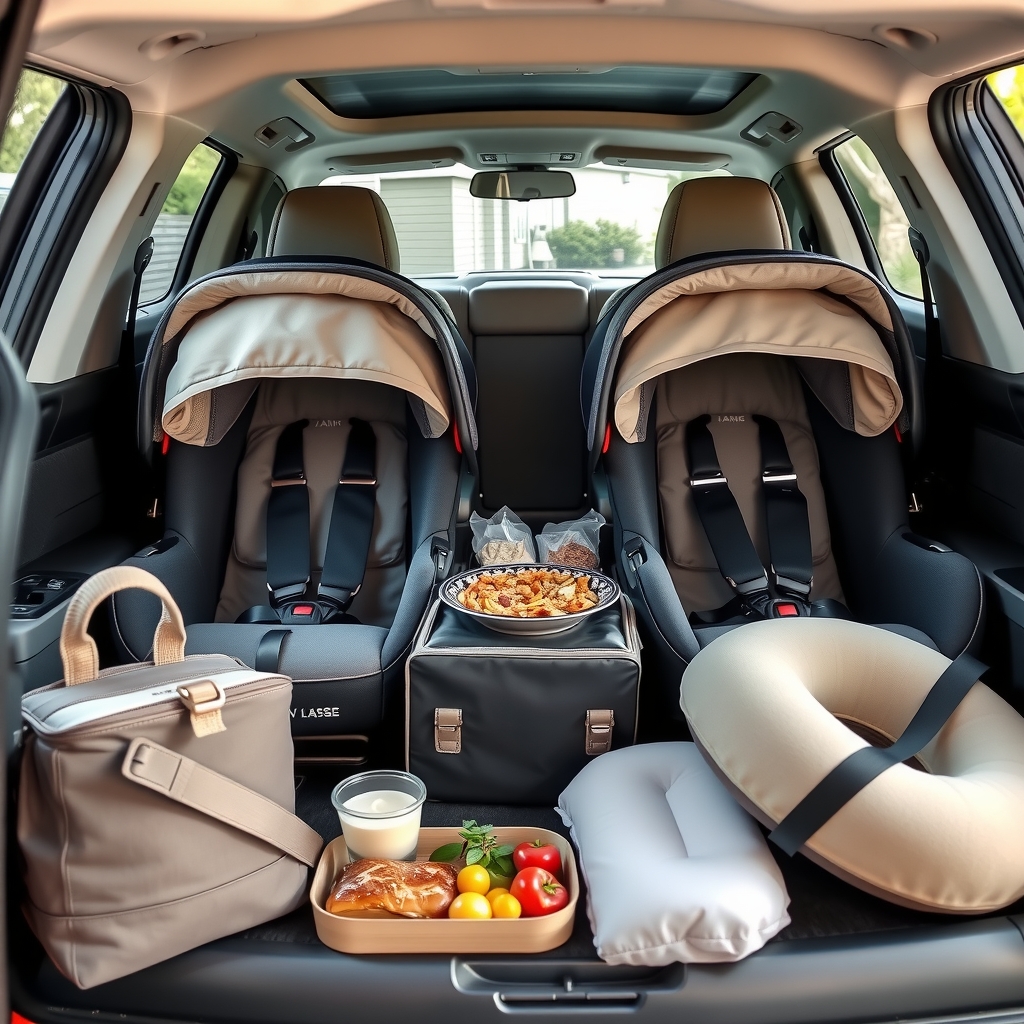
Hospital bag essentials (for two)
- Two going-home outfits (onesies, hats, and socks).
- Two swaddles or sleep sacks.
- Two pacifiers (if using).
- Extra maxi pads (twin births often mean more bleeding).
- A double nursing pillow (like Boppy Twin).
- Two sets of newborn photoshoot props (if you plan to take photos at the hospital).
Postpartum recovery for twins
- More ice packs (for swelling or soreness).
- A postpartum support person (whether a partner, friend, or doula).
- Extra snacks and water (you’ll need more energy).
- Twin-specific postpartum tracking app (to monitor both babies’ progress).
Baby gear must-haves for twins
Twin-specific tips
- Consider a double stroller or a side-by-side car seat for easy transport.
- Use a double bassinet or crib for safe sleep.
- Plan for more help—whether a nanny, doula, or family member.
- Schedule regular checkups for both babies to monitor their growth and development.
- Prepare a twin feeding schedule to keep track of each baby’s feeding times and needs.
New: Twin feeding challenges and solutions
Feeding twins can be a unique challenge, but these tips can help:
- Alternate feeding order: Switch which baby feeds first to create balance and prevent favoritism.



