Packing for the hospital as a first-time mom? Get the ultimate checklist with must-haves for labor, recovery, and baby to feel prepared and stress-free.
By Shubhra Mishra — a mom of two who turned her own confusion during pregnancy into BumpBites, a global mission to make food choices clear, safe, and stress-free for every expecting mother. 💛
Check whether any food is safe during pregnancy with the BumpBites Food Safety Checker.
Quick take: Pack a lightweight, organized bag with comfort‑focused clothing, personal toiletries, newborn basics, and a few treats for your support person. Bring essential documents (ID, insurance, birth plan) and know what the hospital already supplies so you don’t over‑pack. Even on a budget, a well‑planned bag can cover vaginal, C‑section, or induced deliveries without stress.
When you’re scrolling through birth‑class notes at 2 a.m., the thought of “What am I actually going to need on the day I give birth?” can feel overwhelming. You’re not alone. Many first‑time moms imagine a mountain of gear, only to discover that a thoughtfully curated bag is all you really need. In this guide, we’ll walk you through every item you should consider, what you can leave behind, and how to keep costs low while staying prepared for any delivery scenario.
We’ll start with a clear checklist for mom, baby, and your support person, then dive into paperwork, budgeting tips, and special considerations for C‑sections, twins, or home births. By the end, you’ll have a master list you can pack the night before labor begins, and the confidence that you’ve covered the essentials without over‑packing.
What to pack in your hospital bag for a first‑time mom?
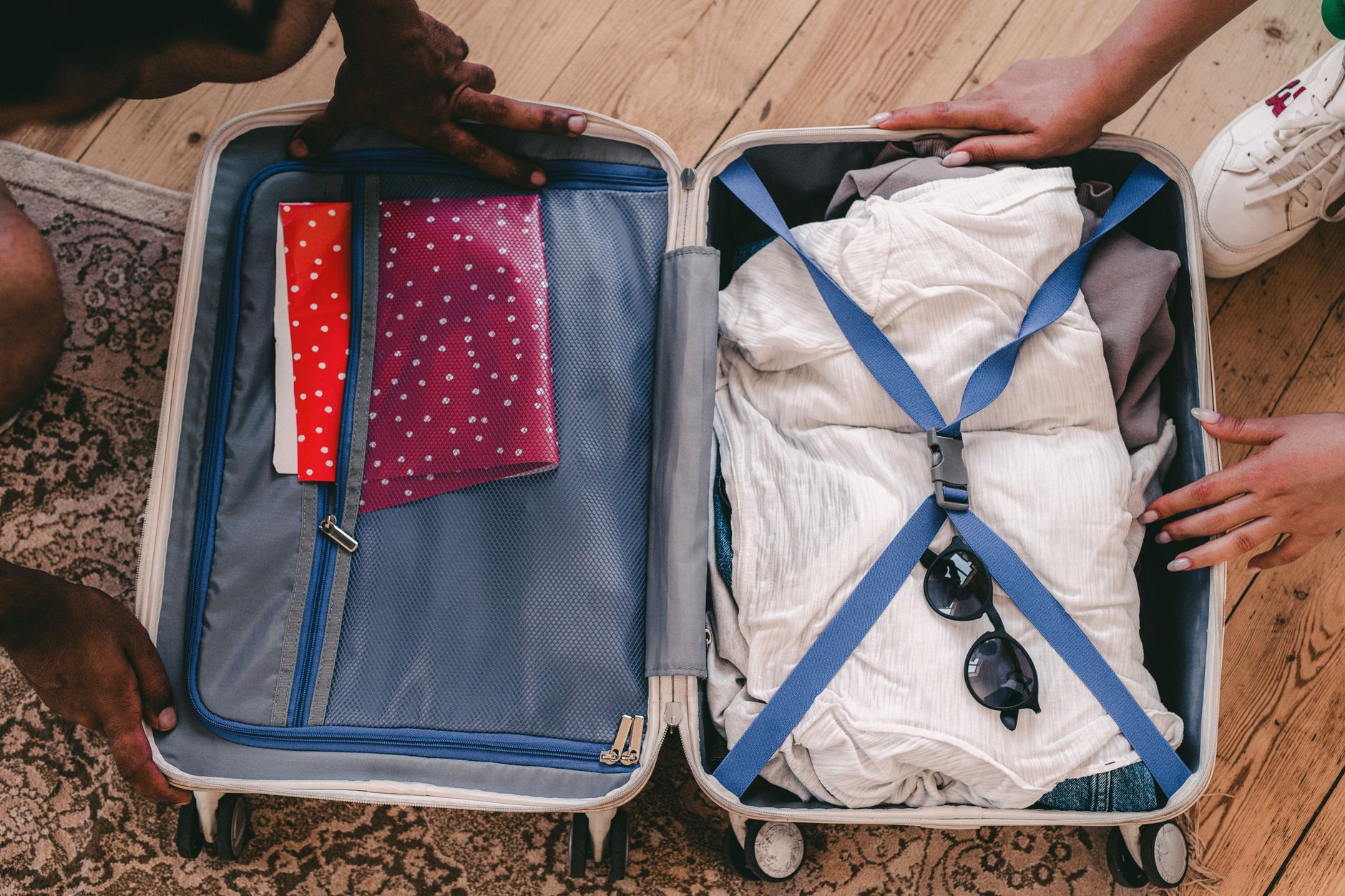
First‑time moms often wonder where to begin. The goal is to bring comfort items that help you feel in control and supported during labor, delivery, and the early postpartum hours. Below is a concise list that balances practicality with personal comfort.
Packing your hospital bag is more than just gathering items; it’s about creating a sense of preparedness and calm during what can be an unpredictable time. Feeling comfortable and cared for in the hospital can significantly reduce anxiety, allowing you to focus on the incredible journey of birth. Your bag becomes a small "nest" of familiarity in a new environment, reminding you of home and your personal preferences.
It's also important to remember that labor and delivery can unfold in many ways. Your meticulously planned vaginal birth might shift to a C-section, or an expected quick labor could become a longer induction. We recommend packing versatile items that will serve you well regardless of the delivery scenario, ensuring you're ready for any turn your birth story takes.
Comfort clothing
Two‑pair of loose‑fitting nightgowns or a maternity robe (front‑open for easy nursing).
Soft, breathable slippers or flip‑flops with a non‑slip sole.
Supportive, non‑tight underwear (consider disposable or a large‑size cotton pair).
Four to six high‑waisted, stretchy maternity or nursing bras.
One set of lightweight, front‑opening pajamas for discharge.
Personal care basics
Toothbrush, toothpaste, and floss.
Hairbrush or wide‑tooth comb, plus hair ties.
Travel‑size shampoo, conditioner, and body wash (many hospitals provide these, but bring your favorite if you’re sensitive).
Moisturizer, lip balm, and a gentle facial cleanser.
Perineal spray or witch‑hazel pads for postpartum comfort (check hospital policy).
Sanitary pads (the hospital will have some, but if you prefer a specific brand, bring a small pack).
Entertainment and comfort aids
Phone charger (preferably a portable power bank).
Headphones or earbuds.
Book, magazine, or a tablet with pre‑downloaded shows.
Eye mask and earplugs for better sleep.
All of these items typically fit into a medium‑sized duffel or tote bag, leaving room for baby and partner supplies.
A well-organized hospital bag can help reduce stress and ensure you have everything you need when the time comes.
Essential items for labor and delivery hospital bag checklist
Think of this as a master checklist you can print, tick off, and keep on your nightstand. It combines the items above with a few delivery‑specific additions. While many hospitals provide basic necessities, bringing a few personal items can significantly enhance your comfort and overall experience during labor and the immediate postpartum period. These small touches can make a big difference in how you feel.
For example, a birth plan isn't just a list of demands; it's a valuable communication tool to share your preferences and values with your care team. Discussing it with your OB/GYN or midwife in advance ensures everyone is on the same page. Even something as simple as your own pillowcase can provide a familiar scent and softness that helps you relax in an unfamiliar hospital bed.
Category
Item
Why it matters
Mom – Comfort
Two nightgowns/robe
Easy nursing access + warmth
Mom – Toiletries
Travel‑size toiletries
Familiar scents reduce stress
Mom – Labor support
Massage oil or lotion
Helps with relaxation techniques
Baby
2–3 newborn onesies (size NB)
Fresh clothes after birth
Baby
Soft blanket or swaddle
Keeps baby warm in the NICU
Partner
Snack pack (protein bars, nuts)
Energy boost during long labor
Partner
Change of clothes
Comfort if labor runs long
Documents
Photo ID, insurance card
Required for admission
Documents
Birth plan (printed)
Ensures your preferences are known
Feel free to customize the list based on your hospital’s policies—some provide hairdryers, while others ask you to bring your own. It's always a good idea to call your hospital's labor and delivery unit ahead of time to clarify what they provide and what their policies are regarding personal items.
Hospital bag packing list for newborn baby and mom
Newborns come with a surprisingly small set of immediate needs. Packing efficiently means you won’t have to scramble for a diaper or blanket after the first cry. Remember that hospitals are well-equipped, so you don't need to bring a full nursery; focus on comfort and practical items for those first precious hours.
For mom, the postpartum period is a time of significant physical recovery. Having specific items tailored to soothe and support your body, whether after a vaginal birth or a C-section, can make a world of difference. Your comfort directly impacts your ability to rest and bond with your new baby, so prioritizing these recovery items is key.
For baby
Two to three newborn onesies or bodysuits (size NB). These are essential for keeping baby comfortable and clean, as spit-ups or diaper blowouts are common.
One or two soft hats (newborns lose heat fast).
One lightweight receiving blanket (cotton or muslin).
A small pack of newborn diapers (the hospital usually provides, but a few of your preferred brand can be handy).
Gentle baby wipes (if you prefer fragrance‑free).
Infant mittens to prevent scratching.
Car seat (installed in your car before labor). The hospital will not discharge your baby without a properly installed car seat, as recommended by the American Academy of Pediatrics (AAP).
For mom’s postpartum recovery
Heavy‑duty maternity or nursing bras.
High‑absorbing perineal pads (if you prefer a specific brand).
Cooling gel pads or a small pack of ice wraps for perineal soreness. These can provide immense relief for swelling and discomfort, especially after a vaginal delivery.
Breast‑feeding pillow (optional; many hospitals have them).
Loose‑fit pajamas for discharge.
All baby items can be tucked into a small “baby bag” that fits inside your larger duffel, keeping everything organized.
What not to bring to the hospital for a first‑time mother?
It’s tempting to over‑pack, but certain items can be prohibited or simply unnecessary, adding weight to your bag and clutter to the hospital room. Hospital rooms are often small, and extra clutter can make it harder for nurses and staff to move around and provide care, and can also be a tripping hazard.
Additionally, some items are restricted for safety or hygiene reasons. For instance, strong fragrances can trigger allergies or sensitivities in other patients and staff, and newborns have a very delicate sense of smell. Knowing what to leave at home will not only lighten your load but also ensure a smoother, safer stay for everyone.
Large pillows or blankets – Most hospitals offer a standard pillow and blanket; extra ones may be considered a fire hazard or simply take up too much valuable space.
Full‑size toiletries – The hospital provides basic soap, shampoo, and towels. Keep them travel‑size to save space and weight.
Electrical appliances – Hot water bottles, heating pads, or portable fans are generally not allowed due to hospital safety regulations and fire codes.
Excessive cosmetics – Stick to a minimal routine; strong fragrances can bother staff and other patients, and you'll likely be more focused on rest and baby bonding.
Valuables – Leave jewelry, large amounts of cash, and non‑essential electronics at home to avoid loss or theft.
By leaving these items behind, you’ll have a lighter bag, fewer worries, and more space for the essentials you truly need.
Opt for travel-sized toiletries to save space and ensure you have your preferred products.
How to pack a hospital bag on a budget for first‑time moms?
Budget‑friendly packing is about prioritizing multipurpose items and using what you already have at home. You don't need to spend a fortune to be prepared and comfortable. Many essential items can be repurposed, borrowed, or found at affordable prices, allowing you to save money for other baby needs.
Consider creative DIY solutions and smart shopping strategies to reduce costs without compromising on comfort or necessity. For example, simple household items can often substitute for specialized maternity products, and leveraging community resources like gift registries can help offset expenses. The goal is to be resourceful and practical.
Prioritize reusable over disposable
Bring a small, reusable water bottle instead of buying bottled water.
Use your own hairbrush, nail clippers, and basic toiletries instead of purchasing travel kits.
Pack a single set of comfortable clothing that can be worn both during labor and postpartum (e.g., a stretchy nightgown).
Shop smart
Look for “maternity” sections in discount stores for inexpensive nursing bras or comfortable pajamas.
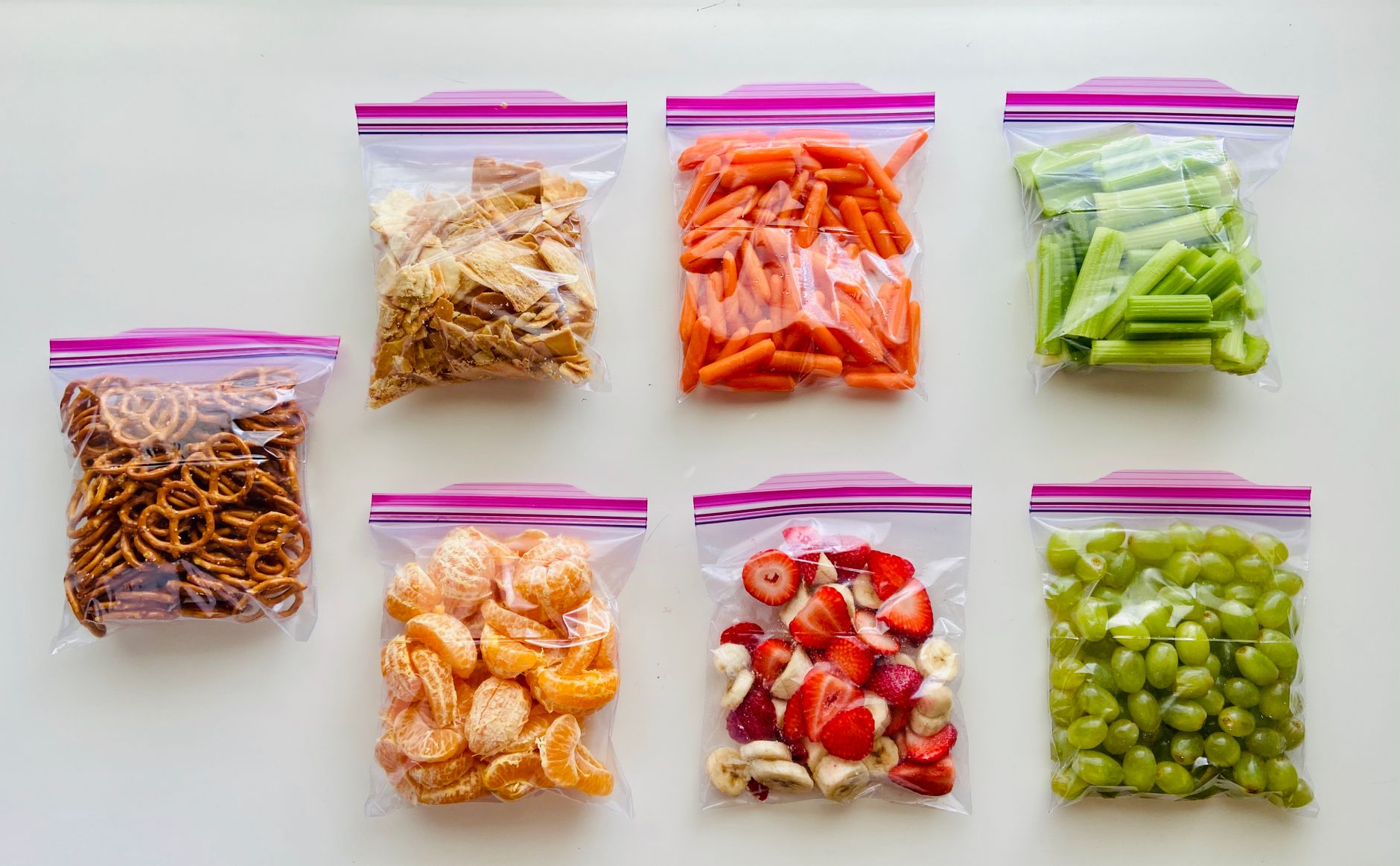
Buy bulk snack packs (trail mix, granola bars) and portion them into small zip‑lock bags for your support person.
Use gift registries or baby shower gifts to collect items you’ll need, then allocate them to your hospital bag. Don't be afraid to ask friends or family if they have gently used maternity items or baby clothes you can borrow.
DIY comfort items
Make a simple eye mask from a soft cotton square or a clean, dark sock.
Reuse a clean, soft scarf as a blanket substitute or a light cover.
Pack a small “comfort kit” with a few essential oils (lavender) if allowed, or create homemade "padsicles" by soaking maxi pads in witch hazel and aloe vera and freezing them for postpartum perineal relief.
With these strategies, you can keep your total cost under $50 while still feeling prepared and pampered.
Best snacks to bring to the hospital during labor for first‑time moms
Labor can be a marathon, and your support person will thank you for practical, easy‑to‑eat snacks that keep energy steady without causing a mess. While the laboring mother's diet may be restricted depending on hospital policy and delivery type, your partner will be grateful for readily available fuel to sustain them through long hours.
The best snacks are those that are non-perishable, don't require refrigeration, are easy to eat with one hand, and won't create strong odors that might bother others in the labor ward. Keeping your partner well-fed ensures they have the energy and focus to support you effectively.
Snack ideas
Protein bars – Choose low‑sugar varieties for sustained energy.
Mixed nuts and dried fruit – A portable source of healthy fats and carbs.
Whole‑grain crackers with a single‑serve cheese packet or peanut butter.
Fresh fruit – Apples, bananas, or grapes are mess‑free, hydrating, and provide natural sugars.
Electrolyte tablets – Dissolved in water for quick re‑hydration, particularly useful for your partner.
Small bags of pretzels or dry cereal – Easy to munch on and can help with mild nausea.
What to avoid
Heavy, greasy, or spicy foods that may cause nausea or indigestion, especially in a stressful environment.
Strong‑smelling items like tuna fish, pungent cheeses, or highly spiced foods that could disturb other patients or staff.
Any foods prohibited by your hospital’s policy (some facilities have strict rules about outside food due to allergies or hygiene).
Check your hospital’s visitor policy ahead of time; many allow a limited snack bag for the support person, but typically restrict food for the laboring mother to clear liquids or ice chips, as recommended by the American College of Obstetricians and Gynecologists (ACOG) for certain stages of labor.
What paperwork and documents to bring to the hospital for a first‑time mom?
Having the right paperwork on hand can smooth the admission process and ensure your birth preferences are respected. This can significantly reduce stress when you arrive at the hospital, allowing you to focus on labor rather than administrative tasks. Pre-registering with your hospital, if available, can also expedite this process.
Beyond identification and insurance, preparing a list of your current medications and allergies is crucial for your medical team. This provides them with a quick and accurate overview of your health history, ensuring safe and personalized care throughout your stay. Keep these documents organized and easily accessible, perhaps in a dedicated pouch.
Essential documents
Photo identification – Driver’s license, passport, or state ID for both you and your partner.
Insurance card – Both primary and secondary if applicable, along with any necessary pre-authorization codes.
Birth plan – A printed copy (and a digital copy on your phone) outlining your labor preferences, pain management choices, and any specific requests for after birth. Discuss this with your provider beforehand.
Hospital registration forms – Some hospitals send these ahead of time; bring a completed copy if you have it to speed up check-in.
Emergency contact list – Names and phone numbers of who should be notified after birth, including primary care providers for you and baby.
List of current medications and allergies – Crucial for your medical team to ensure your safety and tailor your care.
Optional paperwork
Prenatal records (ultrasound images, lab results) – Helpful if you’re transferring care or if you've received care from multiple providers.
Advance directive or DNR order – Only if you have one and wish to discuss with your provider; ensure copies are readily available.
Vaccination records for newborn (if applicable) – Usually completed after birth, but having your own records can be useful.
Store these items in a small, zippered pouch inside your main bag to keep them easily accessible, perhaps in the very top compartment for quick retrieval.
How to organize your hospital bag for a quick labor?
When labor begins unexpectedly, you’ll want to grab your bag without fumbling. Organizing by “zone” makes everything reachable in seconds, reducing stress for both you and your support person. A systematic approach means less rummaging and more focus on what truly matters: your labor and the arrival of your baby.
Consider using clear packing cubes or labeled pouches within your main bag. This not only keeps items tidy but also allows your partner or a nurse to easily find what you need without having to ask. The goal is efficiency and ease of access, ensuring that critical items like documents or comfort aids are never out of reach.
Bag‑zone system
Top pocket – Documents and ID, for immediate admission.
Side compartment – Snacks and water for your support person.
Main compartment (top layer) – Mom’s immediate comfort items: lip balm, hair ties, phone charger, a pair of socks.
Main compartment (middle layer) – Mom’s clothing and toiletries for postpartum.
Main compartment (bottom layer) – Baby’s outfit and blanket for discharge.
External small pouch – Phone charger and headphones.
Prep the night before
Lay the bag on your bed, place each item in its designated zone, and zip it up. Keep a small “ready‑to‑go” bag by your bedside for the final pull‑out, containing items you use daily (like your phone) that can be added at the last minute. This pre-packing ritual ensures everything is accounted for and in its place.
With this system, you’ll be able to retrieve your ID and birth plan in under ten seconds—giving you one less thing to worry about when contractions start.
The 'Go-Bag' vs. The 'Main Bag': A Two-Bag System
For many first-time moms, separating your hospital essentials into two distinct bags can be a game-changer, especially if labor progresses quickly or you have limited space in the car. This strategy prevents you from hauling a large, heavy bag into the hospital right away and ensures you have immediate access to the most critical items.
The "Go-Bag" is a small, lightweight bag containing only the absolute necessities for labor and admission, while the "Main Bag" holds everything else you and baby will need for your hospital stay. This approach offers flexibility and reduces the initial burden of arrival, allowing your partner to easily grab the larger bag later once you're settled in your room.
The "Go-Bag" (Small & Immediate)
Essential Documents: Photo ID, insurance card, printed birth plan, list of medications/allergies.
Phone & Charger: Crucial for communication and entertainment during early labor.
Lip Balm & Hair Ties: Small comfort items that make a big difference.
Comfortable Socks or Slippers: For walking around during early labor.
A Light Snack & Water Bottle: For your support person, or for you if allowed during early labor.
The "Main Bag" (Larger & Post-Admission)
All other items for mom (postpartum clothes, toiletries, nursing supplies).
All baby items (additional outfits, blankets, diapers).
Partner's bag (change of clothes, snacks, entertainment).
Keep your Go-Bag easily accessible, perhaps in the car or right by the front door, ready to grab at a moment's notice. The Main Bag can be kept in the trunk or a designated spot, ready to be brought in once you're settled in your labor and delivery room.
What to pack for an induction or longer stay?
If your labor is induced, or if your medical situation anticipates a longer hospital stay (such as with certain medical conditions or if you're having twins), your packing list will need a few adjustments. Inductions can sometimes take 24-48 hours before active labor begins, meaning more downtime and a greater need for comfort and entertainment.
Planning for an extended period means bringing additional comfort items, more frequent changes of clothes, and extra provisions for your support person. Thinking ahead for these scenarios can make a potentially long wait much more manageable and less stressful for everyone involved.
Additional items for mom
Extra Entertainment: Beyond a single book, consider a tablet with multiple movies or shows downloaded, a longer podcast series, or a journal to pass the time.
More Comfort Items: An extra pair of soft, fuzzy socks, a small, personal blanket, or a favorite eye mask can provide ongoing solace.
Layers: Hospital rooms can fluctuate in temperature. Pack cardigans or light jackets that are easy to put on and take off.
Heating Pad (if allowed): Some hospitals permit small, electric heating pads for back comfort during early labor. Always check with your care team first.
Additional Toiletries: For a longer stay, you might appreciate more frequent showers or refreshing routines.
For your support person
More Snacks & Drinks: Double or triple the amount of non-perishable snacks and drinks, as hospital cafeterias might have limited hours.
Extra Change of Clothes: For a multi-day stay, a second outfit will be greatly appreciated.
Sleep Aids: A small pillow, eye mask, and earplugs for them to get some rest during downtime.
Consider packing these "induction extras" in a separate, small bag that can be easily accessed or left in the car until needed. This way, your primary hospital bag remains focused on the core labor and delivery essentials.
Hospital bag checklist for C‑section delivery
A C‑section adds a few specific needs, especially around postoperative comfort and mobility. Recovery from abdominal surgery requires different considerations than a vaginal birth, primarily focusing on protecting your incision and managing pain. Your hospital stay may also be slightly longer, typically 3-4 days, so plan accordingly.
The emphasis shifts to loose-fitting clothing that won't irritate your incision, easy-to-manage personal care items, and additional support for your abdomen. Prioritizing these items will contribute significantly to a more comfortable and smoother recovery period.
Additional items for mom
Loose‑fit, front‑opening nightgown or button‑down shirt (easy to change without bending or pulling over your incision).
High-wawaisted, soft underwear that sits above your incision line, preventing irritation.
Compression socks – Helps with circulation after surgery and can reduce the risk of blood clots, as often recommended by medical staff (NHS guidance).
Supportive pillow for side‑lying (helps keep incision comfortable) or a small pillow to hold against your abdomen when coughing, laughing, or moving.
Prescribed pain medication (keep the pharmacy label for reference) – though the hospital will provide what you need during your stay, having your own plan for discharge is wise.
Ice pack or cooling gel pad for incision site (check hospital policy, as they often provide these).
Easy-to-slip-on shoes or sandals, as bending down to tie laces will be difficult.
What stays the same
All the basic comfort, toiletries, and newborn items listed earlier still apply. The key is to prioritize items that allow you to sit up, move, and care for your baby without straining the incision, and that promote overall healing and comfort during your extended stay.
What to pack for a home birth vs hospital birth?
Home births require a more self‑contained kit and a different level of personal preparation, while hospitals provide many basics and medical interventions. The choice between a home birth and a hospital birth significantly impacts what you need to gather, as the environment and available resources differ greatly.
For a home birth, you become the primary provider of many supplies that a hospital would typically offer, from linens to basic medical aids. It's crucial to work closely with your midwife or birth team to ensure you have everything necessary for a safe and comfortable experience, including contingency plans for hospital transfer if needed.
Item
Hospital Birth
Home Birth
Bed linens for mother
Provided
Bring your own sheets and blankets, plus waterproof mattress covers
Disposable diapers
Provided
Bring a small pack (if you plan to use), or cloth diapers
Sterile gloves & instruments
Provided by staff
Midwife brings necessary medical supplies
Waterproof mattress cover
Not needed
Essential for protecting your bed and floor
Portable oxygen & suction
Hospital equipment
Midwife’s kit includes emergency equipment
Comfort items (pillows, music)
Allowed, limited
Unlimited – bring what you love, create your ideal environment
Large absorbent pads
Provided
Essential for postpartum bleeding at home
Clean towels & washcloths
Provided
Bring several for birth and cleanup
Postpartum perineal care
Provided (pads, sprays)
Stock up on witch hazel pads, perineal sprays, sitz bath supplies
Nourishing food/drinks
Restricted for laboring mom
Prepare easy-to-eat meals and hydrating drinks for labor and postpartum
If you’re opting for a home birth, discuss the full list with your midwife so you know what they’ll provide and what you should bring, including any emergency supplies or protocols. Creating a comfortable, clean, and well-stocked birth space at home is paramount.
Packing for twins: hospital bag checklist
Twins double the excitement—and the packing list. When preparing for two bundles of joy, it's wise to assume a potentially longer hospital stay, as twin births often require closer monitoring and sometimes lead to earlier deliveries. This means planning for a few extra days of supplies for both you and your babies.
Focus on items you can share between the two babies where possible, but ensure you have individual essentials like car seats. Efficiency and organization become even more critical when you're managing double the needs. Remember to pack two properly installed car seats, as the hospital will require them for discharge.
Baby essentials
Four to six newborn onesies (two per baby), accounting for potential longer stays and frequent changes.
Two soft blankets or swaddles.
Two infant hats.
Two packs of newborn diapers (or a larger pack you can split), as you'll go through them quickly.
Two sets of gentle wipes.
One double‑nursing pillow (helps position both babies for feeding simultaneously).
Two properly installed infant car seats, a non-negotiable for discharge.
Mom’s items
Everything from the standard checklist applies, but consider an extra pair of socks and an additional perineal pad set, as you’ll have double the activity and a potentially longer recovery period. Also, pack more comfortable, loose-fitting clothing, as your body will be adjusting to carrying two babies, and you might experience more swelling or discomfort.
Packing for Different Seasons: Winter vs. Summer Baby
The time of year your baby arrives can influence a few key items in your hospital bag, primarily concerning clothing for both you and your newborn, and general comfort. Thinking about the season helps you adjust for temperature, weather conditions, and the specific needs of keeping warm or cool for your journey home.
While hospital rooms are generally climate-controlled, the trip to and from the hospital, and the initial hours after birth, will expose you and your baby to the outside elements. Making small seasonal adjustments to your packing list ensures optimal comfort and safety.
For a Winter Baby (November - March)
Baby: Pack thicker onesies or sleepers, a warm hat, and a heavier, weather-appropriate blanket or bunting for the car seat ride home. Consider a small, soft fleece blanket for warmth in the hospital room.
Mom: Bring a warm robe, fuzzy socks, and a comfortable, warm discharge outfit (e.g., fleece-lined leggings, a cozy sweater). Hot drinks like herbal tea can be comforting.
Support Person: Warm layers for themselves, and perhaps a thermos of hot coffee or tea.
For a Summer Baby (June - August)
Baby: Opt for lightweight, breathable cotton onesies, a thin muslin swaddle, and a light cotton hat. A thin receiving blanket for the car seat is usually sufficient.
Mom: Pack lightweight, breathable nightgowns or pajamas, and a loose-fitting, light fabric discharge outfit (e.g., a sundress, light linen pants). Hydrating drinks and cooling facial mists can be refreshing.
Support Person: Light clothing, plenty of water, and perhaps a small, battery-operated fan (check hospital policy for fans).
Regardless of the season, layering is always a good strategy, as hospital temperatures can vary. The goal is to keep both you and your baby comfortable and protected from the elements, ensuring a smooth transition home.
What to pack for postpartum recovery at the hospital?
The first 24‑48 hours after birth are crucial for healing. Having a few targeted items can make a big difference in managing pain, promoting comfort, and supporting your physical and emotional recovery. This immediate postpartum period is a time for rest, bonding, and gentle self-care.
Beyond physical comfort, thinking about your mental and emotional well-being is also important. Small personal touches can help you feel more grounded and present during this intense and beautiful time. Prioritizing recovery-focused supplies ensures you can focus on yourself and your new baby.
Recovery‑focused supplies
Heavy‑duty maternity or nursing bras (you’ll likely need more than one, as leakage and swelling are common).
High‑absorbency perineal pads (the hospital provides some, but bring a small pack of your preferred brand for extra comfort and absorbency).
Cooling gel pads or a frozen gel pack for incision or perineal discomfort. These can be incredibly soothing for swelling and pain.
Soft, breathable pajamas or a nightgown with front‑open access, essential for comfort and easy nursing.
Gentle, fragrance‑free body wash and moisturizer, to avoid irritation on sensitive skin.
Entertainment (books, streaming app) to pass the downtime during feeds or rest periods.
Optional soothing items
Essential‑oil diffuser (if allowed) with a calming scent like lavender, to create a more relaxing atmosphere.
Light‑weight, foldable yoga mat for gentle postpartum stretches (if medically cleared and able).
Small journal for “baby’s first day” notes, reflections, or to jot down questions for your care team.
A special comfort object, like a soft scarf or a cherished photograph, to help you feel more at home.
Best hospital bag items for breastfeeding moms
Breastfeeding can start as soon as minutes after birth. Having the right tools at hand supports a smoother latch and confidence, especially for first-time moms who are learning the ropes. Establishing breastfeeding in the hospital can set a positive tone for your journey at home, so being prepared is key.
Beyond the basics, think about items that promote comfort, hygiene, and hydration—all crucial for successful breastfeeding. Addressing potential challenges like nipple soreness from the start can also make a significant difference in your experience.
Must‑have nursing supplies
Breast‑feeding pillow (many hospitals have them, but a personal one feels familiar and can help with proper positioning).
Reusable breast pads (silicone or cotton) for leakage. Disposable ones also work well.
Lactation tea or a small pack of electrolyte tablets for hydration, which is vital for milk supply.
Hand sanitizer – keep hands clean before each feeding, especially in a hospital environment.
Water bottle – stay hydrated to support milk supply and your own recovery.
Nipple cream or balm – for initial soreness or cracking, especially in the first few days.
Comfort items for nursing
Soft, breathable nursing bras that offer support without constriction.
Loose‑fit nightgown with easy front access, making frequent feedings simple and comfortable.
Eye mask and earplugs for rest between feeds, allowing you to maximize sleep in a busy hospital environment.
How many outfits should I pack for my baby for the hospital stay?
Babies typically spend 2‑4 days in the hospital. Pack enough for each day plus a spare in case of spills, spit-ups, or diaper blowouts. While hospitals provide basic garments, having a few of your own allows for personalization and ensures your baby is comfortable in their own clothes.
Keep in mind that newborns are often swaddled or kept in just a diaper for skin-to-skin contact, so you might not use every outfit. However, having options for different temperatures or for special photos is always a good idea. Don't forget a special "going home" outfit!
Two to three newborn onesies (size NB) – these are usually perfect for the first few days.
One or two slightly larger onesies (size 0‑3 months) for growth, as some babies are born bigger or grow quickly.
Two soft hats – essential for keeping baby warm, as newborns struggle to regulate their body temperature.
One swaddle blanket and one receiving blanket – for comfort and warmth.
Optional: One outfit for discharge (e.g., a cute onesie and hat) – a special outfit for their first trip home.
All these items should fit comfortably inside a small “baby bag” that can be slipped into your main duffel, or kept separate for easy access.
What to pack for partner in the hospital labor room?
Your support person will likely be at your side for many hours, offering comfort, encouragement, and practical assistance. A thoughtful kit keeps them comfortable and ready to help, ensuring they can focus on supporting you rather than worrying about their own needs. Their comfort directly contributes to their ability to be an effective and present support system.
From practical items like chargers and snacks to personal comfort aids, preparing a dedicated bag for your partner is just as important as preparing your own. This allows them to refresh, refuel, and recharge, so they can be at their best when you need them most.
Partner essentials
Comfortable shoes and a change of clothes (at least two sets, as labor can be long and messy).
Protein‑rich snacks (granola bars, nuts, fruit) and easy-to-eat meals, as hospital cafeterias may have limited hours or options.
Water bottle or sports drink to stay hydrated.
Phone charger and a small tablet or book for downtime (there can be a lot of waiting!).
Personal toiletries (toothbrush, travel‑size deodorant, face wash) for quick freshen-ups.
Cash or a small gift card for hospital coffee shop or vending machines.
Comfort items
Foldable seat cushion (hospital chairs can be hard and uncomfortable for long periods).
Eye mask and earplugs for short naps, allowing them to rest when you do.
Mini first‑aid kit (band‑aids, pain reliever) for personal use.
A light jacket or sweater, as hospital rooms can be cool.
Having these items ready means your partner can focus on supporting you, not hunting for a snack or a place to sit, making them a more effective advocate and companion throughout your labor and delivery.
Don't forget to pack plenty of healthy, easy-to-eat snacks and drinks for your support person.
Myth vs. fact
Myth: You need to bring a full set of diapers and wipes for the baby. Fact: Most hospitals supply newborn diapers and wipes for the first 24‑48 hours; bring only a small pack of your preferred brand if you have a strong preference, or if you plan to use cloth diapers.
Myth: You must bring a large pillow and blanket for the labor room. Fact: Hospitals provide a standard pillow and blanket; a small, personal pillow or a soft scarf is sufficient if you need extra comfort, and often preferred for space and safety reasons.
Myth: All personal toiletries are prohibited. Fact: Travel‑size toiletries are allowed and often welcomed, especially if you have sensitivities to hospital‑provided products or simply prefer your own familiar scents for comfort.
Myth: You need to pack special "birthing" clothes for labor. Fact: Most hospitals provide comfortable gowns for labor and delivery. You can bring your own comfortable nightgown or robe if you prefer, but it's not a necessity for the actual birthing process.
Key takeaways
Pack comfort‑focused clothing, basic toiletries, and a few personal items for mom.
Bring essential newborn basics: outfits, a blanket, hat, and a small diaper pack, plus an installed car seat.
Your support person needs snacks, a change of clothes, and entertainment to stay energized.
Keep important documents (ID, insurance, birth plan, medication list) in an easy‑access pouch.
Know what the hospital provides (pillows, blankets, basic diapers) to avoid over‑packing and unnecessary bulk.
Use a zone‑based or two-bag system (Go-Bag + Main Bag) to retrieve items quickly during labor and streamline your arrival.
Consider seasonal adjustments and extra items if you anticipate an induction or longer stay.
Frequently asked questions
How early should I pack my hospital bag before labor starts?
Ideally, finish packing by the start of your third trimester (around 34‑36 weeks). This gives you time to review the checklist, make any last‑minute adjustments, and store the bag in a convenient spot near your front door. This proactive approach reduces stress as your due date approaches.
What are the must‑have items for a first‑time mom's hospital bag?
Key items include comfortable nightgowns, a front‑opening nursing bra, travel-size toiletries, a birth plan, ID and insurance cards, a small baby outfit and blanket, and snacks for your support person. Focus on multipurpose items that serve both labor and early postpartum needs for efficiency.
Can I bring my own pillow and blanket to the hospital?
Yes, most hospitals allow a small personal pillow and a lightweight blanket or scarf. Larger items may be restricted for fire‑safety reasons or due to limited space, so keep it simple and compact to ensure comfort without clutter.
Do hospitals provide diapers and wipes for newborns?
Most U.S. and U.K. hospitals supply a basic set of newborn diapers and wipes for the first day or two. If you prefer a specific brand or need a larger quantity, bring a small pack to supplement what’s provided, especially if you're sensitive to certain ingredients.
What should I pack for my partner or support person?
Pack comfortable shoes, a change of clothes, protein‑rich snacks, a water bottle, phone charger, and a small entertainment item (book or tablet). Adding a cushion or eye mask can help them rest during long labor periods, ensuring they remain refreshed to support you.
Is it okay to bring snacks and drinks to the delivery room?
Yes, most hospitals allow snacks and non‑alcoholic drinks for the support person. The laboring mother’s diet may be restricted depending on the delivery type (e.g., clear liquids only), so always check your hospital’s policy ahead of time to avoid any issues.
What if I forget something important for my hospital bag?
Don't panic! Hospitals are incredibly well-equipped, and for most non-essential items, your partner or a family member can bring it later. The most critical items (ID, insurance, car seat) are usually easily remembered. Focus on the essentials, and know that you'll be well cared for.
Should I pack my regular prescription medications?
Yes, bring all your current prescription medications in their original, labeled containers. Inform your medical team upon admission. While the hospital pharmacy will likely supply your medications during your stay, having your own supply and clear labeling ensures continuity of care and accurate dosing information.
When to see a doctor / specialist
If you notice any of the following after delivery, contact your OB‑GYN, midwife, or a postpartum care provider right away:
Severe, worsening pain at the incision site or perineum (beyond typical soreness) that is not relieved by pain medication.
Heavy bleeding (soaking more than one large pad per hour for two consecutive hours, or passing large clots). This is a red flag for postpartum hemorrhage.
Fever ≥ 100.4 °F (38 °C) that persists beyond 24 hours postpartum, which could indicate an infection.
Foul‑smelling vaginal discharge or foul‑smelling urine, which can be signs of infection.
Sudden shortness of breath, chest pain, or swelling in the legs (especially one-sided), which could indicate a serious condition like a blood clot (deep vein thrombosis or pulmonary embolism).
Persistent high‑grade fever in the newborn, lethargy, or inability to breastfeed due to pain or weakness.
Symptoms of postpartum depression or anxiety, such as persistent sadness, hopelessness, or intrusive thoughts, that last longer than two weeks.
This article provides general information and is not a substitute for personalized medical advice. Always discuss your specific needs and any concerns with your health care provider.
References
American College of Obstetricians and Gynecologists (ACOG). “Hospital Stay: What to Expect.” Updated 2023.
National Health Service (NHS). “What to Pack for Hospital Birth.” Accessed July 2024.
World Health Organization (WHO). “Guidelines for Postpartum Care.” 2022.
Harvard T.H. Chan School of Public Health. “Nutrition for Labor and Delivery.” 2023.
American Academy of Pediatrics (AAP). “Newborn Care Essentials.” 2023.
U.S. Department of Health & Human Services, CDC. “Hospital Birth Practices.” 2024.
Not sure about the label on Packing For The Hospital First Time Mom products?
Snap the ingredients list and SafeFilter checks every ingredient for your stage — only 3 free scans this month, then you're locked until reset. Unlimited from $7/mo or lock $50/yr through Aug 31 (5 days left).
When Shubhra Mishra was expecting her first child in 2016, she was overwhelmed by conflicting food advice — one site said yes, another said never. By the time her second baby arrived in 2019, she realized millions of mothers face the same confusion.
That sparked a five-year journey through clinical nutrition papers, cultural diets, and expert conversations — all leading to BumpBites: a calm, compassionate space where science meets everyday motherhood.
Her long-term vision is to build a global community ensuring safe, supported, and free deliveriesfor every mother — because no woman should face pregnancy alone or uninformed. 🌿
🌍 Stand with mothers, shape safer guidance
Join a small circle of experts who review BumpBites articles so expecting parents everywhere can decide with confidence.