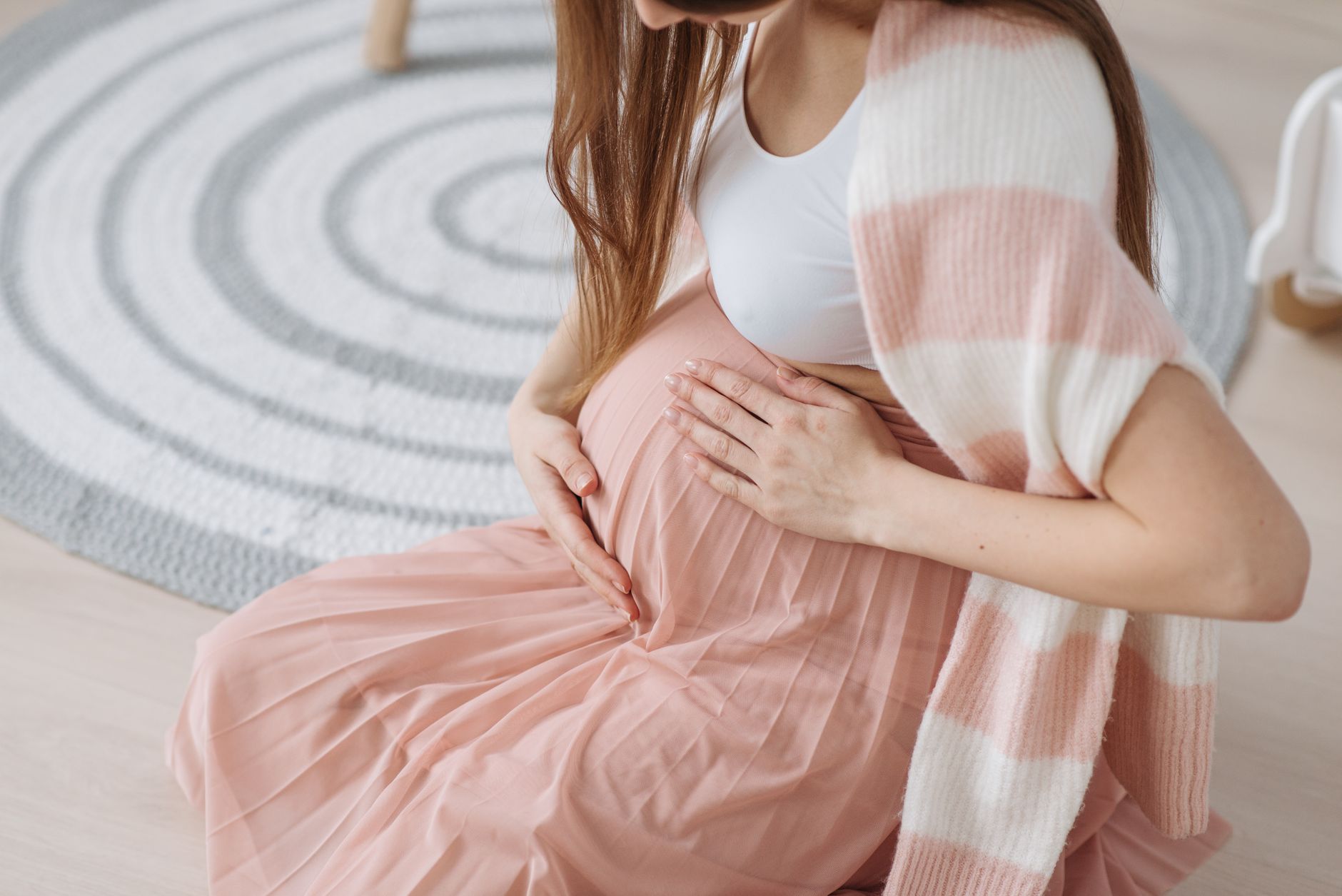
Compression socks for pregnancy are a safe and effective way to support circulation, reduce swelling, and alleviate discomfort in your legs and feet. Learn how they work and choose the best pair for a more comfortable pregnancy journey.
By Shubhra Mishra — a mom of two who turned her own confusion during pregnancy into BumpBites, a global mission to make food choices clear, safe, and stress-free for every expecting mother. 💛
Check whether any food is safe during pregnancy with the BumpBites Food Safety Checker.
Quick take: Compression socks can be a comfortable and effective tool for managing common pregnancy-related circulatory changes like swelling, leg fatigue, and varicose veins. They work by applying gentle pressure to improve blood flow back to your heart. Most healthcare providers recommend a mild to moderate compression level (15-20 mmHg) for daily wear, but always check with your doctor or midwife to ensure they're right for you.
It's late in your pregnancy, and you've just kicked off your shoes after a long day, only to find your ankles have seemingly disappeared into puffy "cankles." Or maybe your legs ache after standing, and you're noticing those tell-tale blue lines of varicose veins appearing. These are incredibly common experiences during pregnancy, and they often stem from the dramatic changes happening in your circulatory system.
The good news? There's a simple, non-invasive solution many expecting parents find incredibly helpful: compression socks. These specially designed socks aren't just for athletes or older adults; they can offer significant relief and support throughout your pregnancy journey, from easing swelling to combating leg fatigue. We understand you want to know if they're truly safe, how they work, and which ones are best for you.
In this comprehensive guide, we'll dive into why compression socks are so beneficial during pregnancy, how to choose the right pair, when and how to wear them, and what to discuss with your healthcare provider. Our goal is to give you clear, trustworthy answers so you can find comfort and support for your hardworking legs.
Why wear compression socks during pregnancy for circulation?
During pregnancy, your body undergoes remarkable transformations to support your growing baby, and your circulatory system is no exception. These physiological shifts, while essential, can sometimes lead to uncomfortable symptoms in your legs and feet. This is precisely where compression socks step in, offering targeted support to counteract these changes and improve overall circulation.
The circulatory changes of pregnancy
One of the most significant changes is a substantial increase in blood volume. By the third trimester, you'll have about 30-50% more blood circulating through your body than before pregnancy. This extra fluid is crucial for nourishing your baby, but it also means your veins have more work to do to return blood to your heart.
Adding to this, your growing uterus places increasing pressure on the major veins in your pelvis, particularly the inferior vena cava, which carries deoxygenated blood from your lower body back to your heart. This pressure can impede blood flow, causing blood to pool in the veins of your legs and feet.
Hormonal changes also play a role. Pregnancy hormones, especially progesterone, cause your blood vessel walls to relax and become more elastic. While this is beneficial in many ways, it can also make your veins more susceptible to stretching and weakening, further contributing to sluggish blood flow and the development of conditions like varicose veins.
How compression socks support your circulation
Compression socks work by applying gentle, graduated pressure to your legs. This means the pressure is strongest at your ankle and gradually decreases as it moves up your leg towards your knee or thigh. This external pressure helps to:
Counteract gravity: It assists your veins in pushing blood upwards against gravity, preventing it from pooling in your lower extremities.
Improve venous return: By gently squeezing the leg tissues and vein walls, compression socks help narrow the diameter of the veins. This increases the speed of blood flow back to your heart, making the valves in your veins more efficient.
Reduce fluid leakage: The external pressure helps reduce the amount of fluid that leaks out of your capillaries into the surrounding tissues, which is a primary cause of swelling.
Think of your veins as a series of one-way valves. When blood flow is slow or veins are stretched, these valves don't close as effectively, leading to backflow and pooling. Compression socks provide the external support needed to keep those valves working efficiently, ensuring a smoother, more consistent return of blood to your heart. This improved circulation not only alleviates discomfort but also supports the overall health of your legs during this demanding time.
Swelling is a common pregnancy discomfort, often made more manageable with the right support.
How do compression socks help with pregnancy swelling and edema?
Swelling, medically known as edema, is a hallmark of pregnancy for many women, particularly in the later trimesters. It's often most noticeable in the feet, ankles, and sometimes even the hands and face. While usually harmless, it can be incredibly uncomfortable and make everyday activities challenging. Compression socks are a highly effective, non-pharmacological strategy for managing and reducing this common pregnancy complaint.
Understanding pregnancy-related edema
Several factors contribute to the increased fluid retention and swelling during pregnancy:
Increased blood volume: As mentioned, your blood volume expands significantly, meaning there's more fluid in your circulatory system overall.
Hormonal changes: Progesterone relaxes blood vessel walls, making them more permeable. This allows fluid to leak more easily from your capillaries into the surrounding tissues, leading to swelling.
Uterine pressure: Your growing uterus puts pressure on the large veins (inferior vena cava and pelvic veins) that drain blood from your lower body. This pressure makes it harder for blood to return to your heart, causing it to pool in your legs and feet.
Gravity: Standing or sitting for extended periods allows gravity to pull fluid downwards, making swelling worse, especially by the end of the day.
This combination of factors means that fluid tends to accumulate in the interstitial spaces (the spaces between your cells) of your lower limbs, leading to the puffy, sometimes painful sensation of edema.
The mechanism of relief: reducing fluid accumulation
Compression socks directly address the root causes of edema by providing external support to your circulatory system:
Enhancing venous return: The graduated pressure from the socks helps to gently squeeze the veins in your legs, encouraging blood and other fluids to flow upwards towards your heart. This improved venous return prevents blood and interstitial fluid from pooling in your lower extremities.
Reducing capillary leakage: By exerting consistent external pressure, compression socks help to reduce the hydrostatic pressure within the capillaries in your legs. This, in turn, minimizes the amount of fluid that leaks out of the capillaries into the surrounding tissues. Less leakage means less fluid accumulation and, consequently, less swelling.
Supporting lymphatic drainage: Beyond blood vessels, compression also aids the lymphatic system, which is responsible for draining excess fluid, waste products, and toxins from your tissues. By promoting fluid movement, compression socks help prevent lymphatic fluid from stagnating, further reducing edema.
Many expecting parents report significant relief from the heavy, aching sensation that often accompanies severe swelling. One mom shared with us, "My feet felt like balloons by evening, and it was hard to even walk. The moment I started wearing compression socks, I noticed a difference by midday – my ankles were still visible! It was such a small change that made a huge impact on my daily comfort." This type of experience is common, as the socks provide immediate, tangible support.
For those specifically looking for the "best compression socks for pregnancy edema," the key is often a combination of the right compression level (typically 15-20 mmHg, which we'll discuss more below) and a comfortable, breathable material that fits well. The goal is consistent, gentle pressure that you can wear comfortably throughout the day, providing continuous relief from swelling.
Choosing the best compression socks for maternity: types and mmHg levels
Navigating the world of compression socks can feel a bit overwhelming with all the different types and pressure levels available. For maternity wear, the "best" socks are those that provide effective relief while being comfortable and safe for you and your baby. Understanding the options will help you make an informed choice.
Understanding compression levels (mmHg)
Compression socks are categorized by their pressure level, measured in millimeters of mercury (mmHg). This indicates how much pressure the garment applies to your leg. For pregnancy, generally, lower to moderate compression levels are recommended unless otherwise advised by your healthcare provider:
Compression Level (mmHg)
Description and Use in Pregnancy
8-15 mmHg (Mild)
Offers very light support, often for minor fatigue or to prevent swelling during short periods of standing/sitting. Good for general wellness, not typically strong enough for significant edema.
15-20 mmHg (Moderate)
Most commonly recommended for pregnancy. Ideal for preventing and relieving moderate swelling (edema), tired/achy legs, and reducing the risk of varicose veins. Also suitable for long flights or periods of inactivity. This is the go-to for daily wear.
20-30 mmHg (Firm)
Often prescribed by a doctor for more severe conditions like significant varicose veins, post-sclerotherapy, or to manage moderate to severe edema. Should generally only be worn under medical guidance during pregnancy.
30-40 mmHg (Extra Firm)
Requires a prescription and medical supervision. Used for serious circulatory issues like deep vein thrombosis (DVT), severe lymphatic edema, or chronic venous insufficiency. Not for general pregnancy use.
For most expecting parents dealing with common swelling and leg fatigue, a 15-20 mmHg compression level is usually sufficient and offers the best balance of effectiveness and comfort. If you have pre-existing conditions or experience severe symptoms, your doctor might recommend a higher level.
Types of compression socks for maternity
Beyond mmHg, compression socks come in various lengths and styles, each suited for different needs:
Knee-High: These are the most popular and often recommended type for pregnancy. They are easy to put on and take off, and they effectively address swelling in the feet, ankles, and lower calves. They're also less likely to feel restrictive around the belly.
Thigh-High: These extend up to the thigh. They are useful if you experience swelling or varicose veins higher up your leg. However, some women find them more challenging to put on and less comfortable, especially as your belly grows. They may also roll down.
Pantyhose/Maternity Tights: These provide full leg and belly support. They can be very comfortable as they offer gentle compression across the entire leg and often feature a supportive panel for your growing bump. They're a good option for overall leg and lower body support, particularly if you experience swelling higher up your legs or prefer the feel of tights.
Material and design considerations
When choosing maternity compression socks, also consider:
Breathability: Look for moisture-wicking materials like nylon, spandex blends, or bamboo. Pregnancy often comes with increased body temperature, so breathable fabrics are key to comfort.
Comfort: The socks should feel snug but not painfully tight. Avoid seams that dig in or elastic bands that create indentations.
Ease of wear: While compression socks are designed to be snug, some feature open toes or special weaves to make them easier to get on, which can be a real blessing with a growing belly.
Durability: You'll likely be wearing these regularly, so choose a quality brand that will hold up to frequent washing.
Many "maternity compression socks reviews" often highlight brands known for their soft, durable fabrics and thoughtful design features like extra room in the footbed or a non-constricting top band. The best choice for you will ultimately depend on your personal comfort, the extent of your symptoms, and your provider's recommendations.
When should pregnant women start wearing compression socks and for how long?
The timing for when to start wearing compression socks during pregnancy, and how long to wear them each day, can vary based on individual symptoms and needs. However, there are general guidelines that most expecting parents find helpful.
When to start: listening to your body
There's no single "right" time to begin wearing compression socks, as every pregnancy is unique. Some women find relief starting as early as the first trimester if they experience early signs of leg fatigue or swelling, especially if they have a job that requires prolonged standing or sitting. However, most women typically notice symptoms like swelling and leg discomfort increasing in the:
Second Trimester: As blood volume continues to increase and the uterus begins to grow, some women start to experience mild swelling or tired legs. This can be a good time to proactively introduce compression socks, especially if you anticipate long periods of sitting (like "travel compression socks for pregnant women" on a flight) or standing.
Third Trimester: This is when most women find compression socks become essential. Swelling, leg cramps, and general leg fatigue are at their peak due to maximum blood volume, increased uterine pressure, and hormonal effects. Many healthcare providers recommend daily wear during this period.
A good rule of thumb is to start wearing them when you first begin to notice symptoms like leg heaviness, mild swelling at the end of the day, or discomfort. Being proactive can often prevent symptoms from becoming more severe. If you have a history of varicose veins or a family history of venous issues, your doctor might suggest starting earlier.
How long to wear them each day
For most pregnant women, the recommendation is to wear compression socks throughout the day and take them off before bed. Here's a typical schedule:
Morning Application: Put your compression socks on first thing in the morning, ideally before you even get out of bed. This is when your legs are least swollen, making the socks easier to apply and ensuring they provide maximum benefit throughout the day by preventing fluid accumulation.
Daytime Wear: Wear them for the majority of your waking hours, especially when you'll be standing, sitting, or traveling.
Nighttime Removal: Remove them before you go to bed. While some people with specific medical conditions wear them overnight, for general pregnancy-related swelling, they are not usually necessary during sleep, as gravity is less of a factor when you're lying down. Plus, it gives your skin a chance to breathe.
For "how many hours a day should a pregnant woman wear compression socks?" — aiming for 8-12 hours during your active day is a good target. You can take short breaks if needed, but consistent wear during the day offers the most benefits. If you notice any skin irritation, numbness, or increased discomfort, remove them and consult your provider.
It's also important to continue wearing them postpartum if you're still experiencing swelling or for a period recommended by your doctor, especially if you had a C-section or are at increased risk for blood clots. Your body takes time to return to its pre-pregnancy circulatory state, and compression can continue to be helpful during this transition.
Putting on your compression socks first thing in the morning, before swelling sets in, is key to their effectiveness.
Proper fitting and application of compression socks for pregnant women
The effectiveness of compression socks hinges entirely on a proper fit. Wearing socks that are too tight can be uncomfortable and potentially harmful, while socks that are too loose won't provide the necessary therapeutic pressure. Getting the right size and learning proper application techniques are crucial steps for any expectant parent.
How to measure for compression socks pregnancy
Accurate measurements are the foundation of a good fit. It's best to measure first thing in the morning when your legs are least swollen. You'll need a flexible measuring tape. Most manufacturers provide size charts based on these measurements. Here's what you'll typically need to measure for knee-high socks:
Ankle Circumference: Measure the circumference of your ankle at the narrowest part, just above the ankle bone. This is the most critical measurement, as it's where the greatest compression is applied.
Calf Circumference: Measure the circumference of your calf at its widest point.
Leg Length: Measure the length from the floor to approximately one inch below the bend of your knee. This ensures the sock doesn't bunch or cut into your knee joint.
If you're considering thigh-high socks or maternity tights, you'll also need to measure your mid-thigh circumference and the length from your heel to your mid-thigh or groin, respectively. Always compare your measurements to the specific brand's size chart, as sizing can vary between manufacturers. When in doubt between two sizes, consult with a pharmacist or your healthcare provider.
Tips for putting on compression socks
Compression socks are designed to be snug, which means they can be a bit tricky to put on, especially with a growing belly and reduced flexibility. Many moms find this the biggest hurdle. Here’s a tried-and-true method:
Morning Ritual: Apply them first thing in the morning, before getting out of bed, when your legs are least swollen.
Gather and Roll: Reach inside the sock and grab the heel pocket. Turn the sock inside out until you reach the heel. This creates a "pocket" for your foot.
Foot First: Place your foot into the foot portion of the sock, making sure your heel is correctly seated in the heel pocket.
Gradual Unrolling: Gently unroll the sock up your leg, smoothing out any wrinkles as you go. Do not pull the sock up by the top band, as this can stretch it out or create uneven compression. Instead, use the palms of your hands to work the fabric up your leg in small sections.
Smooth it Out: Ensure the sock lies flat against your skin with no wrinkles or creases, especially behind the knee. Wrinkles can create pressure points and reduce effectiveness.
If you have difficulty, consider using donning aids, such as a sock donner or rubber gloves, which can provide extra grip. Some brands also offer open-toe compression socks which can sometimes be easier to apply.
Caring for your compression socks
Proper care will extend the life and effectiveness of your compression socks:
Daily Washing: Wash your socks daily (or after each wear) to remove skin oils, dead skin cells, and sweat, which can break down the elastic fibers.
Gentle Cycle/Hand Wash: Use mild soap and lukewarm water. A gentle cycle in a mesh laundry bag is acceptable, but hand washing is often preferred.
Air Dry: Always air dry your compression socks. High heat from a dryer can damage the elastic fibers, reducing their compression effectiveness. Lay them flat or hang them to dry.
Avoid Harsh Chemicals: Do not use bleach, fabric softeners, or harsh detergents, as these can also degrade the elastic.
With proper fitting and care, your compression socks can be a comfortable and effective tool throughout your pregnancy, providing the relief and support your legs deserve.
Are compression socks safe during pregnancy? Addressing concerns and side effects
When you're pregnant, every decision about your health and well-being is carefully considered, and it's natural to wonder, "Are compression socks safe during pregnancy?" For most expecting parents, the answer is a resounding yes – they are generally very safe and highly recommended by healthcare providers for managing common pregnancy discomforts. However, like any health-related product, it's important to understand potential concerns and when to consult your doctor.
General safety and benefits
Compression socks are a non-invasive, drug-free way to support your circulatory system during pregnancy. Major health organizations like the American College of Obstetricians and Gynecologists (ACOG) and the UK's National Institute for Health and Care Excellence (NICE) often recommend them as a safe and effective measure for preventing and treating pregnancy-related swelling, leg fatigue, and varicose veins. They pose no known risk to your baby.
The primary benefit is improved circulation, which helps prevent blood from pooling in your lower extremities. This, in turn, reduces swelling (edema), alleviates leg aches and heaviness, and can even help prevent the progression of varicose veins.
Potential side effects and what to watch for
While generally safe, improper use or underlying conditions can sometimes lead to minor side effects:
Skin Irritation or Dryness: Wearing socks for long periods can sometimes lead to dry skin, especially if the material isn't breathable or if you have sensitive skin. Ensure you moisturize your legs at night when the socks are off.
Discomfort or Numbness: If the socks are too tight or improperly fitted, they can cause discomfort, itching, numbness, or tingling. This is a sign that the compression might be too high or the size is incorrect. Always re-measure and check the size chart.
Indentation Marks: It's normal to have slight indentation marks where the sock ends, but if they are deep, painful, or persist for a long time, the sock might be too tight.
Allergic Reaction: Rarely, some individuals might have a mild allergic reaction to the material. If you notice a rash, redness, or severe itching, discontinue use.
These side effects are usually easily resolved by ensuring a proper fit, choosing breathable materials, and maintaining good skin hygiene.
When not to wear compression socks (contraindications)
While safe for most, there are certain medical conditions where compression socks might not be suitable or should only be used under strict medical supervision. These "when not to wear compression socks pregnancy" scenarios include:
Severe Arterial Disease: If you have poor arterial circulation (e.g., peripheral artery disease), compression can further restrict blood flow to your feet and may be harmful. Your doctor will assess your arterial health.
Severe Congestive Heart Failure: In some severe heart conditions, increasing venous return can put undue strain on the heart.
Skin Infections or Open Wounds: Compression over an active infection or open wound can exacerbate the problem.
Severe Peripheral Neuropathy: If you have nerve damage that affects sensation in your legs, you might not feel if the socks are too tight or causing issues.
Uncontrolled Diabetes: While compression can be helpful for some diabetic complications, it needs to be carefully managed, especially if there's nerve damage or arterial issues.
This is why it's always essential to discuss any new health intervention with your healthcare provider. They can assess your individual health profile and ensure compression socks are a safe and beneficial option for you.
Beyond swelling: other benefits of compression socks for expectant mothers
While reducing swelling (edema) is a primary reason many pregnant women turn to compression socks, their benefits extend far beyond just managing fluid retention. These supportive garments can address several other common pregnancy complaints, enhancing overall comfort and even contributing to better venous health.
Alleviating leg fatigue and heaviness
Many expecting parents describe their legs feeling heavy, tired, and achy, especially after a long day or periods of standing. This "leg fatigue" is a direct result of the increased blood volume, hormonal relaxation of veins, and gravitational pooling of blood. Compression socks combat this by improving venous return, ensuring blood flows more efficiently back to the heart rather than stagnating in the lower legs. By supporting the veins and musculature, they help your legs feel lighter, more energized, and less prone to that leaden sensation.
Managing varicose veins and spider veins
Varicose veins, those twisted, bulging blue or purple veins, are a common and often hereditary issue that can worsen during pregnancy. The increased blood volume, uterine pressure, and hormone-induced vein relaxation all contribute to their development or exacerbation. "Compression stockings for varicose veins in pregnancy" are a frontline defense. The external pressure helps to:
Support vein walls: It prevents veins from further distending and stretching, which can reduce the progression of existing varicose veins.
Improve valve function: By narrowing the vein diameter, compression helps the one-way valves inside your veins close more effectively, preventing blood from flowing backward and pooling.
Reduce discomfort: Even if they don't make existing varicose veins disappear, compression socks can significantly alleviate the aching, throbbing, and itching associated with them.
Similarly, spider veins (telangiectasias), which are smaller, web-like veins, can also appear or worsen during pregnancy. While compression socks won't erase them, they can help prevent new ones from forming and reduce associated discomfort.
Reducing the risk of deep vein thrombosis (DVT)
Pregnancy inherently increases your risk of developing blood clots (deep vein thrombosis or DVT) due to changes in blood clotting factors and reduced blood flow in the legs. While the overall risk is still low, it's a serious concern. "Can compression socks prevent DVT during pregnancy?" Yes, they can contribute to prevention. By improving venous blood flow and preventing stagnation in the leg veins, especially during periods of immobility (like long car rides, flights, or bed rest), compression socks help reduce the likelihood of clot formation. For high-risk individuals, your doctor may specifically prescribe graduated compression stockings.
Aiding restless legs syndrome (RLS) and leg cramps
Many pregnant women experience restless legs syndrome (RLS) – an uncomfortable urge to move their legs, often accompanied by unpleasant sensations – and nocturnal leg cramps. While the exact mechanisms are complex, improved circulation and gentle counter-pressure from compression socks can often provide relief. Some theories suggest that improved blood flow and reduced fluid accumulation can help calm nerve signals and muscle spasms. For "do compression socks help restless legs during pregnancy" and leg cramps, many women report a noticeable reduction in symptoms, finding the continuous light pressure soothing.
One expectant mother shared her experience: "I used to wake up almost every night with excruciating leg cramps, and my restless legs made it so hard to fall asleep. My midwife suggested compression socks, and it was a game-changer. The consistent pressure seemed to calm my legs down, and the cramps became much less frequent. It really helped me get some much-needed sleep."
Postpartum recovery
The benefits of compression socks don't necessarily end with childbirth. Many women continue to wear them in the immediate postpartum period, particularly if they are still experiencing swelling, have had a C-section (which involves a period of reduced mobility), or are at an elevated risk of blood clots. They can continue to support venous health as your body recovers and blood volume returns to pre-pregnancy levels.
From our medical team: "In pregnancy, your body is working overtime, and your circulatory system is under increased strain. Compression socks offer a simple, non-pharmacological way to support your venous health, reduce discomfort, and help prevent more serious issues like varicose veins and, in some cases, blood clots. They're a valuable tool for many of our patients, providing comfort and peace of mind. Remember, the key is proper fit and choosing the right compression level for your individual needs, always in consultation with your healthcare provider."
Myth vs. fact
Let's clear up some common misconceptions about compression socks during pregnancy:
Myth: Compression socks are only for older people or those with serious medical conditions. Fact: While they are used for those conditions, compression socks are also a preventative and comfort measure for healthy pregnant women to manage normal physiological changes like swelling and leg fatigue.
Myth: Tighter is better for compression socks. Fact: Incorrect. Too-tight compression socks can restrict blood flow, be uncomfortable, and potentially cause problems. The correct level (usually 15-20 mmHg for pregnancy) and proper fit are what matter most for effectiveness and safety.
Myth: You should wear compression socks 24/7 during pregnancy. Fact: For most pregnant women, it's recommended to wear compression socks during waking hours and remove them before bed. This allows your skin to breathe and is sufficient to prevent daytime fluid pooling.
Key takeaways
Compression socks are a safe and effective way to manage common pregnancy discomforts like swelling, leg fatigue, and varicose veins.
They work by applying graduated pressure to improve blood flow back to your heart, counteracting the circulatory changes of pregnancy.
For most pregnant women, a mild to moderate compression level (15-20 mmHg) is recommended. Always consult your provider for specific guidance.
Measure your legs carefully and put your socks on first thing in the morning, before swelling sets in, for the best results.
Beyond swelling, they can help alleviate leg cramps, restless legs, and reduce the risk of varicose veins and DVT.
Discuss any concerns or pre-existing conditions with your doctor or midwife to ensure compression socks are right for you.
Frequently asked questions
Is it safe to wear compression socks during pregnancy?
Yes, for most healthy pregnant women, wearing compression socks is very safe and often recommended by healthcare providers. They are a non-invasive way to support your circulatory system and alleviate common pregnancy symptoms without posing any risk to you or your baby. Always check with your doctor to confirm they are appropriate for your specific health situation.
What level of compression socks is best for pregnancy?
For most pregnant women experiencing typical swelling, leg fatigue, or mild varicose veins, a mild to moderate compression level of 15-20 mmHg (millimeters of mercury) is generally considered ideal. This level provides effective support without being overly restrictive. Higher compression levels (20-30 mmHg or more) usually require a medical prescription and supervision.
When should I start wearing compression socks during pregnancy?
There's no strict rule, but many women start wearing them in the second or third trimester when swelling and leg discomfort tend to increase. You can begin as soon as you notice symptoms like leg heaviness, mild swelling, or if you anticipate long periods of standing or sitting. Being proactive can often prevent symptoms from worsening.
How many hours a day should a pregnant woman wear compression socks?
It's generally recommended to wear compression socks throughout your active day, typically 8-12 hours, putting them on first thing in the morning before your legs swell. You should remove them before going to bed to allow your skin to breathe, as gravity has less effect on fluid retention when you're lying down.
Can compression socks prevent DVT during pregnancy?
While pregnancy increases the risk of Deep Vein Thrombosis (DVT), compression socks can help reduce this risk by improving blood circulation and preventing blood from pooling in the leg veins. They are often recommended, especially during periods of prolonged immobility like long-haul travel, to help prevent blood clot formation. However, they are part of a broader prevention strategy and not a sole solution.
Do compression socks help with leg cramps during pregnancy?
Many pregnant women find that compression socks help alleviate leg cramps and restless legs syndrome (RLS). While the exact mechanism isn't fully understood, the gentle, continuous pressure may improve circulation, reduce fluid accumulation, and provide a soothing sensation that can help calm nerve signals and muscle spasms, leading to reduced discomfort and better sleep.
When to call your doctor
While compression socks are generally safe and helpful, it's important to know when to seek medical advice. Call your doctor or midwife immediately if you experience any of the following:
Sudden, severe swelling in one leg, especially if accompanied by pain, redness, or warmth, as this could be a sign of a deep vein thrombosis (DVT).
Swelling that doesn't improve with rest or elevation, or if it's accompanied by headaches, vision changes, or pain in your upper abdomen, which could indicate pre-eclampsia.
Skin irritation, rash, numbness, tingling, or increased pain from wearing the compression socks.
Any open sores, wounds, or skin infections on your legs.
If you have pre-existing conditions like severe arterial disease or heart failure, always consult your doctor before starting compression therapy.
This article is for informational purposes only and does not constitute medical advice. Always consult with your healthcare provider for personalized medical guidance regarding your pregnancy.
Not sure about the label on Compression Socks Pregnancy Circulation Support products?
Snap the ingredients list and SafeFilter checks every ingredient for your stage — only 3 free scans this month, then you're locked until reset. Unlimited from $7/mo or lock $50/yr through Aug 31 (5 days left).
When Shubhra Mishra was expecting her first child in 2016, she was overwhelmed by conflicting food advice — one site said yes, another said never. By the time her second baby arrived in 2019, she realized millions of mothers face the same confusion.
That sparked a five-year journey through clinical nutrition papers, cultural diets, and expert conversations — all leading to BumpBites: a calm, compassionate space where science meets everyday motherhood.
Her long-term vision is to build a global community ensuring safe, supported, and free deliveriesfor every mother — because no woman should face pregnancy alone or uninformed. 🌿
🌍 Stand with mothers, shape safer guidance
Join a small circle of experts who review BumpBites articles so expecting parents everywhere can decide with confidence.