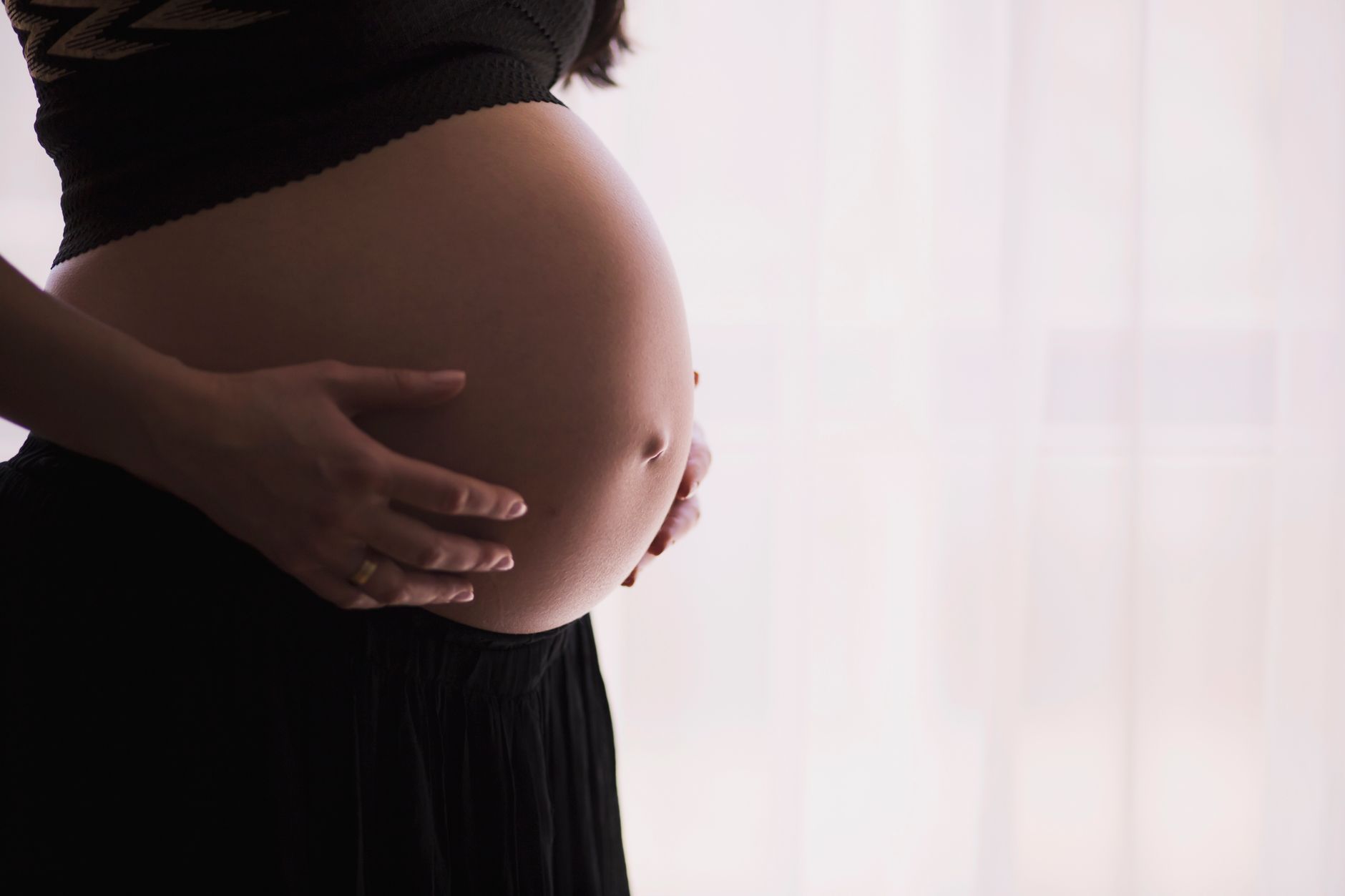
Cramping early pregnancy is usually normal, especially mild and brief, but sharp, persistent cramps or those with bleeding may indicate a problem. See a doctor.
By Shubhra Mishra — a mom of two who turned her own confusion during pregnancy into BumpBites, a global mission to make food choices clear, safe, and stress-free for every expecting mother. 💛
Check whether any food is safe during pregnancy with the BumpBites Food Safety Checker.
Quick take: Light to moderate cramping in the first trimester is usually normal and often signals your uterus getting ready for a growing baby, but sharp, persistent, or painful cramps—especially with bleeding, fever, or severe back pain—should prompt a call to your provider.
It’s 2 a.m., you’re lying in bed, and a sudden tightening in your lower belly makes you wonder if you’ve done something wrong. You’ve read the headlines about “dangerous cramps” and now every flicker of discomfort feels like a red‑alert. You’re not alone—most new moms experience some kind of cramp in early pregnancy, and the answers are often simpler than the anxiety they provoke.
In this guide we’ll break down exactly what early‑pregnancy cramping can feel like, why it happens, how long it typically lasts, and when the sensation turns from normal to concerning. We’ll also compare pregnancy cramps to period pains, explore special situations like twin pregnancies or embryo‑transfer cycles, and give you gentle, evidence‑based ways to soothe the ache.
By the end of the article you’ll know which kinds of cramps are usually harmless, which signs warrant a doctor’s call, and how to ease the discomfort without jeopardizing your pregnancy.
What does cramping in early pregnancy feel like?
Most women describe early‑pregnancy cramping as a low‑grade, rhythmic tightening that can feel similar to menstrual cramps, but often with a softer, more diffuse quality. The sensation may be:
Localized: A pinpoint twinge on one side of the lower abdomen.
Radiating: A dull ache that spreads toward the hips or lower back.
Intermittent: Comes and goes, lasting a few minutes to an hour.
Accompanied by: Light spotting, a feeling of fullness, or a mild increase in temperature.
Because the uterus is a muscle, it can contract much like a menstrual period does—only now the muscle is expanding to accommodate an embryo. Many women notice that the cramps are less intense than their usual period pains, and they often appear after implantation (around 6–12 days after conception) or when the placenta starts producing hormones.
For a concrete picture, imagine the gentle pull you feel when you stretch your calf after a walk. That same low‑level tension, repeated a few times a day, is typically what early pregnancy cramping feels like. Unlike typical period pain which often builds in intensity and may be sharp or debilitating, early pregnancy cramps are generally milder and more fleeting, often easing with rest or a change in position rather than requiring medication.
Many expecting parents describe it as a "stretching" or "pulling" sensation, rather than a sharp, squeezing pain. It can truly feel like your body is making space for something new, which is exactly what it's doing. This sensation might be more noticeable when you change positions quickly, sneeze, or cough, highlighting the involvement of the surrounding ligaments as your uterus begins its rapid growth.
Is cramping during early pregnancy a sign of miscarriage?
Cramping alone does not equal miscarriage, but it can be a warning sign when paired with other symptoms. A miscarriage often presents with:
Heavy vaginal bleeding (more than a normal period) or clots.
Severe, steady abdominal pain that intensifies over hours.
Passing tissue that looks like clotted blood.
Sudden loss of pregnancy symptoms such as breast tenderness or nausea.
If you experience light cramping with a few spotting spots, most experts, including the American College of Obstetricians and Gynecologists (ACOG), consider this a common implantation symptom rather than a miscarriage indicator. However, sharp, persistent pain that doesn’t ease with rest, especially if it’s accompanied by heavy bleeding, warrants immediate medical evaluation.
Research from the Mayo Clinic shows that about 20 % of recognized pregnancies end in miscarriage, but most of those losses occur before a woman even knows she’s pregnant. The presence of cramping alone is not a reliable predictor. When in doubt, contact your provider—early assessment can help determine whether the pregnancy is viable and guide any needed care. It's crucial to understand that in a miscarriage, the pain typically intensifies and becomes more persistent, often accompanied by a significant increase in bleeding. This progression is a key differentiator from the mild, intermittent cramps of a healthy, developing pregnancy.
How long does cramping last in early pregnancy?
The duration of cramping varies widely. For most, cramps last from a few minutes to a couple of hours and may occur sporadically throughout the first trimester. Below is a rough timeline:
Gestational Age
Typical Cramping Pattern
Common Triggers
4 weeks
Light, occasional; often felt after implantation
Implantation, hormonal surge
5 weeks
More noticeable as the uterus expands
Uterine stretching, early round ligament tension
6 weeks
Can become sharper; occasional “period‑like” cramps
Rapid growth, increased blood flow
7‑12 weeks
Frequency may decrease; some women feel no cramps
Stabilization of uterine size
Most women report that cramping eases by the end of the first trimester as the uterus settles into its new size. Persistent cramps that continue beyond 12 weeks, or that intensify rather than subside, should be discussed with a clinician. The sporadic nature means you might feel cramps for a few days, then nothing for a week, then a few more days of mild sensations. This waxing and waning is a common pattern for normal pregnancy cramps, reflecting the continuous, albeit sometimes subtle, changes happening within your body as your baby grows.
What causes cramping in early stages of pregnancy?
Several physiological processes can generate cramping during the first months:
Implantation: When the embryo embeds into the uterine lining, the lining can contract, causing mild cramps and light spotting.
Uterine growth: The uterus expands by up to 20 % in the first trimester, stretching surrounding ligaments (especially the round ligaments) and causing pulling sensations.
Hormonal shifts: Rising progesterone relaxes smooth muscle, while estrogen increases blood flow, both of which can trigger uterine contractions.
Digestive changes: Slowed gastric motility can lead to gas buildup, which mimics cramping.
Twin or multiple gestations: More uterine expansion can increase the frequency and intensity of cramps.
Embryo‑transfer procedures: In IVF cycles, the mechanical process of transferring embryos can irritate the uterine lining, leading to brief cramping 24–48 hours later.
While most of these causes are benign, it’s helpful to differentiate them from pathological sources such as ectopic pregnancy, infection, or ovarian torsion, which present with distinct symptoms like severe unilateral pain, fever, or dizziness. The hormonal landscape of early pregnancy is a whirlwind, with progesterone working to maintain the uterine lining and prevent contractions, while estrogen promotes uterine growth and increased blood supply. This intricate balance, coupled with the rapid physical changes, creates an environment where mild cramping is a natural byproduct of your body adapting to new life.
Is it normal to have cramping at 4 weeks pregnant?
Yes. At four weeks—roughly two weeks after conception—the embryo is just beginning to embed itself, and the uterus starts to respond. Many women report a “twitch” or a soft ache in the lower abdomen at this stage. The cramp is usually brief, mild, and may be accompanied by a small amount of pink or brown spotting, which is typical implantation bleeding.
In a large UK‑based NHS survey, over 60 % of respondents said they felt some cramping by week 4, and only a minority described it as painful enough to need medication. If the cramp is sharp, persists for more than a few hours, or is paired with heavy bleeding, it’s wise to call your midwife or obstetrician. At this very early stage, your body is undergoing significant cellular changes to support the nascent pregnancy, including increased blood flow to the uterus and the initial stages of uterine expansion. These foundational shifts are often imperceptible, but for some, they manifest as a subtle, reassuring sign that things are progressing as they should.
Can cramping in early pregnancy be a sign of twins?
Cramping alone cannot confirm a twin pregnancy, but many women carrying multiples notice more pronounced uterine activity. The uterus must stretch further to accommodate two embryos, which can increase the frequency of round‑ligament and uterine wall cramps. Studies from the American Society for Reproductive Medicine (ASRM) indicate that women with twins report a higher incidence of early‑pregnancy abdominal discomfort than those with singleton pregnancies.
Other signs that may point toward twins include:
Higher than expected hCG levels (often double the typical rise).
More pronounced morning sickness.
Early detection of two heartbeats on ultrasound (usually at 6–7 weeks).
If you suspect twins because of intense cramping, discuss an early ultrasound with your provider. The scan will confirm the number of embryos and help you plan appropriate prenatal care. The increased uterine growth and higher levels of pregnancy hormones, like hCG, associated with multiple gestations can contribute to a more noticeable set of early pregnancy symptoms, including cramping. While it's not a definitive diagnostic tool, experiencing more frequent or intense mild cramps can sometimes be an early hint for those expecting more than one baby, prompting an earlier ultrasound for confirmation.
Understanding Round Ligament Pain in Early Pregnancy
Round ligament pain is a sharp, often sudden, pain that pregnant women frequently experience, particularly during the first and second trimesters. The round ligaments are two cord-like structures that connect the front of the uterus to the groin, providing support. As your uterus grows, these ligaments stretch and thicken, and sudden movements can cause them to contract or spasm, leading to pain.
This type of pain is typically described as a sharp, stabbing sensation on one or both sides of the lower abdomen or groin, often triggered by actions like standing up quickly, coughing, sneezing, or rolling over in bed. It usually lasts only a few seconds or minutes and then subsides. While it can be alarming due to its sudden onset, round ligament pain is a normal and harmless part of pregnancy. You can often ease the discomfort by slowly changing positions, bending your hips, or placing a warm compress on the affected area.
Cramping, Constipation, and Bloating in Early Pregnancy
Early pregnancy brings a host of digestive changes, largely due to the surge in progesterone. This hormone relaxes smooth muscles throughout your body, including those in your digestive tract. While this is crucial for preventing uterine contractions, it also slows down digestion, making you more prone to constipation and bloating. These gastrointestinal issues can often mimic uterine cramping, causing discomfort in your lower abdomen.
If your cramps are accompanied by infrequent bowel movements, a feeling of fullness, or excessive gas, it's highly likely that your digestive system is the culprit. To help alleviate these symptoms, focus on increasing your fiber intake through fruits, vegetables, and whole grains, and ensure you're drinking plenty of water throughout the day. Gentle, regular exercise can also stimulate bowel function. Differentiating between digestive cramps and uterine cramps can be tricky, but digestive discomfort often feels more generalized across the abdomen and may be relieved by passing gas or having a bowel movement.
A gentle back massage can ease the combined cramp‑and‑back‑ache many experience at six weeks.
When should I be concerned about cramping during early pregnancy?
While most cramps are harmless, certain red‑flag combinations should prompt a call to your doctor or midwife right away:
Severe, constant pain that doesn’t improve with rest or a warm compress.
Heavy vaginal bleeding (soaking a pad in under an hour) or passing clots.
Fever above 100.4 °F (38 °C), chills, or foul‑smelling discharge—signs of infection.
Sudden, intense pain on one side, especially if accompanied by dizziness.
Persistent back pain that radiates to the shoulder or groin.
Signs of preterm labor (though rare in the first trimester), such as a regular tightening every 5–10 minutes.
If any of these symptoms appear, seek care promptly. Early evaluation can rule out ectopic pregnancy, miscarriage, or urinary‑tract infection, all of which require timely treatment. It's especially important to recognize that sudden, severe, one-sided pain with accompanying dizziness or shoulder tip pain can be a sign of an ectopic pregnancy, a serious condition where the embryo implants outside the uterus. While rare, prompt medical attention in these cases is crucial for your health and safety.
How to relieve cramping during early pregnancy naturally?
Gentle, non‑pharmacologic strategies can ease mild cramps without risking the pregnancy:
Warm compress: Apply a heating pad set to low or a warm water bottle to the lower abdomen for 15‑20 minutes. Heat relaxes uterine muscles and improves blood flow.
Hydration: Dehydration can trigger uterine contractions. Aim for 8‑10 glasses of water daily, and consider electrolyte‑rich drinks if you’re feeling sweaty.
Light exercise: Walking, prenatal yoga, or gentle stretching can reduce tension. Avoid high‑impact activities that could strain the abdomen.
Prenatal massage: A certified prenatal therapist can work on the back and hips, relieving referred uterine pain.
Dietary tweaks: Incorporate magnesium‑rich foods (spinach, pumpkin seeds, bananas) and calcium‑rich dairy or fortified alternatives to support muscle relaxation.
Position changes: Lying on your left side improves uterine blood flow and may lessen cramp intensity.
Mind‑body techniques: Deep breathing, guided meditation, or a short mindfulness session can lower stress‑related muscle tension.
Rest: Sometimes, simply lying down and resting in a comfortable position can be the most effective way to ease mild cramps. Listen to your body and don't push yourself if you're feeling discomfort.
Over‑the‑counter pain relievers like acetaminophen are generally considered safe in pregnancy, but always confirm with your provider before taking any medication. Magnesium, in particular, is known for its role in muscle relaxation and can be a helpful addition to your diet, though always discuss any new supplements with your doctor. These natural remedies focus on supporting your body's physiological processes, providing comfort without introducing unnecessary risks.
A warm compress can gently ease uterine cramps without medication.
Early pregnancy cramping vs period cramps
Distinguishing pregnancy cramps from menstrual cramps can be tricky, especially if you’re still in the early weeks before a missed period. Here are key differences:
Feature
Period Cramps
Early Pregnancy Cramps
Timing
Occurs during menstrual flow, lasts 2‑3 days
Often starts after implantation, may be intermittent
Intensity
Often sharp, can be severe
Usually milder, more like a pulling sensation
Location
Lower abdomen, sometimes radiates to lower back
Lower abdomen, may be unilateral (one side)
Associated Symptoms
Heavy bleeding, clots, bloating
Light spotting, mild nausea, breast tenderness
Response to NSAIDs
Usually improves quickly
May improve, but many women avoid NSAIDs early in pregnancy
When you’re unsure, a simple home pregnancy test can provide clarity. If the test is positive and cramps persist, they’re likely pregnancy‑related. If the test is negative and cramps are severe, consider seeing a clinician to rule out other gynecologic issues. The main distinguishing factor often comes down to the *quality* of the pain: period cramps tend to be more intense, throbbing, and encompass a wider area, while early pregnancy cramps are usually described as a milder, more localized tugging or stretching. The presence of other early pregnancy symptoms, like breast tenderness or fatigue, alongside mild cramps can also be a helpful clue.
Cramping after embryo transfer in early pregnancy
For those who have undergone in‑vitro fertilization (IVF), cramping can appear 24–48 hours after the embryo transfer. This is often a reaction to the catheter placement or to the hormonal support (progesterone, estrogen) given after the procedure. The cramps are usually mild, brief, and may be accompanied by a small amount of spotting.
Most fertility clinics advise patients that mild cramping post‑transfer is normal and does not predict success or failure. However, intense pain, heavy bleeding, or fever should be reported immediately, as they could indicate infection or an ectopic pregnancy—both of which are rare but require prompt attention. The uterine manipulation during the transfer process can cause some temporary irritation, leading to these mild sensations. Additionally, the high levels of hormones administered during IVF cycles can contribute to uterine and digestive discomfort, making cramping a very common and usually benign post-transfer symptom. It's a natural response of your body to a significant medical procedure and the hormonal environment it's experiencing.
Sharp cramping in early pregnancy symptoms
Sharp, stabbing cramps that come on suddenly can be unsettling. While many are benign (e.g., a sudden uterine contraction), sharp pain can also signal:
Round‑ligament stretch, especially after a sudden movement.
Ovarian cyst rupture, which may cause localized pain and mild spotting.
Ectopic pregnancy, typically presenting with unilateral pain, shoulder tip pain, and possible dizziness.
If the sharp pain is fleeting (<5 minutes), does not worsen, and isn’t linked with heavy bleeding, it’s usually not an emergency. Track the episodes, note any patterns, and discuss them at your next prenatal visit. Often, these sharp, quick pains are simply your round ligaments reacting to a sudden movement, a sneeze, or a cough, and they resolve as quickly as they appear. Another common cause of sharp, fleeting pain can be gas, especially with the slowed digestion of early pregnancy. If the pain is persistent, severe, or accompanied by other concerning symptoms, always err on the side of caution and contact your healthcare provider.
Mild cramping in early pregnancy at 5 weeks
At five weeks, the embryo is about the size of a sesame seed, and the uterus is beginning to grow noticeably. Mild cramping at this stage is often described as a “tug” on one side of the lower abdomen, sometimes paired with a sensation of fullness. This can be due to:
Round‑ligament stretching as the uterus expands.
Early implantation of the embryo into the uterine wall.
Normal hormonal fluctuations.
Most women find that these mild cramps subside by the end of the first trimester. If they become persistent, or if you notice additional symptoms like fever or heavy bleeding, give your provider a call. The rapid cellular division and the initial stages of organ development at five weeks demand a significant increase in blood flow to the uterus, which can also contribute to these mild sensations. It’s your body’s way of signaling that it's busy building a home for your developing baby, and these subtle aches are often part of that incredible process.
Cramping and spotting in early pregnancy
Light spotting (often pink or brown) with cramping is common in the first 6‑8 weeks. Known as “implantation bleeding,” it occurs when the embryo embeds itself and the uterine lining sheds a tiny amount of blood. Typical features include:
Spotting lasting less than 24 hours.
Only a few drops of blood, not a full flow.
Cramping that is mild and intermittent.
When spotting is heavy, lasts longer than two days, or is accompanied by strong pain, it could signal a miscarriage or an ectopic pregnancy. In those cases, immediate medical evaluation is essential. The key to differentiating normal implantation spotting from something more serious lies in its characteristics: implantation bleeding is typically light, short-lived, and brownish or pink, representing old blood. In contrast, concerning bleeding is usually bright red, heavier (like a period), may contain clots, and is often accompanied by increasing pain. If you're ever unsure about the nature of your bleeding, it's always best to contact your healthcare provider for reassurance and evaluation.
Early pregnancy cramping and back pain
Back pain often co‑occurs with cramping because the uterus, as it expands, pulls on supporting ligaments that attach to the lower spine. This “back‑related cramp” typically feels like a dull ache in the lower back that syncs with abdominal tightening.
Helpful strategies include:
Sleeping on a firm mattress with a pillow under the knees.
Gentle prenatal yoga focusing on hip openers.
Applying heat to the lower back as you would for a muscle spasm.
If the back pain is severe, radiates down the leg, or is accompanied by numbness, it could indicate a more serious condition such as sciatica or a spinal issue, and you should discuss it with your healthcare provider. As your center of gravity shifts and your abdominal muscles stretch, your posture naturally adjusts, putting extra strain on your lower back. This, combined with the softening of ligaments due to pregnancy hormones, can exacerbate back discomfort. Focusing on good posture, wearing supportive shoes, and avoiding prolonged standing can also help manage this common pregnancy complaint.
Severe cramping in early pregnancy at 6 weeks
By six weeks, the embryo has developed a primitive heart and the uterus is growing rapidly. Some women report more intense cramps at this point, often described as “period‑like” but stronger. While many of these cramps are benign, severe cramping (pain rated 7 or higher on a 10‑point scale) warrants attention, especially if it’s:
Accompanied by heavy bleeding or clots.
Unrelieved by rest or a warm compress.
Associated with dizziness, faintness, or fever.
In such scenarios, a quick ultrasound can assess fetal heartbeat and rule out complications. Remember, severe pain is a signal from your body that something may need medical evaluation. At six weeks, your uterus is undergoing significant changes to accommodate the rapidly growing embryo, and some degree of discomfort is expected. However, true severe pain that doubles you over or prevents you from daily activities is outside the realm of normal pregnancy cramps. Always trust your instincts: if something feels truly wrong, don't hesitate to reach out to your medical team.
Does Activity or Intercourse Cause Early Pregnancy Cramping?
It's common for women to experience mild cramping after certain activities in early pregnancy, and this is usually not a cause for concern. Physical activity, including gentle exercise or even a brisk walk, can increase blood flow to the uterus, leading to mild, temporary contractions or a feeling of "pulling." Similarly, sexual intercourse can sometimes trigger mild uterine contractions, which may feel like light cramping. This is due to the release of oxytocin during orgasm and increased blood flow to the pelvic area.
For most healthy pregnancies, both exercise and intercourse are considered safe. The uterus is a well-protected organ, and mild activity-induced cramps do not typically harm the developing baby. However, if you experience sharp, persistent pain, heavy bleeding, or any other concerning symptoms after activity or intercourse, it's always best to contact your healthcare provider. They can offer personalized advice based on your specific health and pregnancy. Listening to your body and moderating your activity level if you feel discomfort is key.
From our medical team: Cramping in the first trimester is overwhelmingly normal, but we always encourage you to keep a short log of any pain, its intensity, and accompanying symptoms. This record helps your provider quickly differentiate routine uterine activity from a problem that needs evaluation. Being able to describe the timing, duration, and character of your cramps, along with any other symptoms, gives us a clearer picture and helps us provide the best care.
Myth vs. fact
Myth: Any cramp means your pregnancy is in danger.
Fact: Light, intermittent cramping is common and usually harmless; serious pain with heavy bleeding is the red flag.
Myth: You should avoid all movement when you feel cramps.
Fact: Gentle activity, such as walking or prenatal stretching, often reduces cramp intensity by improving circulation.
Myth: Cramping always means a miscarriage is happening.
Fact: Most cramping episodes are unrelated to miscarriage; only a small fraction accompany pregnancy loss.
Myth: All sharp pains in early pregnancy are serious.
Fact: Sharp but fleeting pains, especially after sudden movements, are often harmless round ligament pain.
Key takeaways
Light, occasional cramping in the first trimester is normal and usually reflects uterine growth.
Sharp, persistent pain or heavy bleeding should prompt a call to your provider right away.
Warm compresses, hydration, and gentle movement are safe ways to ease mild cramps.
Implantation bleeding often comes with mild cramping; it’s not usually a cause for concern.
Twins, IVF embryo transfer, and round‑ligament stretching can increase cramp frequency, but they remain benign in most cases.
Digestive issues like constipation and gas can mimic uterine cramps in early pregnancy.
Keep a brief symptom diary to share with your clinician at the next visit.
Frequently asked questions
What does early pregnancy cramping feel like?
Early pregnancy cramping typically feels like a low‑grade, rhythmic tightening in the lower abdomen, similar to a mild period cramp but softer and often intermittent, sometimes described as a stretching or pulling sensation.
Is cramping a sign of pregnancy?
Cramping alone isn’t a definitive sign of pregnancy, but mild cramping combined with light spotting or breast changes can be an early indicator; a home pregnancy test provides confirmation.
How common is cramping in early pregnancy?
Studies from the NHS and ACOG suggest that 60‑80 % of women experience some form of cramping during the first trimester, making it a very common symptom.
Can you have cramping and still be pregnant?
Yes—most pregnant people experience cramping at some point in early pregnancy, and it does not mean the pregnancy is not viable.
What are the causes of cramping in early pregnancy?
Key causes include implantation, uterine expansion, hormonal shifts, round‑ligament stretching, digestive issues, and, in some cases, the presence of twins or recent embryo transfer.
Is cramping in early pregnancy a cause for concern?
Light, occasional cramping is usually harmless; however, cramping that’s severe, persistent, or accompanied by heavy bleeding, fever, or intense back pain should be evaluated by a healthcare professional.
Can cramping be a sign of implantation?
Yes, mild cramping, often accompanied by light pink or brown spotting, can be an early sign of implantation, which typically occurs 6-12 days after conception as the embryo embeds into the uterine lining.
Is it normal to have mild cramps throughout the first trimester?
Yes, it's very normal to experience mild, intermittent cramps throughout the first trimester as your uterus continues to grow, stretch its supporting ligaments, and adapt to the increasing blood flow required for a healthy pregnancy.
When to call your doctor
Contact your provider immediately if you experience any of the following: heavy bleeding (soaking a pad in under an hour), severe pain that doesn’t improve with rest, fever, chills, dizziness, or persistent back pain radiating to the shoulder. This information is for educational purposes only and does not replace personalized medical advice.
References
American College of Obstetricians and Gynecologists (ACOG). “Early Pregnancy Loss.” Clinical Guidance, 2023.
National Health Service (NHS). “Pregnancy symptoms: early signs.” Patient Information, 2022.
Mayo Clinic. “Miscarriage.” Health Information, 2023.
American Society for Reproductive Medicine (ASRM). “Twin Pregnancy Risks.” Clinical Committee Opinion, 2022.
World Health Organization (WHO). “Guidelines for Prenatal Care.” 2021.
Centers for Disease Control and Prevention (CDC). “Implantation Bleeding.” Reproductive Health, 2022.
Royal College of Obstetricians and Gynaecologists (RCOG). “Management of Early Pregnancy Complications.” 2023.
National Institute for Health and Care Excellence (NICE). “Antenatal Care for Low‑Risk Pregnancy.” Guideline NG192, 2022.
Fertility Society of Canada. “Post‑Embryo Transfer Symptoms.” Clinical Update, 2023.
American Academy of Pediatrics (AAP). “Medication Use in Pregnancy.” 2022.
Not sure about the label on Cramping Early Pregnancy Normal Or Cause For Concern products?
Snap the ingredients list and SafeFilter checks every ingredient for your stage — only 3 free scans this month, then you're locked until reset. Unlimited from $7/mo or lock $50/yr through Aug 31 (5 days left).
When Shubhra Mishra was expecting her first child in 2016, she was overwhelmed by conflicting food advice — one site said yes, another said never. By the time her second baby arrived in 2019, she realized millions of mothers face the same confusion.
That sparked a five-year journey through clinical nutrition papers, cultural diets, and expert conversations — all leading to BumpBites: a calm, compassionate space where science meets everyday motherhood.
Her long-term vision is to build a global community ensuring safe, supported, and free deliveriesfor every mother — because no woman should face pregnancy alone or uninformed. 🌿
🌍 Stand with mothers, shape safer guidance
Join a small circle of experts who review BumpBites articles so expecting parents everywhere can decide with confidence.