Cramps in 6th week of pregnancy are usually mild, typically caused by implantation or uterine expansion, but can also be a sign of other issues, know what's normal
By Shubhra Mishra — a mom of two who turned her own confusion during pregnancy into BumpBites, a global mission to make food choices clear, safe, and stress-free for every expecting mother. 💛
Check whether any food is safe during pregnancy with the BumpBites Food Safety Checker.
Quick take: Light, intermittent cramping in the sixth week of pregnancy is usually normal and often signals your uterus beginning to grow. It’s typically mild, may feel like menstrual cramps, and isn’t linked to serious complications unless it’s severe, persistent, or accompanied by heavy bleeding, fever, or sharp pain. Stay hydrated, rest, and use gentle stretching; if anything feels off, reach out to your provider.
It’s 2 a.m., you’re curled up on the couch, and a sudden tightening in your lower belly makes you pause the TV show you’re watching. You’ve read the “early‑pregnancy‑cramps” warnings online, and a wave of worry washes over you. You’re not alone—many expecting parents wonder whether those sensations are a normal part of the journey or a sign that something’s amiss.
In the next few minutes, we’ll walk through why cramping shows up around six weeks, how to tell the harmless from the concerning, and what simple steps you can take to feel more comfortable. We’ll also cover related topics like spotting, activity, diet, and when a doctor’s call is the safest move. By the end, you’ll have a clear roadmap for navigating those early‑pregnancy wiggles without unnecessary anxiety.
Below, we answer the most common questions that pop up in Google searches, so you can find the exact answer you need—whether you typed “why do I have cramps in the 6th week of pregnancy” or “can dehydration cause cramping at six weeks pregnant.” Let’s get started.
Why do I have cramps in the 6th week of pregnancy?
At six weeks, the embryo is roughly the size of a lentil and has just begun to embed itself deep within the uterine lining. This process, called implantation, triggers a cascade of hormonal changes—most notably a rise in progesterone and human chorionic gonadotropin (hCG). These hormones relax the uterine muscles, increase blood flow, and cause the uterine wall to expand just enough to accommodate the growing gestational sac.
That expansion can create a sensation that feels like mild menstrual cramps or a low‑grade pulling in the lower abdomen. The uterus is also responding to increased prostaglandin production, which can cause uterine smooth‑muscle contractions that feel like intermittent “twitches.” In most cases, these cramps are harmless, self‑limiting, and fade as the uterus stabilizes.
According to the American College of Obstetricians and Gynecologists (ACOG), about 70 % of pregnant people report low‑intensity cramping during the first trimester, especially around weeks five to eight when the uterus is doing most of its early growth work. The pattern is similar across populations, which is why many providers reassure patients that these early sensations are a normal part of the adaptation process.
Are cramp pains normal at six weeks pregnant?
Yes—light, intermittent cramping is considered a normal finding at six weeks. The key word is “light.” Normal cramping feels like a dull ache or a brief, sharp pinch that lasts a few seconds to a few minutes, and it doesn’t worsen with time. It’s often most noticeable after you stand up quickly, after a light bout of exercise, or after a full bladder.
When cramping stays within these bounds, it usually indicates that the uterus is expanding and the surrounding ligaments (round and broad ligaments) are stretching to accommodate the growing uterus. The sensation is similar to the “after‑effects” some people feel after a moderate workout, except it’s driven by hormonal changes rather than muscle fatigue.
The NHS notes that most women who experience these mild pains report them as “just a part of being pregnant,” and they typically resolve on their own as the uterus settles into its new size. If the pain ever feels like a constant pressure or radiates far beyond the lower abdomen, it’s worth a quick check‑in with your clinician.
Difference between implantation cramps and early pregnancy cramps
Implantation cramps occur very early—typically between days 6 and 10 after conception, when the embryo first burrows into the uterine lining. They are usually brief (lasting a few minutes), localized to one side, and may be accompanied by a faint spotting known as “implantation bleeding.”
Early pregnancy cramps, on the other hand, start a little later, often between weeks 4 and 7, as the uterus itself begins to enlarge. These cramps can be bilateral, last longer, and may be felt more consistently throughout the day. They’re driven by uterine growth rather than the single act of implantation.
Clinically, the distinction matters because implantation cramps are a one‑time event, while early pregnancy cramps can continue intermittently throughout the first trimester. If you notice a shift from a single, fleeting twinge to recurring discomfort, you’re likely experiencing the normal uterine expansion rather than the implantation phase.
When should I be concerned about cramping at six weeks?
While most cramping is benign, certain red‑flag symptoms signal that you should contact your provider right away. Look for any of the following:
Severe or worsening pain that doesn’t subside with rest or a change in position.
Bleeding heavier than spotting—bright red flow, clots, or a flow that soaks a pad within an hour.
Fever (temperature ≥ 100.4 °F / 38 °C) or chills, which could indicate infection.
Dizziness, faintness, or a rapid heartbeat (tachycardia) that feels out of proportion to the activity you’re doing.
Pain that radiates to the shoulder or upper abdomen, which can be a sign of ectopic pregnancy or ruptured corpus luteum.
If any of those appear, the CDC recommends seeking urgent medical care because they could indicate miscarriage, ectopic pregnancy, or other complications that need prompt treatment.
Even when symptoms are mild, it’s wise to keep a brief log—note the time of day, intensity (1‑10 scale), and any triggers. This record can help your provider quickly assess whether the cramping fits a typical pattern or needs further evaluation.
What other symptoms accompany normal cramping in early pregnancy?
Typical early‑pregnancy cramping is often paired with other mild, reassuring signs:
Spotting: Light pink or brown spotting without clots, lasting a day or two, is common and usually harmless.
Nausea or “morning sickness”: Hormonal shifts can cause queasiness, but this does not intensify cramping.
Breast tenderness: Hormones also make breast tissue more sensitive, but this isn’t linked to cramp severity.
Increased urination: The growing uterus presses on the bladder, leading to frequent trips to the bathroom.
Low‑grade fatigue: The body’s metabolic demands rise, making you feel more tired.
If you experience these symptoms alongside mild cramps, they’re usually part of the normal adaptation to pregnancy. Conversely, the presence of severe abdominal pain, heavy bleeding, or fever should shift the focus to possible complications.
How to relieve cramping in the sixth week of pregnancy safely
Here are evidence‑based, pregnancy‑safe strategies to ease those gentle uterine tugs:
Hydration: Drink 8‑10 glasses of water daily. Proper fluid balance reduces uterine muscle irritability.
Warm compress: Apply a warm (not hot) heating pad or warm water bottle to the lower abdomen for 10‑15 minutes. Heat relaxes smooth muscle and improves blood flow.
Gentle stretching: Pelvic tilt stretches, cat‑cow yoga poses, and seated forward bends can relieve tension in the lower back and hips.
Supportive footwear: Wearing low‑heeled shoes reduces strain on the pelvic girdle, especially if you spend a lot of time on your feet.
Light activity: Short walks or prenatal yoga keep circulation moving without overtaxing the uterus.
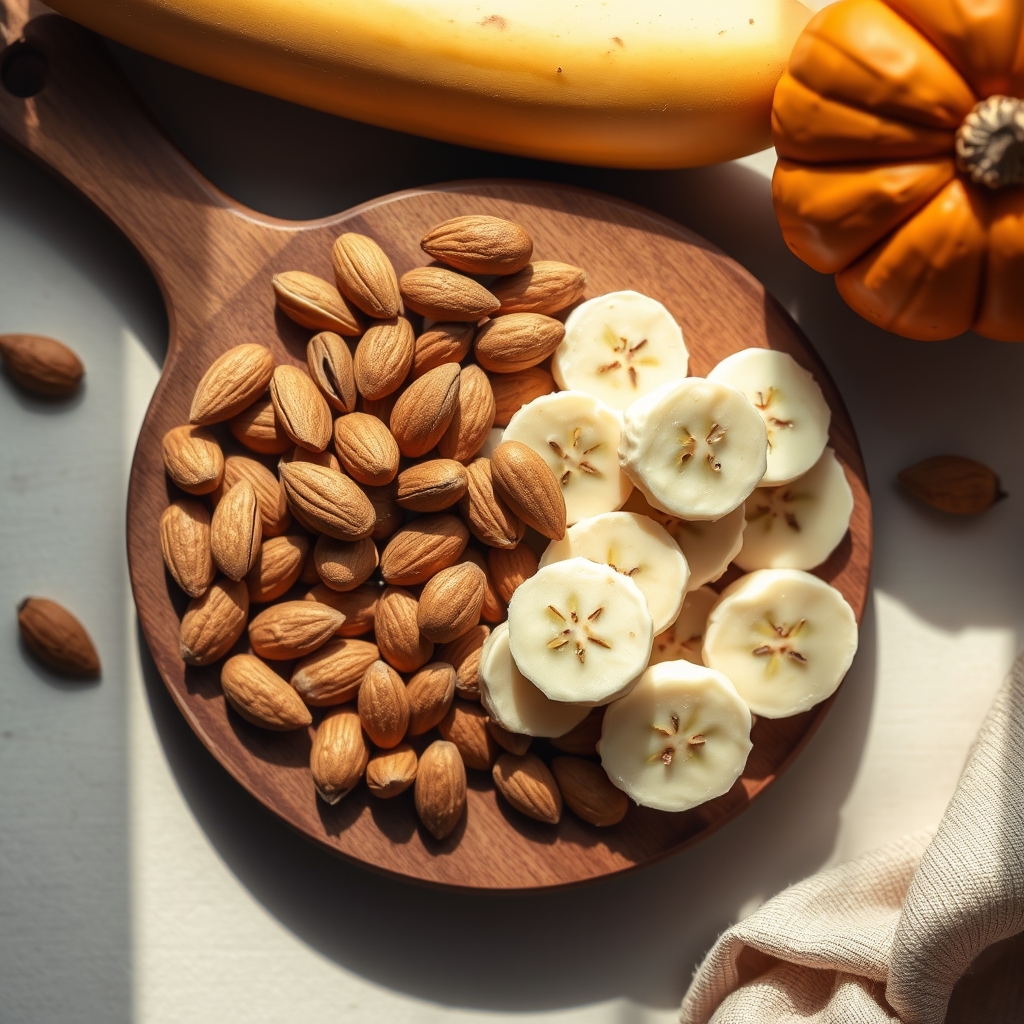
Magnesium‑rich snacks: Foods like almonds, pumpkin seeds, and leafy greens can help relax muscles.
All of these methods are endorsed by both ACOG and the UK’s National Institute for Health and Care Excellence (NICE) as safe first‑line measures for early‑pregnancy discomfort.
Most people find that a combination of warmth and gentle movement works best. If a particular technique feels uncomfortable, pause and try a different one—your body will guide you toward what eases the cramp most effectively.
Can dehydration cause cramping at six weeks pregnant?
Absolutely. Dehydration reduces the volume of plasma in your blood, which can cause uterine muscles to contract more intensely. When you’re not adequately hydrated, the body may also produce higher levels of vasopressin, a hormone that can increase uterine tone and trigger cramp‑like sensations.
Studies from the CDC on fluid intake during pregnancy show that women who meet recommended water goals report fewer episodes of cramping and less severe lower‑abdominal discomfort. Aim for at least 2.5 liters (about 10 cups) of fluid per day, adjusting upward if you’re exercising or in a hot climate.
Beyond plain water, sipping herbal teas (caffeine‑free) or adding a splash of fruit‑infused water can make staying hydrated feel more enjoyable without adding extra sugars.
Should I call my doctor for cramping at six weeks?
If your cramping fits the “light, occasional” pattern described earlier, a routine call isn’t usually required. However, you should definitely reach out if you notice any of the red‑flag symptoms listed in the “When should I be concerned?” section—especially heavy bleeding, sharp pain, fever, or dizziness.
When you do call, be prepared to describe:
Location and intensity of the pain (scale of 1‑10).
Duration and frequency (how long each episode lasts, how often they recur).
Any accompanying symptoms (spotting, fever, nausea, etc.).
Providing these details helps your provider determine whether a simple reassurance, an ultrasound, or a more urgent evaluation is needed.
Cramps in 6th week vs 5th week pregnancy
Both weeks fall within the early uterine‑growth phase, but subtle differences exist:
Aspect
Week 5
Week 6
Typical cramp intensity
Very mild, often fleeting
Light to moderate, may last a few minutes
Uterine size
≈ 2 cm (about the size of a grape)
≈ 4 cm (about the size of a pea)
Common accompanying symptom
Spotting (implantation bleeding)
Nausea and breast tenderness increase
Risk of ectopic
Slightly higher (early gestation)
Risk declines as implantation stabilizes
The progression from week 5 to week 6 often feels like a shift from “a tiny pinch” to “a gentle ache.” If you notice a sudden increase in pain intensity, it could be worth a quick check‑in with your provider.
Early pregnancy cramping after intercourse
Sexual activity can cause temporary uterine contractions, especially when semen contains prostaglandins that naturally stimulate uterine muscle. In the first trimester, the uterus is already more sensitive, so a short after‑sex cramp is common and typically harmless.
Most clinicians, including those at the Mayo Clinic, advise that intercourse is safe unless you have a known complication (e.g., placenta previa, cervical insufficiency). If cramping after sex is sharp, lasts longer than 30 minutes, or is coupled with bleeding, you should contact your OB‑GYN.
What does a healthy uterus feel like at six weeks?
When you gently press on your lower abdomen, a healthy six‑week uterus feels like a small, firm, but slightly yielding mass just above the pubic bone. It may be tender to the touch, especially on the sides where the round ligaments attach, but it shouldn’t be hard or “rock‑solid.”
Many women describe the sensation as a “soft ball” or a “firm grape.” If you feel a hard, immovable lump, or if the area is markedly tender with swelling, it could indicate a problem such as a fibroid or infection, and you should seek evaluation.
Foods that help reduce pregnancy cramps
Nutrition plays a subtle but supportive role in muscle relaxation and uterine comfort. Focus on foods rich in magnesium, potassium, calcium, and omega‑3 fatty acids:
Leafy greens: Spinach, kale, and Swiss chard provide magnesium and calcium.
Nuts & seeds: Almonds, pumpkin seeds, and sunflower seeds are magnesium powerhouses.
Bananas: Packed with potassium, they help prevent muscle cramps.
Fatty fish: Salmon and sardines deliver omega‑3s that reduce inflammation.
Whole grains: Oats and quinoa support steady blood sugar, preventing uterine irritability.
The AAP recommends that pregnant people aim for at least 350 mg of magnesium per day, which can be achieved through a balanced diet or, if needed, a prenatal supplement approved by a provider.
Is spotting with cramping normal at six weeks?
Light spotting—often pink or brown rather than bright red—accompanied by mild cramping is fairly common at six weeks. It can be a continuation of implantation bleeding or a response to the uterus stretching. In most cases, the spotting resolves within 48 hours and doesn’t indicate a problem.
However, if spotting becomes heavier, bright red, or is paired with clots, you should contact your provider. The CDC notes that heavy bleeding at any point in early pregnancy warrants evaluation for miscarriage or ectopic pregnancy.
How long do first‑trimester cramps usually last?
Most women experience cramping intermittently throughout the first trimester, with the peak occurring between weeks 5 and 9. For many, the cramps diminish as the uterus reaches a more stable size around week 12. A minority may continue to feel occasional mild aches into the second trimester, especially after activity or prolonged standing.
A large cohort study published by the Royal College of Obstetricians and Gynaecologists (RCOG) found that 62 % of participants reported cramping that resolved by week 14, while 15 % noted occasional cramping persisting into the second trimester—usually linked to ligament stretching rather than uterine growth.
Can ectopic pregnancy cause cramping at six weeks?
Yes. An ectopic pregnancy—where the embryo implants outside the uterine cavity, most commonly in the fallopian tube—can mimic normal cramping. The pain is often unilateral, sharp, and may be accompanied by shoulder-tip pain (referred pain from diaphragmatic irritation), faintness, or a feeling of “something being off” in the abdomen.
Because ectopic pregnancy can be life‑threatening if it ruptures, the CDC advises immediate medical attention if you experience:
Sudden, severe abdominal pain on one side.
Shoulder pain or upper abdominal discomfort.
Light‑to‑moderate vaginal bleeding.
Dizziness or faintness.
Early ultrasound and hCG tracking are the primary diagnostic tools. If you have risk factors (e.g., prior ectopic pregnancy, tubal surgery, or pelvic inflammatory disease), keep a lower threshold for seeking care.
Home remedies for early pregnancy cramps
Beyond the hydration and stretching tips mentioned earlier, several gentle home remedies can soothe cramping without medication:
Warm herbal tea: Chamomile or ginger tea (in moderation) can relax muscles and reduce nausea.
Epsom‑salt soak: Adding 1‑2 cups of Epsom salts to a warm (not hot) bath can provide magnesium through skin absorption.
Gentle abdominal massage: Using circular motions with a light hand can improve circulation and ease tension.
Compression wrap: A soft, breathable belly band can provide gentle support, especially when standing for long periods.
Breathing exercises: Deep diaphragmatic breathing helps lower stress hormones that can exacerbate cramp perception.
All of these approaches are endorsed by the NHS as safe for most pregnant people, provided they avoid overheating and stay within comfort limits.
Warm compresses can ease uterine cramping without medication.
How to relieve cramping in the sixth week of pregnancy safely
We’ve already covered core strategies, but here’s a concise, step‑by‑step routine you can try tonight:
Fill a glass of water and sip slowly for five minutes.
Lay down on your left side; this position improves uterine blood flow.
Place a warm (not hot) compress on the lower abdomen for 10 minutes.
Do three gentle pelvic‑tilt stretches—inhale, tilt pelvis forward, exhale, repeat.
Finish with three deep breaths, expanding your belly on the inhale.
Most women report a noticeable reduction in cramp intensity after completing this short routine. If the discomfort persists beyond 30 minutes, consider a light walk or a short nap, and re‑evaluate in the morning.
Magnesium‑rich snacks like nuts and bananas can help ease uterine cramps.
Can dehydration cause cramping at six weeks pregnant?
Re‑emphasizing the link: inadequate fluid intake can amplify uterine muscle irritability. Dehydration also concentrates urine, which may irritate the bladder and cause referred lower‑abdominal discomfort that feels like cramping.
To stay hydrated, keep a reusable water bottle at your bedside and aim for a sip every 15–20 minutes during the day. Adding a slice of lemon or cucumber can make the water more inviting without adding sugar.
Should I call my doctor for cramping at six weeks?
Summing up the thresholds: call your provider if you notice any of the following—severe or worsening pain, heavy bleeding, fever, dizziness, or cramping that’s unrelenting for more than a few hours. Otherwise, most light cramping can be managed with the home‑care methods above.
When you do call, have your last menstrual period (LMP) date, any hCG test results, and a brief symptom log ready. This information speeds up the assessment and helps your clinician decide whether an ultrasound or blood test is needed.
Can stress increase cramping in early pregnancy?
Stress triggers the release of cortisol and adrenaline, hormones that can heighten uterine sensitivity. Even mild anxiety may cause the body to tense the pelvic muscles, which can translate into sharper or more frequent cramping sensations.
Research from the National Institutes of Health (NIH) indicates that women who practice regular relaxation techniques—such as guided breathing, prenatal yoga, or short meditation sessions—often report fewer and less intense cramp episodes. While stress isn’t a direct cause of structural issues, managing it can reduce the perception of pain and improve overall comfort.
When is a pelvic ultrasound recommended for persistent cramping?
If cramping persists beyond two weeks without improvement, or if it’s accompanied by any bleeding, many providers will order a transvaginal ultrasound. This imaging test confirms that the gestational sac is properly implanted and checks for potential complications like an ectopic pregnancy or a subchorionic hemorrhage.
Guidelines from ACOG suggest that an ultrasound is appropriate when the patient reports “persistent or worsening abdominal pain” in the first trimester, especially if hCG levels are rising slower than expected. The scan is quick, painless, and provides valuable reassurance for both you and your clinician.
From our medical team: Light cramping at six weeks is usually a sign that your body is adapting to the growing pregnancy. Keep a symptom diary, stay hydrated, and use gentle warmth or stretching to soothe discomfort. If pain intensifies, bleeding becomes heavier, or you develop a fever, contact your care provider promptly. Trust your instincts—if something feels off, it’s always better to check in.
Myth vs. fact
Myth: All cramping in early pregnancy means a miscarriage is imminent. Fact: Most first‑trimester cramps are normal and not linked to miscarriage; only severe, persistent pain with heavy bleeding raises that concern.
Myth: You must avoid all physical activity to stop cramping. Fact: Light exercise, such as walking or prenatal yoga, actually improves circulation and can reduce cramp frequency for many people.
Myth: Spotting always signals a problem. Fact: Light spotting, especially pink or brown, is common at six weeks and often harmless, though heavier bleeding warrants evaluation.
Key takeaways
Light, intermittent cramping at six weeks is usually normal and linked to uterine growth.
Stay well‑hydrated and use gentle warmth or stretching for relief.
Watch for red‑flag signs: severe pain, heavy bleeding, fever, or dizziness.
Spotting that’s light and short‑lived often accompanies normal cramping.
Magnesium‑rich foods, warm compresses, and left‑side rest are safe home remedies.
Contact your provider promptly if any concerning symptoms appear.
Frequently asked questions
Are cramps in the sixth week a sign of miscarriage?
Most often, no. Light cramping is common and typically harmless, but severe, continuous pain with heavy bleeding could indicate miscarriage and should be evaluated.
What causes cramping in early pregnancy?
Uterine expansion, hormonal shifts (progesterone, hCG), and increased blood flow cause the uterus and surrounding ligaments to stretch, leading to mild cramp‑like sensations.
Is it normal to have cramping and spotting at six weeks?
Yes, light pink or brown spotting paired with mild cramping is common and usually not a cause for alarm, as long as bleeding remains minimal.
When should I call my OB‑GYN about cramping?
Call immediately if you experience severe pain, heavy bleeding, fever, dizziness, or cramping that doesn’t improve after rest and hydration.
Can exercise worsen cramping in the first trimester?
Gentle, low‑impact exercise often helps; however, intense or high‑impact workouts may increase discomfort for some, so listen to your body and adjust intensity.
Do all women feel cramping at six weeks?
No. While a majority report some uterine discomfort, the experience varies widely—some feel nothing, others notice occasional twinges.
Is it safe to take ibuprofen for cramping at six weeks?
Ibuprofen belongs to the NSAID class, which many providers advise avoiding in early pregnancy because it can affect the developing fetal cardiovascular system. Acetaminophen is usually recommended for pain relief, but always check with your provider before taking any medication.
Can I travel by air if I have cramping?
Air travel is generally safe in the first trimester, even with mild cramping, as long as you stay hydrated, move your legs periodically, and avoid heavy lifting. If you experience severe pain, heavy bleeding, or other red‑flag symptoms, postpone the trip and contact your clinician.
When to call your doctor
If you notice any of the following, seek medical attention right away: severe or worsening abdominal pain, heavy vaginal bleeding (soaking a pad in less than an hour), fever over 100.4 °F (38 °C), dizziness, fainting, or cramping that lasts more than a few hours without relief. This article provides general information and is not a substitute for personalized medical advice.
References
American College of Obstetricians and Gynecologists (ACOG). “Common Discomforts in Early Pregnancy.” 2023 clinical guidance.
National Health Service (NHS). “Pregnancy symptoms – cramps and spotting.” Updated 2022.
Centers for Disease Control and Prevention (CDC). “Water intake during pregnancy.” 2021.
World Health Organization (WHO). “Maternal health: guidelines for early pregnancy care.” 2020.
Royal College of Obstetricians and Gynaecologists (RCOG). “First‑trimester symptoms and outcomes.” 2022 cohort study.
Mayo Clinic. “Sexual activity during pregnancy.” Reviewed 2023.
National Institute for Health and Care Excellence (NICE). “Pregnancy: management of discomfort.” 2021.
American Academy of Pediatrics (AAP). “Nutrition for pregnant adolescents and adults.” 2022.
CDC. “Ectopic pregnancy: signs, symptoms, and treatment.” 2021.
Healthline. “Magnesium in pregnancy: benefits and sources.” 2023.
National Institutes of Health (NIH). “Stress and pregnancy outcomes.” 2022.
American College of Obstetricians and Gynecologists (ACOG). “Ultrasound use in early pregnancy.” 2022.
Not sure about the label on Cramps In 6th Week Of Pregnancy What S Normal products?
Snap the ingredients list and SafeFilter checks every ingredient for your stage — only 3 free scans this month, then you're locked until reset. Unlimited from $7/mo or lock $50/yr through Aug 31 (5 days left).
When Shubhra Mishra was expecting her first child in 2016, she was overwhelmed by conflicting food advice — one site said yes, another said never. By the time her second baby arrived in 2019, she realized millions of mothers face the same confusion.
That sparked a five-year journey through clinical nutrition papers, cultural diets, and expert conversations — all leading to BumpBites: a calm, compassionate space where science meets everyday motherhood.
Her long-term vision is to build a global community ensuring safe, supported, and free deliveriesfor every mother — because no woman should face pregnancy alone or uninformed. 🌿
🌍 Stand with mothers, shape safer guidance
Join a small circle of experts who review BumpBites articles so expecting parents everywhere can decide with confidence.