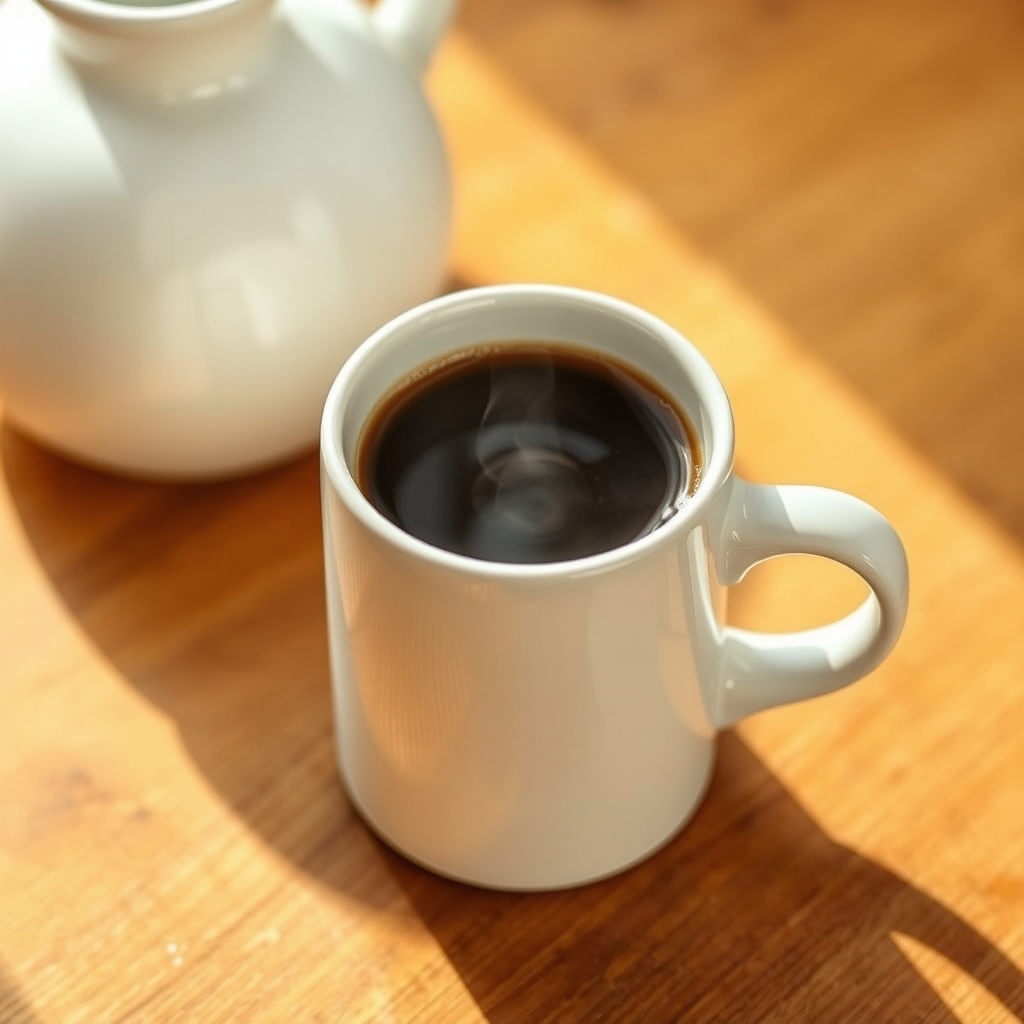
Yes, decaffeinated coffee is generally safe during pregnancy. Learn how much is okay, potential risks, and expert recommendations for expectant mothers.
By Shubhra Mishra — a mom of two who turned her own confusion during pregnancy into BumpBites, a global mission to make food choices clear, safe, and stress-free for every expecting mother. 💛
Check whether any food is safe during pregnancy with the BumpBites Food Safety Checker.
Quick take: Decaffeinated coffee is generally considered safe in pregnancy when consumed in moderation. Most decaf beans contain only 2–5 mg of caffeine per cup, well below the 200 mg daily limit that leading health authorities recommend. However, you should still watch your overall caffeine intake, stay hydrated, and talk to your provider if you have specific health concerns.
It’s 2 a.m., you’re curled up on the couch, and a sudden craving for coffee pulls you toward the kitchen. You reach for the “decaf” jar, wondering if that tiny “no‑caffeine” label really means it’s risk‑free for your growing baby. You’re not alone—many expecting parents grapple with the same question, especially when morning sickness makes the idea of a regular cup feel too harsh.
In this article we’ll break down exactly what decaffeinated coffee is, how much caffeine it actually contains, and what the latest guidelines say about coffee consumption while you’re pregnant. We’ll cover potential risks, benefits, and practical alternatives, so you can sip with confidence—or decide to skip the cup altogether.
By the end you’ll know the safe amount of decaf you can enjoy, how it compares to regular coffee, and which signs mean you should call your provider. Let’s get started.
Is decaffeinated coffee safe during pregnancy?
Yes—most experts agree that decaffeinated coffee is safe for most pregnant people when consumed in moderate amounts. The key factor is caffeine content. Decaf coffee is not completely caffeine‑free; it typically retains about 2–5 mg of caffeine per 8‑oz cup, compared with 70–140 mg in a regular brew (FDA).
Because the amount is so low, it usually stays well within the American College of Obstetricians and Gynecologists (ACOG) recommendation of no more than 200 mg of caffeine per day. This means you could theoretically enjoy several cups of decaf and still stay under the limit.
The consensus from major health organizations like ACOG and the UK’s National Health Service (NHS) is built on extensive research showing that caffeine at or below 200 mg daily poses no significant risk to pregnancy outcomes. The tiny amount in decaf means it contributes minimally to this total, allowing you to enjoy the ritual without the stimulant effects.
That said, individual sensitivity varies. Some people experience jitteriness or heart‑rate changes with even small caffeine amounts. If you notice these symptoms after a cup of decaf, consider cutting back and discussing it with your healthcare team. Your body’s reaction is your best guide.
Enjoy a gentle cup of decaf—most contain only a few milligrams of caffeine.
Decaffeinated coffee and pregnancy risks
Overall, the risks associated with decaf coffee are minimal. The primary concern is residual caffeine, which can contribute to the cumulative caffeine load if you also consume tea, chocolate, or some sodas. Exceeding the 200 mg/day threshold has been linked to higher rates of miscarriage, low birth weight, and preterm birth (ACOG, WHO).
Other potential risks stem from the decaffeination process itself. The most common methods—Swiss water, carbon dioxide, and ethyl acetate—are considered safe, but older solvent‑based techniques could leave trace amounts of chemicals. Modern commercial decaf in the United States and United Kingdom follows strict standards, and the U.S. Food and Drug Administration (FDA) monitors residues to ensure they stay well below harmful levels, often at concentrations considered negligible.
For most pregnant people, these risks are negligible. The regulatory bodies, including the European Food Safety Authority (EFSA), set extremely low limits for solvent residues, ensuring consumer safety. However, if you have a history of hypertension, anxiety, or are especially sensitive to caffeine, it’s wise to keep track of all sources of caffeine, including decaf, and discuss any concerns with your healthcare provider.
Understanding Decaffeination Methods: What You Need to Know
The process of removing caffeine from coffee beans is a common concern for many expectant parents. Rest assured, modern decaffeination methods are rigorously tested and regulated to ensure safety. There are several primary methods used today:
Swiss Water Process: This is a chemical-free method using only water to extract caffeine. Beans are soaked, and the water (now rich in caffeine and flavor compounds) passes through activated charcoal filters that trap only the caffeine molecules. The flavor-rich, caffeine-free water is then used to soak a new batch of beans, minimizing flavor loss. This method is often preferred by those seeking to avoid any chemical exposure.
CO2 Process: This method uses pressurized liquid carbon dioxide (CO2) to extract caffeine. The CO2 acts as a selective solvent, binding to caffeine molecules while leaving the coffee's flavor compounds largely intact. It's a clean and effective method, widely used for large batches of decaf coffee.
Ethyl Acetate (EA) Process: Often called the "natural decaf" method because ethyl acetate is a compound found naturally in fruits like bananas and apples. In this process, the beans are steamed and then rinsed with a solution containing ethyl acetate, which bonds with the caffeine. The beans are then thoroughly rinsed and steamed again to remove any residual EA. Regulators ensure that any trace amounts left are well below safe limits (EFSA).
Direct Method (Methylene Chloride): While methylene chloride has raised some consumer concerns, the FDA has determined that residues in decaffeinated coffee are safe at the trace levels found. In this method, the solvent directly contacts the beans to extract caffeine. The beans are then thoroughly rinsed and steamed at high temperatures, which causes the solvent to evaporate. Due to strict regulations and the volatility of the solvent, any remaining amounts are extremely low and considered harmless (FDA).
Regardless of the method used, the final product is subject to strict testing to ensure residual caffeine levels are minimal and any trace solvents are well within safety thresholds. When choosing decaf, looking for certifications or descriptions of the decaffeination process on the packaging can provide extra peace of mind.
Can I drink decaf coffee while pregnant?
Yes, you can. The decision often comes down to personal comfort and how your body reacts. Many expectant mothers find that decaf offers the ritual and flavor of coffee without the stimulant effect that can worsen nausea or heart palpitations. It’s a way to maintain a comforting routine during a time of many changes.
If you’re in the first trimester and experiencing heightened nausea, a warm decaf beverage might soothe you without the risk of a caffeine “crash.” Many moms tell us that the familiar aroma and warmth of a decaf cup provided a small moment of normalcy and comfort during challenging mornings. Some studies suggest that the aroma of coffee alone can stimulate appetite and mood, which can be beneficial when morning sickness limits food intake (NIH).
Just remember to monitor total caffeine intake from all sources. A typical diet might include 30 mg from chocolate, 20 mg from certain teas, and 2–5 mg from each decaf cup. Adding these up helps you stay safely under the recommended limit. This holistic view of your caffeine consumption ensures you're making informed choices for your health and your baby's development.
How much decaf coffee is safe during pregnancy?
Because each cup contains about 2–5 mg of caffeine, you could safely enjoy up to four or five cups of decaf a day and still remain under the 200 mg ceiling. Most health organizations, including ACOG and the National Health Service (NHS) in the UK, advise staying below 200 mg total caffeine per day—not per beverage.
To put this into perspective, even if you drank five cups of decaf coffee, assuming 5 mg of caffeine per cup, that’s only 25 mg of caffeine. This leaves ample room for other incidental caffeine sources without exceeding the 200 mg daily limit. This flexibility makes decaf a very pregnancy-friendly choice for coffee lovers.
Here’s a quick reference:
Item
Caffeine (mg per serving)
8 oz decaf coffee
2–5
8 oz regular coffee
70–140
8 oz black tea
30–50
1 oz dark chocolate (70% cacao)
20
12 oz cola
30–40
If you already drink other caffeinated foods or drinks, you may need to limit decaf to two or three cups. The safest approach is to keep a simple log for a few days and see where you land. Many apps can also help you track your total daily caffeine intake, providing a clear picture and peace of mind.
Decaffeinated coffee and fetal development
Current evidence does not link moderate decaf consumption with any adverse effects on fetal growth or development. The small caffeine amount is unlikely to cross the placenta in a meaningful way or to accumulate in fetal tissues to a degree that would cause harm. The fetal liver, which metabolizes caffeine, is not fully developed, making high caffeine intake a concern, but this does not apply to the trace amounts in decaf.
Studies that have examined high caffeine intake (>300 mg/day) report modest associations with slower fetal growth, but these levels are far above what a decaf‑drinker would ingest (CDC). The biological mechanisms for any potential harm from high caffeine involve vasoconstriction (narrowing of blood vessels) in the placenta, which can restrict nutrient flow—a mechanism that is not activated by the minimal caffeine in decaf.
Moreover, decaf coffee contains antioxidants such as chlorogenic acids and polyphenols, which may actually support vascular health and reduce oxidative stress. While research specifically on decaf and fetal development is limited, these compounds are generally considered beneficial and are present in both decaf and regular coffee, suggesting a potential for modest health benefits for both mother and baby.
Does decaf coffee increase miscarriage risk?
Research on caffeine and miscarriage shows a dose‑response relationship: the higher the caffeine intake, the greater the risk. A meta‑analysis published by the World Health Organization (WHO) found that consuming more than 200 mg of caffeine per day was associated with a modestly increased miscarriage risk. Decaf coffee, contributing only a few milligrams per cup, does not meaningfully raise this risk because its caffeine content is so low.
It's important to understand that the majority of miscarriages are due to chromosomal abnormalities, not external factors like diet. While high caffeine intake is a modifiable risk factor, the minimal caffeine in decaf places it firmly outside the range considered problematic by health authorities. Therefore, the anxiety surrounding decaf and miscarriage risk is largely unfounded based on current scientific evidence.
That said, no study has isolated decaf coffee as a sole factor, so absolute certainty isn’t possible. If you’re concerned because you’ve had prior pregnancy loss, you may choose to limit all caffeine sources as a precaution, and that’s a perfectly valid personal choice to make with your healthcare provider.
Decaf coffee and pregnancy high blood pressure
High blood pressure (gestational hypertension) can be aggravated by high caffeine intake, especially in caffeine‑sensitive individuals. Caffeine is a vasoconstrictor, meaning it can narrow blood vessels and temporarily increase blood pressure. However, the tiny caffeine content in decaf coffee is unlikely to affect blood pressure significantly in most individuals.
A small study from the Royal College of Obstetricians and Gynaecologists (RCOG) showed no difference in blood pressure readings between pregnant participants drinking decaf versus water. This suggests that decaf coffee does not contribute to the risks associated with caffeine and hypertension in the same way regular coffee might.
If you have pre‑existing hypertension or a history of preeclampsia—a serious pregnancy complication characterized by high blood pressure and organ damage—it’s still wise to monitor your total caffeine intake from all sources and discuss any dietary concerns with your provider. But rest assured, decaf coffee alone is not considered a trigger or a risk factor for worsening these conditions.
Pregnancy and coffee consumption guidelines
Both the American College of Obstetricians and Gynecologists (ACOG) and the UK’s NHS recommend limiting caffeine to ≤200 mg per day throughout pregnancy. This is a widely accepted and safe threshold that allows for some enjoyment of caffeinated beverages without undue risk. This includes caffeine from coffee, tea, soda, chocolate, and certain over-the-counter medications.
Guidelines also advise:
Choosing low‑caffeine or decaf options if you’re a heavy coffee drinker to ease the transition and reduce overall intake.
Spacing coffee consumption throughout the day rather than bingeing, which can lead to higher peak caffeine levels in your system.
Staying well‑hydrated with water or milk to offset any mild diuretic effect from caffeine and support your overall fluid needs during pregnancy.
Consulting your provider if you have conditions like hypertension, anxiety, or a history of miscarriage, as they may recommend stricter personal limits based on your unique health profile.
Adhering to these guidelines helps ensure a healthy pregnancy while allowing you to enjoy your favorite warm beverages responsibly. Always read labels, as caffeine content can vary widely even within the same type of beverage.
Safe amount of caffeine during pregnancy
As mentioned, the safe limit for caffeine is 200 mg per day. This is a cumulative limit, meaning it's the total from *all* sources, not just coffee. Understanding this total is crucial for managing your intake effectively.
For context, that’s roughly:
2 cups of brewed regular coffee (≈100 mg each)
or 4–5 cups of decaf coffee (≈3 mg each)
or 1 large energy drink (≈150 mg) plus a small amount of chocolate.
or 4-5 cups of black tea (≈30-50mg each)
It's easy for caffeine to add up without realizing it. For example, a morning regular coffee (100mg), an afternoon black tea (40mg), and a dark chocolate bar (20mg) already put you at 160mg—leaving only 40mg for the rest of the day. Swapping one of those for a decaf option makes it much easier to stay within the safe zone.
When you keep your total under this threshold, research suggests no increased risk of adverse pregnancy outcomes (ACOG, 2023). Women who stay within the limit often report feeling “normal” and experience fewer sleep disturbances, which is a significant win during pregnancy.
Decaf Coffee Types: Espresso, Instant, and Pods in Pregnancy
When you’re pregnant, you might wonder if different forms of decaf coffee have different caffeine levels or safety profiles. Generally, the same safety principles apply, but there are slight variations to be aware of.
Decaf Espresso: A shot of decaf espresso (about 1-2 oz) typically contains 0-15 mg of caffeine. While this might seem higher per ounce than regular decaf, remember you're consuming a much smaller volume. Many specialty coffee shops use high-quality decaf beans, often processed with the Swiss Water or CO2 method, making them excellent choices.
Instant Decaf Coffee: Instant decaf is convenient and generally safe. An 8-oz cup usually contains 2-5 mg of caffeine, similar to brewed decaf. The decaffeination process for instant coffee often occurs before the coffee is dried, and it adheres to the same safety standards as whole bean decaf.
Decaf Coffee Pods: These are very popular for their ease of use. The caffeine content in decaf pods is also typically 2-5 mg per serving. The main thing to consider here is the volume of your cup setting on your machine; a larger cup might dilute the flavor but won't significantly change the total caffeine extracted from the pod.
The key takeaway is that regardless of the form—espresso, instant, or pods—decaffeinated coffee consistently contains very low levels of caffeine, making it a safe choice for pregnant people. Always check the specific brand's information if you have concerns, as caffeine content can vary slightly.
Decaf coffee vs regular coffee during pregnancy
Both beverages share many of the same flavor compounds and antioxidants, but regular coffee contains substantially more caffeine. If you love the taste but want to limit caffeine, decaf is the logical swap. The choice between them really comes down to your personal caffeine tolerance and your overall daily intake goals.
For those who find the transition from regular to full decaf too stark, some pregnant people enjoy a “half‑and‑half” approach: mixing half regular and half decaf to get the flavor boost while keeping caffeine modest (≈50–70 mg per cup). This can be a good compromise for those who find decaf too weak or miss the slight "kick" of regular coffee. It allows you to gradually reduce your caffeine intake while still enjoying the familiar taste and warmth.
Consider the sensory experience too. Decaf coffee, especially from high-quality beans, can offer a rich, complex flavor profile without the jittery side effects. Many brands now focus on preserving the full body and aroma of the coffee during the decaffeination process, making it a truly enjoyable alternative.
Coffee and pregnancy first trimester
The first trimester is a period of rapid and critical development for your baby, when major organs are forming (organogenesis). This is why many experts suggest stricter caffeine monitoring during this window, and why anxiety about every dietary choice can feel particularly heightened.
While decaf coffee’s caffeine content is minimal and generally considered safe, the habit of drinking coffee can still be comforting. If you’re in the first 12 weeks, some healthcare providers and organizations, like the CDC, recommend an extra cautious approach, suggesting limiting total caffeine to ≤150 mg per day. This extra caution aligns with the principle of minimizing exposure to anything that could potentially interfere with early development, even if the risk is theoretical for very low caffeine levels.
It's important to remember that accidental or incidental exposure to small amounts of caffeine before you knew you were pregnant or from a single decaf cup is highly unlikely to cause harm. Focus on making informed choices going forward, and don't let past actions cause undue stress.
Effects of decaf coffee on unborn baby
Aside from negligible caffeine, decaf coffee delivers similar antioxidants and polyphenols found in regular coffee. These compounds may help protect blood vessels and reduce oxidative stress, potentially benefiting placental health and overall maternal well-being. The placenta is vital for delivering nutrients and oxygen to your baby, so supporting its health is always a good thing.
There’s no convincing evidence that decaf coffee harms the baby. In fact, a small cohort study from Harvard T.H. Chan School of Public Health noted no difference in birth weight or neurodevelopmental outcomes between infants whose mothers drank decaf versus those who abstained. This reinforces the idea that decaf is a benign choice in pregnancy.
The lack of significant caffeine means there's no concern about the baby experiencing withdrawal symptoms or developmental issues related to caffeine exposure. You can enjoy your decaf knowing you're not introducing any known risks to your little one.
Decaf coffee and pregnancy nausea
Nausea in early pregnancy, often called morning sickness (though it can strike any time of day), can make any strong flavor or aroma unpleasant. Decaf coffee’s milder caffeine punch can be easier on the stomach while still offering the warm, soothing ritual many crave. The absence of caffeine means you avoid the potential for caffeine-induced stomach upset or increased anxiety that can sometimes worsen nausea.
Some mothers find that adding a splash of milk or a dash of cinnamon reduces acidity, making the drink gentler on the stomach. Experiment with different temperatures too; some find lukewarm beverages more palatable than hot ones when nauseous. If nausea persists, consider swapping coffee for warm herbal teas like ginger or peppermint, which are caffeine‑free and known to settle the stomach, or even a simple cup of warm lemon water.
The psychological comfort of maintaining a familiar routine, like a morning coffee, can also play a role in managing pregnancy symptoms. If decaf coffee helps you feel a little more normal and less overwhelmed by nausea, it's a valuable tool in your self-care arsenal.
Hydration and Decaf Coffee During Pregnancy
Staying well-hydrated is incredibly important during pregnancy for both you and your baby. While regular caffeinated coffee can have a mild diuretic effect, meaning it increases urine production, decaf coffee's minimal caffeine content means it has a negligible impact on your hydration status.
Think of decaf coffee as contributing to your daily fluid intake, similar to water or herbal tea. However, it's not a substitute for plain water, which should be your primary source of hydration. Aim to drink plenty of water throughout the day, alongside any decaf coffee you enjoy.
If you're finding it hard to drink enough water, consider adding a slice of lemon or cucumber to make it more appealing. Pairing each cup of decaf with a glass of water can be a simple way to ensure you're staying adequately hydrated while still enjoying your favorite warm beverage.
Caffeine‑free coffee alternatives during pregnancy
If you’d rather avoid caffeine entirely, or simply want to diversify your warm beverage options, there are several satisfying choices that mimic the warmth and ritual of coffee:
Chicory root coffee: Roasted chicory root has a distinctly coffee‑like flavor—earthy, slightly bitter, and robust—with zero caffeine. It’s also a good source of inulin, a prebiotic fiber that can support gut health. It can be brewed like regular coffee or steeped like tea.
Barley “coffee”: Often found as a soluble powder, roasted barley brew offers an earthy, malty flavor that many find comforting and coffee-like. It's naturally caffeine-free and easy to prepare by simply adding hot water.
Herbal tea blends: Many herbal teas can satisfy a warm drink craving. Ginger tea is excellent for nausea, peppermint for digestion, and rooibos (red bush tea) offers a naturally sweet, earthy flavor that's rich in antioxidants and completely caffeine-free. Look for pregnancy-safe blends specifically.
Golden milk: This creamy, spiced beverage made with warm milk (dairy or non-dairy), turmeric, ginger, and other spices offers a comforting, anti-inflammatory boost without any caffeine. It’s a wonderfully soothing evening drink.
Carob powder drinks: Carob, derived from the carob tree pods, has a naturally sweet, chocolate-like flavor. It can be mixed with hot milk or water to create a rich, caffeine-free beverage that’s also rich in fiber and minerals.
All of these alternatives are safe, and many provide additional nutrients like calcium or antioxidants, making them excellent choices for pregnancy. Experiment to find which flavors you enjoy most!
Chicory root coffee offers a coffee‑like taste without caffeine.
Decaf coffee and breast milk production
Postpartum, many parents wonder whether coffee affects lactation. Caffeine does pass into breast milk, but the amount is small—roughly 1 % of the maternal dose. Decaf coffee, with its minimal caffeine, contributes virtually none, making it a very safe choice for nursing mothers.
Studies from the American Academy of Pediatrics (AAP) suggest that moderate caffeine intake (up to 200 mg/day) does not significantly affect infant sleep or milk volume. Even with regular coffee, most babies tolerate their mother's moderate caffeine intake without issues. For decaf, the caffeine transfer is so negligible that there's no concern about it affecting your baby's sleep patterns or causing fussiness.
Decaf coffee is therefore a safe option for nursing mothers who want a warm beverage without worrying about caffeine exposure for their little one. It allows you to enjoy a familiar comfort without any known impact on your milk supply or your baby's well-being.
Benefits of drinking decaf coffee during pregnancy
Beyond the comforting ritual, decaf coffee provides several subtle yet valuable benefits during pregnancy:
Antioxidants: Decaf coffee retains most of the beneficial antioxidants, such as chlorogenic acids and polyphenols, found in regular coffee. These compounds help combat oxidative stress and may support vascular health, which is important for both maternal and placental health.
Hydration: While not a substitute for water, a cup of decaf contributes to your daily fluid intake without the diuretic effects of high caffeine. Staying well-hydrated is crucial for managing pregnancy symptoms and supporting fetal development.
Mental boost: The familiar smell, taste, and warmth of coffee can significantly improve mood and provide a sense of normalcy and comfort. This psychological lift is particularly valuable during pregnancy, when hormonal fluctuations and new anxieties can take a toll.
Reduced risk of excess caffeine: Decaf allows you to enjoy the coffee flavor without the stimulant side effects like jitters, anxiety, or sleep disturbances that can come from too much caffeine, especially when your body is already working hard.
Social enjoyment: Decaf offers a way to participate in social coffee rituals without compromising your caffeine limits, helping you feel included and connected.
These benefits are modest but can add up, especially when paired with a balanced diet rich in fruits, vegetables, and whole grains. It's about finding small, safe ways to make your pregnancy journey more comfortable and enjoyable.
From our medical team: Decaf coffee is a low‑risk choice for most pregnant people. Keep an eye on your total caffeine intake, stay hydrated, and remember that every pregnancy is unique—if you have a specific condition like hypertension or a history of miscarriage, discuss your coffee habits with your provider. They can help you tailor a plan that fits your health needs and personal preferences.
Myth vs. fact
Myth: Decaf coffee is completely caffeine‑free, so you can drink as much as you want.
Fact: Decaf still contains a small amount of caffeine—usually 2–5 mg per cup—so it counts toward your daily limit, though it's very easy to stay within safe limits.
Myth: All decaf coffee is processed with harmful chemicals.
Fact: Modern decaffeination methods (Swiss water, CO₂, ethyl acetate) are safe and regulated by the FDA and European Food Safety Authority. Any trace residues are well below harmful levels.
Myth: Drinking coffee, even decaf, can cause miscarriage.
Fact: The miscarriage risk is linked to high caffeine intake (>200 mg/day). Decaf coffee’s low caffeine makes it highly unlikely to increase this risk.
Key takeaways
Decaf coffee typically contains 2–5 mg of caffeine per cup, which is very low.
Stay under 200 mg of total caffeine daily, as recommended by ACOG and NHS, from all sources.
Most decaf drinks are safe in pregnancy, but track all caffeine sources to ensure you stay within limits.
If you have hypertension, anxiety, or a history of miscarriage, discuss caffeine limits with your provider for personalized advice.
Consider caffeine‑free alternatives like chicory root or barley “coffee” for variety and additional benefits.
Decaf can support mood, hydration, and provide antioxidants without significant risk to fetal development.
Modern decaffeination methods are safe and strictly regulated.
Frequently asked questions
How much caffeine is in decaf coffee?
Most decaf coffee contains about 2–5 mg of caffeine per 8‑oz cup, far less than the 70–140 mg found in a regular brew, making it a safe choice for moderate consumption during pregnancy.
What are the benefits of drinking decaf coffee during pregnancy?
Decaf offers the comforting aroma and taste of coffee, provides antioxidants, contributes to daily fluid intake, and can boost mood without adding much caffeine or stimulant effects.
Can decaf coffee help with pregnancy symptoms?
Yes—decaf can soothe nausea and improve mood, especially when paired with a splash of milk or a dash of cinnamon, without the jittery effects of caffeine that can sometimes worsen discomfort.
Is it safe to drink decaf coffee in the first trimester?
It is generally safe; just keep total caffeine (including other sources) under 150 mg for the first 12 weeks to stay within extra‑cautious guidelines during this critical developmental period.
How does decaf coffee affect milk production while breastfeeding?
Decaf’s minimal caffeine has negligible impact on breast milk volume or infant sleep, making it a safe choice for nursing parents who want to enjoy a warm beverage without worrying about caffeine transfer.
What are the risks of drinking too much decaf coffee during pregnancy?
Excessive consumption could theoretically push your total caffeine intake above the recommended 200 mg/day, potentially increasing risks of miscarriage or low birth weight, though this is difficult to achieve with decaf alone.
Does the decaffeination process use harmful chemicals?
Modern decaffeination methods, including those using solvents like ethyl acetate or methylene chloride, are highly regulated by bodies like the FDA and EFSA. Any trace residues are well below safety thresholds and considered harmless.
Can decaf coffee dehydrate me during pregnancy?
No, decaf coffee has a negligible diuretic effect due to its minimal caffeine content. It contributes to your daily fluid intake, similar to water, helping you stay hydrated during pregnancy.
When to call your doctor
If you notice any of the following after drinking decaf coffee, contact your provider promptly: persistent heart palpitations, elevated blood pressure (≥140/90 mmHg), severe nausea or vomiting that doesn’t improve, or any signs of preterm labor such as regular contractions or fluid leakage.
This article is for informational purposes only and does not replace personalized medical advice. Always consult your obstetrician, midwife, or primary care provider with specific concerns.
References
American College of Obstetricians and Gynecologists (ACOG). “Caffeine Consumption During Pregnancy.” 2023 Clinical Guidance.
U.S. Food and Drug Administration (FDA). “Caffeine in Food and Dietary Supplements.” Updated 2022.
World Health Organization (WHO). “Maternal Nutrition and Health.” 2021 Report.
National Health Service (NHS). “Food and Drink During Pregnancy.” 2022.
Centers for Disease Control and Prevention (CDC). “Pregnancy and Caffeine.” 2022.
Royal College of Obstetricians and Gynaecologists (RCOG). “Hypertension in Pregnancy.” 2023.
American Academy of Pediatrics (AAP). “Caffeine and Breastfeeding.” 2021.
Harvard T.H. Chan School of Public Health. “Coffee Consumption and Birth Outcomes.” 2020 cohort study.
National Institute of Health (NIH). “Prenatal Nausea Management.” 2021.
European Food Safety Authority (EFSA). “Safety of Decaffeination Processes.” 2020.
Not sure about the label on Decaffeinated Coffee Pregnancy Is It Safe products?
Snap the ingredients list and SafeFilter checks every ingredient for your stage — only 3 free scans this month, then you're locked until reset. Unlimited from $7/mo or lock $50/yr through Aug 31 (5 days left).
When Shubhra Mishra was expecting her first child in 2016, she was overwhelmed by conflicting food advice — one site said yes, another said never. By the time her second baby arrived in 2019, she realized millions of mothers face the same confusion.
That sparked a five-year journey through clinical nutrition papers, cultural diets, and expert conversations — all leading to BumpBites: a calm, compassionate space where science meets everyday motherhood.
Her long-term vision is to build a global community ensuring safe, supported, and free deliveriesfor every mother — because no woman should face pregnancy alone or uninformed. 🌿
🌍 Stand with mothers, shape safer guidance
Join a small circle of experts who review BumpBites articles so expecting parents everywhere can decide with confidence.