Yes—stomach pain after sex can indicate early pregnancy, though many other causes exist. Discover the signs, common reasons, and when to take a test today.
By Shubhra Mishra — a mom of two who turned her own confusion during pregnancy into BumpBites, a global mission to make food choices clear, safe, and stress-free for every expecting mother. 💛
Check whether any food is safe during pregnancy with the BumpBites Food Safety Checker.
Quick take: A few days of mild stomach cramps after sex can be normal, especially if you’re ovulating or just beginning to conceive. However, persistent or sharp pain, especially with bleeding or fever, may signal something more serious like ectopic pregnancy or infection and should be evaluated by a provider.
It’s 2 a.m., you’ve just finished a night‑time cuddle, and a dull ache in your lower belly lingers. You’re trying to get pregnant, and every sensation feels like a possible clue. You wonder: “Is this the body telling me I’m pregnant?” You’re not alone. Many people in the early stages of trying conceive report similar discomfort, and the answer isn’t always straightforward.
In this article we’ll untangle why you might feel stomach pain after sex, when that pain is a harmless clue versus a warning sign, and exactly what steps you can take to feel confident about your health. We’ll cover the biology of early pregnancy, differences between menstrual, ovulation, and pregnancy‑related cramps, red‑flag symptoms that need urgent care, and practical tips for testing and talking to your provider.
By the end you’ll know what’s typical, what isn’t, and how to move forward without anxiety.
After intimacy, many people reach for a pregnancy test—knowing when to test can ease uncertainty.
Why do I feel stomach cramps after sex when trying to get pregnant?
When you’re actively trying to conceive, your body is already in a heightened state of hormonal activity. The surge of estrogen and progesterone that prepares the uterine lining for a potential embryo also makes the uterus more sensitive to stimulation. Sexual activity can cause the uterus to contract slightly—a normal response called “post‑coital uterine cramping.” These contractions are usually brief, low‑intensity, and resolve within a few minutes to a couple of hours.
In addition, the cervix and surrounding tissues may become engorged with blood during arousal, which can lead to mild discomfort after intercourse. For many people, especially those who have just begun tracking ovulation, the sensation may be confused with early pregnancy signs.
According to the American College of Obstetricians and Gynecologists (ACOG), occasional mild cramping after sex is common and typically not a cause for concern unless it is accompanied by heavy bleeding, fever, or severe pain that lasts more than a day.
How long after conception does stomach pain start?
Implantation—the moment the fertilized egg attaches to the uterine wall—usually occurs 6–12 days after ovulation. Some people report a mild, twinge‑like sensation known as “implantation cramping” at this time. The pain is usually localized to the lower abdomen, lasts a few minutes, and is often accompanied by spotting (known as implantation bleeding). If you notice these signs, a home pregnancy test taken about a week after the suspected implantation can provide confirmation.
Does intercourse cause uterine cramping?
Yes. The mechanical stimulation of the cervix and the uterine wall during intercourse can trigger brief uterine contractions, especially if you’re in the luteal phase (the post‑ovulation phase when progesterone is high). These cramps are typically mild, akin to a menstrual cramp, and resolve quickly. If the cramping feels stronger than usual or is paired with bleeding, it’s worth discussing with a clinician.
Can abdominal pain after intercourse be a sign of early pregnancy?
Early pregnancy can indeed manifest as abdominal discomfort. After implantation, the uterus begins to enlarge and the surrounding ligaments stretch, creating a sensation many describe as “pregnancy‑related cramping.” This type of pain is usually low‑grade, dull, and may be intermittent.
The National Health Service (NHS) notes that early‑pregnancy cramping is often similar to menstrual cramps but may be accompanied by other early signs such as breast tenderness, fatigue, or nausea. If you notice these additional symptoms, the likelihood of pregnancy increases.
Early pregnancy symptoms besides missed period
Breast tenderness or swelling
Light spotting or brown discharge
Fatigue or feeling unusually sleepy
Nausea (often called “morning sickness”)
Increased urination
Heightened sense of smell
These symptoms can appear as early as 5 days after fertilization, though most people notice them after a missed period.
Home pregnancy test accuracy after abdominal pain
Home pregnancy tests (HPTs) detect the hormone human chorionic gonadotropin (hCG). The test’s accuracy depends on how many days have passed since implantation, not on whether you have abdominal pain. The U.S. Food and Drug Administration (FDA) states that most HPTs are >99 % accurate when used on the first day of a missed period. If you test earlier—say, a few days after noticing cramping—you may get a false‑negative result, so waiting until after a missed period is advisable.
Is it normal to have lower belly pain after sex during ovulation?
Ovulation itself can cause a one‑sided, sharp ache known as “Mittelschmerz,” which translates to “middle pain.” This discomfort typically occurs midway through the menstrual cycle, around day 14 in a 28‑day cycle, and can be confused with post‑coital cramping because both happen in the lower abdomen.
The World Health Organization (WHO) explains that Mittelschmerz is caused by the follicle rupturing and releasing the egg. The pain usually lasts from a few minutes up to 48 hours and is not linked to sexual activity, although intercourse can sometimes amplify the sensation.
Relationship between ovulation and abdominal discomfort
Feature
Ovulation‑related pain (Mittelschmerz)
Post‑coital cramping
Early‑pregnancy cramping
Typical timing
Mid‑cycle (day 12‑16)
Immediately after intercourse
6‑12 days after ovulation (implantation)
Location
One side, lower abdomen
Midline or lower abdomen
Both sides, lower abdomen
Duration
Minutes to 48 hours
Minutes to a few hours
Intermittent, weeks‑long as uterus grows
Accompanying signs
Spotting, increased cervical mucus
None or mild vaginal discharge
Breast changes, nausea, fatigue
When to take a pregnancy test after sex
If you’ve had intercourse during your fertile window, the earliest reliable time to test is about 14 days after the date of ovulation. Testing earlier may still be possible with high‑sensitivity tests, but a negative result should be repeated after a missed period for certainty.
What other symptoms accompany stomach pain if I’m pregnant?
Pregnancy is a hormone‑driven state, and many symptoms appear together. If you’re experiencing stomach pain after sex and wonder whether it’s early pregnancy, look for these additional clues:
Breast changes: tenderness, darkening of the areola.
Spotting: light pink or brown discharge.
Fatigue: feeling unusually sleepy even after a full night’s rest.
Nausea or “morning sickness”: can start any time of day.
Increased urination: more frequent bathroom trips.
Heightened sense of smell: foods that normally smell fine may become overpowering.
The Mayo Clinic notes that these symptoms can appear as early as a week after conception, but they vary widely from person to person. If you notice several of these alongside abdominal discomfort, a pregnancy test is a sensible next step.
When should I see a doctor for pelvic pain after sex?
Most post‑coital cramps are harmless, but certain red‑flag signs warrant prompt medical evaluation. According to the Centers for Disease Control and Prevention (CDC), you should contact a provider right away if you experience any of the following:
Severe, worsening pain that does not improve after 24 hours.
Fever or chills (possible infection).
Heavy vaginal bleeding (soaking a pad in less than an hour).
Pain accompanied by dizziness, fainting, or shortness of breath.
Persistent pain combined with abnormal discharge (green, foul‑smelling).
These symptoms could indicate an infection, a pelvic inflammatory disease (PID), or an ectopic pregnancy—conditions that need urgent care.
Does having sex increase risk of ectopic pregnancy pain?
Ectopic pregnancy occurs when a fertilized egg implants outside the uterine cavity, most commonly in a fallopian tube. While sexual activity itself does not cause ectopic pregnancies, certain risk factors—such as prior tubal surgery, pelvic infections, or smoking—can increase the chance. If you have a known risk factor, any sharp, unilateral abdominal pain after intercourse should be evaluated promptly.
How to differentiate menstrual cramps from pregnancy‑related abdominal pain?
Both menstrual cramps and early‑pregnancy cramping can feel similar, but there are subtle differences that help you tell them apart.
Timing: Menstrual cramps occur just before or during your period. Pregnancy‑related cramps typically begin after ovulation (6‑12 days post‑ovulation) and may continue as the uterus expands.
Location: Menstrual cramps often radiate from the lower abdomen to the lower back. Early‑pregnancy cramping may be more diffuse and less intense.
Associated signs: Menstrual cramps are usually accompanied by a predictable flow of blood. Pregnancy cramping may be paired with spotting, breast tenderness, or nausea.
Pattern over cycles: If you notice a shift in pain pattern—lessening of typical menstrual pain or pain appearing at a new point in the cycle—it could signal pregnancy.
When in doubt, a home pregnancy test is the quickest way to clarify. If the test is negative and pain persists, a pelvic exam can rule out other causes.
Can hormonal changes cause stomach pain after sex?
Yes. The hormonal cascade that follows sexual activity—particularly the release of oxytocin and prostaglandins—can cause uterine muscle contractions. In the luteal phase, higher progesterone levels relax smooth muscle, which can also lead to a sensation of “heaviness” or mild cramping.
According to the Royal College of Obstetricians and Gynaecologists (RCOG), these hormone‑driven changes are usually transient. However, if you have a condition like endometriosis or adenomyosis, the same hormonal shifts may provoke more pronounced pain.
In such cases, tracking your cycle and noting when pain occurs relative to intercourse can help you and your provider identify patterns and decide whether additional evaluation (e.g., ultrasound) is needed.
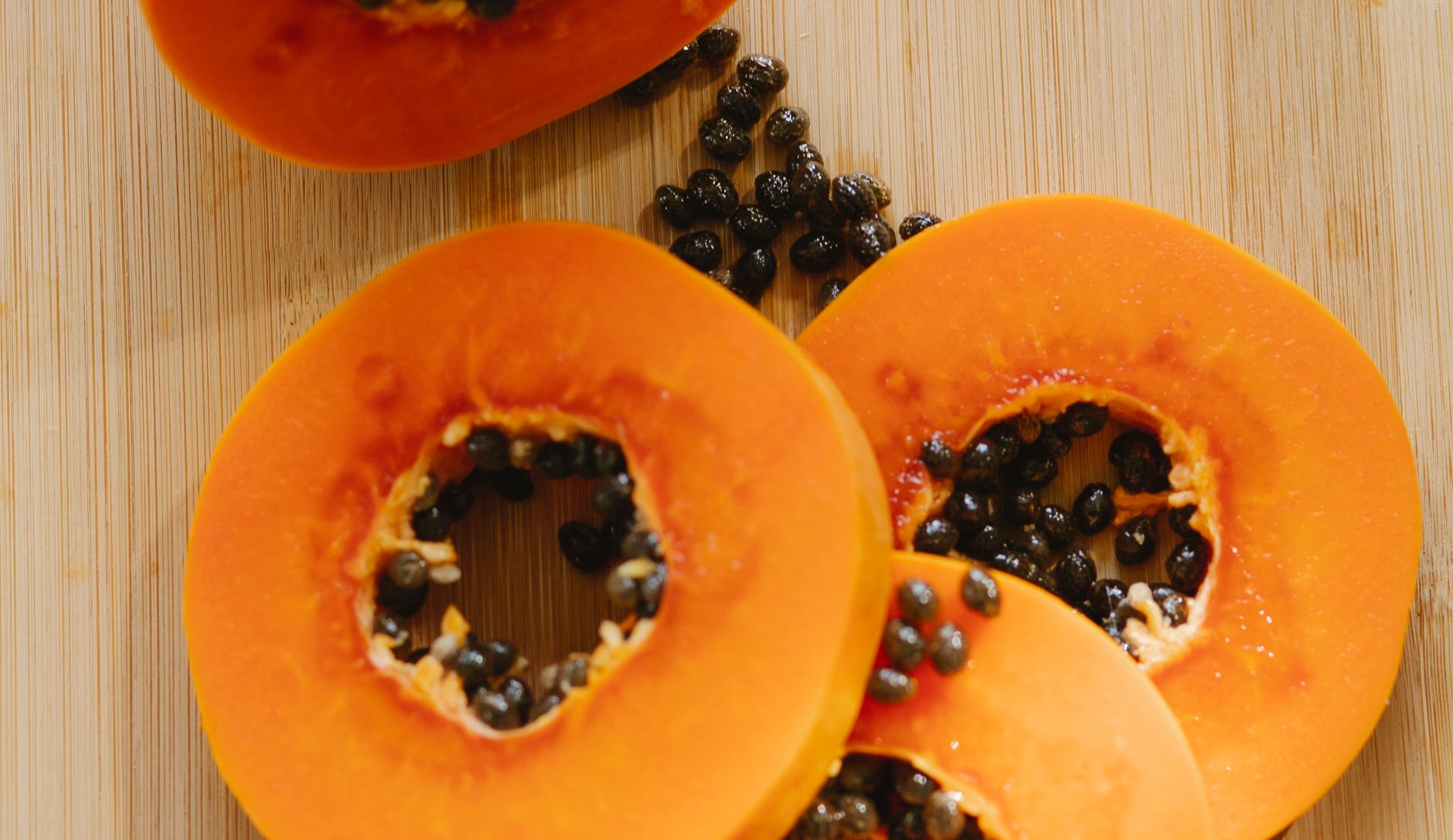
Adding nutrient‑rich foods like papaya can support early pregnancy health while you monitor any discomfort.
From our medical team: Occasional mild cramping after sex is usually nothing to worry about, especially if you’re in the fertile window. However, persistent, sharp, or worsening pain—especially with bleeding, fever, or dizziness—should be evaluated promptly. A simple home pregnancy test combined with a visit to your obstetrician can quickly clarify whether the pain is a normal early‑pregnancy sign or something that needs treatment.
Myth vs. fact
Myth: Any stomach pain after sex means you’re pregnant.
Fact: While mild cramping can be an early sign of pregnancy, many other factors—ovulation pain, hormonal shifts, or infections—can cause similar discomfort.
Myth: You can tell you’re pregnant just by the type of cramp you feel.
Fact: Cramping alone isn’t diagnostic. A pregnancy test and professional evaluation are needed for confirmation.
Myth: Intercourse increases the risk of ectopic pregnancy for everyone.
Fact: Ectopic pregnancy is linked to specific risk factors (previous tubal surgery, PID, smoking). Sexual activity alone does not cause ectopic pregnancy, though pain after sex in someone with risk factors should be assessed.
Key takeaways
Light, short‑lasting cramps after sex are common and often harmless.
Implantation cramping can appear 6‑12 days after ovulation; look for spotting or other early‑pregnancy signs.
Sharp, persistent pain, heavy bleeding, fever, or shoulder pain require a prompt medical visit.
Use a home pregnancy test after a missed period for the most reliable result; repeat if you test early.
Track your cycle and note any patterns of pain to discuss with your provider.
When in doubt, reach out to your health care team—better to ask than to worry.
Frequently asked questions
Can stomach pain be an early sign of pregnancy?
Yes, mild lower‑abdomen cramping can occur after implantation, usually 6‑12 days after ovulation, and may be accompanied by spotting or breast tenderness.
Is it normal to have cramps after sex?
Occasional mild cramps after intercourse are normal, especially during the luteal phase when progesterone is high; they typically resolve within a few hours.
How soon after intercourse can I feel pregnancy symptoms?
Implantation symptoms, including cramping, can start as early as 6 days after fertilization, but most people notice them around the time of their missed period.
What should I do if I have abdominal pain after sex?
Start by noting the pain’s intensity, duration, and any accompanying signs (bleeding, fever). If the pain is mild, monitor for a day; if it worsens or includes red‑flag symptoms, contact your provider promptly.
Can a pregnancy test detect a pregnancy if I have stomach pain?
Yes—pregnancy tests detect hCG, not pain. However, testing too early (before implantation) can give a false‑negative result, so wait until after a missed period for the most accurate reading.
When should I be concerned about pelvic pain after sex?
Seek medical care if pain is severe or persistent, if you have heavy bleeding, fever, dizziness, or shoulder pain—these could signal infection, ectopic pregnancy, or other urgent conditions.
When to call your doctor
If you experience any of the following, call your health care provider or go to the nearest emergency department:
Severe, worsening abdominal or pelvic pain lasting more than 24 hours.
Heavy vaginal bleeding (soaking a pad in under an hour).
Fever of 100.4 °F (38 °C) or higher.
Sudden shoulder pain on one side.
Dizziness, fainting, or shortness of breath.
Persistent pain with foul‑smelling discharge.
This article provides general information and is not a substitute for personalized medical advice. Always consult your own health care provider for concerns specific to your situation.
References
American College of Obstetricians and Gynecologists (ACOG). “Uterine Cramping After Intercourse.” Clinical Guidance, 2023.
National Health Service (NHS). “Early Pregnancy Symptoms.” Patient Information, 2022.
U.S. Food and Drug Administration (FDA). “Home Pregnancy Test Accuracy.” Consumer Health Information, 2021.
World Health Organization (WHO). “Ovulation Pain (Mittelschmerz).” Reproductive Health Series, 2020.
Centers for Disease Control and Prevention (CDC). “Pelvic Inflammatory Disease.” STD Treatment Guidelines, 2023.
Royal College of Obstetricians and Gynaecologists (RCOG). “Hormonal Effects on the Uterus.” Clinical Practice, 2022.
Mayo Clinic. “Implantation Bleeding and Cramping.” Women’s Health, 2023.
National Institute for Health and Care Excellence (NICE). “Ectopic Pregnancy.” Clinical Knowledge Summaries, 2022.
Not sure about the label on Does Stomach Pain After Sex Mean You Re Pregnant products?
Snap the ingredients list and SafeFilter checks every ingredient for your stage — only 3 free scans this month, then you're locked until reset. Unlimited from $7/mo or lock $50/yr through Aug 31 (5 days left).
When Shubhra Mishra was expecting her first child in 2016, she was overwhelmed by conflicting food advice — one site said yes, another said never. By the time her second baby arrived in 2019, she realized millions of mothers face the same confusion.
That sparked a five-year journey through clinical nutrition papers, cultural diets, and expert conversations — all leading to BumpBites: a calm, compassionate space where science meets everyday motherhood.
Her long-term vision is to build a global community ensuring safe, supported, and free deliveriesfor every mother — because no woman should face pregnancy alone or uninformed. 🌿
🌍 Stand with mothers, shape safer guidance
Join a small circle of experts who review BumpBites articles so expecting parents everywhere can decide with confidence.