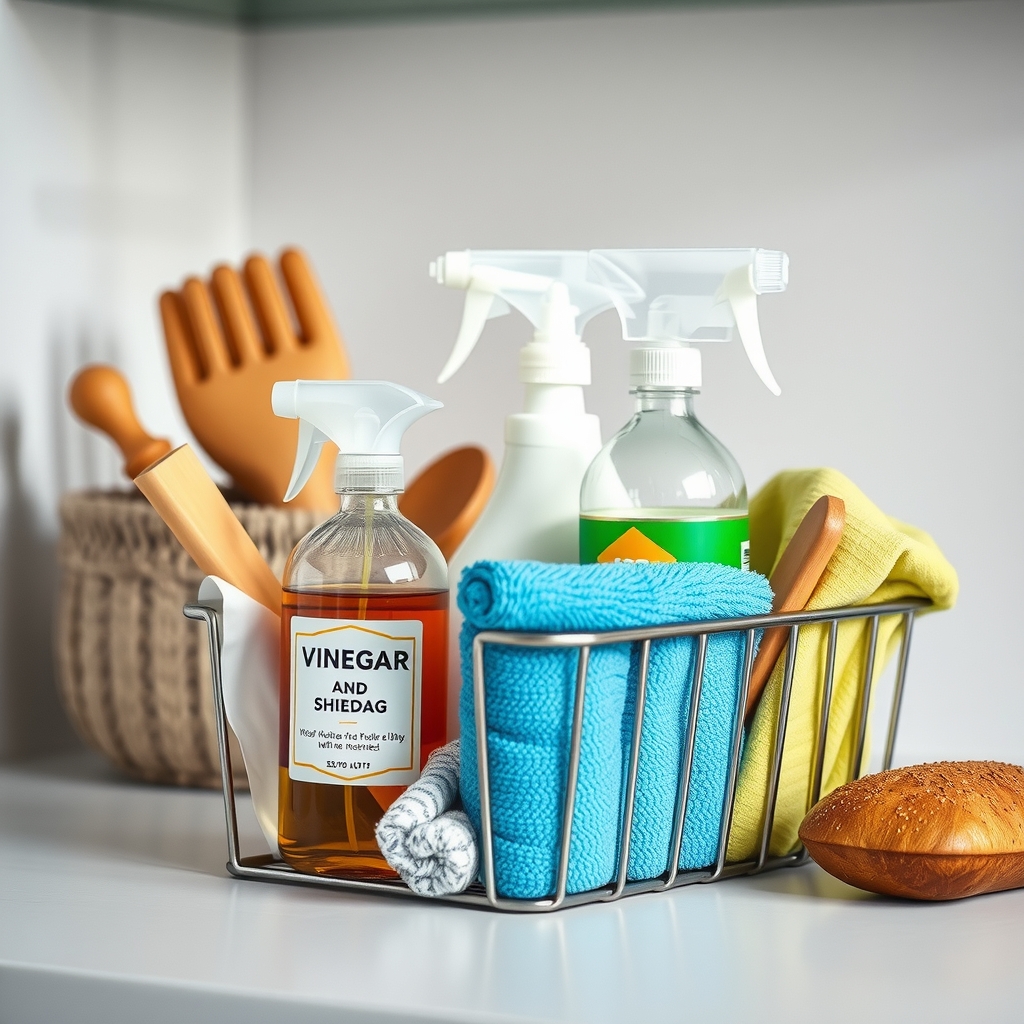
Struggling with a cleaning schedule for working moms? Discover realistic, time-saving strategies to keep your home tidy without burnout—start today!
By Shubhra Mishra — a mom of two who turned her own confusion during pregnancy into BumpBites, a global mission to make food choices clear, safe, and stress-free for every expecting mother. 💛
Check whether any food is safe during pregnancy with the BumpBites Food Safety Checker.
Quick take: You’re not failing—you’re outnumbered. A realistic cleaning schedule for working moms isn’t about perfection; it’s about 10-minute wins, tiny daily habits, and a family that actually helps. Start with one “power zone” (kitchen sink, entryway) that stays visibly clean; the rest can wait. Below, you’ll find a 7-day plan that fits into nap times and after-bedtime pockets, plus the exact products and scripts to get your partner and kids on board—without nagging.
You pull into the driveway at 6:17 p.m., engine still running, forehead pressed to the steering wheel. Inside, the house is a 3-D map of the day: yogurt handprints on the fridge, a Lego minefield in the hallway, and a sink full of dishes that somehow multiplied while you were in back-to-back meetings. You’re not tired—you’re defeated. The mental load of “keeping house” feels heavier than your laptop bag, and the guilt is a constant hum: Shouldn’t I be able to do this?
Here’s the truth: you’re not behind. The system is broken. Most cleaning schedules are written for people who either don’t work outside the home or don’t have small children. What you need is a cleaning schedule for working moms that fits into the actual pockets of time you have—nap times, after-bedtime, and the 90 seconds it takes to microwave coffee. Below, we’ll walk through a step-by-step plan that prioritizes visible clean over spotless perfection, delegates without drama, and keeps burnout at bay. Think of it as triage for your home: stop the bleeding first, then stitch the rest.
How to create a realistic cleaning schedule for working moms with no time
Start by auditing your week. Grab your phone calendar and block out every non-negotiable: work hours, commute, daycare pickup, pediatrician appointments, and—critically—any pockets of time when you’re not the default parent. Those are your cleaning windows. Most working moms find 10–20 minutes a day; single working moms often rely on weekend “power hours.”
Next, pick one “power zone”—a single area that, when clean, makes the whole house feel manageable. For most moms, it’s the kitchen sink or the entryway. Keep that zone visibly clean every single day; the rest can wait. This is your visual anchor, the thing that tells your brain, I’ve got this.
Finally, build a “minimum viable clean” checklist. Ask yourself: What absolutely has to happen for the house to function? For most working moms, it’s dishes, laundry, and floors. Everything else is bonus. Write your checklist on a sticky note and tape it to the fridge. When you’re exhausted, do only what’s on the note. The goal isn’t a magazine spread—it’s a home that works for your family.
Best daily cleaning routine for busy working moms (10 minutes or less)
Your daily routine should fit into the natural pauses of your day: the 90 seconds while coffee brews, the 5 minutes while dinner reheats, the 10 minutes after the kids are in bed but before you collapse. Here’s a 10-minute daily routine that keeps the chaos contained:
Morning (2 minutes): Make the bed (if you have one). It’s the fastest way to make a room feel 50% cleaner. If you’re co-sleeping, straighten the sheets and fluff the pillows.
After breakfast (3 minutes): Load the dishwasher, wipe the table, and sweep the floor. Use a silicone scraper to scrape plates—it’s faster than rinsing.
After work (5 minutes): Do a “landing strip” reset: shoes off, coats hung, backpacks emptied. Wipe the entryway table with a microfiber cloth—it picks up dust and fingerprints in one swipe.
If you only have 5 minutes, do the landing strip and the dishes. If you have 10, add a quick vacuum of high-traffic areas. The key is to stop before you’re exhausted. Ten minutes of focused cleaning beats 30 minutes of half-hearted scrubbing.
Weekly cleaning schedule for working moms with toddlers and newborns
With little ones, the weekly schedule needs to be flexible. Toddlers create messes faster than you can clean them, and newborns turn your schedule upside down. Here’s a realistic weekly plan that accounts for both:
Day
Focus Zone
Tasks (15–30 min)
Pro Tip
Monday
Laundry
Start one load in the morning, fold during naptime or after bedtime. Use a mesh laundry bag for socks—no more lost pairs.
Sort clothes into “keep” and “donate” bins while folding. If it hasn’t been worn in 6 months, it’s gone.
Tuesday
Kitchen
Wipe appliances, clean the microwave (heat a bowl of water + vinegar for 2 minutes, then wipe), and declutter counters. Toss expired food from the fridge.
Keep a spray bottle of equal parts water and white vinegar under the sink—it’s safe, cheap, and cuts grease.
Wednesday
Bathrooms
Spray shower walls with cleaner while you brush your teeth, wipe the sink, and scrub the toilet. Use a squeegee to dry the shower—prevents mildew.
Keep a caddy with supplies under each sink so you’re not lugging bottles around.
Thursday
Floors
Vacuum high-traffic areas and mop hard floors. Use a robot vacuum if you have one—run it during naptime.
Keep a basket by the door for “floor clutter.” Toss shoes, toys, and mail in there during the day, then sort at bedtime.
Friday
Entryway
Declutter shoes, coats, and backpacks. Wipe the front door handle (high-touch germ zone).
Assign a hook or bin to each family member—no more “where’s my stuff?” chaos.
Saturday
Deep Clean (1 hour)
Tackle one zone you’ve been ignoring: baseboards, windows, or the fridge. Involve the kids—give them a damp sock to “dust” low surfaces.
Set a timer for 25 minutes. Work hard, then take a 5-minute break. Repeat.
Sunday
Reset
Do a 10-minute family “tidy-up” before bed. Put on music, set a timer, and race to see who can pick up the most.
End the week with a clean slate. Tomorrow, you’ll start fresh.
If you’re a single working mom or have no help, double up on Saturday: do laundry and deep clean in one “power hour.” Use a time-blocking app to protect that hour—it’s non-negotiable.
How to delegate cleaning tasks to family members (husband, kids, helpers)
Delegating isn’t about fairness—it’s about survival. The goal is to get your family to take ownership of their own messes, not to “help Mom.” Here’s how to make it happen without nagging:
Use “I” statements: Instead of “You never clean up,” say, “I feel overwhelmed when the living room is messy. Can we tackle it together after dinner?”
Assign zones, not tasks: Give each person a zone (e.g., your partner handles the kitchen, your toddler picks up toys). Zones are easier to remember than a rotating chore chart.
Make it visual: Use a whiteboard or a chore app (like OurHome or Sweepy) to track who’s responsible for what. Kids love checking off tasks.
Tie chores to privileges: “No screen time until the toys are picked up.” Be consistent—kids will test you.
Hire help if you can: Even 2 hours a week of cleaning help can be a game-changer. If budget is tight, consider a shared au pair or a mother’s helper (a teen who plays with the kids while you clean).
For partners, try the “5-minute favor” rule: if it takes less than 5 minutes (loading the dishwasher, taking out the trash), do it without asking. Over time, these small habits add up.
Involve your kids early—even toddlers can “help” with simple tasks. It’s not about perfection; it’s about building habits.
Cleaning hacks for working moms: quick fixes for messy homes
When you’re short on time, these hacks will save your sanity:
Keep cleaning supplies in every room: A caddy under the sink, a spray bottle in the bathroom, and a vacuum in the closet. No more running around.
Use the “5-minute rule”: If a task takes less than 5 minutes (wiping the table, sweeping the floor), do it immediately. Don’t add it to the to-do list.
Clean top to bottom: Dust before vacuuming, wipe counters before mopping. Gravity is your friend.
Embrace the “one-touch rule”: When you pick something up, put it away immediately. No “I’ll deal with this later” piles.
Use a lint roller for pet hair: It’s faster than vacuuming and works on furniture, curtains, and car seats.
Keep a “donate bin” in the closet: Toss in clothes, toys, and books you no longer need. When it’s full, drop it off at a donation center.
Use a squeegee for crumbs: Run it along the counter or table to gather crumbs into one pile, then wipe with a damp cloth.
For stubborn messes, try these quick fixes:
Sticky residue on counters? Rub with a bit of coconut oil or mayonnaise, then wipe clean.
Greasy stovetop? Sprinkle baking soda, spray with vinegar, let sit for 5 minutes, then scrub.
Dirty microwave? Heat a bowl of water + lemon slices for 2 minutes, then wipe. The steam loosens grime.
Clogged drain? Pour ½ cup baking soda + ½ cup vinegar down the drain, cover for 10 minutes, then flush with hot water.
How to maintain a clean home when you're exhausted after work
Exhaustion is the enemy of consistency. When you’re running on fumes, these strategies will help you keep the house functional without burning out:
Do a “5-minute reset” when you walk in the door: Kick off shoes, hang up coats, and toss clutter into a bin. It’s not deep cleaning—it’s damage control.
Use the “two-minute rule” for dishes: If you use a dish, wash it immediately or load it into the dishwasher. Don’t let the sink pile up.
Clean while you cook: Wipe counters while dinner simmers, sweep the floor while the oven preheats. Multitasking is your friend.
Involve the kids: Give them a damp cloth to “wipe” the table or a small broom to sweep. It’s not perfect, but it’s progress.
Lower your standards: A “clean enough” home is one where the floors are swept, the dishes are done, and the beds are made. Everything else is a bonus.
Use a robot vacuum: Run it during naptime or after bedtime. It’s not a replacement for deep cleaning, but it keeps floors presentable.
Batch tasks: Do all your wiping (counters, tables, appliances) at once. It’s faster than cleaning one room at a time.
If you’re a single working mom or working 50+ hours a week, protect your weekends. Use Saturday for deep cleaning and Sunday for rest. You deserve a break.
Best cleaning products for working moms (safe, fast, and effective)
You don’t need a cabinet full of products—just a few that work hard and are safe for kids and pets. Here’s what to keep on hand:
Product
Use For
Why It’s Great
White vinegar
Disinfecting, deodorizing, cutting grease
Cheap, non-toxic, and effective. Mix with water for an all-purpose cleaner.
Baking soda
Scrubbing, deodorizing, unclogging drains
Gentle abrasive that tackles tough stains without scratching.
Castile soap
All-purpose cleaner, floor cleaner, hand soap
Plant-based, biodegradable, and safe for kids and pets.
Microfiber cloths
Dusting, wiping, polishing
Traps dust and dirt without chemicals. Wash and reuse.
Breaks down organic stains (blood, food) and kills bacteria.
Essential oils (tea tree, lemon, lavender)
Natural fragrance, antibacterial boost
Add a few drops to vinegar or water for a fresh scent.
Robot vacuum
Daily floor maintenance
Run it during naptime or after bedtime to keep floors clean.
Spray mop
Quick floor cleaning
No bucket needed—just spray and mop.
Lint roller
Pet hair, dust, crumbs
Faster than vacuuming for small messes.
For tougher jobs, these products are worth the investment:
Bar Keepers Friend: Cleans stainless steel, porcelain, and grout. Works like magic on sinks and tubs.
OxiClean: Removes stains from laundry, carpets, and upholstery. Great for kid messes.
Swiffer WetJet: Quick floor cleaning without the hassle of a mop and bucket.
Scrub Daddy: A sponge that changes texture based on water temperature. Great for scrubbing pots and pans.
If you’re pumping, don’t forget to clean your breast pump parts daily. A dedicated bottle brush and drying rack make the job easier.
Keep your cleaning supplies organized and accessible. A caddy lets you grab what you need and go.
How to stick to a cleaning schedule when you're always too tired
Consistency is the hardest part. When you’re exhausted, motivation disappears. Here’s how to stay on track even when you’re running on empty:
Start small: Pick one task (e.g., making the bed) and do it every day for a week. Small wins build momentum.
Use the “2-minute rule”: If a task takes less than 2 minutes, do it immediately. It’s easier to maintain than to catch up.
Set a timer: Work for 10 minutes, then stop. You’ll be surprised how much you can get done in short bursts.
Pair cleaning with something enjoyable: Listen to a podcast, audiobook, or music while you work. Make it fun.
Involve the family: Assign each person a task. Kids can pick up toys, partners can handle dishes. Teamwork makes the dream work.
Lower your standards: A “clean enough” home is one where the floors are swept, the dishes are done, and the beds are made. Everything else is a bonus.
Use visual cues: Keep a whiteboard or checklist where you’ll see it (e.g., on the fridge). Check off tasks as you complete them.
Reward yourself: After a week of sticking to the schedule, treat yourself to something small—a coffee, a nap, or 30 minutes of guilt-free TV.
Forgive slip-ups: Some days, the house will be a disaster. That’s okay. Reset the next day.
If you’re a single working mom or working long hours, protect your weekends. Use Saturday for deep cleaning and Sunday for rest. You deserve a break.
Myth vs. fact: Cleaning edition
Myth: You need to deep clean every week to have a clean home.
Fact: A realistic cleaning schedule for working moms focuses on daily maintenance and weekly “power zones.” Deep cleaning can happen monthly—or whenever you have the energy. The goal is a functional home, not a spotless one.
Myth: If you can’t do it all, you’re failing.
Fact: You’re not failing—you’re prioritizing. A clean home is important, but it’s not more important than your mental health, your kids’ well-being, or your own need for rest. Do what you can, when you can.
Myth: Kids are too young to help with cleaning.
Fact: Toddlers love to “help.” Give them a damp cloth to wipe the table or a small broom to sweep. It’s not about perfection—it’s about building habits and teaching responsibility.
Key takeaways
A realistic cleaning schedule for working moms starts with one “power zone” (like the kitchen sink) that stays visibly clean every day. The rest can wait.
Your daily routine should fit into 10-minute pockets: while coffee brews, while dinner reheats, or after the kids are in bed. Focus on high-impact tasks like dishes and laundry.
Delegate without drama by assigning zones (not tasks) to family members. Use “I” statements and visual cues to get everyone on board.
Cleaning hacks like the “5-minute rule,” top-to-bottom cleaning, and robot vacuums save time and energy. Keep supplies in every room to avoid running around.
When you’re exhausted, do a “5-minute reset” when you walk in the door. Lower your standards—“clean enough” is good enough.
Stock your cleaning caddy with safe, effective products like white vinegar, baking soda, and microfiber cloths. A few multi-purpose items are all you need.
Stick to the schedule by starting small, using timers, and pairing cleaning with something enjoyable. Forgive slip-ups and reset the next day.
Frequently asked questions
What is a realistic cleaning schedule for a working mom?
A realistic cleaning schedule for working moms focuses on daily maintenance (dishes, laundry, floors) and weekly “power zones” (one area per day, like the kitchen or bathrooms). Deep cleaning happens monthly—or whenever you have the energy. The goal is a functional home, not a spotless one. Use a checklist to stay on track, and don’t be afraid to lower your standards when you’re exhausted.
How do working moms keep their house clean?
Working moms keep their houses clean by focusing on high-impact tasks, delegating to family members, and using time-saving hacks. Start with a “power zone” (like the kitchen sink) that stays visibly clean every day. Involve your partner and kids by assigning zones (not tasks) and using visual cues like whiteboards or chore apps. Use cleaning hacks like the “5-minute rule” and keep supplies in every room to avoid running around.
How often should a working mom clean her house?
A working mom should aim for daily maintenance (dishes, laundry, floors) and weekly “power zones” (one area per day, like the kitchen or bathrooms). Deep cleaning can happen monthly—or whenever you have the energy. The key is consistency, not perfection. If you’re exhausted, focus on the essentials and reset the next day.
What are the most important cleaning tasks for a working mom?
The most important cleaning tasks for a working mom are dishes, laundry, and floors. These tasks keep the house functional and prevent chaos from piling up. Everything else is a bonus. Focus on one “power zone” (like the kitchen sink) that stays visibly clean every day, and delegate the rest to family members when possible.
How can I clean my house fast after work?
Clean your house fast after work by doing a “5-minute reset” when you walk in the door: kick off shoes, hang up coats, and toss clutter into a bin. Focus on high-impact tasks like dishes and laundry, and use time-saving hacks like the “5-minute rule” and top-to-bottom cleaning. Involve the family by assigning zones (not tasks) and using visual cues like whiteboards or chore apps.
What is the best way to clean with a newborn and a toddler?
The best way to clean with a newborn and a toddler is to focus on daily maintenance and weekly “power zones.” Use nap times and after-bedtime pockets for cleaning, and involve the toddler by giving them simple tasks (e.g., wiping the table with a damp cloth). Keep supplies in every room to avoid running around, and use time-saving hacks like the “5-minute rule” and robot vacuums. If you’re pumping, don’t forget to clean your breast pump parts daily.
When to see a specialist (or just call it quits)
If cleaning is causing you significant stress, anxiety, or burnout, it’s time to reassess. A messy home is not a moral failing—it’s a sign that your plate is too full. Consider hiring help (even 2 hours a week can make a difference), talking to your partner about redistributing chores, or exploring childcare options that give you a break.
If you’re a single working mom or working long hours, protect your weekends. Use Saturday for deep cleaning and Sunday for rest. You deserve a break. And if all else fails, remember: the mess will still be there tomorrow. Your mental health is more important.
This article is for informational purposes only and is not a substitute for professional medical or mental health advice. Always consult your healthcare provider with any questions or concerns.
References
American Academy of Pediatrics. (2021). Caring for Your Baby and Young Child: Birth to Age 5. Bantam.
Mayo Clinic. (2022). Stress Management: Tips for Parents. Retrieved from mayoclinic.org
American Psychological Association. (2023). Stress in America: The State of Our Nation. Retrieved from apa.org
Harvard T.H. Chan School of Public Health. (2022). The Nutrition Source: Healthy Living Guide. Retrieved from hsph.harvard.edu
National Institute of Mental Health. (2023). Caring for Your Mental Health. Retrieved from nimh.nih.gov
Not sure about the label on Cleaning Schedule For Working Moms products?
Snap the ingredients list and SafeFilter checks every ingredient for your stage — only 3 free scans this month, then you're locked until reset. Unlimited from $7/mo or $50/yr.
When Shubhra Mishra was expecting her first child in 2016, she was overwhelmed by conflicting food advice — one site said yes, another said never. By the time her second baby arrived in 2019, she realized millions of mothers face the same confusion.
That sparked a five-year journey through clinical nutrition papers, cultural diets, and expert conversations — all leading to BumpBites: a calm, compassionate space where science meets everyday motherhood.
Her long-term vision is to build a global community ensuring safe, supported, and free deliveriesfor every mother — because no woman should face pregnancy alone or uninformed. 🌿
🌍 Stand with mothers, shape safer guidance
Join a small circle of experts who review BumpBites articles so expecting parents everywhere can decide with confidence.