Quick take: Aim for 3–6 months of essential expenses in a separate, easily reachable account. Start small—automate even $5‑$10 a week, use a high‑yield savings account, and adjust contributions when income spikes. If debt feels overwhelming, split focus: keep a tiny emergency buffer while paying high‑interest balances, then build the fund faster.
Imagine it’s 2 a.m., the baby’s finally asleep, and you’ve just opened a bill that’s suddenly higher than expected. Your heart races. “Do I have enough saved for a surprise like this?” you wonder. You’re not alone. Single mothers often juggle rent, childcare, food, and a paycheck that can feel like a roller coaster. Having a dedicated emergency savings cushion can turn that night‑time panic into a calm, manageable plan.
In this guide we’ll walk through everything you need to know about emergency savings for single moms—from how much you really need, to the smartest ways to stash cash on a tight budget, to the best high‑yield accounts that keep your money working. We’ll also answer the most common follow‑up questions, debunk a few myths, and point you toward resources if you ever need a financial safety net beyond your own savings.
Whether you’re just starting to think about a rainy‑day fund or you’ve already got a few dollars tucked away and want to grow it, the steps below are designed for real‑life schedules, irregular incomes, and the everyday challenges of single‑parenthood.

How much emergency savings should a single mom have?
Financial experts generally recommend that an emergency fund cover three to six months of essential living expenses. For single mothers, the lower end of that range can feel more attainable, while the higher end provides extra security against longer gaps between jobs.
What “essential expenses” really mean
Start by listing the costs you cannot skip: rent or mortgage, utilities, groceries, transportation (gas or public‑transport passes), childcare, and any mandatory debt payments (like child support). Health insurance premiums and essential medical co‑pays also belong here. Once you add those up, you have a monthly baseline.
For example, if your essential expenses total $2,500 per month, a three‑month fund equals $7,500, while a six‑month fund equals $15,000. The exact target depends on your job stability, the predictability of your income, and personal comfort level.
Why single moms often aim for the higher end
Single‑parent households lack a second steady income to fall back on. A longer cushion can help you handle:
- Unexpected childcare costs if your regular caregiver is unavailable.
- Extended periods between jobs, which are more common for single parents who may need to pause work for family emergencies.
- Medical emergencies that require immediate out‑of‑pocket payments.
That said, the “right” amount isn’t a one‑size‑fits‑all figure. If you’re just starting, a modest goal of one month’s worth of essentials is a solid first milestone.
Best ways for single moms to build an emergency fund on a tight budget
Building a fund when every dollar is already allocated can feel impossible, but a few strategic habits can add up quickly.
Start with micro‑savings
Set up a “spare change” jar—physically or digitally—where you round up every purchase to the nearest dollar. Many banking apps automatically round up debit card transactions and deposit the difference into a savings sub‑account. Even $1‑$2 per transaction can become $100+ a year.
Take advantage of cash‑back and rewards
If you already have a credit card with a modest cash‑back rate (1‑2 % on groceries or gas), pay the balance in full each month and direct the cash‑back rewards straight into your emergency fund. This is “free” money you’re already earning.
Trim non‑essential spending
Look for “subscription creep”—magazines, streaming services, or gym memberships you rarely use. Cancel or pause them for a few months, and redirect those funds. Even a $10‑$15 weekly coffee habit, if cut, can free up $40‑$60 a month.
Freelance gigs, online tutoring, or selling gently used items can provide occasional cash boosts. Treat any extra earnings as a “windfall” that goes straight into savings, not into everyday spending.
Use the “pay‑yourself‑first” rule
Before you pay bills, set aside a predetermined amount—however small—in a dedicated savings account. Automating this step (see next section) removes the temptation to skip it.
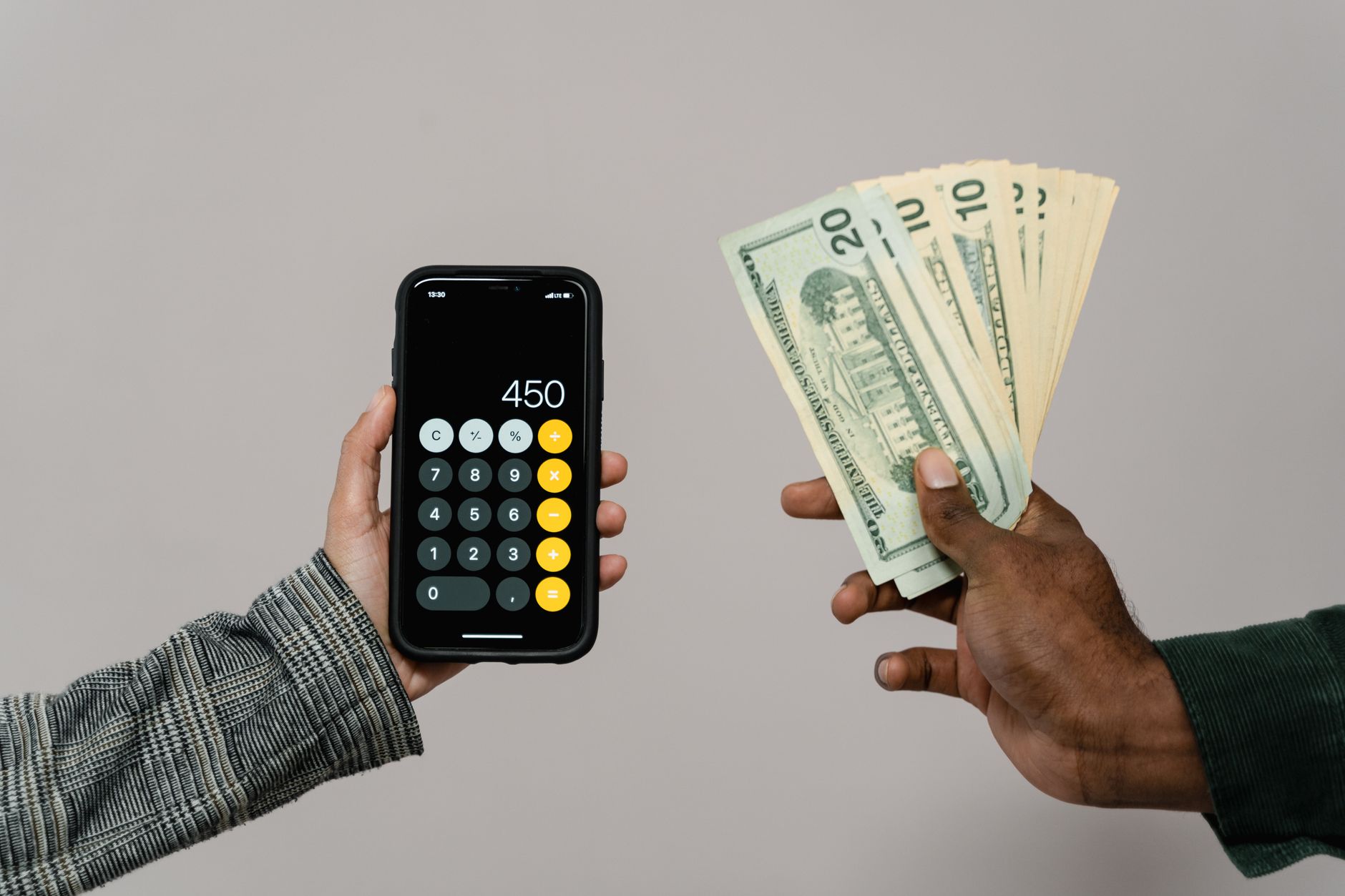
What expenses should single moms include in their emergency savings plan?
Creating a realistic target means accounting for both regular and occasional costs.
Core monthly expenses
- Housing (rent/mortgage, property taxes, insurance)
- Utilities (electricity, water, gas, internet/phone)
- Food (groceries, basic meals for children)
- Transportation (fuel, car maintenance, public transit)
- Childcare or after‑school programs
- Health insurance premiums and essential medical co‑pays
- Minimum debt payments that cannot be deferred (e.g., child support)
Periodic and seasonal costs
While not monthly, these items can strain a budget if they appear unexpectedly:
- School supplies or activity fees
- Seasonal clothing or shoes for kids
- Vehicle registration and inspection fees
- Annual medical exams not covered by insurance
- Holiday gifts or celebrations (plan a modest amount each month)
How to account for irregular income
If you receive paycheck bonuses, tax refunds, or occasional freelance payouts, treat a portion (e.g., 30 %) of each irregular inflow as a contribution to your emergency fund. This habit smooths out the ups and downs of variable earnings.
How to automate emergency savings for single mothers
Automation removes the guesswork and ensures consistency, even on busy mornings.
Set up automatic transfers
Log into your online banking portal and schedule recurring transfers from your checking to your savings account. Start with the smallest amount you can comfortably afford—$25 or $50 a month—and increase it whenever your income rises.
Use “round‑up” savings apps
Apps like Acorns, Qapital, or the “Savings Goals” feature in many major banks automatically round up each purchase to the nearest dollar and deposit the change. These micro‑deposits accumulate without you noticing.
Leverage direct deposit splits
If your employer allows it, you can instruct payroll to split your paycheck: 90 % to checking, 10 % to a designated savings account. This is the most “hands‑off” method and guarantees each paycheck contributes to your emergency fund.
Track progress with a simple spreadsheet
Maintain a one‑page spreadsheet (or a free budgeting app) that shows:
- Monthly contribution amount
- Current balance
- Target balance (based on your essential expenses)
- Percentage of goal achieved
Seeing the visual progress can be motivating, especially when you’re juggling many responsibilities.
Emergency savings strategies for single moms with irregular income
Irregular income—common among gig workers, seasonal employees, or freelancers—requires a flexible yet disciplined approach.
Build a “baseline” buffer first
Start by saving enough to cover at least one month of essential expenses. Once that baseline is secured, add a second “flex” layer that you top up whenever you have a high‑earning month.
Use a “percentage‑of‑income” rule
When a paycheck arrives, allocate a set percentage (e.g., 15 %) to savings before budgeting for other categories. This method scales automatically with income spikes.
Set up a “seasonal” savings plan
If you know certain months are slower (e.g., a nanny takes a summer break), plan ahead by saving extra during high‑earning months. Treat those months as “pre‑pay” periods for your emergency cushion.
In addition to your high‑yield account, maintain a small, easily accessible cash envelope (around $200‑$300). This covers minor emergencies without requiring an online transfer, which can be slower.
How long should a single mom's emergency fund last during unemployment?
Unemployment duration can vary widely, but the goal is to have enough to comfortably cover essential expenses while you search for new work.
Three‑month rule vs. six‑month rule
Many financial planners suggest three months as a minimum for single‑parent households, while six months offers a stronger safety net. If you have a stable job history and a strong professional network, three months may suffice. If your industry is volatile (e.g., retail, hospitality), aim for six months.
Adjust based on your specific situation
- If you have dependent children in school, consider the additional cost of school meals and activities.
- If you’re eligible for unemployment benefits, factor in the average weekly benefit amount when calculating how long your fund will last.
- If you have health insurance through a spouse or a public program, you may need less cash for medical premiums.
When to tap into other resources
If your fund depletes faster than expected, explore local assistance programs (see the next section) before dipping into retirement accounts, which can incur penalties and tax consequences.
Which high‑yield savings accounts are best for single moms' emergency funds?
A high‑yield account puts your money to work while still keeping it liquid—exactly what an emergency fund needs.
All of these institutions keep your money accessible 24/7, have no monthly fees, and are backed by the FDIC, which protects your deposits in case of bank failure. Choose the one with the best mobile experience and the highest APY for the most “bang for your buck.”
Emergency fund calculator for single mothers: how to estimate your target
While you can manually multiply your monthly essential expenses by the desired number of months, an online calculator can speed up the process.
Step‑by‑step calculation
- List all essential monthly expenses (housing, utilities, food, childcare, health insurance, minimum debt payments).
- Enter the total into a free emergency fund calculator (such as the one offered by the Consumer Financial Protection Bureau).
- Select the number of months you wish to cover (3, 6, or a custom number).
- The tool instantly shows your target amount and suggests a weekly or monthly savings goal based on your current balance.
Example: If your essential expenses are $2,800 per month and you aim for a six‑month cushion, the calculator will display a target of $16,800. If you can set aside $200 per week, the tool will tell you it will take about 20 weeks (roughly five months) to reach that goal.
Low‑risk investment options to keep your emergency fund safe
While the primary goal of an emergency fund is liquidity, a few low‑risk vehicles can earn a modest return without jeopardizing accessibility.
High‑yield savings accounts (covered above)
These are still the safest option—your money stays FDIC‑insured, and you can withdraw at any time without penalty.
Money‑market accounts
These accounts often offer slightly higher rates than traditional savings, but they may require a higher minimum balance. They still provide check‑writing privileges, making them handy for larger emergency expenses.
Short‑term certificates of deposit (CDs)
If you have a portion of your fund that you’re confident you won’t need for 3‑6 months, a short‑term CD (3‑ or 6‑month) can lock in a higher rate. Just be mindful of early‑withdrawal penalties; keep enough liquid cash outside the CD for immediate needs.
Series I Savings Bonds
Issued by the U.S. Treasury, I‑bonds protect against inflation and can be redeemed after 12 months (with a small penalty if redeemed before 5 years). They’re a good “hold‑over” for funds you don’t expect to use in the first year.
Myth vs. fact
Myth: You need a large sum of money before you can start an emergency fund.
Fact: Even a $500 buffer can prevent reliance on high‑interest credit cards. Begin small; consistency matters more than the initial amount.
Myth: Emergency savings should be kept in the same account as everyday spending.
Fact: Separate accounts—ideally a high‑yield savings or money‑market account—protect the fund from accidental spending and make it easier to track progress.
Myth: Investing in stocks is a good way to grow an emergency fund quickly.
Fact: Stock markets can be volatile. For emergency savings, prioritize safety and liquidity over high returns.
Key takeaways
- Target 3–6 months of essential expenses; start with a realistic, smaller milestone.
- Automate contributions, even as low as $5‑$10 per week, to build the fund steadily.
- Include housing, utilities, food, childcare, health insurance, and minimum debt payments in your calculations.
- Use high‑yield savings accounts or money‑market accounts for the best risk‑adjusted return.
- Balance debt repayment and savings by keeping a tiny emergency buffer while tackling high‑interest debt.
- If income is irregular, save a percentage of each paycheck and add extra during high‑earning months.
Frequently asked questions
How much should a single mom have in an emergency fund?
Most financial advisors recommend three to six months of essential expenses. For a single mother, aiming for the higher end (six months) offers more security, especially if income is unpredictable.
Can a single mother build an emergency fund with a low income?
Yes. Start with micro‑savings like round‑up apps, cash‑back rewards, or a $5‑$10 weekly automatic transfer. Even modest, consistent contributions grow over time and create a safety net.
What are the best savings accounts for emergency funds for single moms?
High‑yield accounts such as Ally Bank, Marcus by Goldman Sachs, and Discover Online Savings offer APYs above 4 % with no minimum balance and FDIC insurance, making them ideal for a liquid emergency fund.
How long should an emergency fund cover for a single mother?
Ideally, enough to cover three to six months of essential expenses. If you have a stable job and benefits, three months may suffice; if you face irregular work or limited benefits, aim for six months.
Is it better to save for emergencies before paying off debt as a single mom?
Both are important. Keep a small buffer (e.g., $500‑$1,000) to avoid high‑interest credit use, then prioritize paying down the highest‑interest debt while continuing to add to the emergency fund.
What financial resources are available for single mothers in crisis?
Programs such as the Women, Infants, and Children (WIC) nutrition assistance, Temporary Assistance for Needy Families (TANF), local food banks, and emergency cash assistance from nonprofit agencies can provide short‑term relief while you rebuild your savings.
How does my credit score affect my ability to save?
A higher credit score can lower loan interest rates, freeing up more money to direct toward savings. Conversely, a low score may increase borrowing costs, making it harder to allocate funds to an emergency cushion.
When to see a financial specialist
If you notice any of the following, consider reaching out to a certified financial planner (CFP) or a non‑profit credit counselor:
- You’ve been unable to cover essential expenses for more than two consecutive weeks.
- Debt payments are consistently missed or you’re relying on high‑interest credit cards for basics.
- Unexpected life events (job loss, medical emergency) have depleted your existing savings.
- You feel overwhelmed by budgeting and need a personalized plan.
These professionals can help you create a realistic budget, prioritize debt versus savings, and connect you with local assistance programs. Remember, this article is for informational purposes only and does not replace personalized financial advice.
References
- Consumer Financial Protection Bureau (CFPB). “Emergency Savings” guidance, 2023.
- Federal Deposit Insurance Corporation (FDIC). “Deposit Insurance Frequently Asked Questions,” 2022.
- U.S. Department of Health & Human Services. “Women, Infants, and Children (WIC) Program Overview,” 2023.
- National Endowment for Financial Education (NEFE). “Building a Cash Cushion” toolkit, 2022.
- Investopedia. “High‑Yield Savings Account” article, reviewed by financial experts, 2023.
- American Association of Certified Financial Planners (CFP Board). “When to Seek a CFP,” 2022.
- U.S. Department of Housing and Urban Development (HUD). “Housing Assistance for Single‑Parent Families,” 2023.



