Quick take: In 2024 the average family of four spends roughly $850 – $950 per month on groceries, but you can keep yours under $800 with a solid budget, smart shopping, and simple meal‑planning tricks. Use a spreadsheet, track every receipt, and batch‑cook meals to stretch every dollar.
Picture this: it’s 8 p.m., the kids are doing homework at the kitchen table, and you’re staring at a stack of grocery receipts wondering where the money went. You’ve heard the phrase “family of 4 monthly grocery budget” a million times, but there’s no one‑size‑fits‑all answer—until now.
We’ve gathered the latest data, real‑world tips, and printable tools so you can set a realistic grocery budget, shop smarter, and still serve meals your family loves. Whether you’re juggling a tight income or just want to squeeze a few extra dollars into the savings jar, this guide walks you through every step.
Below you’ll find answers to the most common questions, a sample weekly list with cost breakdowns, a store‑comparison chart, meal‑planning ideas, and a downloadable spreadsheet template. Let’s turn grocery‑store anxiety into confidence, one aisle at a time.

What is the average monthly grocery cost for a family of four in 2024?
According to the U.S. Department of Agriculture’s Food Plans (2023‑2024 update), the “moderate‑cost” plan for a family of four (two adults, two children ages 6‑12) averages $923 per month. This figure reflects a balanced mix of proteins, fruits, vegetables, dairy, and pantry staples, assuming typical consumption patterns.
Regional variations matter. The Bureau of Labor Statistics (BLS) reports that grocery spending is about 5 % higher in the West Coast than in the Midwest. In practice, most families find their actual spend lands between $850 and $1,050, depending on:
- Geographic cost of living
- Dietary preferences (e.g., plant‑based vs. meat‑heavy)
- Frequency of eating out
- Use of coupons or loyalty programs
For a “tight‑income” household, aiming for the lower end of the range—around $850 per month—provides a realistic target without sacrificing nutrition.
How much does a family of four spend on groceries per month in the US?
Across the United States, the average monthly grocery bill for a family of four sits at roughly $950, according to the 2024 USDA Economic Research Service. Households that regularly use bulk stores, discount grocers, and meal‑planning strategies can shave 10‑15 % off that average, bringing the total down to $800‑$850.
Family of 4 grocery budget spreadsheet template
We recommend starting with a simple spreadsheet that tracks three columns: Planned, Actual, and Difference. Below is a basic template you can copy into Google Sheets or Excel:
Enter each receipt’s totals in the “Actual” column; the spreadsheet automatically calculates the variance, helping you spot overspending early.
How can I create a grocery budget for a family of 4 on a tight income?
Creating a budget that respects a limited paycheck starts with honesty and a step‑by‑step plan. Here’s a proven workflow:
- Identify net household income. Subtract taxes, rent/mortgage, utilities, and debt payments. The leftover amount is your “discretionary” pool.
- Allocate a percentage for groceries. Nutrition experts suggest 10‑12 % of net income for food if you’re cooking most meals at home. For a family earning $3,500 net monthly, that’s $350‑$420, which is unrealistic for a family of four. In that case, aim for 15 % (≈ $525) and adjust other categories.
- Set a monthly cap. Use the spreadsheet above to lock in a target—e.g., $850.
- Break it down weekly. Divide the monthly cap by four (or 4.33 for exact weeks). That gives a weekly “spending envelope” you can’t exceed.
- Track every purchase. Record each receipt in the spreadsheet within 24 hours. Apps like Mint or YNAB sync with bank accounts and can auto‑categorize grocery spend.
- Review and adjust. At month’s end, compare planned versus actual. If you’re over, identify which categories—perhaps “snacks”—need trimming next month.
Many readers tell us the hardest part is the “break it down weekly” step. One mom wrote, “I set a $200 weekly limit, and for the first two weeks I blew past it, but the spreadsheet forced me to pause at the checkout and ask, ‘Do we really need this?’ That moment saved $75.”
Grocery budget calculator for families of four
Use this quick calculator: Monthly Income × 0.15 = Suggested Grocery Budget. If your net income is $4,000, you’d aim for $600 per month. Adjust the multiplier up to 0.20 if you have higher protein needs or dietary restrictions.
- Shop the perimeter first—produce, dairy, and meat are usually fresher and less processed.
- Buy frozen fruits and veggies when on sale; they’re nutritionally comparable to fresh.
- Choose store brands for staples like rice, pasta, and canned beans.
- Plan meals around weekly circulars to capitalize on “buy‑one‑get‑one” offers.
What are the top tips to save money on groceries for a family of four?
Saving money isn’t about buying less; it’s about buying smarter. Below are ten proven tactics, each backed by research from the Academy of Nutrition and Dietetics or USDA.
- Use digital coupons. Most major chains—Target, Walmart, Kroger—offer printable or app‑based coupons. A study by the Cornell Food and Brand Lab found that shoppers who used coupons saved an average of 12 % per basket.
- Buy in bulk, but only what you’ll use. Bulk bins for grains, beans, and nuts reduce packaging costs. However, over‑buying leads to waste; keep a “first‑in‑first‑out” rotation system.
- Shop at discount grocers. Stores like Aldi, Lidl, and Save‑A‑Lot consistently rank among the cheapest in the BLS “Food at Home” price index.
- Plan meals around sales. If chicken breasts are on sale, schedule a “Chicken Night” and freeze leftovers for later.
- Embrace “meat‑less” meals. Legumes are inexpensive protein sources; swapping two meat meals per week can cut grocery costs by up to $30.
- Limit impulse buys. Stick to a written list. If you see a tempting snack, ask yourself, “Will this fit within my weekly envelope?”
- Utilize loyalty programs. Many chains give points that translate into discounts after a certain threshold.
- Seasonal produce. Buying fruit and veg that are in season reduces price and improves flavor.
- Prep and freeze. Cook large batches (e.g., chili, soup) and portion into freezer bags. This reduces “last‑minute takeout” cravings.
- Track waste. Keep a simple log of foods thrown away. Identifying waste patterns often reveals where you can buy less.
Reducing food waste and lowering grocery costs for a family of four
Food waste accounts for roughly $1,800 per year for an average American household. Simple practices—like using a “leftover night” once a week and repurposing vegetable scraps into broth—can cut that waste by 30 %, translating into about $45 saved each month.
Can you give me a sample grocery list and budget for a family of four?
Below is a realistic one‑week list that totals about $210, which scales to roughly $840 per month. Prices are averages from 2024 national data (USDA and major retailer flyers).
Adjust the quantities based on your family’s appetite and dietary needs. For example, replace chicken with plant‑based protein (tofu or lentils) to lower cost further.
Budget-friendly meal prep for a family of four
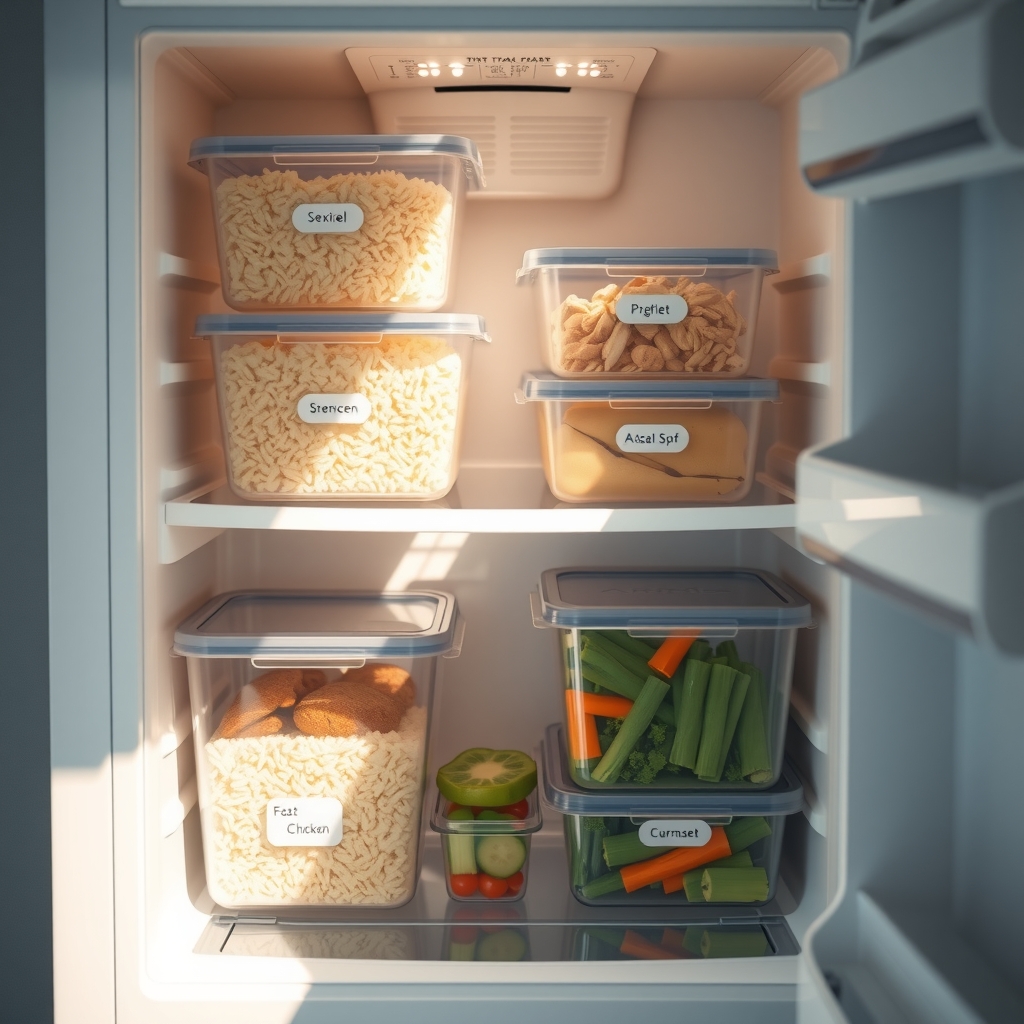
Spend Sunday afternoon preparing three core components that can mix‑and‑match all week:
- Protein batch: Roast a tray of chicken thighs (≈ $8) and cook a pot of lentils ($3).
- Grain base: Cook a large pot of quinoa or brown rice ($2).
- Veggie medley: Steam a mix of broccoli, carrots, and cauliflower; portion into freezer bags ($5).
Combine these in 30‑minute meals: stir‑fry, burrito bowls, or sheet‑pan dinners. The prep cost stays under $20 for the week, leaving plenty of budget room for fresh fruit or occasional treats.
How much should a family of four spend on groceries per week?
Dividing the average monthly spend ($923) by four gives a weekly benchmark of about $230. However, families who actively use coupons, bulk stores, and meal‑planning often hit the $200‑$210 range. If you’re on a tighter budget, aim for $180‑$190 per week and monitor weekly variance in your spreadsheet.
What is a realistic grocery budget for a family of four?
A realistic budget aligns with your income, dietary needs, and regional price index. For most U.S. families earning between $45k‑$60k annually, a weekly target of $200‑$220 works well—roughly 12 % of net household income.
Can meal planning help reduce a family of four's grocery bill?
Yes. A study from the University of Illinois found that families who planned meals a week in advance reduced their grocery bill by 13 % compared with those who shopped without a plan. Planning eliminates duplicate purchases and curbs impulse buys.
Which grocery stores are best for families of four to save money?
Store choice can shift your budget dramatically. Below is a quick comparison of the most common options based on average per‑pound prices for staple items (chicken, rice, produce).
For a tight budget, prioritize discount chains (Aldi, Walmart) and supplement with occasional trips to larger stores for specialty items. Many families combine trips: bulk staples at Costco (if you have a membership) and weekly fresh produce at a local farmer’s market.
Kids often influence the cart. Involve them in the budgeting game: give each child a $5 “shopping allowance” and let them choose one healthy item. This keeps them engaged and reduces unnoticed splurges.
What meal‑planning ideas keep a family of four within its grocery budget?
Meal‑planning doesn’t have to be boring. Below are five flexible templates that rotate every two weeks, ensuring variety while keeping costs low.
Template 1: “Protein‑Veggie‑Starch”
Every night, pick one protein (chicken, beans, eggs), one vegetable (frozen mixed veg, fresh broccoli, carrots), and one starch (rice, pasta, potatoes). Mix them with a simple sauce (tomato, soy, or olive oil & herbs). This template uses only three pantry staples per meal, minimizing waste.
Template 2: “One‑Pot Wonders”
Think chili, stew, and casseroles. One‑pot meals let you combine protein, beans, and veggies in a single pot, reducing energy costs and dishwashing. They also freeze well for future lunches.
Template 3: “Breakfast for Dinner”
Scrambled eggs, whole‑grain toast, and fruit make a quick dinner that costs under $5 per serving. Breakfast‑for‑dinner nights also use pantry items you already have on hand.
Template 4: “Meat‑less Monday”
Dedicate one day each week to plant‑based proteins like lentils, chickpeas, or tofu. These foods are typically 40‑60 % cheaper than meat per gram of protein.
Template 5: “Leftover Remix”
Plan a “leftover night” where you combine remnants from earlier meals: grilled chicken tossed with rice and veggies, or bean soup topped with shredded cheese. This reduces waste and keeps the grocery bill down.
By rotating these templates, families enjoy varied flavors while staying under the $200 weekly cap.

Myth vs. fact
Myth: Eating healthy always costs more.
Fact: Strategic shopping—buying seasonal produce, using bulk beans, and cooking at home—can make a nutritious diet cheaper than a diet heavy in processed snacks.
Myth: You need a separate budget for each family member.
Fact: A single, well‑tracked family budget works better; individual “envelopes” often lead to duplicated purchases.
Myth: Coupons are only for people who have extra time.
Fact: Digital coupons and store apps take seconds to apply at checkout, saving money without extra trips.
Key takeaways
- The average family of four spends $850‑$950 per month on groceries in 2024.
- Set a realistic target (≈ $200 per week) and track every purchase in a simple spreadsheet.
- Use bulk stores, discount chains, and digital coupons to shave 10‑15 % off the baseline.
- Plan meals around weekly sales and batch‑cook proteins, grains, and veggies.
- Reduce food waste by repurposing leftovers, freezing portions, and keeping a waste log.
- Adjust the budget for dietary restrictions by substituting cheaper alternatives (e.g., beans for meat).
Frequently asked questions
What is a realistic grocery budget for a family of four?
A realistic budget falls between $850 and $950 per month, or about $200‑$220 per week. Adjust up or down based on regional price differences and any special dietary needs.
How can I cut grocery costs for a family of four?
Start with a weekly envelope, shop at discount stores, use digital coupons, buy in bulk only what you’ll use, and batch‑cook meals. Keeping a waste log can also reveal hidden savings.
How much should a family of four spend on groceries each week?
Approximately $200‑$220 per week is a solid target. Families who employ meal planning and bulk buying often land closer to $180‑$190.
What are the best grocery stores for families on a budget?
Discount chains like Aldi and Walmart provide the lowest average prices for staples. Pair them with occasional trips to wholesale clubs or farmer’s markets for variety.
Can meal planning help reduce a family of four's grocery bill?
Yes. Structured meal planning can cut grocery costs by 10‑15 % by preventing duplicate purchases and limiting impulse buys.
Is it possible to eat healthy on a family of four grocery budget?
Absolutely. Focus on whole grains, legumes, seasonal produce, and lean proteins. Smart shopping and cooking at home keep costs low while delivering balanced nutrition.
When should I consider consulting a professional about my grocery budget?
If you notice consistent food insecurity, frequent reliance on fast food, or signs of nutritional deficiencies (e.g., fatigue, weight loss), reach out to a registered dietitian. They can help tailor a plan that meets both health and budget goals.
When to see a doctor or specialist
While grocery budgeting is largely a financial concern, extreme cuts can affect nutrition. Seek professional help if you notice any of the following:
- Unexplained weight loss or gain in any family member
- Persistent fatigue, dizziness, or weakness
- Children showing poor growth or frequent illnesses
- Signs of anemia (pale skin, shortness of breath) or vitamin deficiencies
A registered dietitian or pediatrician can assess dietary adequacy and recommend adjustments that keep both health and the budget on track. Remember, this article provides general guidance and is not a substitute for personalized medical advice.
References
- U.S. Department of Agriculture, “Food Plans: Cost of Food at Home,” 2023‑2024 update.
- Bureau of Labor Statistics, “Consumer Expenditure Survey – Food at Home,” 2024.
- Academy of Nutrition and Dietetics, “Tips for Grocery Shopping on a Budget,” 2023.
- Cornell Food and Brand Lab, “Impact of Coupon Use on Grocery Spending,” Journal of Consumer Research, 2022.
- University of Illinois, “Meal Planning and Household Food Expenditure,” Nutrition Policy Review, 2021.
- American Heart Association, “Healthy Eating on a Budget,” 2023.
- National Center for Health Statistics, “Food Insecurity and Health Outcomes,” 2022.



