e your baby arrives, the initial rush of joy can sometimes be quickly followed by profound loneliness if you’re navigating motherhood without your own mother's support. The early days and weeks with a newborn are intense, often isolating, and full of questions. Many women instinctively turn to their mothers for reassurance, practical help, or simply to share the overwhelming experience. When that connection is absent, the void can feel immense, contributing to feelings of isolation and even increasing the risk of postpartum depression.
Societal narratives often paint a picture of multi-generational family support for new mothers, from grandmothers doting on newborns to offering seasoned parenting advice. When your reality doesn't match this narrative, it can create a sense of 'otherness' and intensify feelings of being alone. You might find yourself observing other new mothers with their mothers or mothers-in-law, feeling a pang of longing for what you don't have.
Coping with the Absence of a Mother's Guidance and Support
Without a mother's direct guidance, you might second-guess your parenting instincts or feel a lack of historical context for your own upbringing. This can manifest as anxiety about making "the right" choices for your baby. To counter this, actively seek out reliable information from pediatricians, lactation consultants, and reputable parenting resources like the American Academy of Pediatrics (AAP) or the National Institutes of Health (NIH).
A crucial coping mechanism is to intentionally build your own "village." This involves identifying and nurturing relationships with people who can offer the support and wisdom you need. This could be an aunt, a mentor, an older friend, or even a professional doula or postpartum nurse. The goal isn't to replace your mother, but to create a network of care that meets your specific needs during this vulnerable time. Remember, your emotional well-being is paramount, and seeking help is a sign of strength, not failure.
 Finding your chosen family can provide the comfort and guidance often missing from maternal estrangement.
Navigating Grandparent Expectations When Estranged from Your Mother
The arrival of a baby often brings a flurry of excitement and expectations, not just for the new parents, but for the wider family. For mothers estranged from their own mothers, this can create a complex dilemma: how do you manage the societal and internal pressure for your estranged mother to become a grandmother, especially when the relationship is strained or non-existent? This situation can trigger guilt, anxiety, and a feeling of being caught between your child's potential connection and your own need for protection.
Many women feel a deep-seated pressure to "do the right thing" by their child, which can sometimes translate into feeling obligated to offer their estranged mother a grandparent role, even if the previous relationship was harmful. This can lead to internal conflict: "Am I depriving my child of a grandparent?" or "Will my child resent me for this later?" These are valid concerns, but it's important to prioritize your well-being and your child's safety above external expectations.
Prioritizing Your Child's Well-being and Your Own Peace
When considering your estranged mother's potential role as a grandparent, ask yourself: Is this relationship safe and healthy for my child? Will it bring more stress or peace into our family? If your mother's past behavior was toxic, unreliable, or emotionally damaging, introducing her into your child's life without clear boundaries or significant change on her part could inadvertently expose your child to similar patterns. The American Psychological Association (APA) emphasizes that consistent, secure attachment figures are crucial for a child's development.
It's okay to make decisions that protect your immediate family's peace and stability, even if it means disappointing others or going against conventional expectations. You are the gatekeeper for your child's emotional and physical safety. If you decide to allow limited contact, ensure you have strong boundaries in place (which we'll discuss next). If you choose no contact, you can explain to your child, in an age-appropriate way, that families come in many forms and that they are surrounded by people who love and care for them deeply, even if a biological grandparent isn't part of that circle.
Setting Boundaries with an Estranged Mother After Having a Baby
One of the most critical steps in protecting your peace and your new family's well-being when estranged from your mother is establishing clear, firm boundaries. The arrival of a baby can often prompt an estranged parent to try to re-engage, sometimes under the guise of wanting to be a grandparent. This can feel overwhelming and intrusive, especially when you're already navigating the demands of new motherhood. Setting boundaries isn't about being mean; it's about self-preservation and creating a safe space for your child.
Many women find that the desire to protect their child gives them a newfound strength to enforce boundaries they might have struggled with before. "Before I had my son, I'd always second-guess myself," one mother shared. "But seeing him, so innocent and vulnerable, made it clear I had to protect our peace, even if it meant difficult conversations with my mother." This shift in perspective can be a powerful motivator.
Practical Steps for Establishing and Maintaining Healthy Boundaries
Boundaries can take many forms, from limiting communication to establishing strict rules for visits, or even maintaining no contact. The key is to be clear, consistent, and to communicate your boundaries effectively, even if that communication is a simple, firm "no."
Here’s a table outlining different types of boundaries and examples:
When communicating boundaries, be direct and use "I" statements. For example, "I need to limit our calls to once a week for 15 minutes" is more effective than "You always call too much." Be prepared for resistance or attempts to test your boundaries. Consistency is vital. If a boundary is crossed, follow through with the stated consequence (e.g., ending a call, cutting a visit short). It takes practice, but protecting your energy and your family's peace is worth it.
Healing from Maternal Estrangement While Becoming a Mother Yourself
Becoming a mother often brings your own childhood experiences into sharp focus, including the complexities of your relationship with your mother. For those who are estranged, this can be a powerful, albeit challenging, opportunity for profound personal healing. It's a chance to process old wounds, understand their impact, and consciously choose a different path for your own family. This isn't about magically erasing the past, but about integrating it into your present and future in a healthy way.
The act of nurturing a new life can highlight what you lacked, but also what you want to provide. This awareness can be a catalyst for introspection and therapeutic work. Many women find that the desire to be a "good enough" mother for their child motivates them to address their own unresolved issues, rather than inadvertently passing them on.
The Role of Therapy and Professional Support
Therapy, particularly modalities like Cognitive Behavioral Therapy (CBT), Dialectical Behavior Therapy (DBT), or Eye Movement Desensitization and Reprocessing (EMDR) for trauma, can be incredibly beneficial. A therapist specializing in family systems or trauma can help you:
- Process the grief and loss associated with the estrangement.
- Identify patterns of behavior and coping mechanisms learned in your family of origin.
- Develop healthier ways of relating to yourself and others.
- Build self-compassion and validate your experiences.
- Strategize how to break cycles of intergenerational trauma.
Working with a therapist provides a safe, non-judgmental space to explore these sensitive issues. It's an investment in your mental health and, by extension, in the emotional well-being of your child.
Empowerment and Self-Compassion on Your Journey
Healing is not a linear process, and there will be good days and challenging ones. Practicing self-compassion is crucial. Recognize that you are doing the best you can with the circumstances you have. Give yourself grace when you feel overwhelmed, sad, or angry. Celebrate small victories in your parenting and your healing journey.
Empowerment comes from recognizing that you have the agency to create the family environment you desire, one rooted in love, respect, and emotional safety. You are breaking patterns, building a new legacy, and showing immense strength by navigating this path. Remember, your worth as a mother is not defined by your relationship with your own mother.
 Journaling can be a powerful tool for processing complex emotions and fostering self-compassion during your healing journey.
How to Build a Support System When Estranged from Your Own Mother
When you're estranged from your mother, the idea of building a robust support system can feel daunting, especially during the vulnerable period of motherhood. However, creating a "chosen family" or a network of reliable support is not just helpful—it's essential for your well-being and for thriving as a parent. This support system can provide the emotional comfort, practical help, and validation that might be missing due to maternal estrangement.
Many women find that this challenging situation forces them to be intentional about who they allow into their inner circle. "I learned to seek out people who truly uplifted me," one mother shared. "It wasn't about quantity, but quality. Friends who listened without judgment, and an aunt who stepped up with practical advice." This proactive approach is key to feeling less alone and more resourced.
While no one can truly replace your biological mother, you can find individuals who embody qualities of a supportive maternal figure. These relationships can offer guidance, empathy, and a sense of belonging. Consider who in your life already plays a supportive role:
- Trusted Friends: Friends who are also mothers can share experiences, offer advice, and provide companionship.
- Aunts or Older Relatives: An aunt, grandmother, or older cousin who has always been a positive presence can step into a more prominent supportive role.
- Mentors: An older colleague, former teacher, or community leader might offer wisdom and guidance that resonates with you.
- Therapists or Coaches: Professionals can provide objective support, coping strategies, and a safe space to process emotions.
- Community Groups: Look for parenting groups, religious communities, or local clubs where you can connect with like-minded women.
Strategies for Building Alternative Support Networks
Building a strong support system requires intentional effort. Here are some strategies:
- Be Open and Vulnerable (Selectively): Share your situation with a few trusted individuals. It allows them to understand your needs better and offer appropriate support.
- Join "Motherless Mothers" Support Groups: Online forums and local groups specifically for mothers estranged from their own mothers can provide immense validation and practical advice. Knowing you're not alone in your experience can be incredibly powerful. Organizations like Postpartum Support International (PSI) often have resources for specific emotional challenges.
- Delegate and Accept Help: When friends or family offer help, say yes! Whether it's bringing a meal, watching the baby for an hour, or running an errand, accepting support strengthens your network.
- Connect with Other New Moms: Even if they have their mothers' support, other new moms are going through similar experiences. Playdates, mom-and-baby classes, or online parenting communities can be great sources of solidarity.
- Prioritize Self-Care: A well-rested and emotionally stable you is better equipped to nurture your support system and your child. Don't neglect your own needs.
Remember, building a support system is an ongoing process. It takes time and effort, but the security and connection it provides are invaluable for navigating motherhood on your terms.
Breaking the Cycle of Intergenerational Trauma with an Estranged Mother
One of the most profound motivations for mothers estranged from their own is the fierce desire to "break the cycle." This refers to the conscious effort to avoid repeating harmful patterns of parenting, emotional neglect, or abuse that you experienced in your own childhood. It’s a powerful act of healing and self-determination, aimed at creating a healthier emotional legacy for your children.
When your mother's parenting was characterized by toxicity, inconsistency, or emotional unavailability, becoming a mother yourself can bring a heightened awareness of these dynamics. You might find yourself instinctively reacting in ways that feel familiar but are actually remnants of your past trauma. The work of breaking the cycle involves recognizing these triggers, understanding their origins, and actively choosing different responses.
Consciously Parenting Differently and Protecting Your Child
Breaking the cycle starts with self-awareness. Reflect on the aspects of your upbringing that were painful or damaging. What did you wish your mother had done differently? What kind of parent do you aspire to be? This isn't about perfection, but about intentionality.
Here are some key areas to focus on:
- Emotional Regulation: Learn healthy ways to manage your own emotions. If you grew up in an environment where emotions were suppressed or explosive, consciously practice identifying and expressing feelings in a constructive way. This models healthy emotional literacy for your child.
- Attachment Parenting (Secure Attachment): Focus on building a secure attachment with your child through consistent responsiveness, warmth, and validation of their feelings. This contrasts sharply with inconsistent or dismissive parenting styles often seen in dysfunctional families. The National Institute of Mental Health (NIMH) emphasizes the long-term benefits of secure attachment for child development.
- Effective Communication: Practice active listening and clear, respectful communication with your child. Avoid gaslighting, invalidating feelings, or using guilt as a tool for control—patterns often present in toxic maternal relationships.
- Setting Healthy Boundaries: Model healthy boundaries within your own family. Teach your child about personal space, consent, and the right to say "no."
- Self-Care: Prioritize your own mental and physical well-being. A well-resourced parent is better equipped to be present and patient with their child. If you're running on empty, old patterns can more easily resurface.
Breaking the cycle is a continuous process, not a one-time event. There will be moments when you catch yourself reacting in an old way, and that's okay. The key is to acknowledge it, repair any damage with your child (e.g., "Mommy got frustrated, and I shouldn't have yelled. I'm sorry."), and recommit to your chosen path. This journey is a testament to your resilience and your deep love for your child.
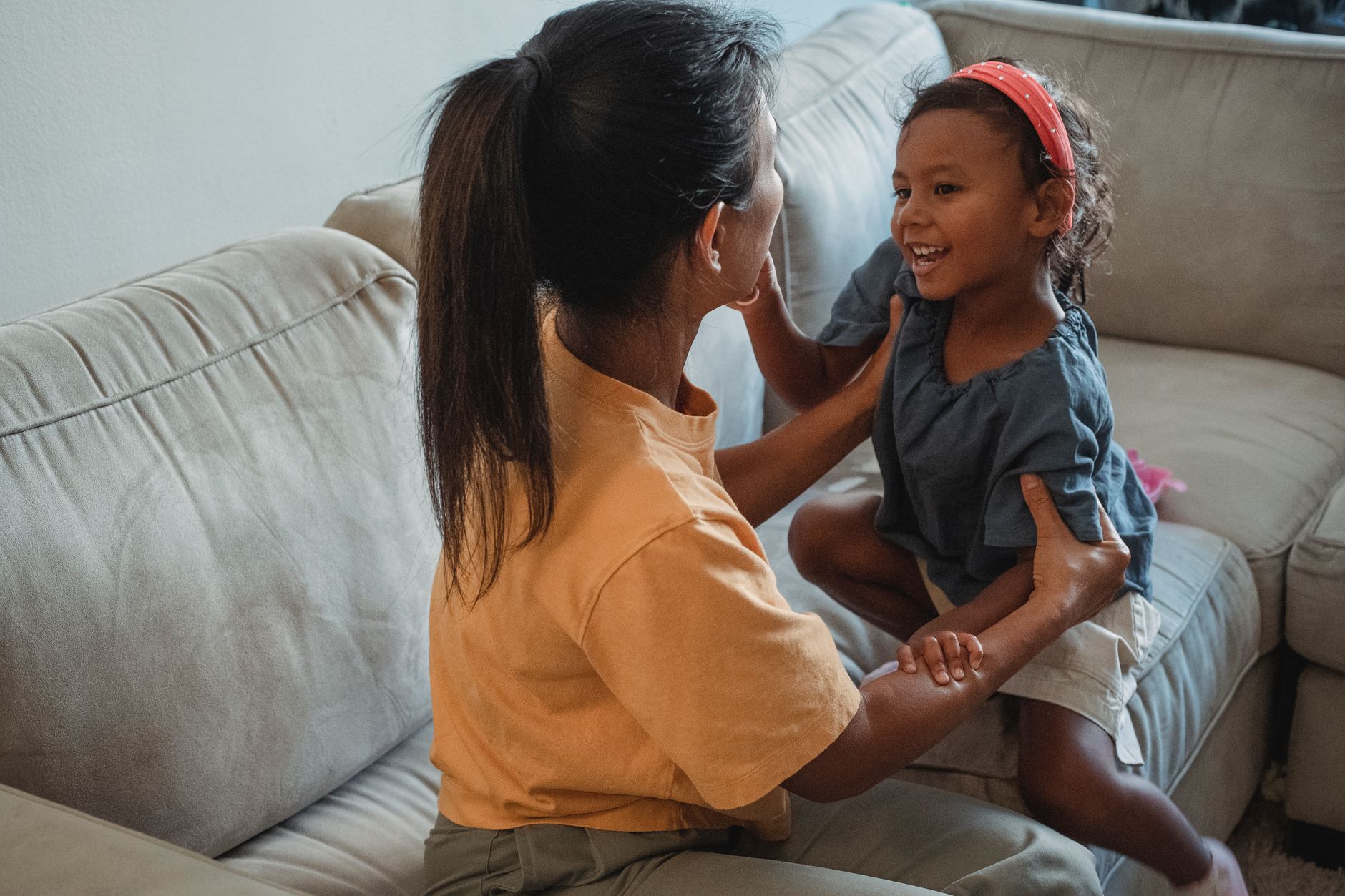 Consciously choosing to build a loving, secure bond with your child helps break intergenerational patterns.
Grief and Loss of a Mother-Daughter Relationship During Motherhood
Even if the estrangement from your mother brings a sense of peace or protection, it’s entirely normal and valid to experience a profound sense of grief and loss, especially during motherhood. This isn't necessarily grief for the mother you *have*, but for the mother you *needed* or the idealized relationship you wished for. This specific type of grief is often disenfranchised, meaning it's not always openly acknowledged or understood by society, which can make it feel even more isolating.
The transition into motherhood is a time when many women reflect on their own upbringing, and the absence of a supportive maternal figure can make the "what ifs" and "if onlys" particularly sharp. You might grieve the shared experiences you won't have, the advice you won't receive, or the simple comfort of a mother's presence.
Validating Feelings of Grief, Loneliness, and Guilt
It's crucial to allow yourself to feel and acknowledge these complex emotions without judgment. Here's what they might look like:
- Grief: This can manifest as sadness, crying spells, a heavy heart, or a persistent sense of loss for the mother-daughter bond you never had or that was broken. It’s a form of ambiguous loss, where the person is physically present but emotionally absent, or entirely absent.
- Loneliness: Despite having a partner, friends, or other family, you might still feel a unique loneliness specifically for the maternal connection.
- Guilt: You might feel guilty for the estrangement itself, for "depriving" your child of a grandparent, or for not being able to "fix" the relationship. This guilt is often compounded by societal pressure and the narrative of unconditional family love.
- Anger: Anger towards your mother for past hurts or for her inability to be the mother you needed is also a normal part of the grieving process.
These feelings can fluctuate, especially during milestones like your child's first birthday or Mother's Day, which can be particularly challenging. There's no right or wrong way to grieve, and it's not a linear process.
Coping Mechanisms for Societal Pressures and Expectations
Coping with the grief of maternal estrangement is compounded by societal expectations about family. You might hear comments like, "But she's your mother!" or "Family is everything," which can feel dismissive of your pain and the very real reasons for the estrangement. Here are some coping strategies:
- Find Your Own Rituals: Create new traditions with your chosen family or nuclear family that honor your values, rather than feeling obligated to participate in ones that highlight your loss.
- Limit Exposure to Triggers: If certain social media posts, movies, or conversations about perfect mother-daughter bonds are particularly painful, limit your exposure to them, especially during sensitive times.
- Practice Affirmations: Remind yourself: "My feelings are valid." "I am a good mother, regardless of my relationship with my own." "I am allowed to protect my peace."
- Seek Support: Engage with support groups or therapy specifically for estranged adult children or motherless mothers. Sharing your story with others who understand can alleviate loneliness and validate your experiences.
- Be Patient with Yourself: Grief takes time. Allow yourself space and time to mourn, and know that it's okay to experience joy and sorrow simultaneously.
This path requires immense courage, and acknowledging your grief is a powerful step towards healing and creating a life filled with authentic connections.
Myth vs. Fact
- Myth: You should always forgive your mother, especially when you become a mother yourself, for the sake of your child.
Fact: Forgiveness is a personal journey and is not always possible or healthy. Your primary responsibility is to protect your child's well-being and your own mental health. Maintaining estrangement can be an act of self-preservation and a way to break harmful cycles for your own family.
- Myth: Being estranged from your mother means you’ll be a bad mother yourself.
Fact: On the contrary, many mothers who experienced difficult upbringings are deeply motivated to be incredibly attentive, loving, and intentional parents. Your experience can make you more empathetic and determined to create a different, healthier environment for your child.
- Myth: You should keep the estrangement a secret from your children.
Fact: While you don't need to share every detail, it's generally healthier to address the topic in an age-appropriate way when your children ask. Simple, honest explanations (e.g., "Grandma and I have a complicated relationship, and we don't see each other right now, but you have many other people who love you.") are better than silence or lies, which can breed confusion or mistrust.
Key Takeaways
- Maternal estrangement in motherhood is a unique and challenging experience, often accompanied by complex feelings of grief, loneliness, and guilt.
- It's vital to validate your emotions and acknowledge the absence of your mother's support, especially during pregnancy and postpartum.
- Prioritize your and your child's well-being when navigating expectations about your estranged mother's role as a grandparent.
- Setting clear and consistent boundaries with an estranged mother is essential for protecting your peace and your family's emotional safety.
- Motherhood can be a powerful catalyst for healing from past trauma and consciously breaking intergenerational cycles.
- Proactively build a strong "chosen family" and support network to provide the emotional and practical help you need.
- Seek professional support, such as therapy, to process grief, develop coping strategies, and foster self-compassion.
Frequently Asked Questions
Is it normal to feel sad about estrangement during pregnancy?
Yes, absolutely. Pregnancy is a time of heightened emotions and introspection, often bringing thoughts about your own mother to the forefront. It's very common to feel a deep sense of sadness, longing, or grief for the maternal support and connection you wish you had, even if the estrangement itself was necessary for your well-being. These feelings are valid and a natural part of your journey.
How do I cope with not having my mom during childbirth?
Prepare a strong birth team of people you trust implicitly, such as your partner, a close friend, a doula, or another supportive family member. Communicate your needs and preferences clearly to them. Focus on creating a calm, safe environment for yourself. Afterward, allow yourself to acknowledge any feelings of loss or sadness, but also celebrate the strength you showed and the loving support you did receive.
What are the effects of maternal estrangement on adult children?
Maternal estrangement can have various effects, including grief, anxiety, depression, difficulty with trust, and a heightened sense of self-reliance. It can also lead to a strong desire to create healthier family dynamics for their own children. Many estranged adult children actively work to heal from past trauma and build resilient, supportive lives.
How do I explain maternal estrangement to my child?
Explain it in an age-appropriate, simple, and honest way. For young children, it might be, "Grandma and I don't see each other right now, but you have lots of other people who love you very much." For older children, you can share a bit more, focusing on your efforts to create a peaceful and loving family environment, without placing blame. Emphasize that the situation is about adult relationships and not their fault.
Can you heal from estrangement from your mother?
Yes, healing is absolutely possible, although it often looks different than reconciliation. Healing means processing your grief, understanding the impact of the estrangement, setting healthy boundaries, and finding peace and self-compassion. It involves creating a life that feels authentic and supportive for you and your family, even if the relationship with your mother remains estranged.
What is a good support system for a new mom without her mother?
A good support system for a new mom without her mother is a "chosen family" network. This can include your partner, close friends, aunts, mentors, other new moms, and even professional support like a therapist, doula, or postpartum care provider. Look for individuals who offer non-judgmental listening, practical help, and emotional validation. Online and local "motherless mothers" support groups can also be invaluable.
When to See a Doctor or Specialist
Navigating maternal estrangement during motherhood is a significant emotional challenge, and it's essential to prioritize your mental health. While many feelings are normal, certain signs indicate it's time to seek professional support. If you experience any of the following, please reach out to a healthcare provider, such as your OB/GYN, primary care doctor, or a mental health specialist (therapist, psychologist, psychiatrist):
- Persistent feelings of sadness, hopelessness, or emptiness that last for more than two weeks.
- Loss of interest or pleasure in activities you once enjoyed.
- Significant changes in appetite or sleep patterns (insomnia or sleeping too much).
- Overwhelming anxiety, panic attacks, or constant worry.
- Difficulty bonding with your baby or feelings of resentment towards your child.
- Intrusive thoughts or flashbacks related to your past experiences or the estrangement.
- Thoughts of harming yourself or your baby.
- Inability to cope with daily tasks or responsibilities.
A therapist specializing in family dynamics, trauma, or postpartum mental health can provide tailored support and coping strategies. You don't have to navigate these complex emotions alone. Reaching out for help is a sign of strength and a vital step in caring for yourself and your family.
Disclaimer: This article is for informational purposes only and does not constitute medical advice. Always consult with a qualified healthcare professional for any health concerns or before making any decisions related to your health or treatment.
References
- American Psychological Association (APA). (n.d.). Psychology Topics.
- National Institute of Mental Health (NIMH). (n.d.). Attachment.
- Postpartum Support International (PSI). (n.d.). Support for Moms.
- Mayo Clinic. (n.d.). Parental estrangement: What to do when an adult child cuts ties.
- American Academy of Pediatrics (AAP). (n.d.). Healthy Children.org.



