Quick take: You can trim a baby registry by focusing on high‑impact items, hunting online discounts, using cash‑back apps, and swapping pricey gear for safe, gently‑used alternatives. Start with a minimalist list, grab coupons, and don’t be shy about negotiating – you’ll keep more money for those late‑night diaper runs.
“I was scrolling through a baby‑registry checklist at 2 a.m., heart racing, wondering how I’d ever afford everything.” That was Maya’s moment last winter, and it’s a scene many first‑time parents know all too well. The good news? A well‑planned registry doesn’t have to drain your savings. In this guide we’ll walk through proven, budget‑friendly baby registry hacks to save money, from savvy online hunting to leveraging cash‑back apps, and even how to feel confident about secondhand finds.
We’ll cover everything a modern mom (or partner) needs: understanding where registries work, pinpointing the items where discounts matter most, using coupons and promo codes, building a minimalist list, negotiating with retailers, and tapping group‑buy benefits. By the end you’ll have a clear, actionable plan that protects your wallet without compromising safety or style.
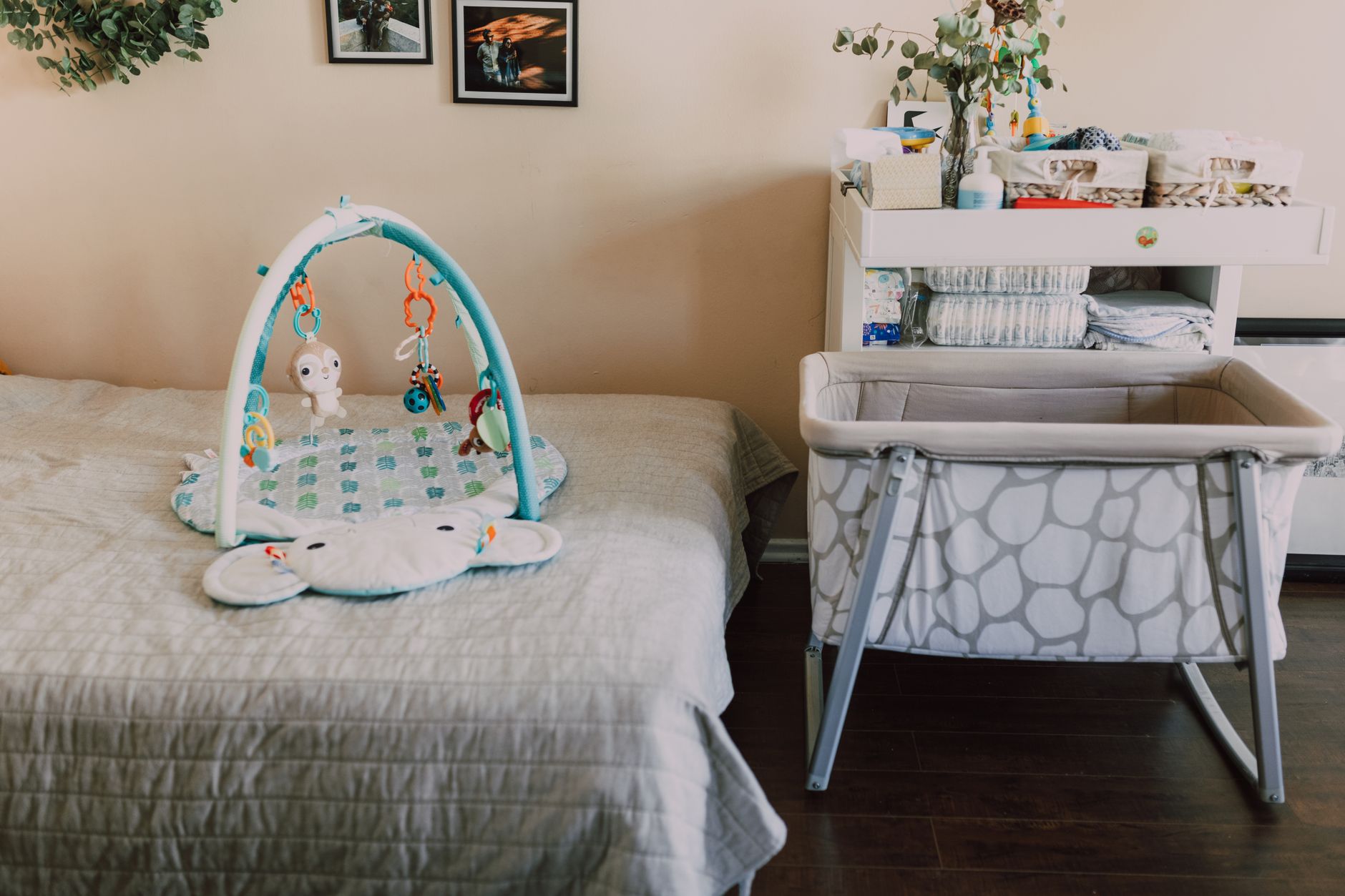
Budget-friendly baby registry hacks for first-time moms
First‑time moms often feel pressure to “have it all”—the newest stroller, a high‑tech monitor, and a mountain of accessories. The reality is that many of these items are optional, and you can still create a functional, safe environment without breaking the bank.
- Prioritize essentials. A safe sleep space (crib or bassinet), a car seat, and basic feeding supplies are non‑negotiable.
- Delay non‑essentials. Items like decorative nursery kits, high‑end swings, or specialty bottles can be added later or borrowed.
- Use a “core + nice‑to‑have” framework. List the core items first, then add optional upgrades only if the budget allows.
One common approach is to start with a cheap baby registry checklist for newborns that focuses on multipurpose gear. For example, a convertible crib that later becomes a toddler bed saves you from buying a separate piece later on. Similarly, a high‑chair that folds flat can double as a booster seat.
When you break the list into categories—sleep, travel, feeding, hygiene—you’ll see where discounts can have the biggest impact. For instance, a car seat often costs $200 + ; a 10 % coupon saves $20, which is a bigger absolute saving than a $5 discount on a pacifier.
Remember, the goal isn’t to skimp on safety. The National Highway Traffic Safety Administration (NHTSA) recommends that any used car seat be inspected by a certified technician. If you’re considering a secondhand seat, have it checked before use.
How to find discount baby registry items online
Online shopping opens a world of deals, but it can also be overwhelming. Here’s a step‑by‑step method to locate discount baby registry items without endless scrolling:
- Start with price‑comparison engines. Websites like Google Shopping or PriceGrabber aggregate prices across retailers, showing you the lowest available.
- Check retailer “clearance” sections. Stores such as Target, Walmart, and Buy Buy Baby often have a “clearance” or “overstock” category where you can snag items at 30‑50 % off.
- Subscribe to newsletters. Many brands send a welcome discount (usually 10‑15 %) to new email subscribers, which you can apply to registry items.
- Use browser extensions. Extensions like Honey or Rakuten automatically apply coupon codes at checkout, alerting you to any hidden savings.
- Search for “baby registry discount code” + brand. Adding the brand name (e.g., “Graco baby registry discount code”) often surfaces specific promos that aren’t listed on the main site.
Don’t forget to set price alerts on sites like CamelCamelCamel for Amazon items; you’ll receive an email when a product drops below your target price.
Best cash‑back apps for baby registry purchases
Cash‑back apps turn everyday purchases into mini‑rebates, effectively lowering the cost of your registry items. Below is a quick comparison of the most popular options for baby‑related spending.
To maximize returns, pair a cash‑back app with a retailer’s own coupon. For example, using Rakuten for a 5 % rebate on a stroller that already has a 15 % site‑wide discount yields a combined 20 % savings.
Make sure to link the app to the same credit card you’ll use for registry purchases; otherwise, the rebate may not be credited.
Coupons and promo codes are the classic tool for shaving dollars off your list, but they work best when used strategically.
Stack coupons with sales
Many retailers allow you to combine a coupon with a sale price. For instance, a 20 % off “new parent” coupon applied to a 30 % clearance item can bring the total discount close to 44 % (not a simple 50 % because percentages compound).
Timing matters
Seasonal sales—Black Friday, Cyber Monday, and post‑holiday clearances—often have the deepest discounts. Set calendar reminders for these dates and pre‑load your registry items into a wish list so you can add them quickly when the sale goes live.
Use “free shipping” codes
Shipping costs can add up, especially for bulky items like cribs or strollers. Look for free‑shipping promo codes or use a cash‑back app that offers free shipping as part of its rebate.
Leverage store loyalty programs
Programs such as Target Circle or Walmart+ provide members‑only coupons and early access to sales. Even if you don’t shop there regularly, signing up for the loyalty program can unlock extra savings for registry items.
Don’t forget the “gift with purchase” offers
Some brands include a complimentary item—a baby blanket or a set of bottles—when you buy a certain product. These freebies can replace other items on your list, lowering overall cost.
How to create a minimalist baby registry that saves money
A minimalist registry focuses on versatility, durability, and long‑term value. Here’s a step‑by‑step blueprint you can follow:
- Define the 12‑month horizon. Ask yourself which items you’ll actually use for the first year. If you’ll outgrow a product in six months, consider borrowing or buying a less expensive version.
- Choose multipurpose gear. A convertible crib that grows into a toddler bed, a high‑chair that folds into a booster, and a diaper bag that doubles as a weekend tote reduce the total number of items.
- Set a price ceiling. For each category, decide on a maximum spend (e.g., “sleep gear ≤ $250”). This forces you to compare options and avoid premium‑priced models.
- Include “skip” options. List items you can live without, such as a “luxury” swaddle set or a high‑tech monitor, and note why you’re skipping them.
- Review and trim. After the initial draft, remove any item that isn’t essential or that you can find a comparable, cheaper alternative for.
Minimalist doesn’t mean “cheap.” It means “smart.” For example, a mid‑range stroller with a decent warranty can be more cost‑effective than a low‑price model that breaks after a few months, requiring a replacement.
Alternatives to expensive baby gear on a registry
When you see a pricey product, ask: “Is there a safe, less‑expensive alternative?” Below are common high‑cost items and budget‑friendly substitutes.
- Stroller – Instead of a $800 full‑suspension stroller, consider a $300 “travel system” that includes a compatible infant car seat. Both meet safety standards, and the travel system often comes with a carry‑cot.
- Breast pump – Hospital‑grade pumps can cost $300‑$400. Many lactation consultants recommend a double electric pump in the $150‑$200 range, which performs just as well for most mothers.
- Nursery monitor – Video monitors with Wi‑Fi connectivity can be pricey. A basic audio monitor plus a smartphone app for remote listening often costs under $50.
- Swaddle blankets – Instead of a $100 designer set, opt for organic cotton swaddles sold in bulk packs for $30‑$40.
- Diaper pail – A premium odor‑control pail can be replaced with a simple, DIY solution: a regular trash can with a fitted charcoal filter.
Secondhand options are also viable when safety is verified. For items like cribs, high chairs, and bassinets, check the latest safety recalls on the U.S. Consumer Product Safety Commission (CPSC) website before purchasing.
Tips for negotiating registry discounts with retailers
Retailers love the promise of a new‑parent customer base and often have wiggle room for discounts—especially if you ask politely.
Ask for a “registry discount”
Even if a store doesn’t advertise a specific discount, many have a default 5‑10 % reduction for registry purchases. Call the store’s baby department or ask in‑person by saying, “I’m setting up a registry—are there any discounts I could apply?”
Leverage bulk purchases
If you’re buying multiple items from the same retailer (e.g., diaper wipes, bottles, and a stroller), ask whether they’ll offer a “bundle discount” or free shipping.
Mention price‑matching policies
Large chains such as Target and Walmart often price‑match competitors. Bring a printed screenshot of a lower price, and request the match before checking out.
Use your loyalty status
Many stores give extra perks to loyalty members. Even a free “gift with purchase” can offset the cost of an expensive item.
Don’t be afraid to walk away
Sometimes a retailer will call you back with a better offer after you say you’re considering other options. Keep a list of alternative stores and be ready to compare.
Cheap baby registry checklist for newborns (and twins on a budget)
Below is a streamlined checklist that works for singletons and can be easily doubled for twins without doubling the cost.
For twins, double the quantities in the “essential” column (e.g., two car seats, two cribs) but keep the optional add‑ons at one per family. Many stores offer “twin bundles” at a reduced per‑unit price, so look for those deals.
How to get free baby registry samples
Brands often send complimentary samples to new parents who sign up for their newsletters or join a registry. Here’s how to maximize that:
- Register at major retailers (Amazon, Target, Buy Buy Baby) and opt‑in for sample offers.
- Join baby‑care email lists from diaper and formula companies—many provide a free pack of wipes or a trial‑size formula.
- Follow brands on social media; they sometimes run “free sample” contests for new registrants.
Some retailers let you set up recurring deliveries directly from your registry. By subscribing, you can lock in lower per‑unit prices and avoid last‑minute price spikes. Look for “Subscribe & Save” options on Amazon, or “Auto‑Ship” programs at Walmart and Target. Compare the subscription price with the regular price; a 10 % discount on a pack of diapers can add up to $30 saved per month.
Using secondhand baby items without compromising safety
Secondhand gear can be a goldmine for savings, but safety is non‑negotiable. Follow these steps:
- Check the item’s serial number against the manufacturer’s recall database.
- Inspect for missing parts, cracks, or excessive wear.
- Verify that any car seats or cribs meet current safety standards (look for the JPMA or ASTM label).
- Clean thoroughly with baby‑safe cleaners before use.
Certified pre‑owned baby stores often handle these checks for you, charging a modest fee that’s still cheaper than buying new.
Registry gift ideas that are affordable and useful
Friends and family want to give something meaningful without overspending. Suggest the following budget‑friendly gifts:
- Pack of organic cotton burp cloths (usually $10‑$15).
- Reusable silicone snack bags—great for weaning and later for toddler snacks.
- Gift cards to a store with a “baby registry discount” (they can apply the discount themselves).
- Hand‑made milestone cards or a personalized photo album.
Providing a list of specific price ranges helps guests feel confident they’re staying within budget while still giving a cherished item.
Myth vs. fact
Myth: You must buy every item on a baby registry to be fully prepared.
Fact: Most newborns use only a fraction of the typical registry list; many items are optional or can be borrowed.
Myth: Secondhand baby gear is unsafe.
Fact: When verified against safety recalls and inspected for wear, gently used items meet the same standards as new ones.
Myth: Cash‑back apps only work for grocery purchases.
Fact: Apps like Rakuten and Ibotta also reward baby‑specific purchases, including strollers, diaper subscriptions, and nursing supplies.
Key takeaways
- Start with a core list of essential items and set a price ceiling for each category.
- Use price‑comparison tools, retailer newsletters, and coupon extensions to locate the best deals.
- Leverage cash‑back apps (Rakuten, Ibotta) for extra rebates on both online and in‑store purchases.
- Consider safe, secondhand alternatives for high‑cost gear—always verify against safety recalls.
- Negotiate with retailers; ask for registry discounts, bundle offers, and price‑matching.
- Take advantage of free samples and subscription savings for diapers and formula.
Frequently asked questions
What are the best ways to save money on a baby registry?
Focus on essentials, hunt for online discounts, use cash‑back apps, and consider safe secondhand items. Combine coupons with sales, negotiate with retailers, and set a clear budget per category.
Can you get cash back on baby registry purchases?
Yes. Apps like Rakuten, Ibotta, and Honey offer cash‑back ranging from 2 % to 12 % on eligible baby products, especially when paired with retailer coupons.
Are there any hidden costs when using a baby registry?
Potential hidden costs include shipping fees on large items, taxes, and possible return fees if an item doesn’t fit your needs. Always check the total price before confirming.
How do I know if a baby registry item is worth the price?
Compare features, read consumer reviews, and check for safety certifications (JPMA, ASTM). If a less‑expensive alternative offers the same safety and functionality, it’s usually the smarter choice.
Is it okay to skip expensive items on a baby registry?
Absolutely. Many high‑priced items are optional. Prioritize safety‑critical gear—car seat, crib, and stroller—and consider borrowing or buying budget‑friendly versions for the rest.
Where can I find discount codes for baby registry items?
Search for “ baby registry discount code” in a search engine, sign up for retailer newsletters, and use browser extensions like Honey or Rakuten that automatically apply available codes.
Can I use a baby registry to get free samples?
Yes. Registering with major retailers often unlocks free samples, and many brands send complimentary products to new parents who join their email lists.
When to see a doctor or specialist
While a baby registry is a financial and logistical task, certain safety concerns warrant professional input:
- If you’re unsure about the safety of a used car seat, bring it to a certified technician or your local NHTSA inspection station.
- Any recall notice on a piece of gear you own—contact the manufacturer immediately and follow the recall instructions.
- If you experience persistent anxiety or stress over budgeting for your baby, consider speaking with a therapist or a financial counselor.
This article provides general information and is not a substitute for personalized medical or legal advice. Always consult your healthcare provider or a qualified professional for specific concerns.
References
- National Highway Traffic Safety Administration (NHTSA). “Child Passenger Safety.”
- Consumer Product Safety Commission (CPSC). “Recall Database.”
- American Academy of Pediatrics (AAP). “Safe Sleep Guidelines.”
- Rakuten. “Cash‑Back Rates for Baby Products.”
- Ibotta. “Cash‑Back Offers for Diapers and Formula.”
- Harvard T.H. Chan School of Public Health. “Guide to Smart Shopping for New Parents.”
- Target Corporate. “Target Circle Rewards and Discounts.”
- Buy Buy Baby. “Registry Benefits Overview.”
- Johnson & Johnson. “Secondhand Baby Gear Safety Checklist.”
- National Institute of Child Health and Human Development (NICHD). “Infant Feeding Essentials.”



