Quick take: Swapping to clean beauty isn’t about perfection—it’s about reducing exposure to ingredients that may affect your hormones, skin, or baby while breastfeeding. You don’t need to toss everything overnight. Start with the “dirty dozen” ingredients (phthalates, parabens, synthetic fragrance), swap one product at a time, and lean on affordable dupes for your drugstore favorites. Dermatologists say clean beauty can be gentler on postpartum skin, but not all “natural” labels are safe—learn to read labels like a pro. This guide gives you a step-by-step roadmap, budget swaps, and expert-approved picks for every skin type.
You’re standing in the bathroom at 2 a.m., baby finally asleep in the bassinet, staring at the half-empty tube of moisturizer you’ve used for years. A Google rabbit hole last night left you wondering: Is this even safe while I’m breastfeeding? The ingredient list looks like a chemistry exam—words you can’t pronounce, warnings you’ve never noticed. You’re exhausted, overwhelmed, and now questioning every product that touches your skin.
Here’s the truth: you don’t need to overhaul your entire routine tomorrow. Clean beauty for moms is about small, intentional swaps—not guilt or all-or-nothing perfection. This guide is your realistic roadmap: what to prioritize, what to avoid, and how to find affordable, effective products that actually work for tired, sensitive, postpartum skin. We’ll cover the toxic ingredients to watch for, dermatologist-backed swaps, and how to read labels like a pro—so you can feel confident, not confused, every time you reach for your moisturizer.
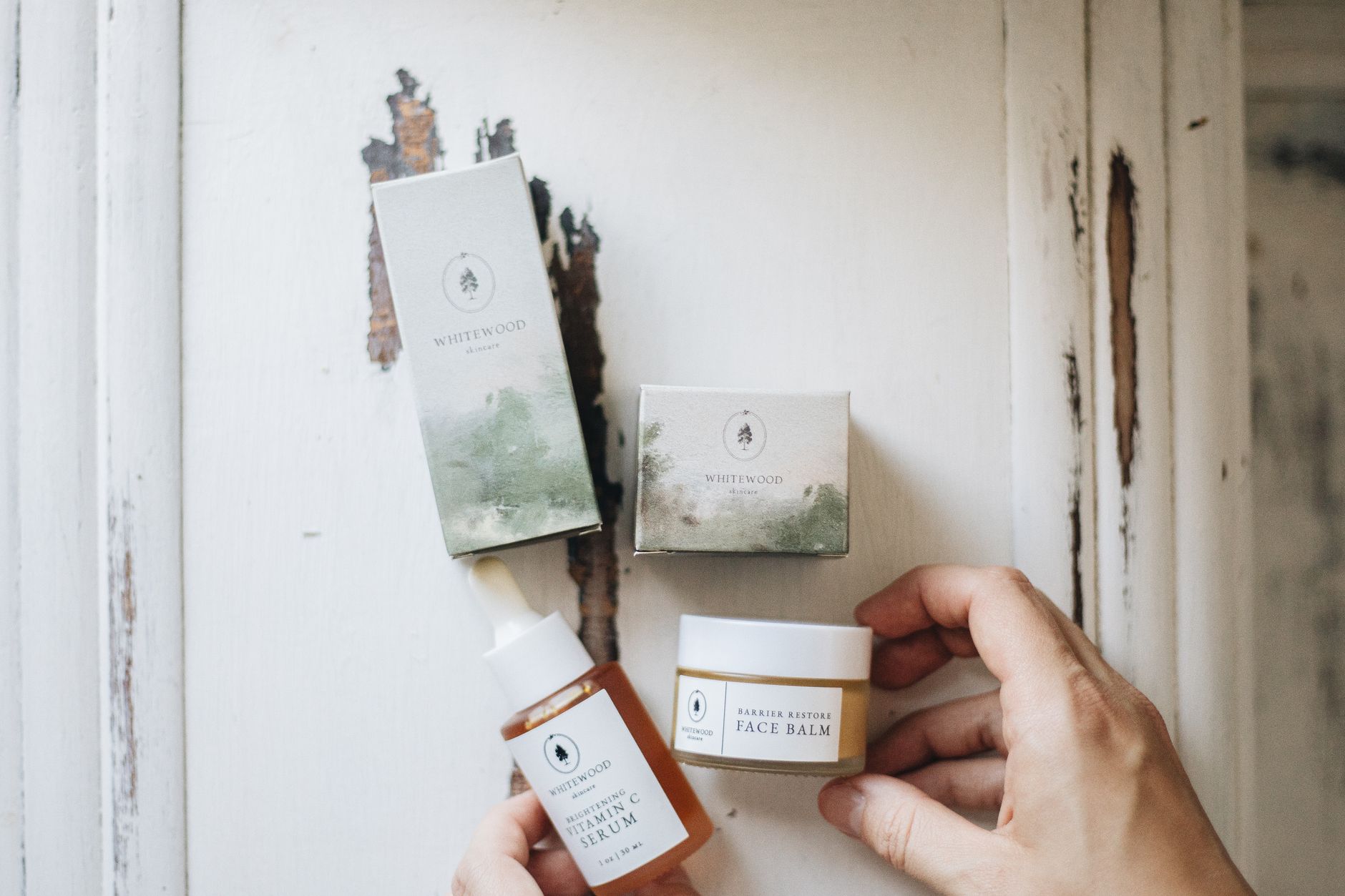
Why Clean Beauty Matters for Moms and Babies
Your skin is your body’s largest organ—and during pregnancy and breastfeeding, what you put on it doesn’t just affect you. Some ingredients in conventional beauty products can be absorbed into your bloodstream and, in some cases, pass to your baby through breast milk. While the research is still evolving, studies from the Environmental Working Group (EWG) and the National Institute of Environmental Health Sciences (NIEHS) suggest that certain chemicals—like phthalates and parabens—may disrupt hormones, which are already in flux during the postpartum period.
One reader, Sarah, shared her wake-up call: “I developed a weird rash on my neck a few weeks postpartum. My dermatologist asked about my skincare routine and pointed out that my favorite body lotion contained synthetic fragrance and parabens—both known irritants for sensitive skin. After switching to fragrance-free, clean alternatives, the rash cleared up within a week.”
But clean beauty isn’t just about avoiding risks. Postpartum skin is often more sensitive, prone to dryness, breakouts, or dark circles. Many clean beauty products are formulated with soothing, hydrating ingredients like aloe vera, chamomile, and hyaluronic acid—gentler alternatives that can help your skin recover without irritation. That said, not all “natural” or “clean” products are created equal. Some may still contain allergens or irritants, so it’s important to know what to look for (and what to avoid).
If you’re also juggling meal prep, check out our 30-minute dinners for busy moms to save time in the kitchen while prioritizing your wellness.
Top 5 Toxic Ingredients to Avoid in Beauty Products During Pregnancy
Not all ingredients are created equal—and some are best avoided during pregnancy and breastfeeding. Here are the top five to watch for, along with why they’re problematic and where they’re commonly found:
Other ingredients to be cautious of include:
- Triclosan: An antibacterial agent that may disrupt thyroid function. Found in some antibacterial soaps and toothpastes.
- Oxybenzone: A chemical sunscreen ingredient linked to hormone disruption. Opt for mineral sunscreens with zinc oxide or titanium dioxide instead.
- Lead and Heavy Metals: Found in some lipsticks, eyeliners, and hair dyes. Choose brands that test for heavy metals.
- Sodium Lauryl Sulfate (SLS) and Sodium Laureth Sulfate (SLES): Harsh detergents that can strip the skin and cause irritation. Common in shampoos and body washes.
If you’re curious about timing your pregnancy for optimal health, our guide on the best time of year to have a baby offers insights on seasonal factors to consider.
How to Read Beauty Product Labels Like a Pro: Clean Beauty Cheat Sheet for Moms
Reading beauty labels can feel like deciphering a foreign language. Here’s your cheat sheet to cut through the jargon and spot the red flags (and green flags) in seconds:
1. Start with the Ingredient List
Ingredients are listed in order of concentration, from highest to lowest. If you see a toxic ingredient (like parabens or synthetic fragrance) in the first five ingredients, it’s a red flag. If it’s at the end of the list, it’s likely present in smaller amounts—but still worth avoiding if possible.
2. Look for Certifications
Third-party certifications can help you quickly identify safer products. Here’s what they mean:
- EWG Verified: Meets the Environmental Working Group’s strict criteria for ingredient safety and transparency.
- USDA Organic: Contains at least 95% organic ingredients (look for the green-and-white seal).
- MADE SAFE: Certified non-toxic by the MADE SAFE organization, which screens for harmful chemicals.
- Leaping Bunny: Cruelty-free and not tested on animals.
- NSF/ANSI 305: A standard for “contains organic ingredients” (less strict than USDA Organic but still helpful).
3. Watch for “Greenwashing” Buzzwords
Not all “natural,” “clean,” or “green” labels are trustworthy. Here’s what to question:
- “Natural”: This term is unregulated. A product can be labeled “natural” even if it contains synthetic ingredients.
- “Hypoallergenic”: No standard definition. Always patch-test new products, especially if you have sensitive skin.
- “Dermatologist-Tested”: Doesn’t necessarily mean it’s safe—just that a dermatologist was involved in testing (which could mean anything).
- “Fragrance-Free” vs. “Unscented”: “Fragrance-free” means no added fragrance. “Unscented” can still contain masking fragrances to neutralize odors.
4. Check for Allergens
Even “natural” ingredients can cause reactions. Common allergens include:
- Essential oils (e.g., lavender, citrus, peppermint)
- Lanolin (a common moisturizer derived from sheep’s wool)
- Coconut oil (can clog pores for some people)
- Beeswax (may cause reactions in those with pollen allergies)
If you have sensitive skin, look for products labeled “allergy-tested” or “for sensitive skin.”
5. Use Apps and Databases for Quick Checks
These tools can help you scan products on the go:
- EWG’s Healthy Living App: Scan barcodes to see ingredient safety ratings.
- Think Dirty App: Rates products on a scale of 1–10 based on ingredient safety.
- Skin Deep Database (by EWG): Search for products to see their hazard score.
6. Know the “Dirty Dozen” of Clean Beauty
Memorize these 12 ingredients to avoid (or at least minimize) in your products:
- Parabens
- Phthalates
- Synthetic fragrance/parfum
- Formaldehyde and formaldehyde-releasing preservatives
- Retinoids
- Triclosan
- Oxybenzone
- Lead and heavy metals
- Sodium lauryl sulfate (SLS) and sodium laureth sulfate (SLES)
- Coal tar (found in some dandruff shampoos and hair dyes)
- Hydroquinone (a skin-lightening agent)
- Toluene (found in some nail polishes)
What Are the Best Clean Beauty Swaps for New Moms on a Budget?
Clean beauty doesn’t have to break the bank. Here are the best affordable swaps for your daily routine, from skincare to makeup to haircare. We’ve included drugstore dupes for your favorite products, so you don’t have to sacrifice performance for safety.
Skincare Swaps
Makeup Swaps
Haircare Swaps
Bodycare Swaps
For moms dealing with postpartum physical recovery, gentle movement can help. Our balance ball pregnancy exercises guide offers safe, effective workouts to ease back into fitness.
Clean Beauty Dupes for Drugstore Favorites: Affordable Alternatives for Moms
You don’t have to give up your favorite products—just upgrade them. Here are clean, affordable dupes for some of the most popular drugstore beauty items, so you can keep your routine familiar (and your wallet happy).
Dupes for Skincare Staples
- Instead of: Neutrogena Makeup Remover Cleansing Wipes
Try: Pacifica Beauty Vegan Water Wipes ($6)
Why: These wipes are fragrance-free, biodegradable, and formulated with aloe vera to gently remove makeup without irritation. They’re also vegan and cruelty-free.
- Instead of: Olay Regenerist Retinol 24 Night Moisturizer
Try: Biossance Squalane + Phyto-Retinol Serum ($28, but a little goes a long way)
Why: This serum uses bakuchiol, a plant-based alternative to retinol that’s safe for pregnancy and breastfeeding. It delivers similar anti-aging benefits without the risks.
- Instead of: Cetaphil Gentle Skin Cleanser
Try: Vanicream Gentle Facial Cleanser ($10)
Why: Fragrance-free, non-comedogenic, and formulated for sensitive skin. It’s just as gentle as Cetaphil but without the synthetic ingredients.
Dupes for Makeup Must-Haves
- Instead of: Maybelline Lash Sensational Mascara
Try: e.l.f. Big Mood Mascara ($7)
Why: Vegan, cruelty-free, and free of parabens, phthalates, and synthetic fragrance. It delivers volume and length without clumping.
- Instead of: L’Oréal True Match Foundation
Try: CoverGirl Clean Fresh Skin Milk Foundation ($12)
Why: Vegan, cruelty-free, and formulated without parabens, phthalates, or synthetic fragrance. Lightweight and buildable coverage.
- Instead of: NYX Micro Brow Pencil
Try: Pacifica Beauty Aquarian Brow Pencil ($14)
Why: Vegan, cruelty-free, and made with nourishing ingredients like coconut oil. Free of synthetic fragrance and parabens.
Dupes for Haircare Heroes
- Instead of: Pantene Pro-V Daily Moisture Renewal Shampoo
Try: Acure Ultra-Hydrating Shampoo ($10)
Why: Vegan, cruelty-free, and free of sulfates, parabens, and synthetic fragrance. Contains argan oil to hydrate and repair damaged hair.
- Instead of: Garnier Fructis Sleek & Shine Conditioner
Try: SheaMoisture Manuka Honey & Yogurt Hydrate + Repair Conditioner ($12)
Why: Formulated with natural ingredients like manuka honey and shea butter to hydrate and detangle. Free of sulfates, parabens, and phthalates.
- Instead of: Not Your Mother’s Beach Babe Texturizing Sea Salt Spray
Try: Rahua Sea Salt Spray ($32, but lasts for months)
Why: Organic, vegan, and free of synthetic fragrance. Adds texture and volume without drying out your hair.
Dupes for Bodycare Basics
- Instead of: Dove Sensitive Skin Beauty Bar
Try: Dr. Bronner’s Pure-Castile Bar Soap (Unscented Baby) ($5)
Why: Made with organic, fair-trade ingredients and free of synthetic preservatives. Gentle enough for face and body.
- Instead of: Secret Clinical Strength Deodorant
Try: Native Deodorant (Fragrance-Free) ($12)
Why: Aluminum-free, baking soda-free (for sensitive skin), and formulated with coconut oil and shea butter. Cruelty-free and vegan.
- Instead of: Nivea Essentially Enriched Body Lotion
Try: ATTITUDE Super Leaves Body Lotion (Fragrance-Free) ($12)
Why: EWG Verified, fragrance-free, and formulated with oatmeal to soothe dry, sensitive skin. Non-greasy and absorbs quickly.
How to Transition to Clean Beauty Products While Breastfeeding Safely
Transitioning to clean beauty while breastfeeding doesn’t have to be stressful. Here’s a step-by-step guide to swapping out your products safely, without overwhelming yourself (or your baby).
Step 1: Prioritize Your Swaps
Start with the products that stay on your skin the longest or cover the largest surface area. These have the highest potential for absorption. Prioritize in this order:
- Body lotion and oils (applied daily to large areas of skin)
- Face moisturizer and serums (used daily, often on sensitive facial skin)
- Deodorant (applied near lymph nodes and worn all day)
- Sunscreen (applied to exposed skin and reapplied often)
- Shampoo and conditioner (used frequently and can be absorbed through the scalp)
- Makeup (worn daily but covers smaller areas)
- Nail polish and remover (used less frequently but can contain harsh chemicals)
Step 2: Patch-Test New Products
Postpartum skin is often more sensitive, so it’s important to patch-test new products before using them. Here’s how:
- Apply a small amount of the product to the inside of your wrist or elbow.
- Wait 24 hours to see if you develop any redness, itching, or irritation.
- If no reaction occurs, apply a small amount to your face or body and wait another 24 hours.
- If you still don’t react, it’s likely safe to use.
If you’re dealing with clogged milk ducts, gentle skincare can help prevent irritation. For fast relief, check out our blocked milk duct treatment guide.
Step 3: Introduce One Product at a Time
Swapping everything at once can be overwhelming—and if you have a reaction, you won’t know which product caused it. Instead, introduce one new product every 1–2 weeks. This gives your skin time to adjust and makes the transition more manageable.
Step 4: Focus on Fragrance-Free
Synthetic fragrance is one of the most common irritants in beauty products. It can also contain phthalates, which may disrupt hormones. While breastfeeding, opt for fragrance-free products whenever possible. If you miss scented products, look for those scented with essential oils—but patch-test first, as some essential oils (like citrus or peppermint) can also cause irritation.
Step 5: Check for Nursing-Safe Ingredients
Some ingredients are generally considered safe during breastfeeding, but others should be avoided. Here’s a quick guide:
- Safe for Breastfeeding:
- Zinc oxide (in sunscreen)
- Titanium dioxide (in sunscreen and makeup)
- Hyaluronic acid (in moisturizers and serums)
- Aloe vera (in moisturizers and cleansers)
- Shea butter (in moisturizers and body butters)
- Jojoba oil (in moisturizers and haircare)
- Avoid While Breastfeeding:
- Retinoids (retinol, tretinoin, adapalene)
- Salicylic acid (in high concentrations, like chemical peels)
- Hydroquinone (a skin-lightening agent)
- Formaldehyde and formaldehyde-releasing preservatives
- Phthalates and synthetic fragrance
- Parabens
Step 6: Store Products Properly
Clean beauty products often contain fewer preservatives, so they can spoil more quickly. To extend their shelf life:
- Store products in a cool, dry place away from direct sunlight.
- Avoid storing products in the bathroom, where humidity can degrade ingredients.
- Use clean hands or a spatula to dispense products to prevent contamination.
- Check for changes in color, texture, or smell—these are signs a product has gone bad.
Step 7: Consult Your Provider
If you’re unsure about a specific ingredient or product, ask your OB/GYN or a dermatologist. They can provide personalized advice based on your skin type and medical history. When in doubt, it’s always better to err on the side of caution.
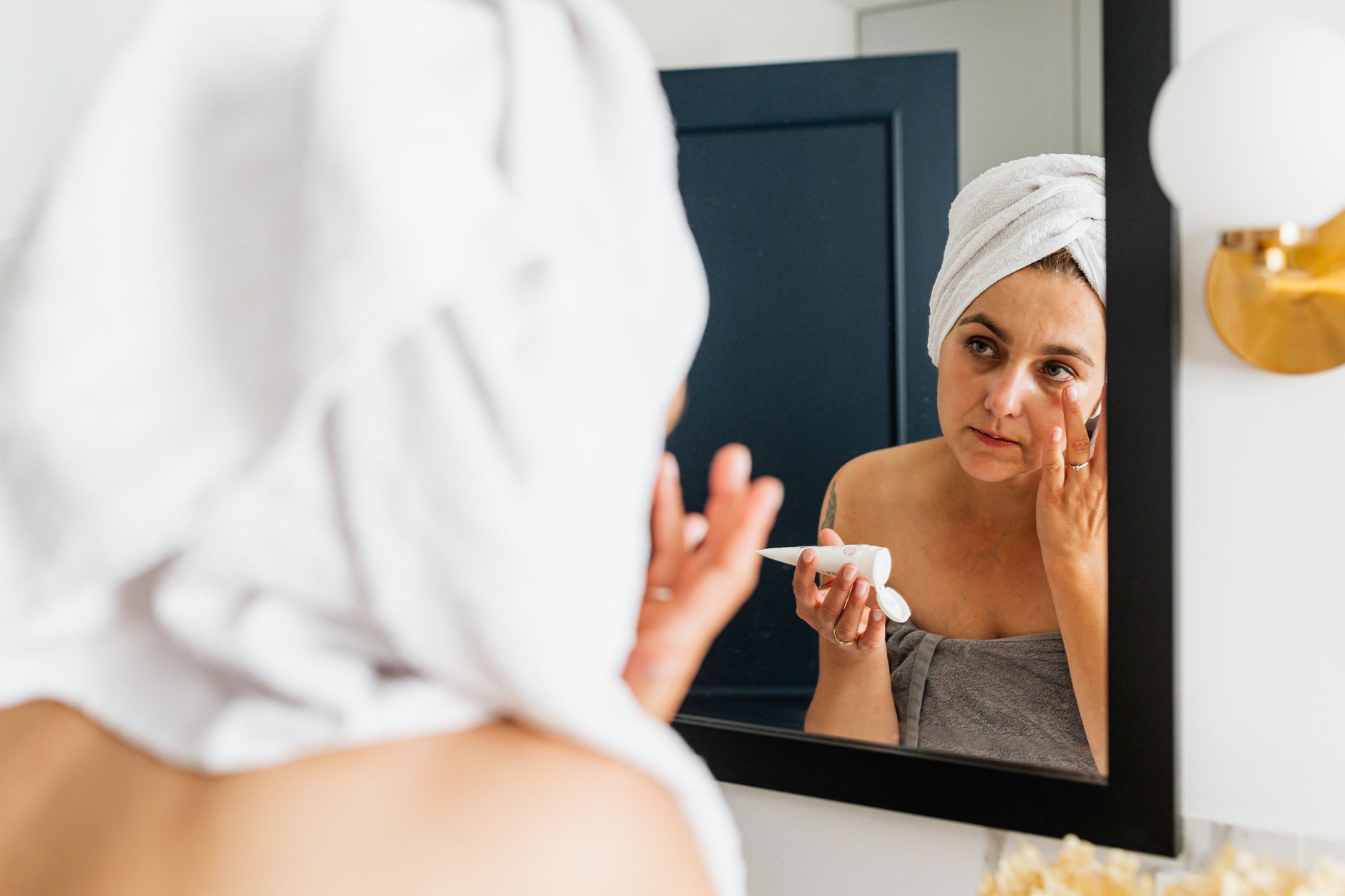
Is Clean Beauty Really Better for Postpartum Skin? Dermatologist Insights
Postpartum skin is a unique beast. Hormonal fluctuations can leave your skin dry, oily, acne-prone, or hyperpigmented—sometimes all at once. Clean beauty products are often formulated with gentler, soothing ingredients, but are they really better for postpartum skin? We asked dermatologists to weigh in.
What Happens to Your Skin Postpartum?
During pregnancy, elevated hormones like estrogen and progesterone boost collagen production, giving you that infamous “pregnancy glow.” But after delivery, hormone levels plummet, and your skin can react in unexpected ways:
- Dryness: Lower estrogen levels reduce oil production, leading to dry, flaky skin.
- Acne: Hormonal shifts can trigger breakouts, especially along the jawline and chin.
- Hyperpigmentation: Melasma (dark patches on the face) and the “mask of pregnancy” can linger postpartum.
- Sensitivity: Your skin barrier may be compromised, making you more prone to irritation and



