Blocked milk duct treatment starts with warm compresses, frequent nursing, and gentle massage. Learn safe, effective ways to clear clogs and prevent mastitis in minutes.
By Shubhra Mishra — a mom of two who turned her own confusion during pregnancy into BumpBites, a global mission to make food choices clear, safe, and stress-free for every expecting mother. 💛
Check whether any food is safe during pregnancy with the BumpBites Food Safety Checker.
Quick take: Most blocked milk ducts resolve with simple home care—warm compresses, gentle massage, and strategic feeding or pumping. If the blockage persists beyond 48 hours, worsens, or is accompanied by fever, seek medical help promptly.
It’s 2 a.m., you’re nursing your newborn, and you feel a tender, firm lump in one breast that just won’t soften. A quick search later, you’re flooded with advice that feels both overwhelming and contradictory. You’re not alone—blocked milk ducts affect up to 20 percent of nursing parents, especially in the early weeks.
Below, we break down exactly what a blocked milk duct is, why it happens, and the step‑by‑step actions you can take at home. We also cover when professional care is needed, safe use of pumps, dietary helpers, and how to prevent future blockages, all in plain language you can apply tonight.
Read on for a clear roadmap—from the first warm compress to the moment you should call your provider—so you can keep feeding comfortably and confidently.
Warm, moist compresses are a cornerstone of blocked duct relief.
How to treat a blocked milk duct at home
A blocked milk duct occurs when milk becomes trapped behind a clogged alveolar pathway, creating a painful, hard lump. The first line of defense is to keep the breast empty and encourage gentle flow.
Step 1: Keep feeding or pumping frequently. Aim for at least 8 sessions in 24 hours, including one session on each side. Start feeding on the affected side first, using a breast‑driven latch that encourages the baby to compress the dense area.
Step 2: Apply a warm compress. Warmth relaxes the milk‑fat globules, making them easier to move. Place a clean, damp washcloth warmed in hot water (not scalding) on the lump for 10‑15 minutes before each feeding. Follow with a cool compress (a chilled gel pack wrapped in a cloth) for 5‑10 minutes after feeding to reduce swelling.
Step 3: Gentle massage. While the breast is warm, use the pads of your thumb and fingers to roll the lump outward, moving from the chest wall toward the nipple. Massage in a circular motion for 2‑3 minutes, then allow the baby to nurse and empty the milk.
Step 4: Adjust feeding position. Try the “football” or “side‑lying” hold, which can open up the duct’s path and let gravity assist flow. See the next section for a full list of positions.
Most blockages loosen within 24‑48 hours when these steps are consistently applied. If the lump remains firm after 48 hours, or you develop fever, redness, or flu‑like symptoms, it’s time to seek professional care.
What are the best warm compress techniques for a blocked milk duct
Warm compresses are the most universally recommended home remedy, but the method matters. Below is a quick comparison of three safe techniques, drawn from ACOG and NHS guidelines.
Technique
How to prepare
Duration
Pros
Cons
Warm, damp washcloth
Soak a clean cotton towel in hot water, wring out excess, test temperature on wrist
10‑15 min pre‑feed
Gentle, easily adjustable temperature
Requires fresh water each session
Heating pad (low setting)
Set to low/medium, cover with a thin towel to avoid direct skin contact
10‑15 min pre‑feed
Consistent heat, reusable
Risk of overheating if not monitored
Warm shower
Stand under a warm shower, let water run over the breast for 5‑10 min
5‑10 min during shower
No extra equipment needed
May be inconvenient if bathroom space limited
Regardless of the method, keep the temperature comfortably warm—about 38‑40 °C (100‑104 °F). Avoid scorching heat, which can damage skin and increase inflammation.
After the warm phase, a brief cool compress (a chilled gel pack or a bag of frozen peas wrapped in a cloth) for 5‑10 minutes can help reduce swelling, especially if the breast feels overly engorged.
Can breastfeeding positions help unblock a milk duct
Yes—changing how you hold your baby can shift pressure and open clogged channels. Below are the three most effective positions, each paired with a quick tip for maximizing flow.
Football (or clutch) hold: Tuck your baby’s body under your arm, with the baby’s head supported by your hand. Aim the baby’s chin toward the breast, and keep the baby’s body slightly tilted so the affected breast is lower than the opposite side. This position uses gravity to draw milk toward the nipple.
Side‑lying position: Lie on your side with a pillow under your head, and bring your baby’s head to breast level. Keep the baby’s mouth wide open and use a gentle rocking motion. This is especially useful for night feeds or when you’re recovering from a C‑section.
Cross‑cradle hold: Support your baby’s head with the opposite hand while using the same‑side hand to guide the breast into the baby’s mouth. This allows you to adjust the angle of the breast more precisely, targeting the blocked area.
When you start a feeding, aim the baby’s chin toward the lump. A “stretch‑and‑compress” technique—where the baby stretches the breast tissue before sucking—can also help massage the duct from within.
If you’re nursing twins, alternating breasts between the two babies can prevent over‑filling of one side and reduce the chance of blockage. See the “blocked milk duct treatment for twins” section for more details.
When should I see a doctor for a blocked milk duct
Most blockages resolve with home care, but certain signs signal that medical attention is needed. Contact your obstetrician, midwife, or a lactation consultant if you notice any of the following:
Persistent firmness or pain lasting longer than 48 hours despite warm compresses and feeding.
Redness, swelling, or a fever ≥ 38.0 °C (100.4 °F), which may indicate mastitis.
Flu‑like symptoms such as chills, body aches, or feeling generally unwell.
Repeated blockages that occur more than once a week.
Any sudden increase in breast size that feels unusually hard or tender.
Medical providers may prescribe antibiotics if an infection is suspected, or they might perform a “milk duct massage” using a sterile technique. In rare cases, a small incision (incision and drainage) is required for an abscess.
When you call, have the following information ready: the date the lump appeared, any fever measurements, feeding schedule, and any home remedies you've tried. This helps the clinician assess severity quickly.
How long does it take for a blocked milk duct to clear
For most nursing parents, a blocked duct clears within 24‑48 hours when consistent warm compresses, massage, and frequent emptying are applied. However, the timeline can vary based on several factors:
Severity of blockage: A tightly clogged duct may need 3‑4 days of diligent care.
Feeding frequency: More frequent nursing or pumping shortens the clearance time.
Underlying conditions: Hormonal fluctuations, dehydration, or a history of mastitis can extend recovery.
Studies cited by the CDC indicate that early intervention—within the first 12 hours—reduces the risk of progression to mastitis by over 60 percent. If you’re still experiencing pain after 48 hours, re‑evaluate your technique and consider contacting a provider.
What foods or herbs can reduce a blocked milk duct
While diet alone won’t unblock a duct, certain foods and herbs can support milk flow and reduce inflammation, making the physical remedies more effective.
Hydration: Aim for 2.5‑3 liters of water daily. Warm fluids (herbal tea, warm water with lemon) can improve circulation.
Galactagogues: Oats, fenugreek, and blessed thistle are traditional milk‑boosting herbs that may promote smoother flow. Use fenugreek capsules (300 mg) only after discussing with a provider, as some babies can be sensitive.
Anti‑inflammatory foods: Turmeric (golden milk), ginger tea, and omega‑3‑rich fish (salmon) can reduce swelling around the blocked area.
Magnesium‑rich snacks: Almonds, pumpkin seeds, and leafy greens help relax smooth muscle, aiding milk ejection.
Remember, any herbal supplement should be introduced gradually and monitored for baby reactions (e.g., diaper rash or fussiness). The American Academy of Pediatrics (AAP) advises that most lactation herbs are safe in moderate doses, but they are not a replacement for proper feeding techniques.
Is it safe to use a breast pump for a blocked milk duct
Yes—using a pump can be a helpful adjunct, especially if the baby isn’t able to empty the breast fully. Follow these safety tips:
Choose the right flange size: An ill‑fitting flange can cause additional blockage. Measure your nipple diameter and select the closest match.
Set a low suction level: Begin with a gentle setting to encourage flow without bruising the tissue.
Target the blocked area: While pumping, use your hand to massage the lump in a circular motion, guiding milk toward the nipple.
Combine with warm compresses: Apply a warm compress for 10‑15 minutes before pumping to loosen the blockage.
If you’re pumping after 48 hours with no improvement, it may be time to consult a lactation specialist. In rare cases, over‑pumping can cause nipple trauma, so always monitor for soreness or bleeding.
Blocked milk duct treatment after 48 hours
If you’ve reached the 48‑hour mark without relief, intensify your approach:
Increase feeding frequency to every 2 hours, even if the baby seems satisfied.
Extend warm compress time to 20 minutes, followed by a cool compress for 10 minutes.
Add a gentle “pin‑point” massage using the tip of your thumb to specifically target the hard spot.
Consider a short session with a hospital‑grade electric pump on a low‑to‑medium setting for 5‑10 minutes, then resume nursing.
If pain escalates, redness spreads, or you develop a fever, schedule a telehealth or in‑person appointment promptly. Early antibiotics can prevent mastitis, a common complication of prolonged blockage.
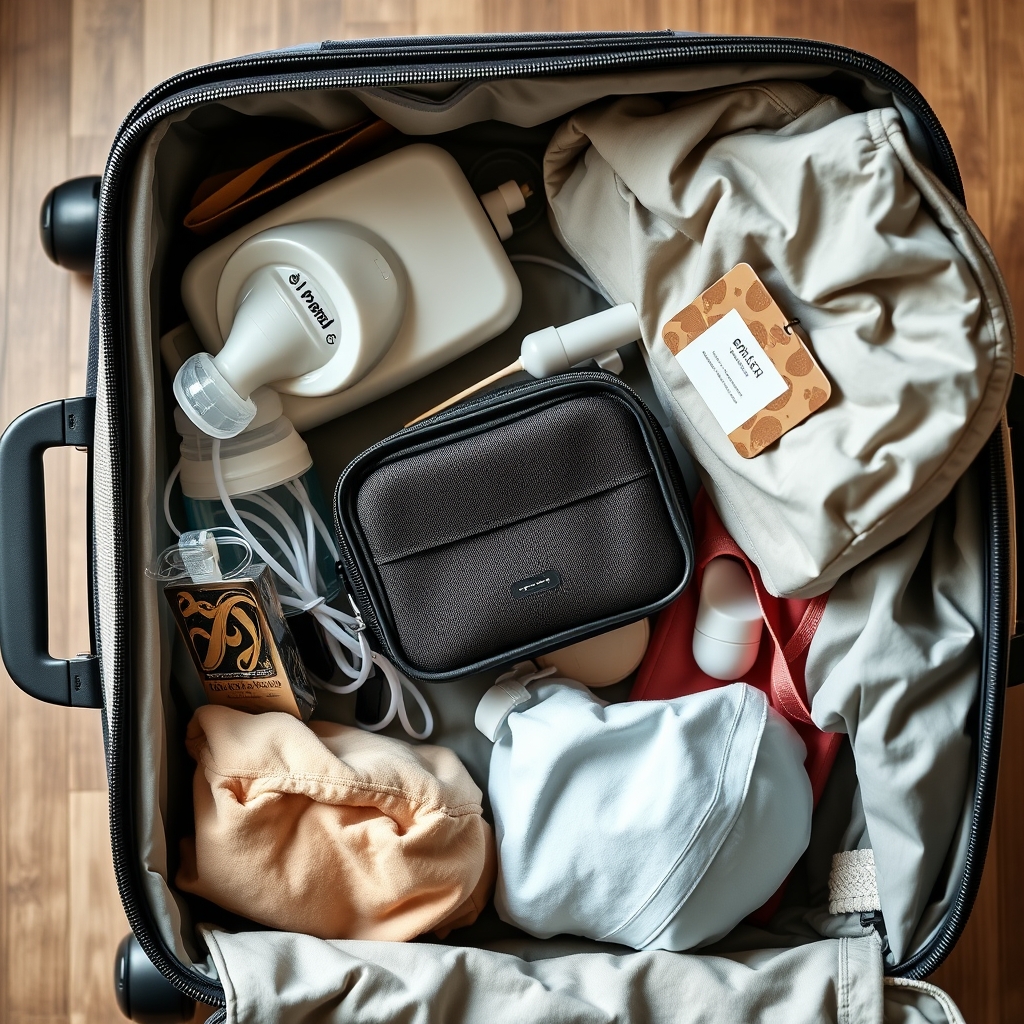
Travel‑ready tools keep you prepared for blockages on the go.
Blocked milk duct treatment while traveling
Travel adds logistical hurdles, but a few simple strategies keep you prepared:
Pack a warm compress kit: Include a reusable microwavable gel pack, a clean washcloth, and a small bottle of sterile water for quick heating.
Bring a portable breast pump: Battery‑operated or manual pumps are lightweight and can be used in hotel rooms or airport lounges.
Stay hydrated: Carry a reusable water bottle; aim for 8‑10 ounces every hour.
Schedule feeding breaks: Even if you’re on a long flight, try to nurse or pump every 2‑3 hours to avoid engorgement.
Airplane cabins are low‑humidity environments, which can thicken milk. Warm drinks and a quick warm compress before feeding can counteract this effect.
Blocked milk duct treatment for twins
Feeding twins doubles the demand on your milk supply and can increase the risk of blockages. Here’s a tailored plan:
Alternate breasts between babies: Offer each infant a different breast at each feeding, then switch sides midway through the session.
Double‑nurse: If both babies latch simultaneously on opposite breasts, you’ll naturally empty more milk.
Use a twin‑compatible pump: Some double‑pump models allow simultaneous expression, reducing total pumping time.
Prioritize positioning: The football hold works well for each baby individually; you can also try a “belly‑to‑belly” position with both infants facing you.
Because twins often feed more frequently, you may notice a blocked duct earlier. Prompt warm compresses and targeted massage can prevent escalation.
Blocked milk duct treatment with antibiotics
Antibiotics are not a first‑line treatment for a simple blockage, but they become essential if an infection develops. Common scenarios include:
Development of mastitis—characterized by fever, redness, and systemic symptoms.
Presence of a breast abscess confirmed by ultrasound.
Typical antibiotics prescribed by ACOG and the NHS include dicloxacillin or cephalexin for 10‑14 days, depending on local resistance patterns. Always complete the full course, even if symptoms improve early.
While on antibiotics, continue safe home care (warm compresses, feeding) unless advised otherwise by your provider. Some antibiotics can pass into breastmilk in low amounts and are considered compatible with nursing, but double‑check with a pharmacist or your obstetrician.
Blocked milk duct treatment for mastitis prevention
Preventing mastitis starts with the same habits that keep ducts clear:
Empty the breast fully: Finish each feeding on one side before switching, and consider a brief pumping session after each feed.
Rotate feeding positions: Change positions at least every 2‑3 feeds to avoid repeated pressure on the same area.
Stay hydrated and nourished: Dehydration and low caloric intake can thicken milk, increasing blockage risk.
Promptly treat any blockage: Early warm compresses and massage reduce the chance of infection.
Research from the CDC shows that early intervention reduces mastitis incidence by up to 50 percent in the first six weeks postpartum.
Blocked milk duct treatment natural remedies
Beyond warm compresses, several low‑risk natural approaches can complement your routine:
Heat‑and‑cold contrast shower: Alternate between warm water on the breast for 2 minutes and cool water for 30 seconds, repeating three times.
Epsom‑salt soak: Dissolve ½ cup of Epsom salts in a warm bath and soak the chest area for 10 minutes; magnesium may help relax the ducts.
Essential oil massage (caution): Dilute a few drops of lavender or tea‑tree oil in a carrier oil and gently massage the affected area. Perform a patch test first and avoid applying directly to the nipple.
These remedies are supportive, not curative. If symptoms persist, transition to medical evaluation.
From our medical team: “A blocked duct is usually resolved with heat, gentle massage, and more frequent emptying. If you notice fever, spreading redness, or the lump stays hard after two days, please call your provider. Early treatment prevents mastitis and protects both you and your baby.”
Myth vs. fact
Myth: You should avoid nursing the affected breast to prevent pain.
Fact: Continuing to nurse (or pump) the blocked side helps clear the milk and reduces the risk of infection. Use gentle positioning and warm compresses to ease discomfort.
Myth: Antibiotics are needed for every blocked duct.
Fact: Antibiotics are only indicated when an infection (mastitis or abscess) is present. Most blockages resolve with home care alone.
Myth: A blocked duct will always cause a fever.
Fact: Fever is a sign of infection, not a blockage itself. Painful, firm lumps can occur without any temperature change.
Key takeaways
Warm, moist compresses for 10‑15 minutes before feeding are the most effective first step.
Massage the lump outward while the breast is warm, then let the baby nurse or pump.
Use breastfeeding positions—football, side‑lying, or cross‑cradle—to target the blocked area.
Seek medical care if pain lasts > 48 hours, or if fever, redness, or flu‑like symptoms appear.
Stay hydrated, consider galactagogues like oats or fenugreek, and add anti‑inflammatory foods.
When traveling or nursing twins, pack a compact pump and warm‑compress kit to stay prepared.
Frequently asked questions
What causes a blocked milk duct?
A blocked duct typically results from milk stasis caused by infrequent feeding, tight clothing, or an abrupt change in feeding patterns; the milk becomes thick and plugs the duct.
Can a blocked milk duct lead to mastitis?
Yes—if the blockage isn’t cleared, bacteria can multiply in the stagnant milk, leading to mastitis, which is characterized by fever, redness, and systemic symptoms.
How often should I change breastfeeding positions to prevent blockages?
Switch positions at least every 2‑3 feeds, or whenever you feel the breast becoming engorged; rotating helps distribute pressure evenly and keeps ducts open.
Is it okay to massage a blocked milk duct?
Yes—gentle, outward‑directed massage while the breast is warm can help move the trapped milk toward the nipple, but avoid deep pressure that could bruise the tissue.
What signs indicate a blocked milk duct needs medical attention?
Seek care if the lump remains hard after 48 hours, you develop fever ≥ 38 °C, notice spreading redness, or feel flu‑like symptoms such as chills and body aches.
Can I use over‑the‑counter pain relievers for a blocked milk duct?
Acetaminophen (Tylenol) is generally safe while breastfeeding and can relieve pain; NSAIDs like ibuprofen are also compatible, but always follow dosing guidelines and check with your provider.
When to call your doctor
If you experience any of the following, contact your obstetrician, midwife, or a lactation specialist right away: persistent hard lump after 48 hours, fever ≥ 38 °C, spreading redness, flu‑like symptoms, or a sudden increase in pain that interferes with feeding.
This information is for educational purposes only and does not replace personalized medical advice. Always discuss your specific situation with a qualified health professional.
References
American College of Obstetricians and Gynecologists (ACOG). “Breastfeeding and Human Milk.” Clinical Guidance, 2023.
National Health Service (NHS). “Blocked milk ducts.” Patient Information, 2022.
Centers for Disease Control and Prevention (CDC). “Mastitis and Breastfeeding.” Public Health Guidelines, 2021.
World Health Organization (WHO). “Infant Feeding Guidelines.” Nutrition Series, 2020.
American Academy of Pediatrics (AAP). “Breastfeeding and Maternal Health.” Policy Statements, 2022.
Royal College of Obstetricians and Gynaecologists (RCOG). “Managing Lactation Problems.” Clinical Handbook, 2023.
Mayo Clinic. “Blocked Milk Ducts: Symptoms and Treatment.” Health Article, 2023.
Not sure about the label on Blocked Milk Duct Treatment products?
Snap the ingredients list and SafeFilter checks every ingredient for your stage — only 3 free scans this month, then you're locked until reset. Unlimited from $7/mo or $50/yr.
When Shubhra Mishra was expecting her first child in 2016, she was overwhelmed by conflicting food advice — one site said yes, another said never. By the time her second baby arrived in 2019, she realized millions of mothers face the same confusion.
That sparked a five-year journey through clinical nutrition papers, cultural diets, and expert conversations — all leading to BumpBites: a calm, compassionate space where science meets everyday motherhood.
Her long-term vision is to build a global community ensuring safe, supported, and free deliveriesfor every mother — because no woman should face pregnancy alone or uninformed. 🌿
🌍 Stand with mothers, shape safer guidance
Join a small circle of experts who review BumpBites articles so expecting parents everywhere can decide with confidence.