Discover how batch cooking for the week saves time and stress. This guide offers simple, nutritious meal prep tips for modern moms—perfect for pregnancy.
By Shubhra Mishra — a mom of two who turned her own confusion during pregnancy into BumpBites, a global mission to make food choices clear, safe, and stress-free for every expecting mother. 💛
Check whether any food is safe during pregnancy with the BumpBites Food Safety Checker.
Quick take: Batch cooking for the week can be a game-changer for modern moms, especially during pregnancy and postpartum, offering nourishing meals without daily kitchen stress. It involves preparing multiple meals or components in advance, focusing on freezer-friendly options, smart storage, and efficient planning to save time, money, and mental energy. Start with simple recipes, enlist help, and prioritize nutrient-dense foods to support your energy and recovery.
Picture this: It's 6 PM, the baby is fussing, your toddler is asking for the tenth snack, and you're staring into an empty fridge, utterly drained. The thought of cooking a full meal feels insurmountable. Many moms tell us this exact scenario is a daily reality, especially in the whirlwind of new parenthood. This is where batch cooking for the week steps in – not as another chore, but as a lifeline.
Batch cooking is more than just meal prep; it's a strategy to nourish yourself and your family when time and energy are precious commodities. It's about setting aside a few dedicated hours to prepare ingredients or entire dishes that will fuel you through the busy days ahead, particularly vital during pregnancy, postpartum recovery, and those demanding early years with little ones. This guide will walk you through everything you need to know, from getting started with a newborn to making it budget-friendly and ensuring your meals stay delicious and nutritious.
We understand you're time-poor and often anxious. So, take a deep breath. We're here to help you transform your kitchen routine, providing practical, scientifically grounded advice to make batch cooking a sustainable, stress-reducing part of your family's wellness journey.
How to Begin Batch Cooking for the Week with a Newborn
The idea of adding "batch cooking" to your to-do list with a newborn might feel overwhelming, but it's precisely during this intense period that it can be most beneficial. Starting small and strategically is key. Think of it as a gift to your future self – a way to ensure you have nourishing food ready when you're sleep-deprived and running on fumes.
Planning Your First Batch Cooking Session
The first step is always planning. Don't dive in without a clear roadmap. This is especially true when you're juggling a new baby. You'll want to choose recipes that are relatively simple, require minimal hands-on time, and use overlapping ingredients to streamline your grocery list. Consider meals that can be adapted for different dietary needs, such as batch cooking for gestational diabetes meal plans if you're managing specific health considerations.
Assess Your Time & Energy: Be realistic. If you have a newborn, you might only have 1-2 hours of uninterrupted time, if that. Plan for shorter sessions or break it up over two days.
Choose 2-3 Recipes: Start with easy, familiar dishes. Think hearty soups, casseroles, or components like cooked grains and roasted vegetables.
Create a Detailed Grocery List: Go through each recipe and list every single ingredient. Check your pantry first to avoid unnecessary purchases.
Clean & Organize Your Kitchen: Before you even start cooking, take 15 minutes to clear your countertops, wash dishes, and ensure you have all your tools accessible. A clean, organized space reduces stress and improves efficiency.
Gather Your Tools & Containers: Have all your pots, pans, cutting boards, and storage containers ready before you begin. More on this later, but having them at hand prevents frantic searching mid-cook.
Time-Saving Tips for Batch Cooking with a Newborn
When you're recovering from childbirth, perhaps even from a C-section recovery, every minute counts. Here are strategies to maximize your efficiency:
Prep During Nap Times: Use small pockets of time. Chop vegetables while the baby naps in a carrier or swing.
Enlist Help: If your partner is home, involve them! One person can chop, the other can stir. Even older children can help with simple tasks. Consider asking family or friends if they can watch the baby for an hour or two while you focus.
Utilize Kitchen Appliances: Slow cookers, instant pots, and food processors are your best friends. They can do a lot of the work with minimal supervision.
Double Batches: When you're making one meal, double or triple it. It takes only slightly more effort to chop extra vegetables or cook a larger pot of grains.
Prep Components, Not Just Full Meals: Sometimes, just having pre-chopped veggies, cooked chicken, or a batch of rice can cut dinner prep time significantly.
One new mom we spoke to shared, "I used to think batch cooking meant making 7 full dinners. But with my second baby, I learned just prepping a big bowl of salad greens, cooking a huge pot of quinoa, and roasting a tray of sweet potatoes made all the difference. I could mix and match them into quick meals all week."
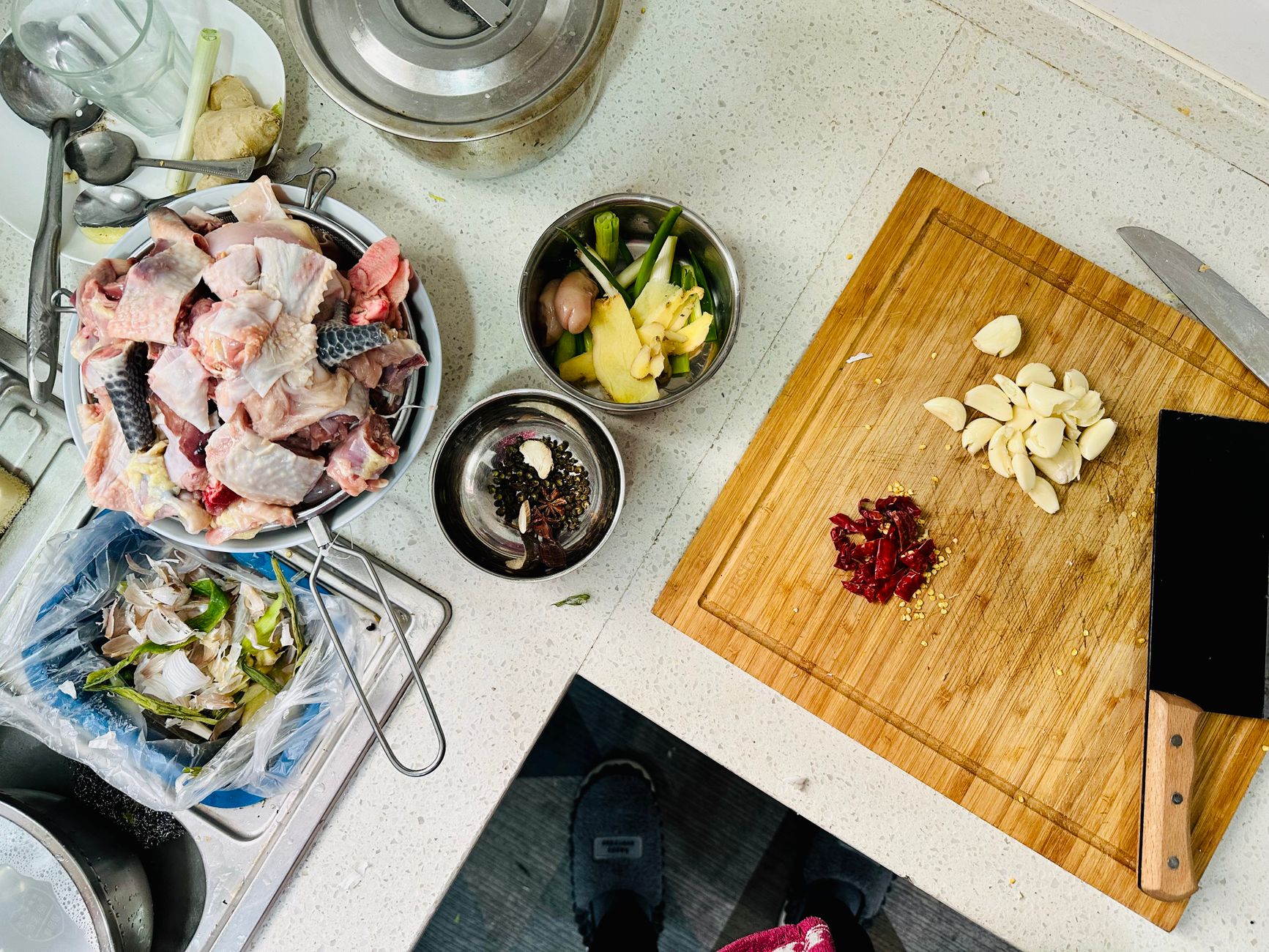
Getting your ingredients prepped and organized before you start cooking can dramatically cut down your active cooking time.
What Are the Best Freezer-Friendly Meals for Postpartum Batch Cooking?
For postpartum moms, the focus should be on nutrient-dense, easy-to-eat meals that support healing, energy, and, if applicable, milk supply. Freezer-friendly is key, as you'll want meals that can be pulled out and reheated with minimal effort.
Nutritional Considerations for Postpartum and Breastfeeding Moms
Your body has been through a marathon, and recovery requires excellent nutrition. For breastfeeding moms, your caloric and nutrient needs are even higher. Focus on:
Protein: Essential for tissue repair and sustained energy. Think lean meats, fish, eggs, lentils, beans.
Healthy Fats: Crucial for hormone balance, brain health, and nutrient absorption. Avocados, nuts, seeds, olive oil.
Complex Carbohydrates: Provide sustained energy. Whole grains, sweet potatoes, oats.
Iron: To replenish stores lost during birth and prevent fatigue. Red meat, dark leafy greens, fortified cereals.
Calcium: For bone health, especially important during breastfeeding. Dairy, fortified plant milks, leafy greens.
Hydration: While not a food, it's vital. Pair your meals with plenty of water, broths, and lactation-friendly teas if breastfeeding.
Fiber: To support digestion and prevent postpartum constipation. Fruits, vegetables, whole grains, legumes.
Meal Ideas That Freeze Well and Reheat Easily
When selecting recipes, think about texture and how ingredients hold up after freezing and thawing. Avoid anything that relies on a super-crisp texture, as it will likely become soggy.
Here's a table of excellent freezer-friendly options:
Quick and easy morning fuel. Can be customized with protein, fiber, and healthy fats.
Meatballs & Patties
Turkey meatballs, black bean burgers, salmon patties
Versatile protein sources. Can be added to pasta, salads, or served in buns.
Cooked Grains/Legumes
Quinoa, brown rice, cooked lentils, black beans, chickpeas
Excellent base for quick meals. High in fiber and complex carbs. Freeze in portions.
When considering batch cooking for postpartum weight loss, focus on lean proteins, abundant vegetables, and whole grains, while being mindful of portion sizes and added sugars. These options provide satiety and nutrients without excess calories.
Creating Your Batch Cooking Meal Prep Schedule as a Busy Mom
A structured approach helps busy moms make the most of their limited time. This isn't about rigid adherence, but a flexible framework to guide your efforts. The key is to break down the cooking process into manageable steps.
Sample Batch Cooking Timeline for a Weekend Session
This schedule assumes you have a few hours on a weekend day, but it can be adapted. If you're still in the first trimester of pregnancy, you might have more energy for a longer session than when you're heavily pregnant or postpartum.
Day Before (Friday Evening/Saturday Morning, 30-60 min): Planning & Shopping
Choose recipes (2-3 main dishes, 1-2 sides/breakfast items).
Check pantry, create grocery list.
Go grocery shopping.
Do a quick kitchen tidy/dish wash.
Batch Cooking Day (Saturday/Sunday Afternoon, 2-4 hours): Prep & Cook
Reheat according to instructions (see "Reheating" section).
Add fresh garnishes, a side salad, or a piece of fruit for extra freshness.
Remember, this is a guide. If you're feeling particularly tired, especially during your 39 weeks pregnant or early postpartum, shorten your cooking list. Even prepping just one or two components can make a huge difference.
Involving Your Partner in Batch Cooking Before Baby Arrives
Preparing for a baby is a team effort, and food prep is a fantastic way to involve your partner. Before the baby arrives is the ideal time to establish this routine. You can cook together, with one person handling chopping and the other cooking, or assign specific recipes. This not only stocks your freezer but also builds a habit that will serve you well once the baby is here. Discussing your baby movement patterns week by week can also be a good way to bond and share the experience of upcoming parenthood, including the practical preparations like meal prep.
Safely Storing Your Batch-Cooked Meals for the Week
Proper storage is essential for food safety, preventing spoilage, and maintaining flavor. No one wants to waste precious time and ingredients on food that goes bad quickly.
How Long Can You Keep Batch-Cooked Meals?
The general guidelines from the FDA for refrigerating and freezing cooked foods are:
Refrigerator: Most cooked foods are safe for 3-4 days when stored properly in airtight containers at 40°F (4°C) or below.
Freezer: Cooked foods can be safely frozen for 3-6 months. While technically safe beyond that, quality may decline.
Always trust your senses: if food looks, smells, or tastes off, it's best to discard it.
Avoiding Freezer Burn When Batch Cooking
Freezer burn occurs when food is exposed to air in the freezer, leading to dehydration and changes in texture and flavor. To prevent it:
Cool Completely: Always ensure food is completely cooled before freezing. Warm food creates condensation, which turns to ice crystals.
Use Airtight Containers: Glass containers with tight-fitting lids or heavy-duty freezer bags are best.
Remove Air: For freezer bags, squeeze out as much air as possible before sealing. For containers, press plastic wrap directly onto the surface of the food before sealing the lid.
Fill Containers Fully: Minimize empty space in containers to reduce air exposure.
Portion Smartly: Freeze in individual or family-sized portions so you only thaw what you need.
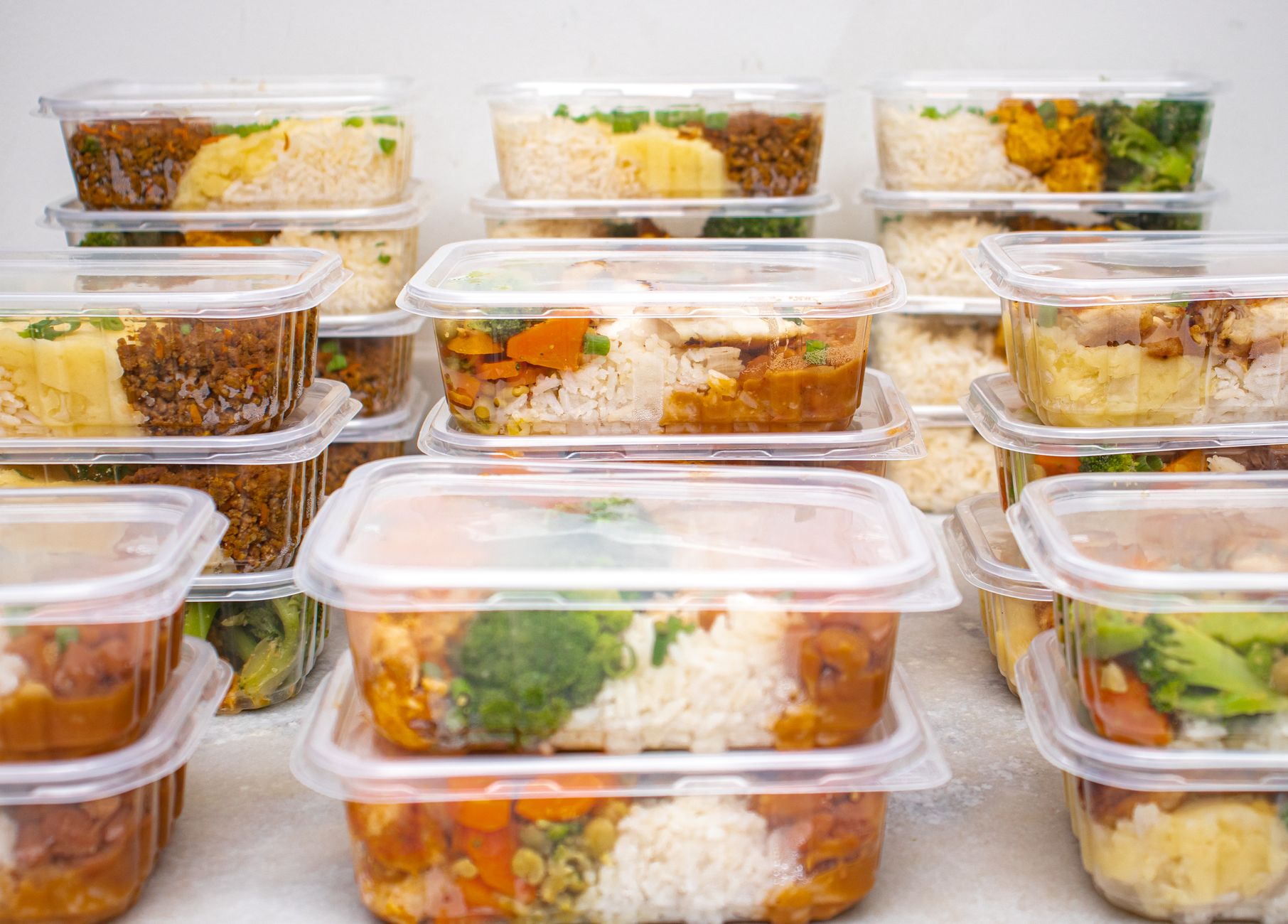
Properly cooling and storing your batch-cooked meals in airtight, labeled containers is key to maintaining freshness and safety.
Labeling and Organizing Batch-Cooked Meals
This step seems minor but is a huge time-saver. Imagine pulling out a mystery container from the freezer at 6 PM. Not ideal!
Label Everything: Use freezer-safe labels or masking tape and a permanent marker.
Include Key Information: Write the name of the dish, the date it was cooked, and any special reheating instructions. For example: "Chicken & Veggie Curry - 10/26/2023 - Reheat stovetop or microwave."
Organize Your Freezer: Group similar items together. Use freezer bins or shelves to keep things tidy. First-in, first-out (FIFO) is a good rule – put newer items at the back so you use older ones first.
Keep an Inventory: For serious batch cooks, a simple list on your fridge or phone of what's in the freezer prevents forgotten meals.
How to Avoid Food Waste When Batch Cooking
One of the benefits of batch cooking is reducing waste. To maximize this:
Plan for Leftovers: Incorporate planned leftovers into your weekly meal plan. For example, leftover roasted chicken can become chicken salad, quesadillas, or a quick soup.
Freeze Smartly: If you realize you won't eat something within 3-4 days, freeze it immediately rather than letting it linger in the fridge.
Repurpose Ingredients: If you have extra chopped vegetables, toss them into an omelet or a quick stir-fry.
"Use It Up" Day: Designate one day a week (e.g., Friday) as a "use it up" day where you eat whatever is left in the fridge before it spoils.
Budget-Friendly Batch Cooking Ideas for Families on Maternity Leave
Maternity leave often comes with a tighter budget, making cost-effective meal planning even more important. Batch cooking can significantly cut down on grocery bills and the temptation of expensive takeout.
Tips for Saving Money on Groceries
Plan Around Sales: Check weekly grocery flyers and plan your meals based on what proteins and produce are on sale.
Buy in Bulk (Smartly): Non-perishables like rice, pasta, oats, and canned goods are often cheaper in larger quantities. Proteins like chicken or ground beef can be bought in bulk and then portioned and frozen raw for future batch cooking.
Utilize Store Brands: Often just as good as name brands but at a lower cost.
Cook from Scratch: Pre-cut vegetables, pre-marinated meats, and convenience foods are expensive. Doing the prep yourself saves money.
Eat Seasonally: Seasonal produce is usually cheaper and tastes better.
Minimize Meat: Incorporate more plant-based meals. Lentils, beans, and chickpeas are incredibly affordable and packed with protein and fiber.
Affordable Batch Cooking Meal Ideas
Lentil or Bean Soups/Chilis: Dried lentils and beans are incredibly cheap and make hearty, filling meals.
Big Batch Pasta Sauce: A large pot of homemade marinara or meat sauce can be used for pasta, lasagna, or as a base for other dishes.
Oatmeal or Overnight Oats: A large container of rolled oats is very inexpensive and can be made into quick breakfasts for the whole week.
Rice and Bean Bowls: Cook a big batch of rice and a big batch of beans. Serve with different toppings (salsa, cheese, avocado, hot sauce) throughout the week.
Roast Chicken with Root Vegetables: A whole chicken is often cheaper per pound than cuts. Roast it with potatoes, carrots, and onions, then use the leftovers for sandwiches, salads, or soup.
Egg Muffins/Frittatas: Eggs are a relatively cheap protein source. Mix with leftover veggies and bake into muffins for quick breakfasts or snacks.
One mom shared, "Before my first baby, my partner and I spent a weekend cooking huge batches of chili, lentil soup, and breakfast burritos. It was a lifesaver when we were on maternity leave; we barely bought takeout, which saved us hundreds."
Batch Cooking for Breastfeeding Moms and Picky Toddlers
Balancing the nutritional needs of a breastfeeding mom with the often-fickle appetites of toddlers requires creativity and flexibility. The good news is many batch-cooked meals can be easily adapted.
Customizing Batch Cooking for Dietary Restrictions and Family Needs
When cooking for a diverse family, a "build-your-own" approach can be very helpful:
Deconstructed Meals: Cook components separately. For example, roast chicken, a grain, and a steamed vegetable. Each family member can then assemble their plate.
Sauces on the Side: For dishes like curry or stir-fry, cook the main components and then offer the sauce on the side. This allows picky eaters to have plain versions.
Vegan/Vegetarian Adaptations: Many recipes can be made vegan by swapping meat for lentils, chickpeas, or tofu. Cook a base (e.g., a vegetable and bean chili) and then offer optional cheese or sour cream for those who eat dairy.
Gluten-Free: Use gluten-free pasta, grains like quinoa or rice, and ensure all sauces and condiments are certified gluten-free.
If you're breastfeeding, remember to prioritize nutrient density. For example, if you're making a batch of chicken and veggie casserole, ensure it's packed with a variety of colorful vegetables and a good source of lean protein. Some women find that certain foods, like garlic or broccoli, can affect their baby's digestion, so you might want to keep strong flavors separate or minimize them in your batch. Always listen to your body and your baby's cues.
Tips for Catering to Picky Eaters
Involve Them: Let toddlers help with simple tasks like washing vegetables, stirring, or choosing a recipe. They're more likely to eat what they've helped prepare.
"Sneak" in Veggies: Puree vegetables into pasta sauces, soups, or casseroles.
Offer Dips: Hummus, yogurt dip, or a mild salsa can make plain veggies or proteins more appealing.
Familiar Favorites: Always have at least one familiar, preferred food on the plate, even if it's just plain pasta or fruit.
Don't Force It: Offer healthy options without pressure. It can take many exposures for a child to accept a new food.
Consider making a large batch of homemade chicken nuggets or fish sticks that can be frozen and reheated. Pair them with steamed vegetables and a whole grain for a balanced meal that often appeals to younger palates. For breakfast, prep a big batch of oatmeal cups with different toppings like fruit or nuts.
Reheating Batch-Cooked Meals Without Losing Nutrients
Reheating correctly is crucial for both food safety and maintaining the quality and nutritional value of your meals. The goal is to heat food thoroughly and evenly.
Best Ways to Reheat Batch-Cooked Meals
Oven: Ideal for casseroles, baked dishes, and anything you want to crisp up slightly. Preheat to 350°F (175°C). Cover dishes with foil to prevent drying out, then uncover for the last few minutes if desired. Reheat until piping hot throughout (internal temperature of 165°F/74°C).
Stovetop: Great for soups, stews, chilis, curries, and cooked grains. Use medium heat, stirring occasionally, until hot. Add a splash of broth or water if needed to prevent drying.
Microwave: Fastest option for individual portions. Use microwave-safe containers. Stir halfway through to ensure even heating. Be aware that some foods can dry out or become rubbery in the microwave.
Air Fryer: Excellent for reheating things like roasted vegetables, chicken pieces, or anything you want to regain a slightly crispy texture.
Thawing Frozen Batch-Cooked Meals
Proper thawing is just as important as proper cooking and reheating to prevent bacterial growth:
Refrigerator: The safest method. Transfer frozen meals to the fridge 12-24 hours before you plan to eat them.
Cold Water: For faster thawing, place the sealed frozen food in a leak-proof bag and submerge it in cold water. Change the water every 30 minutes. Cook immediately after thawing.
Microwave: Use the defrost setting for quick thawing, but cook immediately after, as some areas may start to cook during defrosting.
Never thaw food on the counter at room temperature, as this allows bacteria to multiply rapidly.
Tips to Prevent Batch-Cooked Food from Tasting Bland
Sometimes, reheated food can lose some of its vibrancy. Here's how to keep flavors fresh:
Under-season Initially: When you first cook, be slightly conservative with salt. You can always add more when reheating.
Fresh Garnishes: A sprinkle of fresh herbs (cilantro, parsley), a squeeze of lemon or lime juice, a dollop of yogurt, a sprinkle of toasted nuts or seeds, or a dash of hot sauce can revive flavors instantly.
Texture Boosters: Add something crunchy right before serving, like croutons to soup, toasted bread with chili, or fresh cucumber to a curry.
Separate Strong Flavors: If a dish has a component with a very strong flavor (like fresh ginger or garlic), add it when reheating rather than cooking it in the original batch.
Essential Batch Cooking Tools and Containers for Every Mom
Having the right tools makes batch cooking more efficient and enjoyable. You don't need a professional kitchen, but a few key items will make a world of difference.
Must-Have Kitchen Appliances
Slow Cooker or Instant Pot: These are gold for hands-off cooking. You can set it and forget it, freeing you up for baby care. Perfect for stews, chilis, large batches of grains, or even whole chickens.
Large Cutting Board & Sharp Knives: Efficient chopping is foundational. A large board gives you space, and sharp knives are safer and faster.
Food Processor: For quickly chopping large quantities of vegetables, shredding cheese, or making purees.
Large Pots & Pans: A big stockpot for soups/stews, a large skillet for sautéing, and a sheet pan for roasting vegetables or proteins.
Kitchen Scale: Useful for portioning ingredients, especially for recipes requiring precise measurements or for tracking macros.
Best Containers for Storing Batch-Cooked Meals
Investing in good quality containers is worth it. They protect your food, are reusable, and can often go from freezer to microwave/oven.
Glass Containers with Airtight Lids: Our top recommendation. They are durable, non-staining, non-toxic, and can go from freezer to oven/microwave (ensure they are oven-safe). They come in various sizes for individual portions or family meals.
Heavy-Duty Freezer Bags: Excellent for soups, stews, and purees. Lay them flat to freeze, then stack vertically to save space. Label clearly.
Silicone Muffin Tins: Perfect for freezing individual portions of things like oatmeal cups, egg bites, or even small portions of pureed baby food. Once frozen, pop them out and store them in a freezer bag.
Aluminum Foil Pans with Lids: Great for large casseroles or meals you plan to give away to friends (or for when friends are bringing you meals!).
Labels & Permanent Marker: Non-negotiable for organization.
Cleaning and Organizing Your Kitchen for Efficient Batch Cooking
A clean and organized kitchen before, during, and after batch cooking makes the whole process smoother and less stressful.
The "Mise en Place" Method: French for "everything in its place." Before you start cooking, gather all your ingredients and tools. Chop all vegetables, measure all spices, and have them ready. This prevents frantic searching.
Clean As You Go: As soon as you're done with a cutting board or a measuring cup, wash it or put it in the dishwasher. This prevents a mountain of dishes at the end.
Designated Zones: Have a "prep zone," a "cooking zone," and a "cooling zone" for cooked food.
Clear Countertops: A cluttered counter is a cluttered mind. Clear off anything unnecessary before you begin.
Remember, the goal isn't perfection, but practicality. Even if your kitchen isn't magazine-ready, these tips will help you feel more in control.
Myth vs. Fact: Common Batch Cooking Misconceptions
Let's clear up some common misunderstandings about batch cooking.
Myth: Batch cooking means eating the same meal every day.
Fact: While you might cook a large quantity of one dish, batch cooking also includes prepping components (cooked grains, roasted veggies, grilled chicken) that can be mixed and matched into different meals. You can also freeze portions of different dishes to vary your meals throughout the week.
Myth: Batch cooking takes too much time, and I don't have hours to spare.
Fact: Batch cooking actually saves you time in the long run. While the initial session might be 2-4 hours, it frees up countless minutes during the week that would otherwise be spent cooking daily. Even an hour of prep can make a huge difference. You're condensing cooking time, not increasing it.
Myth: Batch-cooked meals always taste worse than fresh meals.
Fact: With proper technique (cooling, sealing, reheating, and adding fresh garnishes), batch-cooked meals can taste just as delicious. Some dishes, like chili or curry, even improve in flavor after a day or two as the ingredients meld.
Key Takeaways for Successful Batch Cooking
Start Small: Begin with 1-2 simple, familiar recipes. Don't try to conquer a full week's worth of meals on your first try.
Prioritize Nutrients: Especially during pregnancy and postpartum, focus on protein, healthy fats, complex carbs, and plenty of fruits and vegetables.
Plan Ahead: A grocery list and a rough schedule are your best friends.
Embrace Your Freezer: It's a lifesaver for busy moms. Proper cooling and airtight storage prevent food waste and maintain quality.
Involve Your Support System: Ask your partner, family, or friends to help with shopping, chopping, or even supervising the baby while you cook.
Flexibility is Key: Life with kids is unpredictable. If a batch cooking session doesn't go as planned, or you crave something different, it's okay. The goal is to reduce stress, not create more.
Don't Forget Hydration: Pair your nourishing meals with plenty of water, especially if breastfeeding.
Frequently Asked Questions
Is batch cooking safe for postpartum moms?
Yes, batch cooking is not only safe but highly recommended for postpartum moms. It ensures you have access to nutritious, ready-to-eat meals, which is crucial for recovery, energy, and milk production. Just be sure to follow proper food safety guidelines for cooling, storing, and reheating.
How long can you keep batch-cooked meals in the fridge?
Most batch-cooked meals are safe to keep in the refrigerator for 3-4 days when stored in airtight containers at or below 40°F (4°C). If you don't plan to eat them within this timeframe, it's best to freeze them immediately after they've cooled completely.
What are the best meals to batch cook for a family?
For families, the best batch-cooked meals are versatile and widely appealing. Hearty options like chili, lasagna, shepherd's pie, large batches of pasta sauce, or cooked proteins (chicken, ground beef) that can be repurposed are excellent choices. Soups, stews, and casseroles also tend to be family favorites.
Can you freeze batch-cooked meals with dairy?
You can freeze many batch-cooked meals containing dairy, but some dairy products freeze better than others. Hard cheeses, yogurt, and sour cream can sometimes separate or change texture upon thawing. Cream-based sauces generally freeze well if they are fully incorporated and not too thin. It's often best to add fresh dairy garnishes (like sour cream or shredded cheese) after reheating.
How do you prevent batch-cooked food from tasting bland?
To prevent blandness, season well during cooking, but consider adding fresh herbs, a squeeze of citrus, a dash of hot sauce, or a sprinkle of toasted nuts/seeds just before serving. These fresh additions can revive flavors and add texture that might be lost during freezing and reheating. Don't be afraid to experiment with different spices and seasonings.
What is the best way to thaw frozen batch-cooked meals?
The safest way to thaw frozen batch-cooked meals is in the refrigerator, allowing 12-24 hours for most dishes. For quicker thawing, you can submerge sealed containers or bags in cold water, changing the water every 30 minutes, or use the defrost setting on your microwave. Always cook thawed food immediately.
When to See a Doctor or Specialist
While batch cooking is a fantastic tool for promoting wellness, it's important to remember that it's not a substitute for professional medical or nutritional advice. If you have specific dietary concerns during pregnancy or postpartum, such as gestational diabetes, severe food allergies, or nutrient deficiencies, please consult with your OB/GYN, a registered dietitian, or your primary care provider. They can help tailor a meal plan that meets your unique health needs and ensures you and your baby are getting adequate nutrition. If you experience any severe food reactions or concerns about food safety, contact your doctor immediately.
References
U.S. Food & Drug Administration (FDA). Safe Food Handling.
Centers for Disease Control and Prevention (CDC). Food Safety.
Academy of Nutrition and Dietetics. Nutrition for Pregnancy and Lactation.
World Health Organization (WHO). Infant and young child feeding.
Harvard T.H. Chan School of Public Health. The Nutrition Source.
Not sure about the label on Batch Cooking For The Week Guide products?
Snap the ingredients list and SafeFilter checks every ingredient for your stage — only 3 free scans this month, then you're locked until reset. Unlimited from $7/mo or lock $50/yr through Aug 31 (5 days left).
When Shubhra Mishra was expecting her first child in 2016, she was overwhelmed by conflicting food advice — one site said yes, another said never. By the time her second baby arrived in 2019, she realized millions of mothers face the same confusion.
That sparked a five-year journey through clinical nutrition papers, cultural diets, and expert conversations — all leading to BumpBites: a calm, compassionate space where science meets everyday motherhood.
Her long-term vision is to build a global community ensuring safe, supported, and free deliveriesfor every mother — because no woman should face pregnancy alone or uninformed. 🌿
🌍 Stand with mothers, shape safer guidance
Join a small circle of experts who review BumpBites articles so expecting parents everywhere can decide with confidence.