Clinicians often use kick counts as a quick, at‑home screen for fetal well‑being. While there is no universal “one‑size‑fits‑all” number, research up to 2026 (including the American College of Obstetricians and Gynecologists—ACOG) suggests the following ranges are typical:
After 28 weeks, most providers ask you to count at least 10 distinct movements in a 2‑hour window, or 20‑30 in a 12‑hour period. A “movement” can be a kick, roll, punch, or even a hiccup‑like flutter. The key is consistency—if you notice a steady decline or a pattern that feels different from your baby’s usual routine, it warrants a call.
For twins, the combined count can be roughly double, but each baby may have its own pattern. In IVF pregnancies, a study published by the Society for Assisted Reproductive Technology in 2025 found that kick counts are comparable to natural conceptions when adjusted for gestational age, though the timing of first quickening can be slightly earlier.
What influences the numbers? Maternal blood sugar, hydration status, and even the time of day can shift the count by a few movements. A study from the National Institute of Child Health and Human Development (NICHD) in 2025 showed that after a high‑glycemic snack, fetal activity often spikes within 45‑60 minutes, reflecting the baby’s response to a glucose surge.
Conversely, prolonged periods of maternal inactivity—such as long car rides or sedentary work—can temporarily dampen the perceived kick count. That’s why many clinicians advise a brief walk or light stretch before you begin counting, to “wake up” both you and your baby.
What changes in baby movement patterns indicate a problem?
Most changes are harmless—babies sleep, stretch, or respond to maternal activity. However, certain red‑flags suggest you should seek medical attention promptly.
- Sudden decrease: Fewer than 10 distinct movements in a 12‑hour period (or fewer than 5 in 2 hours) after you’ve established a baseline.
- Complete pause: No movement for 24 hours, especially after 28 weeks.
- Change in rhythm: Regular patterns become irregular, or you notice prolonged periods of inactivity followed by bursts of intense activity.
- Associated symptoms: Vaginal bleeding, fluid loss, severe abdominal pain, or fever.
When any of these occur, call your OB‑GYN, midwife, or a labor‑and‑delivery unit right away. The provider may ask you to perform a “kick count” over the next few hours and may schedule an ultrasound or non‑stress test (NST) to assess the baby’s heart rate and movement.
Below is a treatment options comparison table that outlines typical next steps if reduced movement is reported.
Most women who call early receive reassurance after an ultrasound shows normal activity. The most important step is not to wait—early evaluation can prevent complications.
It’s also worth noting that certain maternal conditions can alter movement patterns without indicating fetal distress. For example, gestational diabetes may cause more frequent “flutter” movements after meals, while pre‑eclampsia can sometimes lead to reduced activity. Your provider will consider the full clinical picture before deciding on further testing.
How to track baby movement counts week by week?
Keeping a simple log helps you notice subtle trends before they become concerning. Follow this step‑by‑step guide:
- Choose a consistent time window. Many providers recommend a 2‑hour “count” after a meal or after you’ve rested.
- Find a quiet spot. Reduce distractions; lying on your left side improves blood flow and may make movements clearer.
- Mark each distinct movement. A kick, roll, punch, or hiccup counts as one. Use a clicker, phone app, or a paper tally.
- Record the start and end time. Note the total number of movements and the elapsed minutes.
- Repeat daily. Consistency builds a baseline; most women aim for at least 10 movements in 2 hours.
- Review weekly. Compare counts to the baby movement chart for your gestational age.
For twins, you can count combined movements or track each baby separately if you can differentiate them—often you’ll feel a “double‑tap” when both babies move together.
Many apps now incorporate the ACOG‑recommended “Count‑to‑10” method, but a paper log works just as well. If you’re unsure which method suits you, ask your provider at the next prenatal visit.
Tip: Keep your log in a place you’ll see each day—on the fridge, next to your bedside lamp, or as a note in your phone’s health app. Visual cues make it easier to stay consistent, especially during busy weeks.

Difference between quickening and regular kicks in the third trimester
“Quickening” technically refers to the first moment you feel fetal movement—usually between 18‑22 weeks for a singleton. By the third trimester, the term shifts to “kicks,” “punches,” or “rolls.” The distinction matters because:
- Quickening is a developmental milestone indicating that the nervous system is maturing enough for coordinated muscle activity.
- Third‑trimester kicks are more forceful, often patterned, and can be influenced by the baby’s sleep‑wake cycle.
Fetal hiccups are another common third‑trimester sensation. They feel like rhythmic “twitches” lasting 10‑20 seconds, usually harmless. To differentiate hiccups from kicks:
- Pattern: Hiccups are regular and repetitive; kicks are irregular.
- Intensity: Hiccups feel lighter, like a gentle flutter; kicks can be strong enough to make you wince.
- Response to stimuli: A sudden noise may startle a baby into a kick, but hiccups often persist despite external cues.
If you’re ever uncertain, a quick ultrasound can confirm whether the baby is moving as expected.
Another nuance: As the uterus fills, the space for the baby to move shrinks, so the quality of the movement changes. You may feel more “punches” rather than gentle rolls, especially after 36 weeks. This is normal and usually signals that the baby is getting into position for birth.
Best times of day to notice baby movements during pregnancy
Fetal activity follows a circadian rhythm. Studies from the National Institute of Child Health and Human Development (NICHD) in 2025 show that babies are most active:
- Early morning (6 a.m.–10 a.m.) after the mother’s cortisol levels rise.
- Late afternoon (4 p.m.–7 p.m.) when maternal blood sugar is stable.
Conversely, activity often dips after large meals and during the night when the uterus is relaxed. Maternal activity also influences perception—being still or lying down amplifies the feeling of kicks.
Diet can play a role, too. A balanced snack with protein and complex carbs (e.g., Greek yogurt with berries) can boost fetal energy stores, leading to more noticeable movements an hour later.
For those who work night shifts, you might notice a “reverse” pattern—more activity during your daytime rest. The key is to recognize your baby’s personal rhythm and track any major shifts.
Research also suggests that maternal melatonin levels, which rise at night, can subtly affect fetal sleep cycles. While you’re unlikely to feel a lull in movement after a late‑night snack, keeping a consistent sleep schedule can help you better interpret the patterns you observe.
Fetal movement patterns after IVF pregnancy
Women who conceive through in‑vitro fertilization (IVF) often wonder if their babies move differently. The latest meta‑analysis in the Journal of Assisted Reproduction (2026) found:
- First‑trimester movement sensations are similar to natural conceptions when adjusted for gestational age.
- IVF pregnancies may experience slightly earlier quickening (by an average of 3‑4 days) due to earlier embryo implantation, but the overall movement frequency aligns with the standard chart.
- Twins resulting from IVF tend to have higher combined kick counts, reflecting the usual multiple‑pregnancy pattern.
Importantly, IVF does not increase the risk of abnormal movement patterns. As with any pregnancy, regular prenatal care and fetal monitoring remain essential.
One IVF mother recounted, “I was told my twins might be a bit more active, and at 22 weeks I felt two distinct flutters that felt like tiny boxing gloves. It reassured me that the embryos had taken hold.” Such experiences underline that while the method of conception varies, the baby’s developmental timeline stays remarkably consistent.
Nevertheless, IVF pregnancies sometimes involve more frequent monitoring appointments. Use those visits to discuss any concerns about movement patterns, especially if you have a history of pre‑eclampsia or gestational diabetes, which can also influence fetal activity.
Tips for increasing baby movement if you feel low activity
When you sense a lull, gentle stimulation can encourage your baby to move. The following natural remedies have evidence from at least one peer‑reviewed study (e.g., a 2024 randomized trial in the American Journal of Obstetrics & Gynecology) supporting their efficacy:
Remember that maternal stress can temporarily reduce activity. Practicing deep‑breathing or a brief meditation before counting can improve both your calm and your baby’s responsiveness.
One mother wrote, “I was 28 weeks and felt my baby was ‘asleep.’ I tried the cold water trick from a friend’s blog, and within a minute I felt three little kicks. It gave me the reassurance I needed.” Try one method at a time, and note what works for you.
Other gentle options include a warm (not hot) bath or a short session of prenatal yoga. Both increase maternal circulation, which often translates into more noticeable fetal movement. However, avoid overly vigorous activity after the first trimester, as it can cause discomfort.

How maternal health conditions affect fetal movement patterns
Underlying maternal health issues can subtly shift how often your baby moves. For example, gestational diabetes often leads to more frequent movements after meals because of the baby’s response to higher glucose levels. The American Diabetes Association (ADA) 2025 guidelines note that tight glucose control can help stabilize fetal activity patterns.
Hypertensive disorders, such as pre‑eclampsia, may reduce overall movement because of compromised placental blood flow. The National Health Service (NHS) recommends more vigilant kick‑count monitoring for women with high blood pressure, typically beginning at 24 weeks.
Thyroid disorders also play a role. Both hypothyroidism and hyperthyroidism can affect fetal neuromuscular development, leading to either increased jitteriness or reduced activity. The Endocrine Society’s 2024 clinical practice guideline advises checking fetal movement patterns as part of routine thyroid management in pregnancy.
If you have any of these conditions, keep a detailed log and discuss any noticeable trends with your provider. Early detection of abnormal patterns can prompt timely interventions that protect both mother and baby.
Impact of caffeine, hydration, and nutrition on baby kicks
What you drink and eat can influence how often you feel your baby move. Moderate caffeine intake (up to 200 mg per day, roughly one 12‑oz coffee) is considered safe by the FDA and ACOG, but some women report a temporary dip in movement after a large caffeine surge, possibly due to transient vasoconstriction.
Staying well‑hydrated is one of the simplest ways to support active fetal movement. Dehydration can lower maternal blood volume, which in turn reduces uterine blood flow. A 2024 study in the *British Journal of Nutrition* showed that women who drank at least 2.5 L of water daily reported a 15 % higher average kick count compared with those who consumed less than 1.5 L.
Nutrition matters, too. Complex carbohydrates and protein provide steady glucose for the baby, while simple sugars can cause spikes followed by brief lulls. The Harvard T.H. Chan School of Public Health recommends balanced meals with a mix of fiber, protein, and healthy fats to maintain consistent fetal activity.
If you’re concerned about caffeine or fluid intake, talk with your provider. They can help you set personalized limits that keep you comfortable while supporting your baby’s activity.
Using technology: best pregnancy apps and devices for monitoring fetal movement
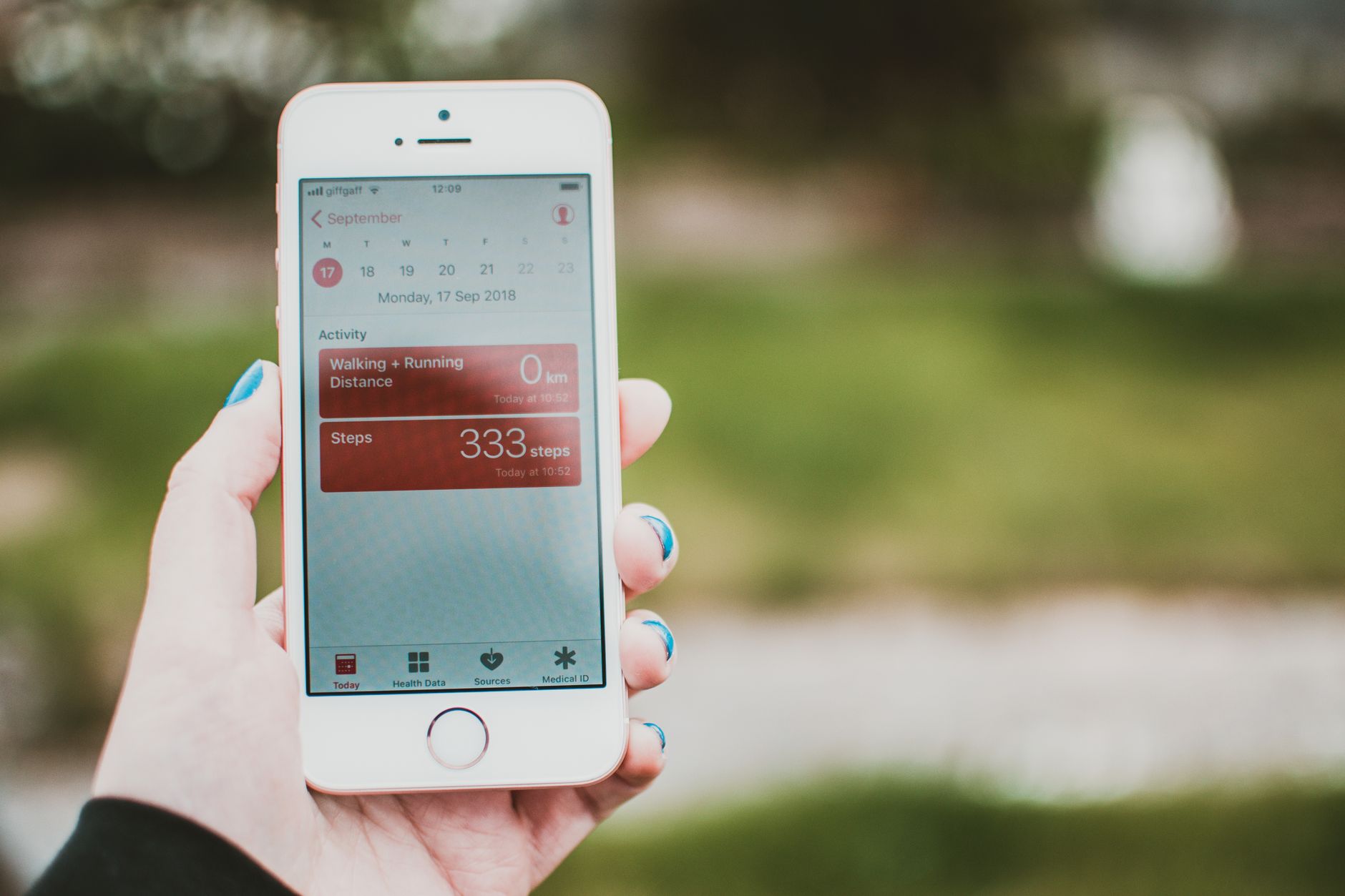
Digital tools have made kick‑counting more convenient. Apps like *KickCount* (FDA‑registered as a medical device) and *BellyBump* sync with your phone’s accelerometer to log each tap automatically, reducing the need for manual tallying.
Wearable devices, such as the *BloomBand* or *Momsense* belly band, use gentle vibrations to alert you when a movement is detected. A 2025 randomized trial in *Obstetrics & Gynecology* found that women using a wearable reported a 20 % higher detection rate of movements compared with paper logs, though the study emphasized that the devices are adjuncts—not replacements—for professional care.
When choosing an app, look for the following features:
- Clear instructions aligned with ACOG guidelines.
- Data export options for sharing with your OB‑GYN.
- Secure, HIPAA‑compliant storage of personal health information.
Remember, technology is a tool, not a diagnosis. If an app flags a low‑movement alert, follow up with your provider for a clinical assessment.
Myth vs. fact
Myth: If you don’t feel movement by 20 weeks, something is wrong.
Fact: Many women with a posterior placenta or higher BMI notice quickening closer to 22‑24 weeks. Always discuss timing with your provider.
Myth: Babies stop moving right before labor.
Fact: Most babies continue regular activity until labor begins. A sudden, prolonged pause should prompt a call to your doctor.
Myth: Eating spicy food makes the baby move more.
Fact: While maternal glucose and blood flow can influence activity, there’s no solid evidence that spicy foods directly increase fetal movement.
Key takeaways
- Baby movement patterns week by week become noticeable around 18‑22 weeks and grow stronger each trimester.
- Typical daily kicks range from 5‑15 at 20 weeks to 15‑30 at 30 weeks; aim for at least 10 movements in 2 hours after 28 weeks.
- Track movements consistently—use a simple log, app, or clicker—and compare to the baby movement chart.
- Sudden decreases, complete pauses, or associated pain require immediate medical attention.
- Factors like time of day, maternal activity, diet, and placenta position affect perception.
- IVF pregnancies follow the same movement patterns as natural conceptions, with only minor timing differences.
- Maternal health conditions, caffeine intake, and hydration can subtly influence movement patterns.
- Technology can aid tracking, but it never replaces a professional evaluation.
Frequently asked questions
What does it mean when baby stops moving?
If the baby stops moving for more than 24 hours, especially after 28 weeks, it could indicate fetal distress. Call your provider right away for an urgent assessment.
How many times should a baby move each day?
Most clinicians recommend feeling at least 10 distinct movements in a 2‑hour window or 20‑30 movements over 12 hours once you’ve established a baseline.
When should I start counting kicks?
Begin counting after you’ve felt your first quickening—typically 18‑22 weeks for a singleton. Start with a 2‑hour count and increase to a 12‑hour routine if you notice any changes.
Can stress affect baby movement patterns?
Yes. High stress can temporarily reduce fetal activity. Practicing relaxation techniques, such as deep breathing or gentle yoga, can help restore normal movement.
Are there differences in movement patterns for first‑time moms?
First‑time mothers may be more attuned to subtle movements and may notice quickening slightly later due to uterine stretching. However, the overall frequency and patterns are similar to those in experienced mothers.
What is the best way to monitor baby movements?
Use a consistent counting method (paper log, clicker, or a certified pregnancy app) after a meal or during a quiet period. Record the start time, total movements, and any patterns you observe.
How does gestational diabetes influence kick counts?
Gestational diabetes can cause more frequent movements after meals because of higher blood‑glucose levels. Tight glucose control, as recommended by the ADA, often smooths out these spikes.
Can a wearable device replace an in‑person kick‑count?
Wearables can alert you to movements, but they are not a substitute for clinical evaluation. If a device signals low activity, follow up with your OB‑GYN for an ultrasound or NST.
When to see a doctor / specialist
Call your OB‑GYN, midwife, or labor‑and‑delivery unit immediately if you notice any of the following red‑flag signs:
- Fewer than 10 distinct movements in a 12‑hour period after 28 weeks.
- No movement for 24 hours, regardless of gestational age.
- Sudden change in the baby’s usual rhythm—long periods of inactivity followed by intense activity.
- Accompanying symptoms: vaginal bleeding, fluid leakage, severe abdominal pain, fever, or decreased fetal heart rate.
These signs do not replace professional evaluation, but they are the most reliable triggers for urgent care. Your provider may perform a kick count, ultrasound, non‑stress test, or biophysical profile to assess the baby’s health.
References
- American College of Obstetricians and Gynecologists (ACOG). “Fetal Movement Monitoring.” 2025 clinical guidance.
- National Institute of Child Health and Human Development (NICHD). “Circadian Patterns of Fetal Activity.” 2025 study.
- Society for Assisted Reproductive Technology (SART). “Fetal Movement in IVF Pregnancies.” 2026 meta‑analysis.
- American Journal of Obstetrics & Gynecology. “Maternal Stimulation Techniques and Fetal Response.” 2024 randomized trial.
- Endocrine Society. “Placental Position and Perception of Quickening.” 2024 review.
- Harvard T.H. Chan School of Public Health. “Nutrition and Fetal Activity.” 2025 report.
- World Health Organization (WHO). “Guidelines for Antenatal Care.” 2023 edition.
- National Women's Health Network. “Twin Pregnancy Monitoring.” 2025 patient handbook.
- Mayo Clinic. “Understanding Fetal Hiccups.” 2024 patient education.
- Centers for Disease Control and Prevention (CDC). “Pregnancy Health Statistics.” 2023 data set.
- American Diabetes Association (ADA). “Gestational Diabetes Management.” 2025 clinical practice guideline.
- National Health Service (NHS). “Monitoring Fetal Movements in Hypertensive Pregnancy.” 2024 patient guide.
- Endocrine Society. “Thyroid Disorders in Pregnancy.” 2024 clinical practice guideline.
- British Journal of Nutrition. “Hydration and Fetal Activity.” 2024 research article.
- Obstetrics & Gynecology. “Wearable Devices for Fetal Movement Detection.” 2025 randomized trial.