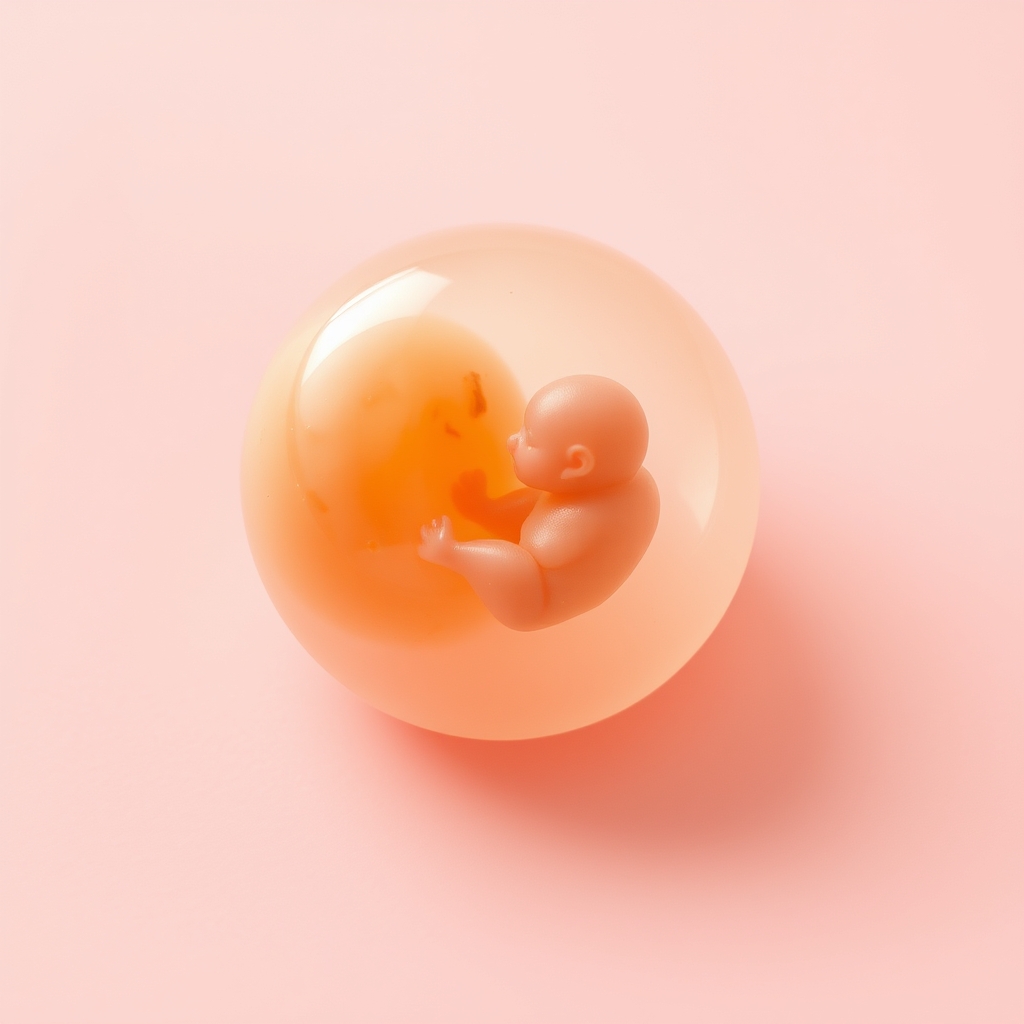
Discover key first trimester pregnancy milestones, from conception to week 12. Learn what to expect, symptoms, and how your baby develops each week.
By Shubhra Mishra — a mom of two who turned her own confusion during pregnancy into BumpBites, a global mission to make food choices clear, safe, and stress-free for every expecting mother. 💛
Check whether any food is safe during pregnancy with the BumpBites Food Safety Checker.
Quick take: The first trimester is the first 12 weeks of pregnancy, and it’s when your body and baby undergo rapid changes. Expect weekly fetal milestones, modest weight gain (about 1–5 lb), common early‑pregnancy symptoms, and emotional ups and downs. Most milestones are normal, but watch for warning signs like heavy bleeding or severe pain, and keep up with prenatal visits and a balanced diet.
It’s 8 a.m., you’re sipping tea, and a sudden wave of nausea makes you wonder, “Is this what a normal first trimester feels like?” You’re not alone. The first three months are a whirlwind of tiny milestones—both for your growing baby and for you. In this guide we break down every week‑by‑week change, the symptoms you might notice, how much weight you should gain, what to eat, when to see your provider, and how to stay safe with exercise.
By the end of this article you’ll have a clear checklist you can print, a timeline you can visualize, and the confidence to know when what you’re experiencing falls within the typical range—and when it’s time to call your doctor.
What are the first trimester pregnancy milestones week by week?
During weeks 1‑12, your embryo transforms from a cluster of cells into a tiny human with a beating heart, developing limbs, and the beginnings of major organs. Below is a concise week‑by‑week overview that you can use as a printable checklist.
Week 1‑2: Technically still not pregnant. Your body is preparing for ovulation; hormone levels (estrogen, progesterone) begin to rise.
Week 3: Fertilization occurs. The zygote travels down the fallopian tube and begins dividing into a blastocyst.
Week 4: Implantation in the uterine lining. You may notice light spotting (“implantation bleed”) and a slight increase in basal temperature.
Week 5: The embryo is about the size of a sesame seed. The neural tube (future brain and spinal cord) closes—critical for preventing neural‑tube defects.
Week 6: Heart begins to beat (≈ 25 bpm). Limb buds appear, and the embryonic tail starts to recede.
Week 7: Facial features form; the mouth and nostrils open. You may feel “pregnancy‑glow” as blood flow increases.
Week 8: Arms and legs lengthen; fingers and toes start to separate. The embryo is now called a fetus.
Week 9: External genitalia begin to differentiate, though it’s still too early to tell gender on ultrasound.
Week 10: Vital organs such as kidneys and liver start functioning. The fetus is about 1.2 inches long.
Week 11: Fingernails appear; the head makes up ~ ½ of the body length.
Week 12: End of the first trimester. The fetus measures about 2.5 inches and weighs roughly 0.5 oz. Most organ systems are now formed.
These milestones give you a roadmap for what’s happening inside you. As you track them, you’ll notice that many weeks feel similar—especially the symptoms—so don’t stress if you miss a detail.
By week 6 the heart starts beating, a milestone that can be detected on an early ultrasound.
How to know if my first trimester milestones are normal?
Every pregnancy is unique, but most first‑trimester experiences fall into a predictable range. Here’s how to gauge normalcy:
Timing of symptoms: Nausea, fatigue, and breast tenderness usually begin around weeks 4‑6 and peak by week 9. If they start much later (after week 12) or disappear abruptly, let your provider know.
Weight gain pattern: Gaining 1–5 lb total in the first trimester is typical. Sudden rapid gain or loss may signal fluid retention or early complications.
Fetal movement: You won’t feel movements until the second trimester, so lack of movement in the first trimester is normal.
Ultrasound findings: By week 7‑8 a transvaginal ultrasound should show a gestational sac with a yolk sac and fetal pole. Absence of these may require a repeat scan.
Hormone levels: hCG peaks around weeks 9‑10. Extremely high or low levels can indicate ectopic pregnancy or miscarriage risk; your provider will monitor this if needed.
If you notice any of the following, it’s time to call your provider (see the “When to call your doctor” section): heavy bleeding, severe cramping, fever over 100.4 °F (38 °C), sudden vision changes, or sudden swelling of hands/face.
First trimester pregnancy milestones weight gain guidelines and nutrition recommendations
Weight gain in the first three months is modest because the fetus is still tiny. The American College of Obstetricians and Gynecologists (ACOG) recommends a total gain of 1–5 lb (0.5–2.3 kg) in the first trimester, regardless of pre‑pregnancy BMI. After week 12, the recommended rate is about 0.5 lb (0.2 kg) per week.
Nutrition should focus on quality, not quantity. Key nutrients include:
Folate (400–800 µg/day): Found in leafy greens, fortified cereals, and legumes. Essential for neural‑tube closure.
Iron: 27 mg/day recommended; iron‑rich foods like lean beef, lentils, and spinach help prevent anemia.
Calcium (1,000 mg/day): Dairy, fortified plant milks, and tofu support bone development.
Protein (70 g/day): Eggs, poultry, beans, and nuts provide building blocks for fetal tissue.
Hydration matters too—aim for at least 8‑10 cups of water daily. Avoid excessive caffeine (no more than 200 mg/day per the FDA) and limit high‑mercury fish such as king mackerel and swordfish.
Pre‑pregnancy BMI
Recommended Total Gain (First Trimester)
Weekly Gain (Second & Third Trimester)
Underweight (<18.5)
2–4 lb (0.9–1.8 kg)
0.5 lb (0.2 kg)
Normal (18.5‑24.9)
1–5 lb (0.5–2.3 kg)
0.5 lb (0.2 kg)
Overweight (25‑29.9)
1–4 lb (0.5–1.8 kg)
0.4 lb (0.18 kg)
Obese (≥30)
0.5–2 lb (0.2–0.9 kg)
0.3 lb (0.14 kg)
These numbers are guidelines from ACOG and the NHS; individual needs may vary. Keep a food diary or use a pregnancy‑tracking app to stay on track.
Include protein, whole grains, and plenty of veggies to meet increased nutrient needs.
First trimester pregnancy milestones common symptoms and early warning signs
Early pregnancy symptoms often feel like a roller coaster. Below is a symptom‑timeline chart to help you anticipate what’s coming.
Week Range
Typical Symptoms
Red‑Flag Symptoms
4‑6
Spotting, mild cramping, breast tenderness, fatigue
Heavy bleeding, severe cramping, fever > 100.4 °F
7‑9
Nausea, vomiting, heightened sense of smell, mood swings
Sudden swelling of hands/face, severe abdominal pain
Most of these sensations are normal, but keep an eye on intensity and duration. For example, occasional nausea is common, yet vomiting that leaves you unable to keep fluids down for more than 24 hours may indicate hyperemesis gravidarum, which requires medical treatment.
First trimester pregnancy milestones fetal development stages and baby bump growth
Fetal growth is rapid, yet the external “baby bump” may still be subtle. By week 12 the uterus has risen just above the pubic bone, and a small rounded shape may be felt, especially in first‑time pregnancies. Factors influencing bump visibility include:
Body type: Taller or slimmer individuals often notice a bump earlier.
Uterine position: A retroverted uterus (tilted backward) can delay visible growth.
Multiple gestations: Twins or more cause earlier and larger bumps.
From a developmental standpoint, the fetus goes from a 0.1‑inch embryo at week 4 to a 2.5‑inch baby by week 12, with major organ systems forming. By the end of the first trimester, the placenta is fully functional, providing oxygen and nutrients.
First trimester pregnancy milestones emotional changes and mood swings
Hormonal surges—especially estrogen, progesterone, and hCG—affect neurotransmitters, leading to emotional volatility. It’s normal to feel joy, anxiety, and tearfulness in the same day. Here are common emotional milestones:
Week 4‑6: Excitement mixed with disbelief; many experience “pregnancy‑blues” as hormones rise.
Week 7‑9: Heightened anxiety about the pregnancy’s viability; intrusive thoughts are common.
Week 10‑12: A sense of reality settling in; mood may stabilize as the embryo becomes a fetus.
Strategies to support emotional health include:
Regular gentle movement (walking, prenatal yoga) to release endorphins.
Connecting with a supportive partner, friend, or support group.
Mindful breathing or short meditation sessions (5‑10 minutes).
Keeping a journal of thoughts and milestones; the act of writing can provide perspective.
First trimester pregnancy milestones doctor appointments schedule and recommended tests
Early prenatal care is crucial for confirming the pregnancy, establishing a baseline, and spotting potential issues. Below is the typical schedule recommended by ACOG and the NHS:
First visit (around week 8): Confirmation of gestational age via ultrasound, blood work (CBC, blood type, Rh factor, infectious disease screening), and baseline blood pressure.
Follow‑up (weeks 10‑12): Repeat hCG if needed, discussion of lifestyle, nutrition, and prenatal vitamins.
Routine prenatal check‑ups: Every 4 weeks until week 28, then every 2 weeks, and weekly after week 36. In the first trimester, visits are usually spaced 4‑6 weeks apart unless complications arise.
Key tests in the first trimester include:
Transvaginal ultrasound (to confirm intrauterine pregnancy and heartbeat).
Genetic screening options (e.g., cell‑free DNA testing after week 10, optional).
Urine culture for asymptomatic bacteriuria, which can affect pregnancy outcomes.
Bring a list of any medications or supplements you’re taking, and be ready to discuss your diet, exercise routine, and any previous pregnancy history.
First trimester pregnancy milestones checklist printable, timeline infographic, and due‑date calculator
Having a visual aid helps you stay organized and reduces anxiety. Below is a concise printable checklist you can download (the site will generate a PDF based on this list):
Confirm pregnancy with a home test and schedule first prenatal visit.
Start (or continue) prenatal vitamin with 400 µg folic acid.
Incorporate safe exercise (20‑30 minutes most days).
Identify red‑flag symptoms and keep emergency contact info.
For a visual timeline, imagine a horizontal infographic with three sections: Weeks 1‑4: Conception & implantation, Weeks 5‑8: Heartbeat & limb buds, Weeks 9‑12: Organ development & early bump. The same infographic can double as a due‑date calculator: add 280 days (40 weeks) to the first day of your last menstrual period (LMP) to estimate your due date, or use an online calculator for more precision if your cycle length varies.
First trimester pregnancy milestones vs second trimester differences, and exercise safety
Understanding how the first trimester differs from the second helps you anticipate the next phase. Key contrasts:
Aspect
First Trimester (Weeks 1‑12)
Second Trimester (Weeks 13‑27)
Weight gain
1–5 lb total
0.5 lb per week (≈ 12‑14 lb total)
Fetal movement
None felt
First flutters (quickening) around week 18‑20
Common symptoms
Nausea, fatigue, breast tenderness
Back pain, leg cramps, increased appetite
Uterine size
Just above pubic bone
Rising above the belly button by week 20
Exercise focus
Low‑impact, core‑stability
Can add moderate cardio, continue strength training
Exercise remains safe throughout the first trimester as long as you follow these guidelines:
Stay hydrated and avoid overheating (no hot yoga or sauna).
Limit intensity to a “talk test” level—if you can carry on a conversation, you’re at a safe intensity.
Avoid contact sports, deep squats, or heavy lifting that strains the abdomen.
Consider low‑impact activities such as walking, swimming, stationary cycling, and prenatal yoga.
Always discuss any new workout plan with your provider, especially if you have a history of miscarriage or other complications.
From our medical team: The first trimester sets the foundation for a healthy pregnancy. Keep your appointments, stay nourished, listen to your body, and reach out early if something feels off. Small, consistent steps—like a daily prenatal vitamin, a short walk, and a journal entry—make a big difference.
Myth vs. fact
Myth: You should gain at least 10 lb in the first trimester. Fact: Most providers recommend only 1–5 lb, because the baby is still very small; excessive early weight gain can increase the risk of gestational diabetes.
Myth: If you don’t feel the baby move by week 12, something is wrong. Fact: Fetal movements are typically felt after week 18‑20. Absence of movement before that is normal.
Myth: All pregnant people must avoid all caffeine. Fact: Moderate caffeine (up to 200 mg/day) is considered safe by the FDA and ACOG, though individual tolerances vary.
Key takeaways
Expect modest weight gain (1‑5 lb) and a rapid series of fetal milestones from week 4 to week 12.
Common early symptoms include nausea, breast tenderness, and mood swings; these usually peak around week 9.
Schedule your first prenatal visit by week 8 and keep up with recommended blood work and ultrasounds.
Follow a balanced diet rich in folate, iron, calcium, and protein; limit caffeine and high‑mercury fish.
Gentle, low‑impact exercise is safe; listen to your body and stay hydrated.
Watch for red‑flag signs—heavy bleeding, severe pain, fever, or sudden swelling—and call your provider promptly.
Use a printable checklist and visual timeline to track milestones and stay organized.
Frequently asked questions
What are the signs of early pregnancy?
Early signs often include missed period, light spotting, breast tenderness, fatigue, and mild nausea. Some people also notice a heightened sense of smell or slight cramping as the embryo implants.
When does the first trimester end?
The first trimester concludes at the end of week 12 (or 13 weeks gestation), marking the transition to the second trimester.
How much weight should I gain in the first trimester?
Most guidelines from ACOG and the NHS advise a total gain of 1–5 lb (0.5–2.3 kg) during weeks 1‑12, regardless of pre‑pregnancy BMI.
Can I exercise during the first trimester?
Yes—low‑impact activities like walking, swimming, and prenatal yoga are safe. Keep intensity moderate, stay hydrated, and avoid overheating or high‑risk sports.
What foods should I avoid in the first trimester?
Avoid raw or undercooked eggs, unpasteurized dairy, deli meats without reheating, high‑mercury fish (e.g., swordfish), and excessive caffeine (>200 mg/day). Also limit alcohol entirely.
When should I schedule my first prenatal visit?
Ideally by week 8‑9, after a positive home test. This visit confirms the pregnancy, establishes a due‑date estimate, and initiates essential labs and ultrasound.
When to call your doctor
If you experience any of the following, seek medical attention right away: heavy vaginal bleeding (soaking a pad in an hour), severe abdominal or pelvic pain, fever above 100.4 °F (38 °C), sudden swelling of hands, face, or ankles, or persistent vomiting that prevents you from keeping fluids down.
These guidelines are for informational purposes only and do not replace personalized medical advice. Always discuss your specific situation with your obstetrician, midwife, or qualified health provider.
References
American College of Obstetricians and Gynecologists (ACOG). “Weight Gain During Pregnancy.” 2023 clinical guidance.
National Health Service (NHS). “Pregnancy – early signs and symptoms.” Updated 2022.
Food and Drug Administration (FDA). “Caffeine and Pregnancy.” Consumer health information, 2021.
Centers for Disease Control and Prevention (CDC). “Prenatal Care.” 2023.
World Health Organization (WHO). “Recommendations on Antenatal Care for a Positive Pregnancy Experience.” 2022.
Royal College of Obstetricians and Gynaecologists (RCOG). “The first trimester.” Clinical guideline, 2023.
Mayo Clinic. “First Trimester Pregnancy: What to Expect.” 2023.
National Institute for Health and Care Excellence (NICE). “Antenatal care for uncomplicated pregnancies.” 2022.
Not sure about the label on First Trimester Pregnancy Milestones products?
Snap the ingredients list and SafeFilter checks every ingredient for your stage — only 3 free scans this month, then you're locked until reset. Unlimited from $7/mo or $50/yr.
When Shubhra Mishra was expecting her first child in 2016, she was overwhelmed by conflicting food advice — one site said yes, another said never. By the time her second baby arrived in 2019, she realized millions of mothers face the same confusion.
That sparked a five-year journey through clinical nutrition papers, cultural diets, and expert conversations — all leading to BumpBites: a calm, compassionate space where science meets everyday motherhood.
Her long-term vision is to build a global community ensuring safe, supported, and free deliveriesfor every mother — because no woman should face pregnancy alone or uninformed. 🌿
🌍 Stand with mothers, shape safer guidance
Join a small circle of experts who review BumpBites articles so expecting parents everywhere can decide with confidence.