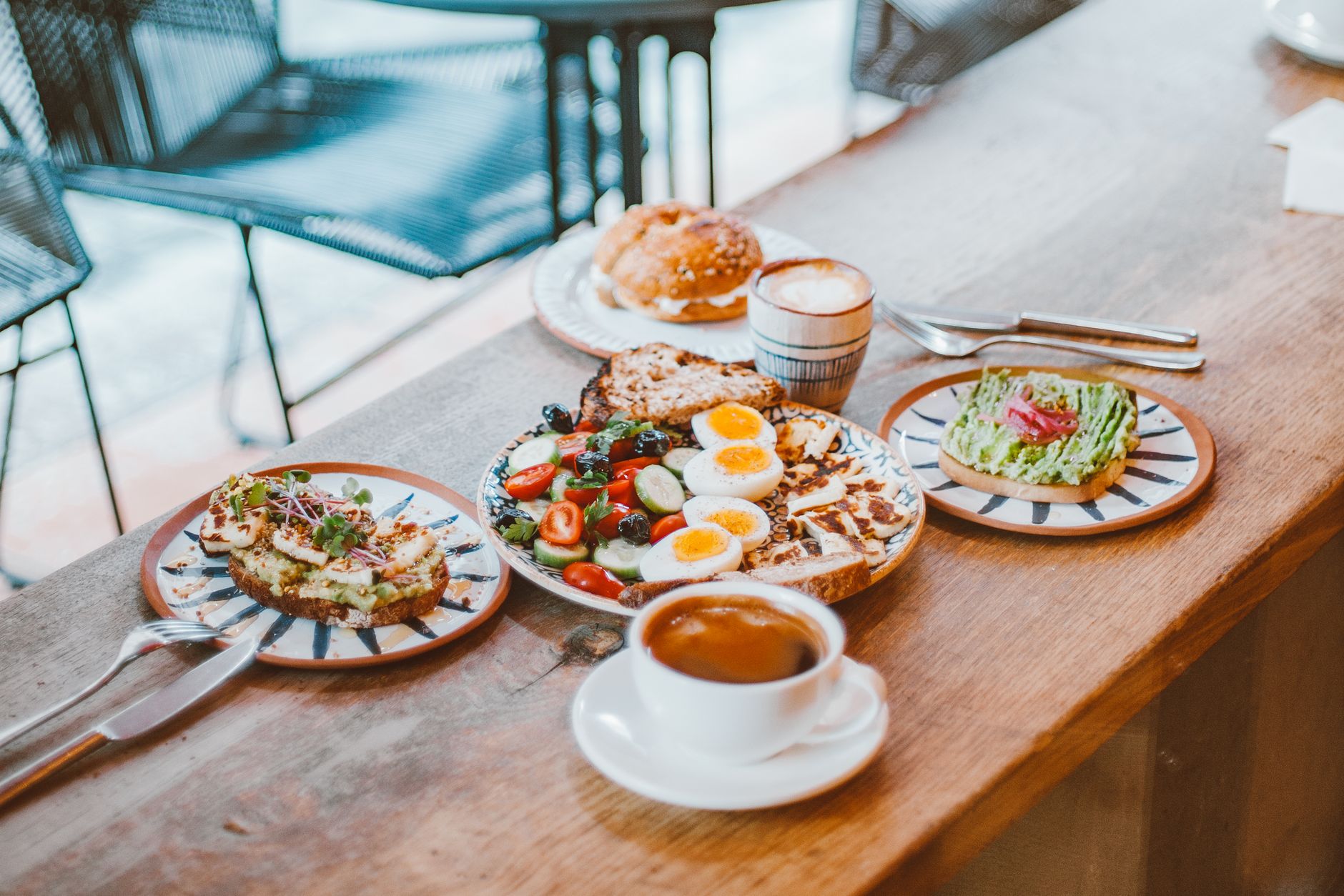
An anti-aging diet prioritizes foods rich in antioxidants, healthy fats, fiber, and key nutrients like vitamin E, omega-3s, and polyphenols. Below is a sample day that balances these elements while keeping meals practical for modern life. Think of this as a template you can customize based on your preferences and schedule.
---
Anti-Aging Diet Breakfast Ideas: Start Your Day with Cellular Support
Breakfast sets the tone for your metabolism and energy levels. For anti-aging, focus on foods that stabilize blood sugar, provide long-lasting energy, and deliver protective antioxidants.
**Option 1: Smoked Salmon & Avocado Toast with Berries**
- 2 slices whole-grain or sourdough toast topped with mashed avocado (rich in vitamin E and monounsaturated fats)
- 2 oz smoked salmon (omega-3s for brain health)
- ½ cup mixed berries (blueberries, strawberries, raspberries—high in antioxidants)
- Sprinkle of chia seeds (fiber and omega-3s)
- Side of Greek yogurt (probiotics for gut health)
**Option 2: Scrambled Eggs with Spinach & Sweet Potato Hash**
- 2 eggs scrambled with 1 cup sautéed spinach (lutein for eye health) and ½ cup diced sweet potato (vitamin A and beta-carotene)
- 1 slice whole-grain toast with almond butter (vitamin E)
- 1 cup herbal tea (green tea or chamomile for antioxidants)
**Why it works:** These breakfasts combine protein, healthy fats, and fiber to keep you full while delivering nutrients that combat oxidative stress. For more ideas, check out our real French diet sample day, which often includes similar nutrient-dense morning routines.
---
Anti-Aging Diet Lunch Recipes: Midday Meals That Protect Your Cells
Lunch should include a balance of lean protein, complex carbohydrates, and plenty of vegetables. Aim for meals that are high in polyphenols (found in fruits, vegetables, and herbs) and omega-3 fatty acids.
**Option 1: Grilled Chicken with Quinoa & Roasted Vegetables**
- 4 oz grilled chicken breast (lean protein for muscle maintenance)
- ½ cup cooked quinoa (fiber and magnesium)
- 1 cup roasted vegetables (broccoli, bell peppers, zucchini—steamed or roasted for maximum nutrient absorption)
- 1 tbsp olive oil drizzle (vitamin E)
- Side salad with arugula, cherry tomatoes, and lemon vinaigrette (vitamin C for collagen production)
**Option 2: Lentil & Vegetable Soup with Whole-Grain Bread**
- 1 cup lentil soup (fiber, iron, and plant-based protein)
- 1 slice whole-grain bread with hummus (fiber and healthy fats)
- Side of steamed kale or Swiss chard (vitamin K for bone health)
- Sprinkle of turmeric (anti-inflammatory)
**Why it works:** These lunches are packed with antioxidants and anti-inflammatory compounds. For a simpler approach, consider our easy anti-inflammatory meal plan, which shares similar principles.
---
Anti-Aaging Diet Dinner Ideas: Wind Down with Nutrient-Dense Comfort
Dinner should be lighter but still nutrient-dense. Focus on lean proteins, healthy fats, and vegetables to support digestion and recovery.
**Option 1: Baked Salmon with Asparagus & Wild Rice**
- 4 oz baked salmon (omega-3s for heart and brain health)
- 1 cup wild rice (antioxidants and fiber)
- 1 cup roasted asparagus (folate and vitamin K)
- 1 tsp olive oil (for cooking and healthy fats)
**Option 2: Turkey & Black Bean Chili with Avocado**
- 4 oz ground turkey (lean protein)
- ½ cup black beans (fiber and plant-based protein)
- ½ cup diced tomatoes, onions, and bell peppers (lycopene and vitamin C)
- Topped with ¼ avocado (healthy fats)
- Side of mixed greens with balsamic dressing
**Why it works:** These dinners are rich in omega-3s, fiber, and antioxidants, which help reduce inflammation and support heart health. For a vegetarian option, swap turkey for chickpeas or tofu.
---
Anti-Aging Diet Snack Options: Keep Your Cells Fueled Between Meals
Snacks should be small but impactful—think nutrient-dense, low-sugar, and high-protein or healthy-fat options.
**Option 1: Handful of Nuts & Berries**
- ¼ cup almonds or walnuts (vitamin E and omega-3s)
- ½ cup mixed berries (antioxidants)
**Option 2: Greek Yogurt with Chia Seeds**
- ½ cup Greek yogurt (probiotics)
- 1 tbsp chia seeds (omega-3s and fiber)
- Dash of cinnamon (blood sugar regulation)
**Option 3: Veggie Sticks with Hummus**
- 1 cup cucumber, bell pepper, or carrot sticks (vitamins and fiber)
- 2 tbsp hummus (healthy fats and protein)
**Why it works:** These snacks provide sustained energy without spikes in blood sugar, helping to maintain steady cellular function. For more snack ideas, explore our autoimmune protocol diet guide, which often includes similar healthy options.
---
What to Eat for Anti-Aging in One Day: The Science Behind the Foods
An anti-aging diet isn't about eliminating entire food groups—it's about prioritizing foods that support your body's natural processes. Here’s what makes these foods work:
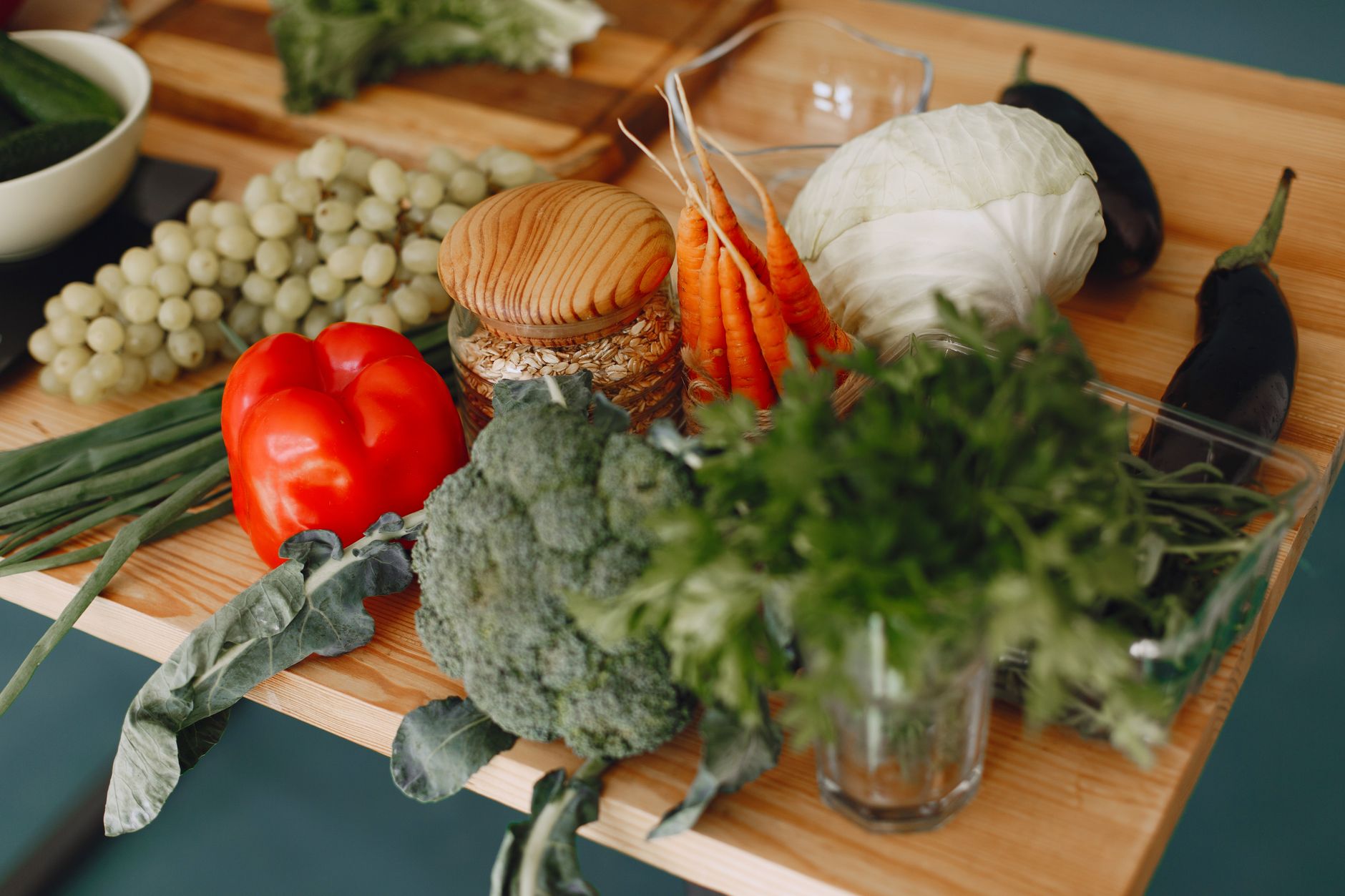
Key Nutrients for Anti-Aging and Where to Find Them
---
Anti-Aging Diet Benefits: What You Can Expect to See
Consistently following an anti-aging diet can lead to noticeable improvements over time. While individual results vary, many women report:
- Improved skin health: Reduced wrinkles, better hydration, and a more even skin tone due to antioxidants and collagen support.
- More stable energy levels: Balanced blood sugar from fiber and healthy fats keeps you from crashing mid-afternoon.
- Better weight management: High-protein, high-fiber meals help control cravings and support metabolism.
- Reduced inflammation: Omega-3s and polyphenols can ease joint pain and improve mobility.
- Enhanced cognitive function: Omega-3s and antioxidants support brain health and may reduce the risk of age-related decline.
- Stronger immune system: Nutrient-dense foods help your body fend off infections and illnesses.
For a deeper dive into how diet impacts aging, check out our 7-Day Anti-Aging Diet Meal Plan, which dives into the science behind these benefits.
---
Anti-Aging Diet for Skin Health: The Foods That Make a Difference
Your skin is a reflection of your internal health, and what you eat directly impacts its appearance. Focus on these skin-supportive foods:
- Berries: Packed with vitamin C and antioxidants that fight free radicals and support collagen production.
- Fatty fish: Omega-3s reduce inflammation and keep skin plump and hydrated.
- Dark leafy greens: High in vitamins A and C, which promote skin repair and regeneration.
- Nuts and seeds: Vitamin E protects skin cells from damage.
- Healthy fats (avocado, olive oil): Keep skin moisturized and elastic.
For more skin-specific tips, explore our anti-inflammatory diet guide, which often includes foods that double as skin superfoods.
---
Anti-Aging Diet for Heart Health: Protect Your Ticker with Every Bite
Heart disease is one of the leading causes of death in women, but diet can play a significant role in prevention. Prioritize these heart-healthy foods:
- Fatty fish (salmon, mackerel): Rich in omega-3s, which lower triglycerides and reduce inflammation.
- Oats and barley: Soluble fiber helps lower LDL ("bad") cholesterol.
- Nuts and seeds: Monounsaturated fats and fiber support heart health.
- Olive oil: Polyphenols in extra virgin olive oil reduce oxidative stress.
- Berries and citrus fruits: Flavonoids improve blood vessel function.
For more heart-focused meal ideas, our French diet sample day is a great resource—it often includes Mediterranean-inspired meals that prioritize heart health.
---
Anti-Aging Diet for Menopause: Easing Symptoms with Food
Menopause brings hormonal shifts that can affect weight, energy, and mood. An anti-aging diet can help manage symptoms by supporting hormone balance and reducing inflammation.
**Focus on these foods:**
- Phytoestrogens (flaxseeds, soy, tofu): May help balance estrogen levels.
- Calcium-rich foods (leafy greens, dairy, fortified plant milks): Support bone health as estrogen levels drop.
- Magnesium-rich foods (nuts, seeds, whole grains): Help regulate sleep and reduce muscle cramps.
- Healthy fats (avocado, olive oil, nuts): Support hormone production.
- Probiotics (yogurt, kefir, sauerkraut): Gut health is linked to hormone balance.
For more menopause-specific tips, consider pairing this diet with our approach to hormonal balance—many principles overlap.
---
Anti-Aging Diet for Busy People: Meal Prep Tips to Save Time
Life gets busy, but that doesn’t mean you have to skip out on an anti-aging diet. With a little planning, you can prepare meals in advance to stay on track.
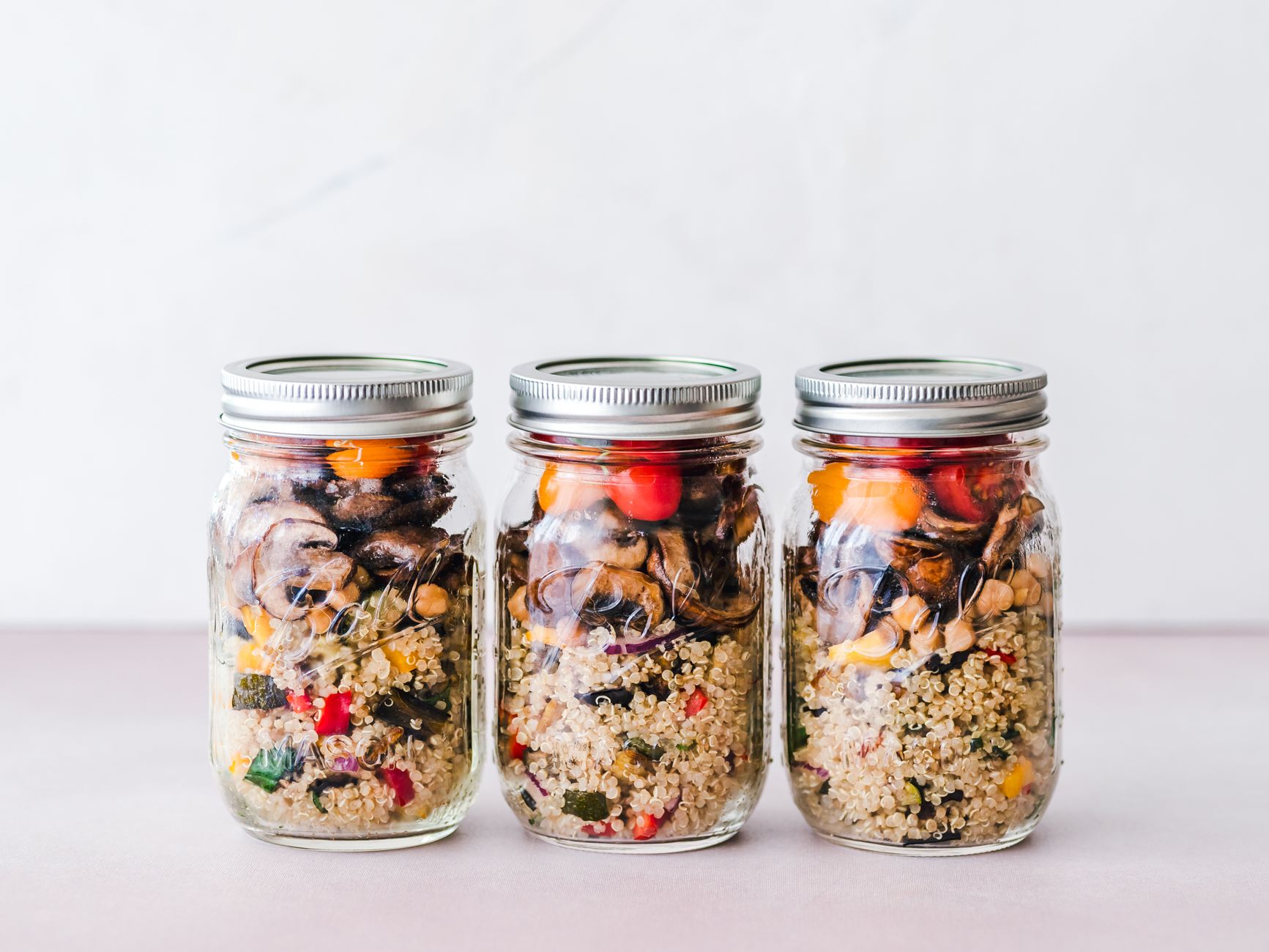
Weekly Meal Prep Checklist
- Batch-cook proteins: Grill or bake chicken, turkey, or fish for the week. Store in airtight containers in the fridge for up to 4 days or freeze for longer storage.
- Pre-chop vegetables: Wash, dry, and chop veggies like bell peppers, carrots, and broccoli. Store in containers with paper towels to absorb moisture.
- Cook grains in bulk: Quinoa, brown rice, and farro keep well in the fridge for up to 5 days. Add to salads, soups, or bowls throughout the week.
- Pre-make healthy snacks: Portion nuts, seeds, and cut-up fruit into small containers for grab-and-go options.
- Use slow cookers or Instant Pots: Slow-cook soups, stews, or chili on weekends for easy lunches.
Quick Anti-Aging Meals for Busy Days
- Breakfast: Greek yogurt with berries and chia seeds (pre-portion chia seeds in small bags).
- Lunch: Pre-made quinoa bowls with canned salmon, mixed greens, and a simple dressing.
- Dinner: Sheet-pan meals (e.g., chicken with roasted vegetables) that cook in one pan.
- Snacks: Hard-boiled eggs, hummus with veggie sticks, or a handful of mixed nuts.
---
Common Anti-Aging Diet Pitfalls (And How to Avoid Them)
Even the best diets can backfire if you fall into common traps. Here’s how to steer clear:
Myth: "I Can Just Take Supplements Instead of Eating Well"
Myth: "Supplements are an easy way to get my nutrients without changing my diet."
Fact: While supplements can help fill gaps, they’re no substitute for whole foods. For example, the antioxidants in berries work synergistically with fiber and other compounds in the fruit—something a pill can’t replicate. Focus on eating a variety of colorful foods first, then consider supplements if needed. Always consult your healthcare provider before starting any new supplement regimen.
Myth: "I Have to Eliminate All Sugar to See Results"
Myth: "Cutting out sugar completely is the only way to slow aging."
Fact: While excessive sugar can contribute to inflammation and weight gain, small amounts of natural sugars (like those in fruit) are part of a balanced diet. The key is moderation—opt for whole fruits over processed sugars and watch portion sizes.
Myth: "Anti-Aging Diets Are Expensive"
Myth: "Organic, specialty foods make an anti-aging diet too pricey."
Fact: You don’t need to spend a fortune. Focus on affordable staples like beans, lentils, frozen vegetables, and seasonal produce. Buying in bulk, meal prepping, and choosing store-brand items can keep costs low while still delivering nutrients.
---
Supplement Considerations: What Might Help (And What Doesn’t)
While food should be your primary source of nutrients, certain supplements may support anti-aging efforts. However, they’re not a magic bullet—and some are overhyped. Here’s what’s worth considering:
Important note: Supplements are not regulated like medications, so quality varies. Look for third-party certifications (e.g., USP, NSF) and consult your healthcare provider before starting any new supplement, especially if you’re on medications.
---
Hydration: The Often-Overlooked Anti-Aging Factor
Water isn’t just for quenching thirst—it’s essential for skin elasticity, joint lubrication, and cellular function. Many women don’t drink enough, especially as they age. Here’s how to stay hydrated:
- Drink half your body weight (in pounds) in ounces daily. For example, if you weigh 150 lbs, aim for 75 oz (about 9 cups).
- Start your day with a glass of water before coffee or tea.
- Infuse water with lemon, cucumber, or berries for flavor without added sugar.
- Carry a reusable water bottle and refill it throughout the day.
- Eat hydrating foods like watermelon, cucumbers, and celery.
- Limit alcohol and caffeine, which can dehydrate you.
For more hydration tips, check out our anti-inflammatory diet guide, which emphasizes the importance of water for overall health.
---
Lifestyle Factors That Support an Anti-Aging Diet
Diet is just one piece of the puzzle. To maximize the benefits of an anti-aging diet, combine it with these lifestyle habits:
- Regular exercise: Aim for at least 150 minutes of moderate activity (e.g., brisk walking, cycling) or 75 minutes of vigorous activity (e.g., running, swimming) per week. Add strength training 2–3 times a week to maintain muscle mass.
- Quality sleep: Prioritize 7–9 hours of sleep per night. Poor sleep accelerates aging by increasing cortisol (the stress hormone) and reducing growth hormone (which supports tissue repair).
- Stress management: Chronic stress ages you at the cellular level. Try mindfulness, deep breathing, or yoga to keep stress in check.
- Avoid smoking and limit alcohol: Smoking accelerates skin aging and increases disease risk. Alcohol dehydrates you and can disrupt sleep and nutrient absorption.
- Regular health check-ups: Monitor blood pressure, cholesterol, and blood sugar levels to catch potential issues early.
---
Anti-Aging Diet for Weight Loss: Does It Work?
An anti-aging diet can absolutely support weight loss—if you focus on whole, nutrient-dense foods and avoid restrictive practices. Here’s how it differs from other diets:
- No extreme calorie restriction: The goal is sustainable weight management, not rapid loss. Aim for a gradual deficit of 250–500 calories per day for steady progress.
- High-protein, high-fiber meals: These keep you full longer, reducing cravings and overeating.
- Healthy fats are encouraged: Unlike low-fat diets, this approach includes avocados, nuts, and olive oil, which help regulate hormones and metabolism.
- Focus on whole foods: Processed foods are minimized, which naturally reduces calorie intake.
For a structured 7-day plan, check out our 7-Day Anti-Aging Diet Meal Plan, which includes specific weight-loss-friendly meals.
---
Key Takeaways: Your Anti-Aging Diet Checklist
- Prioritize colorful vegetables in every meal—the more variety, the better.
- Include healthy fats (avocado, olive oil, nuts, fatty fish) daily to support cell membranes.
- Choose lean proteins (chicken, fish, beans, tofu) to maintain muscle mass.
- Opt for whole grains (quinoa, brown rice, oats) over refined carbs for steady energy.
- Snack on nuts, seeds, and fruits to keep energy up without sugar crashes.
- Stay hydrated—aim for half your body weight in ounces of water daily.
- Combine diet with exercise, sleep, and stress management for the best results.
- Avoid processed foods and added sugars to reduce inflammation.
- Consider supplements only if needed and after consulting your provider.
- Be patient—anti-aging is a lifelong journey, not a quick fix.
---
Frequently Asked Questions About Anti-Aging Diets
What is an anti-aging diet?
An anti-aging diet is a nutrient-dense eating pattern designed to support cellular repair, reduce inflammation, and protect against age-related diseases. It focuses on whole foods like vegetables, healthy fats, lean proteins, and whole grains while minimizing processed foods, added sugars, and unhealthy fats. The goal isn’t just to look younger but to feel more energetic, maintain muscle mass, and reduce the risk of chronic conditions like heart disease and diabetes.
How does diet affect aging?
Diet affects aging at the cellular level. Foods high in antioxidants (like berries and leafy greens) combat oxidative stress, which damages cells over time. Healthy fats (such as omega-3s) reduce inflammation, a key driver of aging-related diseases. Fiber supports gut health, which is linked to longevity. Meanwhile, processed foods and sugars can accelerate aging by promoting inflammation and insulin resistance. Essentially, what you eat influences how well your body repairs itself and fends off damage.
What foods help with anti-aging?
The best anti-aging foods are those rich in antioxidants, healthy fats, fiber, and key vitamins and minerals. These include:
- Berries (blueberries, strawberries, raspberries)
- Leafy greens (spinach, kale, Swiss chard)
- Fatty fish (salmon, mackerel, sardines)
- Nuts and seeds (almonds, walnuts, chia seeds)
- Olive oil and avocado
- Whole grains (quinoa, brown rice, oats)
- Legumes (lentils, black beans, chickpeas)
- Dark chocolate (70% cocoa or higher)
- Cruciferous vegetables (broccoli, Brussels sprouts, cabbage)
These foods work together to protect your cells, support your immune system, and keep your energy levels steady.
Can an anti-aging diet help with weight loss?
Yes, but not in the way you might expect. An anti-aging diet isn’t about extreme calorie restriction—it’s about eating foods that keep you full, stabilize your blood sugar, and support metabolism. Because it emphasizes protein, fiber, and healthy fats, it naturally reduces cravings and prevents the energy crashes that lead to overeating. Many women find they lose weight gradually without feeling deprived. For a structured approach, our 7-Day Anti-Aging Diet Meal Plan includes weight-loss-friendly meals.
What is a typical anti-aging meal plan?
A typical anti-aging meal plan includes:
- Breakfast: Greek yogurt with berries and chia seeds, or scrambled eggs with spinach and avocado.
- Lunch: Grilled chicken with quinoa and roasted vegetables, or a lentil soup with a side salad.
- Dinner: Baked salmon with asparagus and wild rice, or turkey chili with avocado.
- Snacks: Handful of nuts and berries, or hummus with veggie sticks.
The plan avoids processed foods, added sugars, and unhealthy fats, instead focusing on whole, nutrient-packed meals. For a full day’s worth of ideas, see our sample day of eating above.
How long does it take to see results from an anti-aging diet?
Results vary, but many women notice improvements within 2–4 weeks, including:
- More stable energy levels
- Better digestion
- Improved skin texture (less dryness, fewer breakouts)
- Reduced bloating
For more noticeable anti-aging benefits—like reduced wrinkles, improved joint health, or better cognitive function—it typically takes 3–6 months of consistent eating. The key is consistency. Small, sustainable changes over time yield the best long-term results.
---
When to See a Doctor or Specialist
While an anti-aging diet is generally safe and beneficial, it’s important to consult a healthcare provider if you:
- Have a history of eating disorders—an anti-aging diet should never trigger restrictive behaviors.
- Are pregnant or breastfeeding—nutrient needs change, and some supplements may not be safe.
- Have diabetes or other metabolic conditions—monitor blood sugar closely when making dietary changes.
- Experience unexplained weight loss or gain—this could signal an underlying issue.
- Notice persistent digestive issues (e.g., bloating, constipation, diarrhea) after starting the diet.
- Are considering supplements—your provider can help determine if they’re necessary and safe for you.
For general health questions, a primary care physician or registered dietitian can provide personalized guidance. If you’re dealing with specific concerns like menopause symptoms or chronic inflammation, consider seeing an endocrinologist or functional medicine specialist.
---
References
- Johns Hopkins School of Public Health (2023). *Diet and Aging: What the Science Says*.
- National Heart, Lung, and Blood Institute (2022). *DASH Diet for Heart Health*.
- American Thyroid Association (2021). *Nutrition and Thyroid Health*.
- Harvard T.H. Chan School of Public Health (2023). *Omega-3 Fatty Acids and Heart Health*.
- NHS Guidelines (2022). *Eating Well for Older Adults*.
- Mayo Clinic (2023). *Anti-Inflammatory Diet: What Is It?*.
- American Dietetic Association (2021). *Nutrition for Longevity*.
- National Institutes of Health (2022). *Dietary Guidelines for Americans*.




