Quick take: An anti-inflammatory diet sample day of eating prioritizes whole foods like leafy greens, fatty fish, berries, nuts, and olive oil while avoiding processed sugars, refined grains, and unhealthy fats. Think bright colors, healthy fats, and fiber-rich meals. Start your morning with avocado toast on sourdough, enjoy a lunch of grilled salmon with quinoa and roasted veggies, and end your day with a dinner of lentil curry with turmeric. Hydration is key—herbal teas and water with lemon are your best friends.
What does a full day of anti-inflammatory eating look like?
Picture this: It’s 6:30 a.m., and you’re scrolling through your phone, half-asleep, when you pause mid-swipe. Your fingers hover over the coffee order app. Then you remember—your knees have been achy for weeks, your energy crashes by 3 p.m., and your doctor mentioned "inflammation" during your last visit. You’ve heard "anti-inflammatory diet" thrown around, but what does it *actually* look like? Not another boring salad. Not a list of foods you can’t have. Just real meals that taste good and might help you feel like yourself again.
An anti-inflammatory diet isn’t about deprivation; it’s about fueling your body with foods that reduce chronic inflammation—the silent driver of joint pain, fatigue, and even mood swings. The good news? It’s also packed with flavor, texture, and variety. Think: vibrant colors, hearty spices, and meals that feel like a hug for your gut. This isn’t a fad; it’s backed by decades of research linking whole foods to lower inflammation markers like CRP (C-reactive protein) and IL-6. Harvard’s research shows that even small shifts—like swapping white bread for whole grains or olive oil for butter—can make a difference.
Below, we’ve broken down a realistic, delicious, and sustainable day of eating that aligns with anti-inflammatory principles. No extreme restrictions, no "clean eating" guilt—just practical, tasty meals that work for your life. And if you’re pregnant or trying to conceive, we’ll note how to adapt this plan for maternal health too.
Pro tip: Start by adding one anti-inflammatory food to your day (like a handful of walnuts or a side of steamed broccoli) and gradually build from there. Your taste buds—and your body—will thank you.
Why an anti-inflammatory diet matters
Chronic inflammation is like a low-grade fire burning in your body, linked to conditions like arthritis, heart disease, type 2 diabetes, and even depression. While acute inflammation (like a cut or infection) is your body’s way of healing, chronic inflammation lingers and wreaks havoc. An anti-inflammatory diet helps calm that fire by focusing on foods rich in antioxidants, omega-3s, and fiber—while cutting back on triggers like refined sugar, trans fats, and processed meats.
For many women, this diet isn’t just about physical health. It’s about energy, digestion, and mental clarity. One reader, Sarah (34), told us she swapped her usual breakfast of sugary cereal for oatmeal with chia seeds and flax—her migraines dropped by 60% within a month. Another, Priya (42), noticed her skin cleared up after cutting out dairy and focusing on turmeric-infused meals.
Ready to try it? Let’s dive into what a day of eating looks like—without the overwhelm.
---
Anti-inflammatory breakfast ideas for a healthy start
Y
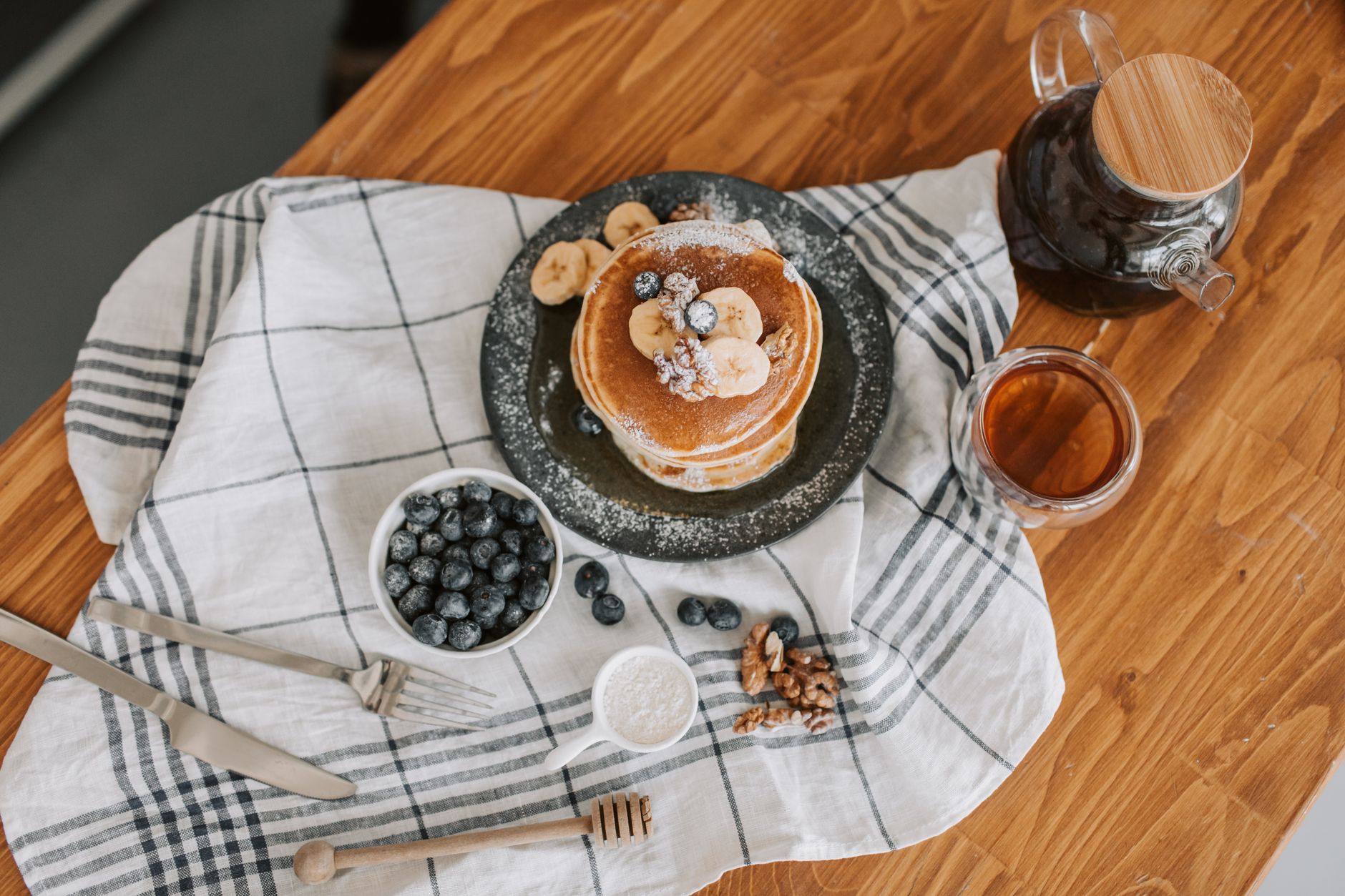
our morning sets the tone for the day. If you start with a bagel slathered in cream cheese or a muffin with sprinkles, you’re likely sending your body a signal: "Hey, inflammation, come on in." But an anti-inflammatory breakfast doesn’t have to be boring. Think creamy, satisfying, and energizing—like a bowl of oatmeal studded with berries and nuts, or a smoothie so thick it feels like dessert.
Here’s the deal: Breakfast should include fiber, healthy fats, and protein to keep you full and stable. Avoid refined carbs (hello, white flour) and added sugars (bye-bye, flavored yogurts). Instead, reach for:
- Whole grains: Oats, quinoa, or whole-grain bread (look for at least 3g of fiber per serving).
- Healthy fats: Avocado, nuts (almonds, walnuts), seeds (chia, flax), or olive oil.
- Protein: Eggs, Greek yogurt (unsweetened), or plant-based options like tofu or tempeh.
- Fruit: Berries (blueberries, strawberries) are inflammation fighters, while citrus fruits add vitamin C.
- Herbs and spices: Turmeric, ginger, and cinnamon pack anti-inflammatory power.
Sample anti-inflammatory breakfasts:
- Avocado Toast on Sourdough
- 2 slices sourdough (or whole-grain bread)
- ½ mashed avocado + pinch of sea salt + red pepper flakes
- 1 poached egg (or scrambled with spinach)
- Handful of cherry tomatoes
- Sprinkle of hemp seeds
Why it works: The healthy fats in avocado and eggs, paired with fiber-rich sourdough, keep you full for hours. The cherry tomatoes add lycopene, a powerful antioxidant.
- Chia Pudding with Berries
- 2 tbsp chia seeds
- 1 cup unsweetened almond milk
- ½ tsp vanilla extract
- 1 tbsp maple syrup (optional)
- Handful of mixed berries
- Splash of lemon juice
Why it works: Chia seeds are rich in omega-3s, and berries are loaded with anthocyanins—compounds that reduce inflammation.
- Greek Yogurt Parfait
- 1 cup plain Greek yogurt (unsweetened)
- ¼ cup granola (look for oat-based, no added sugar)
- ½ cup mixed berries
- 1 tbsp almond butter
- Drizzle of honey (optional)
Why it works: The probiotics in yogurt support gut health, while almond butter provides healthy fats.
What to avoid: Skip sugary cereals, pastries, and fruit juices (even "natural" ones with added sugar). These spike blood sugar and promote inflammation.
---
Quick and easy anti-inflammatory lunch recipes
Lunch is where many people slip up—rushed for work, craving convenience, or just tired of salads. But anti-inflammatory lunches don’t have to be complicated. Think one-pot meals, grain bowls, or protein-packed wraps that reheat well (or don’t need to). The key is balancing protein, fiber, and healthy fats to keep you satisfied and energized.
Here’s how to build a lunch that’s fast, flavorful, and inflammation-friendly:
- Protein: Grilled chicken, salmon, lentils, or chickpeas.
- Veggies: Spinach, kale, zucchini, bell peppers, or roasted Brussels sprouts.
- Whole grains: Quinoa, brown rice, or farro.
- Healthy fats: Olive oil, avocado, or tahini.
- Spices: Turmeric, cumin, or smoked paprika.
Sample anti-inflammatory lunches:
- Grilled Salmon with Quinoa and Roasted Veggies
- 1 salmon fillet (wild-caught, if possible)
- ½ cup cooked quinoa
- 1 cup roasted Brussels sprouts + asparagus (tossed in olive oil and turmeric)
- 1 tbsp tahini dressing (tahini + lemon juice + water)
Why it works: Salmon is loaded with omega-3s, quinoa provides complete protein, and roasted veggies add fiber and antioxidants.
- Lentil and Spinach Curry
- 1 cup cooked lentils
- 1 cup baby spinach
- ½ cup coconut milk (light)
- 1 tsp turmeric + ½ tsp cumin
- ½ cup brown rice
Why it works: Lentils are high in fiber and protein, while turmeric is a potent anti-inflammatory spice. Serve with a side of steamed broccoli.
- Turkey and Avocado Wrap
- 1 whole-grain wrap
- 3 oz turkey breast (sliced)
- ½ avocado (mashed)
- Handful of arugula
- Squeeze of lemon
Why it works: Turkey is lean protein, avocado adds healthy fats, and arugula provides nitrates that support heart health.
Meal prep hack: Cook a big batch of quinoa or brown rice on Sunday and store it in the fridge. Add pre-washed greens and canned lentils to your cart to save time. Here’s what to buy for a week’s worth of lunches.
---
Delicious anti-inflammatory dinner options for evening meals
Dinner is where many people unwind with comfort foods—think pizza, burgers, or takeout. But anti-inflammatory dinners can be just as comforting, if not more satisfying. The goal? Heart-healthy fats, fiber-rich sides, and proteins that soothe—not spike inflammation.
Dinner is also a great time to experiment with global flavors. Turmeric (Indian), miso (Japanese), and harissa (North African) are all anti-inflammatory powerhouses. And yes, you can still enjoy carbs—just choose complex, fiber-rich options like sweet potatoes or whole-wheat pasta.
Sample anti-inflammatory dinners:
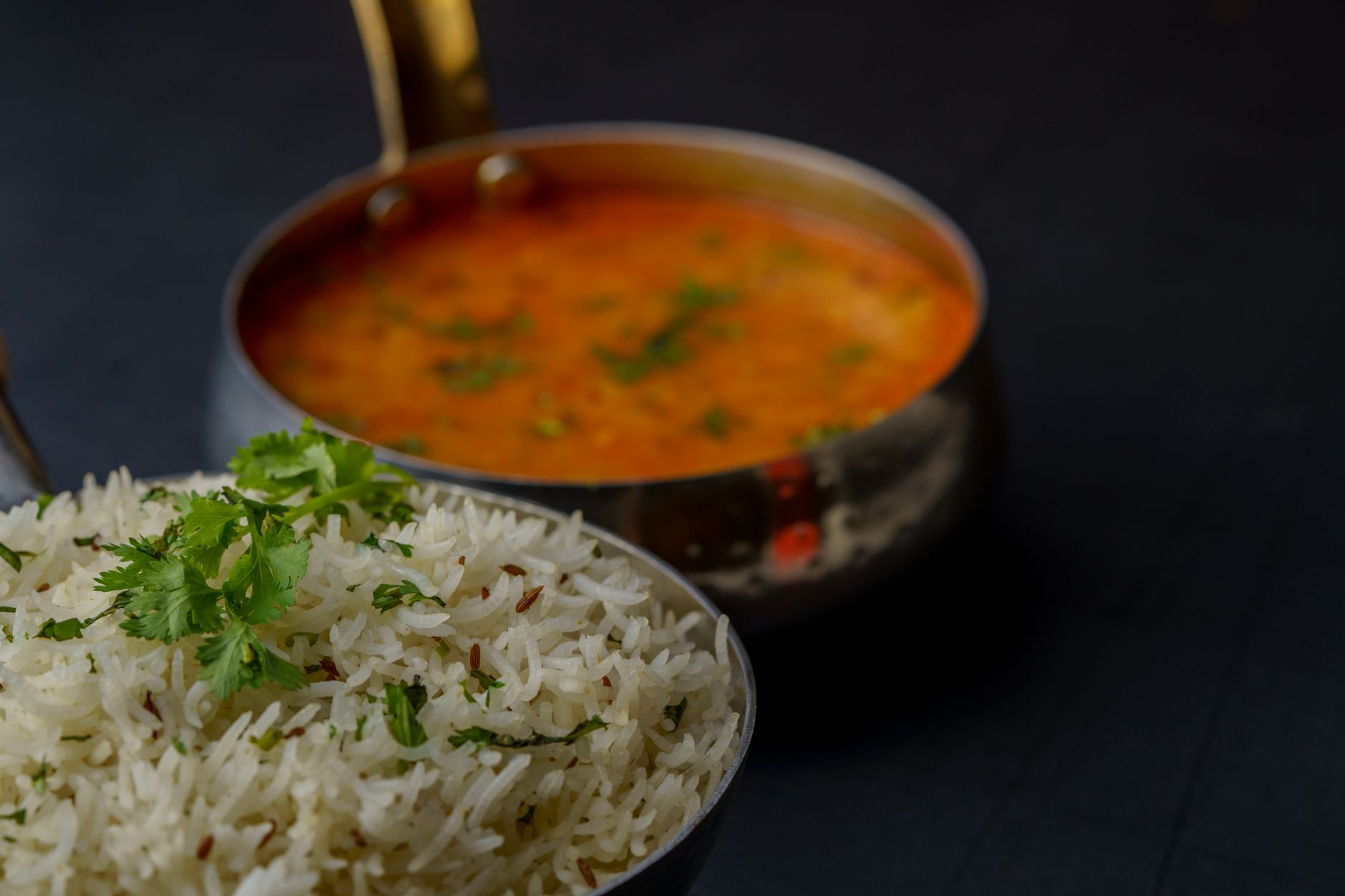
- Lentil Curry with Turmeric
- 1 cup cooked lentils
- 1 cup coconut milk (light)
- 1 tsp turmeric + ½ tsp ginger
- 1 cup cauliflower rice
- Handful of cilantro
Why it works: Lentils are rich in folate and fiber, while turmeric reduces inflammation. Serve with a side of steamed bok choy.
- Baked Salmon with Roasted Veggies
- 1 salmon fillet
- 1 cup roasted sweet potatoes + zucchini (tossed in olive oil and rosemary)
- 1 tbsp lemon juice
- Handful of microgreens
Why it works: Salmon’s omega-3s combat inflammation, and sweet potatoes provide vitamin A for skin health.
- Stuffed Bell Peppers
- 2 bell peppers (halved)
- ½ cup quinoa
- ½ cup black beans
- ½ cup corn (fresh or frozen)
- 1 tsp cumin + ½ tsp chili powder
Why it works: Bell peppers are high in vitamin C, and black beans add fiber and plant-based protein.
Dinner swaps to try:
- Instead of white rice, try quinoa or brown rice.
- Swap butter for olive oil when sautéing.
- Add ginger or garlic to marinades—they’re natural anti-inflammatory agents.
---
Healthy anti-inflammatory snacks and dessert ideas
Snacks are the unsung heroes of an anti-inflammatory diet. They keep blood sugar stable, curb cravings, and provide a quick boost of nutrients. The trick? Avoid processed snacks (hello, chips and crackers) and opt for whole, nutrient-dense options.
Here’s what to reach for:
- Fruits: Apples, pears, or berries with a sprinkle of cinnamon.
- Nuts and seeds: Almonds, walnuts, or pumpkin seeds.
- Veggies and hummus: Carrots, cucumbers, or bell peppers with a side of homemade hummus.
- Dark chocolate: 85% or higher (a few squares count as a treat!).
- Fermented foods: Sauerkraut, kimchi, or kefir for gut health.
Sample anti-inflammatory snacks:
- Apple Slices with Almond Butter
- 1 apple (sliced)
- 1 tbsp almond butter
- Pinch of cinnamon
Why it works: Apples provide fiber, almond butter adds healthy fats, and cinnamon helps regulate blood sugar.
- Roasted Chickpeas
- ½ cup chickpeas (roasted with olive oil and paprika)
- Handful of baby carrots
Why it works: Chickpeas are high in protein and fiber, while carrots add vitamin A.
- Dark Chocolate-Dipped Strawberries
- 4 strawberries
- 1 oz dark chocolate (85% cocoa)
Why it works: Strawberries are rich in antioxidants, and dark chocolate contains flavonoids that support heart health.
Anti-inflammatory desserts:
- Baked Apples with Cinnamon
- 1 apple (cored and baked with ½ tsp cinnamon)
- 1 tbsp chopped walnuts
Why it works: Warm apples with cinnamon satisfy sweet cravings without sugar spikes.
- Chia Seed Pudding with Berries
- 2 tbsp chia seeds
- ½ cup almond milk
- ½ cup mixed berries
Why it works: Chia seeds are omega-3 rich, and berries add antioxidants.
What to avoid: Skip store-bought granola bars (often loaded with sugar) and sugary yogurt parfaits. Instead, make your own trail mix with nuts, seeds, and a few dark chocolate chips.
---
Anti-inflammatory drinks and beverages to include daily
Hydration is often overlooked in anti-inflammatory diets, but what you drink matters just as much as what you eat. Sugary drinks, caffeine overload, and alcohol can all trigger inflammation. The good news? There are delicious, easy swaps that support your goals.
Here’s what to prioritize:
- Water: Aim for at least 8 cups daily. Add slices of lemon, cucumber, or mint for flavor.
- Herbal teas: Ginger, turmeric, or chamomile teas reduce inflammation.
- Green tea: Rich in EGCG, a compound that fights inflammation.
- Infused water: Try lemon + turmeric or berries + basil.
- Sparkling water: Unsweetened, with a splash of pomegranate juice.
Sample anti-inflammatory drinks:
- Golden Milk Latte
- 1 cup unsweetened almond milk
- ½ tsp turmeric
- ¼ tsp cinnamon
- Pinch of black pepper (enhances turmeric absorption)
- 1 tsp honey (optional)
Why it works: Turmeric is a powerful anti-inflammatory, and cinnamon helps regulate blood sugar.
- Berry Lemon Water
- 1 cup water
- Squeeze of lemon
- Handful of raspberries or blackberries
Why it works: Lemon adds vitamin C, and berries provide antioxidants.
- Matcha Latte
- 1 tsp matcha powder
- 1 cup hot water
- ½ cup unsweetened almond milk
- Sweetener of choice (optional)
Why it works: Matcha contains L-theanine, which reduces stress and inflammation.
Drinks to limit:
- Sugary sodas and fruit juices (even 100% juice can spike blood sugar).
- Alcohol (opt for one glass of red wine occasionally, if desired).
- Energy drinks and sweetened coffee additives.
---
Anti-inflammatory foods to avoid on a daily basis
An anti-inflammatory diet isn’t just about what you eat—it’s also about what you avoid. Some foods are inflammatory triggers, meaning they can spike your body’s response over time. The good news? Cutting back on these doesn’t mean giving up flavor—it just means making smarter choices.
Here’s the short list of foods to limit or avoid:
What to do instead:
- Swap soda for sparkling water with citrus.
- Choose whole-grain bread over white.
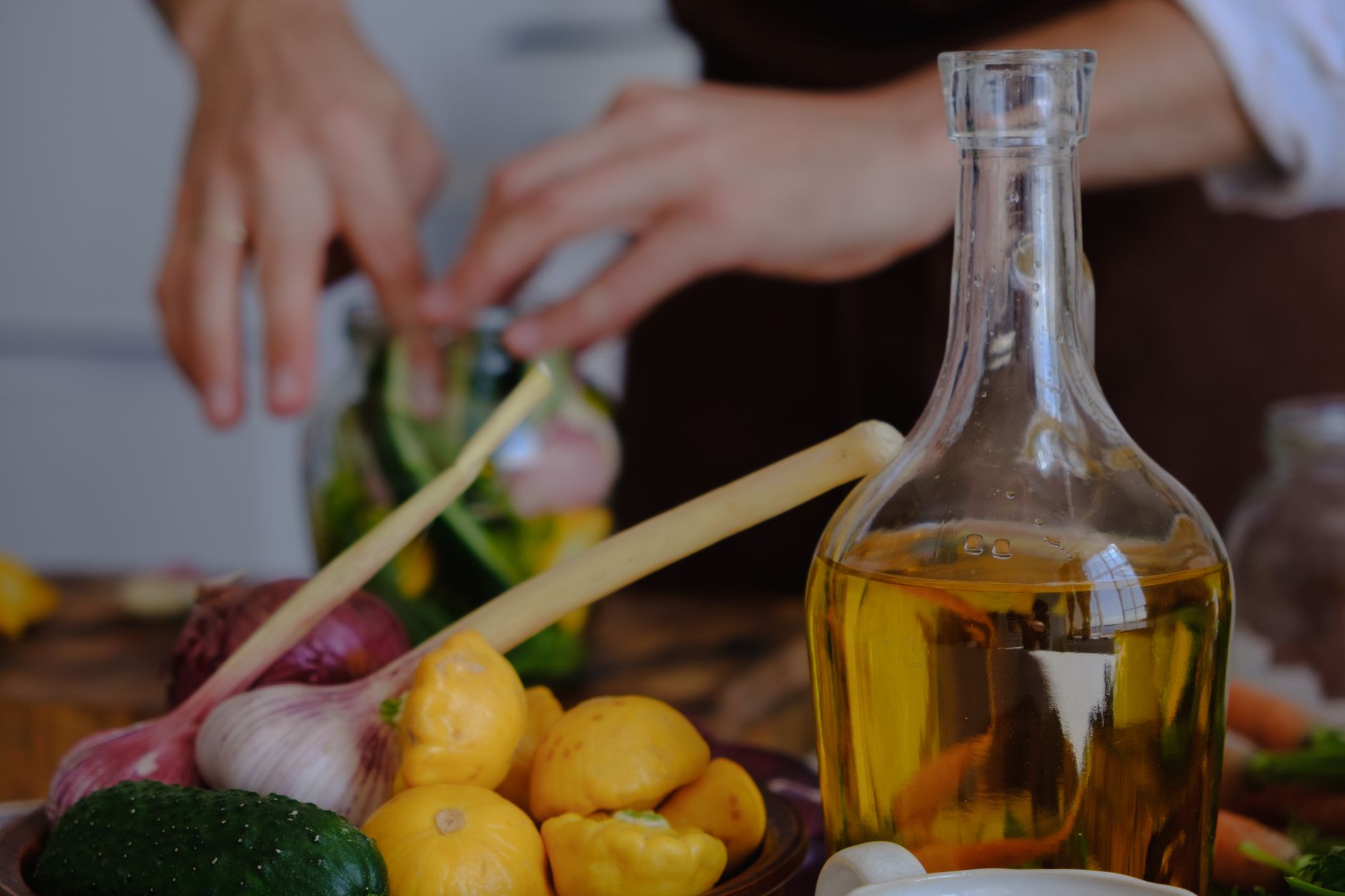
- Cook with olive oil or avocado oil instead of vegetable oil.
- Opt for grilled chicken or fish over processed meats.
- Limit alcohol to 1–2 drinks per week (if any).
---
How to meal prep an anti-inflammatory diet for the week
Meal prepping is your secret weapon for sticking to an anti-inflammatory diet. When you’re hungry and tired, reaching for a pre-made bowl of quinoa and veggies is so much easier than deciding what to eat at 7 p.m. The key is batch cooking and keeping things simple. Here’s how to do it:
Step 1: Plan your meals
- Pick 3–4 breakfasts, 3 lunches, and 3 dinners for the week.
- Include 2–3 snacks (e.g., nuts, cut veggies, hummus).
- Check your pantry first—you might already have staples like olive oil, spices, or canned beans.
Step 2: Grocery shop smart
Stock up on:
- Proteins: Eggs, chicken, salmon, lentils, chickpeas.
- Veggies: Spinach, broccoli, bell peppers, carrots (buy fresh or frozen).
- Whole grains: Quinoa, brown rice, oats.
- Healthy fats: Avocados, nuts, seeds, olive oil.
- Fruits: Berries, apples, bananas.
Here’s a full anti-inflammatory grocery list to get you started.
Step 3: Prep in bulk
- Cook 2–3 cups of quinoa or brown rice on Sunday. Store in the fridge for up to 5 days.
- Roast a big tray of veggies (sweet potatoes, Brussels sprouts, zucchini) with olive oil and spices.
- Hard-boil a batch of eggs for quick protein.
- Pre-cut veggies (carrots, cucumbers, bell peppers) for snacks.
- Make a big batch of hummus or chia pudding.
Step 4: Store smart
- Use glass containers for leftovers (they’re safer and more eco-friendly).
- Label meals with dates (most anti-inflammatory meals last 3–4 days in the fridge).
- Freeze portions of soups, stews, or cooked grains for later.
Step 5: Assemble meals quickly
- For lunches: Grab pre-cooked grains, add protein, veggies, and a drizzle of olive oil.
- For dinners: Use prepped veggies and proteins to throw together a quick stir-fry or salad.
- For snacks: Portion nuts, seeds, or cut veggies into containers.
Pro tip: If you’re short on time, check out the autoimmune protocol for even more meal prep-friendly ideas.
---
Anti-inflammatory diet benefits for overall health
An anti-inflammatory diet isn’t just about avoiding discomfort—it’s about preventing disease, boosting energy, and improving quality of life. Research shows it can help with:
- Heart health: Reduces LDL cholesterol and blood pressure (per the American Heart Association).
- Joint pain: Eases symptoms of arthritis by reducing inflammation (studies in the Journal of Rheumatology).
- Mental health: Omega-3s from fish and flax may reduce symptoms of depression (per the DSM-5).
- Digestive health: Fiber and probiotics support a healthy gut microbiome.
- Weight management: Whole foods keep you full longer, reducing cravings.
- Skin health: Antioxidants from fruits and veggies combat acne and aging.
For maternal health, an anti-inflammatory diet may help:
- Reduce gestational diabetes risk.
- Support a healthy pregnancy weight gain.
- Lower inflammation linked to preterm birth (per our guide).
But does it work for everyone? While most people see benefits, individual responses vary. If you have a specific condition (like autoimmune disease), you might need a more restrictive plan like the autoimmune protocol or DASH diet.
---
An anti-inflammatory diet can be fully plant-based—you just need to focus on protein, iron, and omega-3 sources. Here’s a sample day for vegetarians (and vegans can easily adapt by swapping animal products for plant-based alternatives).
Breakfast: Tofu scramble with spinach, turmeric, and whole-grain toast.
Lunch: Chickpea and quinoa salad with cucumber, lemon, and olive oil.
Dinner: Lentil curry with coconut milk, served over brown rice.
Snacks: Handful of walnuts + berries; hummus with carrot sticks.
Drinks: Golden milk latte; herbal tea.
Key additions for vegetarians:
- Tofu, tempeh, or seitan for protein.
- Lentils, chickpeas, and black beans for fiber.
- Nuts and seeds (chia, flax) for omega-3s.
- Leafy greens (kale, spinach) for iron and calcium.
For a vegan version, skip dairy and eggs, but include plant-based milks, nut butters, and fortified foods.
---
Anti-inflammatory diet for gut health sample meals
Your gut is the epicenter of inflammation. An anti-inflammatory diet supports gut health by focusing on fiber, probiotics, and prebiotics. Here’s how to build a gut-friendly day:
Breakfast: Overnight oats with chia seeds, almond butter, and blueberries.
Lunch: Miso soup with tofu, seaweed, and shiitake mushrooms.
Dinner: Bone broth-based vegetable stew with turmeric and ginger.
Snacks: Sauerkraut with avocado; kefir with sliced peaches.
Drinks: Ginger tea; water with lemon and cucumber.
Gut-healing foods to prioritize:
- Probiotics: Yogurt, kefir, sauerkraut, kimchi.
- Prebiotics: Garlic, onions, asparagus, bananas.
- Bone broth (for gut lining repair).
- Fermented foods (like tempeh or natto).
---
How to stick to an anti-inflammatory diet long term
Sustainability is key. Many people start an anti-inflammatory diet with enthusiasm but quit within weeks because it feels restrictive. The secret? Make it enjoyable, flexible, and adaptable to your lifestyle.
Tips to stay on track:
- Start small: Add one anti-inflammatory food per day (e.g., a handful of walnuts or a side of greens).
- Meal prep on Sundays: Spend 1–2 hours cooking grains, roasting veggies, and portioning snacks.
- Keep it social: Invite friends over for a dinner night featuring anti-inflammatory meals (like flexitarian-friendly dishes).
- Embrace variety: Rotate between different proteins (fish, lentils, chicken) and veggies to avoid boredom.
- Listen to your body: If you’re craving pizza, enjoy a slice—but balance it with extra veggies the next day.
- Track progress beyond the scale: Notice improvements in energy, sleep, or skin—these are often the first signs of change.
What if I slip up? One meal won’t derail your progress. The goal is consistency, not perfection. If you have a cheat day, just reset with the next meal.
---
Myth vs. Fact: Anti-Inflammatory Diet Misconceptions
Let’s clear up some common myths:
Myth: An anti-inflammatory diet means eating boring, bland food.
Fact




