or adults with Asperger’s, the goal is often to create a routine that minimizes sensory distress while providing steady energy and nutrients. Many adults report that irregular meals or foods with strong flavors or textures can lead to fatigue, irritability, or difficulty concentrating—making a structured plan invaluable.
One reader, Sarah (34), shared: "I used to think my brain fog was just part of being neurodivergent, but after switching to softer grains, less caffeine, and more protein at breakfast, my focus improved dramatically. It’s not about perfection; it’s about what works for me."
Here’s a sample day tailored for an adult, with an emphasis on:
- Soft or smooth textures (think oatmeal over granola, steamed veggies over raw).
- Complex carbohydrates for stable blood sugar.
- Protein to support dopamine production (linked to focus and motivation).
- Hydration—many autistic adults underestimate their fluid needs, which can worsen fatigue.
Breakfast: Creamy oatmeal with almond butter, banana slices, and a sprinkle of cinnamon (skip the crunchy toppings like nuts or seeds if they’re a trigger). Pair with herbal tea (chamomile or peppermint) for caffeine-free hydration.
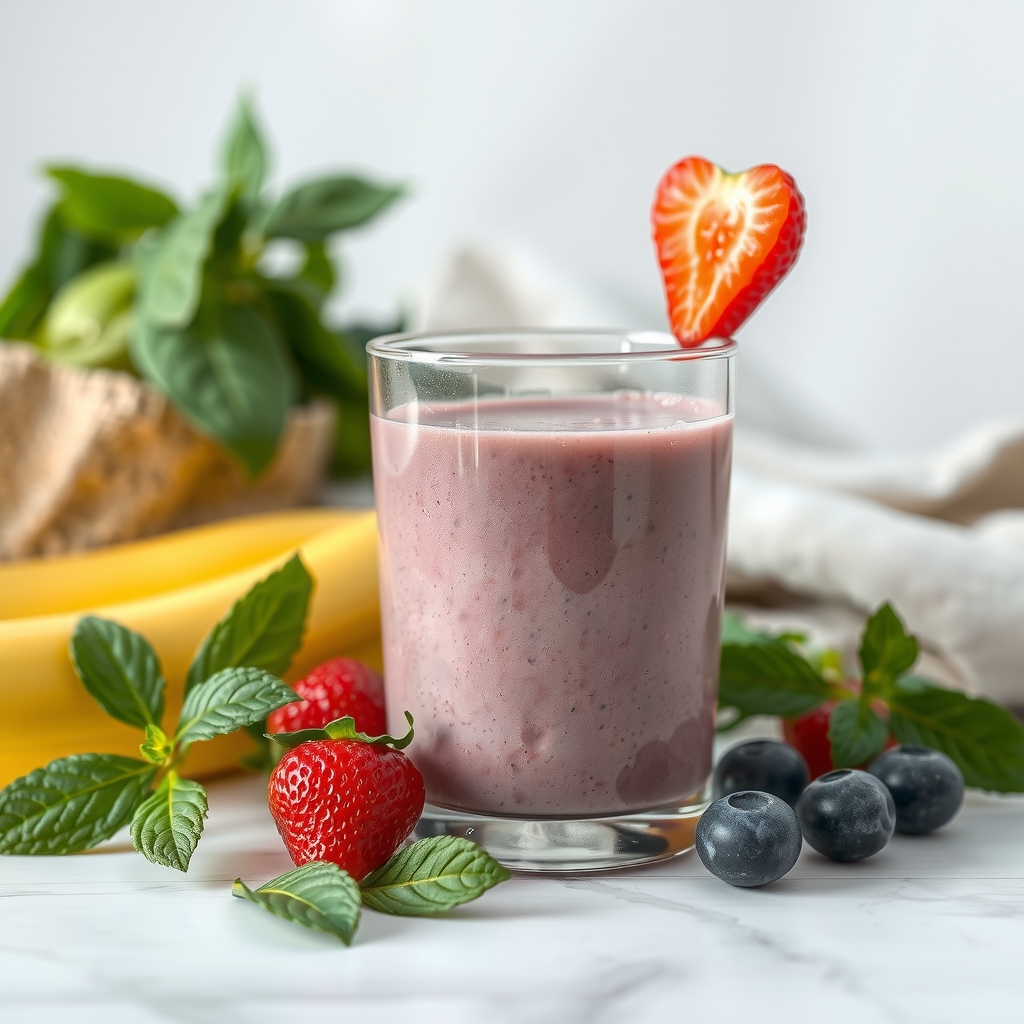
Mid-Morning Snack: Smoothie with spinach, frozen mango, Greek yogurt, and a drizzle of honey. Blend until silky smooth—no chunks!
Lunch: Baked salmon (flaky, not crispy) with mashed sweet potatoes and steamed zucchini. Season lightly with olive oil and sea salt. Avoid sauces with strong flavors or thick textures.
Afternoon Snack: Soft cheese (like ricotta or cottage cheese) with sliced pear. Skip the rind or seeds if they’re irritating.
Dinner: Turkey meatballs (ground, not chunky) with a side of creamy polenta and roasted carrots (peeled to remove stringy bits). Serve with a small salad dressed lightly in olive oil and lemon.
Evening Wind-Down: Warm golden milk (turmeric + almond milk) with a touch of honey. Avoid caffeine after noon.
---
Asperger’s diet sample breakfast ideas for sensory issues
Breakfast is often the hardest meal for sensory-sensitive individuals—whether it’s the texture of cereal, the smell of coffee, or the noise of toasting bread. The key is to prioritize warm, soft, and familiar options while ensuring the meal is nutrient-dense.
Here are 5 sensory-friendly breakfast ideas, ranked from easiest to slightly more involved:
Pro tip: If your child or you are resistant to new textures, gradually introduce changes. For example, if they dislike smoothies, start by blending just the liquid ingredients and adding a spoonful of pureed fruit at a time.
For more inspiration, check out our French diet sample day, which also emphasizes soft, flavorful meals—though it leans more on butter and bread, which may not suit everyone with sensory needs.
---
Asperger’s diet sample lunch recipes with low texture
Lunch is often the meal where sensory sensitivities clash with the demands of work or school. The goal is to keep meals predictable, soft, and easy to eat while ensuring they’re still satisfying and nutritious.
One parent, Mark, shared: "My son used to refuse lunch at school because the cafeteria food was ‘too weird.’ Now, he packs a thermos with soft chicken and rice, and he eats it without complaint. It’s not about the food itself; it’s about control and familiarity."
Here’s a **low-texture lunch recipe** that’s gentle on sensory systems:
Creamy Chicken & Rice Bowl
Ingredients:
- 1 cup cooked chicken breast (shredded or finely diced)
- ½ cup white or brown rice (cooked until very soft)
- ¼ cup steamed carrots (peeled and mashed slightly)
- 2 tbsp light mayo or Greek yogurt
- 1 tsp lemon juice
- Pinch of salt and pepper
- Optional: 1 tbsp grated cheese (melted lightly)
Instructions:
- Cook the rice until it’s very soft (soaking overnight can help).
- Shred the chicken finely or use pre-shredded rotisserie chicken.
- In a bowl, mix the chicken, rice, and mashed carrots.
- Whisk the mayo/yogurt with lemon juice and salt, then drizzle over the mixture.
- Gently fold everything together. If using cheese, sprinkle it on top and microwave for 30 seconds to melt.
- Serve warm—this dish tastes even better reheated!
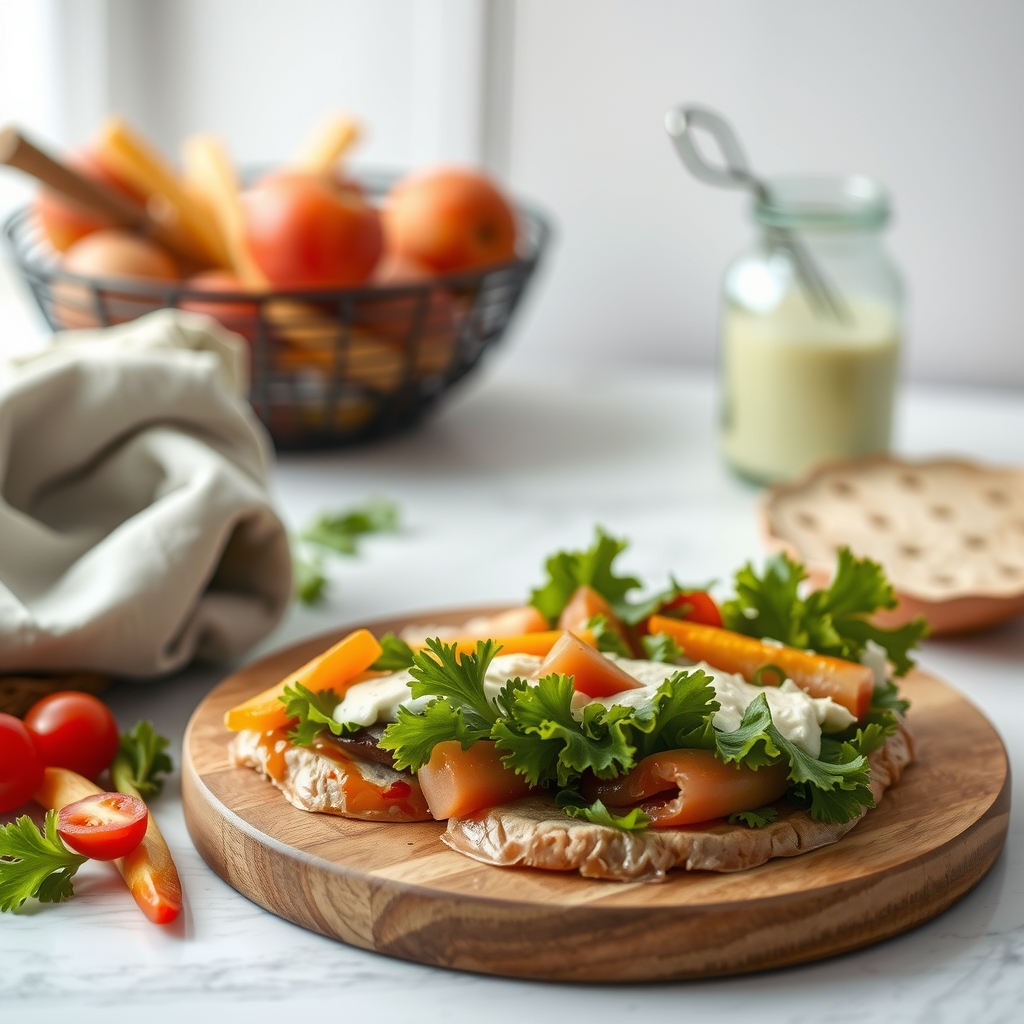
For a **vegetarian option**, swap the chicken for soft tofu or lentils. If your child or you prefer cold meals, try a **hummus and pita** combo with the pita lightly toasted (not crispy) and hummus blended until smooth.
---
Asperger’s diet sample dinner plan for toddlers: Gentle and nutritious
Toddlers with Asperger’s or autism often have extreme sensory aversions—to the point where mealtime can become a daily battle. The key is to focus on:
- Familiarity—stick to a few "safe" foods and gradually introduce new ones.
- Texture control—avoid crunchy, chewy, or slimy foods.
- Minimal seasoning—strong flavors can be overwhelming.
- Involvement—let them "help" with simple tasks like stirring or choosing between two options.
Here’s a **sample dinner plan for a toddler**, with backup options for picky eaters:
For toddlers who are extremely picky, consider the **"one bite rule"**—encourage them to take one bite of a new food without pressure. Over time, this can help expand their palate. If they refuse entirely, offer a familiar alternative without making it a big deal.
For more toddler-friendly meal ideas, check out our diabetic diet meal plan—while it’s designed for blood sugar control, many of the soft, balanced meals work well for sensory-sensitive kids too.
---
Asperger’s diet sample snacks for anxiety management
Anxiety is a common challenge for many people with Asperger’s, and diet can play a role in managing those feelings. Certain snacks can help stabilize blood sugar, support gut health, or provide a calming effect. The best snacks are:
- High in magnesium (calming effect)—bananas, spinach, almonds (if tolerated).
- Complex carbs (slow-release energy)—oatcakes, whole-grain crackers.
- Probiotics (gut-brain connection)—yogurt, kefir, fermented foods.
- Avoiding caffeine and sugar crashes—which can worsen anxiety.
Here are **5 anxiety-friendly snacks** with sensory considerations:
- Silky yogurt with honey
- Choose plain or lightly sweetened yogurt.
- Add a drizzle of honey (if sugar is a trigger, skip it).
- Top with a thin layer of granola if tolerated, or leave plain.
- Soft cheese and pear slices
- Ricotta or cottage cheese (smooth texture).
- Pair with ripe pear slices (peeled if skin is irritating).
- Warm oatcakes with almond butter
- Toast oatcakes until soft, not crispy.
- Spread with almond butter (or sunflower seed butter for nut-free).
- Chamomile tea with a date
- Herbal tea (caffeine-free) for hydration.
- Pair with a soft date for natural sweetness.
- Smoothie popsicles
- Blend banana, spinach, and Greek yogurt.
- Freeze in popsicle molds for a soothing, cold treat.
For adults, hydration is key—many anxiety symptoms worsen with dehydration. Keep a water bottle nearby and try adding lemon or cucumber slices for flavor without overstimulation.
---
Asperger’s diet sample grocery list 2026: What to stock
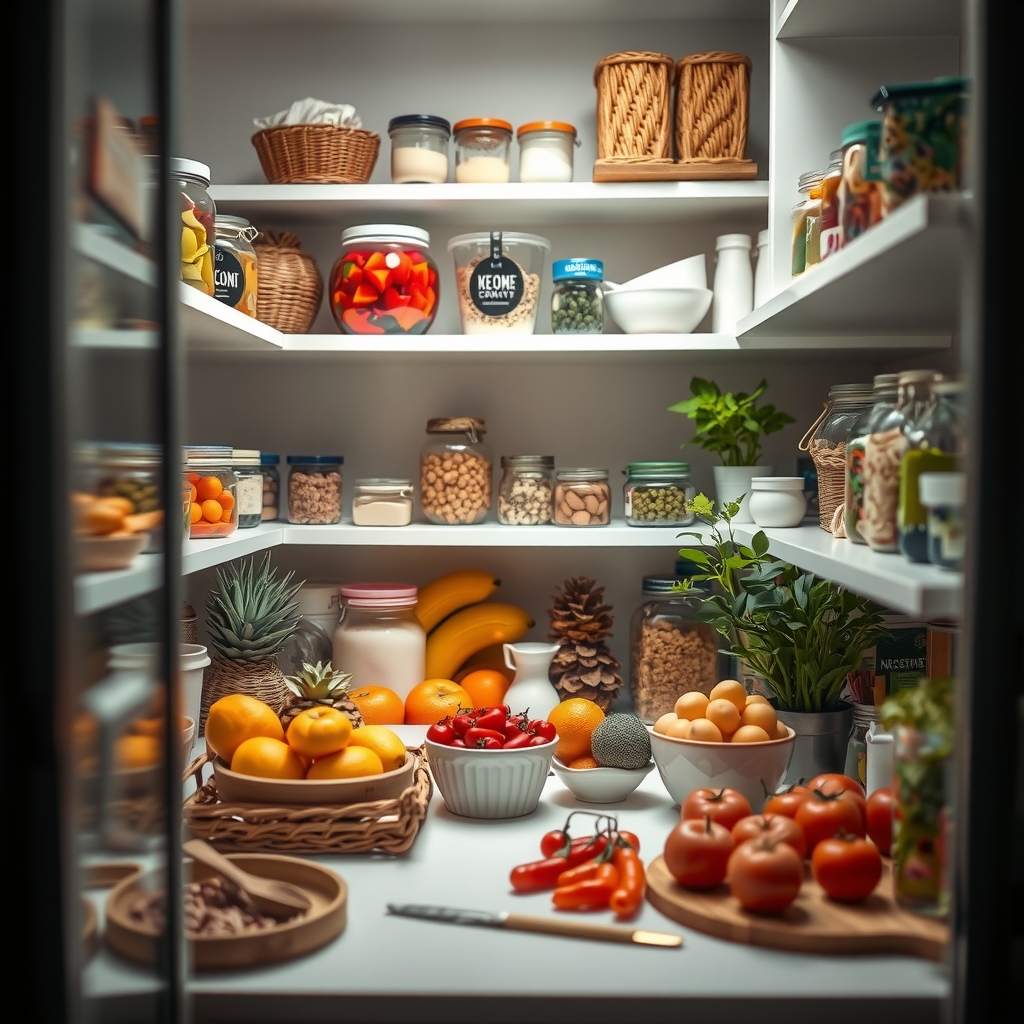
Meal prepping for sensory needs starts with the right ingredients. The goal is to have a pantry stocked with soft, familiar, and nutrient-dense options while avoiding common triggers like artificial additives or overly processed foods.
Here’s a **comprehensive grocery list**, organized by category. Check off what works for your family and adjust based on sensory preferences:
Proteins
- Chicken breast (pre-shredded or easy to shred)
- Ground turkey or beef
- Salmon fillets (fresh or frozen, skinless)
- Eggs (pasture-raised if possible)
- Greek yogurt (plain or lightly sweetened)
- Cottage cheese or ricotta
- Tofu (silken for smoothies, firm for scrambling)
Grains & Carbs
- White or brown rice (pre-cooked or instant)
- Oats (rolled or steel-cut for creamier oatmeal)
- Whole-grain pasta (soft-cooked)
- Polenta or mashed potatoes (pre-cooked for easy reheating)
- Soft tortillas or pita bread
Vegetables
- Carrots (peeled and pre-steamed)
- Sweet potatoes (mashed or roasted until soft)
- Zucchini (steamed and mashed)
- Spinach (fresh or frozen, blended into smoothies)
- Broccoli (cut into tiny florets, very soft-cooked)
Fruits
- Bananas (ripe, for smoothies or oatmeal)
- Apples (peeled, for applesauce or slices)
- Pears (ripe, for cheese pairings)
- Mango (frozen for smoothies)
- Dates (for natural sweetness)
Fats & Healthy Oils
- Almond butter (or sunflower seed butter for nut-free)
- Olive oil
- Avocado (mashed for spreads)
- Coconut milk (for creamy sauces)
Avoid or Limit
- Artificial food dyes or preservatives
- Crunchy or chewy textures (e.g., nuts, seeds, raw veggies)
- Strongly flavored cheeses (e.g., blue cheese, feta)
- Excessive sugar or caffeine
---
Asperger’s diet meal prep tips: Save time and reduce stress
Meal prepping for sensory needs can feel overwhelming, but with the right strategies, you can reduce daily stress and ensure consistency. Here are our top tips:
- Batch-cook soft grains
- Cook a large pot of rice or quinoa at the start of the week. Store in portions for easy reheating.
- Use an Instant Pot or slow cooker for fall-apart tender meats.
- Pre-soften vegetables
- Steam or boil veggies until very soft, then freeze in portions. Reheat with a splash of water.
- Roast carrots or sweet potatoes until mushy—perfect for snacks or sides.
- Make smoothie packs
- Portion frozen fruit and spinach into freezer bags. Blend with liquid (milk, water, or yogurt) as needed.
- Keep backup snacks visible
- Store soft snacks (yogurt, cheese, oatcakes) in clear containers where they’re easy to grab.
- Use the "two-bowl rule" for picky eaters
- Offer a familiar side (e.g., rice or pasta) alongside a new dish. If they refuse the new food, the familiar option is still there.
- Involve your child in prep
- Let them stir, pour, or choose between two options. This builds confidence and reduces resistance.
For more meal prep inspiration, check out our Flexitarian diet sample day, which also emphasizes batch cooking and simple swaps—though it’s more plant-focused.
---
Asperger’s diet and gut health: The connection you can’t ignore
Many autistic individuals experience digestive issues like IBS, reflux, or food sensitivities—conditions that can worsen sensory symptoms, anxiety, and focus. The Asperger’s diet often overlaps with gut-healing approaches like the autoimmune protocol (AIP), but it’s less restrictive. The key is to:
- Eliminate common irritants (gluten, dairy, artificial additives).
- Prioritize fiber-rich foods for gut motility.
- Include probiotic foods (yogurt, kefir, sauerkraut).
- Stay hydrated to support digestion.
Here are **gut-friendly foods** to include:
If you suspect food sensitivities, consider a **temporary elimination diet** (with guidance from a dietitian) to identify triggers. Common culprits include gluten, dairy, and artificial additives.
---
Asperger’s diet low sugar: Balancing blood sugar for stability
Many neurodivergent individuals experience blood sugar crashes, which can lead to irritability, fatigue, or anxiety. The Asperger’s diet focuses on:
- Complex carbohydrates for steady energy.
- Protein and healthy fats to slow sugar absorption.
- Avoiding refined sugars and processed snacks.
Here’s how to **balance blood sugar** with sensory-friendly meals:
- Pair carbs with protein/fat
- Example: Oatmeal with almond butter (instead of sugar).
- Choose whole foods over processed snacks
- Example: Soft apple slices with peanut butter (instead of candy).
- Limit sugary drinks
- Swap soda or juice for herbal tea or water with lemon.
- Snack mindfully
- If craving sugar, opt for a small piece of dark chocolate (70%+) with a handful of almonds.
For more low-sugar meal ideas, our diabetic diet meal plan offers a great framework—though it’s designed for blood sugar control, the principles align well with sensory needs.
---
Asperger’s diet for anxiety: Foods that calm the mind
Anxiety and Asperger’s often go hand in hand, and diet can play a surprisingly powerful role. Certain nutrients—like magnesium, omega-3s, and B vitamins—are linked to lower anxiety levels. The Asperger’s diet naturally includes these through:
- Magnesium-rich foods (bananas, spinach, almonds).
- Omega-3s (salmon, flaxseeds, walnuts—if tolerated).
- Complex carbs (oats, sweet potatoes) for serotonin production.
- Avoiding caffeine and alcohol (which can worsen anxiety).
Here are **5 anxiety-soothing foods** to prioritize:
- Bananas
- High in magnesium and potassium, which support nerve function.
- Salmon
- Rich in omega-3s, which reduce inflammation and support mood.
- Dark leafy greens
- Spinach and kale are packed with folate, which helps regulate mood.
- Turmeric
- Anti-inflammatory and may help reduce anxiety symptoms.
- Chamomile tea
- Caffeine-free and naturally calming.
If anxiety persists, consider speaking with a therapist or dietitian about whether supplements (like magnesium or probiotics) might help.
---
Asperger’s diet meal plan for school: Packing lunches without the meltdowns
School lunches can be a minefield for sensory-sensitive kids—overheated food, unfamiliar textures, or even the smell of other children’s meals can trigger meltdowns. The key is to:
- Keep meals predictable and familiar.
- Use insulated lunchboxes to maintain temperature.
- Involve your child in choosing and packing their lunch.
- Avoid strong-smelling foods (e.g., tuna, strong cheeses).
Here’s a **sample school lunch plan** for a sensory-sensitive child:
Pro tip: If your child refuses to eat their lunch, don’t make it a battle. Instead, offer a backup option (like a snack from home) and focus on what they did eat. Over time, they may be more open to trying new things.
---
Myth vs. Fact: Debunking common Asperger’s diet misconceptions
Myth: "An Asperger’s diet is just a gluten-free or dairy-free diet."
Fact: While some autistic individuals do have gluten or dairy sensitivities, the Asperger’s diet is broader. It focuses on sensory-friendly textures, gut health, and blood sugar stability—not just eliminating specific foods. Always work with a dietitian to identify personal triggers.
Myth: "If my child doesn’t eat the ‘right’ foods, the diet won’t work."
Fact: The goal isn’t perfection—it’s progress. Even small changes, like swapping crunchy chips for soft crackers or offering a smoothie instead of a raw fruit snack, can make a difference. Consistency matters more than strict adherence.
Myth: "An Asperger’s diet will cure autism or Asperger’s symptoms."
Fact: Diet can support overall well-being, reduce sensory distress, and improve focus and mood—but it won’t change the underlying neurodivergence. Think of it as a tool in your toolkit, not a magic fix.
---
Key takeaways: Your Asperger’s diet checklist
- Prioritize soft textures—avoid crunchy, chewy, or slimy foods if they’re triggers.
- Balance blood sugar with complex carbs, protein, and healthy fats to avoid crashes.
- Listen to your body—if a food causes discomfort (digestive or sensory), it’s okay to avoid it.
- Meal prep for consistency—batch-cook soft grains and proteins to save time.
- Hydrate well—dehydration worsens fatigue and anxiety.
- Involve your child in meal planning—choice and familiarity reduce resistance.
---
Frequently asked questions about the Asperger’s diet
What is an Asperger’s diet?
The Asperger’s diet is a flexible eating approach designed to support sensory needs, gut health, and focus by emphasizing soft textures, nutrient-dense foods, and avoiding common triggers like artificial additives or strong flavors. It’s not a one-size-fits-all plan but a framework to tailor meals to individual preferences and sensitivities.
How to