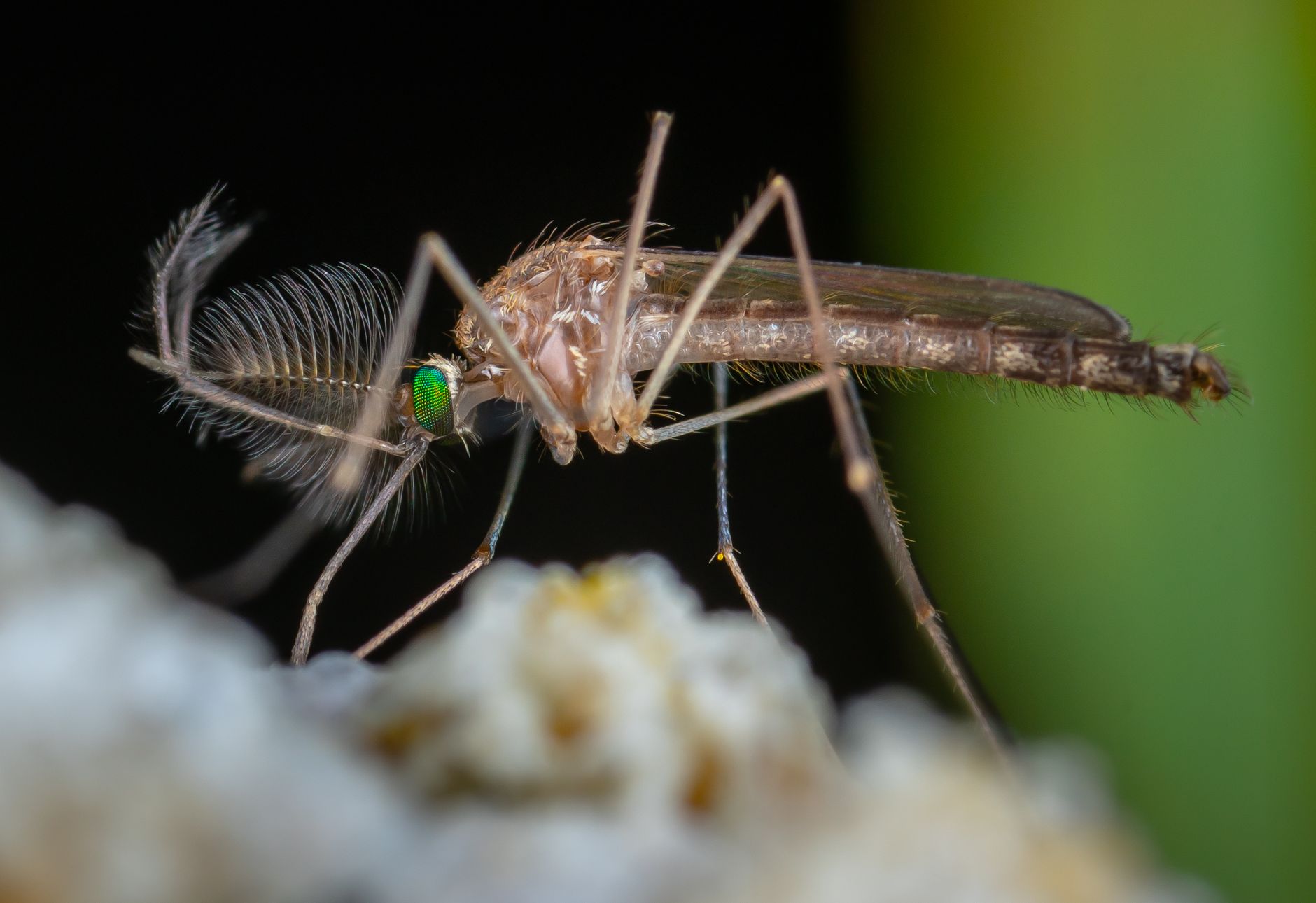
Zika virus targets neural progenitor cells, disrupting the normal growth of the brain. This can lead to:
- Microcephaly – reduced head circumference and brain volume.
- Intracranial calcifications – calcium deposits that appear on ultrasound.
- Ventriculomegaly – enlarged brain ventricles.
- Eye abnormalities – such as chorioretinal scarring.
- Joint contractures and musculoskeletal issues.
- Hearing loss – identified in some newborn screenings.
These findings are often first detected on routine ultrasound between 18 and 22 weeks, but subtle changes may not appear until later. Because Zika can affect the central nervous system, early detection allows your healthcare team to arrange specialized imaging, referrals to pediatric neurologists, and early‑intervention services.
Serial ultrasounds are recommended when exposure is confirmed. The ACOG suggests a detailed anatomy scan at 20 weeks, followed by a growth scan at 28 weeks, and a final neuro‑imaging assessment (often MRI) after birth if any abnormalities are noted. Early‑intervention programs, such as those outlined by the American Academy of Pediatrics, can improve motor and cognitive outcomes.
What are the symptoms of Zika infection during pregnancy?
Most pregnant people with Zika experience mild or no symptoms at all. When symptoms do appear, they typically start 3–14 days after exposure and last about a week. Common signs include:
- Low‑grade fever (often < 38.5 °C/101.3 °F).
- Rash – usually non‑itchy and spreading from the trunk to limbs.
- Joint pain, especially in the hands and feet.
- Conjunctivitis (red eyes) without discharge.
- Headache, muscle aches, or fatigue.
Because these symptoms overlap with many other tropical infections, laboratory testing is essential to confirm Zika. If you notice any of these signs after travel or possible exposure, contact your OB‑GYN promptly.
It’s also worth noting that some women report a lingering “flu‑like” feeling weeks after the initial rash resolves. While this can be part of the normal recovery, persistent fever or worsening joint pain should be evaluated to rule out secondary infections.
Zika virus testing guidelines for pregnant women
Testing follows a two‑step approach: molecular (PCR) testing to detect viral RNA, and serologic (IgM/IgG) testing for antibodies.
If you’re pregnant and have had a possible exposure, the CDC recommends a PCR test within 2 weeks of the last possible mosquito bite or sexual contact. If the PCR is negative but you’re still within the 2‑week window, an IgM test can be added. Positive IgM should be confirmed with a plaque reduction neutralization test (PRNT) to rule out cross‑reactivity with other flaviviruses like dengue.
Because antibody levels can linger, a repeat test is sometimes advised at 4–6 weeks post‑exposure to capture any late seroconversion. Your provider will discuss the results in the context of your ultrasound findings and may recommend additional monitoring if there is any uncertainty.
Preventing Zika virus exposure while pregnant
Because there is no approved vaccine for pregnant people (see the vaccine section below), prevention hinges on mosquito bite avoidance and safe sexual practices.
- Wear protective clothing: long sleeves, long pants, and shoes when outdoors.
- Use EPA‑registered insect repellents: DEET (up to 30 %), picaridin, IR3535, or oil of lemon eucalyptus. Apply to exposed skin and reapply every 3–5 hours.
- Secure your environment: keep windows and doors closed or fitted with screens; use air‑conditioned rooms; eliminate standing water where mosquitoes breed.
- Practice safe sex: use condoms consistently for the duration of pregnancy if your partner has lived in, traveled to, or been exposed to a Zika‑area.
- Stay informed: check CDC and WHO travel advisories before planning trips.
Additional home‑based measures include using larvicidal tablets in water storage containers and placing indoor mosquito traps that use CO₂ or UV light. The NHS recommends a combination of physical barriers (screens) and chemical repellents for the most reliable protection.
For those who must be outdoors during peak mosquito activity (early morning and late afternoon), consider applying permethrin‑treated clothing or using portable fans, which can deter mosquitoes from landing.
Travel recommendations for pregnant travelers to Zika‑affected areas
The CDC currently advises pregnant people to avoid travel to areas with active Zika transmission, which includes many parts of Central and South America, the Caribbean, and parts of Southeast Asia.
If travel is unavoidable—such as for essential work or family emergencies—take these steps:
- Consult your OB‑GYN at least 2 weeks before departure to discuss risks and testing plans.
- Choose accommodations with air‑conditioned rooms and window screens.
- Stay indoors during peak mosquito activity (early morning and late afternoon).
- Carry EPA‑approved repellent and apply it regularly.
- Plan for a post‑travel follow‑up visit within 2 weeks of returning.
In 2024, the CDC reported that U.S. pregnant travelers to Zika‑affected regions had a 0.2% infection rate, reflecting both reduced transmission in some locales and strict adherence to preventive measures.
Travel insurance that covers medical evacuation and Zika‑related testing can ease anxiety. Some policies also offer tele‑health consultations with obstetric specialists, allowing you to discuss any symptoms while abroad.
Long‑term outcomes for babies born to mothers with Zika
Infants with congenital Zika syndrome (CZS) can face a range of challenges:
- Neurodevelopmental delays – speech, motor, and cognitive milestones may be slower.
- Vision impairments – up to 30% develop ocular abnormalities.
- Hearing loss – identified through newborn hearing screening.
- Seizure disorders – occurring in a subset of children with severe brain injury.
Early intervention programs, including physical, occupational, and speech therapy, are crucial. The American Academy of Pediatrics (AAP) recommends that all infants with possible CZS receive a comprehensive evaluation by a multidisciplinary team within the first month of life.
For children without obvious abnormalities at birth, ongoing monitoring is still advised. Serial ultrasounds, growth measurements, and developmental screenings should continue through the first two years. Many families report that children who receive early support achieve higher levels of independence than those who start later.
Support groups, both in‑person and online, help families navigate the emotional and logistical complexities of caring for a child with CZS. Organizations such as the Zika Birth Defects Registry provide resources and connect families with specialists across the United States.
Difference between Zika and other mosquito‑borne illnesses in pregnancy
Pregnant people often confuse Zika with dengue, chikungunya, or malaria. Here’s a quick comparison:
While dengue and chikungunya can cause severe maternal illness, Zika’s unique danger lies in its ability to cross the placenta and directly affect the fetal brain. This distinction guides both testing priorities and counseling.
Co‑infection is rare but possible in areas where multiple viruses circulate. In such cases, clinicians may need to order separate tests for each pathogen, as treatment strategies differ. For example, dengue requires careful fluid management, whereas Zika management remains supportive.
Zika virus pregnancy risk statistics 2024
According to the latest CDC surveillance report (2024), there were 1,200 confirmed Zika infections among pregnant travelers worldwide, with the following breakdown:
- First‑trimester infections: 45% of cases, with a 12% rate of microcephaly.
- Second‑trimester infections: 35% of cases, with a 6% rate of neurodevelopmental abnormalities.
- Third‑trimester infections: 20% of cases, with a 2% rate of adverse outcomes.
Overall, the risk of any congenital anomaly linked to Zika infection during pregnancy is estimated at 5–8% in 2024, a slight decline from earlier years due to improved prevention and early testing.
Long‑term surveillance shows that the proportion of infants with severe CZS has dropped modestly since 2018, reflecting both better mosquito control and earlier identification of at‑risk pregnancies.
Zika virus vaccine availability for pregnant women
As of 2024, no Zika vaccine is approved for use in pregnant women. Several candidates are in Phase III trials, including a DNA‑based vaccine and a live‑attenuated platform, but safety data in pregnancy remain limited. The FDA and EMA have both issued statements that any vaccine use in pregnant people should be limited to clinical trials with informed consent.
For now, the best “vaccine” is the combination of rigorous mosquito‑bite avoidance and safe sexual practices. Should a vaccine become available, it will likely be recommended for women of childbearing age before conception, similar to the approach used for rubella.
Researchers are also exploring whether a vaccine administered pre‑conception could provide passive immunity to the fetus via placental transfer, but those studies are still in early phases.
How long does Zika stay in the body after pregnancy?
Zika RNA can be detected in blood for up to 2 weeks and in urine for up to 3 weeks after symptom onset. However, the virus can persist in semen for up to 6 months, which is why sexual transmission guidelines extend beyond the pregnancy period. In most cases, once the infection resolves, the virus is cleared from the mother’s bloodstream, but fetal exposure risk is confined to the time of active maternal viremia.
For women planning future pregnancies, the CDC advises waiting at least 8 weeks after symptomatic infection (or 12 weeks after asymptomatic infection) before trying to conceive, to ensure any residual virus has cleared.
Zika vs. COVID pregnancy complications
Both Zika and COVID‑19 raise concerns for pregnant people, but their complications differ. COVID‑19 primarily increases the risk of severe maternal respiratory illness, pre‑eclampsia, and pre‑term birth, whereas Zika is uniquely linked to congenital brain defects. Co‑infection is rare, but if it occurs, clinicians monitor both respiratory status and fetal neurodevelopment closely.
Management strategies also differ: antiviral therapies are not available for Zika, while COVID‑19 may be treated with monoclonal antibodies or antivirals in certain cases. Vaccination against COVID‑19 is strongly recommended for all pregnant people, but no comparable vaccine exists for Zika.
Zika virus miscarriage risk
Early‑trimester Zika infection carries a higher risk of miscarriage, estimated at 3–5% in recent studies. The mechanism is thought to involve placental inflammation and direct viral injury to embryonic cells. While most infections do not lead to loss, any bleeding or cramping after known exposure warrants immediate evaluation.
Providers typically perform a transvaginal ultrasound to assess fetal viability and may order repeat PCR testing to confirm that the virus is no longer active. Counseling should emphasize that most pregnancies continue to term even after early infection, but vigilant monitoring is essential.
Zika virus breastfeeding guidelines
Current WHO and CDC guidance states that mothers with confirmed Zika infection can safely breastfeed. Zika RNA has been detected in breast milk, but no cases of transmission through breastfeeding have been documented. The benefits of breastfeeding outweigh the theoretical risk, especially when combined with proper hand hygiene.
Infants should continue routine newborn screening, including hearing and vision checks, because some congenital effects may not be apparent at birth. Any signs of developmental delay should prompt a pediatric evaluation.
Zika virus infection rates in US pregnant travelers
Data from the CDC’s GeoSentinel network (2024) indicate that out of roughly 10,000 pregnant travelers to Zika‑endemic regions, about 20 had confirmed infections, reflecting a 0.2% infection rate. Most cases were identified through routine post‑travel testing rather than symptom‑driven diagnosis.
Insurance coverage for Zika testing during pregnancy
Most major U.S. insurers, including Medicare and Medicaid, cover Zika testing when ordered by a qualified OB‑GYN after a documented exposure. Private plans may require prior authorization, but the CDC provides a list of “medically necessary” codes that facilitate coverage. If you encounter a denial, ask your provider to submit an appeal citing CDC guidelines.
Out‑of‑pocket costs can vary. Some labs charge a flat fee for PCR testing (often $150–$200), which many plans cover in full. It’s wise to verify coverage before testing, especially if you are traveling on a tight budget.
Emotional coping and mental health support for pregnant people worried about Zika
Anxiety about Zika is common, and constant worry can affect sleep, nutrition, and overall well‑being. Cognitive‑behavioral strategies—such as limiting news intake to once a day, practicing diaphragmatic breathing, and keeping a “worry journal” where you write down specific concerns—can reduce rumination.
The American Psychological Association (APA) recommends that pregnant people experiencing persistent anxiety seek support from a therapist familiar with perinatal mental health. Many insurers cover tele‑therapy sessions, and community health centers often provide low‑cost counseling. Support groups, either in‑person or virtual, allow you to share experiences with others who understand the unique stress of navigating Zika concerns.

Guidelines for prenatal screening and monitoring after Zika exposure
If you’ve had a confirmed Zika infection or a high‑risk exposure, your OB‑GYN will create a tailored monitoring plan. This usually includes:
- A detailed anatomy ultrasound at 20–22 weeks to look for brain and eye abnormalities.
- Fetal growth ultrasounds every 4–6 weeks thereafter.
- Serial amniocentesis in select cases (often after 20 weeks) to test amniotic fluid for Zika RNA, especially if ultrasound findings are inconclusive.
- Post‑natal MRI or cranial ultrasound if any neuro‑developmental concerns arise.
- Referral to a pediatric neurologist and early‑intervention services within the first month of life.
The NHS and ACOG both emphasize shared decision‑making: you should discuss the benefits and risks of each test, including the small chance of procedure‑related complications. Ongoing communication with your care team helps you feel empowered and reduces uncertainty.
Myth vs. fact
Myth: If you have no symptoms, Zika can’t affect your baby.
Fact: Up to 80% of pregnant people with Zika are asymptomatic, yet the virus can still cross the placenta and cause congenital anomalies.
Myth: Zika is no longer a threat because outbreaks have subsided.
Fact: Zika remains endemic in many tropical regions, and sporadic cases still occur each year, especially after heavy rains.
Myth: Breastfeeding transmits Zika to the infant.
Fact: Current evidence shows no transmission through breast milk; breastfeeding is safe and recommended.
Key takeaways
- Zika virus can be contracted during pregnancy, mainly via mosquito bites.
- Microcephaly and other brain abnormalities are the most serious zika virus pregnancy risks.
- Testing (PCR and IgM) should be done promptly after any possible exposure.
- Prevention focuses on repellents, protective clothing, screened environments, and safe sex.
- Travel to Zika‑affected areas is discouraged for pregnant women; if unavoidable, follow strict precautions.
- Early‑life screening and multidisciplinary care improve outcomes for infants with congenital Zika syndrome.
- Emotional support and structured monitoring are essential components of comprehensive care.
Frequently asked questions
Can Zika virus cause birth defects?
Yes. The virus can cross the placenta and interfere with brain development, leading to microcephaly, eye defects, and other neurological problems. The risk is highest when infection occurs in the first trimester.
How is Zika virus transmitted to a pregnant woman?
Most commonly through the bite of an infected Aedes mosquito. It can also be spread sexually, via blood transfusion, or from mother to fetus during pregnancy.
What tests are recommended for Zika during pregnancy?
RT‑PCR on blood or urine within 14 days of exposure, followed by Zika IgM antibody testing if PCR is negative. Positive IgM should be confirmed with a plaque reduction neutralization test (PRNT).
Is it safe to travel to tropical regions while pregnant?
Generally, the CDC advises pregnant people to avoid travel to areas with active Zika transmission. If travel is essential, strict mosquito‑bite prevention and post‑travel testing are crucial.
How long after infection can a baby be affected?
The fetus is at risk while the mother has active viremia, typically up to 2 weeks after symptom onset. Even after the virus clears from the mother’s blood, any damage done during that window may manifest later.
Are there any treatments for Zika infection in pregnancy?
There is no specific antiviral therapy approved for Zika. Management is supportive—rest, hydration, and acetaminophen for fever. Always discuss any medication use with your OB‑GYN.
Can I breastfeed if I had Zika?
Yes. WHO and CDC guidelines support breastfeeding because no transmission through breast milk has been documented, and the benefits outweigh theoretical risks.
When should I see a specialist?
If you develop fever, rash, or joint pain after travel, or if any ultrasound shows abnormal fetal growth, contact your OB‑GYN immediately. You may be referred to an infectious disease specialist or a maternal‑fetal medicine (MFM) expert for further evaluation.
Can a partner’s Zika infection affect my pregnancy?
Yes. Zika can be transmitted sexually, so if your partner has lived in or traveled to a Zika‑endemic area, using condoms throughout pregnancy reduces the risk of fetal exposure. Discuss testing and prevention with your OB‑GYN.
Is there any role for vitamins or supplements in protecting against Zika?
Currently, no vitamin or supplement has proven efficacy in preventing Zika infection. Maintaining a balanced diet rich in antioxidants supports overall immune health, but specific micronutrients do not replace mosquito‑bite prevention or safe‑sex practices.
When to see a doctor / specialist
Call your OB‑GYN right away if you experience any of the following after possible exposure:
- Fever ≥ 38.5 °C (101.3 °F) lasting more than 24 hours.
- New rash, especially if it spreads quickly.
- Joint pain or swelling that limits movement.
- Conjunctivitis without discharge.
- Unexplained vaginal bleeding or severe cramping.
- Any abnormal findings on routine prenatal ultrasound (e.g., microcephaly, calcifications).
These signs may indicate active Zika infection or complications that require prompt evaluation by an obstetrician, an infectious disease physician, or a maternal‑fetal medicine specialist. This article provides general information and is not a substitute for personalized medical advice. Always discuss your specific situation with a qualified healthcare provider.
References
- Centers for Disease Control and Prevention (CDC). “Zika Virus: Guidance for Pregnant Women.” Updated 2024.
- World Health Organization (WHO). “Zika Virus Fact Sheet.” 2024.
- American College of Obstetricians and Gynecologists (ACOG). “Management of Zika Virus in Pregnancy.” Practice Bulletin, 2024.
- National Institute of Child Health and Human Development (NICHD). “Long‑Term Outcomes of Children with Congenital Zika Syndrome.” 2024.
- American Academy of Pediatrics (AAP). “Recommendations for Care of Infants with Congenital Zika Syndrome.” 2024.
- U.S. Department of Health & Human Services. “Insurance Coverage for Zika Testing.” 2024.
- European Centre for Disease Prevention and Control (ECDC). “Zika Virus Surveillance in Europe.” 2024.
- Harvard T.H. Chan School of Public Health. “Mosquito‑Borne Diseases and Prevention.” 2024.
- National Institutes of Health (NIH). “Zika Vaccine Development Pipeline.” 2024.
- American Psychological Association (APA). “Stress Management for Pregnant Travelers.” 2024.
- National Health Service (NHS). “Mosquito‑bite prevention for pregnant women.” 2024.
- American Psychological Association (APA). “Perinatal anxiety resources.” 2024.