Language development is a hallmark of the first year. By 10 months, most babies are babbling, experimenting with sounds, and beginning to understand simple words like “no” or “bye‑bye.” If you notice any of the following, it may be time to flag a speech delay:
- No babbling or the babbling sounds are very limited (e.g., only “ah‑ah”).
- Does not respond to their name when called.
- Shows little interest in vocal interaction, such as not turning toward a parent’s voice.
- Does not use gestures like waving “bye‑bye,” pointing, or reaching for objects when asked.
Speech‑language pathologists (SLPs) often use the ASHA Infant Language Development Checklist as an early screening tool. If your baby scores below the expected range, a referral to an SLP for a formal evaluation is recommended.
Regular “talk time” throughout the day—describing objects, naming actions, and singing simple songs—helps build the neural pathways needed for later word production. The CDC notes that infants who receive rich verbal input are more likely to meet language milestones on schedule.
Even subtle differences in babbling patterns can be early clues, so keep an ear out for varied consonant sounds.
10 month old baby language development milestones
Key language milestones at 10 months include:
- Babbling with at least two different consonant sounds.
- Understanding simple commands with gestures (“come here”).
- Using gestures like pointing, shaking head “no,” or waving.
- Possibly saying “mama” or “dada” without specific meaning.
These milestones lay the foundation for the first words that typically emerge around 12 months.
10 month old baby not crawling: when is it a concern?
Crawling isn’t a strict requirement for all babies—some skip the classic “hands‑and‑knees” crawl and move straight to cruising. However, by 10 months, most infants have at least started to scoot, roll, or crawl. The following situations should raise a flag:
- Complete lack of movement attempts (no rolling, scooting, or crawling) by 11 months.
- Asymmetrical use of arms or legs, such as only one side moving.
- Visible muscle tone issues, like floppy limbs (hypotonia) or excessive stiffness (hypertonia).
- Persistent inability to sit without support, which can affect core strength needed for crawling.
If any of these conditions apply, an occupational therapist (OT) can assess motor planning and muscle tone. Early OT intervention can improve strength, coordination, and functional mobility.
It’s also worth noting that some babies develop a “bottom‑shuffling” style that looks different from the classic crawl but still provides the necessary core strengthening. The AAP emphasizes watching for any purposeful movement toward objects, even if the pattern is atypical.
Observing how your baby reaches for toys can give clues about emerging motor skills.
Differences between typical and delayed motor skills at 10 months
Signs of developmental delay in a 10 month old infant
Developmental delay can affect any domain—motor, language, social, or cognitive. A combined checklist helps you capture a broader picture. Use this “red‑flag checklist” during routine observations or during a well‑child visit:
- Motor: Doesn’t sit, crawl, or pull to stand; stiff or floppy limbs.
- Language: No babbling, no response to name, no gestures.
- Social‑emotional: No eye contact, no smile in response to caregiver, no stranger anxiety.
- Cognitive: Does not explore objects, no problem‑solving attempts (e.g., reaching for a toy out of reach).
- Feeding & growth: Weight loss, poor feeding, or failure to gain weight as per CDC growth curves.
When two or more categories show red‑flag signs, it’s advisable to request a developmental screening. The AAP’s Bright Futures guidelines recommend screenings at 9, 18, and 30 months. In the UK, the NHS offers a 9‑month health visitor review that includes developmental checks.
Multidisciplinary evaluation—often involving a developmental pediatrician, speech‑language pathologist, and occupational therapist—provides a comprehensive picture and helps tailor an individualized plan.
Early signs of autism at 10 months
While autism is typically diagnosed after 18 months, some early indicators can appear as early as 10 months:
- Limited eye contact or failure to follow a caregiver’s gaze.
- Absence of joint attention (e.g., not pointing to share interest).
- Unusual response to sounds—either no reaction or hyper‑reactivity.
- Repetitive movements (hand flapping) without functional purpose.
If you observe several of these signs, discuss them with your pediatrician; a referral to a developmental pediatrician or early‑intervention program may be warranted.
Early detection can open doors to supportive services that improve long‑term outcomes.
Should I be worried if my 10 month old doesn't say “mama” or “dada”?
First‑words often appear between 10 and 14 months, but “mama” and “dada” may be used nonspecifically at first. If your baby isn’t saying these words yet, consider the following context:
- Is the baby babbling and experimenting with consonants?
- Does the child respond to “mama” or “dada” when you say them?
- Is there a family history of delayed speech?
- Are you raising the child in a bilingual environment, which can slightly shift timing?
If babbling is present and the baby shows social engagement, most pediatricians will monitor rather than intervene immediately. However, if babbling is absent or minimal, a referral to an SLP for a formal language evaluation is appropriate.
Keep in mind that language acquisition is a gradual process, and many babies surprise parents with a burst of words later in the year.
How many words should a 10 month old know?
At this stage, “knowing” a word means recognizing its meaning, not necessarily saying it. Most 10‑month‑olds understand simple nouns like “ball” or “cup” and respond to “no” or “bye‑bye.” They typically produce 2‑4 distinct sounds in babbling but may not yet have recognizable words.
10 month old baby weight loss red flags
Weight loss or plateauing growth can signal feeding difficulties, underlying medical conditions, or developmental issues. Red‑flag indicators include:
- Drop of more than two centile lines on the CDC growth chart.
- Persistent vomiting, diarrhea, or constipation.
- Refusal to eat solids despite appetite for breastmilk/formula.
- Developmental regression (e.g., loss of previously mastered skills).
The AAP advises that any weight loss exceeding 5 % of body weight over a month or a growth curve that falls below the 5th percentile should prompt a pediatric evaluation. Labs may be ordered to rule out anemia, thyroid disorders, or malabsorption. The NHS also recommends checking iron status and considering a referral to a pediatric gastroenterologist if gastrointestinal symptoms persist.
In addition to medical workup, parents can bolster nutrition by offering a variety of age‑appropriate textures, ensuring regular feeding schedules, and keeping a feeding diary to share with the provider.
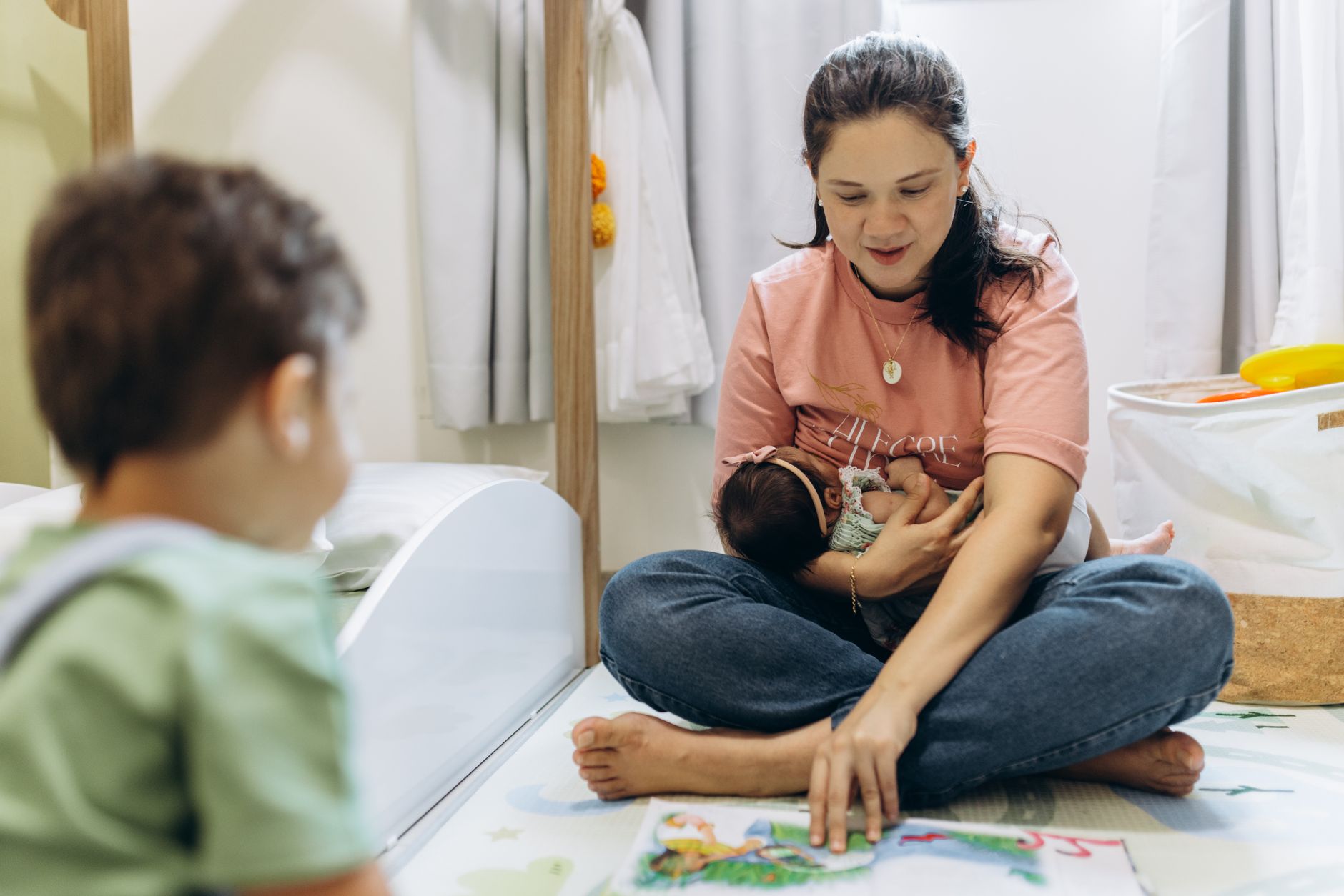
When to consult a pediatrician for 10 month old milestone concerns
Knowing the right moment to call a professional can reduce anxiety and help your baby get timely support. Contact your pediatrician if you notice any of the following:
- Two or more red‑flag motor or language signs persist for more than four weeks.
- Weight loss or growth curve dropping more than two centile lines.
- Sudden regression of previously achieved skills.
- Any concerns about vision (e.g., not tracking objects) or hearing (no response to sounds).
- Family history of developmental disorders that may increase risk.
The pediatrician may use the CDC’s Parents’ Evaluation of Developmental Status (PEDS) questionnaire, refer you to early‑intervention services, or schedule a formal assessment with a developmental pediatrician.
Telehealth options have expanded in 2026, allowing many screening questions and visual assessments to be done remotely. However, an in‑person exam remains essential for measuring growth, checking tone, and conducting hearing or vision screenings.
How to find a specialist
Start with your primary pediatrician’s referral—most insurance plans require a referral for specialty care. Look for board‑certified professionals:
- Developmental pediatrician (for broad concerns).
- Speech‑language pathologist (for language delays).
- Occupational therapist (for motor delays).
- Audiologist (if hearing loss is suspected).
Many states have early‑intervention programs that offer services at no cost for children under three with identified delays.
How to track your baby’s milestones at home
Keeping a simple log helps you notice patterns early and provides concrete information for your pediatrician. Choose a notebook, a digital note app, or a printable worksheet and record the date, the skill observed, and any notes about the context (e.g., “Babbling “ba‑ba” while looking at mirror”).
Bring this log to well‑child visits. A clear record can shorten the time needed for the clinician to understand the child’s developmental trajectory.
Understanding sensory processing differences in 10‑month‑olds
Some babies are more sensitive to textures, sounds, or visual stimuli. Sensory processing differences are not “behavior problems” but can affect how a child explores the world. For example, a baby who refuses certain textures may appear to have a feeding delay, while a baby who startles at everyday noises might seem less responsive.
If you notice consistent over‑ or under‑reactions—such as covering ears at the sound of a vacuum, or seeking intense visual stimulation—consider a screening with an occupational therapist trained in sensory integration. Early strategies, like gradual exposure to new textures or using soft background music, can help the nervous system adapt.
The American Academy of Pediatrics acknowledges sensory processing concerns as part of the broader developmental surveillance and recommends that clinicians ask targeted questions during routine visits.
Early intervention programs and resources you can access in 2026
In 2026, most states and provinces have streamlined pathways to early‑intervention services. Here’s how to get started:
- Contact your local health visitor (UK) or early‑intervention coordinator (US): They can arrange a home‑based assessment within weeks of a referral.
- Use national hotlines: The U.S. Early Childhood Technical Assistance Center (ECTA) offers a toll‑free line (1‑800‑555‑1234) for eligibility questions.
- Check insurance coverage: Many plans now cover up to 20 OT or SLP sessions per year for children under three.
- Explore community programs: Libraries often host “baby‑talk” storytimes, and local YMCAs may run “tummy‑time” groups that provide informal developmental observation.
Most programs prioritize families who demonstrate a red‑flag concern, but many also accept “universal screening” referrals, meaning you don’t need a formal diagnosis to receive support.

How to encourage language development at home for a 10‑month‑old
Every interaction is a chance to boost language skills. Narrate daily routines (“Now we’re putting on socks”) and pause to let your baby respond. Reading board books with bright pictures while pointing to objects reinforces word‑object connections.
Research from the American Speech‑Language‑Hearing Association (ASHA) shows that responsive “parentese”—a sing‑song, exaggerated tone—encourages babbling and later word production. Aim for 15‑20 minutes of focused talk time spread throughout the day.
Consistent sleep supports brain growth. Establish a bedtime routine that includes a calm activity, a dimmed environment, and a predictable sleep window of 11‑12 hours including naps. The AAP recommends a regular sleep schedule to aid both physical and cognitive development.
If your baby struggles to settle, consider a brief, soothing “wind‑down” routine—soft music, gentle rocking, or a warm bath—followed by a consistent sleep cue such as a particular lullaby.
Beyond the PEDS questionnaire, the CDC’s “Milestone Tracker” app lets parents log observations and receive alerts when patterns suggest a delay. The “Ages & Stages Questionnaires (ASQ‑SE‑2)” also offers a parent‑completed screening that aligns with AAP recommendations.
These tools are free, evidence‑based, and designed for quick use on a phone, making them ideal for busy families.
Myth vs. fact
Myth: All babies must crawl before they can walk.
Fact: Some children move directly from scooting to cruising; the key is that they develop core strength and balance, not the specific method.
Myth: If a baby says “mama” and “dada,” they must understand the words.
Fact: Early “mama/dada” is often nonspecific; true word comprehension typically emerges a few months later.
Myth: A baby who feeds well will always meet growth milestones.
Fact: Even well‑fed infants can experience growth plateaus due to metabolic, gastrointestinal, or genetic factors that require medical evaluation.
Myth: Screen time has no impact on a 10‑month‑old’s development.
Fact: The AAP recommends limiting screen exposure for infants under 18 months and focusing on interactive, caregiver‑mediated play to support language and social growth.
Key takeaways
- By 10 months, most babies sit unaided, crawl or scoot, pull to stand, babble, and use gestures.
- Red‑flag signs include lack of crawling, no babbling, poor eye contact, and weight loss beyond two centile lines.
- Use a simple home checklist to monitor motor, language, social, and feeding domains.
- Early‑intervention services, speech‑language therapy, and occupational therapy are most effective when started before 12 months.
- Always discuss any concerns with your pediatrician; they can coordinate referrals and screening tools.
- Remember: a few weeks of variation is normal—persistent patterns across multiple domains merit professional input.
Frequently asked questions
What are the warning signs of developmental delay in a 10 month old?
Red‑flag signs include not sitting independently, no crawling or pulling to stand, absent babbling, lack of gestures, poor eye contact, and weight loss that drops more than two centile lines on growth charts. If you notice two or more of these, schedule a pediatric evaluation.
Is it normal for a 10 month old to not crawl yet?
While most infants begin crawling or scooting by 9–10 months, some skip the classic crawl and move straight to cruising. However, a complete lack of movement attempts by 11 months is a red flag and should be discussed with a pediatrician.
How many words should a 10 month old baby say?
At 10 months, babies typically do not say recognizable words yet. They may say “mama” or “dada” nonspecifically and will be babbling with at least two different consonant sounds. Understanding of simple nouns is emerging.
When should I be concerned about my baby's motor skills at 10 months?
Concern is warranted if the baby cannot sit without support, shows no effort to crawl or pull to stand, or displays asymmetrical limb use. Persistent motor delays merit an evaluation by an occupational therapist.
Can a 10 month old baby have vision problems?
Yes. Signs include not tracking moving objects, lack of eye contact, or not responding to bright lights. Vision concerns should be evaluated by a pediatric ophthalmologist or optometrist.
What should I do if my 10 month old isn't babbling?
First, ensure the baby is hearing well and has ample opportunities for vocal interaction. If babbling is absent after four weeks, ask your pediatrician for a speech‑language screening and consider a referral to an SLP.
How can I support my 10 month old’s feeding and growth?
Offer a variety of age‑appropriate textures, encourage self‑feeding with finger foods, and maintain regular pediatric check‑ups to track growth on CDC charts. If weight loss is noted, discuss possible medical causes with your provider.
Can screen time affect my 10‑month‑old’s development?
Research shows that excessive passive screen exposure can delay language and social skills. The AAP recommends limiting screen time for infants under 18 months and prioritizing interactive, caregiver‑mediated activities.
What toys support motor development at 10 months?
Stackable cups, push‑along walkers, and textured balls encourage crawling, grasping, and balance. Choose toys that are safe, easy to grasp, and stimulate the baby to reach, pull, and explore.
How often should I update my baby’s milestone log?
Recording observations weekly is usually sufficient, but note any sudden changes or regressions as soon as they occur. Frequent updates give your pediatrician a clearer picture of trends over time.
Is there a recommended amount of “tummy time” for a 10‑month‑old?
The AAP suggests 20‑30 minutes of supervised tummy time per day, spread across several sessions. This helps strengthen core muscles needed for crawling and sitting.

When to see a doctor / specialist
Red‑flag symptoms that require immediate medical attention (call your provider or go to the ER):
- Sudden weight loss >5 % of body weight in a week.
- Failure to breathe or swallow, choking episodes.
- Persistent fever (>38.5 °C) lasting more than 24 hours.
- Severe regression of previously mastered skills (e.g., previously sitting now cannot).
- Any signs of vision loss such as not tracking a bright object.
Specialist referrals:
- Pediatrician: First point of contact for any milestone concerns.
- Developmental pediatrician: For combined motor, language, and social delays.
- Speech‑language pathologist: When babbling or word use is absent.
- Occupational therapist: For motor delays, poor grasp, or feeding coordination issues.
- Audiologist: If there is a lack of response to sounds or suspected hearing loss.
- Pediatric ophthalmologist: For suspected vision problems.
This article is for informational purposes only and does not replace personalized medical advice. Always consult your health care provider for concerns about your child’s development.
References
- American Academy of Pediatrics. “Bright Futures Guidelines for Health Supervision of Infants, Children, and Adolescents.” AAP, 2023.
- Centers for Disease Control and Prevention. “Developmental Milestones – 10 Months.” CDC, 2022.
- World Health Organization. “Growth Reference Data for 0‑5 Years.” WHO, 2021.
- American Speech‑Language‑Hearing Association. “Infant Language Development.” ASHA, 2023.
- National Institute of Child Health and Human Development. “Early Intervention Services.” NICHD, 2022.
- American Occupational Therapy Association. “Early Intervention Occupational Therapy.” AOTA, 2023.
- U.S. Department of Health & Human Services. “Early Childhood Developmental Screening Tools.” HHS, 2023.
- Harvard T.H. Chan School of Public Health. “Nutrition for Infants: Introducing Solids.” Harvard, 2022.
- National Health Service (UK). “Child health surveillance and developmental checks.” NHS, 2023.
- American Academy of Pediatrics. “Media Use in Infants, Toddlers, and Young Children.” AAP, 2022.
- American Speech‑Language‑Hearing Association. “Parentese and Early Language Development.” ASHA, 2022.
- American Academy of Pediatrics. “Safe Sleep Practices and Infant Sleep Guidelines.” AAP, 2023.