Discover the reasons behind weird pregnancy cravings and unusual food desires during pregnancy, explained by experts to help you understand your body
By Shubhra Mishra — a mom of two who turned her own confusion during pregnancy into BumpBites, a global mission to make food choices clear, safe, and stress-free for every expecting mother. 💛
Check whether any food is safe during pregnancy with the BumpBites Food Safety Checker.
Quick take: Most weird pregnancy cravings—whether it’s pickles with ice cream, salty chips at midnight, or a sudden urge for chalk—are normal and usually harmless. They often stem from hormonal shifts, nutritional needs, or emotional cues, and can be satisfied safely with smart swaps. If a craving is accompanied by pain, persistent nausea, or other concerning symptoms, check in with your provider.
It’s 2 a.m., you’re curled up on the couch, and a sudden thought of crunchy pickles drenched in sweet ice cream makes you smile. You’re not alone—many expecting parents experience cravings that feel like riddles from a dream. The good news? Most of these “odd” urges are part of the body’s way of adjusting to pregnancy, and they rarely signal danger.
In this guide, we’ll unpack why your taste buds might be pulling a prank, list the most common strange cravings, and show you how to enjoy them without compromising your health or your baby’s development. We’ll also separate fact from myth, discuss when a craving could hint at a deeper issue, and give you practical tips to satisfy those urges while keeping weight gain in check.
Whether you’re craving salty, sweet, sour, or even non‑food items, the answers below will help you feel confident about what’s happening inside your body and how to respond.
Why do pregnant women crave pickles and ice cream together?
This particular combo—tangy pickles paired with creamy ice cream—appears on many pregnancy forums, and it’s not just a quirky coincidence. The craving often reflects two overlapping physiological processes.
Hormonal flavor modulation: Rising estrogen and progesterone levels heighten taste sensitivity, especially for salty and sweet flavors. The brain seeks a balance, and the contrast between the briny pickle and the sugary ice cream satisfies both cravings at once.
Electrolyte and temperature regulation: Pickles are high in sodium, which the body may signal for after losing fluids through increased blood volume and urination. Ice cream, being cold, offers a soothing temperature cue that can reduce pregnancy‑related inflammation and heat intolerance.
Research from the American College of Obstetricians and Gynecologists (ACOG) notes that cravings often emerge from the body’s attempt to maintain homeostasis during the rapid changes of the second trimester. While there’s no direct study linking pickles‑ice‑cream cravings to a specific deficiency, the combination is generally safe if you keep portions moderate—think a few pickle slices and a small scoop of ice cream.
One reader told us she felt a “sweet‑sour wave” at 20 weeks, and after swapping a full pint for a half‑cup serving, she felt satisfied without over‑indulging. If you’re tempted to indulge, try a low‑fat frozen yogurt with a pickle garnish. The salty bite can still satisfy the craving while cutting added sugars.
It’s also worth noting that the sodium from pickles can help retain fluid, which some women experience as swelling in the hands and feet. However, if you already have gestational hypertension, talk with your provider before adding extra salt, as per ACOG’s guidance on sodium intake during pregnancy.
Why this matters now: As your body works harder to support a growing placenta, it may send subtle signals for both electrolytes and temperature comfort. A small, mindful pairing lets you honor those signals without overloading on sodium or sugar.
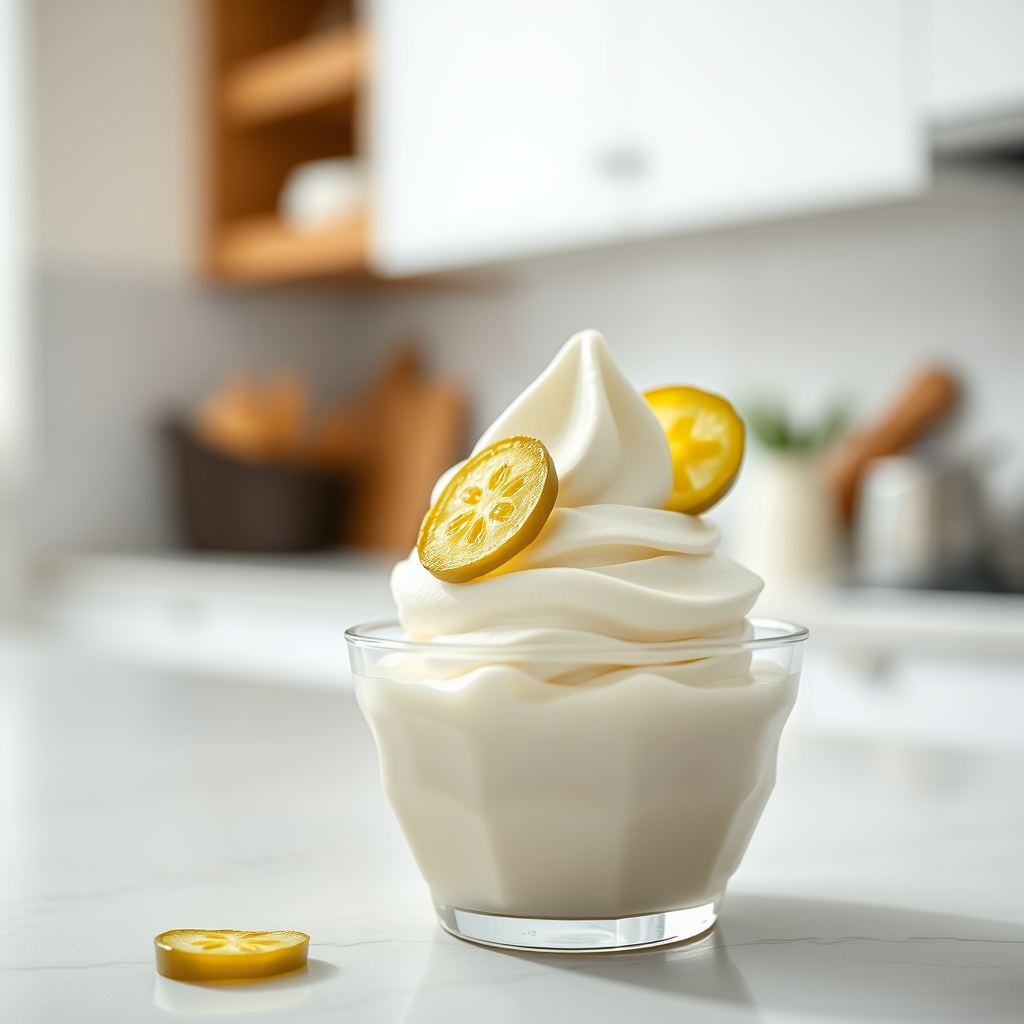
Swap a full‑fat ice cream scoop for frozen yogurt and a few pickle slices for a balanced treat.
What are the most common weird pregnancy cravings?
While every pregnancy is unique, surveys from the NHS and CDC consistently highlight a handful of cravings that many expectant mothers report. Below is a concise list of the top “odd” cravings, followed by a brief explanation of why they might appear.
Craving
Typical Frequency
Possible Reason
Pickles + ice cream
≈ 12 %
Hormonal taste shift + sodium need
Chocolate with salty chips
≈ 22 %
Stress relief + craving for quick energy
Spicy foods (e.g., hot sauce)
≈ 18 %
Endorphin release, increased metabolism
Non‑food items (e.g., chalk, dirt)
≈ 5 %
Possible iron or calcium deficiency (pica)
Fruit with dairy (e.g., watermelon & cheese)
≈ 15 %
Hydration + calcium desire
Sour candies
≈ 20 %
Acid‑base balance, nausea mitigation
These cravings often surface during the second trimester when hormone levels peak and the placenta ramps up nutrient transport. The brain’s reward system also becomes more sensitive, turning ordinary foods into “must‑have” experiences.
For many, the craving is a signal from the body, not a random whim. For example, a mother‑to‑be who loved spicy tacos reported that turning up the heat helped her manage the fatigue that came with her growing uterus. By acknowledging the craving and choosing a healthier version—like a homemade salsa with fresh veggies—she kept her energy up without excess sodium.
Another common craving is for citrus‑based desserts. The bright, tangy flavor can counteract the metallic taste that some women develop in early pregnancy, a symptom linked to hormonal changes in the gustatory system (NHS, 2023).
Tip for tracking: Keep a simple log of each odd craving, the time it hit, and how you satisfied it. Over a few weeks you’ll see patterns that can guide smarter swaps and help you stay within your extra‑calorie budget.
Are strange food cravings during pregnancy a sign of deficiency?
Cravings can sometimes point toward a nutrient shortfall, but they’re not a definitive diagnostic tool. The condition known as “pica”—the persistent desire to eat non‑food items such as dirt, ice, or chalk—has been linked to iron deficiency anemia and, less commonly, calcium deficiency.
According to the World Health Organization (WHO), pica affects roughly 10 % of pregnant women worldwide, with higher rates in low‑iron populations. If you find yourself reaching for ice cubes or raw flour, it’s wise to have your iron and ferritin levels checked. Your provider may suggest an iron supplement or iron‑rich foods like lentils, spinach, and fortified cereals.
Conversely, most “odd” cravings for regular foods—like pickles, ice cream, or fried chicken—are not directly tied to a specific deficiency. A 2022 review in the Journal of Nutrition highlighted that cravings for salty or sweet foods often reflect hormonal influences rather than a measurable nutritional gap.
That said, listening to your body can still guide healthier choices. If you’re craving dairy, your body may be seeking calcium; a glass of low‑fat milk or a serving of fortified almond milk can satisfy the urge while supporting bone health. The NHS advises that calcium needs rise to about 1,000 mg per day in pregnancy, a target easily met with dairy or fortified alternatives.
When cravings feel persistent and specific—such as an intense desire for raw eggs—consider whether a micronutrient like vitamin B12 might be low. Discuss any concerns with your provider, who can order a comprehensive prenatal panel.
Bottom line: Treat cravings as clues, not diagnoses. If a particular craving feels unusually strong or is paired with fatigue, dizziness, or pale skin, a quick blood test can rule out a deficiency.
How to safely satisfy unusual pregnancy cravings?
Enjoying a craving doesn’t have to mean compromising nutrition. Below are practical strategies to indulge responsibly, along with safe alternatives for each common odd craving.
Pickles and ice cream: Opt for a small scoop of low‑sugar frozen yogurt and a few thin dill pickle slices. Pairing a reduced‑fat dairy option with a low‑sodium pickle keeps both sodium and added sugar in check.
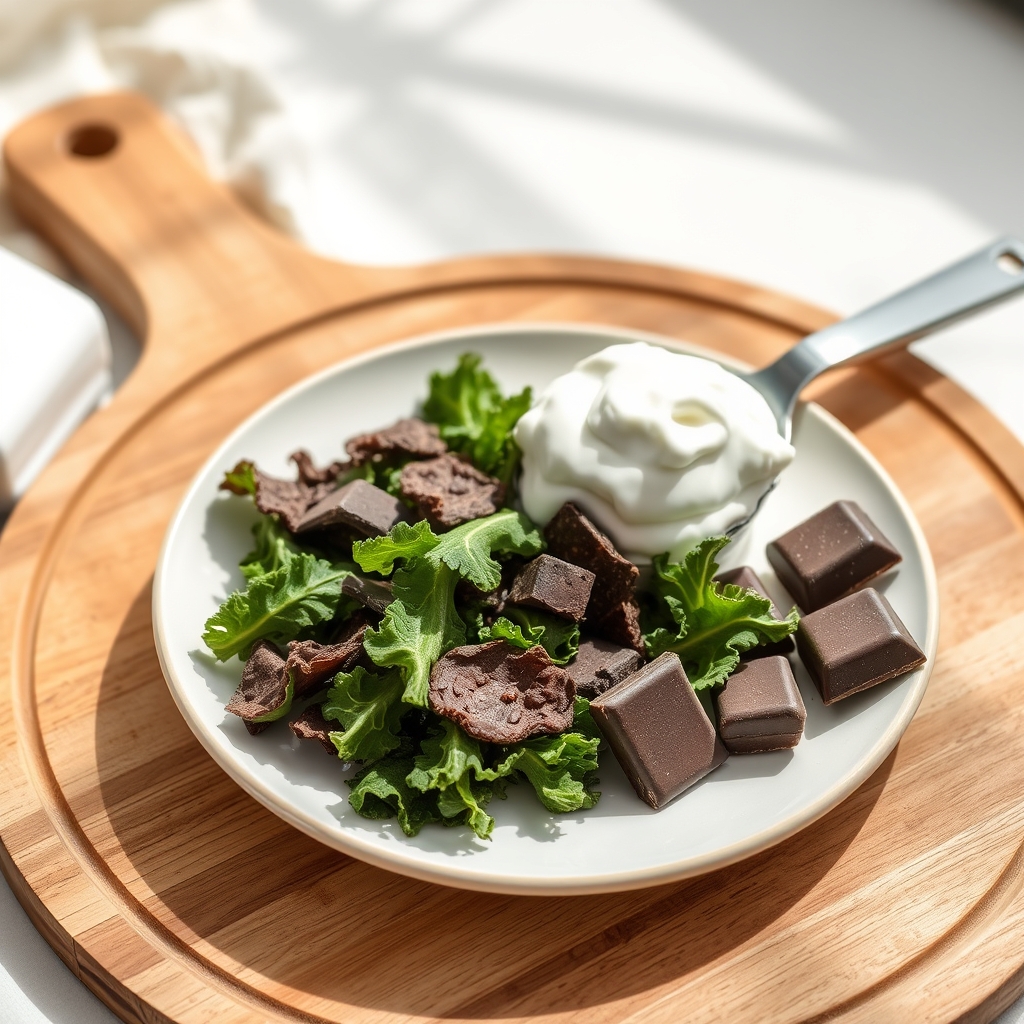
Chocolate and salty chips: Choose dark chocolate (≥ 70 % cocoa) for antioxidants, and swap regular potato chips for baked kale chips or lightly salted popcorn. This combo satisfies the sweet‑salty urge while adding fiber and nutrients.
Spicy foods: If you love hot sauce, use a homemade blend of fresh chilies, lime, and a dash of olive oil. This reduces sodium compared with commercial sauces and adds vitamin C.
Non‑food items (pica): Replace chalk cravings with calcium‑rich foods like fortified tofu, low‑fat cheese, or a calcium‑enhanced smoothie. If cravings persist, schedule a blood test for iron and calcium levels.
Sour candies: Satisfy a sour tooth with fresh citrus segments (orange, grapefruit) or a splash of lemon juice over plain yogurt. These natural sources provide vitamin C without the added sugars of candy.
Fruit with dairy: Combine fresh berries with a dollop of Greek yogurt. The berries give antioxidants, while the yogurt supplies protein and calcium.
When trying to curb a craving, keep portion size in mind. The Academy of Nutrition and Dietetics recommends that pregnant women aim for an extra 300 kcal per day in the second and third trimesters. A small, mindful serving of the craving fits comfortably within that allowance.
Another tip: pair the craving with a glass of water. Hydration can sometimes blur the line between a true desire and a thirst signal, especially when nausea is present. The CDC notes that adequate fluid intake supports amniotic fluid levels and reduces the likelihood of over‑eating (CDC, 2021).
Quick reminder: If you notice a craving leading you to over‑eat, pause and ask yourself whether you’re hungry, thirsty, or simply stressed. A brief mindfulness check can prevent unnecessary calories.
Creative swaps let you enjoy cravings without excess sugar or salt.
For those who worry about gaining too much weight, consider tracking cravings in a food journal. Noting the time, emotion, and actual food consumed can reveal patterns—like cravings that spike after stressful meetings—allowing you to plan healthier substitutes ahead of time.
Can weird cravings indicate a health problem in pregnancy?
Most cravings are benign, but a few signals should prompt a conversation with your obstetrician or midwife.
Persistent nausea or vomiting beyond typical morning sickness: If a craving triggers severe nausea that leads to loss of fluids, it could signal hyperemesis gravidarum, a condition requiring medical management.
Sudden onset of strong non‑food cravings (pica) with other symptoms: Accompanied by fatigue, pale skin, or rapid heartbeat, this may indicate iron‑deficiency anemia.
Cravings for high‑risk foods: Unpasteurized cheeses, raw seafood, or undercooked eggs increase the risk of Listeria or Toxoplasma infection. If you’re drawn to these, discuss safe alternatives with your provider.
Guidelines from the UK’s National Institute for Health and Care Excellence (NICE) advise that any new, intense craving that leads to dietary changes or discomfort be reviewed at the next prenatal visit. Early detection of issues like gestational diabetes, which can manifest as cravings for sugary foods, improves outcomes for both mother and baby (NICE, 2022).
In the United States, the American Diabetes Association (ADA) recommends screening for gestational diabetes between 24 and 28 weeks. If you notice an escalating desire for sweets, especially paired with increased thirst, bring it up at your appointment; it may be an early sign to test glucose tolerance.
Takeaway: A craving that feels “out of control” or is paired with concerning symptoms is a useful early warning sign—don’t wait for the next routine visit if you’re uneasy.
Pregnancy is an emotional rollercoaster. Hormonal surges influence the brain’s reward pathways, but stress, anxiety, and cultural expectations also shape cravings.
Studies from the University of Michigan show that women experiencing higher perceived stress levels report more intense cravings for “comfort” foods—often high in fat or sugar. The brain releases dopamine in response to these foods, temporarily easing tension.
Social factors matter, too. In many cultures, certain foods are traditionally associated with fertility and a healthy baby. For example, some expectant mothers crave red meat because it’s seen as “strengthening.” Recognizing these cues can help you differentiate between a cultural desire and a genuine nutritional need.
If cravings feel compulsive or are linked with mood swings, consider gentle coping strategies: short walks, mindfulness breathing, or talking with a supportive partner. A therapist specializing in perinatal mental health can also provide tools to manage stress‑related eating.
Research from the NHS indicates that pregnant women who practice mindful eating report fewer unwanted cravings and better overall diet quality (NHS, 2023). Incorporating a brief pause before giving in to a craving—asking “Is this hunger, thirst, or emotion?”—can be surprisingly effective.
Practical tip: Share your cravings with your partner or a close friend. Verbalizing the urge often reduces its intensity and opens the door to healthier joint snack choices.
How cravings change across trimesters
Craving patterns often shift as pregnancy progresses. In the first trimester, nausea and heightened smell sensitivity can lead to aversions rather than cravings. By the second trimester, hormone levels stabilize, and many women report the strongest cravings for sweet, salty, or spicy foods.
The third trimester brings a growing baby that can compress the stomach, sometimes prompting a desire for foods that are easy to digest, such as fruit or yogurt. Additionally, the body’s increased need for calcium and iron in the final months can spark cravings for dairy or red meat.
Understanding these trends can help you anticipate and plan for cravings. If you know you’ll likely crave something salty in the second trimester, keep a stash of low‑sodium snack options on hand. The ACOG recommends that clinicians discuss typical cravings and nutrition at each prenatal visit, allowing patients to prepare proactively (ACOG, 2022).
Quick forecast: Expect a dip in intense cravings during the final weeks as the baby takes up more space; you may find yourself reaching for softer, more soothing foods.
Cravings and gestational diabetes risk
Gestational diabetes (GDM) develops when the body can’t regulate blood sugar effectively during pregnancy. One early warning sign can be a persistent craving for sugary foods, often accompanied by increased thirst.
The American Diabetes Association (ADA) advises that women with GDM aim for a balanced plate: half non‑starchy vegetables, a quarter lean protein, and a quarter whole grains, with limited added sugars. If you notice a sudden spike in sweet cravings, discuss testing with your provider; early detection allows for dietary adjustments that protect both you and your baby.
Even without GDM, managing sugar intake is wise. High‑glycemic foods can cause rapid spikes in blood glucose, which may contribute to excessive fetal growth. Swapping a candy bar for a piece of fruit with a handful of nuts provides fiber that steadies blood sugar while still satisfying the sweet tooth.
Studies in the Journal of Clinical Endocrinology suggest that women who replace high‑sugar cravings with low‑glycemic alternatives experience fewer glucose fluctuations and report better overall energy levels (2021). This evidence supports the practical tip of pairing cravings with protein or healthy fats.
Bottom line: Cravings alone don’t cause GDM, but they can be a useful symptom to watch, especially if they’re coupled with thirst or frequent urination.
When to worry about pregnancy cravings and seek doctor advice
While most cravings are harmless, you should contact your provider if you notice any of the following:
Severe or persistent vomiting that prevents you from keeping food or fluids down.
Intense cravings for non‑food items (pica) accompanied by fatigue, dizziness, or pale skin.
Cravings for foods that are unsafe in pregnancy (e.g., raw fish, unpasteurized dairy).
Rapid weight gain (> 2 kg per month) directly linked to excessive indulgence of high‑calorie cravings.
New onset of cravings that coincide with other concerning symptoms such as high blood pressure, swelling, or abdominal pain.
When in doubt, schedule a prenatal check‑up. Your provider can run blood tests, discuss dietary adjustments, and reassure you that most cravings are simply part of the journey.
Which foods should be avoided when you have odd cravings?
Even the most harmless‑looking cravings can lead you toward foods that carry hidden risks. Below are three categories to steer clear of, along with safer alternatives.
Unpasteurized dairy: Soft cheeses like feta, brie, or queso fresco can harbor Listeria. Swap them for pasteurized versions or fortified plant‑based cheeses.
Raw or undercooked seafood: Sushi, sashimi, and raw oysters may contain harmful bacteria or parasites. Choose cooked fish (e.g., salmon, trout) that’s low in mercury and fully heated.
High‑mercury fish: Shark, swordfish, king mackerel, and tilefish should be avoided entirely. Opt for lower‑mercury options like canned light tuna (max 2 servings per week) or farmed salmon.
When a craving points you toward one of these foods, ask your provider for a pregnancy‑safe substitute. In most cases, a simple swap preserves the flavor you love without the infection risk.
How to involve your partner and family in managing cravings
Cravings don’t happen in a vacuum—they affect the whole household. Enlisting your support system can make satisfying (and moderating) urges easier and more enjoyable.
Plan snack stations: Keep a low‑sodium, nutrient‑dense snack bowl within reach in the kitchen. When a craving hits, you and your partner can grab a portion together.
Cook together: Turn a craving into a mini‑cooking project. Making homemade kale chips or a fruit‑yogurt parfait together can turn the urge into quality time.
Set boundaries kindly: If a partner offers a tempting but unhealthy option, thank them and suggest the healthier alternative you’ve prepared. Most people appreciate the clear, caring communication.
Open conversation also helps you avoid feeling judged. Let loved ones know that cravings are real physiological signals, and that you appreciate their help in finding balanced ways to satisfy them.
From our medical team: Cravings are a normal part of pregnancy, but they’re best managed with balance. Choose nutrient‑dense versions of your favorite flavors, stay hydrated, and keep an eye on any accompanying symptoms. If a craving feels “out of control” or linked with pain, it’s a signal to reach out to your caregiver.
Myth vs. fact
Myth: Cravings can tell you whether you’re having a boy or a girl. Fact: No scientific evidence links specific cravings to the baby’s gender. The belief stems from folklore, not research.
Myth: All cravings mean you’re missing a nutrient. Fact: While pica can indicate a deficiency, most food cravings are driven by hormones and emotional factors, not a specific lack.
Myth: You should eat anything you want when a craving hits. Fact: Moderation matters. Overindulging in high‑sugar or high‑salt foods can contribute to excess weight gain and gestational diabetes risk.
Key takeaways
Weird cravings are common and usually harmless; they often stem from hormonal shifts, emotional needs, or subtle nutrient signals.
Identify the craving’s core component (salty, sweet, sour, or non‑food) and find a healthier swap that satisfies the same taste profile.
Monitor for red‑flag symptoms—severe nausea, pica, or cravings for unsafe foods—and discuss them with your provider promptly.
Stay within the recommended extra 300 kcal per day and choose nutrient‑dense versions of cravings to support healthy weight gain.
Don’t trust gender‑prediction myths; cravings do not determine whether you’ll have a boy or a girl.
Maintain hydration and balanced meals to reduce the intensity of cravings and improve overall pregnancy wellbeing.
Frequently asked questions
Why do I crave non‑food items during pregnancy?
Non‑food cravings, known as pica, can be a sign of iron or calcium deficiency, but they also sometimes arise from hormonal changes and stress. A blood test can clarify whether a nutrient shortfall is present.
Are pregnancy cravings a sign of nutrient deficiency?
Most cravings are not directly linked to a specific deficiency; however, persistent cravings for non‑food items or very specific minerals (like chalk for calcium) may indicate a shortfall that should be evaluated.
Can I eat anything I want when I have a weird craving?
While occasional indulgence is fine, it’s best to choose moderated portions and healthier versions to avoid excess sugar, salt, or calories that could affect weight gain or blood‑sugar levels.
Do strange cravings mean my baby will have a certain gender?
No. Scientific studies have found no correlation between specific cravings and the baby’s sex; gender prediction myths are cultural folklore, not evidence‑based.
When should I be concerned about my pregnancy cravings?
Seek medical advice if cravings are accompanied by severe nausea, vomiting, persistent pica, or if they involve unsafe foods like raw seafood or unpasteurized cheese.
How can I safely satisfy my unusual pregnancy cravings?
Replace high‑sugar or high‑salt options with nutrient‑dense alternatives—such as frozen yogurt instead of ice cream, baked kale chips instead of salty chips, or fresh citrus instead of sour candy—and keep portions modest.
Is it safe to combine pickles with ice cream if I have gestational hypertension?
If you’ve been diagnosed with gestational hypertension, it’s wise to limit added sodium. A small serving (one or two pickle slices) paired with low‑fat frozen yogurt is generally acceptable, but discuss exact limits with your provider (ACOG, 2022).
Can my cravings affect my baby’s development?
Most cravings, when satisfied in moderation, do not harm fetal development. However, consistently choosing nutrient‑poor foods over balanced meals could limit essential vitamins and minerals for the baby. Prioritizing nutrient‑dense swaps ensures both you and your baby get the needed nutrients.
Can cravings affect my labor and delivery?
Cravings themselves don’t change the mechanics of labor, but extreme cravings for sugary or salty foods can influence weight gain and blood‑sugar levels, which in turn may affect labor progress. Maintaining a balanced diet helps keep energy steady throughout pregnancy and supports a smoother delivery.
When to call your doctor
If you experience any of the following, contact your healthcare provider right away: persistent vomiting, severe abdominal pain, swelling of hands or face, sudden weight gain over 2 kg in a month, cravings for non‑food items with fatigue or dizziness, or any craving that leads you to consider unsafe foods (e.g., raw fish, unpasteurized cheese).
Remember, this article provides general information and is not a substitute for personalized medical advice. Always discuss any concerns with your obstetrician, midwife, or qualified health professional.
References
American College of Obstetricians and Gynecologists (ACOG). “Nutrition During Pregnancy.” Committee Opinion, 2022.
National Health Service (NHS). “Pregnancy cravings: why they happen and how to manage them.” Updated 2023.
Centers for Disease Control and Prevention (CDC). “Pica in Pregnancy.” 2021.
World Health Organization (WHO). “Guidelines on iron supplementation in pregnancy.” 2020.
University of Michigan. “Stress and food cravings during pregnancy.” Journal of Perinatal Psychology, 2021.
National Institute for Health and Care Excellence (NICE). “Antenatal care guidelines.” 2022.
Academy of Nutrition and Dietetics. “Nutrition Care Manual for Pregnancy.” 2022.
Mayo Clinic. “Gestational diabetes: Symptoms, causes, and treatment.” 2023.
American Diabetes Association (ADA). “Gestational Diabetes Nutrition Management.” 2022.
Journal of Clinical Endocrinology. “Low‑glycemic alternatives and glucose stability in pregnancy.” 2021.
National Institutes of Health (NIH). “Pica and micronutrient deficiencies in pregnancy.” 2020.
Not sure about the label on Weird Pregnancy Cravings Unusual Food Desires Explained products?
Snap the ingredients list and SafeFilter checks every ingredient for your stage — only 3 free scans this month, then you're locked until reset. Unlimited from $7/mo or lock $50/yr through Aug 31 (5 days left).
When Shubhra Mishra was expecting her first child in 2016, she was overwhelmed by conflicting food advice — one site said yes, another said never. By the time her second baby arrived in 2019, she realized millions of mothers face the same confusion.
That sparked a five-year journey through clinical nutrition papers, cultural diets, and expert conversations — all leading to BumpBites: a calm, compassionate space where science meets everyday motherhood.
Her long-term vision is to build a global community ensuring safe, supported, and free deliveriesfor every mother — because no woman should face pregnancy alone or uninformed. 🌿
🌍 Stand with mothers, shape safer guidance
Join a small circle of experts who review BumpBites articles so expecting parents everywhere can decide with confidence.