

Quick take: Wanting a third baby can feel like a mix of excitement and overwhelm—especially when you’re not sure if your body (or your bank account) is ready. Signs can be subtle: heavier morning sickness, a uterus that feels "fuller" than before, or an emotional shift where you find yourself daydreaming about tiny hands instead of just *imagining* them. If you suspect a third pregnancy, a home pregnancy test (after your missed period) or a blood test can confirm it—but don’t ignore red flags like severe cramping or bleeding. Most women experience a third pregnancy differently than the first two, and that’s okay. The key is listening to your body *and* your heart while planning ahead for the practical (and emotional) changes ahead.
What are the common physical signs of a third pregnancy?
It was 3 a.m., and I was staring at my bathroom scale, wondering why it had suddenly decided to lie to me. I’d lost weight on purpose this month—cutting back on coffee, tracking my steps, even swapping my nightly wine for herbal tea. But the number had crept up by three pounds in two weeks, and my jeans felt like they’d been shrunk in a dryer. Then came the nausea. Not the gentle, "I’ll stick to crackers" kind of morning sickness I’d experienced with my first two babies, but the kind that made me clutch the toilet bowl at 9 p.m. while scrolling through baby registry websites. That’s when I knew: my body was already rewriting the script.
Wanting a third baby is one thing—confirming it’s happening is another. A third pregnancy often feels different from the first two, and the signs can be harder to spot at first glance. While some women experience classic early symptoms like fatigue and breast tenderness, others notice more subtle (or even confusing) changes. Here’s what to watch for—and what might just be stress, PMS, or plain old exhaustion.
Many women report more intense morning sickness with a third pregnancy, sometimes starting earlier than in previous pregnancies. This isn’t just a "queasy" feeling—it’s the kind of nausea that makes you question whether you’ll ever eat a full meal again. Some describe it as different from their first two pregnancies, almost like their stomachs are rebelling against the idea of another baby. Others notice heavier or earlier breast changes, including soreness, darkening nipples, or even leaking colostrum (the first form of breast milk) before you’re even 12 weeks along. If you’re breastfeeding your second child, these changes can be especially noticeable.
Your body might also send some less obvious signals. A third pregnancy can cause more noticeable round ligament pain (that sharp, stabbing sensation in your lower abdomen or groin as your uterus stretches), or you might feel your uterus grow faster or feel "fuller" earlier than in previous pregnancies. Some women report increased bloating or constipation—not just because of hormones, but because their bodies are already adjusting to the idea of carrying *another* tiny human. And if you’ve had a gallbladder attack in previous pregnancies, be extra vigilant: these can recur and feel more severe with a third baby.
Then there’s the emotional gut check. If you’re suddenly craving (or avoiding) foods you never noticed before, or if your sleep schedule is completely unraveling—even without a missed period—your body might be hinting at something bigger. But remember: these signs can also overlap with perimenopause, thyroid issues, or even just the stress of juggling two little ones. That’s why it’s worth paying attention to patterns over time.
What to do next: If you suspect a third pregnancy, take a home pregnancy test after your missed period (or even a few days early, if you’re tracking your cycle). False positives are rare, but false negatives can happen—so if you test negative but symptoms persist, wait a few days and test again. For a more definitive answer, a blood test (like beta hCG) can detect pregnancy earlier than a home test. And if you’re breastfeeding, note that hormonal shifts from nursing can sometimes delay your period, making early pregnancy harder to spot.
Key takeaway: A third pregnancy might feel different from your first two, but that doesn’t mean it’s not happening. Trust your body—and your instincts—while keeping an eye out for the signs that stand out.

How to differentiate between a miscarriage and a third pregnancy?
The biggest clue? Bleeding and cramping. In early pregnancy, light spotting (like a brownish discharge or a few drops of pink) can happen and isn’t always cause for alarm—it might just be your cervix softening or your body adjusting. But if you experience heavy bleeding (like a period or worse), severe cramping, or the passage of tissue, those are red flags that warrant a call to your provider. Miscarriages often present with symptoms similar to a heavy period, including clots, lower abdominal pain, and backache. If you’re unsure, track the bleeding: If it’s heavier than your usual period or lasts more than a few days, get it checked.
Another key difference? Hormone levels. If you’ve taken a home pregnancy test and it’s positive, but you’re experiencing symptoms that feel "off," a blood test (like beta hCG) can show whether the pregnancy is progressing as expected. In a healthy pregnancy, hCG levels should double every 48 hours in the first few weeks, though this can vary. If your levels aren’t rising as they should, your provider might recommend an early ultrasound to check for a viable pregnancy (one that’s growing and developing normally).
Here’s the hard truth: You can’t always tell the difference without medical confirmation. If you’re bleeding and cramping, it’s better to err on the side of caution and contact your provider. They might recommend a transvaginal ultrasound (which can detect a pregnancy as early as 5–6 weeks) or monitor your hCG levels over a few days. And if you’ve had a history of miscarriages, your provider might suggest additional testing to rule out underlying issues like hormonal imbalances or uterine abnormalities.
What to do if you’re bleeding:
- Rest and hydrate—avoid strenuous activity and drink plenty of water.
- Monitor symptoms: Note the color, consistency, and amount of bleeding, as well as any pain or cramping.
- Call your provider if you experience heavy bleeding, severe pain, fever, or chills.
Key takeaway: While bleeding early in pregnancy can be scary, most women who suspect a miscarriage end up being fine. But if you’re unsure, trust your instincts and reach out to your provider for guidance. Early confirmation is key—whether it’s good news or not.
When should I schedule an ultrasound for a potential third pregnancy?
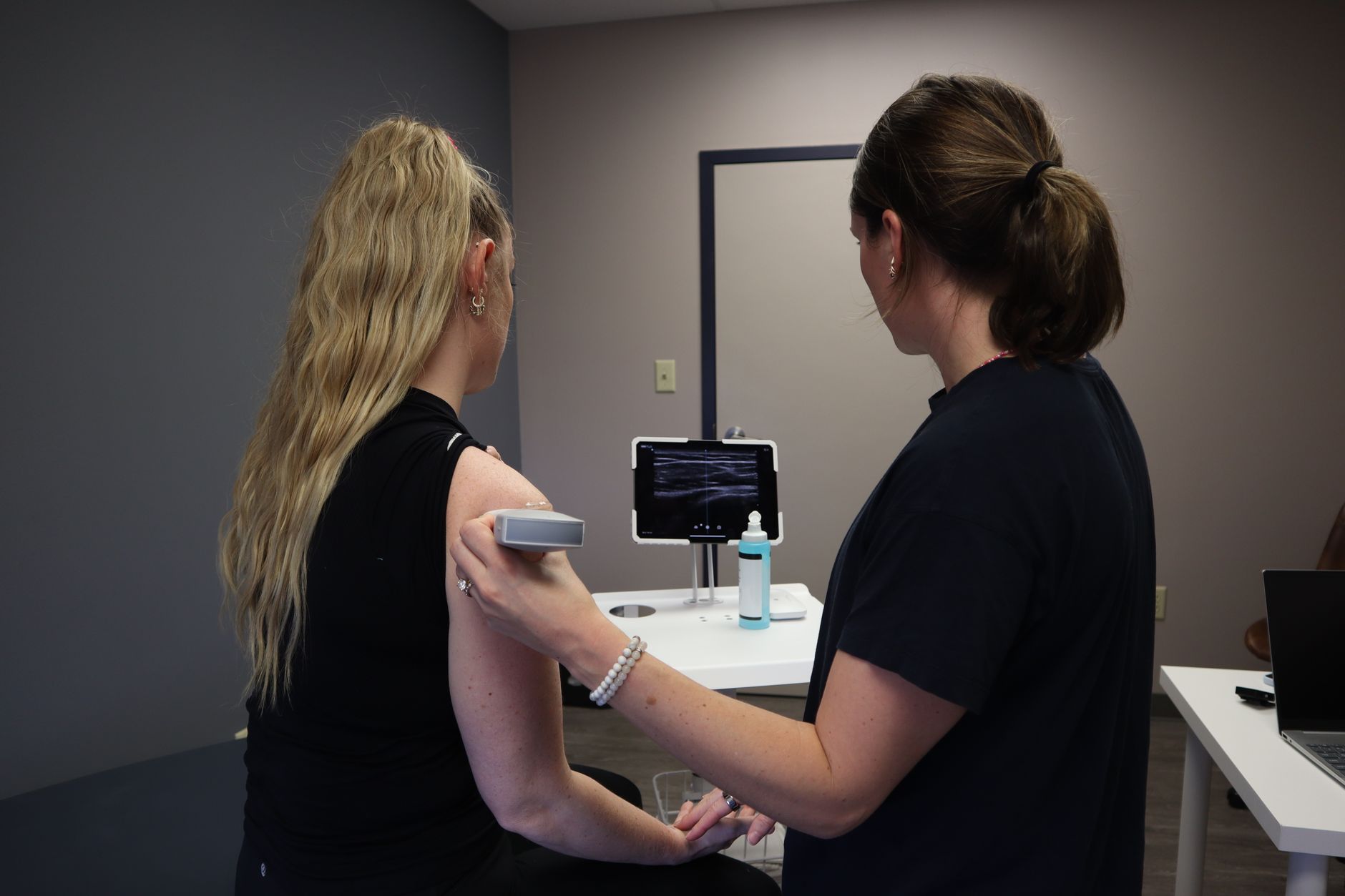
I’ll never forget the moment I walked into the ultrasound room for my first baby, clutching my partner’s hand and trying not to cry. The technician slid the probe across my belly, and suddenly, there it was—a tiny flicker on the screen, a heartbeat that made my heart stop. This time around, I knew what to expect, but the anticipation was just as intense. When is the right time to get that first ultrasound? And how do you even prepare for it?
The answer depends on a few factors, but most providers recommend an early ultrasound (often called a "dating scan") around 6–8 weeks if you’re experiencing symptoms of pregnancy but haven’t had a recent period. This ultrasound can confirm a viable pregnancy, estimate your due date, and check for multiple gestations (like twins or triplets). For a third pregnancy, some women choose to wait until they’re 10–12 weeks for a more detailed anatomy scan, which checks for potential complications like ectopic pregnancy or miscarriage.
Here’s what to expect during an ultrasound:
- Transvaginal ultrasound: This is the most accurate method for early pregnancy detection (around 5–6 weeks). A small probe is gently inserted into the vagina to get a clear image of the uterus and pregnancy.
- Transabdominal ultrasound: If you’re past 6–8 weeks, a technician will apply gel to your belly and slide a probe over it to visualize the baby. This is less invasive but may not be as detailed in very early pregnancies.
If you’re bleeding or cramping, your provider might recommend an ultrasound sooner to rule out miscarriage or ectopic pregnancy. And if you’ve had a history of complications (like recurrent miscarriages or gestational diabetes), they may suggest an early ultrasound to monitor everything more closely.
What to do before your ultrasound:
- Fill your bladder—this helps the technician get a better image (though transvaginal ultrasounds don’t require this).
- Wear comfortable clothing—you might need to remove your shirt or pants for the transabdominal ultrasound.
- Bring a partner or friend—if you’re nervous, having someone with you can make the experience easier.
Key takeaway: If you suspect a third pregnancy, schedule an ultrasound between 6–8 weeks for confirmation and peace of mind. But if you’re bleeding or have other concerning symptoms, don’t wait—reach out to your provider right away.
What emotional changes might indicate a third pregnancy?
Let’s talk about the elephant in the room: the emotional rollercoaster of wanting a third baby. It’s not just about the physical signs—it’s about the feeling that something’s different. Maybe you wake up in the middle of the night, suddenly overwhelmed by the idea of another tiny human in your life. Or perhaps you find yourself daydreaming about nursery colors or baby names when you used to scroll past those ads without a second thought. These emotional shifts can be just as telling as a missed period.
Many women report increased anxiety or mood swings early in a third pregnancy. Hormones like progesterone and estrogen surge even higher with each pregnancy, which can amplify emotions—making you feel more sensitive, tearful, or even irritable. Some describe a deep sense of longing, almost like their body is begging for another chance to nurture. Others feel exhausted by the idea, overwhelmed by the logistics of adding another child to the mix. These feelings aren’t just "in your head"—they’re often tied to the physical and hormonal changes happening in your body.
Then there’s the guilt. If you’re already juggling two little ones, the thought of another baby can feel like a luxury—or a responsibility you’re not sure you’re ready for. You might catch yourself thinking, "Do I even have the energy for this?" or "What if I’m not a good enough mom?" These thoughts are normal, especially when you’re balancing work, parenting, and your own needs. But if they start to feel overwhelming or persistent, it might be worth talking to a therapist or counselor who specializes in perinatal mental health.
Here’s the thing: your emotions are valid, no matter what they are. Some women feel euphoric at the idea of a third baby, while others feel resistant or uncertain. There’s no "right" way to feel. But if you notice persistent sadness, hopelessness, or anxiety that doesn’t improve, it’s worth reaching out to a mental health professional. Pregnancy-related anxiety or depression is common, and support is available.
How to navigate the emotional side of a third pregnancy:
- Talk it out—whether with your partner, a friend, or a therapist, sharing your feelings can help.
- Practice self-compassion—remember, you’re doing your best, and that’s enough.
- Create a support system—reach out to other moms of three (or moms-to-be) for advice and encouragement.
Key takeaway: Emotional changes are a normal part of pregnancy, especially with a third baby. Trust yourself—whether you’re excited, anxious, or somewhere in between—and don’t hesitate to seek support if you need it.
How to prepare my family for a third baby?
One of the most beautiful (and terrifying) parts of wanting a third baby is the idea of expanding your family’s love. But let’s be real—it’s also a logistical nightmare. How do you prepare your partner, your kids, and even extended family for the changes ahead? Here’s how to make the transition smoother (and less chaotic).
First, have an open conversation with your partner. This isn’t just about the practical (like budgeting or nursery setups)—it’s about aligning on your why. Are you both excited? Nervous? Overwhelmed? Talking through your feelings early can help you both feel more prepared. Some couples find it helpful to write down your hopes and fears together, then discuss how to address them. And if you’re not on the same page? That’s okay too—it’s never too late to have that conversation.
Next, involve your older children. Kids often pick up on changes in the house before they’re officially announced. If you’re expecting a third baby, consider sharing the news gradually. Start with a simple explanation: "Mommy and Daddy are going to have a surprise—another baby is coming!" Avoid overwhelming them with details at first, but let them know what to expect. Some parents find it helpful to read books about siblings or watch videos that explain what it means to have a new brother or sister. And if your kids are older, they might enjoy helping with decorating the nursery or picking out a name for the new baby.
Don’t forget about extended family. Grandparents, aunts, uncles, and cousins can all play a big role in welcoming a third baby. Consider hosting a family meeting to share the news and discuss how everyone can support you during this transition. Some families create a "third baby fund" where relatives contribute to gifts or savings, while others plan a welcome home party for the new arrival.
Finally, prepare for the practical changes. A third baby means more diapers, more clothes, and more appointments. Start planning ahead by:
- Updating your budget—factor in the cost of baby gear, childcare, and potential income changes.
- Creating a baby registry—ask for specific items you need (like a car seat or stroller) to avoid duplicate purchases.
- Setting up a nursery—even if you’re not sure about the decor, start gathering essentials like a crib, bassinet, and changing table.
- Adjusting your schedule—if you’re working, start thinking about how you’ll manage childcare and work-life balance.
Key takeaway: Preparing your family for a third baby is about more than just logistics—it’s about creating a sense of excitement and unity. Take it one step at a time, and don’t be afraid to ask for help when you need it.
Are there any risks associated with a third pregnancy?
Let’s address the elephant in the room: a third pregnancy comes with its own set of risks, and it’s important to be aware of them—especially if you’re over 35 or have a history of complications. While most women have healthy pregnancies with their third baby, the likelihood of certain risks increases with each subsequent pregnancy. Here’s what to watch for.
The most common risks associated with a third pregnancy include:
Gestational diabetes: The risk of developing gestational diabetes increases with each pregnancy. If you’ve had it before, your provider may recommend more frequent monitoring, including glucose screening earlier in your pregnancy. Symptoms can include excessive thirst, frequent urination, and fatigue. If left untreated, gestational diabetes can lead to complications like macrosomia (a large baby) or preterm birth.
Preeclampsia: This condition, characterized by high blood pressure and damage to another organ system (usually the liver and kidneys), is more likely in women having their third or subsequent baby. Symptoms include severe headaches, vision changes, swelling in the hands or face, and sudden weight gain. If you experience any of these, contact your provider immediately.
Premature birth: The risk of preterm labor (before 37 weeks) increases with each pregnancy. Signs of preterm labor include regular contractions, pelvic pressure, back pain, and a gush or trickle of fluid from the vagina. If you experience these symptoms, call your provider right away.
Multiple gestation (twins or triplets): While rare, the risk of having twins or triplets increases with each pregnancy, especially if you’ve had fertility treatments or a family history of multiples. If you’re diagnosed with a multiple pregnancy, your provider will monitor you closely to reduce the risk of complications like preterm birth or low birth weight.
Miscarriage or stillbirth: The risk of miscarriage decreases with each pregnancy, but the risk of stillbirth (the loss of a baby after 20 weeks) increases slightly with each subsequent pregnancy. While stillbirth is rare, it’s important to be aware of the signs of distress, such as reduced fetal movement or bleeding. If you’re concerned, contact your provider immediately.
What to do if you’re at higher risk:
- Attend all prenatal appointments—these are crucial for monitoring your health and your baby’s development.
- Follow a healthy diet—focus on nutrient-dense foods like leafy greens, lean proteins, and whole grains.
- Stay active—gentle exercise like walking or swimming can help reduce your risk of complications.
- Manage stress—practice relaxation techniques like deep breathing or meditation.
- Avoid smoking, alcohol, and drugs—these can increase your risk of complications.
Key takeaway: While a third pregnancy comes with some additional risks, most women have healthy pregnancies and deliveries. The key is to stay informed, attend all prenatal appointments, and listen to your body. If you have concerns, don’t hesitate to talk to your provider.
When to see a specialist: If you have a history of complications (like preeclampsia, gestational diabetes, or preterm birth), your provider may recommend seeing a high-risk pregnancy specialist (perinatologist) for extra monitoring. These specialists can help you manage any risks and ensure the best possible outcome for you and your baby.
How to prepare my body for a third pregnancy
Your body has done this before—twice, even. But a third pregnancy is different. It’s not just about the emotional and logistical changes; it’s about giving your body the best chance to thrive during this next chapter. Here’s how to prepare.
First, focus on nutrition. A third pregnancy often means your body is already stretched thin—so fueling it properly is key. Aim for a diet rich in:
- Leafy greens (spinach, kale) for iron and folate.
- Lean proteins (chicken, fish, beans) for growth and repair.
- Whole grains (quinoa, brown rice) for sustained energy.
- Healthy fats (avocados, nuts, olive oil) for brain development.
- Calcium-rich foods (dairy, fortified plant milks) for bone health.
If you’re struggling with fertility or have a history of nutrient deficiencies, your provider might recommend a prenatal vitamin with folic acid, iron, and DHA. And if you’re breastfeeding your second child, make sure you’re getting enough calories and nutrients to support both your milk supply and your growing baby.
Next, prioritize sleep. Pregnancy can make it harder to get quality rest, but it’s more important than ever. Try to:
- Go to bed earlier—even if it’s just 30 minutes before your usual bedtime.
- Use a pregnancy pillow—these can help you find a comfortable position.
- Avoid screens before bed—blue light can disrupt your sleep cycle.
- Stay hydrated—dehydration can cause fatigue and cramping.
Finally, listen to your body. If you’re feeling exhausted, take a nap. If you’re craving something healthy (or not-so-healthy), don’t guilt-trip yourself—just balance it with nutritious choices. And if you’re experiencing any severe symptoms (like persistent vomiting, severe back pain, or bleeding), don’t hesitate to reach out to your provider.
Key takeaway: Preparing your body for a third pregnancy is about nourishing yourself, resting when you need to, and staying attuned to your health. With the right care, you’ll give your baby the best possible start.
Third pregnancy symptoms after 6 weeks: What to expect
Six weeks into a pregnancy can feel like a blur—especially when you’re juggling two little ones. But what should you expect at this stage, and how does a third pregnancy differ from the first two? Here’s a breakdown of what’s normal (and what’s not).
By 6 weeks, many women start to notice more pronounced symptoms, including:
- Increased nausea and vomiting—some women feel better by now, while others find their symptoms peak around this time.
- Breast changes—your breasts may feel fuller, heavier, or more tender than before.
- Fatigue—your body is working hard to support your growing baby, so rest is key.
- Frequent urination—your uterus is expanding, putting pressure on your bladder.
- Mood swings—hormones are still fluctuating, so don’t be surprised if you’re feeling more emotional.
Some women also report early signs of a "third baby bump", though it’s usually still subtle. Your uterus is growing, but you might not notice a noticeable belly for another few weeks. If you’re breastfeeding, you may also notice changes in your milk supply—some women produce less milk as their bodies shift to support another pregnancy.
If you’re experiencing severe symptoms like heavy bleeding, severe cramping, or signs of gallbladder issues, contact your provider immediately. These could indicate complications like miscarriage or ectopic pregnancy.
What to do at 6 weeks:
- Schedule your first prenatal appointment—if you haven’t already, this is a great time to confirm your due date and start monitoring your pregnancy.
- Start tracking your symptoms—keep a journal of how you’re feeling, including any changes in your body or emotions.
- Focus on self-care—take naps, eat well, and listen to your body’s needs.
Key takeaway: At 6 weeks, a third pregnancy often feels different from your first two, but that doesn’t mean it’s not normal. Trust your instincts—if something feels "off," reach out to your provider for guidance.
How to confirm a third pregnancy at home
There’s something thrilling (and terrifying) about confirming a pregnancy at home—especially when you’re hoping for a third baby. But how do you know if that positive test is accurate? Here’s what you need to know.
The most common way to confirm a pregnancy at home is with a urine pregnancy test. These tests detect the hormone human chorionic gonadotropin (hCG), which is produced by the placenta after a fertilized egg implants in the uterus. Most home tests are 99% accurate if used correctly, but there are a few things to keep in mind:
- Timing matters—most tests recommend testing on your first day of a missed period for the most accurate results. If you test too early, you might get a false negative.
- Follow the instructions—some tests require you to wait a certain number of minutes before reading the results. Don’t peek early!
- Use first-morning urine—this is when hCG levels are highest, making it easier to detect.
- Consider a digital test—these can be easier to read and often show "pregnant" or "not pregnant" clearly.
If you test positive but are still unsure, you can:
- Take another test in a few days—if the second test is also positive, it’s likely accurate.
- Schedule a blood test—this can detect lower levels of hCG and confirm pregnancy earlier than a home test.
- Call your provider—if you’re experiencing symptoms but your test is negative, they can help you figure out what’s going on.
What if I tested negative but suspect a pregnancy? If you’re experiencing symptoms like nausea, fatigue, or breast tenderness but your test is negative, it might be worth waiting a few days and testing again. Or, if you’ve had a history of irregular cycles or hormonal issues, a blood test can provide a more definitive answer.
Key takeaway: Home pregnancy tests are a great first step, but if you’re still unsure, don’t hesitate to reach out to your provider for confirmation. Early confirmation can help you start planning for the next chapter—whether that’s adjusting your diet, scheduling appointments, or sharing the news with your family.
Third pregnancy signs and what to expect: A comprehensive guide
So, you’re suspecting a third pregnancy—but what does it actually feel like? How is it different from your first two? And what can you expect as you move through the first trimester? Here’s a comprehensive guide to help you navigate this exciting (and sometimes overwhelming) time.
First Trimester (Weeks 1–12):
- Symptoms: Fatigue, nausea, breast changes, frequent urination, mood swings, and food aversions or cravings.
- Physical changes: Your uterus is growing, and you might notice a "fuller" feeling in your lower abdomen. Some women also experience round ligament pain as their uterus stretches.
- Emotional shifts: You might feel more emotional, anxious, or even resistant to the idea of another baby. These feelings are normal and often tied to hormonal changes.
Second Trimester (Weeks 13–26):
- Symptoms: Morning sickness often improves, but you might experience new symptoms like heartburn, constipation, or back pain. Your baby’s movements (quickening) become more noticeable.
- Physical changes: Your belly starts to grow more visibly, and you might notice stretch marks or skin changes. Some women also experience linea nigra (a dark line running down the middle of their belly).
- Emotional shifts: You might feel more excited and connected to your baby as you start to feel their movements. Some women also experience nesting instincts, a strong urge to prepare for the baby’s arrival.
Third Trimester (Weeks 27–40):
- Symptoms: Braxton Hicks contractions (practice contractions), swelling in your hands and feet, and difficulty sleeping. Your baby’s movements might feel stronger and more frequent.
- Physical changes: Your belly is now very noticeable, and you might experience pelvic pressure as your baby drops into position for birth. Some women also experience leaking colostrum from their nipples.
- Emotional shifts: You might feel a mix of excitement and anxiety as your due date approaches. Some women also experience postpartum anxiety, which is normal but worth discussing with your provider.
What to expect with a third pregnancy:
- Labor and delivery: Labor might feel different this time—some women experience shorter labor or less intense contractions. But every pregnancy is unique, so don’t assume anything.
- Recovery: With two kids already, recovery might feel more challenging. Focus on rest, hydration, and asking for help when you need it.
- Siblings: Your older children might feel excited, confused, or even jealous. Be prepared to answer their questions and help them adjust to the idea of a new baby.
Key takeaway: A third pregnancy is a journey like no other. Embrace the changes, listen to your body, and enjoy this special time—even if it comes with its share of challenges.
How to tell if a pregnancy is third vs second: Key differences
If you’re hoping for a third baby, you might wonder: How is this pregnancy different from the last one? While every pregnancy is unique, there are some subtle (and not-so-subtle) differences you might notice. Here’s how a third pregnancy often compares to a second.
Symptoms:
- Nausea: Many women report more intense or earlier nausea with a third pregnancy. Some even describe it as feeling "different" from their second pregnancy.
- Breast changes: If you’re breastfeeding, your breasts might feel even fuller or more tender than before.
- Fatigue: Your body is already stretched thin, so you might feel more exhausted than in previous pregnancies.
- Emotional shifts: You might feel more anxious or overwhelmed by the idea of another baby, especially if you’re juggling two little ones.
Physical changes:
- Uterus growth: Your uterus might feel fuller or tighter earlier in the pregnancy, especially if you’ve had a C-section before.
- Back pain: With a third baby, you might experience more back pain due to your body’s changing center of gravity.
- Stretch marks: Some women notice more stretch marks with each pregnancy, especially if they’re carrying more weight.

