hen you have ulcerative colitis, weight loss isn’t just about cutting calories—it’s about feeding your body while soothing your gut. The best foods for weight loss in this condition are low-calorie, high in nutrients, and low in FODMAPs (fermentable oligosaccharides, disaccharides, monosaccharides, and polyols—the compounds that often trigger inflammation). These foods help reduce flare-ups while keeping you full and energized.
Here are the top categories to focus on:
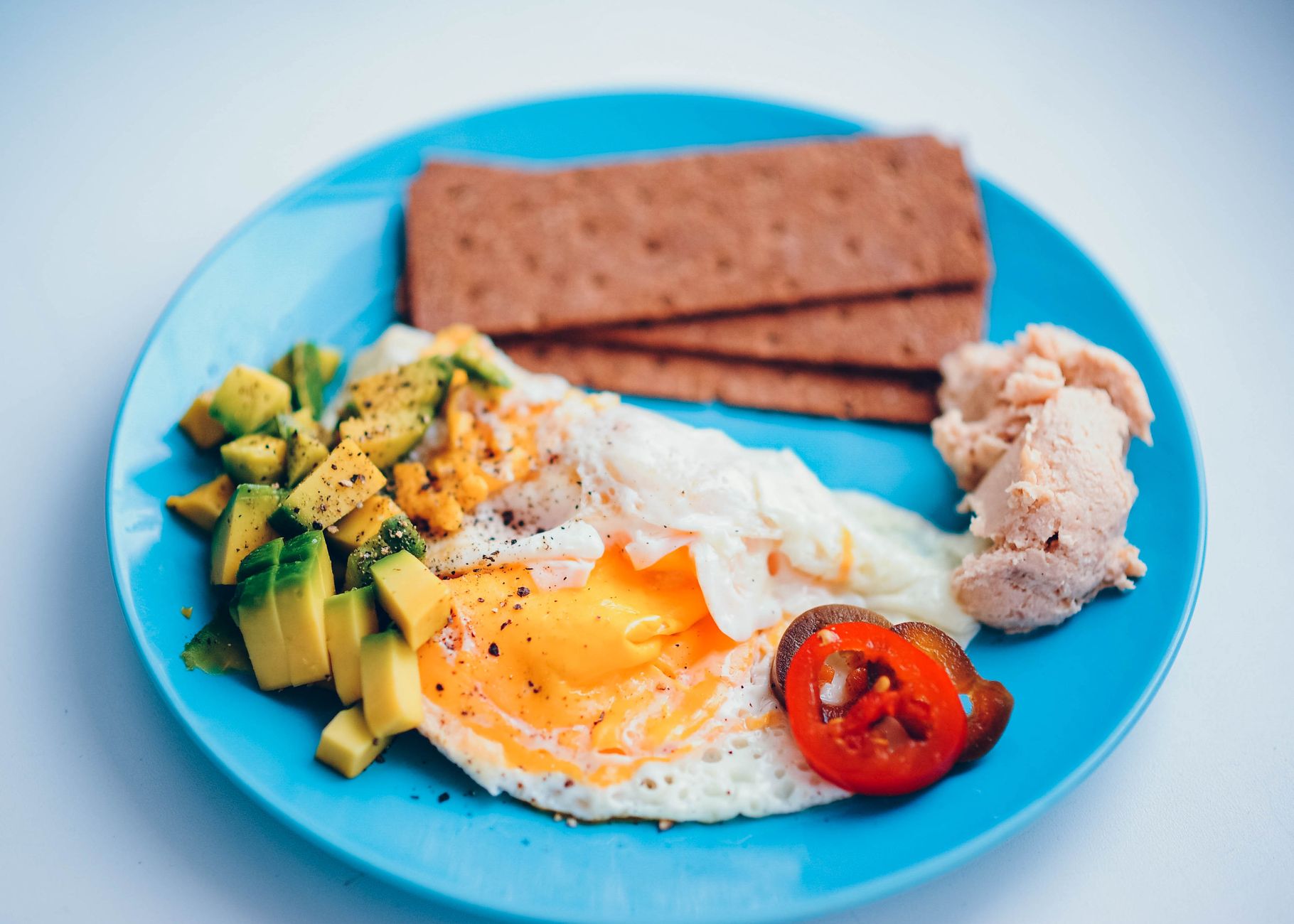
- Lean proteins (low in fat, easy to digest): Skinless chicken, turkey, eggs, tofu, and white fish like cod or tilapia. These provide protein for muscle repair without overloading your gut.
- Low-FODMAP vegetables (cooked and in moderation): Carrots, zucchini, spinach, green beans, and bell peppers. Steaming or roasting can make them even gentler on your digestive tract.
- Anti-inflammatory fats: Olive oil, avocado oil, and fatty fish like salmon (if tolerated). These support gut healing and keep you satisfied.
- Low-FODMAP fruits (in small portions): Blueberries, strawberries, kiwi, and oranges. These are lower in sugar and easier to digest than high-FODMAP fruits like apples or pears.
- Whole grains (in moderation): White rice, quinoa, and oats. These are easier to digest than whole grains and provide slow-release energy.
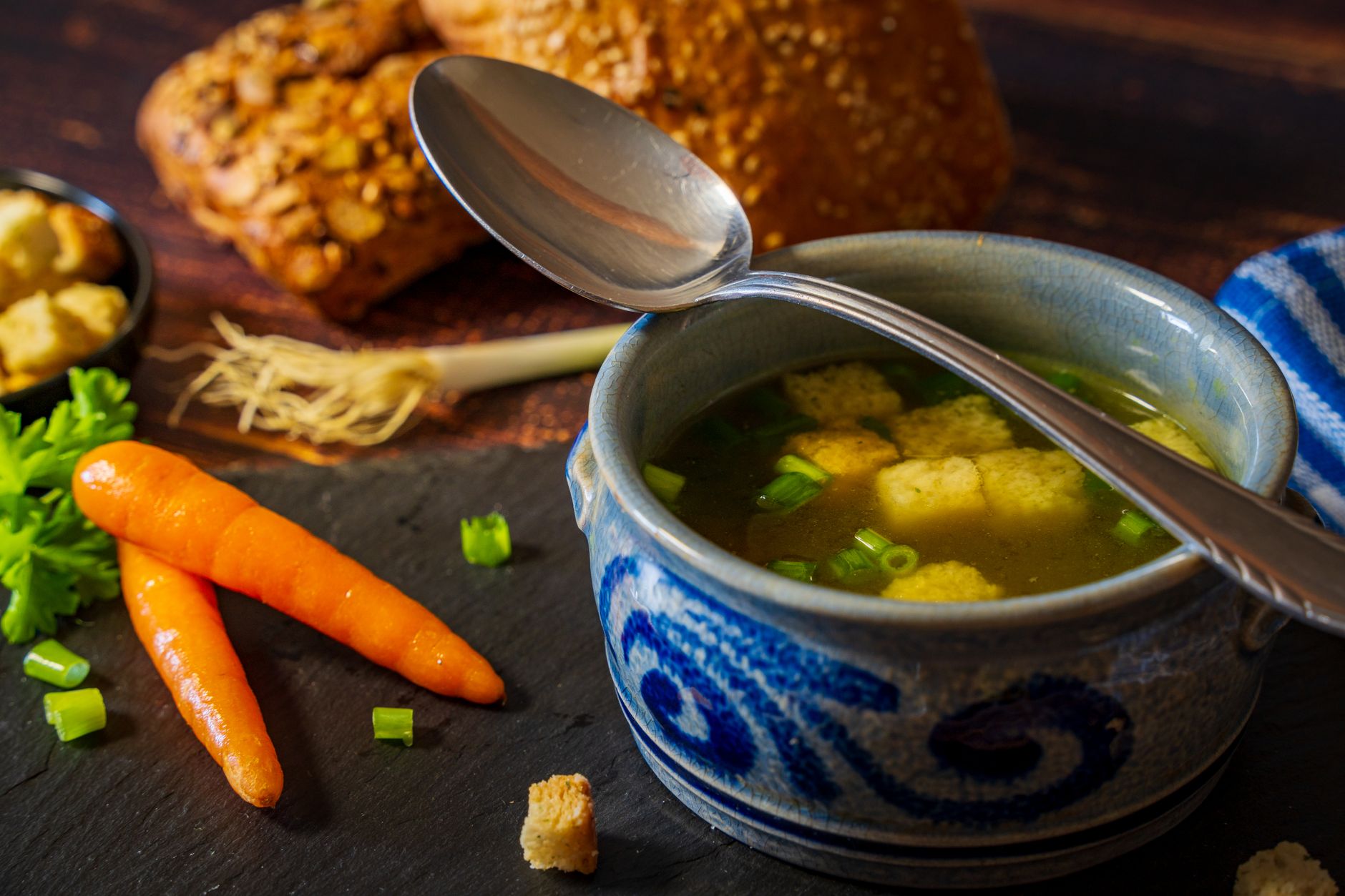
- Bone broth: Rich in collagen and amino acids, bone broth can help heal the gut lining. Choose low-FODMAP versions without garlic or onions.
- Herbal teas: Ginger tea (for nausea), chamomile (for relaxation), and peppermint (for bloating relief) can complement your meals without adding calories.
Pro tip: If you’re new to low-FODMAP eating, start with the AIP (Autoimmune Protocol) elimination diet for a few weeks to identify your personal triggers. Many women with ulcerative colitis find that even small amounts of dairy, gluten, or nightshades can worsen symptoms. Additionally, consider keeping a food diary for a week to track which foods—even those considered "safe"—might be contributing to your symptoms.
---
Low FODMAP diet for ulcerative colitis weight loss: the science and how to start
The low-FODMAP diet is one of the most researched dietary approaches for managing ulcerative colitis symptoms, and it can also support weight loss by reducing bloating, gas, and discomfort. The diet works in phases:
- Elimination phase: Remove all high-FODMAP foods for 2–6 weeks to identify triggers.
- Reintroduction phase: Gradually reintroduce high-FODMAP foods one at a time to see which ones cause symptoms.
- Personalization phase: Create a sustainable diet that avoids your personal triggers while allowing flexibility.
According to the Monash University FODMAP Dietitian Network, up to 75% of people with IBS find relief with this approach, and many with ulcerative colitis report reduced flare-ups. The key to weight loss is focusing on low-calorie, low-FODMAP foods while avoiding processed snacks and sugary drinks.
Common high-FODMAP foods to avoid during the elimination phase include:
- Onions and garlic
- Apples, pears, and watermelon
- Wheat, rye, and barley
- High-lactose dairy (milk, ice cream, soft cheeses)
- Legumes (beans, lentils, chickpeas)
- High-sugar fruits (mangoes, cherries)
- Processed meats with added sugars or high-FODMAP sauces
- Artificial sweeteners like sorbitol and xylitol
If you’re struggling to lose weight on a low-FODMAP diet, consider pairing it with the keto diet for weight loss—but only under medical supervision. Some women with ulcerative colitis find that a modified keto approach (high in healthy fats, low in carbs) helps stabilize blood sugar and reduce inflammation. However, this approach should be monitored closely by a gastroenterologist or dietitian to ensure you’re not missing out on essential nutrients.
**Important note:** The low-FODMAP diet is not a long-term solution for everyone. After the elimination and reintroduction phases, you may find that some high-FODMAP foods can be reintroduced in moderation without triggering symptoms. This personalized approach ensures you get the variety and nutrients your body needs for long-term health.
---
How to create a weight loss meal plan for ulcerative colitis: a 7-day sample plan
Creating a meal plan for ulcerative colitis weight loss requires balance: enough calories to sustain energy, but low enough in triggers to avoid flare-ups. Below is a sample 7-day plan using low-FODMAP, anti-inflammatory foods. Adjust portions based on your activity level and symptoms.
Note: Always consult your gastroenterologist or a dietitian before starting any new diet, especially if you’re in a flare-up.
**Pro tip:** Meal prepping is your best friend when managing ulcerative colitis. Cook grains and proteins in bulk and store them in the fridge for easy assembly. For example, cook a large batch of quinoa or white rice on Sunday and use it throughout the week in salads, bowls, or sides.
**Pro tip:** Use portion control tools like measuring cups or a food scale to avoid overeating, especially with calorie-dense foods like nuts or oils. Start with the recommended serving sizes and adjust based on how your body responds. If you find yourself still hungry, consider adding more low-calorie, high-volume foods like cucumber slices or steamed vegetables to your meals.
---
Foods to avoid for weight loss with ulcerative colitis
While knowing what to eat is important, it’s equally crucial to understand what to avoid. Certain foods can trigger flare-ups, slow down your metabolism, or contribute to nutrient deficiencies. Here’s a detailed list of foods to minimize or avoid during your weight loss journey:
High-FODMAP foods: These are the primary culprits for triggering symptoms and should be eliminated during the initial phase of the low-FODMAP diet.
- Garlic and onions (including leeks, shallots, and chives)
- Apples, pears, watermelon, and mangoes
- Wheat, rye, and barley (including whole grains and bread)
- High-lactose dairy (milk, ice cream, soft cheeses like ricotta and cottage cheese)
- Legumes (beans, lentils, chickpeas, and soybeans)
- High-sugar fruits (cherries, blackberries, and plums)
- Processed meats with added sugars or high-FODMAP sauces (e.g., sausages with garlic or onion in the filling)
Processed and fried foods: These are often high in unhealthy fats, calories, and additives that can worsen inflammation and digestion.
- Fast food (burgers, fries, nuggets)
- Packaged snacks (chips, crackers, and cookies)
- Fried foods (French fries, onion rings, and fried chicken)
- Processed deli meats (some contain high-FODMAP ingredients or preservatives)
High-sugar foods and drinks: Sugar can feed harmful gut bacteria and contribute to inflammation.
- Soda and sugary juices
- Candy and chocolate (especially milk chocolate)
- Pastries and baked goods (muffins, cakes, and donuts)
- Artificial sweeteners like sorbitol and xylitol (found in sugar-free gum and mints)
Spicy and acidic foods: While not universally problematic, these can irritate the gut lining and worsen symptoms for some individuals.
- Hot sauces and chili peppers
- Tomatoes and tomato-based sauces (e.g., ketchup, marinara)
- Citrus fruits (oranges, lemons, limes) in large quantities
- Alcohol, especially beer and wine
**Important:** Everyone’s triggers are different. If you suspect a food isn’t causing symptoms for you, reintroduce it gradually and monitor your body’s response. Keep a symptom diary to track what works and what doesn’t.
---
Supplements that aid weight loss in ulcerative colitis patients
Supplements can be a game-changer for weight loss with ulcerative colitis, especially if you’re struggling with malnutrition or inflammation. However, always check with your gastroenterologist before adding anything new to your routine. Here’s a breakdown of the most evidence-backed supplements and how they can support your goals:
**Note on probiotics:** Some strains, like Lactobacillus plantarum 299v, have been shown to reduce inflammation in ulcerative colitis. Look for supplements with clinical research backing and avoid those with added sugars or fillers. If you’re on immunosuppressants, consult your doctor before starting probiotics, as they may interact with your medication.
---
Exercise recommendations for weight loss with ulcerative colitis
Exercise is one of the most underrated tools for weight loss with ulcerative colitis—it boosts metabolism, reduces stress (which can worsen symptoms), and improves gut motility. However, intensity matters. High-impact or strenuous exercise can trigger flare-ups, so focus on gentle, consistent movement.
Here’s how to start:
- Low-impact cardio: Walking, swimming, or cycling (20–30 minutes, 3–5x/week). Start slow—even 10 minutes a day helps. Try a leisurely walk after meals to aid digestion.
- Strength training: Bodyweight exercises (squats, lunges) or resistance bands (2x/week). Strength builds muscle, which burns more calories at rest. Focus on form and control rather than speed or intensity.
- Yoga or tai chi: These reduce stress and improve digestion. Try gentle flows or chair yoga if standing is difficult. Poses like "Child’s Pose" or "Legs-Up-the-Wall" can be soothing for your gut.
- Avoid: Running, HIIT, or heavy lifting during flare-ups. Listen to your body—rest is part of the process.
- Pilates: Low-impact and focused on core strength, Pilates can be a great way to build endurance without straining your gut. Look for beginner-friendly classes.
**Story time:** One reader, Sarah, shared that she used to avoid exercise entirely because she feared triggering a flare-up. After starting with 10-minute walks and gradually increasing, she lost 12 pounds in 3 months without any symptom worsening. "It wasn’t about pushing myself," she said. "It was about moving in a way that felt good. I started with just walking around my neighborhood, and over time, I added in some gentle yoga stretches. The key was consistency—even on days when I didn’t feel like it, I’d do a 5-minute walk."
If you’re new to exercise, start with gentle routines like a 5-minute morning stretch or a 10-minute walk after meals. Over time, you can build up to longer sessions. **Pro tip:** Pair exercise with a friend or join a virtual class for accountability. Many women find that having someone to share their progress with keeps them motivated.
---
How to manage flare-ups while losing weight
Flare-ups are the ultimate weight-loss roadblock. When your symptoms flare, your body needs easier-to-digest foods and more rest, not a strict diet. Here’s how to navigate them:
- Switch to a "low-residue" diet: Focus on bland, low-fiber foods like white rice, bananas, applesauce, and boiled potatoes. Avoid raw vegetables, nuts, and seeds. Sip clear liquids like herbal teas or broth to stay hydrated.
- Hydrate aggressively: Dehydration worsens symptoms. Sip water, herbal teas (like chamomile), or electrolyte drinks (low-sugar). Avoid caffeine and alcohol, which can dehydrate you further.
- Prioritize rest: Fatigue is common during flare-ups. Schedule short walks and nap when needed. Listen to your body—rest is not laziness; it’s part of healing.
- Avoid triggers: Keep a food diary to track what worsens symptoms. Common culprits include spicy foods, caffeine, alcohol, and high-FODMAP foods. Even small amounts can aggravate flare-ups.
- Consider medical support: If flare-ups are frequent, ask your gastroenterologist about anti-inflammatory medications or steroids to help you recover faster. Some women find that short courses of corticosteroids can buy them time to focus on nutrition and rest.
- Gentle movement: If you’re not experiencing severe symptoms, a 5-minute walk or a few stretches can help with digestion without overloading your gut.
**Pro tip:** If you’re losing weight during a flare-up, it’s likely due to poor appetite or nausea—not fat loss. Once you’re stable, focus on rebuilding energy with nutrient-dense foods. Prioritize protein and healthy fats to support muscle repair and overall healing.
---
Ulcerative colitis weight loss tips: common mistakes and how to avoid them
Weight loss with ulcerative colitis is tricky, and many women make the same mistakes. Here’s what to watch out for:
- Skipping meals to "save" calories: This leads to malnutrition and worsens fatigue. Eat small, frequent meals instead. Think of it as fueling your body, not restricting it.
- Relying on fad diets: Keto, paleo, or juice cleanses can trigger flare-ups. Stick to evidence-based approaches like low-FODMAP. Always consult your doctor before trying a new diet.
- Ignoring hydration: Dehydration makes symptoms worse. Aim for at least 2–3 liters of water daily. Herbal teas and broths count too! Keep a water bottle with you at all times.
- Not tracking symptoms: Keep a journal of what you eat and how you feel. This helps identify triggers. Apps like Cronometer or MyFODMAP can help track both food and symptoms.
- Overdoing exercise: Pushing too hard can worsen inflammation. Start slow and listen to your body. If you feel pain or discomfort, stop immediately.
- Neglecting sleep: Poor sleep can disrupt hunger hormones and increase cravings. Aim for 7–9 hours of quality sleep per night. Establish a bedtime routine, like reading or gentle stretching.
- Isolating yourself: Connect with others who understand what you’re going through. Online support groups or local IBD communities can provide encouragement and practical tips.
**Myth vs. Fact:
Myth: "I can’t lose weight with ulcerative colitis because I’m always in a flare-up."
Fact: Many women with ulcerative colitis lose weight successfully by managing symptoms proactively. The key is balancing nutrition, hydration, and gentle movement—without pushing through pain. Focus on consistency and small, sustainable changes.
Myth: "Low-FODMAP diets are restrictive and unsustainable."
Fact: While the elimination phase is strict, the reintroduction phase allows you to reintroduce foods in moderation. Many women find they can enjoy a wider variety of foods long-term. The goal is to find what works for you, not a one-size-fits-all approach.
Myth: "Exercise will make my symptoms worse."
Fact: Gentle, consistent movement like walking or yoga can actually reduce inflammation and improve gut motility. Start slow and build up. The key is listening to your body and choosing activities that feel good.
---
How stress and emotional well-being impact weight loss with ulcerative colitis
Stress is a silent but powerful trigger for ulcerative colitis flare-ups, and it can also sabotage your weight loss efforts. When you’re stressed, your body produces cortisol, a hormone that can increase cravings for unhealthy foods, slow down metabolism, and disrupt sleep—all of which make weight loss harder. For women with ulcerative colitis, managing stress isn’t just about feeling better; it’s about protecting your gut health and creating a sustainable path to weight loss.
Here’s how stress affects your weight loss journey and what you can do about it:
- Stress increases inflammation: Chronic stress raises cortisol levels, which can worsen gut inflammation and trigger flare-ups. This can lead to a vicious cycle of poor appetite, nausea, and weight loss—even if that’s not your goal.
- Stress disrupts hunger hormones: Cortisol can increase ghrelin (the "hunger hormone") and decrease leptin (the "satiety hormone"), leading to overeating or cravings for comfort foods—often high in sugar or fat.
- Stress affects sleep: Poor sleep disrupts hunger hormones, increases cravings for junk food, and reduces your body’s ability to recover and burn fat efficiently.
- Stress reduces motivation: When you’re overwhelmed, it’s easy to skip meals, skip exercise, or give up on your goals entirely. Stress can make even small tasks feel impossible.
**Practical stress-management strategies for weight loss with ulcerative colitis:
- Mindfulness and meditation: Even 5–10 minutes of mindfulness meditation per day can lower cortisol levels. Apps like Headspace or Calm offer guided sessions tailored to stress and digestion.
- Deep breathing exercises: Try the 4-7-8 technique: Inhale for 4 seconds, hold for 7 seconds, exhale for 8 seconds. Repeat for 3–5 minutes to calm your nervous system. Do this before meals or when you feel stressed.
- Journaling: Write down your thoughts, feelings, and symptoms daily. This helps you identify stress patterns and triggers. Try prompts like, "What’s weighing on me today?" or "How did my body feel after that meal?"
- Gentle movement for stress relief: Yoga, tai chi, or even a short walk can lower stress hormones. Focus on activities that make you feel calm, not exhausted.
- Prioritize sleep: Aim for 7–9 hours of sleep per night. Create a bedtime routine, like reading a book or taking a warm bath, to signal to your body that it’s time to wind down.
- Connect with others: Talk to your partner, friends, or a support group about how you’re feeling. Isolation can amplify stress, while connection can provide comfort and encouragement.
- Set realistic goals: Break your weight loss goals into small, manageable steps. Celebrate non-scale victories, like increased energy or improved digestion, to stay motivated.
**Story time:** One reader, Emily, shared that she struggled with weight loss until she realized her stress was sabotaging her efforts. "I’d skip meals because I was too busy or overwhelmed, and then I’d binge on junk food later," she said. "When I started prioritizing stress management—even just 10 minutes of deep breathing before bed—I noticed my digestion improved, my cravings decreased, and I could stick to my meal plan without feeling deprived."
---
How to advocate for yourself in medical settings
Navigating healthcare as a woman with ulcerative colitis can feel overwhelming, especially when it comes to weight loss and symptom management. Many women report feeling dismissed or misunderstood by healthcare providers, which can make it harder to get the support you need. Advocating for yourself isn’t about being difficult—it’s about ensuring your voice is heard and your concerns are addressed.
Here’s how to advocate for yourself effectively:
- Prepare before appointments: Write down your questions, concerns, and symptoms in advance. Bring a list of medications, supplements, and foods that trigger or improve your symptoms. This helps you stay organized and ensures you don’t forget anything important.
- Ask specific questions: Instead of asking, "Will this diet work for me?" try, "What are the best foods for weight loss that also help manage my symptoms?" or "What supplements do you recommend for inflammation and energy?" Specific questions lead to more targeted advice.
- Bring a support person: If possible, bring a friend, partner, or family member to your appointments. They can help you remember information, ask follow-up questions, and provide emotional support.
- Track your symptoms: Keep a symptom diary or use an app to track your flare-ups, triggers, and how you feel after certain foods or activities. Share this data with your doctor to provide context for your care.
- Don’t be afraid to ask for a second opinion: If you feel your doctor isn’t listening or isn’t addressing your concerns, it’s okay to seek a second opinion. You deserve a healthcare provider who understands your needs and respects your




