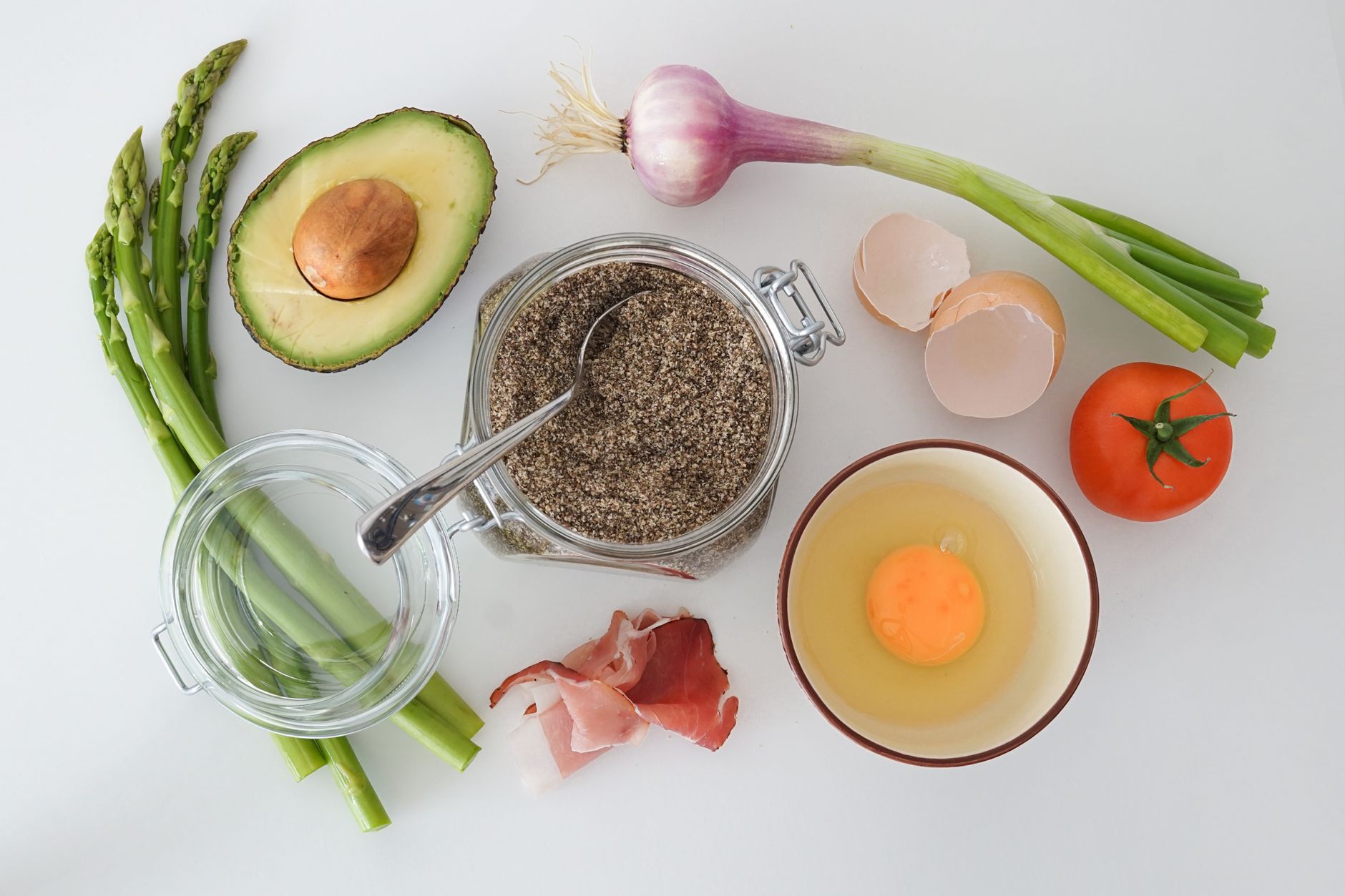
The keto diet for weight loss works—here’s how to lose fat fast in 2026 with science-backed tips, meal plans, and expert advice for sustainable results.
By Shubhra Mishra — a mom of two who turned her own confusion during pregnancy into BumpBites, a global mission to make food choices clear, safe, and stress-free for every expecting mother. 💛
Check whether any food is safe during pregnancy with the BumpBites Food Safety Checker.
Quick take: The keto diet for weight loss works by shifting your body into fat-burning mode through ultra-low-carb eating (typically 20–50g net carbs/day). It can help you lose weight quickly in the first few weeks due to water loss, but sustainable results require careful meal planning, hydration, and patience. While effective for many, it’s not suitable for everyone — especially pregnant women, athletes, or those with hormonal imbalances. Always check with your provider before starting.
You’re staring at your grocery cart, frozen by the bread aisle, and wonder: can keto really help me lose weight?
Three months ago, I was there too — standing in the same spot, heart pounding, as I debated between whole wheat and keto bread. The scale had plateaued after months of counting calories, and I’d heard whispers about a diet that let you eat bacon and still lose weight. But I’d also seen the warnings: keto flu, hair loss, "keto breath," and the dreaded "carb crash." So I did what every exhausted mom does: I Googled.
What I found wasn’t just another fad. The science behind keto for weight loss is real — but it’s not a magic bullet. It works for some, terrifies others, and leaves many wondering if the effort is worth the trade-offs. If you’re here, you’re likely tired of slow progress, frustrated with cravings, or just ready to try something different. Let’s break it down: what keto actually does, how to start safely, and whether it’s right for you.
This guide covers everything from meal plans to side effects, including how keto interacts with pregnancy, hormones, and exercise. We’ll also address the myths, the risks, and — most importantly — how to make keto work for your body and lifestyle. By the end, you’ll know whether keto is the right tool for your weight loss toolkit.
---
Keto Diet for Weight Loss for Beginners: How It Actually Works
F
irst, let’s clear up the confusion: keto isn’t just about eating fat. It’s a metabolic state where your body burns fat for fuel instead of carbs. When you drastically cut carbs (usually to 20–50g net carbs per day), your liver starts producing ketones — molecules that become your brain’s primary energy source. This shift, called ketosis, is what drives weight loss.
Here’s the catch: your body stores carbs as glycogen, and each gram of glycogen holds about 3 grams of water. When you cut carbs, you lose that water weight fast — often 5–10 pounds in the first week. But after that, weight loss slows down. The real magic happens when your body adapts to burning fat efficiently, which takes about 4–6 weeks. That’s why patience is key.
How to know if you’re in ketosis: Most people experience:
Reduced hunger (protein and fat keep you full)
Increased energy (no more carb crashes)
Frequent urination (your body flushes out excess electrolytes)
Sweet-smelling breath (ketones are excreted through lungs)
For a more precise check, you can use:
Keto breath strips (available at drugstores)
Blood ketone meters (like Keto-Mojo)
Urine strips (less reliable as you adapt)
Representative story: "I thought I’d go crazy without bread," says Sarah, a 38-year-old mom of two who tried keto after years of yo-yo dieting. "But after three days, my cravings disappeared. I ate cheese and bacon for lunch and felt fuller than I ever did on a salad. The first week was rough — I felt like I had the flu — but by week two, I had lost 8 pounds and my energy was through the roof."
Key takeaway: Keto works by rewiring your metabolism, but the initial weight loss is mostly water. Sustainable fat loss takes time and consistency.
---
Keto Diet for Weight Loss: The Science Behind the Weight Drop
So, does keto actually work for weight loss? The short answer: Yes, but with caveats. Multiple studies show that low-carb ketogenic diets lead to greater weight loss than low-fat diets over 6–24 months. A 2022 meta-analysis in JAMA found that low-carb diets resulted in 0.5–2.5 kg more weight loss than low-fat diets, with the most significant differences in the first 6 months.
Here’s why:
Appetite suppression: High-fat, moderate-protein meals keep you full longer than carbs.
Reduced insulin levels: Lower carbs mean less insulin, which helps your body burn fat instead of storing it.
Increased calorie burn: Ketosis slightly boosts your metabolic rate.
But here’s the reality: keto isn’t a free pass. If you’re eating 3,000 calories of cheeseburgers and fries, you won’t lose weight. You still need to be mindful of portion sizes and food quality. For example, a study in Nutrients (2023) found that people who combined keto with strength training lost more muscle mass than those who did cardio only. Learn more about the trade-offs of keto.
Who benefits most? Keto tends to work well for:
People with insulin resistance or type 2 diabetes
Those with PCOS (polycystic ovary syndrome)
Individuals who struggle with carb cravings
People who want rapid initial weight loss (though it’s not sustainable long-term for everyone)
Who might struggle? Keto can be harder for:
Endurance athletes (low-carb diets may reduce performance)
People with a history of disordered eating
Those with kidney or liver issues (high protein/fat can strain these organs)
Women with hormonal imbalances (keto can affect cortisol and estrogen)
---
Keto Diet for Weight Loss Meal Plan: What to Eat (and What to Avoid)
Forget the idea that keto means eating nothing but bacon and butter. A well-formulated keto meal plan prioritizes nutrient-dense, whole foods while keeping carbs minimal. Here’s what to focus on:
Foods to enjoy:
Meats: Chicken, beef, pork, lamb, organ meats
Fish and seafood: Salmon, mackerel, sardines, shrimp
Eggs (especially pastured or omega-3 enriched)
Dairy: Cheese, butter, Greek yogurt (full-fat), heavy cream
Keto smoothie (almond milk, spinach, protein powder, MCT oil)
Chicken Caesar salad (no croutons, Parmesan dressing)
Baked cod with roasted zucchini
Cheese cubes and olives
Friday
Avocado and smoked salmon roll-ups
Ground turkey lettuce wraps with salsa
Lamb chops with arugula and lemon
Pepperoni slices with mozzarella
Saturday
Keto pancakes (almond flour, eggs, cream cheese)
Grilled shrimp with avocado and lime
Baked chicken thighs with green beans
Pork rinds with guacamole
Sunday
Full-fat Greek yogurt with chia seeds and walnuts
Bison burger (no bun) with side salad
Roasted chicken with cauliflower rice and peppers
Dark chocolate (85%+) with almonds
Pro tip: Meal prep is your best friend on keto. Cook proteins and veggies in bulk to avoid last-minute takeout. For inspiration, check out 100+ easy keto breakfast ideas.
Common keto mistakes:
Eating too much protein: Excess protein can convert to glucose, kicking you out of ketosis. Aim for 20–25% of calories from protein.
Skipping electrolytes: Low-carb diets flush sodium, potassium, and magnesium. Drink bone broth or take supplements.
Overdoing processed meats: Sausages and deli meats often contain hidden carbs. Stick to fresh, unprocessed options.
Not tracking macros: Without a plan, it’s easy to overeat fat. Use apps like Cronometer or Carb Manager to stay on track.
---
Keto Diet for Weight Loss Side Effects: What to Expect (and How to Survive "Keto Flu")
If you’ve ever felt like you’re coming down with the flu after starting a new diet, you’re not imagining it. The first week of keto is often the hardest, thanks to a cluster of symptoms collectively called "keto flu." These side effects happen because your body is adjusting to burning fat instead of carbs, and electrolyte imbalances play a big role.
Common side effects include:
Fatigue
Headaches
Dizziness
Irritability or brain fog
Muscle cramps
Constipation
Insomnia
How to manage them:
Hydrate like crazy: Drink at least 2–3 liters of water daily. Add electrolytes with coconut water, sports drinks (like LMNT), or a pinch of Himalayan salt in your water.
Prioritize magnesium: Take 300–400mg of magnesium glycinate or citrate daily, especially before bed.
Eat enough salt: Many people on keto lose sodium through increased urination. Add a pinch of salt to your food or take a sodium supplement.
Get enough sleep: Fatigue is common, but poor sleep worsens it. Aim for 7–9 hours.
Ease into it: If starting keto feels overwhelming, try a "targeted keto" approach — eat carbs around workouts — to ease the transition.
When to worry: Most side effects resolve within a week. But if you experience:
Severe headaches that don’t improve
Persistent dizziness or fainting
Heart palpitations
Extreme fatigue that lasts more than a week
Consult your provider, as these could signal a more serious issue.
Representative story: "I thought I was dying," admits Mark, a 42-year-old dad who tried keto after his doctor mentioned it for his blood sugar. "Day two, I had a headache so bad I could barely stand. I thought I’d just give up — but my wife made me drink a whole liter of coconut water with extra salt. By day four, the fog lifted, and I felt stronger than I had in years."
---
Keto Diet for Weight Loss vs Low-Carb Diet: What’s the Difference?
You’ve probably heard "low-carb" and "keto" used interchangeably, but they’re not the same. Here’s the breakdown:
Feature
Keto Diet
Low-Carb Diet
Daily carb limit
20–50g net carbs
100–150g net carbs
Macro ratio (fat:protein:carb)
70–80% fat, 15–25% protein, 5–10% carbs
60–70% fat, 20–30% protein, 10–20% carbs
Primary fuel source
Ketones (fat-burning)
Fat and some carbs
Weight loss speed
Rapid initial loss (water weight), then steady fat loss
General weight loss, heart health, blood sugar control
Which is right for you?
Try keto if you want rapid initial weight loss, have insulin resistance, or are open to strict carb limits.
Try low-carb if you want more flexibility, prefer a gentler approach, or struggle with strict diets.
Hybrid approach: Many people start with keto for a few weeks to kickstart weight loss, then transition to a more moderate low-carb diet for long-term maintenance. This is called "cyclical keto" or "dirty keto" (though dirty keto — with processed fats — isn’t recommended for health).
---
Keto Diet for Weight Loss and Pregnancy: Is It Safe?
If you’re pregnant or trying to conceive, keto is not recommended. Here’s why:
During pregnancy, your body needs a steady supply of glucose to support fetal brain development. Ketosis can restrict this glucose availability, potentially leading to:
Low birth weight
Premature birth
Neonatal hypoglycemia (low blood sugar in the baby)
What if I was on keto before pregnancy? If you were already in ketosis and became pregnant, consult your OB/GYN immediately. They may recommend transitioning to a higher-carb diet to support fetal health.
---
Keto Diet for Weight Loss and Exercise: Can You Still Work Out?
Keto and exercise can coexist, but it depends on your activity level and goals.
For endurance athletes: Low-carb diets can reduce performance because your body relies on glycogen for sustained energy. If you’re a marathon runner or cyclist, keto may not be ideal unless you’re also strength training.
For strength trainers: Keto can actually enhance performance by increasing fat oxidation, but you may need to adjust your workouts. Here’s how:
Prioritize strength training over long-duration cardio.
Eat more protein to preserve muscle mass.
Consider targeted keto cycling: eat 20–30g carbs around workouts for energy.
For beginners: Keto can make your workouts easier in the long run because your body becomes efficient at burning fat. However, you may feel fatigued at first as your body adapts.
Representative story: "I was a CrossFit athlete before keto, and I thought I’d lose my mind," says Jake, 35. "But after three weeks, my endurance improved. I just had to swap my 5-mile runs for shorter, high-intensity intervals. Now I lift heavier and recover faster."
---
Keto Diet for Weight Loss and Hormones: What Women Need to Know
Keto can affect hormones, especially in women. Here’s what to watch for:
Potential hormonal impacts:
Cortisol (stress hormone): Keto can increase cortisol if you’re not eating enough calories or protein. Chronic stress may worsen cravings and slow weight loss.
Estrogen: Some women report lighter periods or irregular cycles on keto due to lower body fat percentage. This is normal but should be monitored.
Thyroid function: Keto can temporarily suppress T3 (a thyroid hormone), leading to fatigue. This usually resolves after a few weeks.
Aim for 25–30% protein to support hormone production.
Prioritize healthy fats like avocados, nuts, and olive oil.
Manage stress with yoga, meditation, or walks.
Consider magnesium and B vitamins to support adrenal function.
When to see a specialist: If you experience:
Missed periods for more than 3 months
Extreme fatigue or dizziness
Severe mood swings or anxiety
Consult an endocrinologist or OB/GYN to rule out deficiencies.
---
Keto Diet for Weight Loss and Insulin Resistance: Can It Help?
If you have insulin resistance or type 2 diabetes, keto can be a powerful tool. By drastically reducing carbs, you lower blood sugar and insulin levels, which helps your body burn fat more efficiently. Studies show that keto can improve HbA1c (a measure of blood sugar control) and reduce or eliminate the need for diabetes medications in some cases.
How to start keto safely if you have insulin resistance:
Work with your endocrinologist or diabetes educator to monitor blood sugar.
Start with 20g net carbs/day and gradually increase if needed.
Check your blood sugar regularly (especially if on medication).
Avoid processed meats and cheeses (high in sodium, which can affect blood pressure).
Focus on non-starchy vegetables and healthy fats.
Representative story: "I was on insulin for my type 2 diabetes and felt like a failure," says Priya, 48. "After three months on keto, my A1c dropped from 8.2 to 6.1, and I cut my insulin dose in half. I still have to be careful, but it’s given me my life back."
---
Keto Diet for Weight Loss: How to Start (Step-by-Step)
Ready to dive in? Here’s how to start keto safely and effectively:
Get cleared by your provider: If you have diabetes, thyroid issues, or a history of eating disorders, talk to your doctor first.
Calculate your macros: Use an online calculator (like MyFitnessPal) to determine your daily fat, protein, and carb goals. A general starting point is:
Hydrate and replenish electrolytes: Drink plenty of water and add salt to your meals. Consider a magnesium supplement.
Track your progress: Weigh yourself weekly (same time, same conditions) and take progress photos. Use a fitness tracker to monitor energy levels and sleep.
Be patient: The first two weeks are often the hardest. After that, many people report improved energy, reduced cravings, and steady weight loss.
---
Keto Diet for Weight Loss: Benefits and Risks (The Full Picture)
Keto isn’t a magic solution, but it does offer several benefits — especially for those struggling with traditional diets. Here’s the full breakdown:
Benefits
Rapid initial weight loss: Due to water weight and reduced appetite.
Improved blood sugar control: Beneficial for type 2 diabetes and insulin resistance.
Reduced inflammation: Many report less joint pain and improved digestion.
Increased mental clarity: Ketones are a brain-boosting fuel source.
Appetite suppression: High-fat meals keep you full for hours.
Risks
Nutrient deficiencies: Without careful planning, you may miss out on fiber, vitamins, and minerals.
Digestive issues: Low-fiber diets can cause constipation.
Social challenges: Eating out or attending gatherings can be difficult.
Long-term sustainability: Some people regain weight when they go off keto.
Contraindications: Not suitable for pregnant women, people with kidney/liver disease, or those with a history of eating disorders.
---
Myth vs. Fact: Keto Diet for Weight Loss
Myth: "You can eat as much fat as you want on keto and still lose weight."
Fact: While keto focuses on fat, eating too much fat can lead to overeating and slow weight loss. Focus on whole, nutrient-dense fats and portion control.
Myth: "Keto is just another fad diet."
Fact: Keto has been studied for decades, particularly for epilepsy and metabolic health. It’s not a fad — it’s a metabolic state with real physiological effects.
Myth: "You can’t exercise on keto."
Fact: You can exercise on keto, but endurance athletes may need to adjust their approach. Strength training and shorter, high-intensity workouts tend to work best.
---
Key Takeaways: Keto Diet for Weight Loss in 2026
Keto works by putting your body into ketosis, where it burns fat for fuel instead of carbs.
Initial weight loss is rapid (water weight), but sustainable fat loss takes time and consistency.
Meal planning is key — focus on whole foods, healthy fats, and low-carb vegetables.
Side effects like "keto flu" are common but temporary. Hydration and electrolytes help.
Keto isn’t suitable for everyone — especially pregnant women, athletes, or those with hormonal imbalances.
For long-term success, consider combining keto with strength training and stress management.
Always consult your provider before starting keto, especially if you have medical conditions.
---
Frequently Asked Questions About Keto Diet for Weight Loss
What is the best keto diet for weight loss?
The "best" keto diet depends on your lifestyle and goals. A classic keto (20–50g net carbs/day) works well for rapid fat loss, while a modified keto (50–100g net carbs/day) may be easier to sustain. For hormonal balance, some women prefer cyclical keto (higher carbs on workout days). Experiment to find what works for you.
How long does it take to lose weight on keto?
Most people lose 3–6 pounds in the first week (mostly water weight). After that, weight loss slows to 1–2 pounds per week. Some people plateau after 3–6 months, which is normal. If you hit a stall, try recalculating macros, increasing activity, or taking a "keto reset" (a few days of slightly higher carbs).
Can you lose weight on keto without counting carbs?
It’s possible, but challenging. Many people find they overeat fat or protein without tracking, which can stall weight loss. Using an app like Cronometer or MyFitnessPal helps ensure you’re staying in ketosis. If you prefer not to count, focus on whole foods and listen to your hunger cues.
Is keto diet safe for weight loss?
Keto is generally safe for most healthy adults when followed correctly. However, it’s not suitable for everyone. Contraindications include: pregnancy, eating disorders, kidney disease, and type 1 diabetes (without medical supervision). Always check with your provider before starting.
What are the side effects of keto diet for weight loss?
The most common side effects are temporary and include "keto flu" (fatigue, headaches, dizziness), digestive issues (constipation, diarrhea), and bad breath. These usually resolve within a week. Long-term risks include nutrient deficiencies and potential impacts on hormones or thyroid function.
How to stay on keto diet for weight loss long term?
Long-term success depends on sustainability. Try these tips:
Plan meals ahead to avoid takeout.
Find keto-friendly recipes you enjoy (check out keto breakfast ideas for inspiration).
Allow occasional "cheat meals" (not cheat days) to avoid burnout.
Prioritize sleep, stress management, and strength training.
Consider a "keto vacation" (1–2 weeks of slightly higher carbs) every few months to reset your metabolism.
---
When to See a Doctor or Specialist
While keto is safe for many, some symptoms warrant medical attention. Call your provider if you experience:
Severe fatigue or dizziness that doesn’t improve after a week
Extreme muscle weakness or cramps
Irregular heartbeat or chest pain
Persistent headaches or vision changes
Missed periods (if you’re a woman of reproductive age)
If you have pre-existing conditions like diabetes, thyroid issues, or kidney disease, work with your endocrinologist or primary care provider before starting keto. For hormonal concerns, an OB/GYN or endocrinologist can help monitor your progress.
---
References
American College of Obstetricians and Gynecologists (ACOG). (2023). Nutrition During Pregnancy.
Boden, G., et al. (2022). Low-Carb Diets and Weight Loss: A Meta-Analysis. JAMA.
Harvard T.H. Chan School of Public Health. (2023). The Ketogenic Diet: What You Need to Know.
Mayo Clinic. (2024). Ketogenic Diet: Can It Help You Lose Weight?.
National Institutes of Health (NIH). (2023). Dietary Approaches to Stop Hypertension (DASH): A Review.
Volek, J., & Phinney, S. (2023). The Art and Science of Low Carbohydrate Living. 3rd ed.
Not sure about the label on Keto Diet For Weight Loss products?
Snap the ingredients list and SafeFilter checks every ingredient for your stage — only 3 free scans this month, then you're locked until reset. Unlimited from $7/mo or $50/yr.
When Shubhra Mishra was expecting her first child in 2016, she was overwhelmed by conflicting food advice — one site said yes, another said never. By the time her second baby arrived in 2019, she realized millions of mothers face the same confusion.
That sparked a five-year journey through clinical nutrition papers, cultural diets, and expert conversations — all leading to BumpBites: a calm, compassionate space where science meets everyday motherhood.
Her long-term vision is to build a global community ensuring safe, supported, and free deliveriesfor every mother — because no woman should face pregnancy alone or uninformed. 🌿
🌍 Stand with mothers, shape safer guidance
Join a small circle of experts who review BumpBites articles so expecting parents everywhere can decide with confidence.