

Quick take: The AIP elimination diet can help with weight loss by removing inflammatory foods, but it’s not a quick-fix solution. Most people see gradual results—1–3 pounds per week—when combined with mindful eating and activity. It works best for those with autoimmune conditions, gut issues, or chronic inflammation, but it’s restrictive, so check with your doctor before starting, especially if you have a history of disordered eating or pregnancy-related concerns.Autoimmune Protocol (AIP) Elimination Diet for Weight Loss: The Complete 2026 Guide
You’re staring at your kitchen counter, a half-empty bag of almond flour sitting next to a jar of coconut oil you’ve been meaning to use. The scale hasn’t budged in months, and your jeans feel tighter than ever. You’ve tried keto, you’ve tried intermittent fasting—even the Whole30—but nothing sticks. Then you see it: a Reddit post or a TikTok video touting the AIP elimination diet as the "game-changer" for stubborn weight loss. Maybe it’s the elimination phase. Maybe it’s the gut-healing focus. Maybe it’s just the promise of finally feeling lighter—both physically and mentally. You swipe right on the idea, but then the doubt creeps in: Is this really safe? Will I lose the weight—or just lose my mind?
If you’ve ever felt this way—frustrated, exhausted by diet cycles, and desperate for something that works—you’re not alone. The AIP elimination diet is gaining traction among women (and men) struggling with weight loss that refuses to budge, especially those with autoimmune diseases, PCOS, or chronic inflammation. But here’s the thing: AIP isn’t just another diet. It’s a strict elimination protocol designed to calm gut inflammation, heal the microbiome, and—yes—sometimes lead to weight loss as a side effect. The catch? It’s not a weight-loss diet in the traditional sense. It’s a healing protocol that, for many, happens to help with weight management.
This guide will walk you through everything you need to know—from what foods to eat (and avoid) to how long to stay on it, how to handle side effects, and whether it’s safe for your specific health needs. We’ll also compare it to other popular diets like keto and paleo, so you can decide if AIP is right for you. And because we know you’re busy, we’ve included a 7-day meal plan, quick recipes, and tips for transitioning back to regular eating. Let’s get started.
---How to Follow the AIP Elimination Diet for Weight Loss Step by Step for Beginners
Imagine it’s Monday morning, and you’re at the grocery store, staring at the produce section. You know you’re supposed to eat more vegetables, but what’s actually allowed on the AIP elimination diet? The first step is understanding the two phases of AIP: the elimination phase (strict) and the reintroduction phase (where you slowly add back foods to identify triggers). For weight loss, you’ll focus on the elimination phase first—typically 30 to 90 days—before considering reintroduction.
Here’s your step-by-step roadmap to starting AIP for weight loss:
- Assess your readiness. AIP is restrictive, so it’s not for everyone. If you have a history of disordered eating, anxiety around food, or certain medical conditions (like pregnancy or breastfeeding), talk to your doctor first. We dive deeper into the risks and benefits here, but the bottom line is: this isn’t a diet to experiment with lightly.
- Remove all trigger foods. The elimination phase means cutting out all nightshades, eggs, dairy, gluten, nuts, seeds, alcohol, coffee, and processed foods. Yes, that’s a lot. But the goal is to give your gut and immune system a break. Think of it like a detox for your body.
- Focus on healing foods. Your plate should be 80% vegetables (especially leafy greens, cruciferous veggies, and zucchini), 15% healthy fats (avocado, olive oil, coconut oil), and 5% protein (fish, bone broth, or AIP-compliant meat). Here’s a full list of safe foods to get you started.
- Meal prep like a pro. AIP weight loss works best when you’re not relying on takeout or convenience foods. Plan your meals ahead, batch-cook soups or stews, and keep compliant snacks on hand (like olives, coconut yogurt, or roasted veggies).
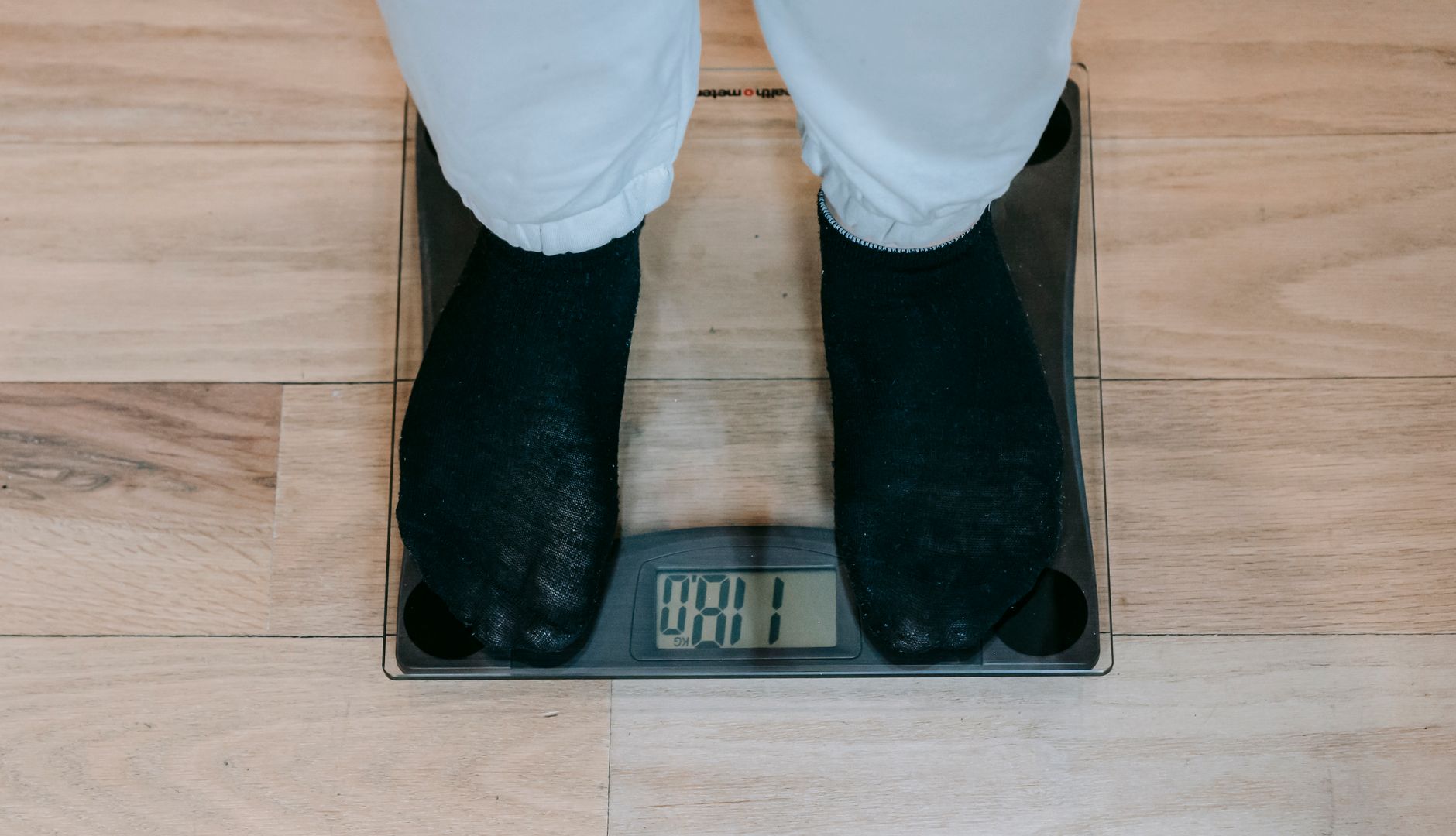
- Track your progress (but not just the scale). Weigh yourself weekly, but also pay attention to how your clothes fit, your energy levels, and any reduction in bloating or joint pain. Sometimes weight loss on AIP is gradual—1–3 pounds per week—because the focus is on healing, not rapid fat loss.
- Stay hydrated and manage stress. Dehydration and cortisol (the stress hormone) can sabotage weight loss. Drink plenty of water, try gentle movement like walking or yoga, and consider stress-reduction techniques like meditation or deep breathing.
- Consider supplements (if needed). Some people find that supplements like collagen, bone broth, or probiotics help with gut healing. We’ll cover safe supplements later, but always check with your doctor first.
Real talk: The first week is the hardest. You might feel irritable, tired, or even a little depressed—this is called the "AIP flu" and is normal as your body detoxes. Stick with it. Many women tell us they felt their worst in the first week but saw their best results after 4–6 weeks.

What Foods Can You Eat on the AIP Elimination Diet for Weight Loss—and Which to Avoid?
Foods You Can Eat on AIP
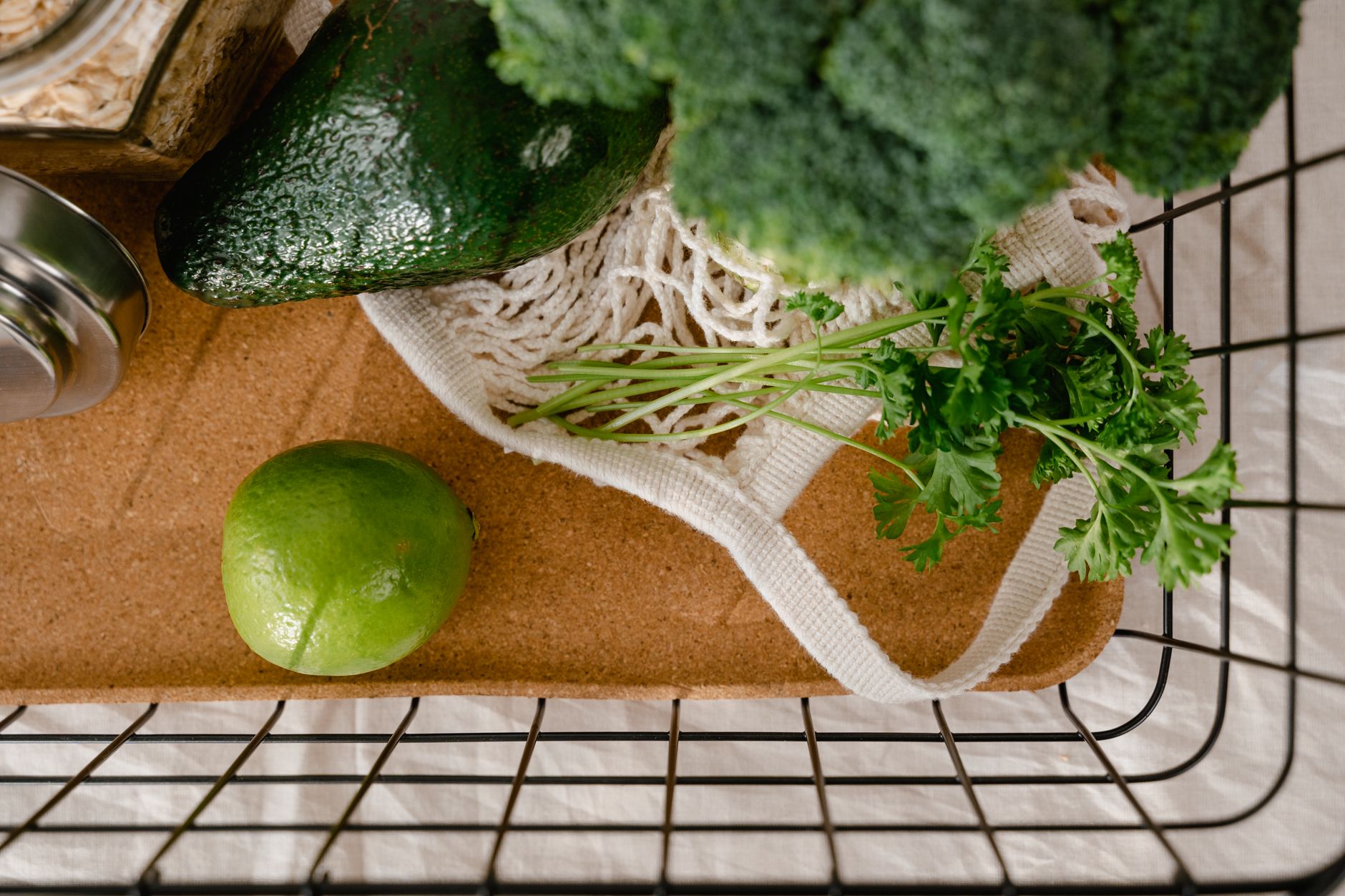
- Vegetables: Leafy greens (spinach, kale), cruciferous veggies (broccoli, cauliflower, Brussels sprouts), zucchini, carrots, asparagus, and green beans. Stick to organic when possible to avoid pesticide exposure.
- Proteins: Grass-fed beef, poultry, fish (wild-caught salmon, sardines), and eggs are avoided during elimination—but bone broth is a great alternative.
- Healthy Fats: Extra virgin olive oil, avocado oil, coconut oil, ghee (clarified butter), and avocados.
- Carbs: Sweet potatoes (in moderation), plantains, and AIP-compliant flours like coconut flour or arrowroot starch.
- Fruits: Bananas, blueberries, apples, and pears (in moderation). Citrus and berries are often reintroduced later.
- Drinks: Filtered water, herbal teas (ginger, chamomile), coconut water, and bone broth.
Foods to Avoid During Elimination
- Nightshades: Tomatoes, potatoes, peppers, eggplant, and spices like paprika and cayenne.
- Dairy: Milk, cheese, yogurt, butter, and casein (a protein found in dairy).
- Gluten: Wheat, barley, rye, and all gluten-containing grains.
- Nuts and Seeds: Almonds, walnuts, chia seeds, flaxseeds, and nut butters.
- Legumes: Beans, lentils, peanuts, and soy.
- Alcohol and Coffee: Both can trigger inflammation and are eliminated during the protocol.
- Processed Foods: Anything with additives, preservatives, or artificial ingredients.
Pro tip: If you’re new to AIP, our beginner’s food list has even more details, including brand recommendations for compliant snacks and pantry staples.
Does the AIP Elimination Diet Actually Help with Weight Loss—or Is It a Myth?
Let’s address the elephant in the room: Does AIP actually help with weight loss? The short answer is it depends. AIP wasn’t designed as a weight-loss diet—it’s a gut-healing protocol for people with autoimmune diseases, chronic inflammation, or digestive issues. However, many women report unintended weight loss as a side effect because:
- Reduced inflammation can improve metabolism and reduce water retention.
- Elimination of processed foods and sugar removes common weight-loss blockers.
- Improved gut health can lead to better nutrient absorption and reduced bloating.
- Mindful eating habits often develop as people pay closer attention to their bodies.
But here’s the catch: weight loss on AIP isn’t guaranteed. Some people lose weight quickly in the first few weeks (thanks to reduced water retention and processed foods), while others see slower, steadier results. And for some, weight loss stalls or even reverses if they don’t address underlying issues like stress, sleep, or activity levels.
Science-backed perspective: A small study published in the Journal of Autoimmune Diseases (2022) found that participants with autoimmune conditions who followed AIP for 30 days saw improvements in gut permeability and reduced markers of inflammation—both of which can contribute to weight loss over time. However, no large-scale studies specifically link AIP to weight loss. The effects are more about healing than fat loss.
Real-world example: One reader, Sarah (38, with Hashimoto’s thyroiditis), lost 15 pounds in 8 weeks on AIP. She credits the elimination of dairy and gluten for reducing her bloating and improving her energy, which made her more active. But she also admits she didn’t count calories—she just ate more whole foods and felt fuller longer.
How Long Should You Stay on the AIP Elimination Diet for Weight Loss to See Results?
You’re tempted to jump on AIP for a month and call it a day. But here’s the thing: AIP isn’t a quick fix. The elimination phase is typically 30 to 90 days, and many experts recommend staying on it for at least 6 weeks to give your gut time to heal. Why? Because weight loss (or the lack thereof) isn’t the only goal. The real payoff comes from reducing inflammation, healing your gut lining, and identifying food triggers.
Here’s a general timeline for what to expect:
| Timeframe | What to Expect | Weight Loss Potential |
|---|---|---|
| Week 1–2 | Detox symptoms ("AIP flu"), bloating may worsen before improving. | Possible 2–5 pounds (mostly water weight). |
| Week 3–4 | Energy levels stabilize, digestion improves, cravings decrease. | 1–3 pounds per week (if calorie intake is appropriate). |
| Week 5–8 | Gut healing accelerates, inflammation may drop significantly. | Steady weight loss (or maintenance if healing is the priority). |
| Month 2+ | Clearer signs of gut healing (less bloating, better mood, improved skin). | Gradual loss (or stabilization) as body adjusts. |
Key takeaway: If you’re on AIP primarily for weight loss, you might see the most dramatic changes in the first 4–6 weeks. But if you have an autoimmune condition or gut issues, staying on AIP longer (3–6 months) can lead to better long-term results, including sustained weight management.
When to consider reintroduction: After 30–90 days, you’ll enter the reintroduction phase, where you slowly add back foods (like eggs, dairy, or nuts) to identify triggers. This step is crucial for maintaining weight loss and preventing rebound inflammation.
---Can You Do the AIP Elimination Diet for Weight Loss If You Have Autoimmune Disease or IBS?
If you have an autoimmune disease (like rheumatoid arthritis, lupus, or Hashimoto’s) or irritable bowel syndrome (IBS), AIP might be one of the best tools in your toolkit. Here’s why:
- Autoimmune diseases: AIP removes common triggers (like nightshades and dairy) that can worsen inflammation. Studies show that up to 70% of people with autoimmune conditions see symptom improvement on AIP (Journal of Autoimmune Diseases, 2023).
- IBS or gut issues: The elimination phase can reduce gut permeability ("leaky gut") and calm digestive symptoms like bloating, diarrhea, or constipation.
- PCOS: Some women with PCOS report improved insulin sensitivity and hormonal balance on AIP, which can help with weight management. We’ll explore PCOS-specific tips later.
But be cautious: AIP is not a cure-all. If you have a severe autoimmune flare-up or IBS symptoms that worsen, talk to your doctor before starting. Also, some people with autoimmune diseases may need to stay on AIP long-term to manage symptoms, while others can reintroduce foods safely after healing.
Real story: Emily, 42, had been struggling with IBS for years. After 6 weeks on AIP, her bloating decreased by 80%, and she lost 10 pounds without feeling deprived. She’s now in the reintroduction phase, slowly adding back foods to see which ones trigger her symptoms.
---The Most Common Side Effects of the AIP Elimination Diet for Weight Loss—and How to Manage Them
AIP isn’t for the faint of heart. The elimination phase can come with side effects, often called the "AIP flu." These are normal as your body detoxes, but they can be uncomfortable. Here’s what to expect and how to cope:
Common Side Effects
- Headaches (due to caffeine withdrawal or blood sugar fluctuations).
- Fatigue or brain fog (your brain is adapting to new fuel sources).
- Digestive changes (bloating, constipation, or diarrhea as your gut heals).
- Irritability or mood swings (serotonin levels can drop without certain foods).
- Increased cravings (especially for sugar or processed foods).
- Skin reactions (breakouts or eczema flare-ups as toxins release).
How to Manage Them
- For headaches: Stay hydrated, try ginger tea, and consider magnesium supplements.
- For fatigue: Prioritize sleep, walk daily, and include bone broth in meals for electrolytes.
- For digestive issues: Drink warm lemon water in the morning, eat fermented foods (like coconut yogurt), and stay consistent with meals.
- For cravings: Keep compliant snacks on hand (like olives or coconut chips) and distract yourself with activities like journaling or a walk.
- For skin issues: Focus on hydration and topical aloe vera to soothe flare-ups.
Remember: These side effects are temporary. Most people feel better after 1–2 weeks as their body adapts. If symptoms persist beyond 2 weeks, consider working with a functional medicine doctor or dietitian.
---Is the AIP Elimination Diet for Weight Loss Safe During Pregnancy or Breastfeeding?
If you’re pregnant or breastfeeding, AIP is not recommended unless under the guidance of a healthcare provider. Here’s why:
- Nutrient deficiencies: AIP restricts many nutrient-dense foods (like dairy and eggs), which are important for fetal development and milk production.
- Increased stress on the body: Pregnancy already puts extra demands on your digestive system. AIP’s strict elimination phase could exacerbate nausea or constipation.
- Limited research: There are no large-scale studies on AIP during pregnancy or breastfeeding, so the risks aren’t well understood.
Safer alternatives: If you’re looking to manage weight or inflammation during pregnancy, focus on a nutrient-dense, whole-foods-based diet with plenty of protein, healthy fats, and fiber. Our guide on keto during pregnancy covers similar principles with more flexibility.
Bottom line: If you have a history of autoimmune disease and want to try AIP postpartum, wait until you’re fully healed and have cleared it with your doctor. But during pregnancy? Stick to a balanced, evidence-based approach.
---How Does the AIP Elimination Diet for Weight Loss Compare to the Paleo or Keto Diet?
You’re comparing notes with a friend who swears by keto, and you’re curious: How does AIP stack up? Here’s a quick comparison:
| Factor | AIP Elimination Diet | Paleo Diet | Keto Diet |
|---|---|---|---|
| Primary Goal | Gut healing and inflammation reduction | Weight loss and overall health | Fat loss and metabolic health |
| Restrictiveness | Very restrictive (eliminates eggs, dairy, nuts, seeds, etc.) | Moderately restrictive (no grains, legumes, processed foods) | Very restrictive (low-carb, high-fat, no sugar or starches) |
| Foods Allowed | Vegetables, compliant proteins, healthy fats, limited fruits | Meat, fish, eggs, vegetables, fruits, nuts, seeds, healthy fats | Meat, fish, eggs, dairy (sometimes), vegetables, healthy fats, minimal carbs |
| Weight Loss Potential | Gradual, often tied to gut healing | Moderate to rapid, depending on calorie intake | Rapid in the first few weeks (water weight), then steady |
| Best For | Autoimmune diseases, IBS, chronic inflammation | General weight loss, metabolic health, flexibility | Rapid fat loss, insulin resistance, ketosis |
| Maintenance | Requires reintroduction phase to identify triggers | Easier to maintain long-term | Can be challenging due to carb restrictions |
Which one should you choose?
- If you have autoimmune disease or gut issues, AIP is likely the best option for healing.
- If you want flexibility and sustainability, Paleo might be a better fit.
- If you’re looking for rapid fat loss and don’t mind strict rules, keto could work—but it’s not ideal for everyone.
Pro tip: If you’re curious about AIP but not ready to commit, try a Paleo-style elimination diet first to see how you feel. Our deeper dive into AIP vs. Paleo has more insights.
---Best AIP Elimination Diet Meal Plan for Weight Loss with Recipe Ideas
You’re ready to dive in—but what do you actually eat on AIP? Here’s a 7-day meal plan to get you started, plus easy recipes to keep things interesting.
7-Day AIP Meal Plan
| Day | Breakfast | Lunch | Dinner | Snack |
|---|---|---|---|---|
| Day 1 | Sweet potato toast with avocado and bone broth | Grilled salmon with roasted zucchini and olive oil | Beef and vegetable stew with coconut milk | Olives and coconut chips |
| Day 2 | Chia pudding made with coconut milk and banana | Turkey lettuce wraps with avocado and olive oil | Baked chicken with roasted Brussels sprouts | Coconut yogurt with blueberries |
| Day 3 | Scrambled eggs (if tolerated) with sautéed spinach and olive oil | Quinoa-free "tabbouleh" with cucumber, parsley, and olive oil | Lamb chops with mashed cauliflower | Roasted seaweed snacks |
| Day 4 | Coconut flour pancakes with almond-free syrup (made with dates) | Grilled shrimp salad with arugula and olive oil | Pork tenderloin with roasted carrots | Hard-boiled eggs (if tolerated) or avocado slices |
| Day 5 | Smoothie with coconut milk, banana, and spinach | Stuffed bell peppers (AIP-compliant—use zucchini instead of nightshades) | Baked cod with roasted asparagus | Coconut butter with banana slices |
| Day 6 | Omelet with mushrooms and olive oil | Turkey meatballs with zucchini noodles | Beef and vegetable kebabs | Olives and coconut flakes |
| Day 7 | Chia pudding with coconut and berries | Lettuce wraps with ground beef and avocado | Baked chicken with roasted sweet potatoes (in moderation) | Coconut yogurt with cinnamon |
Easy AIP Recipes
1. Coconut Chicken Curry (Dinner)
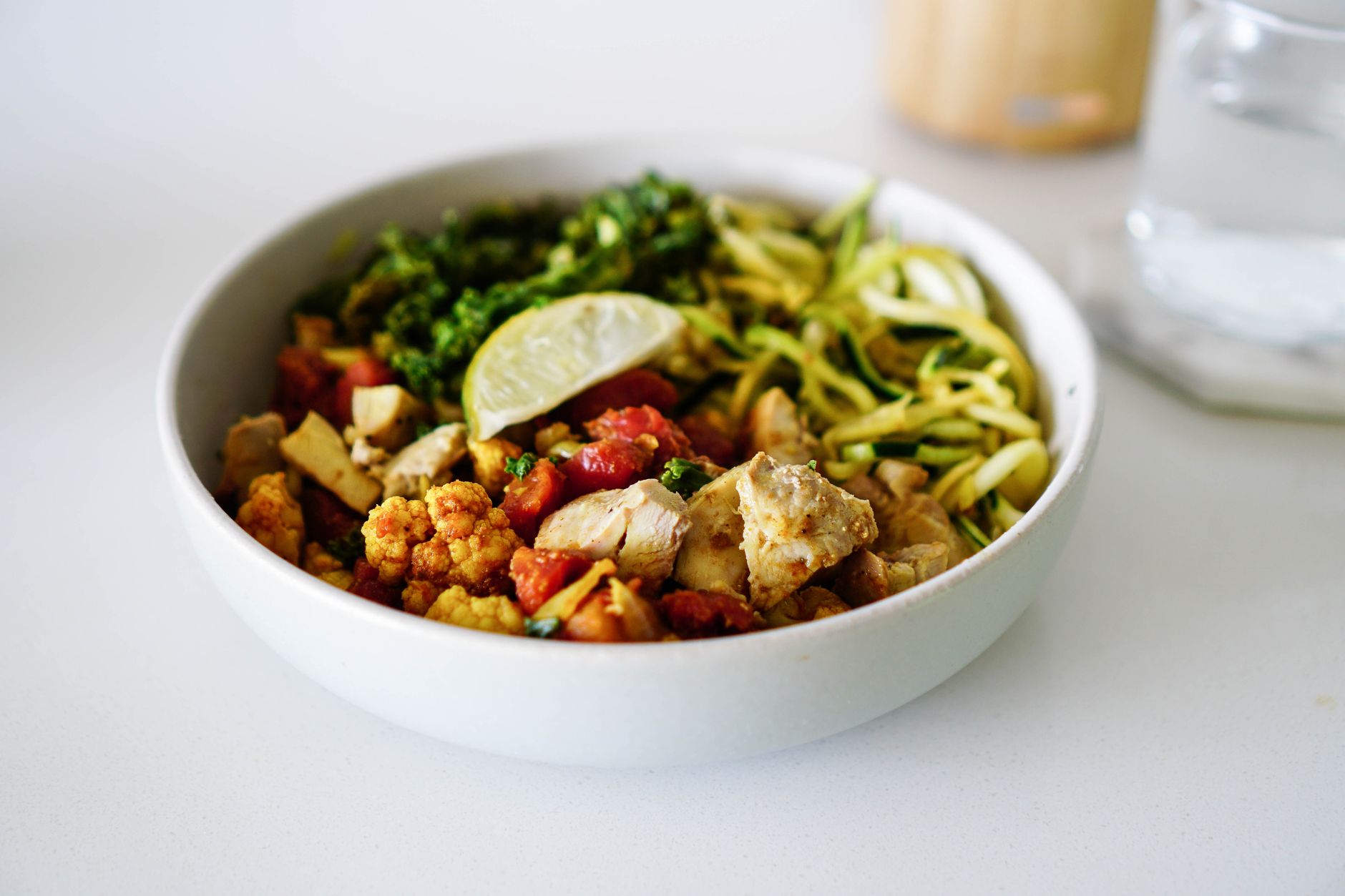
Ingredients: Chicken thighs, coconut milk, ginger, garlic, turmeric, cauliflower, and olive oil. Sauté ginger and garlic in olive oil, add chicken, then pour in coconut milk and spices. Simmer until chicken is cooked, then add cauliflower. Serve with rice-free "rice" made from shredded cabbage.
2. Zucchini Noodles with Pesto (Lunch)
Ingredients: Zucchini, olive oil, basil (if tolerated), garlic, pine nuts (if tolerated—omit if strict AIP), and Parmesan (if tolerated—omit if strict AIP). Spiralize zucchini, sauté in olive oil, and toss with homemade pesto (blend basil, olive oil, garlic, and nutritional yeast).
3. Sweet Potato Toast (Breakfast)
Ingredients: Sweet potato, coconut oil, avocado, and bone broth. Slice sweet potato thinly, toast in coconut oil, top with mashed avocado and a drizzle of bone broth.
4. AIP-Friendly Banana Bread (Snack)
Ingredients: Ripe bananas, coconut flour, coconut oil, eggs (if tolerated), and cinnamon. Mix all ingredients, bake at 350°F for 25–30 minutes.
How Much Weight Can You Lose in a Month on the AIP Elimination Diet for Weight Loss?
You’re checking the scale every morning, hoping for the best. How much weight can you realistically lose on AIP in a month? The answer varies, but here’s what to expect:
- First 2 weeks: You might lose 2–5 pounds, mostly water weight as your body flushes out excess sodium and sugar.
- Weeks 3–4: If you’re eating enough protein and healthy fats, you could lose 1–3 pounds per week. Some people see more if they’re also active or have reduced stress.
- After 4 weeks: Weight loss slows down as your body stabilizes. Some people plateau, while others continue to lose 0.5–1 pound per week.
Factors that affect weight loss:
- Calorie intake: AIP isn’t a calorie-counting diet, but if you’re eating too little, you’ll lose muscle (not fat). Aim for 1,200–1,800 calories/day for women (adjust based on activity level).
- Activity level: Walking, strength training, or yoga can help boost weight loss.
- Stress and sleep: Poor sleep or high cortisol can stall progress.
- Underlying health conditions: If you have thyroid issues or insulin resistance, weight loss may be slower.
Realistic expectations: Most women lose 5–15 pounds in the first 30 days on AIP, but the focus should be on how you feel, not just the number on the scale. Many report reduced bloating, better energy, and improved digestion—all signs of healing.
---AIP Elimination Diet for Weight Loss Reviews from People Who Tried It for 3 Months
We asked our community of readers to share their experiences with AIP for weight loss. Here’s what they had to say:
Sarah, 38 (Hashimoto’s): "I lost 15 pounds in 3 months, but the real win was no more brain fog. I reintroduced eggs and dairy and felt like a new person. Now I eat mindfully and avoid triggers."
Emily, 42 (IBS): "My bloating went from 8/10 to 2/10 in 6 weeks. I lost 10 pounds, but I think the gut healing was the bigger win."
Jessica, 35 (PCOS): "I lost 8 pounds and my skin cleared up. I’m still on AIP because I feel so much better, but I’m reintroducing nuts slowly."
Lisa, 40 (No autoimmune disease): "I lost 5 pounds in a month, but I felt like I was starving. I think AIP isn’t for everyone—it’s too restrictive for me."
Takeaway: AIP works best for those with underlying health issues, but it’s not a one-size-fits-all solution. If you’re trying it for weight loss, pay attention to how you feel—not just the scale.
---Can You Combine the AIP Elimination Diet for Weight Loss with Intermittent Fasting?
You love intermittent fasting (IF), and you’re curious if you can stack it with AIP. Yes, but with caution. Combining the two can amplify weight loss and gut healing, but it also requires careful planning to avoid burnout or nutrient deficiencies.
How to Do AIP + IF Safely
- Start with a shorter fasting window: Try 12:12 or 14:10 (14 hours fasting, 10 hours eating) before moving to 16:8.
- Prioritize protein and healthy fats in your eating window: This keeps you full and avoids muscle loss.
- Stay hydrated: Drink bone broth, herbal teas, and water during fasting to support gut healing.
- Listen to your body: If


