Quick take: Post‑pregnancy thyroid problems can show up as subtle mood swings, unexpected weight changes, or unusual energy levels. Most new moms experience symptoms within the first six months, and many cases resolve on their own, but a proper evaluation ensures you get the right care. If you notice persistent rapid heartbeat, extreme fatigue, or difficulty breastfeeding, schedule a thyroid test promptly.
Imagine it’s 2 a.m.; you’re cradling a sleepy newborn, scrolling through a symptom checker, and wondering whether that sudden tremor or lingering fatigue is “just new‑mom fatigue” or something more. You’re not alone—thousands of women face the same uncertainty after delivery. This guide walks you through the most common signs of thyroid problems after pregnancy, how long they typically last, what tests to request, and practical steps to feel better while caring for your baby.
We’ll break down the science in plain language, highlight the differences between hyper‑ and hypothyroidism, and give you clear, evidence‑based recommendations for treatment, diet, and lifestyle. By the end, you’ll know when a symptom is a normal part of postpartum recovery and when it signals a thyroid issue that deserves medical attention.
What are the signs of postpartum thyroiditis?
Postpartum thyroiditis is an inflammation of the thyroid gland that often follows delivery. It can swing between two phases: an early “overactive” (hyperthyroid) stage and a later “underactive” (hypothyroid) stage. The signs can mimic typical postpartum changes, which is why many women miss the diagnosis.
Hyperthyroid phase symptoms
- Rapid or irregular heartbeat (palpitations)
- Feeling jittery or anxious, even when you’re exhausted
- Heat intolerance and excessive sweating
- Weight loss despite normal or increased appetite
- Tremor in the hands
- Insomnia or difficulty staying asleep
Hypothyroid phase symptoms
- Persistent fatigue that isn’t relieved by sleep
- Unexplained weight gain or difficulty losing weight
- Cold intolerance and feeling “frosty” even in warm rooms
- Constipation or dry skin
- Depressed mood or “baby blues” that linger beyond two weeks
- Muscle aches or joint stiffness
Many women also report a “brain fog” that affects concentration—a symptom that can be mistaken for sleep deprivation. If you notice any combination of these signs lasting longer than a few weeks, consider a thyroid evaluation.
How to differentiate normal postpartum fatigue from thyroid issues
Normal postpartum fatigue usually improves with rest, a regular feeding schedule, and a supportive environment. Thyroid‑related fatigue tends to be:
- Persistent despite adequate sleep (≥ 7 hours)
- Accompanied by other thyroid clues such as hair loss, cold intolerance, or rapid heartbeat
- Worsening over days rather than fluctuating
When in doubt, a simple blood test can provide clarity.
Representative story
One reader told us she felt “wired” at 3 weeks postpartum—her heart raced, she couldn’t sit still, and she lost three pounds without changing her diet. After a thyroid panel revealed elevated T3 and suppressed TSH, she was diagnosed with postpartum hyperthyroidism and started a low‑dose beta‑blocker under her endocrinologist’s guidance. Within weeks, her symptoms settled, and she transitioned smoothly into the hypothyroid phase, which was managed with a modest dose of levothyroxine.

How long does postpartum thyroid disease last?
Postpartum thyroid disease follows a fairly predictable timeline, though individual experiences vary. The condition typically unfolds in three phases:
- Hyperthyroid phase: 1–6 weeks after delivery, lasting up to 2 months.
- Hypothyroid phase: Begins as the hyperthyroid phase wanes, often 2–4 months postpartum, and can last 3–12 months.
- Resolution phase: For many, thyroid function returns to normal by 12–18 months after birth. However, up to 20 % of women develop permanent hypothyroidism requiring lifelong medication.
Postpartum thyroiditis symptoms timeline
During the first two months, you may notice the hyperthyroid symptoms listed above. As the thyroid “burns out,” those symptoms fade and the hypothyroid signs emerge. If you experience a “gap” where you feel fine for a few weeks, that’s a common transitional period.
Risk factors for developing thyroid disease after pregnancy
- Personal or family history of autoimmune thyroid disease (e.g., Hashimoto’s or Graves’ disease)
- Having type 1 diabetes or other autoimmune conditions
- Positive thyroid peroxidase (TPO) antibodies during pregnancy
- Multiparity (having multiple pregnancies)
- Smoking before or during pregnancy
Knowing these risk factors helps you anticipate potential issues and discuss screening with your provider early on.
What’s the difference between hyperthyroidism and hypothyroidism after pregnancy?
Both conditions involve the same gland, but they affect the body in opposite ways. Understanding the contrast helps you recognize which phase you might be in.
Hyperthyroidism after pregnancy
In this phase, the thyroid releases excess thyroid hormones (T4 and T3). The body’s metabolism speeds up, leading to the “overactive” symptoms noted earlier. Lab findings typically show a low TSH (thyroid‑stimulating hormone) and high free T4/T3 levels.
Hypothyroidism after pregnancy
Later, the inflamed thyroid may not produce enough hormones, causing a slowdown in metabolism. Lab results reveal a high TSH and low free T4/T3. This phase can be more insidious because fatigue and weight gain are common postpartum experiences.
Treatment differences
Hyperthyroid symptoms are often managed with beta‑blockers for heart‑rate control and, rarely, short‑term antithyroid medications. Hypothyroid phases usually require levothyroxine—a synthetic form of T4—to normalize hormone levels. Your provider will tailor the dose based on lab results and how you feel.
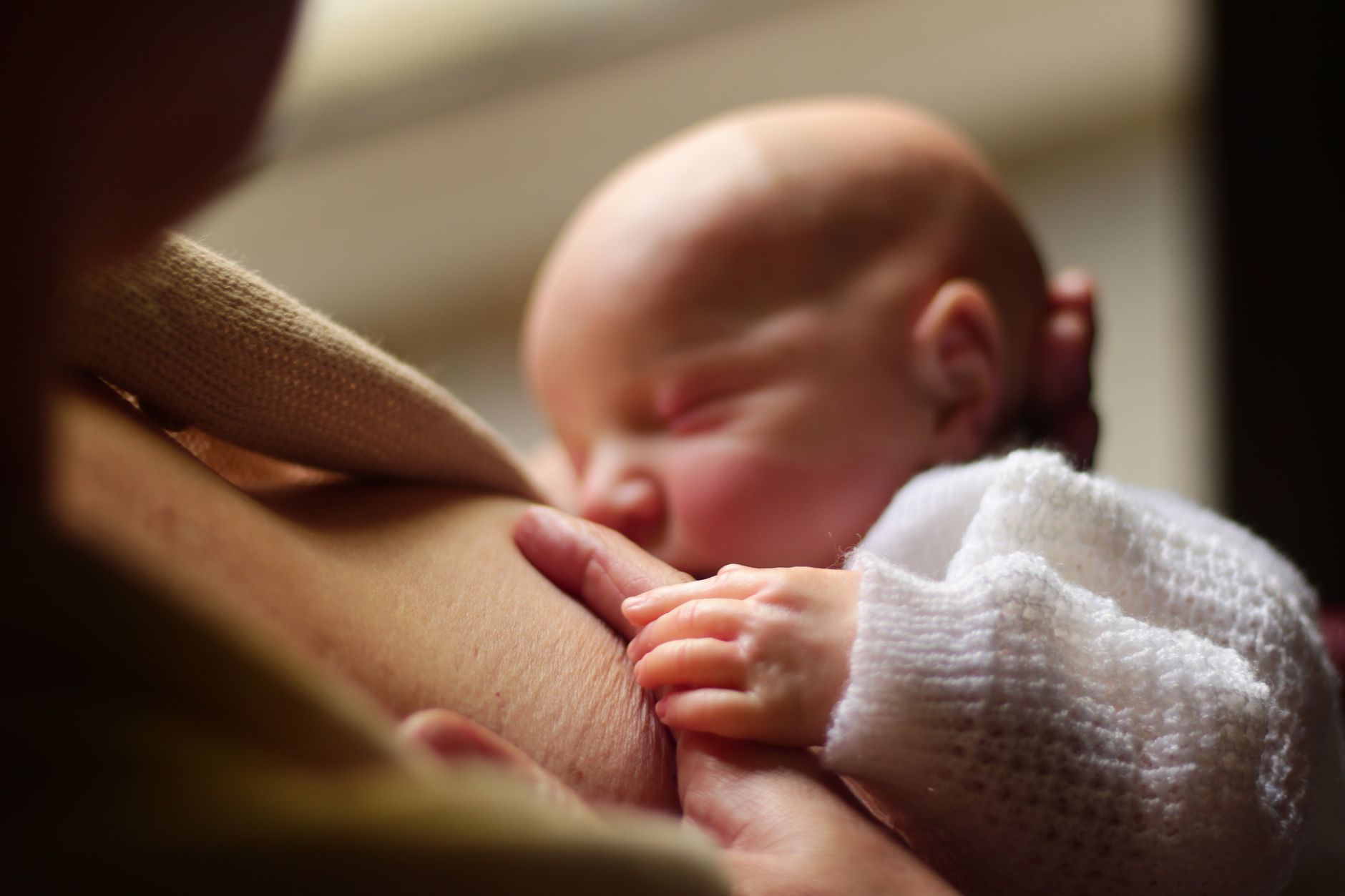
Can breastfeeding affect thyroid problems after delivery?
Breastfeeding and thyroid health interact in subtle ways. Thyroid hormones are essential for milk production, and both hypo‑ and hyperthyroidism can influence supply.
Impact of hypothyroidism on milk supply
Low thyroid hormone levels can reduce prolactin, the hormone that drives milk synthesis, leading to a diminished or delayed milk supply. Studies from the American Academy of Pediatrics (AAP) suggest that most women on stable levothyroxine doses produce adequate milk, but dose adjustments may be needed during the first few weeks.
Impact of hyperthyroidism on breastfeeding
Excess thyroid hormones can cause rapid heartbeat and anxiety, making it harder to relax during feeding. In rare cases, severe hyperthyroidism can decrease milk volume. Treating the hyperthyroid phase often restores normal lactation.
Thyroid medication safety while breastfeeding
Levothyroxine is considered safe for nursing infants. The medication passes into breast milk in very low amounts, and the American Thyroid Association (ATA) states that no dose adjustment is typically required solely because of breastfeeding. However, always discuss any dose changes with your endocrinologist.
Practical tips for nursing moms
- Monitor your infant’s weight gain; consistent growth suggests adequate milk supply.
- Check your own energy levels—persistent fatigue may signal hypothyroidism.
- Schedule a thyroid test 6 weeks postpartum if you notice supply issues.
When should I get tested for thyroid issues after giving birth?
Timing matters. The American College of Obstetricians and Gynecologists (ACOG) recommends a baseline thyroid function test for women with known risk factors—such as a history of thyroid disease or positive TPO antibodies—within the first 6 weeks postpartum.
Best thyroid test after pregnancy
- Persistent rapid heartbeat (≥ 100 bpm) or palpitations
- Sudden, unexplained weight loss or gain (> 5 % of body weight in 2 weeks)
- Severe anxiety, tremor, or insomnia
- Intense cold intolerance, profound fatigue, or depression lasting > 2 weeks
- Difficulty breastfeeding despite adequate effort
If any of these appear, contact your OB‑GYN or endocrinologist promptly. A simple blood draw can identify the issue early, preventing complications.
Treatment options for postpartum thyroid disorder
Management depends on the phase (hyper‑ vs hypothyroid) and severity of symptoms. Most cases resolve with careful monitoring, but medication can ease uncomfortable symptoms and protect your health.
Medication options
- Beta‑blockers (e.g., propranolol): Used for hyperthyroid symptoms like rapid heart rate. Safe for most breastfeeding mothers when prescribed at low doses.
- Antithyroid drugs (e.g., methimazole): Rarely needed; used if hyperthyroidism persists beyond the typical 2‑month window.
- Levothyroxine: Standard treatment for hypothyroidism. Starting dose often 25–50 µg daily, adjusted based on TSH labs every 6 weeks.
- Radioactive iodine (RAI) or thyroidectomy: Considered only for severe, refractory cases; generally avoided during breastfeeding.
Monitoring and follow‑up
After initiating levothyroxine, your provider will check TSH levels every 6 weeks until stable, then annually. For hyperthyroid phases, repeat labs are usually done after 4–6 weeks of beta‑blocker therapy.
When surgery is needed
Rarely, a large goiter or persistent hyperthyroidism may prompt thyroid removal. In such cases, endocrine surgeons coordinate with obstetric teams to ensure timing doesn’t interfere with breastfeeding or future pregnancies.
Natural remedies for postpartum thyroid problems
While not replacements for medical therapy, some lifestyle measures can support thyroid health:
- Selenium‑rich foods: Brazil nuts (1–2 per day) provide 55 µg of selenium, which may reduce thyroid antibody levels (based on ATA guidance).
- Vitamin D: Adequate levels (≥ 30 ng/mL) are linked to better thyroid function; safe supplementation up to 2,000 IU daily is common.
- Stress reduction: Mind‑body practices like gentle yoga or meditation can lower cortisol, which may aggravate autoimmune thyroid activity.
Always discuss supplements with your healthcare provider, especially while breastfeeding.
Diet and lifestyle changes to manage thyroid after pregnancy
Nutrition and daily habits play a supportive role in thyroid recovery. You don’t need a restrictive “thyroid diet,” but certain choices can make a difference.
Foods to enjoy
- Lean proteins (fish, poultry, legumes) for steady energy
- Whole grains (quinoa, brown rice) for fiber and B‑vitamins
- Colorful vegetables, especially cruciferous ones (broccoli, kale) in moderation—cooking reduces goitrogenic compounds.
- Healthy fats (avocado, olive oil, nuts) for hormone synthesis
- Low‑glycemic fruits (berries, apples) to stabilize blood sugar.
Foods to limit or avoid
- Excessive soy products (tofu, soy milk) that can interfere with thyroid medication absorption if taken within 4 hours of the drug.
- Highly processed foods high in sugar and trans fats, which can exacerbate inflammation.
- Very high‑iodine foods (e.g., kelp supplements) unless prescribed, as excess iodine may worsen autoimmune thyroiditis.
Lifestyle tips
- Aim for 7–9 hours of sleep; consistent rest helps regulate hormones.
- Gentle aerobic activity (walking, postnatal yoga) 20–30 minutes most days improves metabolism and mood.
- Stay hydrated—water supports thyroid hormone transport.
- Track symptoms in a journal to discuss trends with your provider.
Impact of thyroid problems on postpartum weight loss
Hypothyroidism can slow metabolic rate, making weight loss frustrating. Pairing levothyroxine with a balanced diet and regular activity usually restores a normal pace. Conversely, hyperthyroidism may cause rapid weight loss, sometimes leading to muscle loss; ensuring adequate protein intake is essential.

Myth vs. fact
Myth: All postpartum thyroid issues are permanent.
Fact: Up to 80 % of postpartum thyroiditis cases resolve spontaneously within a year.
Myth: Breastfeeding worsens thyroid disease.
Fact: Properly managed thyroid hormone levels usually support healthy milk production; breastfeeding itself does not cause thyroid dysfunction.
Myth: You can’t take thyroid medication while nursing.
Fact: Levothyroxine is considered safe for breastfeeding; dose adjustments may be needed based on your labs.
Key takeaways
- Postpartum thyroiditis often presents with a two‑phase pattern: early hyperthyroid symptoms followed by hypothyroid signs.
- Most symptoms appear within the first 6 weeks after delivery and may resolve by 12–18 months, though some women need lifelong medication.
- Testing (TSH, free T4, TPO antibodies) is recommended at 6 weeks postpartum if you have risk factors or symptoms.
- Levothyroxine is safe while breastfeeding; beta‑blockers can manage hyperthyroid symptoms.
- Supportive diet (lean protein, whole grains, selenium) and stress‑reduction techniques aid recovery.
- Seek medical care promptly for rapid heartbeat, extreme weight changes, or difficulty nursing.
Frequently asked questions
What are the common symptoms of postpartum thyroiditis?
Typical signs include a rapid heartbeat, anxiety, heat intolerance, and weight loss in the early hyperthyroid phase, followed by fatigue, weight gain, cold intolerance, and depression in the later hypothyroid phase. Symptoms usually emerge within the first 2 months after birth.
How soon after delivery can thyroid problems appear?
Most cases surface between 2 weeks and 6 months postpartum, with the hyperthyroid phase often beginning around 3–4 weeks and the hypothyroid phase appearing 2–4 months later. Rarely, symptoms can start as early as the first week.
Is it safe to take thyroid medication while breastfeeding?
Yes. Levothyroxine is considered safe for nursing infants, and the amount that passes into breast milk is minimal. Your provider may adjust the dose based on regular TSH checks, but no special restrictions are needed for most mothers.
Can postpartum thyroid issues resolve on their own without treatment?
In many cases, especially mild hyperthyroid symptoms, the condition resolves spontaneously within 12–18 months. However, persistent hypothyroidism often requires levothyroxine to prevent fatigue, depression, and impaired milk supply.
What tests are used to diagnose thyroid problems after pregnancy?
The primary test is a serum TSH level, supplemented by free T4 to assess hormone availability. TPO antibody testing helps identify autoimmune involvement. If a goiter is present, an ultrasound may be ordered.
How does postpartum thyroid disease affect fertility for future pregnancies?
Well‑controlled hypothyroidism improves chances of conception and reduces miscarriage risk. Untreated thyroid disease can disrupt ovulation and increase complications. Regular monitoring before trying for another baby is advisable.
When to see a doctor / specialist
If you experience any of the following, contact your healthcare provider promptly:
- Palpitations or heart rate > 100 bpm at rest
- Unexplained weight loss or gain (> 5 % of body weight in 2 weeks)
- Severe anxiety, tremor, or insomnia lasting > 2 weeks
- Persistent fatigue, depression, or inability to care for your newborn
- Difficulty producing enough breast milk despite adequate feeding attempts
- Any symptom that feels “out of the ordinary” for your postpartum recovery
For evaluation, you may see your OB‑GYN first. If thyroid abnormalities are confirmed, a referral to an endocrinologist—who specializes in hormone disorders—is the next step. This article provides general information and is not a substitute for personalized medical advice.
References
- American College of Obstetricians and Gynecologists. “Thyroid Disease in Pregnancy.” ACOG Practice Bulletin No. 202, 2022.
- American Thyroid Association. “Guidelines for the Diagnosis and Management of Thyroid Disease During Pregnancy and the Postpartum Period.” ATA Guidelines, 2021.
- Endocrine Society. “Management of Postpartum Thyroiditis.” Clinical Practice Guideline, 2020.
- American Academy of Pediatrics. “Breastfeeding and Maternal Thyroid Function.” Pediatrics, vol. 149, no. 6, 2022.
- National Institutes of Health. “Thyroiditis.” MedlinePlus, NIH, 2023.
- Harvard T.H. Chan School of Public Health. “Selenium and Thyroid Health.” Nutrition Source, 2021.
- Centers for Disease Control and Prevention. “Postpartum Depression and Thyroid Disorders.” CDC Health Topics, 2023.



